

Sports
Jan 28, 2026
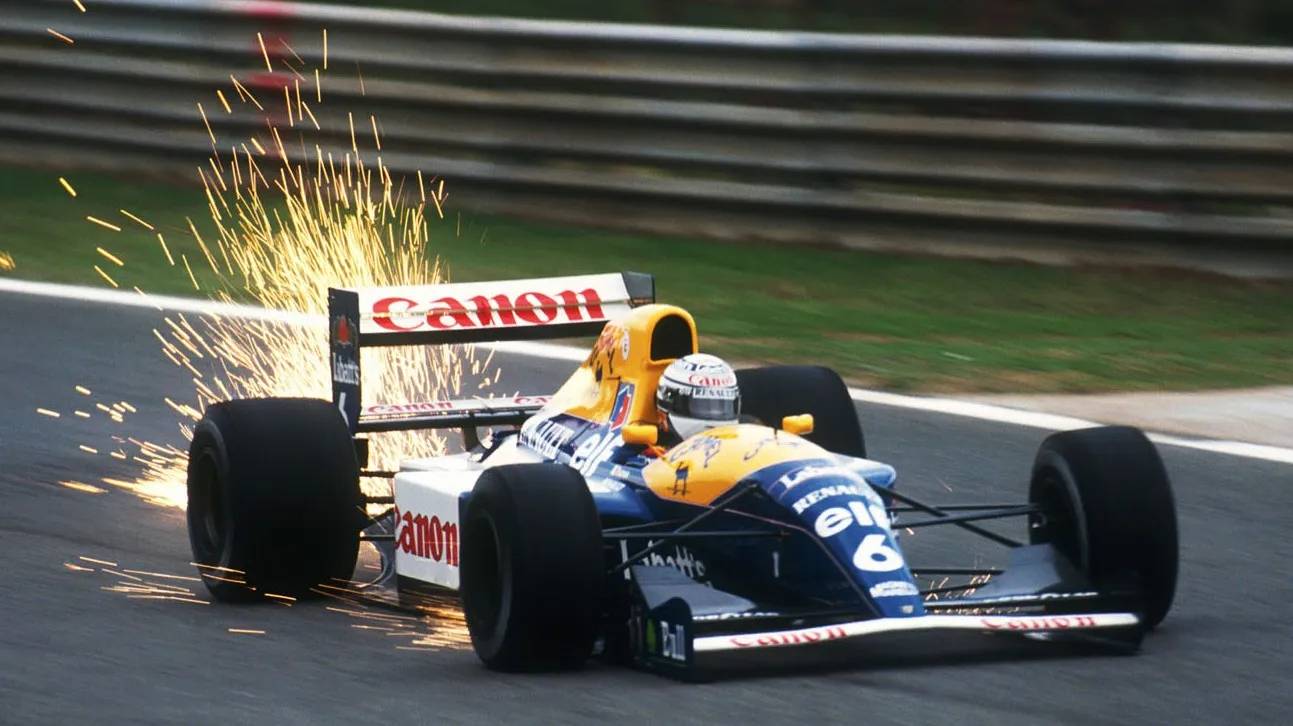
F1 cars spark because titanium skid blocks scrape the track at high speed. Here’s why sparks happen, what causes them, and why they’re intentional. Photo by: F1 Paddock Pass - WordPress.com
Ever watch a Formula 1 race, especially at night? Notice those bright sparks flying from the bottom of the cars?
It looks cool, right? Almost like something from a movie. But those sparks aren't just by chance.
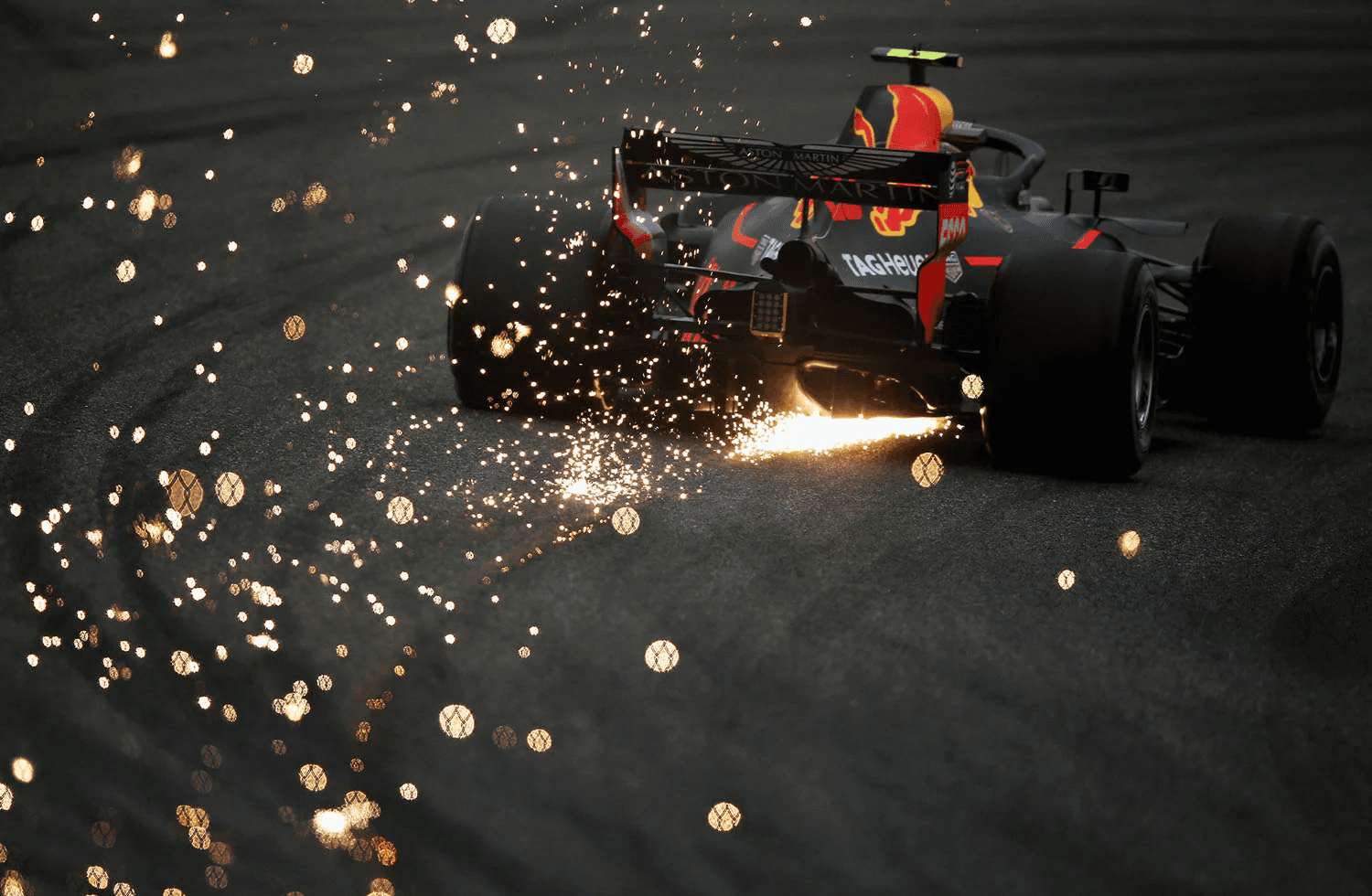
F1 cars create sparks because titanium skid blocks under the car rub against the track.
And yes, it's on purpose and controlled by the rules.
F1 cars create sparks when the titanium skid blocks on the car's underside scrape against the track at fast speeds.
This usually happens when:
The car rides really low.
When going fast, the suspension gets compressed.
The car hits the ground on bumps, curbs, or where there's a lot of downforce.
Formula 1 cars all have skid blocks, sometimes called skid plates, attached to the bottom.
Here's the lowdown:
They're made of titanium.
They're fixed to the plank under the car.
They're made to scrape the track without causing problems.
Why titanium?
It's super hard.
It makes cool sparks.
It doesn't wear out too fast.
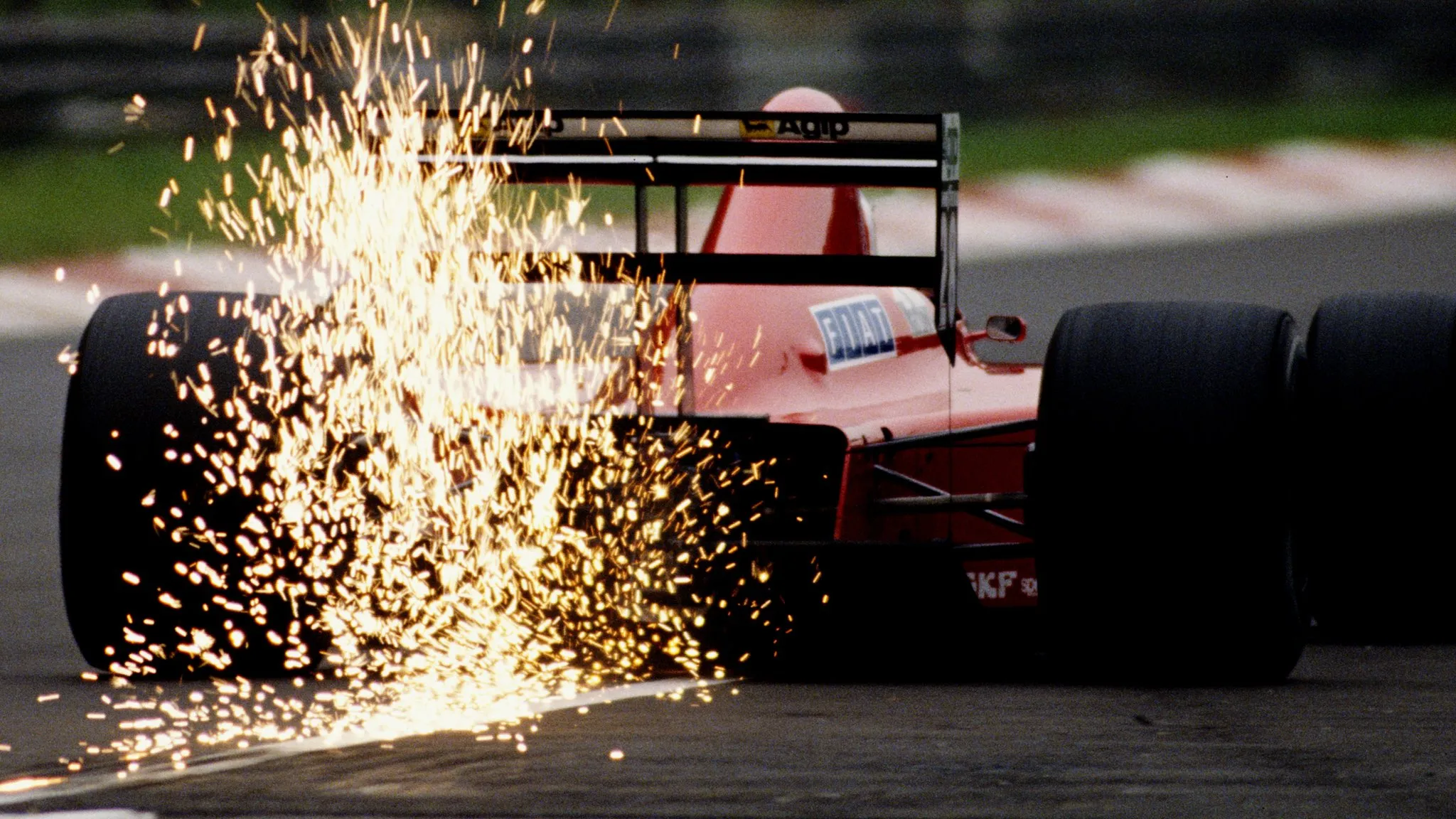
Sparks happen when:
Titanium scrapes asphalt at high speed
Friction causes small metal particles to heat up
Those particles ignite briefly in the air
It's the same idea as when you see sparks from metal grinding, but this time it's happening at over 185 mph. And that's how you get those cool spark trails you always see in F1.
Today's F1 cars depend a lot on ground effect aerodynamics.
Running your car low has some upsides:
More downforce is created.
Grip is better.
Corners can be taken faster
But, if you run the car too low:
It's more likely to hit the ground.
The skid blocks will scrape more often.
Teams try to make their ride height as low as possible.
Sparks aren't just for show; they tell you something about how a race car is set up.
Seeing sparks usually means a car is dialed in for top performance.
It often indicates:
Maximized downforce
Suspension working hard
Very low ride height
Basically, if you see sparks, the car is probably moving fast.
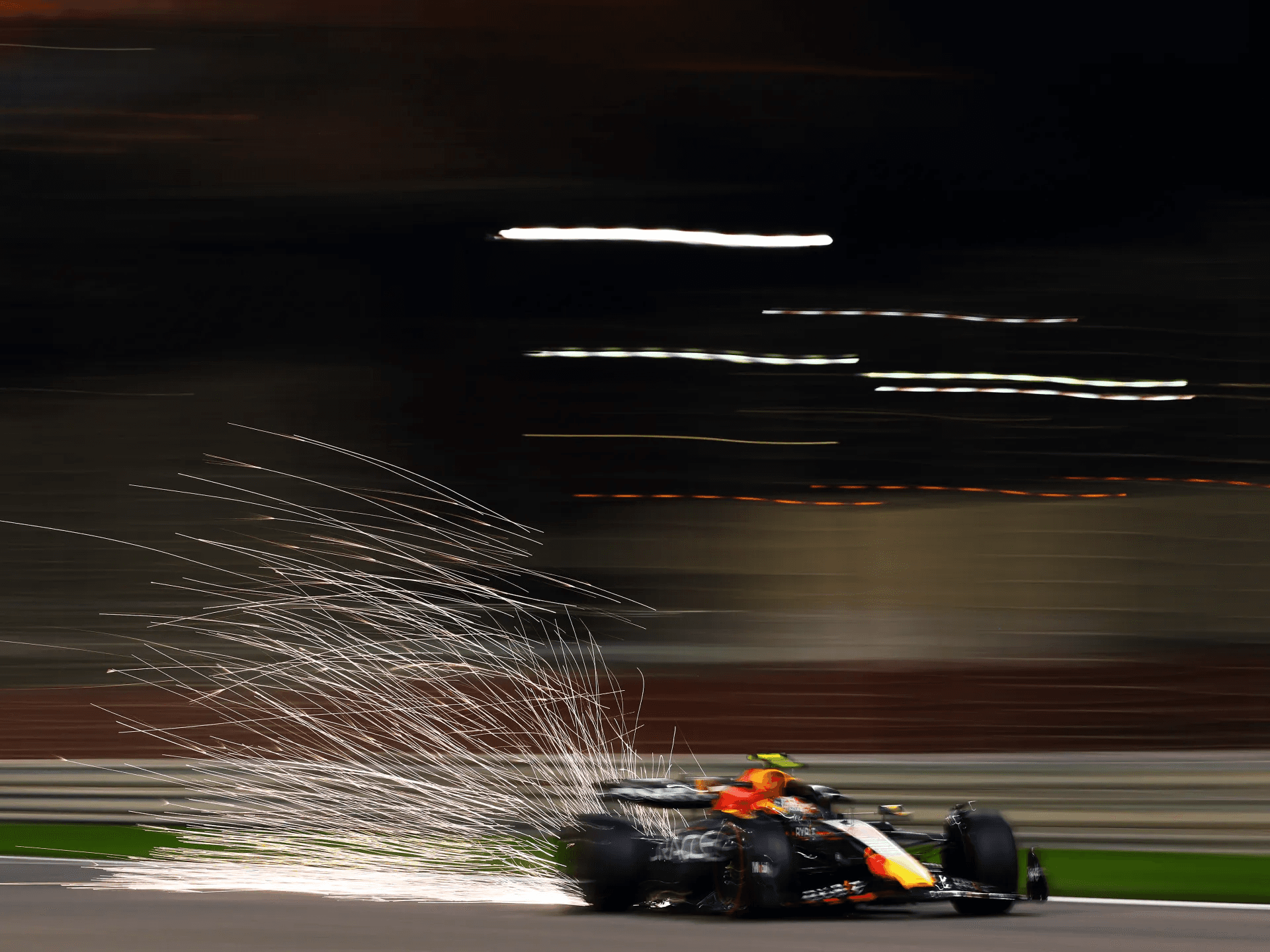
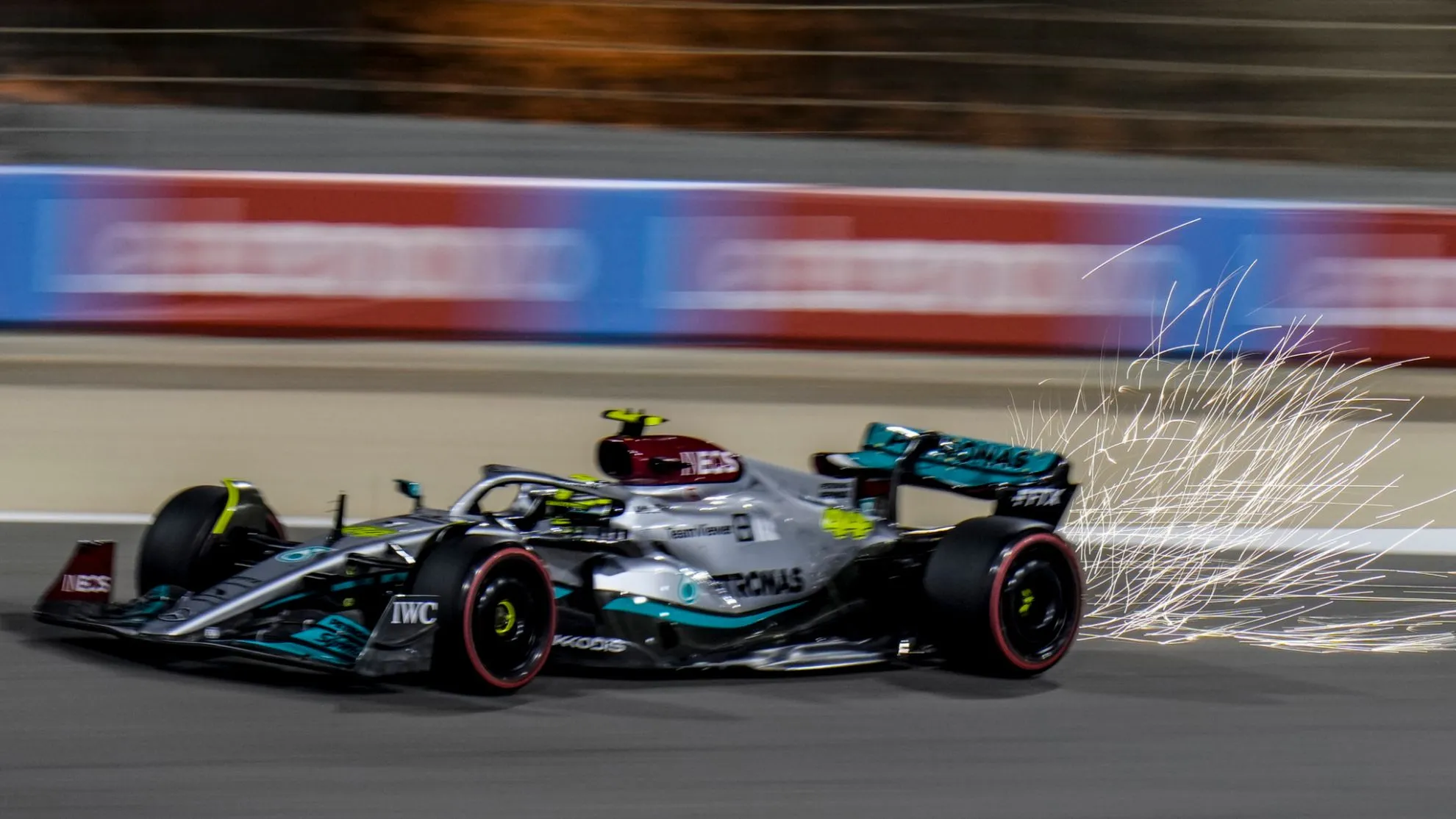
Night races make sparks look more dramatic because:
Dim lighting works best.
Sparks stand out against a dark space.
That's why we see races like:
Singapore
Bahrain
Las Vegas
Sparks trails are one of the things that make races so cool.
You can see sparks during the day races, but they're just not as obvious.
Nope, they're managed and anticipated.
The FIA has strict rules about:
Skid block materials
Floor thickness
Wear limits
If a car loses too much material from its plank...
The car is disqualified
This stops teams from using risky, underpowered configurations.
The Fédération Internationale de l'Automobile requires:
A wooden plank under each car.
Titanium skid blocks attached to the plank.
A minimum plank thickness to be maintained after the race.
These rules help to:
Keep ride heights in check.
Stop cars from scraping the ground too much.
Keep drivers safe.
Sparks show that the rules are doing their job.
The amount of sparks you see depends on a few things:
How the car is made
What kind of suspension they're using
The track surface itself
How much gas they have
How fast they're going and how hard they're turning
Some cars spark more than others because they:
Create more downforce
Have stiffer suspensions
Sit lower to the ground when moving fast
This is the reason one team might be sparking a lot, and another team isn't sparking much at all.
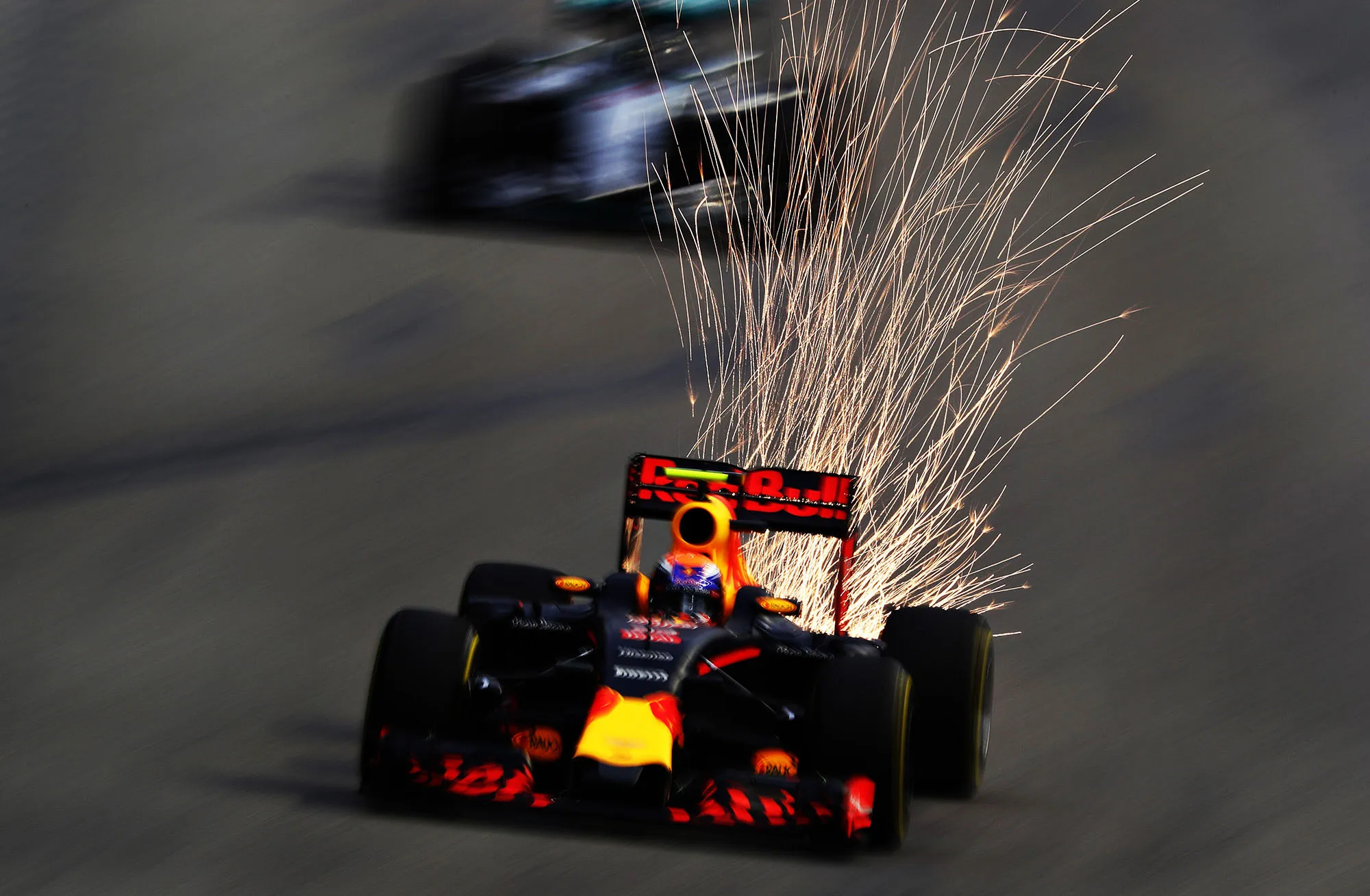
Sparks usually fly when:
You're braking hard at high speeds.
You hit the kerbs.
You're taking corners quickly.
That's because:
Downforce is at its highest.
The suspension is compressed the most.
The floor is closest to the ground.
The skid blocks really do their job then.
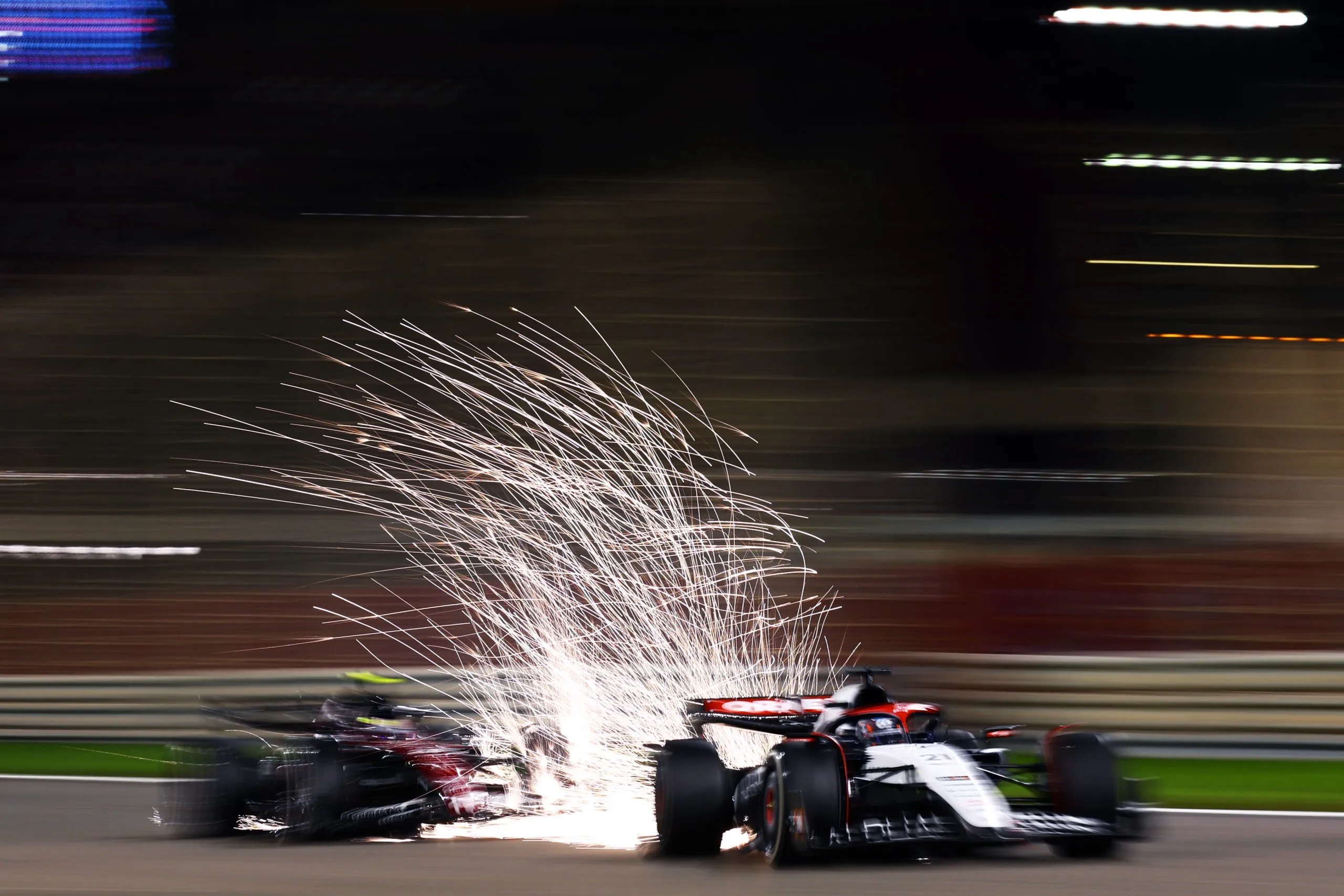
Yes.
Older F1 eras:
Had greater ride heights.
Tried out different aero ideas.
Made less downforce from the underfloor.
The reason modern ground-effect cars (from 2022 on) spark more often is:
They count on air moving under the car.
Good performance means driving really low to the ground.
Normally, no, sparks by themselves aren't a sign of damage.
But lots of sparks might mean:
You're bottoming out too much.
Your plank might be wearing down.
There could be something wrong with your setup.
Teams keep a close watch on plank wear after each session.
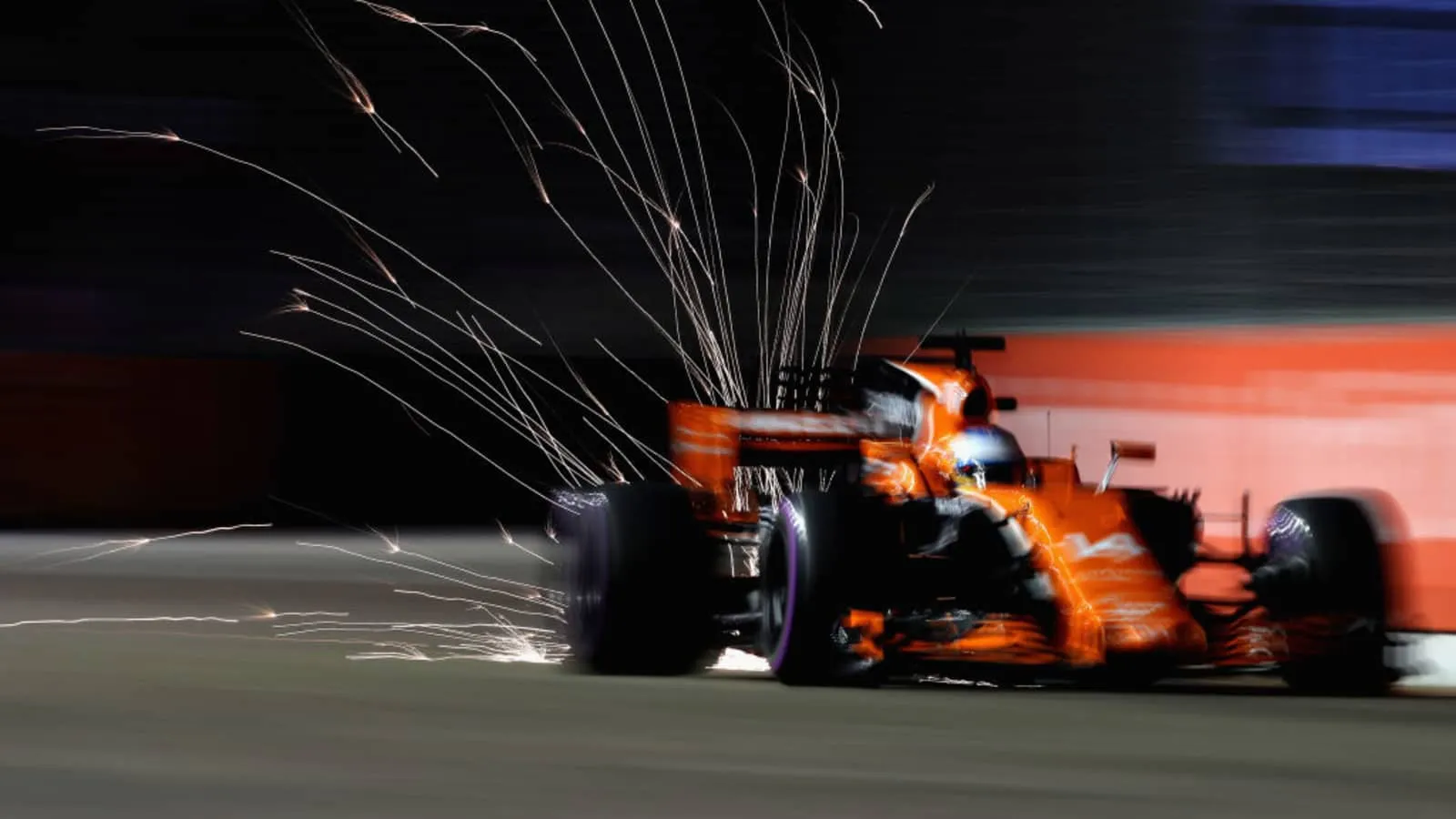
Even though they're not meant to be flashy, sparks now do a few things:
They're like Formula 1's visual trademark.
They show how fast and intense the sport is.
They make night races look even cooler.
Basically, sparks remind you that F1 cars are always pushing the limits of what's possible.
F1 cars spark because their titanium skid plates scrape against the track.
These sparks appear when the cars have a very low ride height.
Titanium dragged at high speed produces visible sparks.
You'll notice this effect more during night races.
Sparks can show teams are using aggressive setups to boost performance.
F1 cars spark when the titanium skid blocks beneath them scrape against the track at high speeds as the suspension compresses.
Teams run the cars incredibly low to get as much downforce as possible, which causes this. These sparks are on goal, controlled, and okay, and they show the car's at its performance peak.
These sparks aren't just for looks they tell you the car's running at its limit.