

Sports

Sports

How Much Weight Do F1 Drivers Lose Per Race?

Nitesh Bandekar

Friday, January 9, 2026

January 9, 2026

5 min read

F1 driver weight loss, how much weight do F1 drivers lose per race, Formula 1 driver dehydration, F1 cockpit temperature, F1 driver fitness, F1 race physical demands, F1 driver sweat loss, F1 hydration system, Singapore Grand Prix physical demand, F1 heat stress, Formula 1 driver endurance, F1 driver recovery after race, FIA minimum driver weight, motorsport weight loss comparison, F1 vs IndyCar fitness, F1 driver health and safety, F1 extreme racing conditions, F1 athlete training, Formula 1 driver body stress

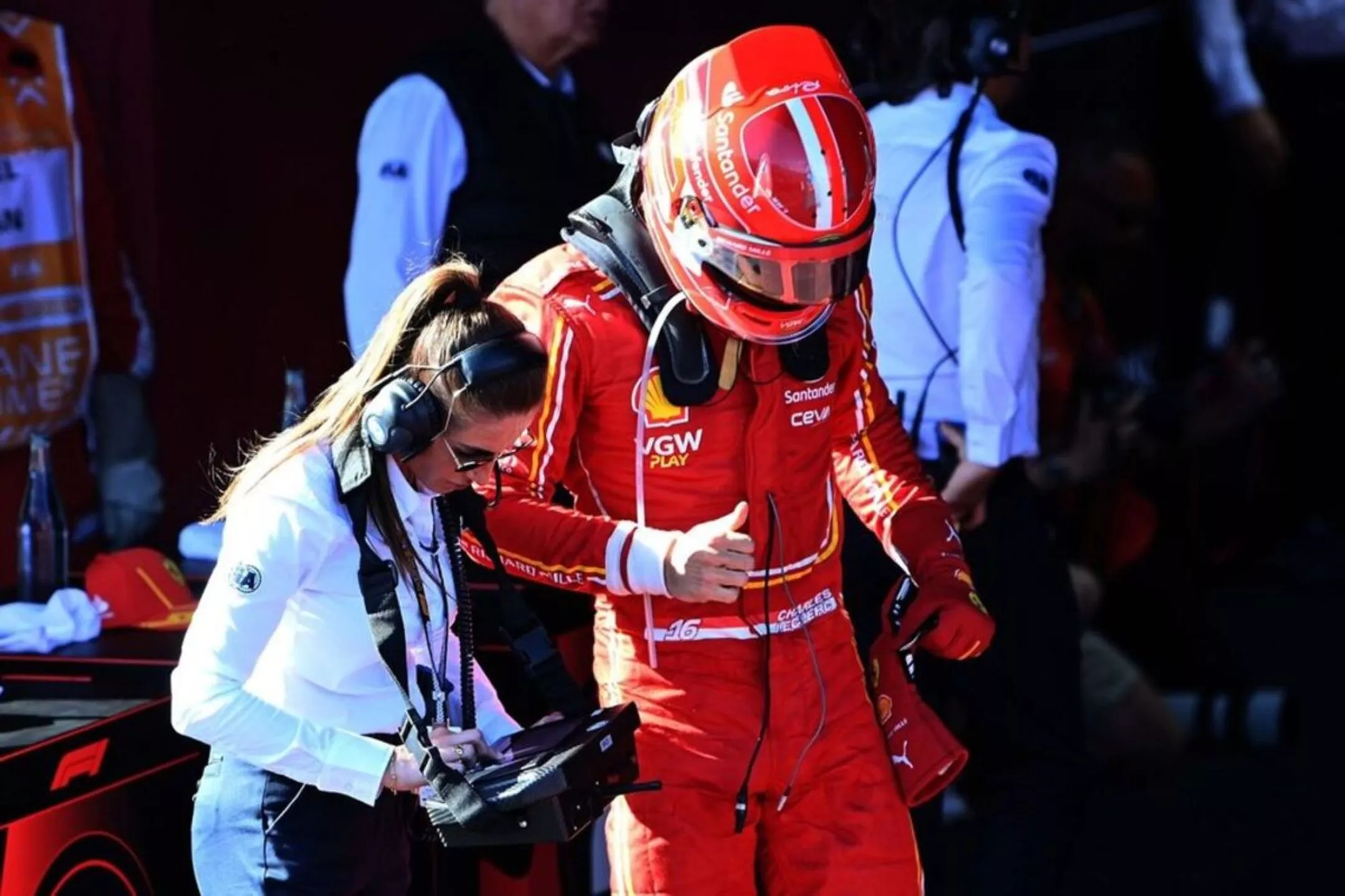
F1 drivers can lose significant body weight during a race due to heat and dehydration. Here’s how much weight they lose, why it happens, and how they recover. Photo by: Motorsport
How Much Weight Do F1 Drivers Lose Per Race?


F1 driver weight loss, how much weight do F1 drivers lose per race, Formula 1 driver dehydration, F1 cockpit temperature, F1 driver fitness, F1 race physical demands, F1 driver sweat loss, F1 hydration system, Singapore Grand Prix physical demand, F1 heat stress, Formula 1 driver endurance, F1 driver recovery after race, FIA minimum driver weight, motorsport weight loss comparison, F1 vs IndyCar fitness, F1 driver health and safety, F1 extreme racing conditions, F1 athlete training, Formula 1 driver body stress

F1 cars look cool, but it's rough inside. Drivers deal with crazy heat, a lot of physical stress, and they get dried out. By the end of a race, they've usually lost a noticeable amount of weight.

So, just how much weight do F1 drivers drop during a race?

Usually, F1 drivers lose about 2 to 4 kilograms (4.5 to 9 pounds) in each race. On hotter days or tougher races, they might lose even more.

Why Do F1 Drivers Lose So Much Weight?

When you lose weight during a race, it's mostly water, not body fat or muscle.

Here's why:
1. Extreme Cockpit Temperatures


F1 driver weight loss, how much weight do F1 drivers lose per race, Formula 1 driver dehydration, F1 cockpit temperature, F1 driver fitness, F1 race physical demands, F1 driver sweat loss, F1 hydration system, Singapore Grand Prix physical demand, F1 heat stress, Formula 1 driver endurance, F1 driver recovery after race, FIA minimum driver weight, motorsport weight loss comparison, F1 vs IndyCar fitness, F1 driver health and safety, F1 extreme racing conditions, F1 athlete training, Formula 1 driver body stress

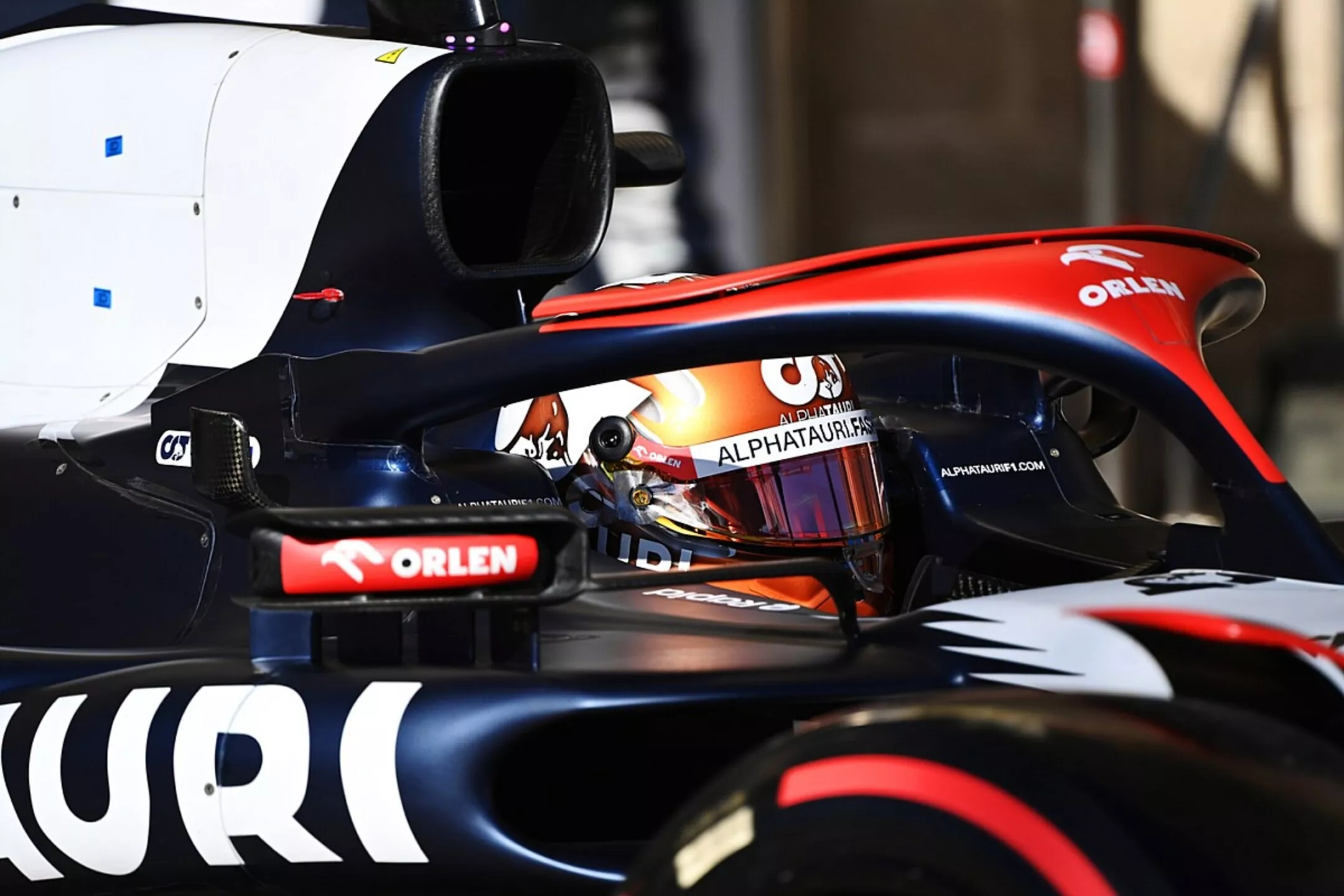
F1 drivers deal with some serious heat in the cockpit, usually between 122–140°F, but it can get even hotter.

Here's why:

  • Air doesn't flow well in the car.

  • They're right on top of really hot engine parts.

  • Heat just builds up during the whole race.

So, for almost two hours, these drivers are racing in what's basically a sauna on wheels.

2. Intense Physical Exertion

Even though drivers are seated, racing an F1 car is physically demanding.

Drivers deal with:

  • Braking forces that exceed 5G

  • Consistent difficulty steering

  • Constant core muscle activation

  • Neck pain from the force of turns

Heart rates frequently stay in the 160-190 BPM range, matching endurance athletes.
3. Heavy Protective Gear


F1 driver weight loss, how much weight do F1 drivers lose per race, Formula 1 driver dehydration, F1 cockpit temperature, F1 driver fitness, F1 race physical demands, F1 driver sweat loss, F1 hydration system, Singapore Grand Prix physical demand, F1 heat stress, Formula 1 driver endurance, F1 driver recovery after race, FIA minimum driver weight, motorsport weight loss comparison, F1 vs IndyCar fitness, F1 driver health and safety, F1 extreme racing conditions, F1 athlete training, Formula 1 driver body stress

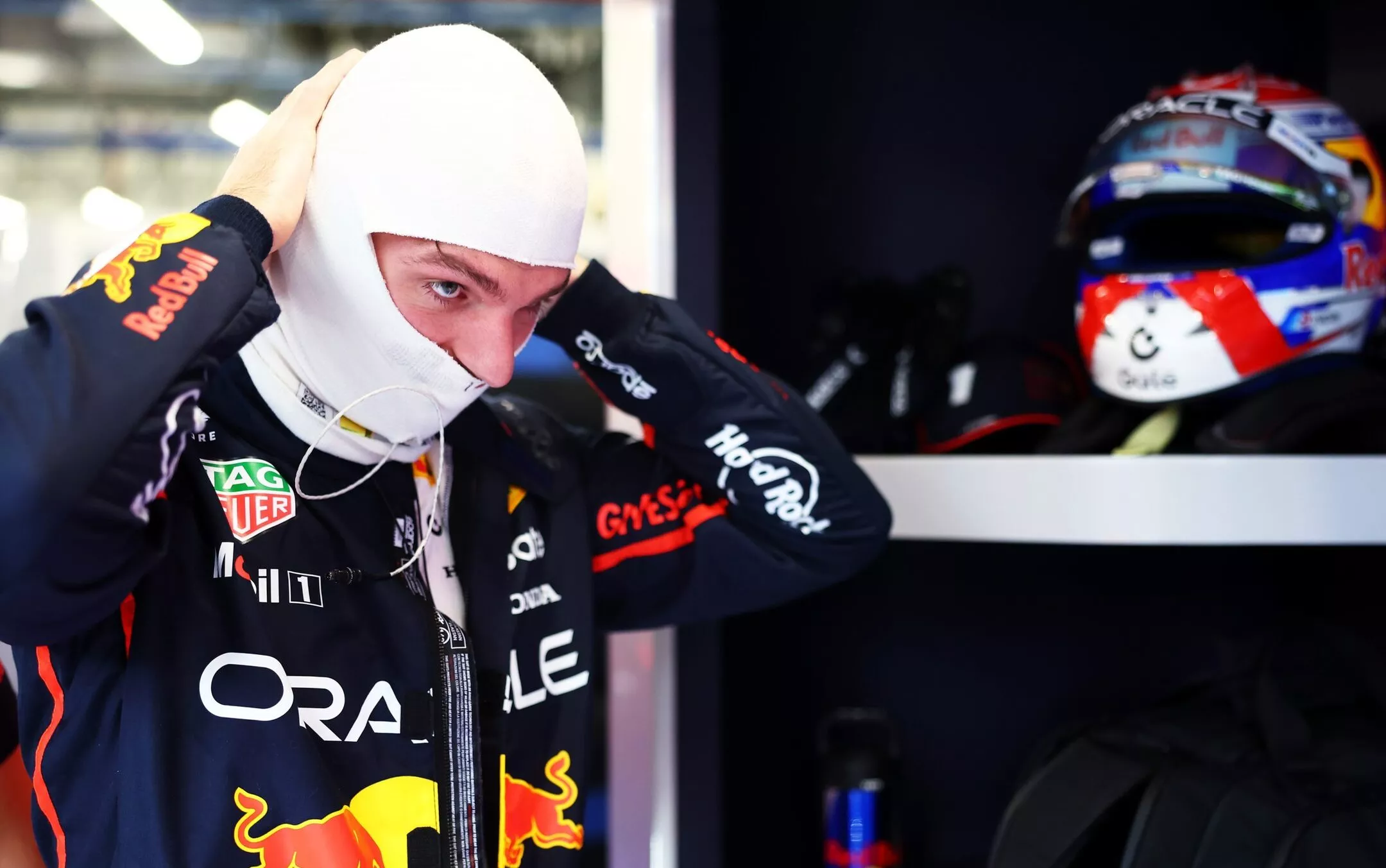
Race car drivers wear:

  • Fireproof suits made of multiple layers

  • Gloves and boots

  • Helmets

  • Balaclavas

All this safety gear makes it harder for heat to escape, so drivers sweat more.

How Much Weight Is Lost at Different Races?

It's not as simple as saying one race is better than another. The weather and the track itself can really change things.

Typical Weight Loss by Race Type


Race Conditions

Approximate Weight Loss

Cool-weather races

1.5-2 kg

Average conditions

2-3 kg

Hot & humid races

3-4 kg

Extreme races (Singapore, Qatar)

4+ kg

Racing at night in humid places can be just as hard as racing during the day.
Notable Examples from F1 Drivers


F1 driver weight loss, how much weight do F1 drivers lose per race, Formula 1 driver dehydration, F1 cockpit temperature, F1 driver fitness, F1 race physical demands, F1 driver sweat loss, F1 hydration system, Singapore Grand Prix physical demand, F1 heat stress, Formula 1 driver endurance, F1 driver recovery after race, FIA minimum driver weight, motorsport weight loss comparison, F1 vs IndyCar fitness, F1 driver health and safety, F1 extreme racing conditions, F1 athlete training, Formula 1 driver body stress

Over the years, drivers and teams have talked openly about how much weight they lose during races.

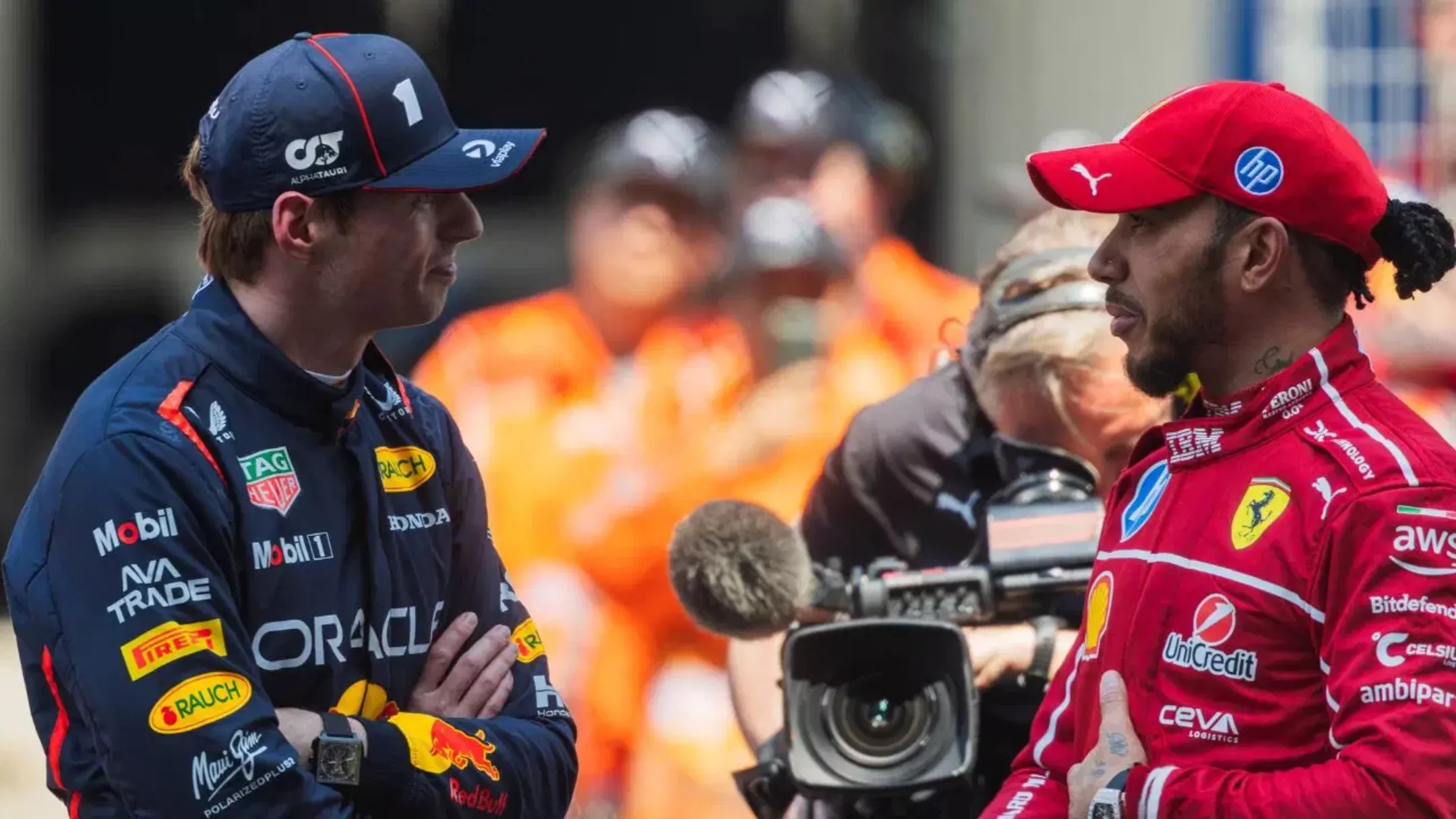
  • Lewis Hamilton once said that he can lose as much as 3 kg in hotter races.

  • Max Verstappen has mentioned races where dehydration is a big problem.

  • Sebastian Vettel used to say that the Singapore race was one of the hardest on the schedule.

People often say that the Singapore Grand Prix is the toughest race of the year because of how physically demanding it is.

Is This Weight Loss Dangerous?

Losing weight quickly isn't dangerous if you do it the right way, but getting dehydrated definitely is.

If you don't get enough water, you might:

  • rouble concentrating

  • React more slowly

  • Get muscle cramps

  • Feel dizzy

  • Get heat exhaustion

That's why Formula 1 teams spend a lot of money on ways to keep their drivers hydrated and cool.
How F1 Drivers Stay Hydrated During a Race


F1 driver weight loss, how much weight do F1 drivers lose per race, Formula 1 driver dehydration, F1 cockpit temperature, F1 driver fitness, F1 race physical demands, F1 driver sweat loss, F1 hydration system, Singapore Grand Prix physical demand, F1 heat stress, Formula 1 driver endurance, F1 driver recovery after race, FIA minimum driver weight, motorsport weight loss comparison, F1 vs IndyCar fitness, F1 driver health and safety, F1 extreme racing conditions, F1 athlete training, Formula 1 driver body stress

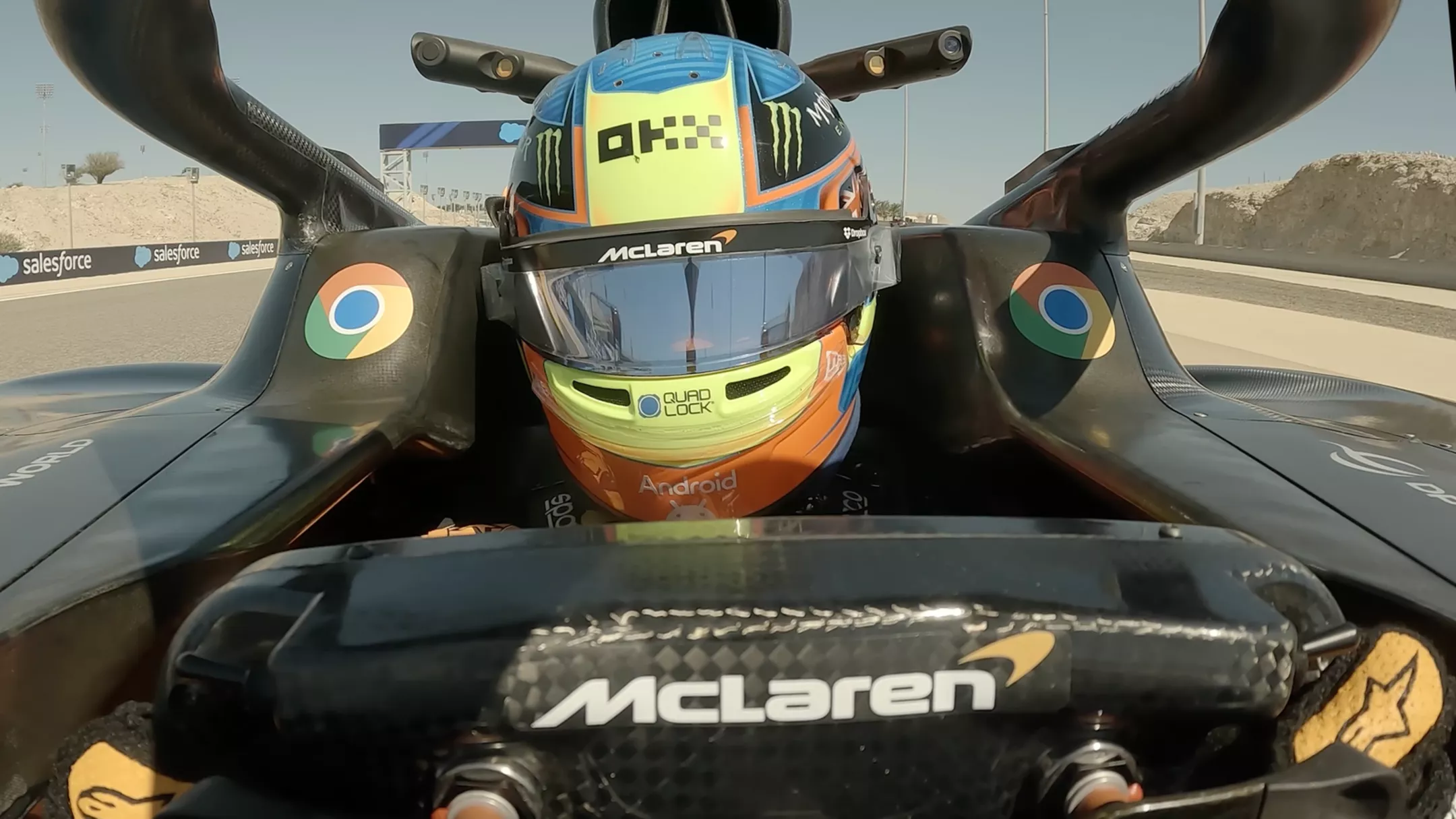
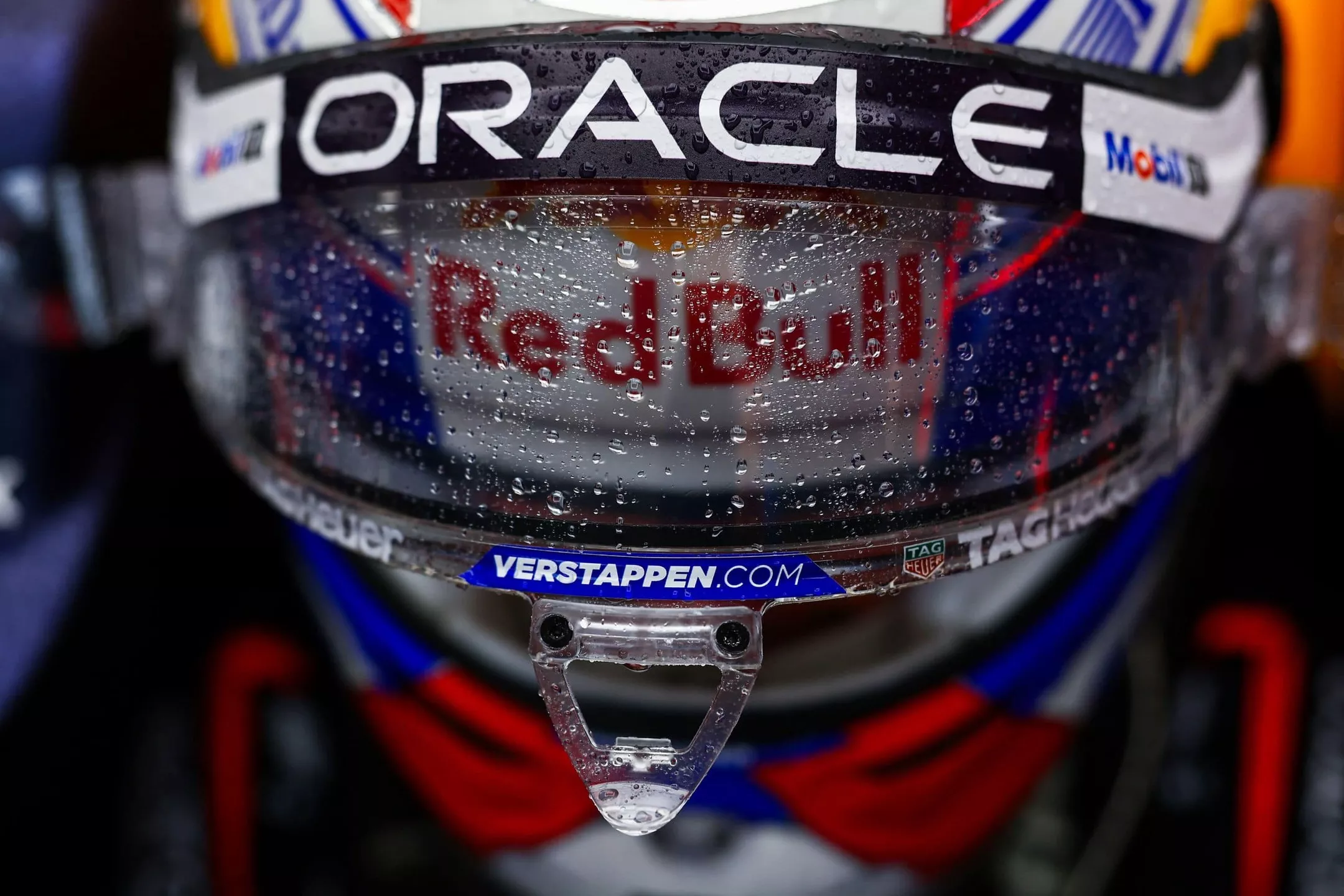
Each F1 car has a drink system for the driver.

Hydration System Basics


  • A tube links to the driver's helmet for easy drinking.

  • The fluid is an electrolyte mix.

  • A button on the steering wheel controls the drink flow.

Keep in Mind:

  • Drivers can only take small sips at a time.

  • The system can fail occasionally.

  • The fluid can get hot during a race.

In very hot races, drivers may lose more fluids than they can replenish.

Post-Race Recovery: How Drivers Regain Weight

Recovery starts right after a race.

Post-Race Protocol


F1 driver weight loss, how much weight do F1 drivers lose per race, Formula 1 driver dehydration, F1 cockpit temperature, F1 driver fitness, F1 race physical demands, F1 driver sweat loss, F1 hydration system, Singapore Grand Prix physical demand, F1 heat stress, Formula 1 driver endurance, F1 driver recovery after race, FIA minimum driver weight, motorsport weight loss comparison, F1 vs IndyCar fitness, F1 driver health and safety, F1 extreme racing conditions, F1 athlete training, Formula 1 driver body stress


  • Drink fluids with electrolytes fast.

  • Use cooling vests or ice baths.

  • Get checked by a doctor.

  • Do some light stretching.

Drivers usually gain back most of their weight within a day.

Why Driver Weight Matters in Formula 1

In Formula 1, weight matters big time for how well you do.

The FIA has rules about it.

  • There's a minimum weight for drivers.

  • Also, there's a minimum weight for the car and driver together.

This stops teams from pressuring drivers to lose weight in ways that aren't healthy just to go faster

Before these rules, being a lighter driver could give you an edge, but it sometimes meant putting your health at risk.

How F1 Compares to Other Motorsports


Motorsport

Typical Weight Loss

Formula 1

2-4 kg

IndyCar

1-2.5 kg

Endurance Racing

1-2 kg per stint

MotoGP

1-2 kg

Formula 1 is still one of the toughest sports when it comes to physical fitness.

Why Fans Often Underestimate F1 Fitness

F1 might look easy, but appearances can be deceiving.

  • F1 drivers train all year, just like top athletes in any sport.

  • They get as dehydrated as marathon runners during a race.

  • Their necks need to be stronger than in almost any other sport.

The amount of weight they lose during a race really shows how tough F1 is.

Quick Summary

  • F1 drivers typically lose about 4-9 pounds during a race.

  • This weight loss mainly comes from sweating and dehydration.

  • In hot races, drivers might lose upwards of 9 pounds.

  • Drivers quickly recover through careful rehydration.

  • Strict regulations help keep drivers healthy.

Final Answer

Formula 1 drivers usually lose about 4.5-9 pounds in one race. This is mainly because of the intense heat and sweating inside their cars. In really hot, wet weather, they might drop even more weight.

This shows that Formula 1 drivers are more than just racers. They're top-level athletes who push their bodies to the limit.


Share this article

Related Articles

Related Articles

Related Articles