
Sports

Sports

How Athletes Go From Youth Sports to the Pros: The Real Path Explained

Albin Vishwas

Tuesday, January 27, 2026

January 27, 2026

5 min read

path to professional sports, how athletes go pro, youth sports development, becoming a professional athlete, athlete development pathway, how kids become pro athletes, sports career progression, youth sports to pro sports, athlete pipeline explained, early sports training importance, high school sports recruiting, college sports pathway, development leagues explained, why athletes don’t go pro, athlete burnout youth sports, sports scouting process, when scouts notice athletes, academic requirements for athletes, mental toughness in sports, difference between amateur and pro athletes, youth sports reality check, chances of going pro sports, professional sports journey explained, athlete career timeline, sports development system

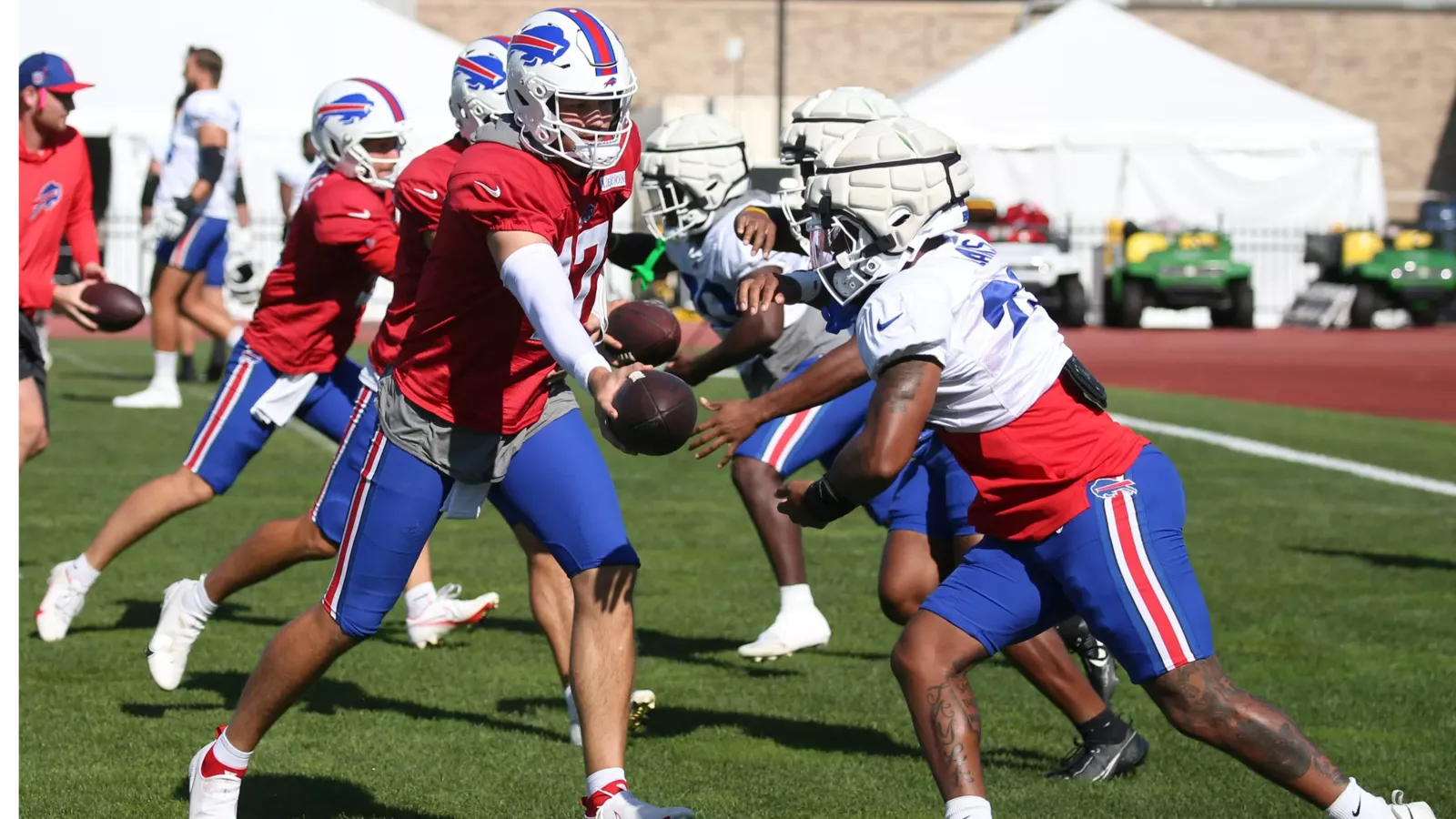
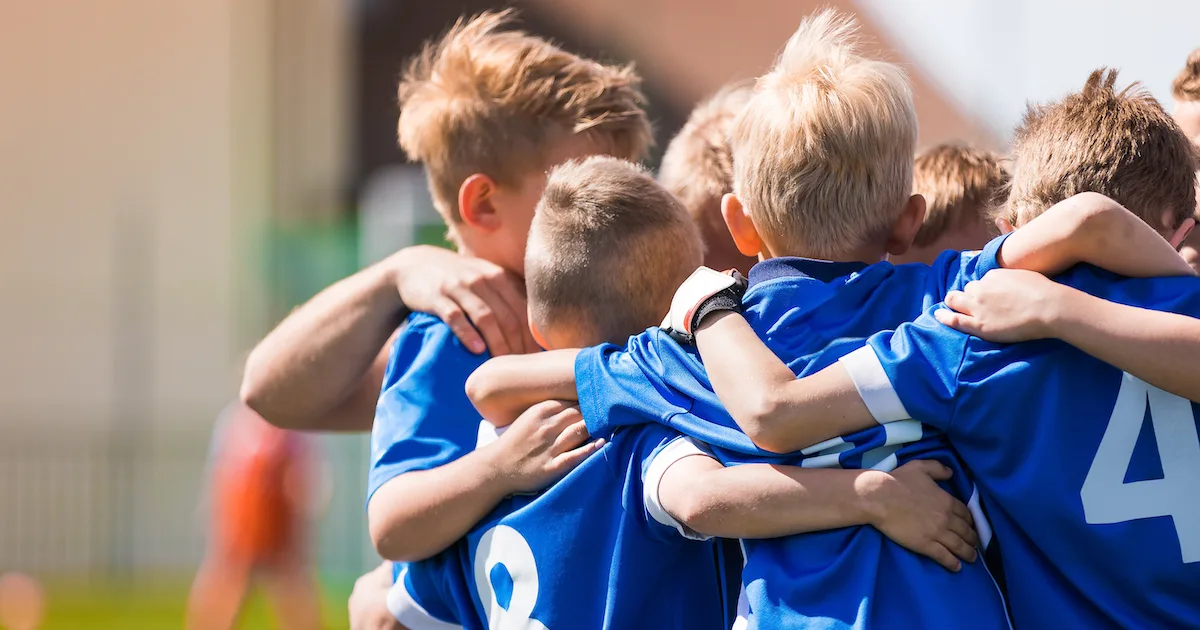
A clear, realistic breakdown of the path to professional sports, from youth leagues to elite levels. What it really takes to go pro. Photo by: Jersey Watch

The Path to Professional Sports Starts Earlier Than Most People Think

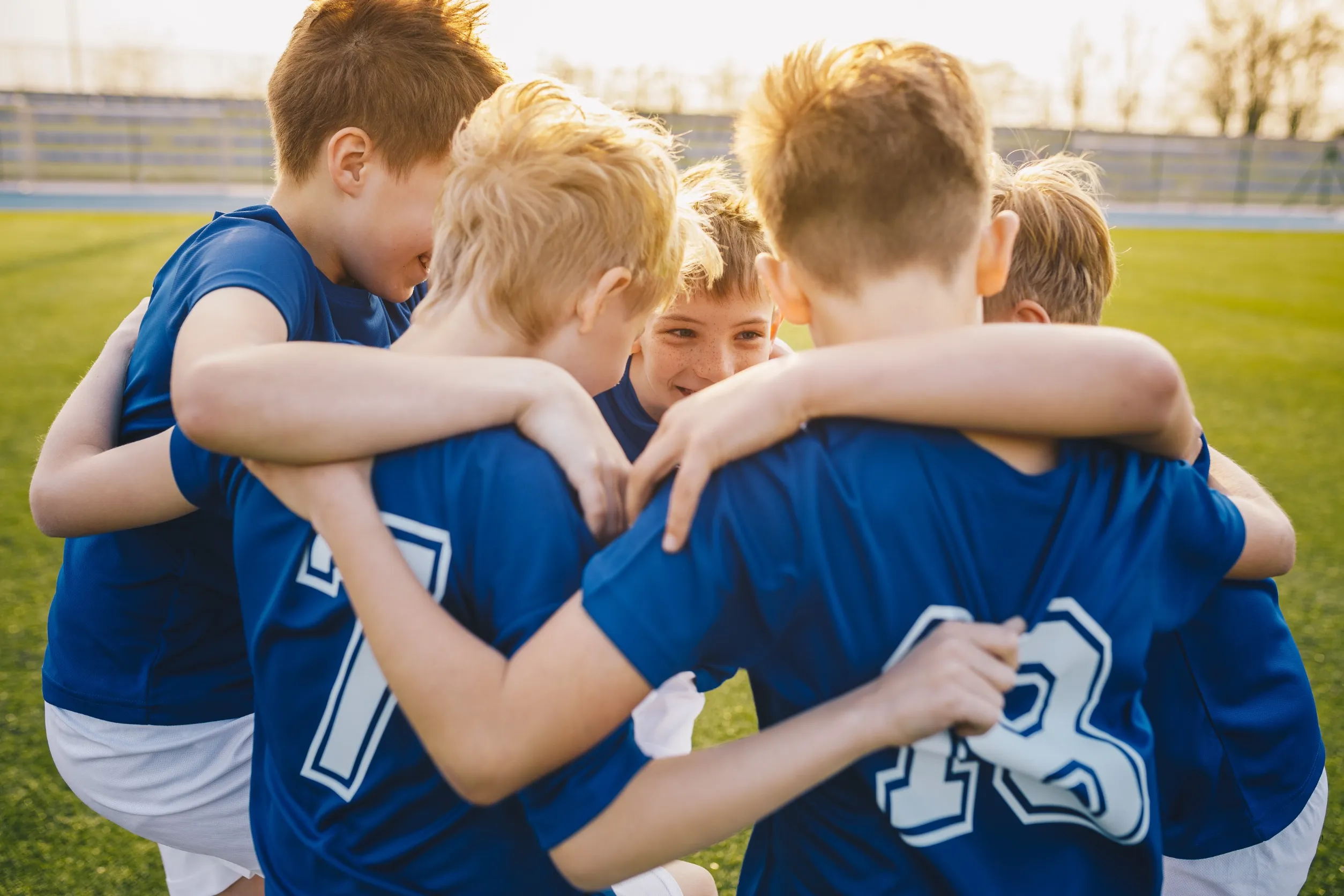
Becoming a pro athlete is a grind. It usually starts way before any fame or rankings come into play. Think Little League and solo practice – that's where the groundwork is laid. Good habits are built before anyone is watching.

path to professional sports, how athletes go pro, youth sports development, becoming a professional athlete, athlete development pathway, how kids become pro athletes, sports career progression, youth sports to pro sports, athlete pipeline explained, early sports training importance, high school sports recruiting, college sports pathway, development leagues explained, why athletes don’t go pro, athlete burnout youth sports, sports scouting process, when scouts notice athletes, academic requirements for athletes, mental toughness in sports, difference between amateur and pro athletes, youth sports reality check, chances of going pro sports, professional sports journey explained, athlete career timeline, sports development system

For each athlete who turns pro, many others start the same way but don't reach that goal. If you're serious about going pro, it's key to know how athletes advance, where they drop off, and why many careers stop short.

This isn't a highlight reel; it's the actual path.

Youth Sports: Where the Professional Path Actually Begins

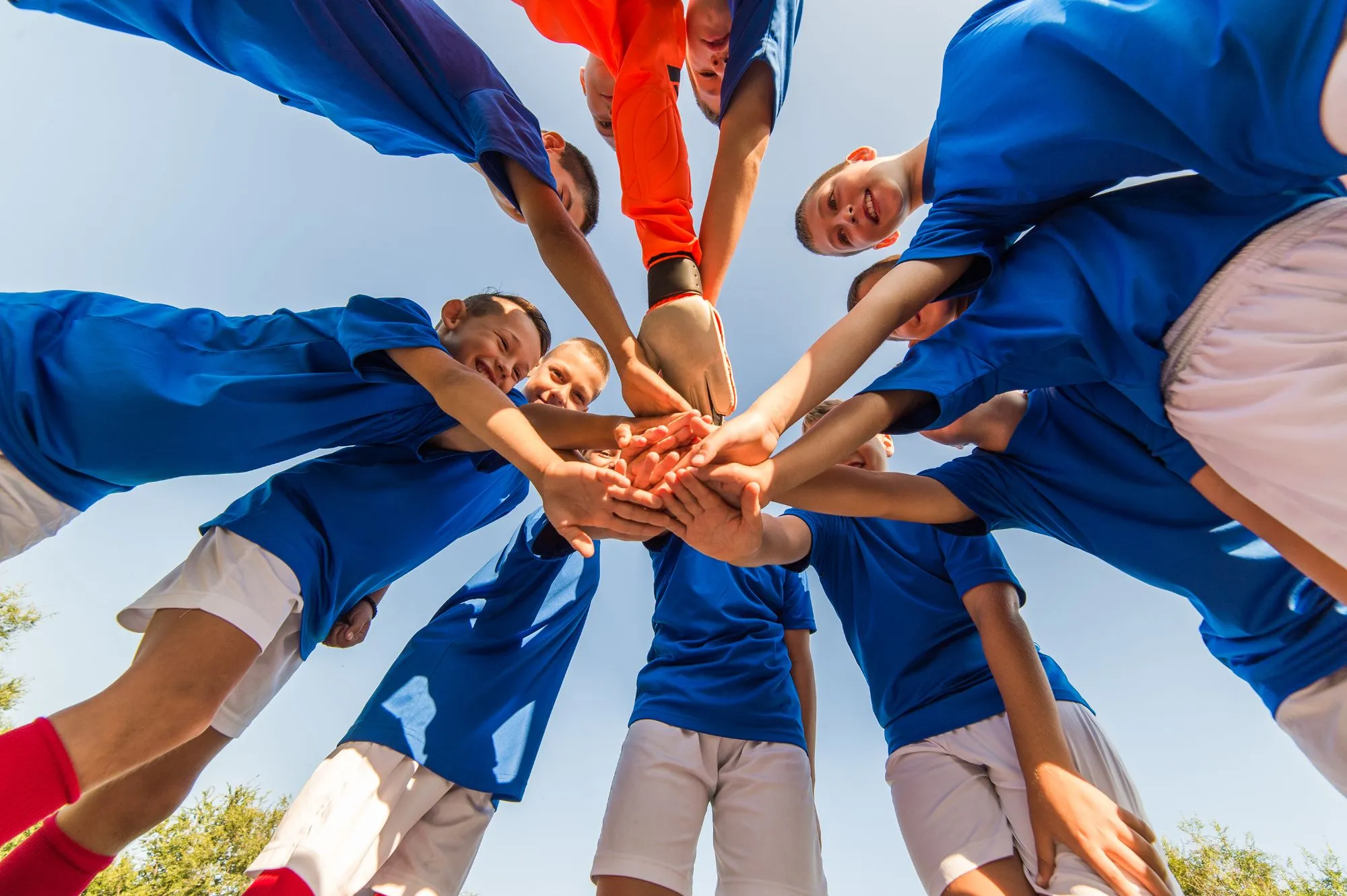
Young athletes usually get their start between ages five and eight in local leagues, school teams, or community programs.

path to professional sports, how athletes go pro, youth sports development, becoming a professional athlete, athlete development pathway, how kids become pro athletes, sports career progression, youth sports to pro sports, athlete pipeline explained, early sports training importance, high school sports recruiting, college sports pathway, development leagues explained, why athletes don’t go pro, athlete burnout youth sports, sports scouting process, when scouts notice athletes, academic requirements for athletes, mental toughness in sports, difference between amateur and pro athletes, youth sports reality check, chances of going pro sports, professional sports journey explained, athlete career timeline, sports development system

At this age, getting used to coaching, rules, and regular practice is more important than being the best player.

When kids start out, it's key to focus on:

  • Learning the basics

  • Getting used to structured practice

  • Understanding teamwork and competition

  • Improving coordination

Athletes who make it big usually say that steady effort early on matters more than being the top player early on. Just because you're the best at age 10 doesn't mean you'll be a pro. What really matters is sticking with it.

The Early Filter: Why Most Athletes Don’t Advance Past Their Teens

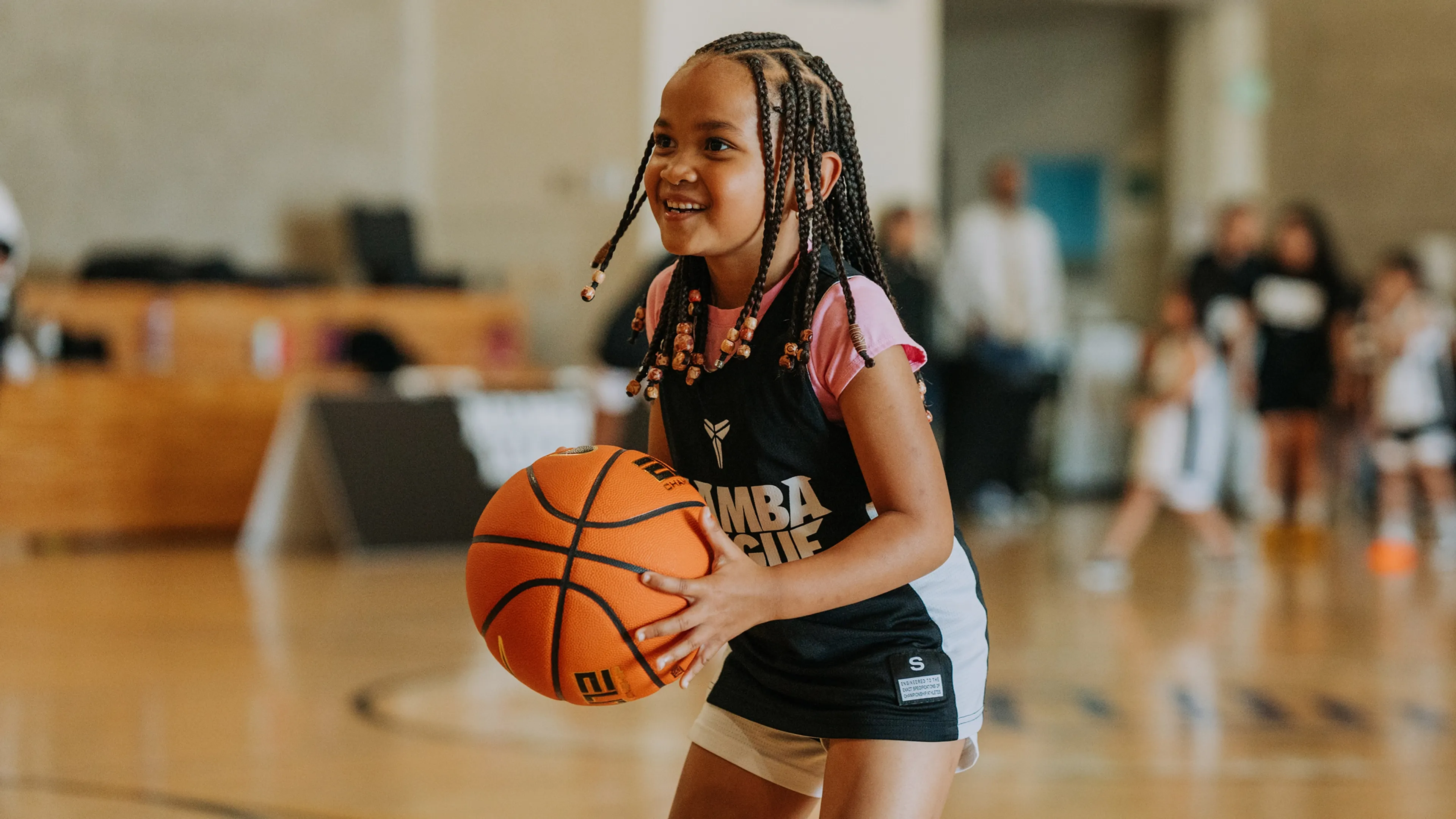
Between 13 and 17, many young athletes drop out of competitive sports.

path to professional sports, how athletes go pro, youth sports development, becoming a professional athlete, athlete development pathway, how kids become pro athletes, sports career progression, youth sports to pro sports, athlete pipeline explained, early sports training importance, high school sports recruiting, college sports pathway, development leagues explained, why athletes don’t go pro, athlete burnout youth sports, sports scouting process, when scouts notice athletes, academic requirements for athletes, mental toughness in sports, difference between amateur and pro athletes, youth sports reality check, chances of going pro sports, professional sports journey explained, athlete career timeline, sports development system

It's usually not because they lack talent. More often, it's due to:

  • Burnout

  • Injuries

  • Money issues

  • Schoolwork

  • Not having access to better coaching

Around this age, you start to see who's serious about sports and who's just doing it for fun. Training gets harder, seasons get longer, and athletes often start focusing on one sport.

For lots of families, this is when sports stop being a casual activity and start requiring real sacrifices.

“Most athletes don’t fall short because of talent, they exit the path long before the finish.”
High School Sports: The First Major Filter


path to professional sports, how athletes go pro, youth sports development, becoming a professional athlete, athlete development pathway, how kids become pro athletes, sports career progression, youth sports to pro sports, athlete pipeline explained, early sports training importance, high school sports recruiting, college sports pathway, development leagues explained, why athletes don’t go pro, athlete burnout youth sports, sports scouting process, when scouts notice athletes, academic requirements for athletes, mental toughness in sports, difference between amateur and pro athletes, youth sports reality check, chances of going pro sports, professional sports journey explained, athlete career timeline, sports development system

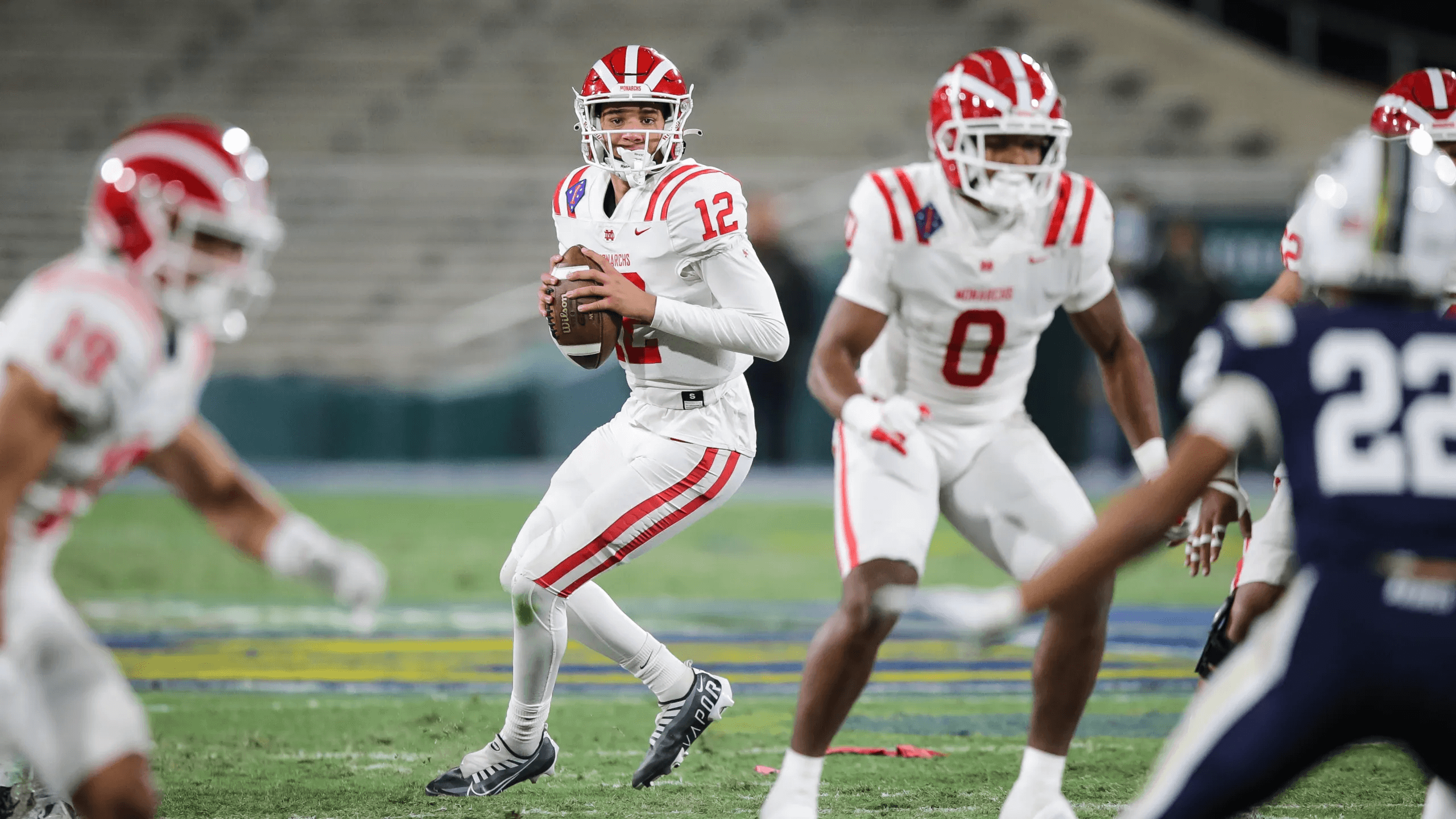
For athletes hoping to get noticed, high school sports are where scouts and development programs start paying attention.

But getting seen isn't a given.

Athletes who usually move forward:

  • Play varsity sports

  • Join regional or national tournaments

  • Go to showcases, camps, or combines

  • Keep their grades up

Scouts don't just stumble upon athletes. Exposure is planned, so getting access depends on being in well-known leagues or at specific events.

Being consistent is also more important than just having a few great plays.

The Role of Academics in the Path to Professional Sports

For most athletes, especially in the U.S., school and sports go hand-in-hand.

College sports are a key step toward going pro in football, basketball, baseball, and soccer. To stay on the team, athletes have to keep their grades up and pass tests.


path to professional sports, how athletes go pro, youth sports development, becoming a professional athlete, athlete development pathway, how kids become pro athletes, sports career progression, youth sports to pro sports, athlete pipeline explained, early sports training importance, high school sports recruiting, college sports pathway, development leagues explained, why athletes don’t go pro, athlete burnout youth sports, sports scouting process, when scouts notice athletes, academic requirements for athletes, mental toughness in sports, difference between amateur and pro athletes, youth sports reality check, chances of going pro sports, professional sports journey explained, athlete career timeline, sports development system

Even really talented athletes can lose their chance if they don't take care of their schoolwork. Making it to the pros is harder than it looks, so it's important to have a backup plan.

College, Development Leagues, and Elite Pipelines

While not all professional athletes go to college, many do.

At this point, athletes aren't just learning the basics. They're improving how they play when it counts, going up against others who were also the best in the past.

After college, some sports depend on:

  • Development leagues

  • Academies

  • Farm systems

  • International circuits

These places are more about seeing who can perform right away, not about teaching. If athletes can't deliver, they're out.

What Separates Professionals From High-Level Amateurs

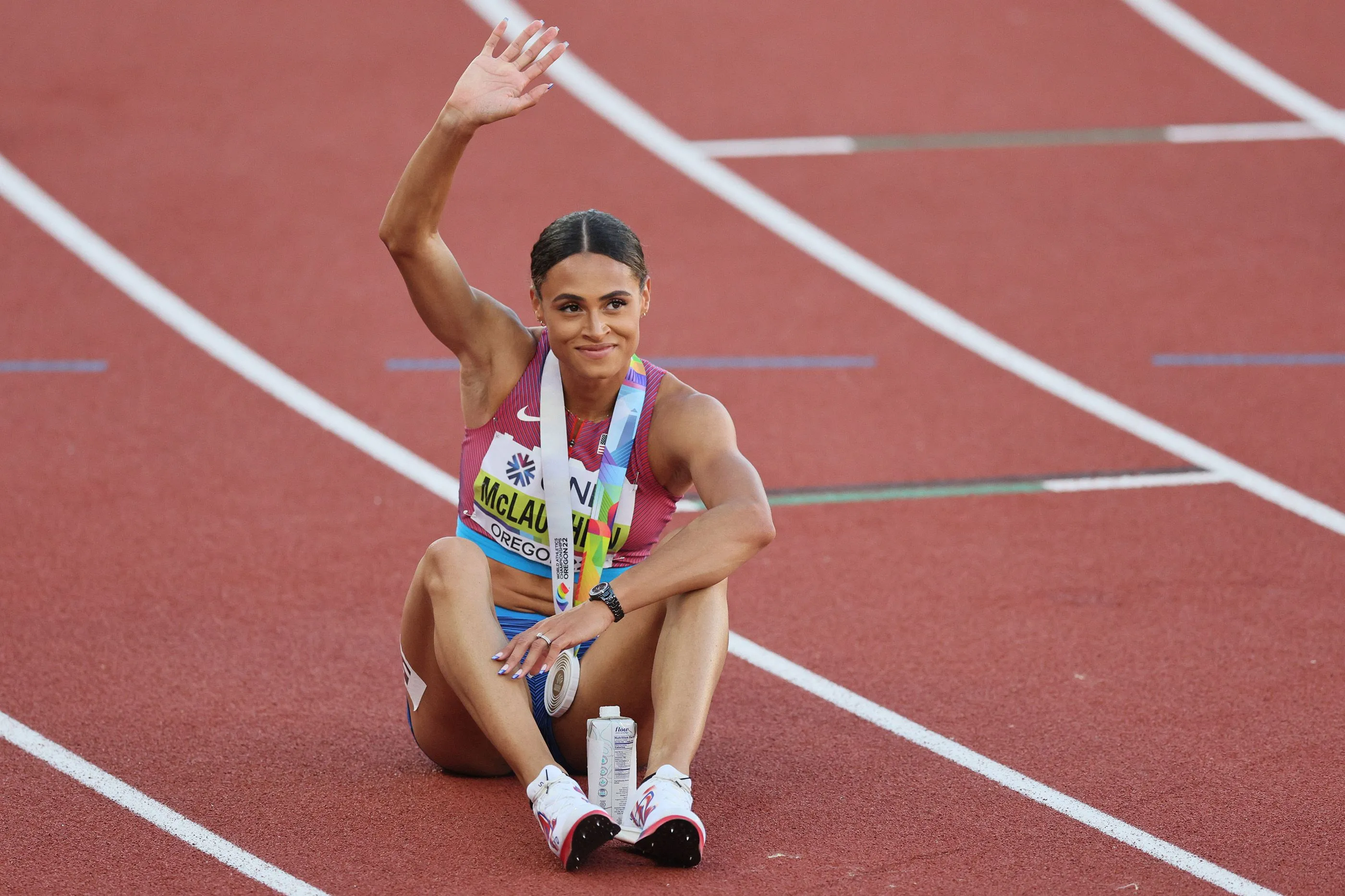
Being talented isn't enough to become a pro.

path to professional sports, how athletes go pro, youth sports development, becoming a professional athlete, athlete development pathway, how kids become pro athletes, sports career progression, youth sports to pro sports, athlete pipeline explained, early sports training importance, high school sports recruiting, college sports pathway, development leagues explained, why athletes don’t go pro, athlete burnout youth sports, sports scouting process, when scouts notice athletes, academic requirements for athletes, mental toughness in sports, difference between amateur and pro athletes, youth sports reality check, chances of going pro sports, professional sports journey explained, athlete career timeline, sports development system

What really makes the difference? It often boils down to:

  • Being healthy and able to play (past injuries count)

  • Being able to take coaching and fit into different game plans

  • Having a strong mental game

  • Performing well consistently, not just in one game

  • Luck and good timing

Many skilled athletes never get their big break. Some make the most of one chance. There's a way to get to the top, but success isn't a given.

The Reality Check: How Rare “Going Pro” Really Is

In most sports, almost none of the young players go pro.

This isn't meant to bum you out, but to keep things real.

Getting to the pros takes a long time, it's super competitive, and luck plays a role. Knowing this early on can help players make better choices, handle stress, and see success as more than just winning.

FAQs


  1. How do athletes get their start in pro sports?

    Most start in youth leagues or school programs, focusing on the basics more than winning.


  2. Should kids play many sports?

    Playing different sports early on is a good idea. It builds overall athleticism and keeps them from getting burned out.


  3. Do you need college to go pro?

    Not always, but in the US, college or a development system is often the way to go.


  4. When do scouts start paying attention to athletes?

    Scouts usually start watching athletes in high school, but earlier exposure can help.


  5. How important are grades for future pro athletes?

    Grades are key, especially if you want to play in college. They also help with career options later in life.

Final Takeaway

Getting to the pros from youth sports isn't a simple path. It's a mix of growth, getting noticed, sorting, and good timing.

The athletes who make it big usually aren't the early stars. They're the ones who stay in good shape, can adapt, get seen, and stick with it when others quit.

Knowing the whole journey is just as important as going through it.

Share this article

Related Articles

Related Articles

Related Articles