

Sports
Jan 27, 2026
A clear, complete breakdown of how the NFL playoff system works seeding, Wild Card rules, byes, rounds, and the road to the Super Bowl. Photo by: Deadline
In the NFL playoffs, 14 teams battle in a single-elimination bracket. After four tough rounds, one team is crowned Super Bowl champion.
It all ends with one team winning the Super Bowl and hoisting the trophy, the biggest sporting event in the US every year.
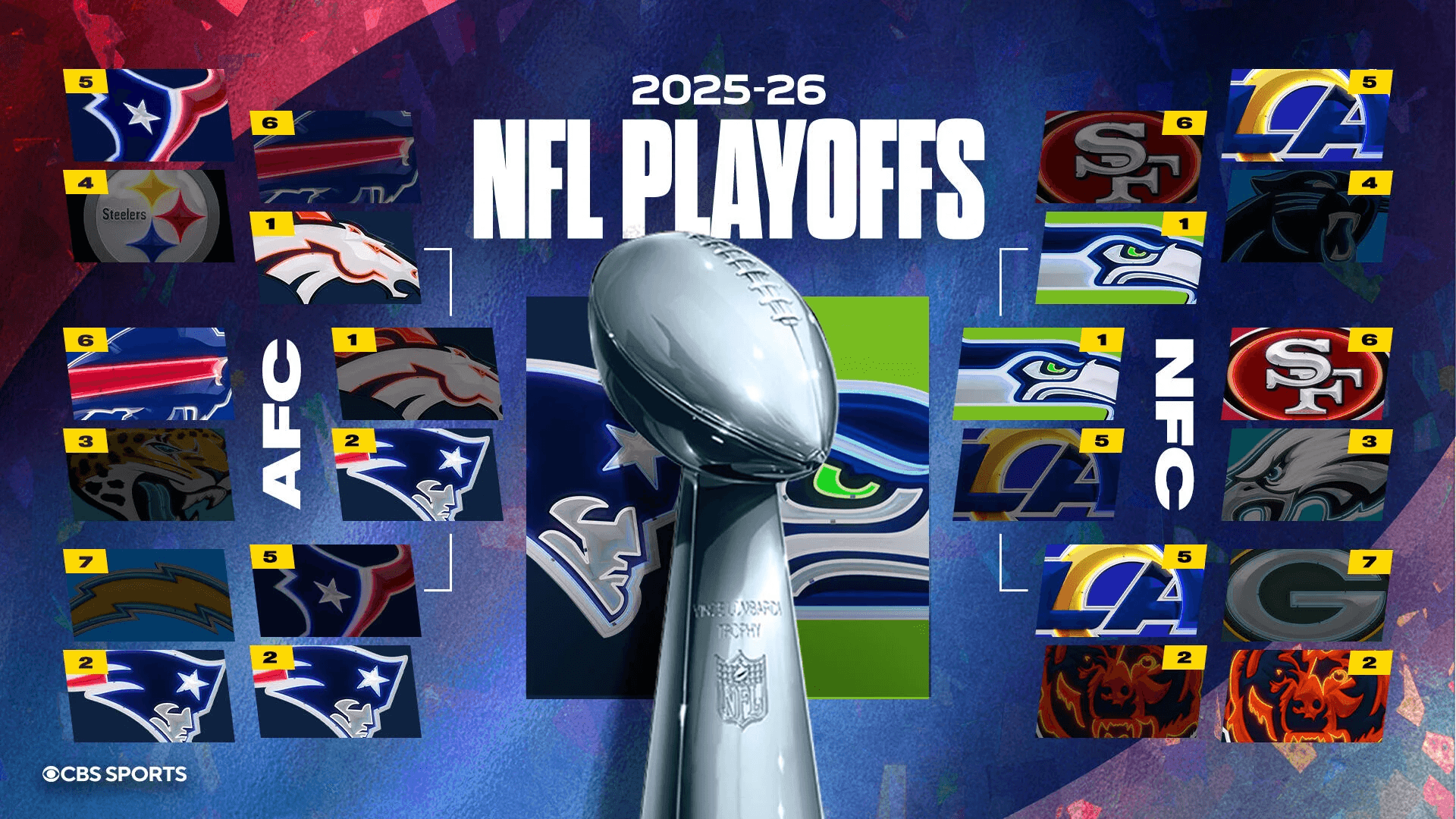
After an 18-week regular season, the NFL playoffs kick off as a single-elimination tourney. The top seven teams from both the AFC and NFC battle it out over four rounds to crown the league champ.
The NFL has two conferences:
American Football Conference (AFC)
National Football Conference (NFC)
Seven teams from each conference make the playoffs.
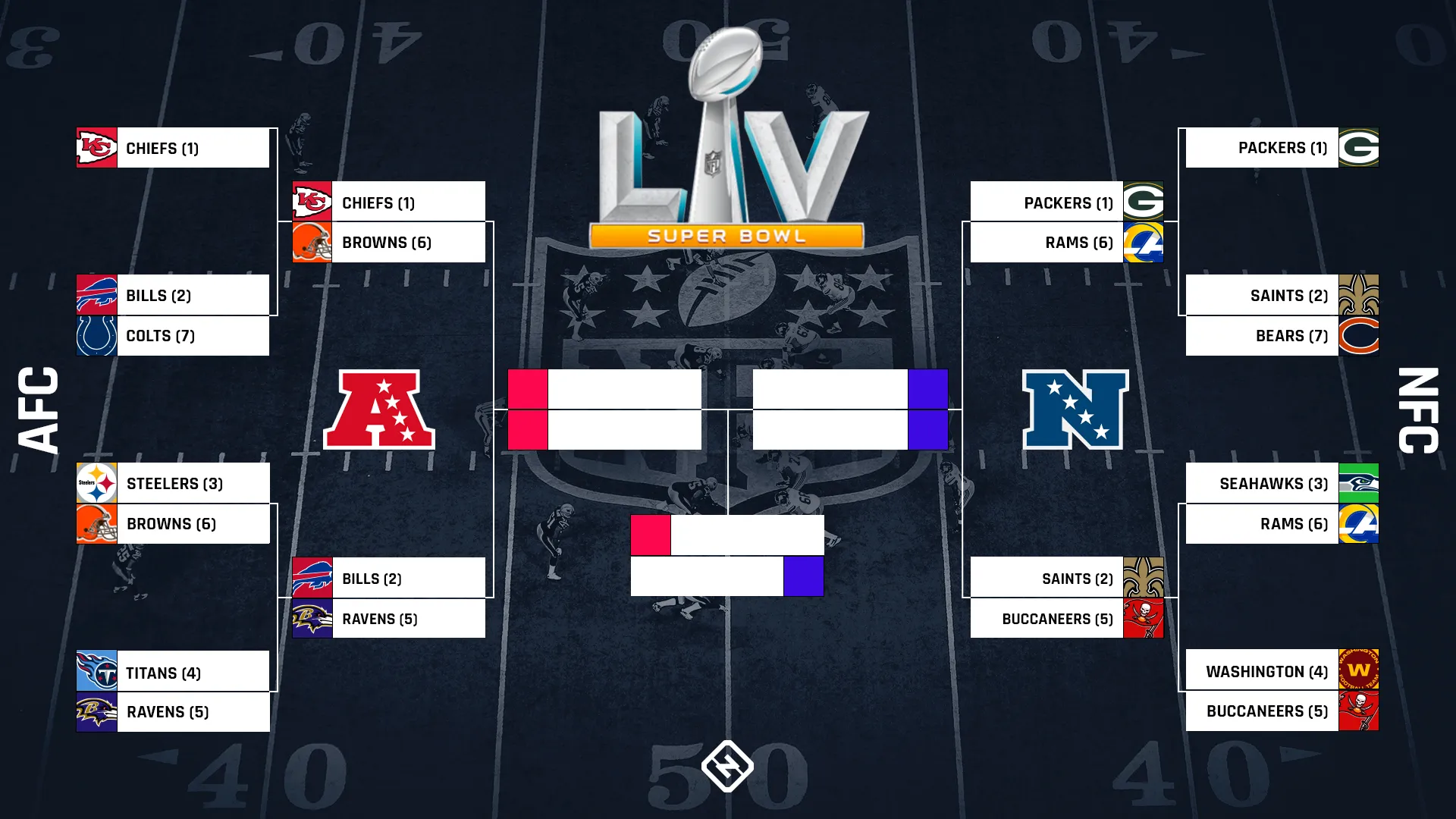
Each conference has four divisions. The team that wins each division during the regular season automatically makes it into the playoffs and gets a seed from 1 to 4.
After the division winners are set, the three teams with the next best records get Wild Card spots. They're seeded 5 through 7.
Remember: Winning your division gets you into the playoffs, but it doesn't mean you automatically get a high seed. Your overall record is still important.
How playoff spots are decided: It mostly comes down to how teams did in the regular season.
If there's a tie, things like how they did against each other, their record within the conference, and how good the teams they beat are taken into account.
#1 Seed: Goes to the team with the best record in the conference.
#2-#7 Seeds: These are ranked by record, keeping division winners in mind.
Right now, only the top team in each conference gets to skip the first round.
“Every NFL playoff game is win or go home.”

Here's how the playoff matchups will work:
The teams seeded #2 will play #7, #3 plays #6, and #4 plays #5.
The top-seeded team gets a bye this round.
The higher-seeded team will host the game.
After this round, each conference will be down to just four teams.
Each conference sends four teams to the playoffs.
The team with the worst record plays the team with the best record.
The last two teams then play each other.
This system helps the teams with the best records because they should have easier games.
Each conference sends one team to the big game.
The victors are named AFC Champion and NFC Champion.
These games decide who plays in the Super Bowl.
The AFC and NFC champs face off at a pre-chosen neutral field. The victor? They're the NFL Champions.
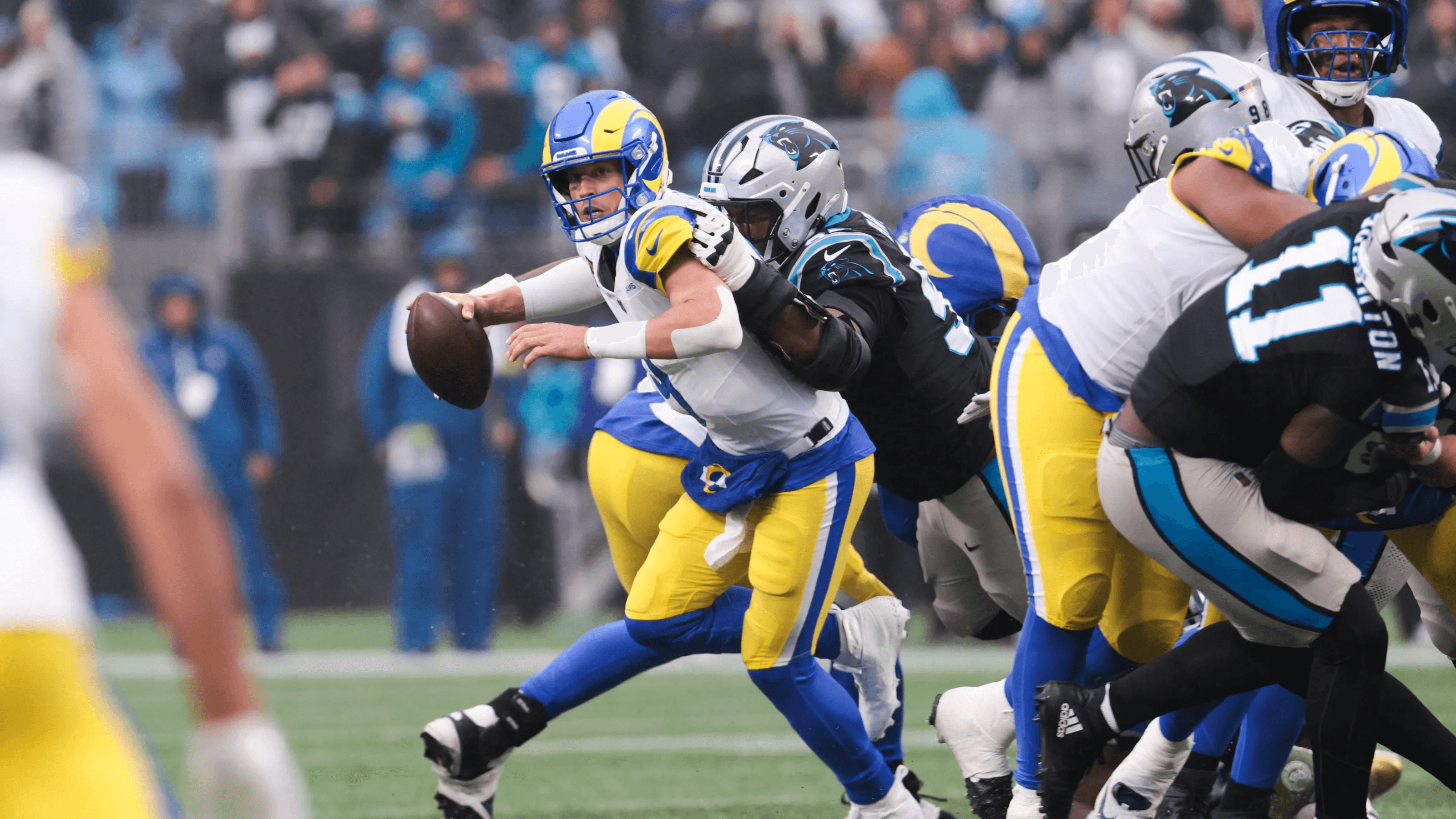
The teams with better regular season records get to host playoff games, all the way up to the Super Bowl. Getting to play at home is a big deal because:
Players are used to their own stadium.
They don't have to travel as much.
The home crowd can make it harder for the visiting team's offense to communicate.
That's why it's so vital to finish strong in the regular season.

NFL playoff games don't end in ties.
Overtime uses a tweaked sudden-death setup.
Each team gets the ball at least once, unless the team that gets the ball first scores a touchdown.
Overtime keeps going until someone wins.
Round | Teams Remaining (Per Conference) |
|---|---|
Wild Card | 7 |
Divisional | 4 |
Conference Championship | 2 |
Super Bowl | 1 per conference |
Fourteen teams in total make the playoffs. Seven come from the AFC, and seven from the NFC.
The team with the best record in each conference gets a bye.
Nope. If you lose, you are out.
Yes, it has happened before. Some teams that didn't win their division still won the Super Bowl.
No, the game is at a neutral location that the NFL chooses years earlier.
The NFL playoff system does a good job of being fair, exciting, and meaningful. It rewards teams that do well in the regular season and makes sure games at the end of the season still matter.
Every playoff game has big stakes. Because it's single-elimination and teams are re-seeded, the playoffs are always intense and lead to a clear winner. That's a big reason why the NFL postseason is the best in American sports.