
Sports
Jan 28, 2026
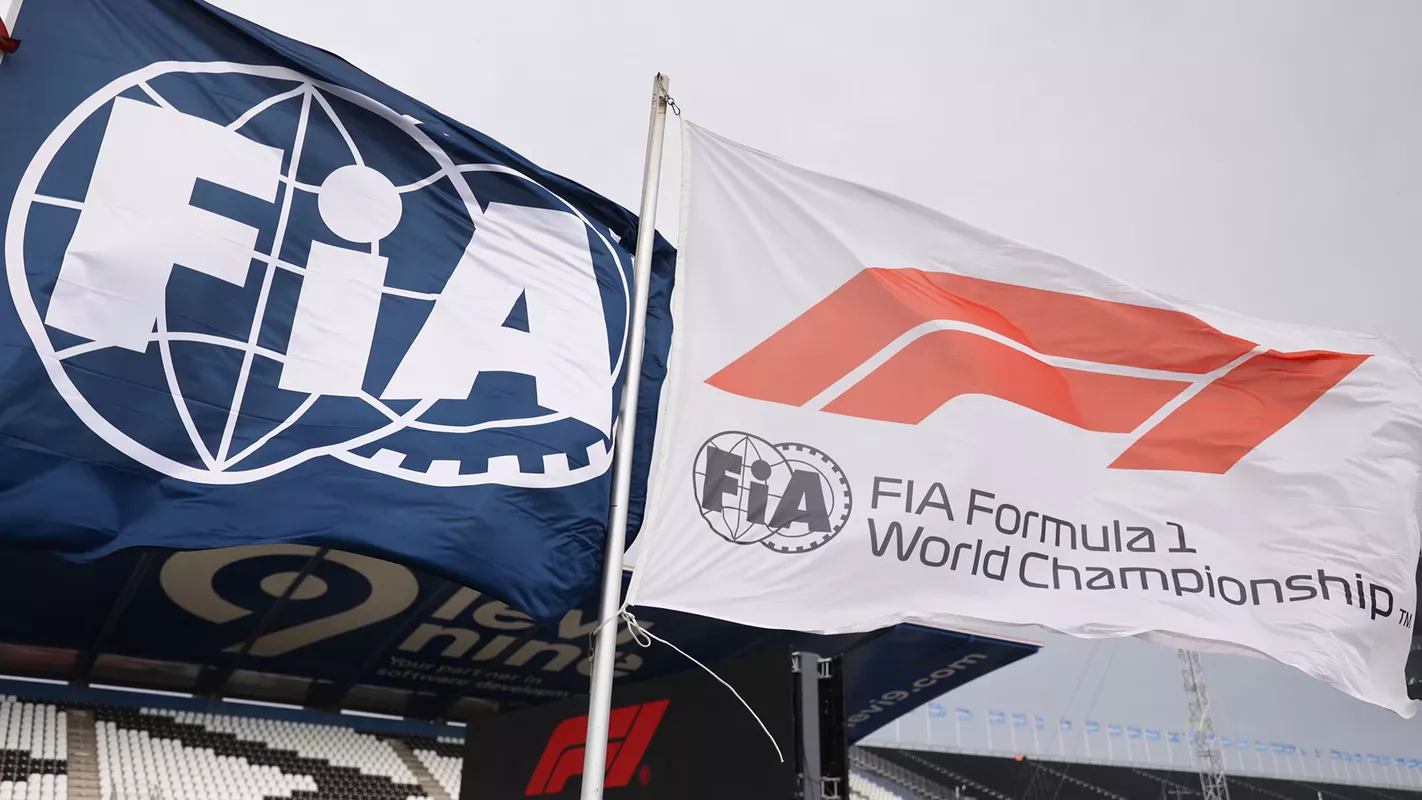
The FIA earns revenue from Formula 1, motorsport fees, and licenses. Here’s how the FIA uses its money across racing, safety, and global mobility. Photo by: F1
The Fédération Internationale de l'Automobile (FIA) is the main group in charge of motorsports around the world.
They run Formula 1, rallying, endurance racing, and many other racing series. They also have a big impact on road safety and how people get around globally.
Because the FIA is so influential, particularly with Formula 1, people often wonder:
The FIA puts most of its earnings back into running motorsports, doing safety research, supporting local racing events, and backing road safety plans worldwide.
To understand where the money goes, it's good to first know where it comes from.
Sanctioning fees for championships like F1, WRC, WEC, and Formula E.
Fees collected from drivers, teams, and circuits for licenses.
Money from approving car designs and tech.
Fines and penalties issued during races.
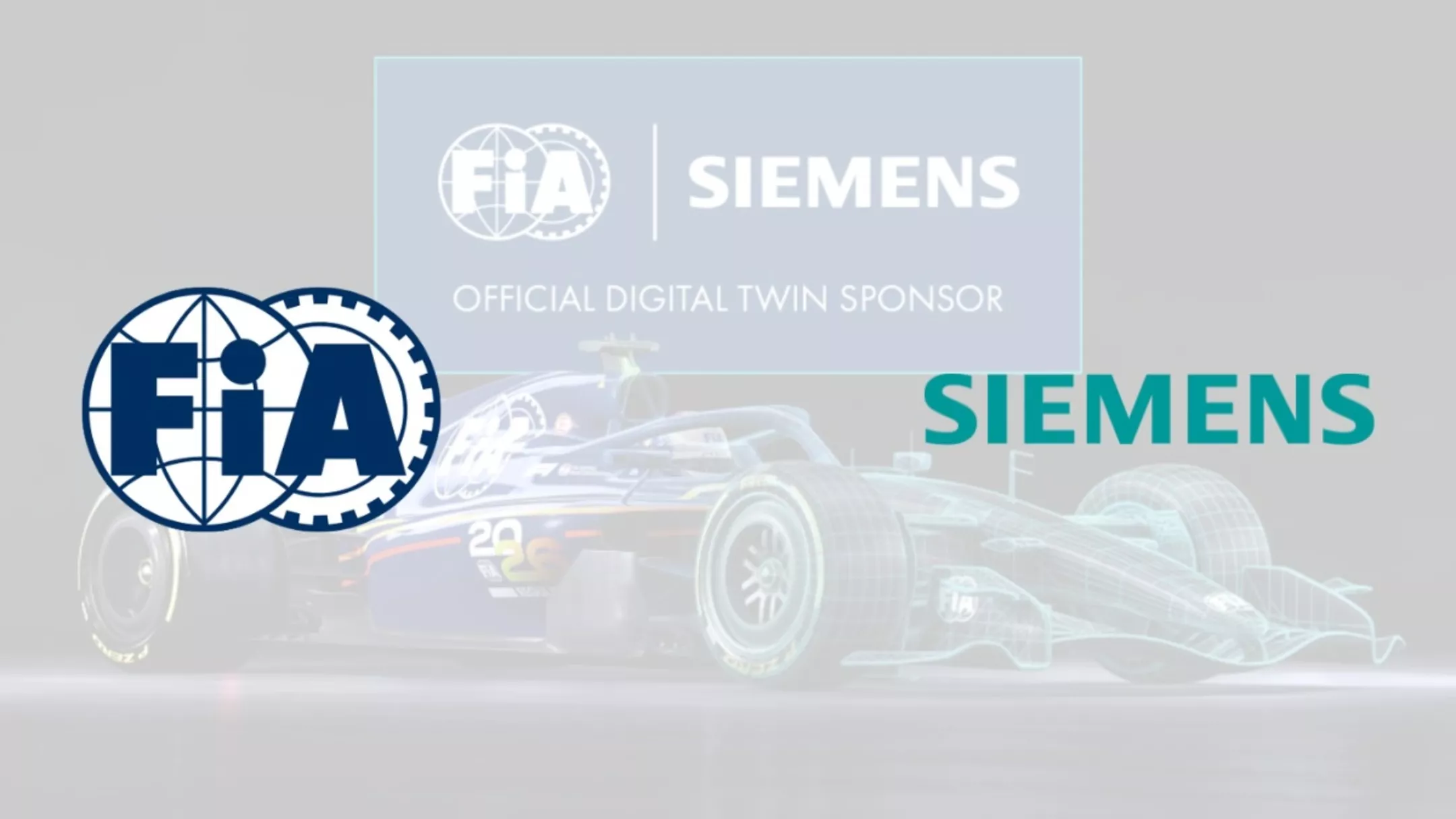
Partnerships related to mobility and transportation.
It's key to know that the FIA doesn't own Formula 1. Formula One Management controls the commercial side. The FIA gets paid for its regulatory role, not for promoting the sport.
FIA uses a good part of its income to run and watch over motorsports around the world.
Creating and applying rules for sports events
Coming up with tech rules for safety and fair play
Running race control systems
Training race staff
Helping motorsport groups in different countries
FIA is in charge of many races around the world, not just F1. Keeping this all going costs a lot of money.
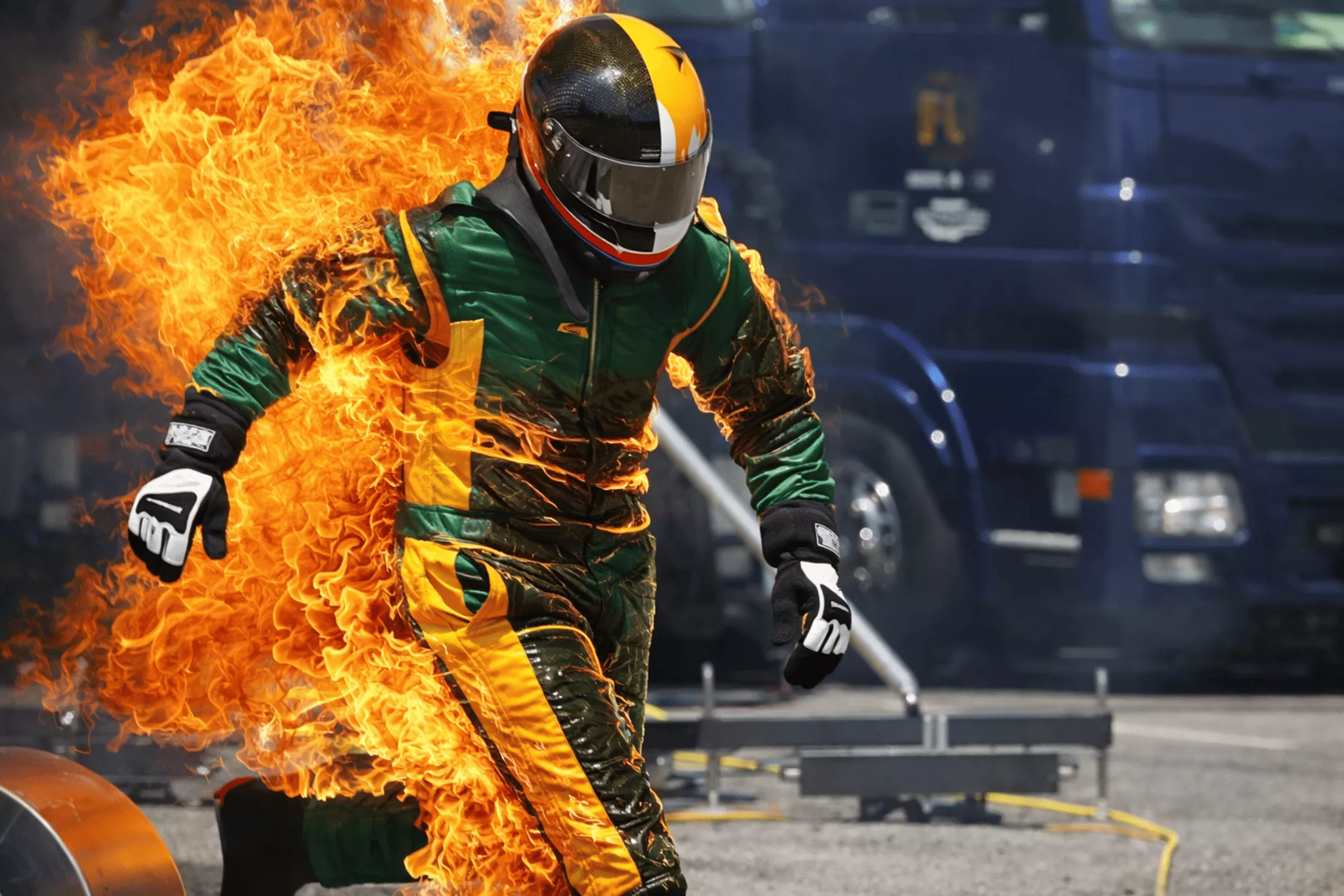
FIA spends a lot on safety.
Crash testing and impact analysis
Safety device creation (HALO, crash structures, barriers)
Medical response systems and protocols
Driver safety gear standards
Track safety improvements
A lot of the safety tech found in today's cars came from racing research funded by the FIA.
This work helps:
Formula 1 drivers
Drivers in lower racing series
Rally and endurance racers
Track workers and fans
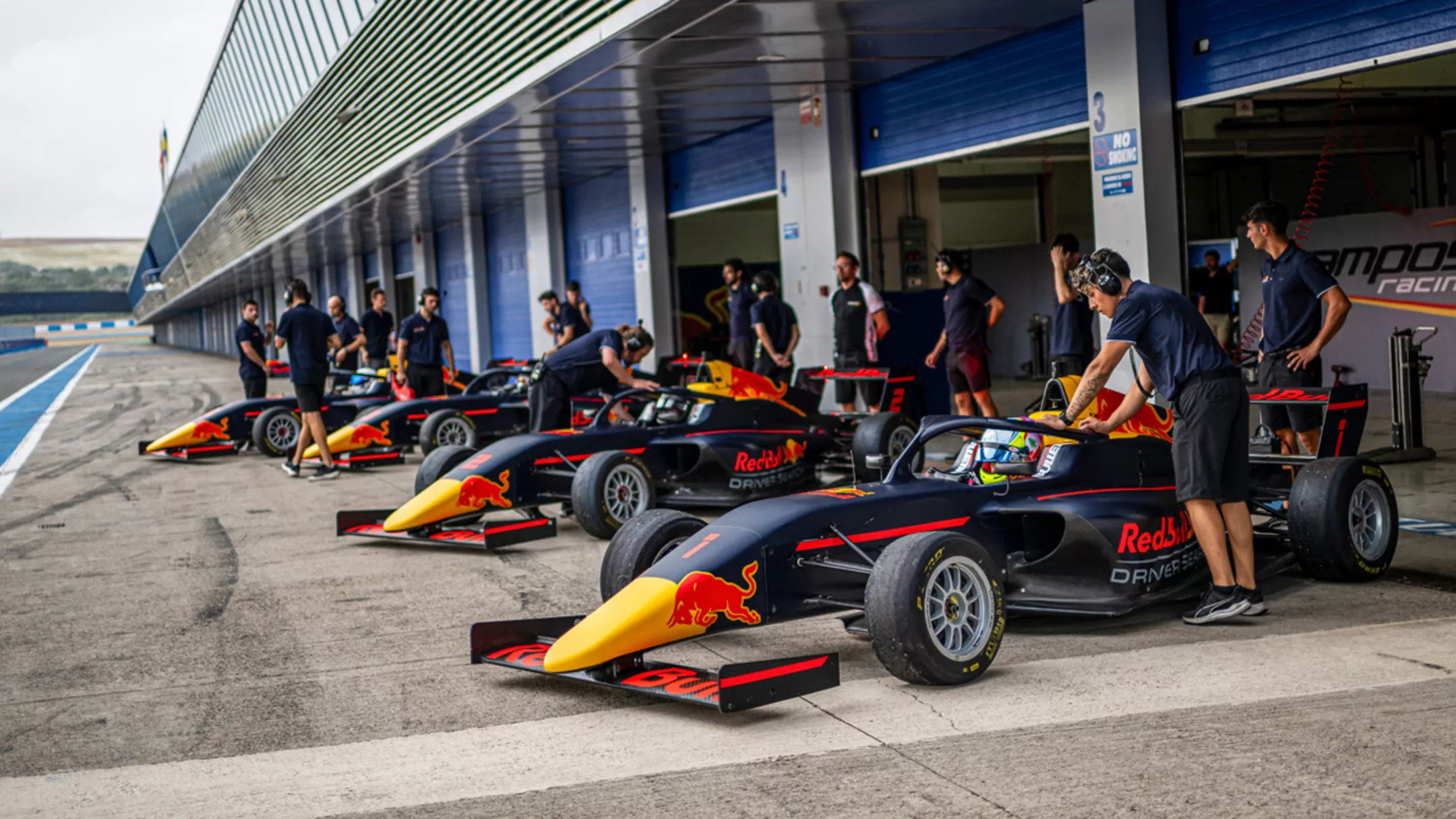
Even though Formula 1 is the center of attention, the FIA puts lots of money into local racing events.
Karting development programs
Paths for young drivers in single-seater cars
Growing motorsport countries
Programs for women in motorsport
Discounted licenses and training
These programs try to make motorsport more open and earth-friendly, mainly in places where money is an issue.
A common misconception is that the FIA only deals with racing.
Actually, the FIA is also active all over the globe with big programs focused on road safety and getting people moving.
FIA's mobility programs reach further than racing in many countries through:
Research and campaigns for safer roads
Working with governments and the UN on policy
Programs to protect people walking and biking
Projects for greener transportation
Programs aimed at lowering traffic injuries
The FIA is like a union of car clubs from different countries.
The money it makes goes to:
Helping member clubs pay their bills
Putting on racing events in local areas
Making sure races are officiated fairly and consistently
Sharing info on safety and race rules
This setup helps keep racing consistent worldwide while also helping local racing scenes.
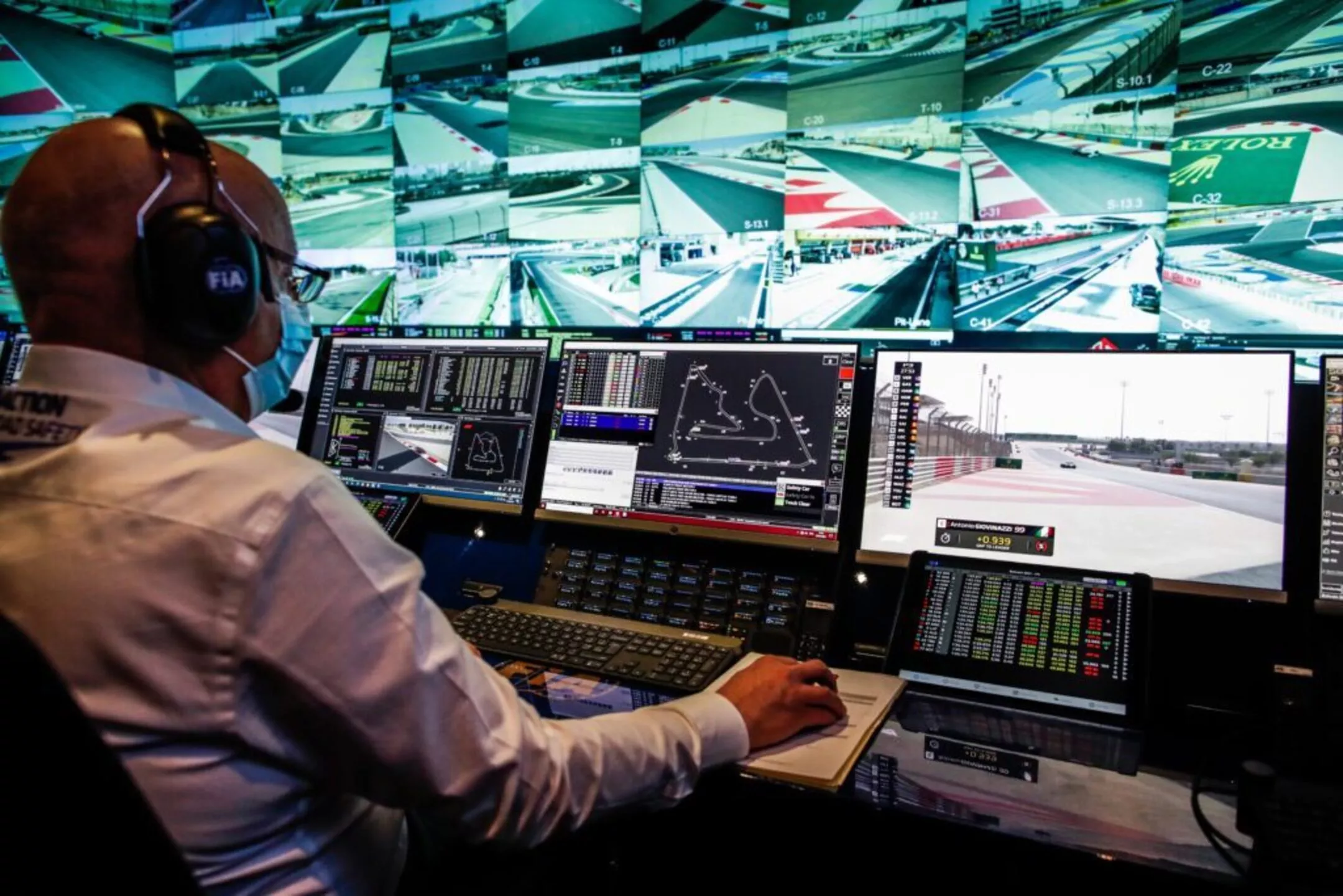
Tech is key in today's motorsport world.
The FIA puts money into things like:
Real-time race tracking
Data analysis
Ways for teams to talk to each other
Tech to spot accidents
Better virtual race control systems
This spending helps make sure races are fair, and that choices are made quickly and safely.
Running global motorsport involves handling:
Appeals and disputes
Contract compliance
Anti-doping enforcement
Anti-corruption measures
These legal and compliance tasks are costly but needed to keep things credible.
Yes, but it's a non-profit.
Here's what that means:
It can bring in more money than it spends.
That extra money goes back into the organization instead of to shareholders.
The cash is used for things like future programs, safety research, and keeping some in reserve.
The FIA doesn't hand out profits like a regular business.
The FIA releases annual financial reports that show:
Where the money comes from
How it's spent on running things
What programs get funded
They don't share every single number, but the FIA is open about its finances more than people think.
Directly or indirectly, FIA spending leads to:
Safer cars
Safer tracks
More consistent rules
Better junior pathways
Global racing stability
Even controversial decisions are often tied to long-term safety or integrity goals.
Area | Where the Money Goes |
|---|---|
Motorsport governance | Rules, officials, race control |
Safety | Crash research, medical systems |
Grassroots racing | Karting and junior series |
Road safety | Global transport programs |
Technology | Data and monitoring systems |
Member clubs | Local motorsport support |
The FIA puts the money it earns back into motorsport, making sure it's safe, fair, and well-managed worldwide.
But it doesn't stop there. A big part of what they do involves investing in making roads safer for everyone, not just racers.
The FIA isn't trying to make a profit. Instead, It's an organization that uses its income to improve:
Safety measures
Fairness in competition
Training and support for new talent
Programs that benefit the public worldwide