
Sports
Jan 28, 2026
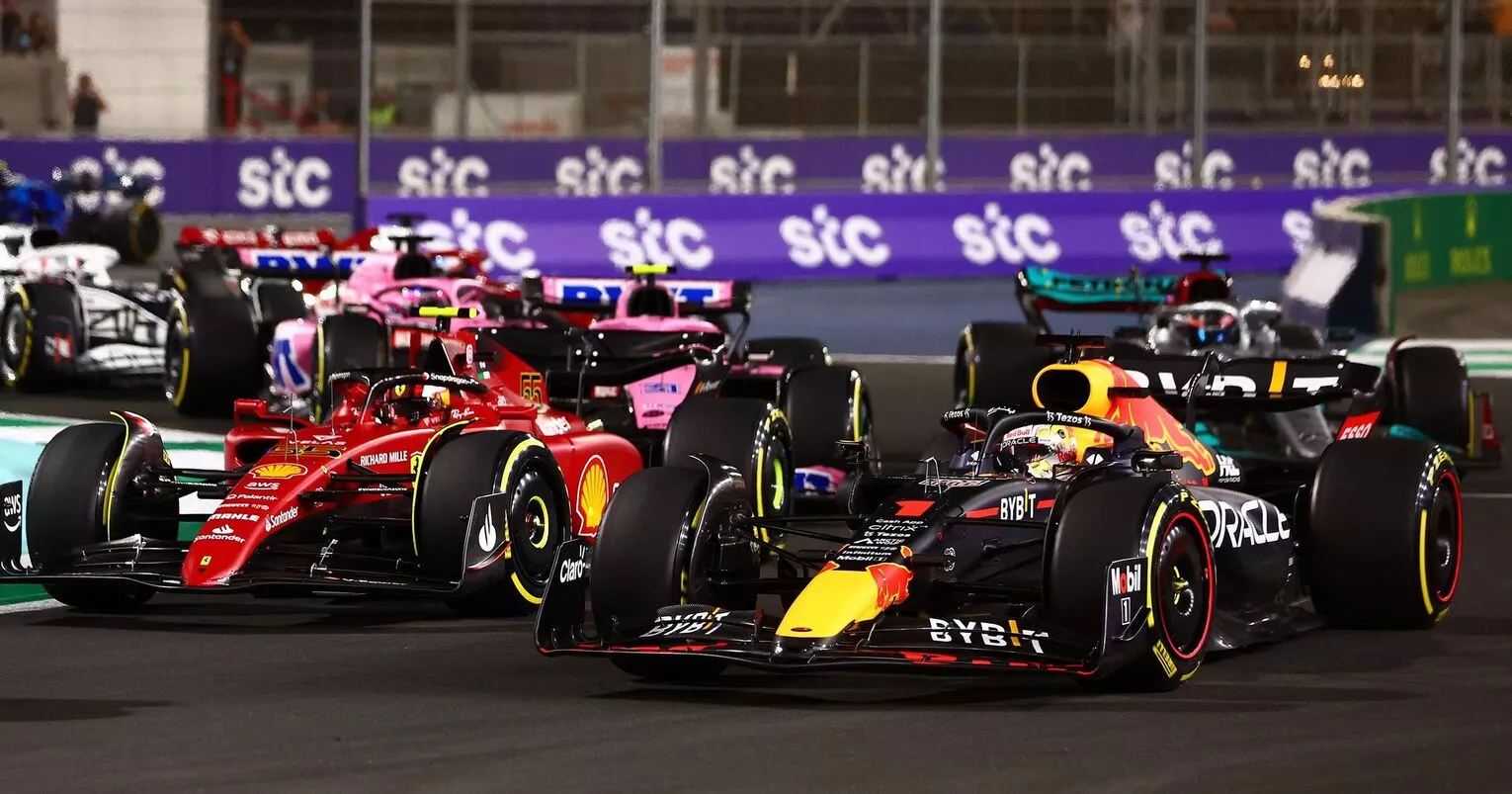
From Michael Schumacher to Lewis Hamilton, these are the richest Formula 1 drivers in history and how they built fortunes beyond the track. Photo by: F1
Formula 1 is not just the fastest sport on Earth, it is also one of the most lucrative. Over decades, a small group of drivers didn’t just win championships; they turned racing success into long-term wealth.
The richest F1 drivers in history earned their fortunes through salaries, endorsements, investments, and business ventures that lasted far beyond their racing careers.
This list looks at the top five richest Formula 1 drivers of all time, explained simply and clearly.
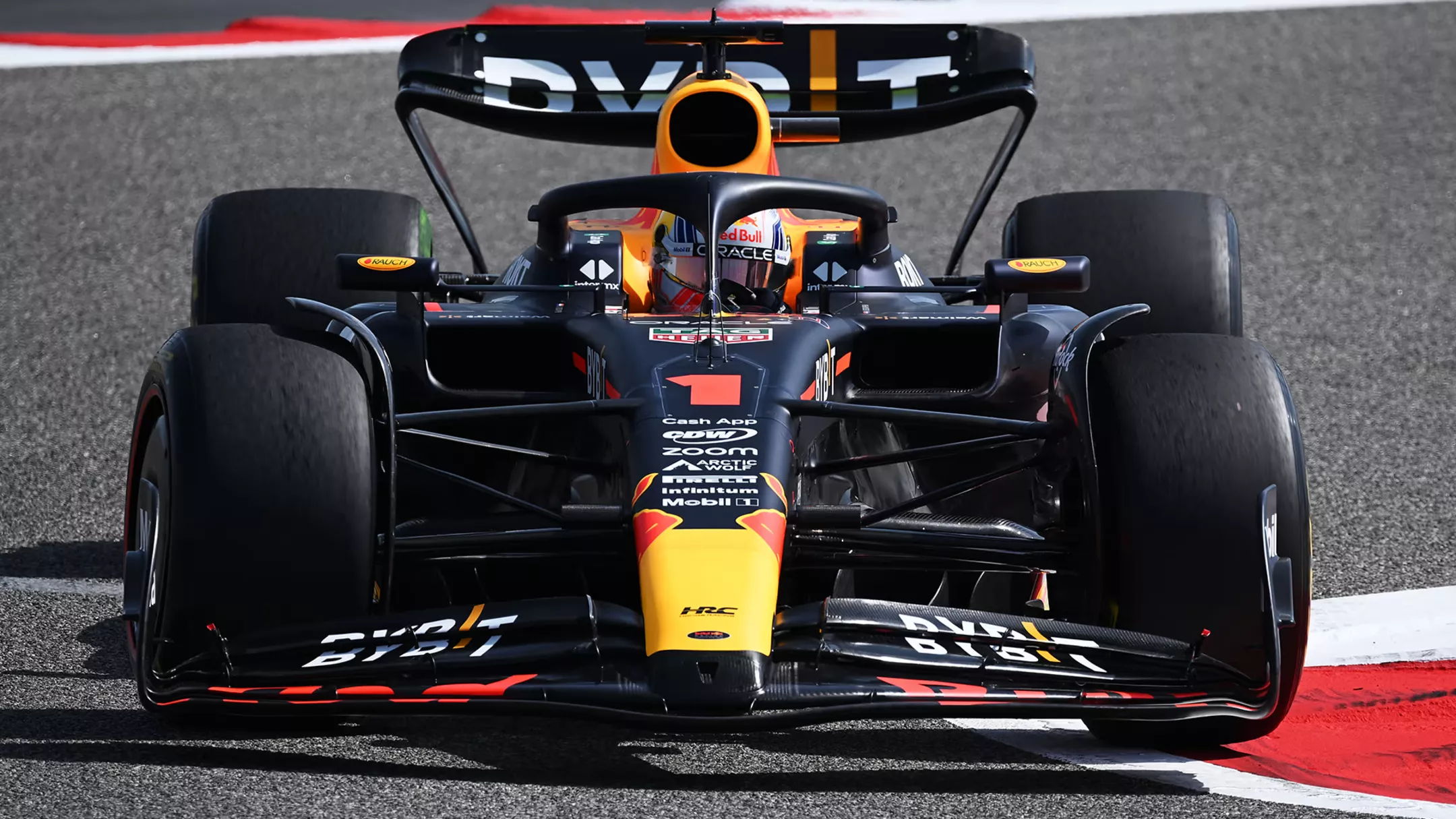
F1 sits at the top of global motorsport. Drivers are not only athletes but global brands. They earn from:
Team salaries
Sponsorship deals
Personal brand endorsements
Investments and ownership stakes
For many drivers, racing income was only the beginning. The smartest ones turned fame into financial empires.
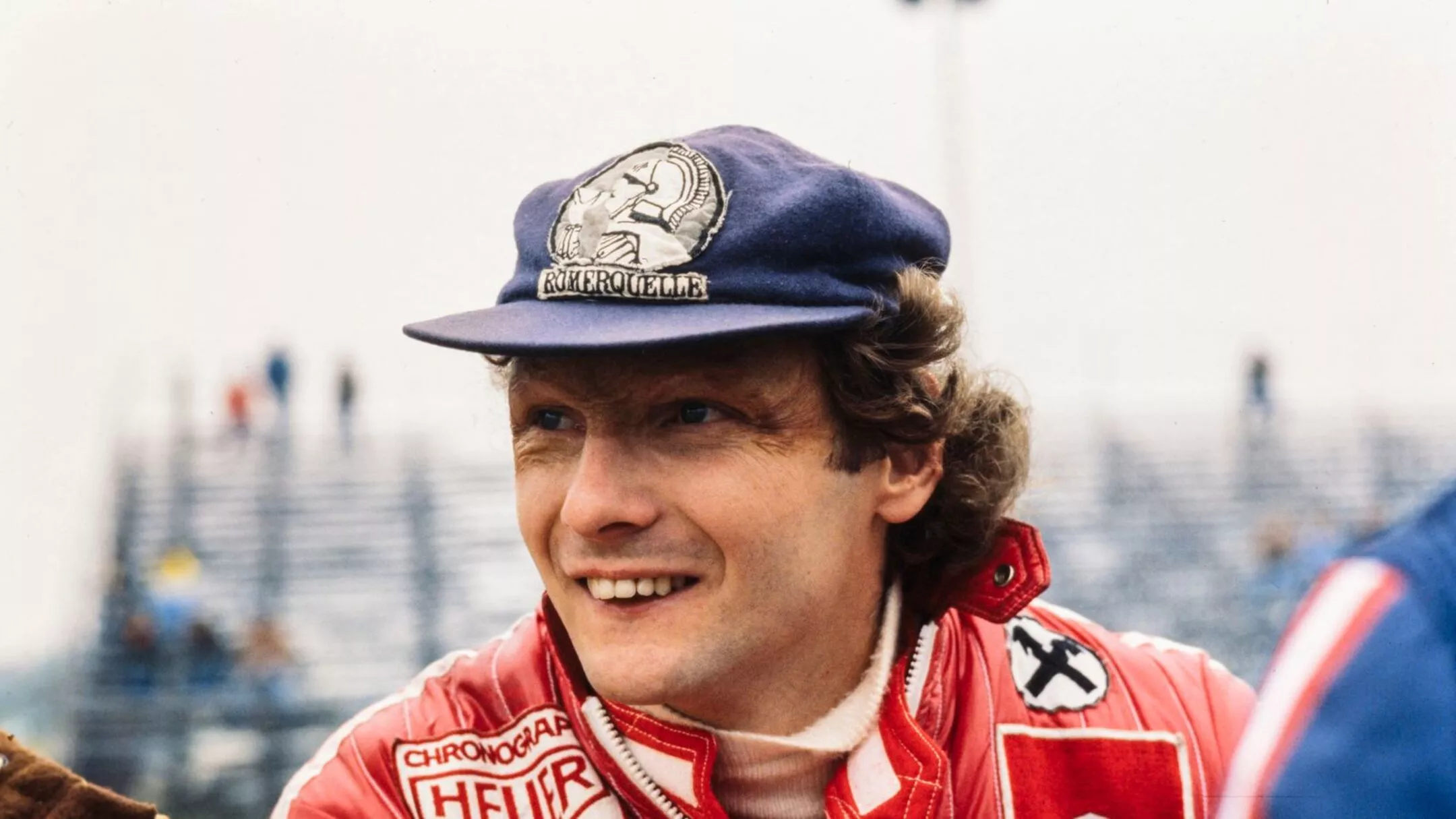
Niki Lauda’s wealth story is one of intelligence and reinvention.
While Lauda earned well during his racing years, most of his wealth came later. After retiring, he:
Co-founded successful airlines
Served as a senior advisor and team executive
Built strong business investments outside racing
Lauda proved that understanding business was just as important as understanding racing lines.
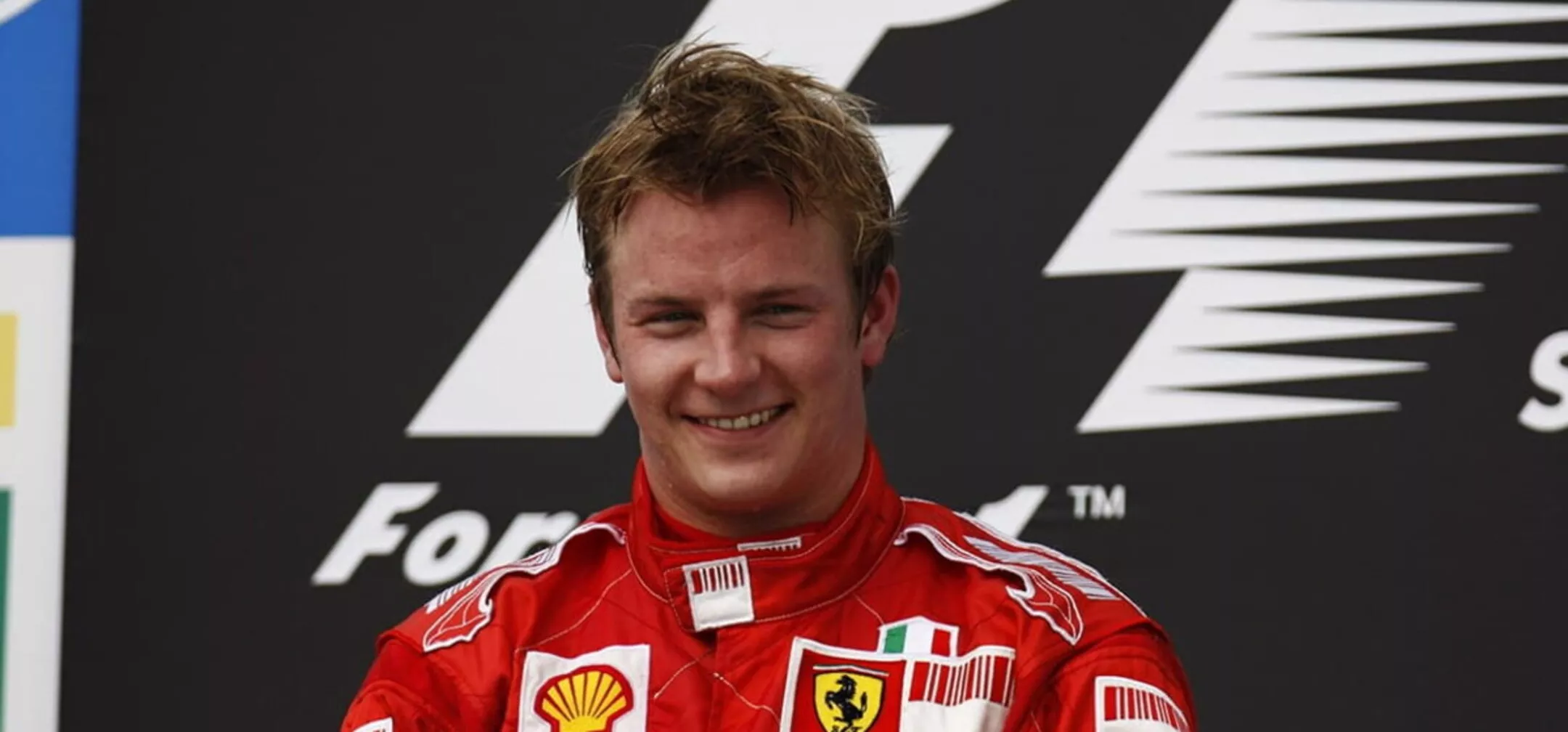
Kimi Räikkönen is known for his quiet personality, but his career earnings speak loudly.
His wealth came from:
Long-term contracts with Ferrari and McLaren
High-value sponsorships
Smart financial management
Kimi avoided flashy investments and focused on consistency, allowing his racing income to compound over time.
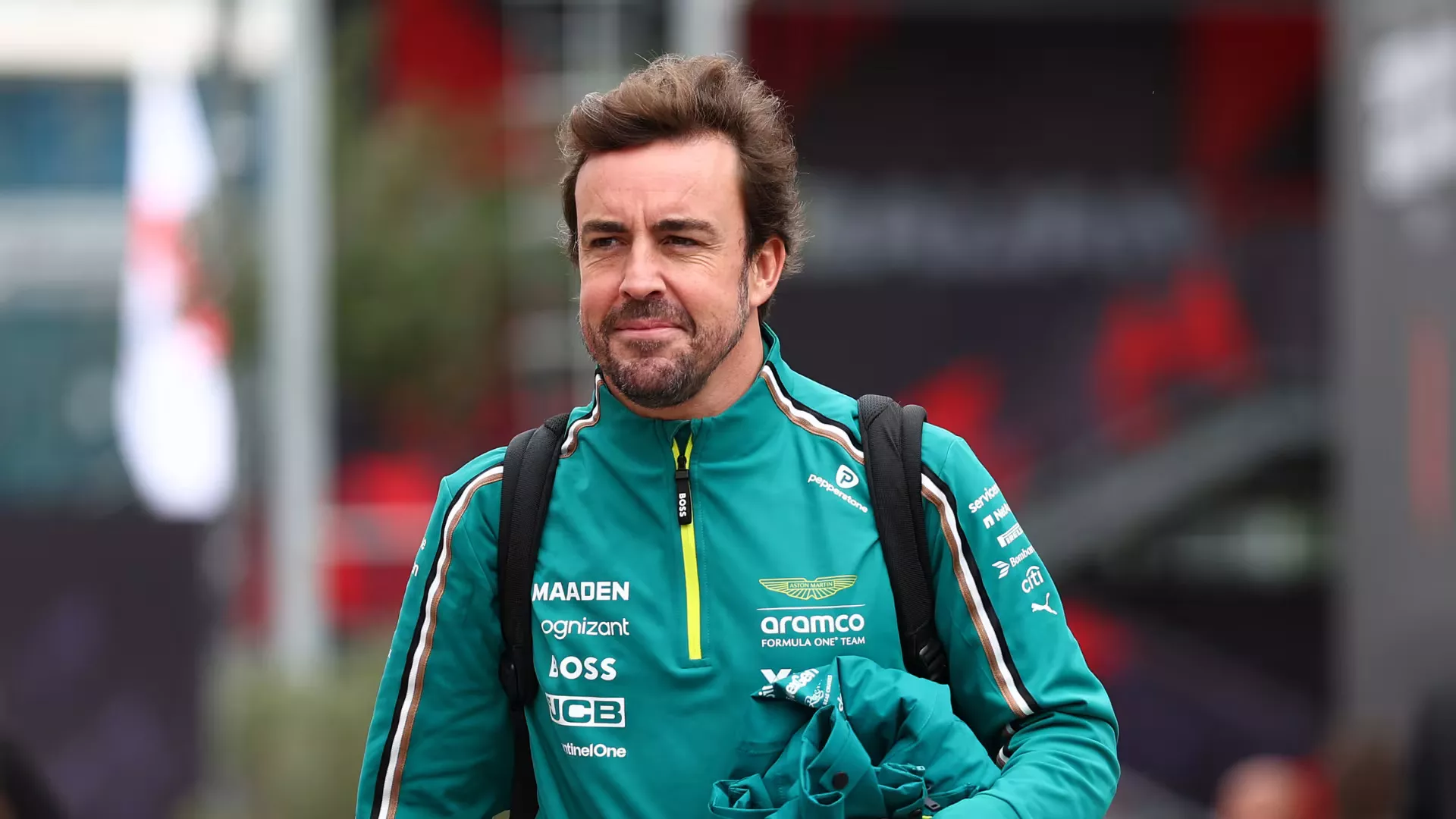
Fernando Alonso’s career spans multiple generations of Formula 1.
Beyond race winnings, Alonso built wealth through:
Endorsements across Europe
Investments in driver academies
Business interests in motorsport-related ventures
His longevity in F1 allowed him to earn across different eras of the sport.
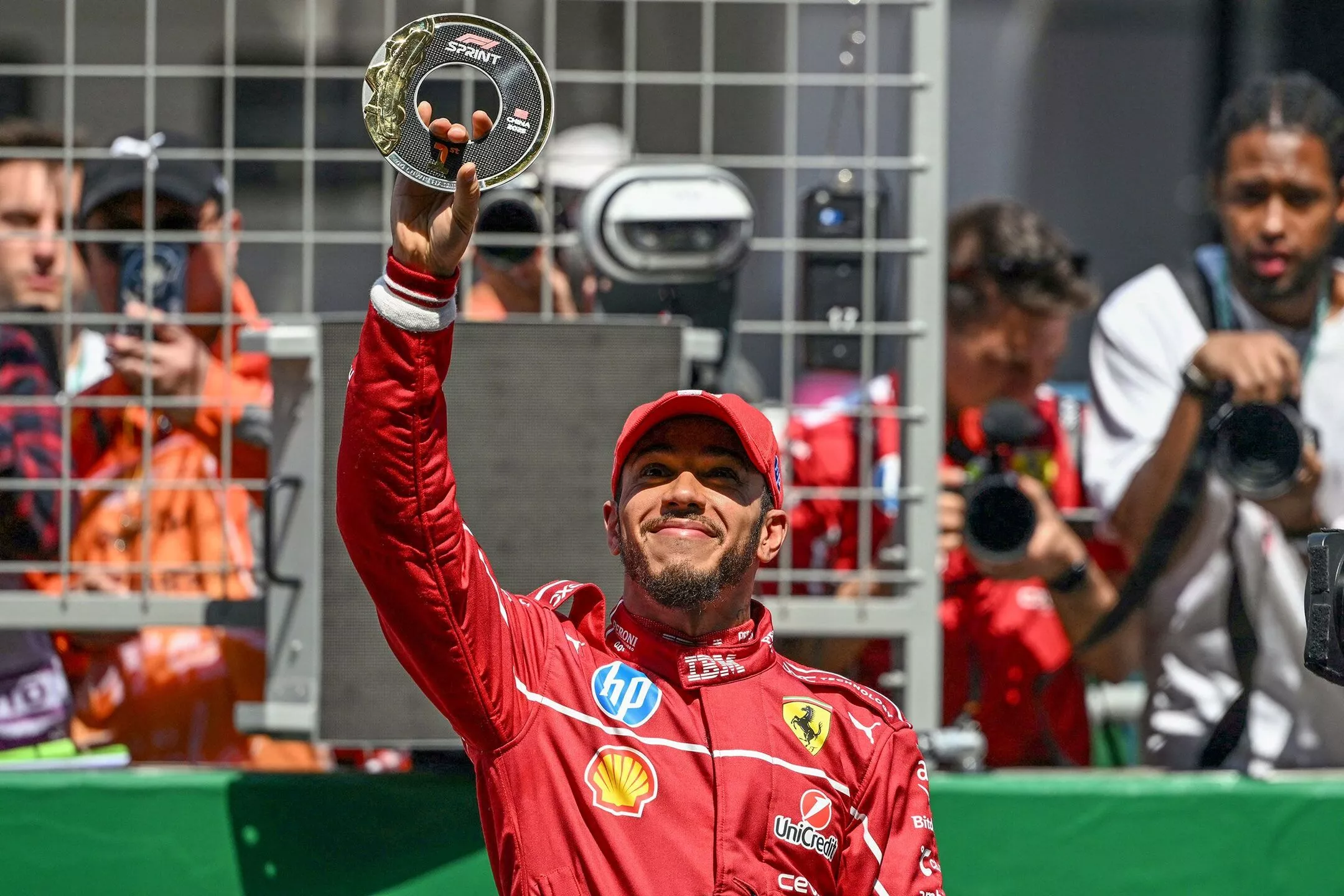
Lewis Hamilton is the wealthiest active Formula 1 driver.
His income comes from:
One of the highest driver salaries in F1 history
Global endorsement deals with fashion, tech, and lifestyle brands
Investments in media, fashion, and sustainability projects
Hamilton’s brand extends far beyond motorsport, making him one of the most marketable athletes in the world.
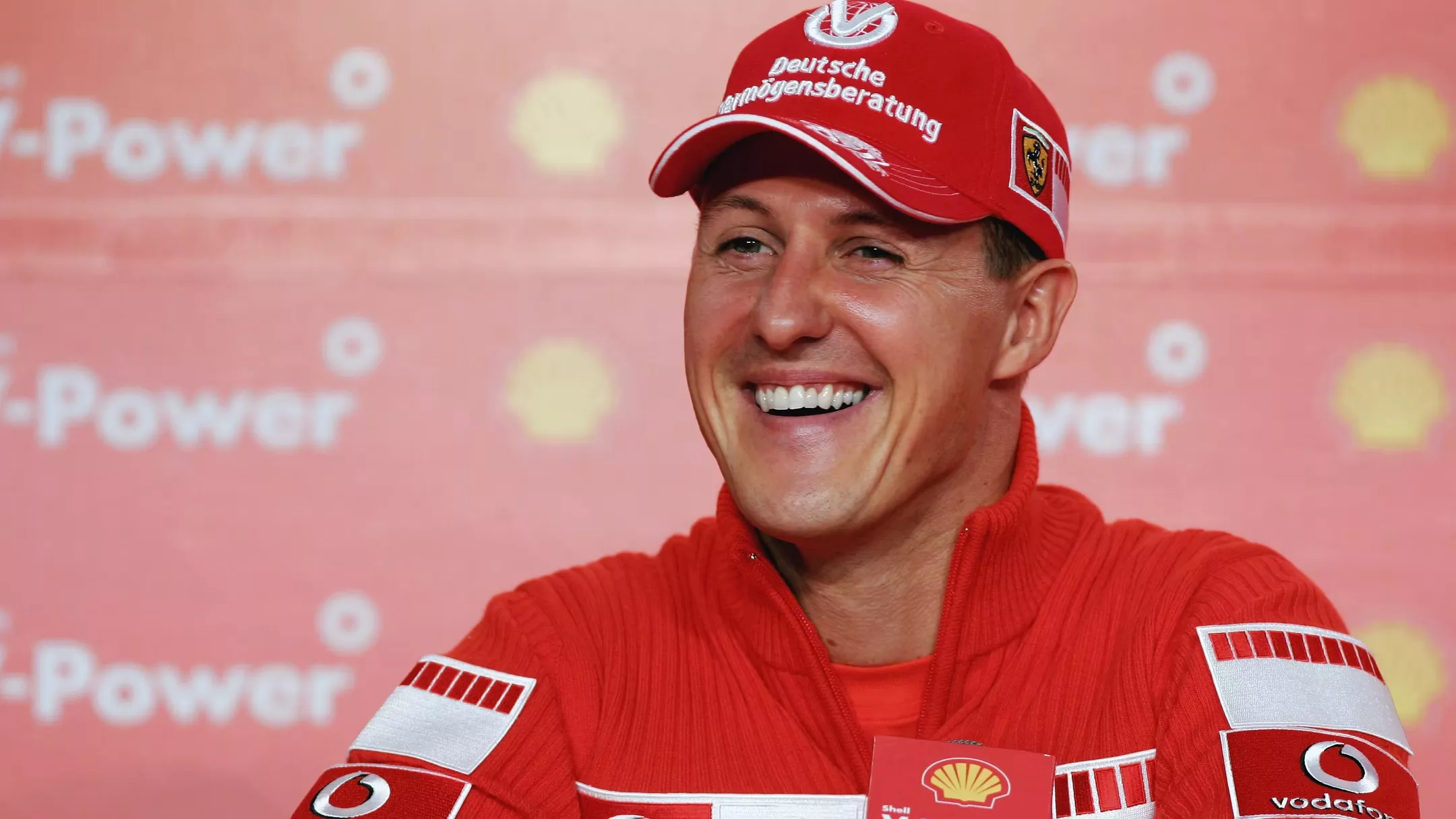
Michael Schumacher remains the richest Formula 1 driver in history.
His wealth came from:
Record-breaking Ferrari contracts
Long-term endorsement deals
Smart asset management and investments
Even after retirement, Schumacher’s legacy continued to generate income through sponsorships and licensing. His dominance during Formula 1’s commercial boom era played a huge role in his financial success.
Rank | Driver | Estimated Net Worth |
|---|---|---|
1 | Michael Schumacher | ~$790M |
2 | Lewis Hamilton | ~$304M |
3 | Fernando Alonso | ~$264M |
4 | Kimi Räikkönen | ~$254M |
5 | Niki Lauda | ~$203M |
What separates these drivers from others is not just talent, but timing and decisions.
They:
Entered F1 during major commercial growth
Built long-term brand value
Used racing income to create stable investments
For younger audiences (14-25), the lesson is simple:
Skill opens the door, but strategy builds the future.
Modern Formula 1 drivers earn more than ever before, but only a few will reach this level of wealth. Those who do will likely:
Think beyond racing
Build personal brands early
Invest smartly during peak earning years
Formula 1 rewards speed, but it rewards planning even more.
Michael Schumacher is the richest F1 driver in history.
No, but he is one of the wealthiest active drivers, with a net worth over $300 million.
Top drivers earn heavily from both, but endorsements often surpass salaries.
Possibly, but it requires long careers and strong off-track investments.
They raced during the sport’s biggest commercial growth periods and invested early.
Formula 1 rewards speed, courage, and focus, but the richest drivers mastered something else too: thinking beyond the finish line.