
Sports
Jan 28, 2026
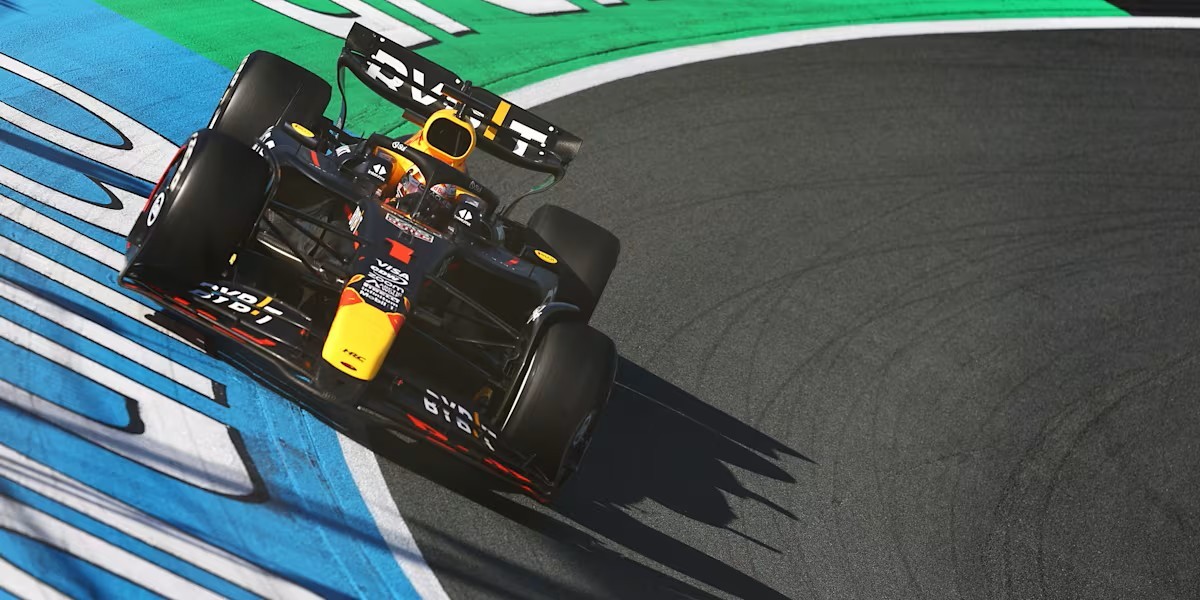
A detailed breakdown of Monaco, Hungaroring, Singapore, and other circuits where passing is nearly impossible in Formula 1. Photo by: Red Bull
In Formula One, some tracks are better for overtaking than others.
Some circuits make for exciting, close racing.
But on other tracks, it's so hard to pass that where you start the race is often where you finish.
Here's a breakdown of the tracks where overtaking is consistently tough and why.
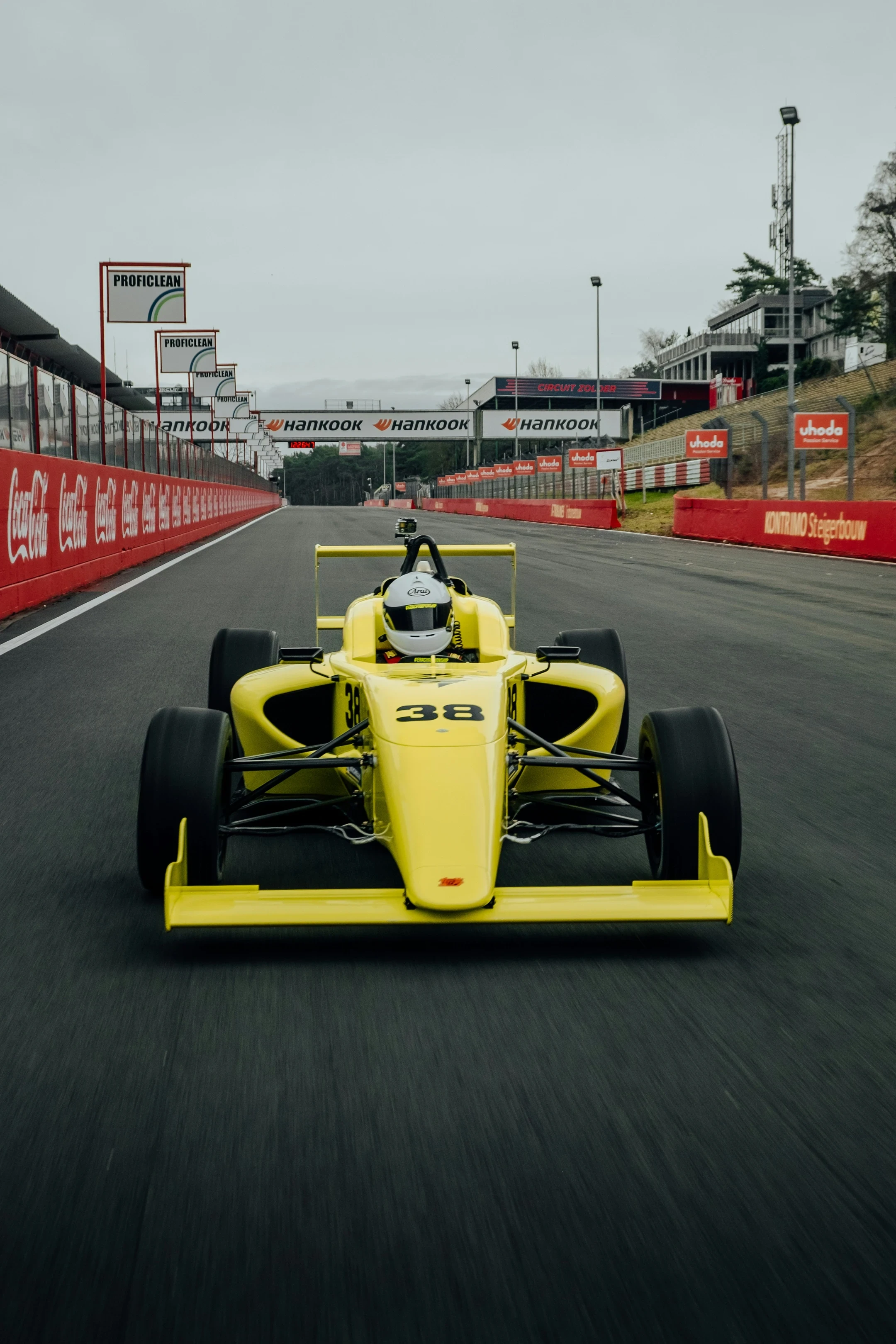
Rank | Circuit | Overtaking Difficulty |
|---|---|---|
1 | Monaco | Extreme |
2 | Hungaroring | Very High |
3 | Singapore | Very High |
4 | Imola | High |
5 | Suzuka | High (modern cars) |
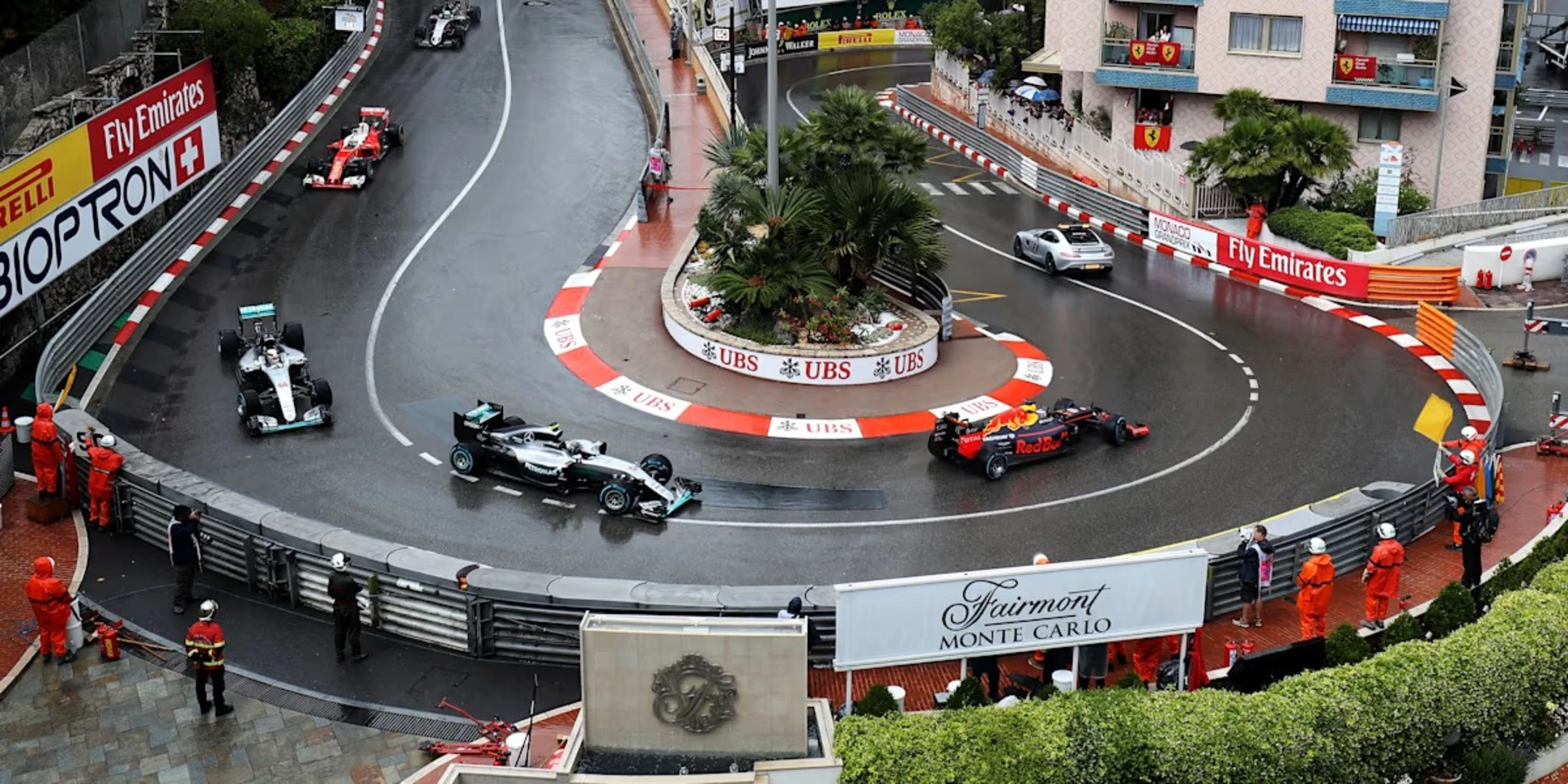
Everyone agrees that Monaco is the track in Formula 1 where passing other cars is hardest.
Factor | Why It Matters |
|---|---|
Track width | Too narrow for modern F1 cars |
Straights | Extremely short |
Braking zones | Almost none |
Barriers | No runoff or alternative lines |
Today's F1 cars are so long and wide and rely so much on aerodynamics that racing side-by-side on the streets of Monaco is almost impossible.
Key takeaway:
In Monaco, what happens during Saturday's qualifying often determines the outcome of Sunday's race.
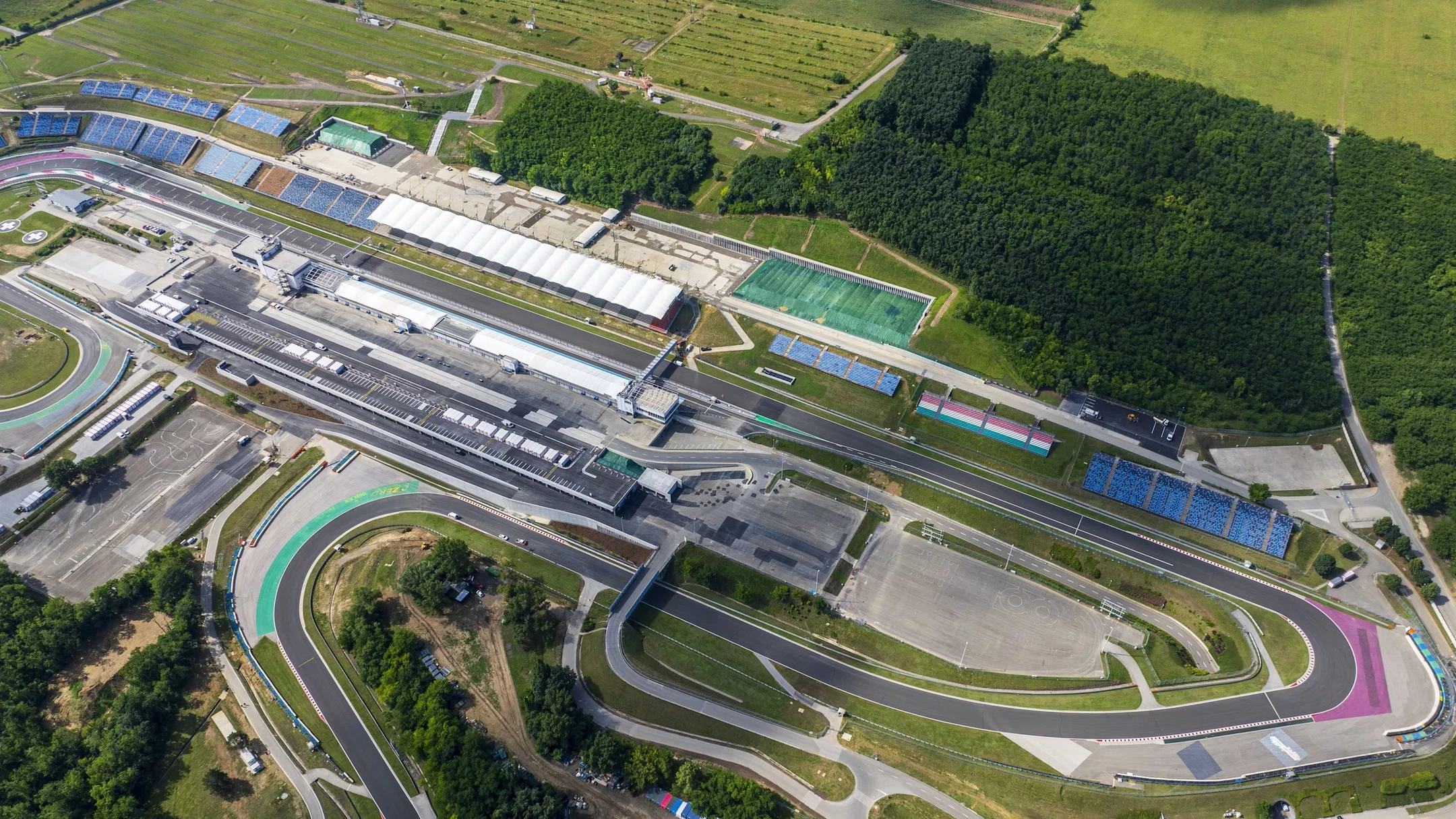
Even though the Hungaroring is a permanent track, it's known for races where not much happens in terms of changing positions.
This track has a bunch of medium-speed turns one after another.
There's only one good spot to pass other cars.
Following another car closely is tough because of the dirty air.
Feature | Effect |
|---|---|
Corner flow | No reset zones |
Racing line | Very narrow |
Tyre impact | Low degradation = fewer chances |
At the Hungaroring, it's better to be smart and patient than to try risky passes.
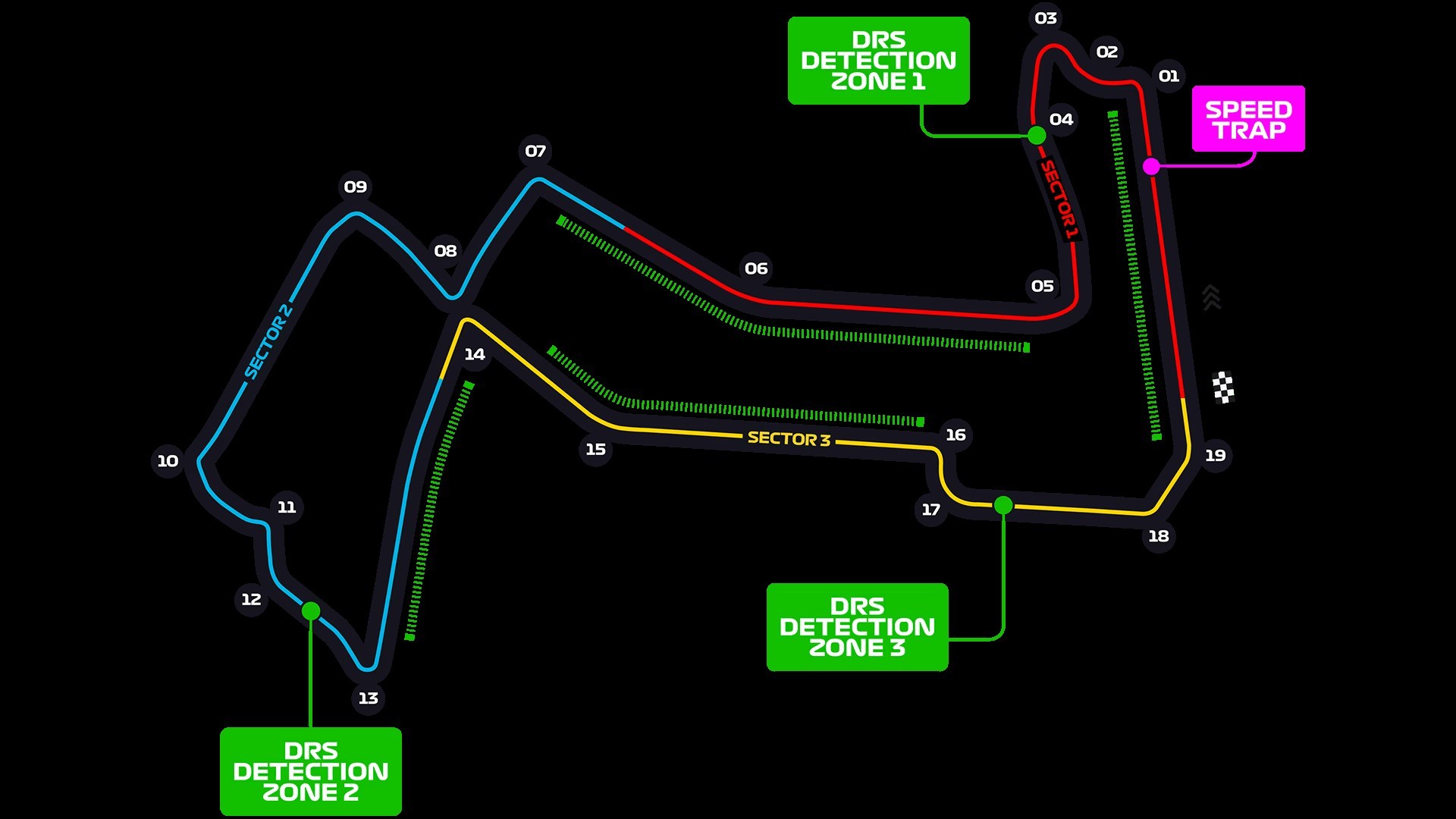
Singapore's race track is tough since it's a street circuit, and it's really hard on the drivers physically.
Tight Tracks: Tricky layouts.
Quick Bursts: Short zones to speed up.
Downforce: Cars use setups with lots of downforce.
Tire Issues: Following cars struggle with tires overheating.
Even with several DRS areas, you usually only see clean passes if someone messes up.
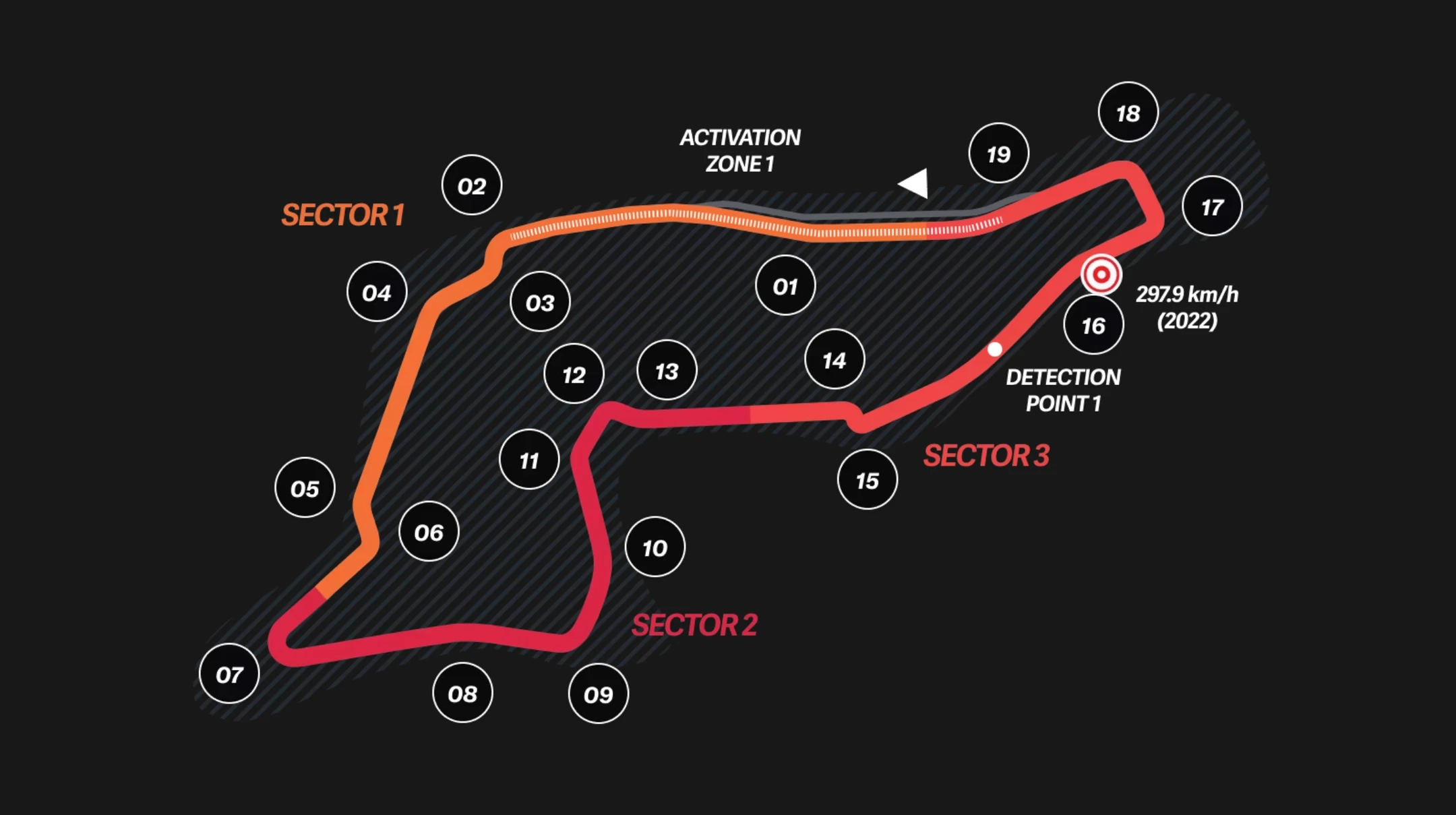
Imola's a track drivers tend to love, but it's not the best for racers who want to pass.
Tight track
Fast turns
Few hard braking spots
At Imola, most changes in position happen because of:
Pit strategy
Safety cars
Tyre offset
It's not from racing someone head-to-head..
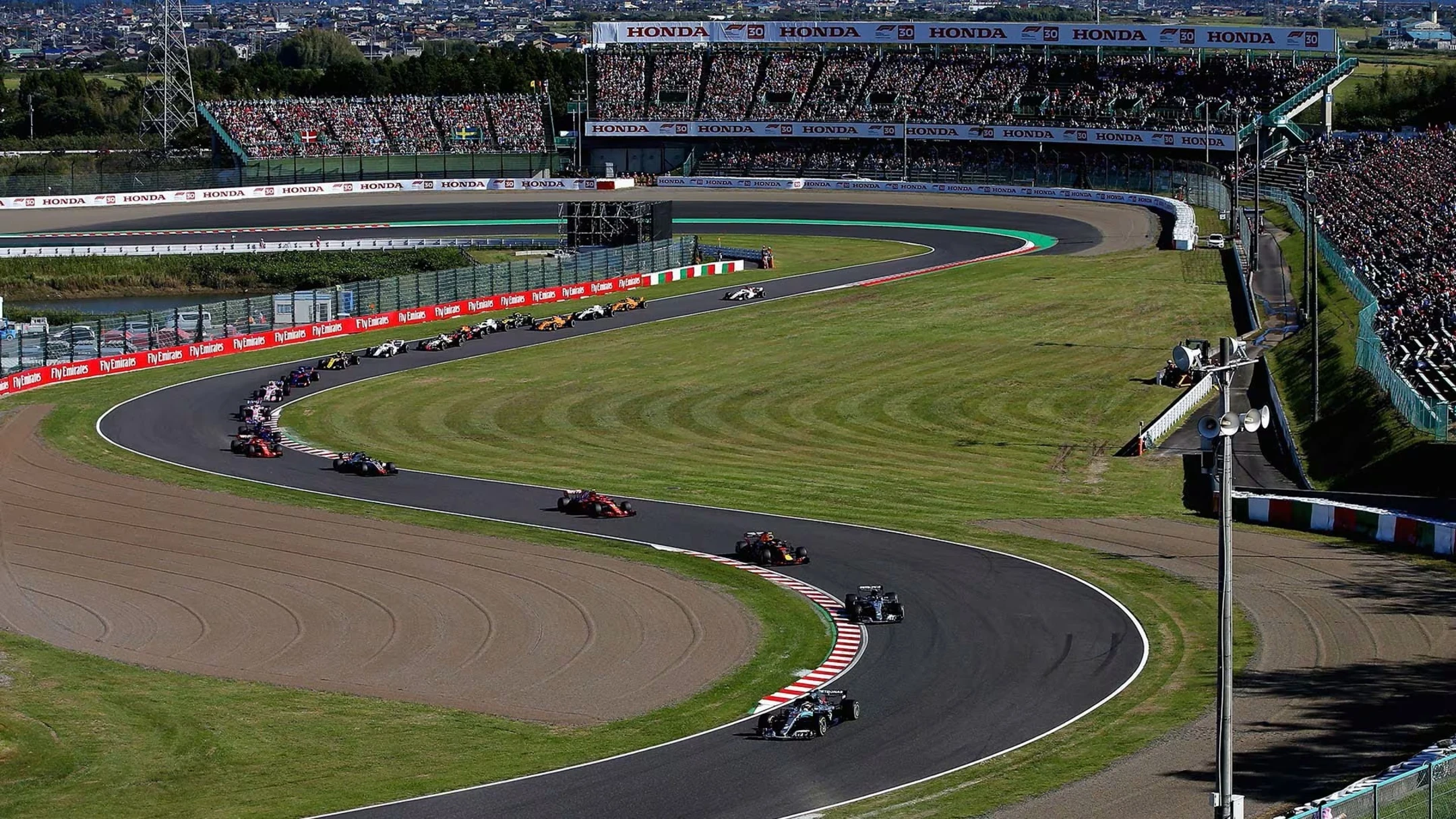
Suzuka is still one of F1's greatest tracks, but today's cars have changed how races play out there.
Fast esses make for messy air.
There's only one place to really brake hard: Turn 11.
The track has one main path to follow if you want to win.
At Suzuka, getting a good spot in qualifying and nailing the corners is proving more crucial than aggressive racing.
Figuring out why something is hard usually boils down to these four things:
Today's F1 cars are bigger than they used to be, which means they don't fit as well on some of the older tracks.
Staying close behind another car cuts down on downforce, mostly on tracks with lots of turns.
A lot of circuits were created a long time ago, even before we knew much about how air moves around things.
Without places to slow down a lot, passing other cars doesn't happen much.
It depends.
Circuit | DRS Effectiveness |
|---|---|
Monaco | Minimal |
Hungaroring | Limited |
Singapore | Moderate |
Imola | Low |
Spa / Monza | High |
DRS might not be all that useful on tracks that are super tight and twisty because of how the track is designed.