

Sports
Jan 28, 2026
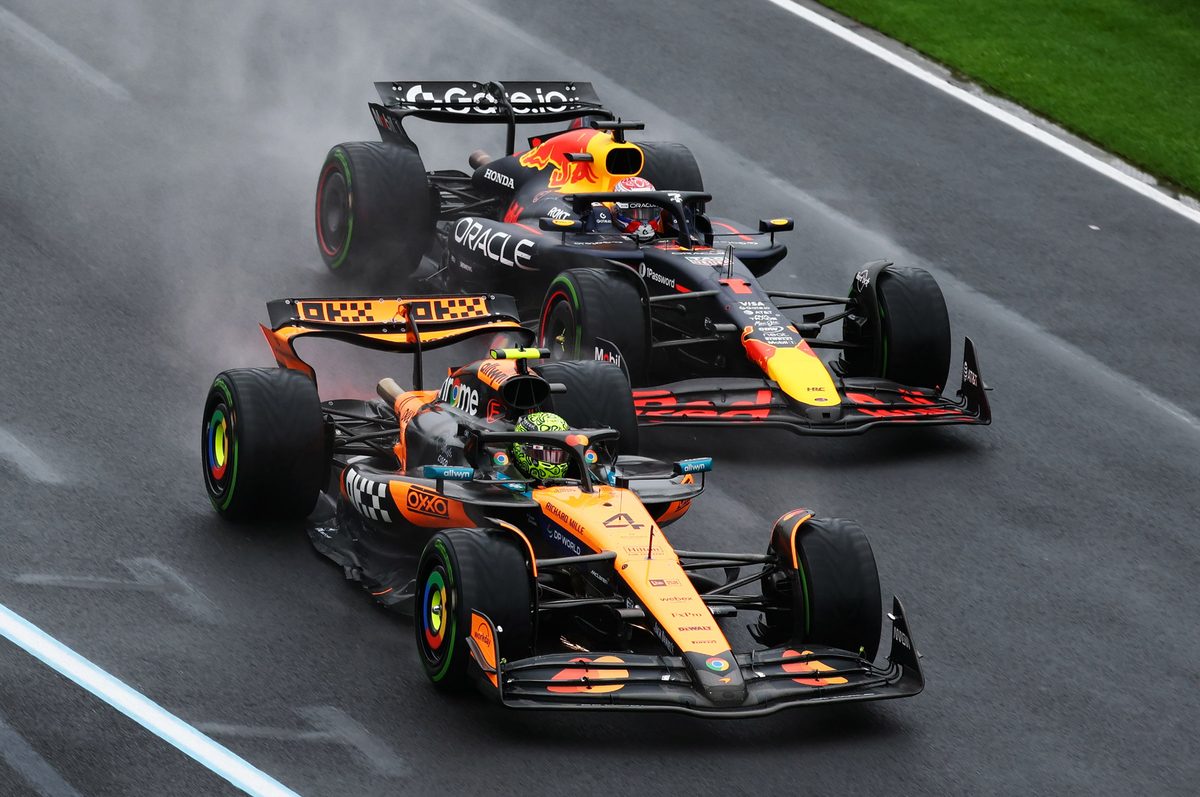
Learn how F1’s 100% sustainable fuel works, how it’s made, why it matters, and how it will change racing from 2026 onward. Photo by: BBC Science Focus Magazine
In Formula One, sustainable fuel is carbon-neutral and meant to take the place of old-fashioned fossil fuels, without sacrificing performance.
Starting in 2026, all Formula 1 cars will use only sustainable fuel. This is a huge tech change for the sport.
In short:
F1's sustainable fuel matches petrol's power and speed, but doesn't add carbon to the atmosphere.
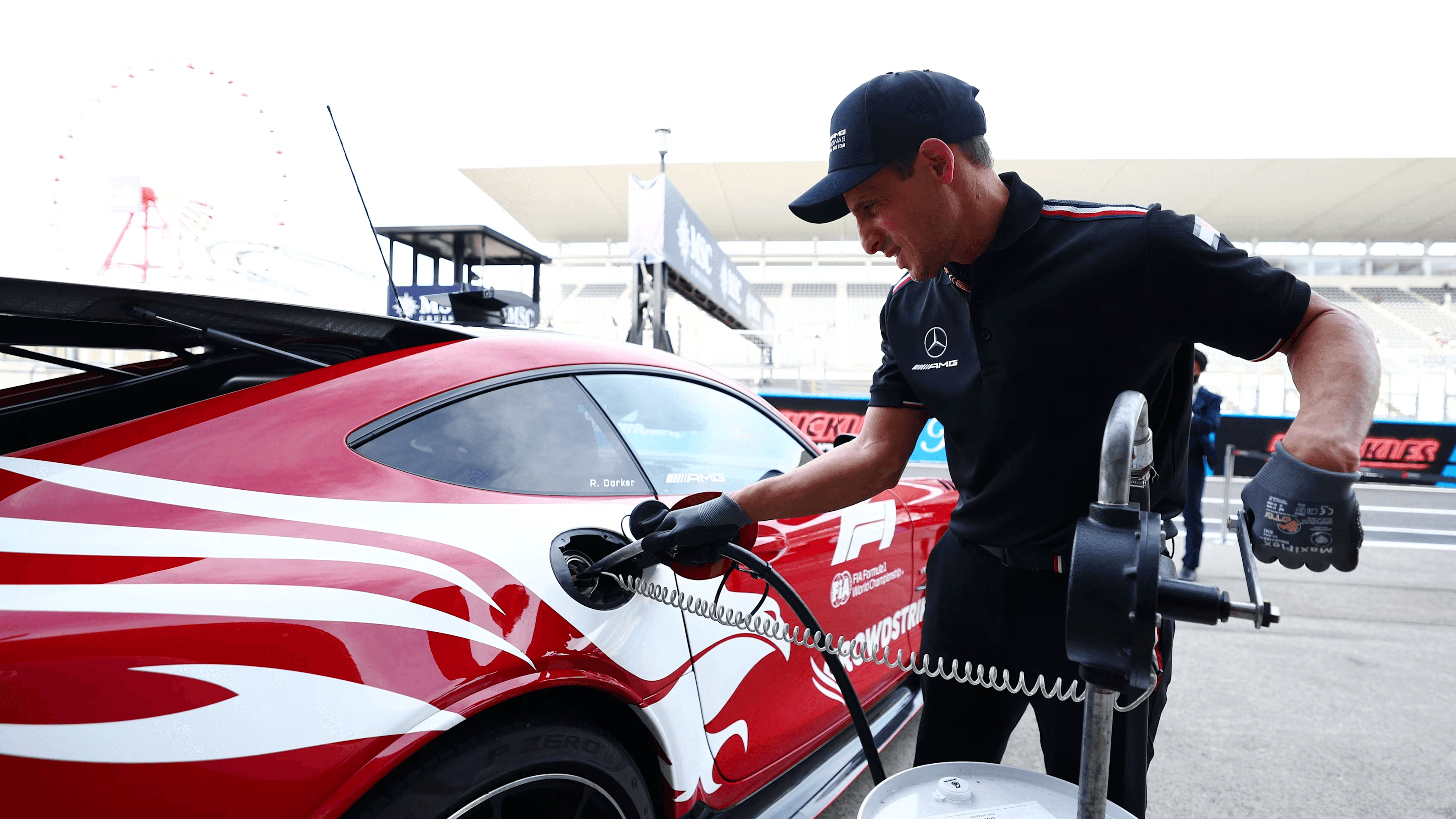
For sustainable fuel to be used in Formula 1, it needs to meet three key requirements:
Requirement | Meaning |
|---|---|
Carbon Neutral | CO₂ released = CO₂ captured |
Drop-in Compatible | Works in ICE engines |
High Performance | No loss of power or speed |
F1 fuel isn't just mixed with ethanol or partly biofuel. It's completely synthetic or made from advanced bio-sources, built to handle extreme conditions and deliver top-notch performance.
F1 sustainable fuel usually comes from e-fuel, which is a type of synthetic fuel.
Carbon Capture
CO₂ can be collected either from the air or from factories.
Green Hydrogen Production
Renewable electricity can be used to produce hydrogen through electrolysis.
Fuel Synthesis
CO₂ and hydrogen can be mixed to make fuel.
Refinement
To meet Formula 1's standards for burning and power, fuel goes through a refining process.
It works like regular gas, but doesn't increase carbon in the air.
Nope.
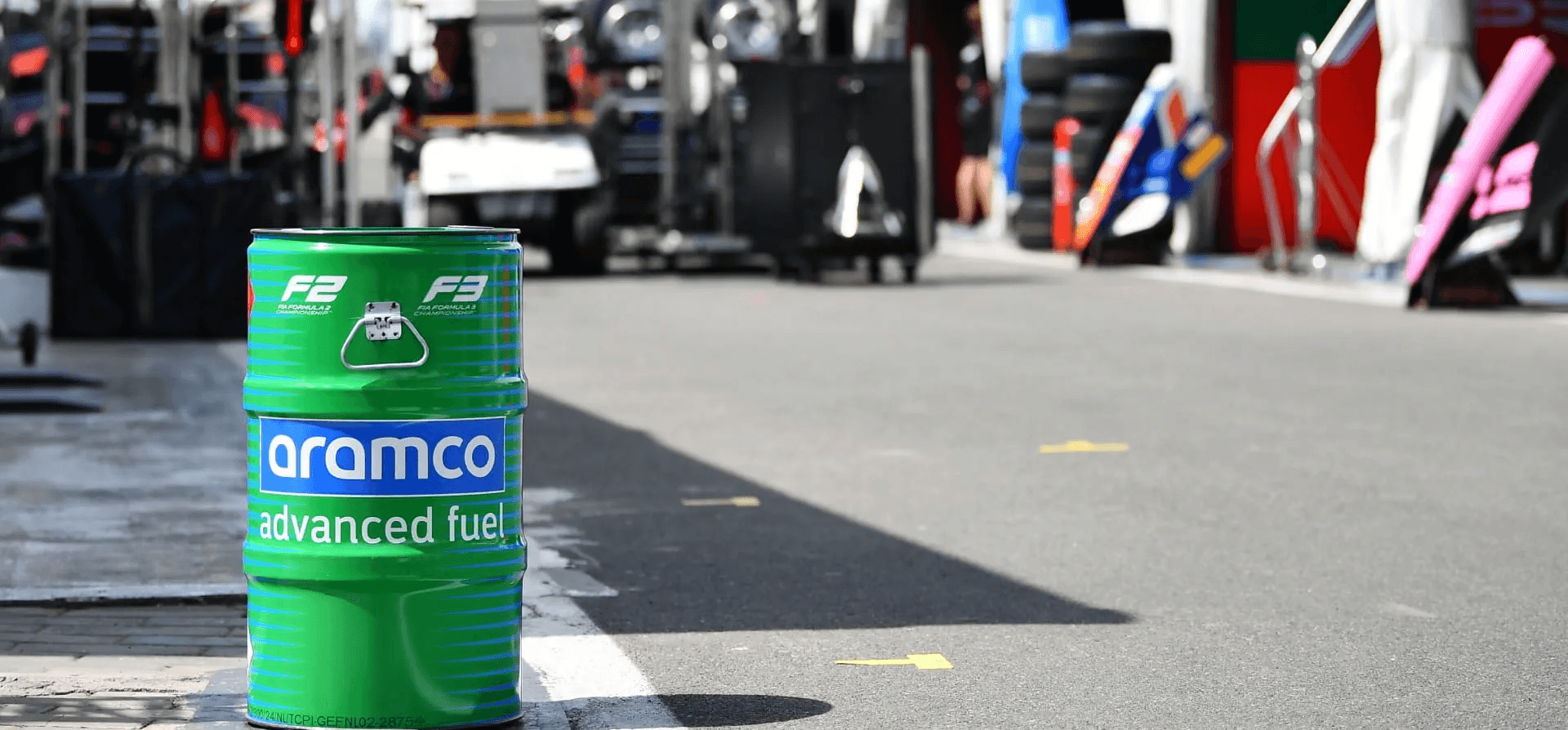
Fuel Type | Source | Used in F1? |
|---|---|---|
Biofuel | Crops / organic waste | Partially |
E-Fuel (Synthetic) | CO₂ + hydrogen | Yes |
Fossil Fuel | Crude oil | No (future) |
In F1, teams can choose various routes to reach sustainability, provided their fuel is carbon neutral.
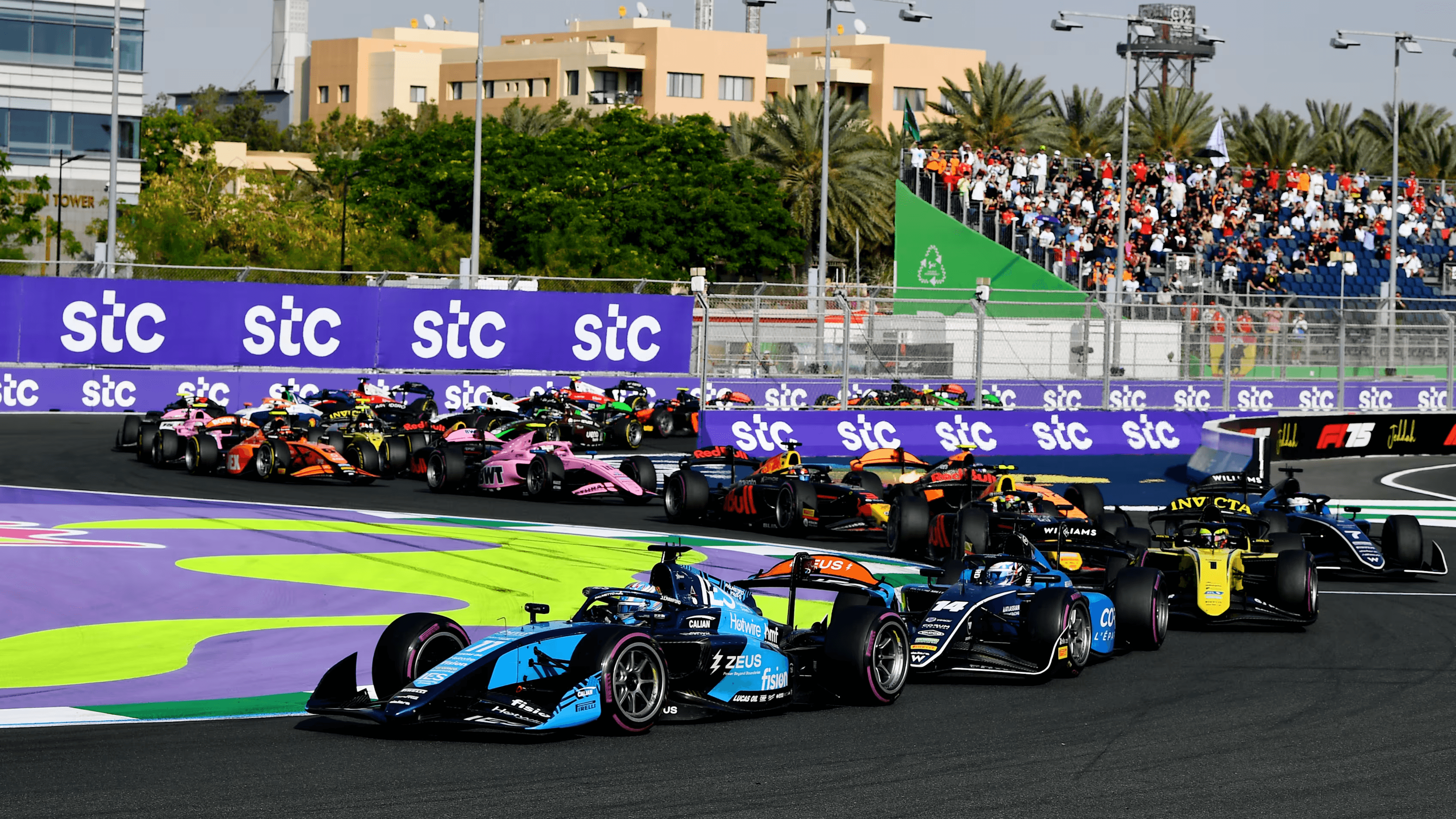
F1 is aiming to hit net-zero carbon emissions by 2030, and sustainable fuels are a key part of their plan.
Lower our carbon footprint.
Keep traditional engines in the game.
Bring racing tech to everyday cars.
Steer clear of going fully electric, like Formula E did.
F1 is trying to show that standard engines can be good for the environment, which is a different approach from electric racing.
No.
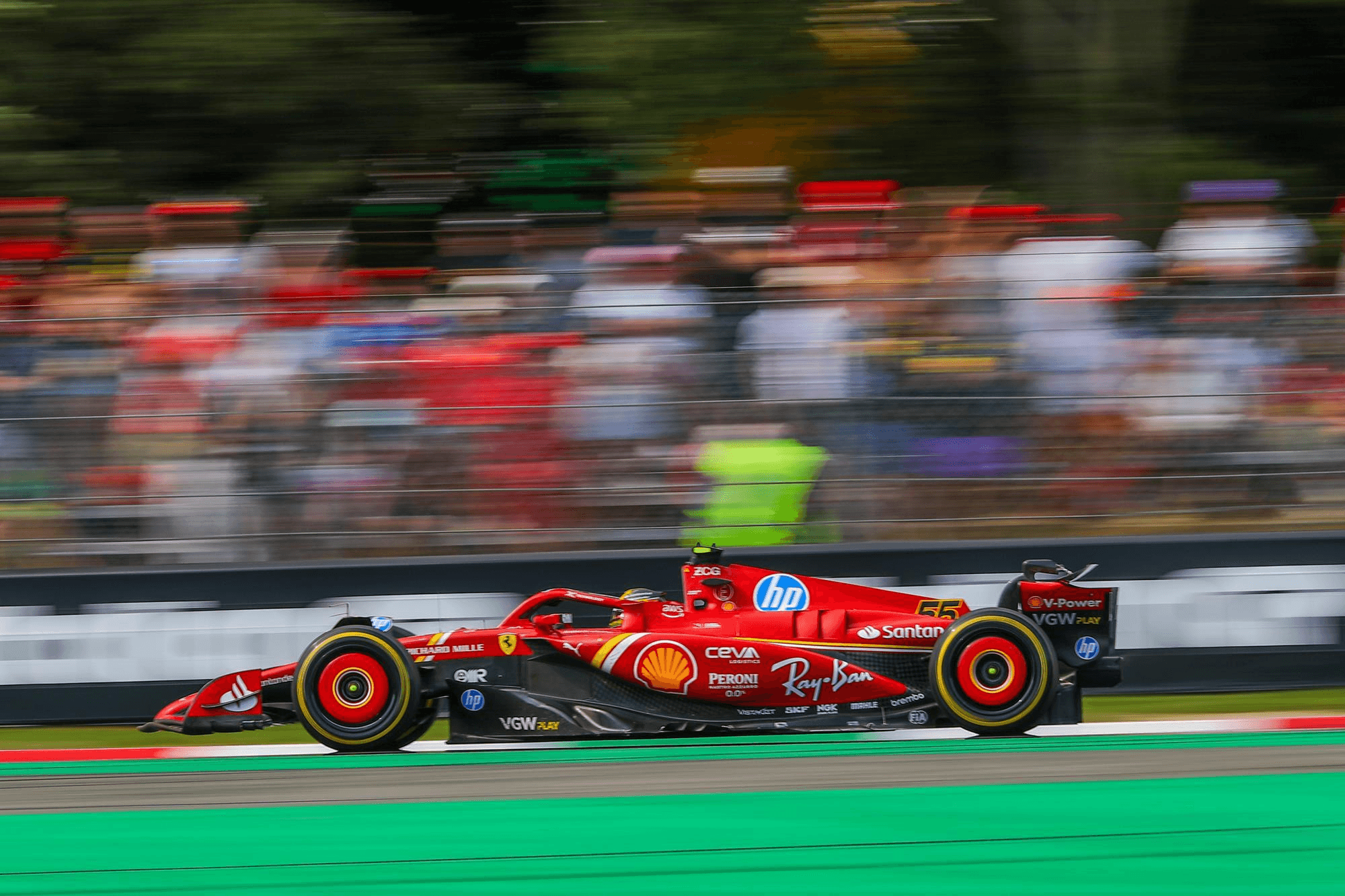
F1 teams have actually said that:
Same power as before.
Better engine fuel burn.
Cleaner, easier-to-control burn.
F1 aims for a level playing field in performance, not a watered-down experience.
Feature | F1 Sustainable Fuel | Electric Racing |
|---|---|---|
Engine Type | Internal combustion | Electric motor |
Refueling | Seconds | Charging time |
Sound & Emotion | Preserved | Reduced |
Road-Car Relevance | Very high | Limited |
F1's plan focuses on the cars we have now, not just electric vehicles of the future.
Starting in 2026:
Change | Impact |
|---|---|
100% sustainable fuel | Mandatory |
Reduced fuel flow | Higher efficiency |
Increased electrical power | Hybrid emphasis |
No MGU-H | Simpler engines |
Internal combustion engines are still key, but they're much cleaner now.
Our main fuel partners are really involved.
Shell
Aramco
Petronas
ExxonMobil
BP / Castrol
These companies are testing out future fuels in the fast-paced world of F1.
Sustainable fuel is key because:
More than 1.4 billion cars still run on gas engines.
Electric car use isn't consistent across the world.
It takes a long time to change infrastructure.
F1 research is helping develop fuels for:
Cars
Air travel
Ship transport
Big factories
“Sustainable fuel is just ethanol”
No. F1 fuel is far more advanced.
“It’s greenwashing”
F1 fuel's carbon neutrality is checked through chemical analysis.
“Electric is always better”
This isn't meant for big infrastructure projects or moving heavy stuff.
That's right. Formula 1 cars use E10 fuel now, and the plan is to switch to fully sustainable fuel by 2026.
The engine sound is still mostly the same. No big changes there.
That's what we're aiming for in the long run.
Sustainable fuel in F1 is a carbon-neutral, high-performance fuel. It's created using captured CO₂ and renewable energy. This lets Formula 1 keep its powerful engines while seriously cutting down on environmental impact.
Starting in 2026, every F1 car will use only sustainable fuel. This change positions F1 as a frontrunner in sustainable combustion tech around the world.