

Sports
Jan 28, 2026
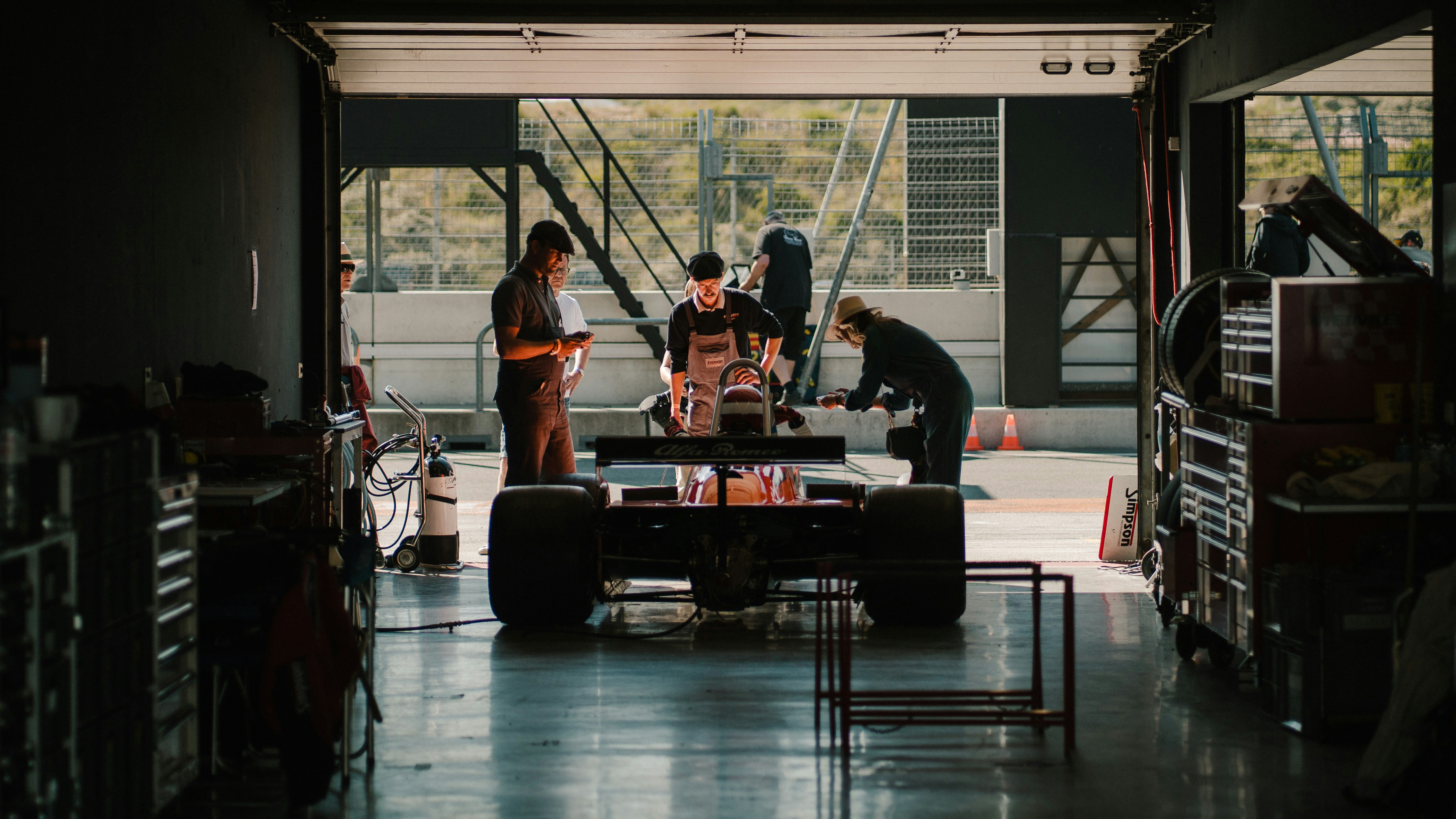
Learn how it recovers braking energy, boosts power, works with ERS, and why it’s critical to modern F1 performance. Photo by: Unsplash
In today's Formula One cars, the MGU-K is a critical piece of the hybrid engine. It's mainly responsible for taking the energy created when braking and then sending extra power to the tires when the driver accelerates.
Basically, the MGU-K turns wasted braking into a boost of speed.
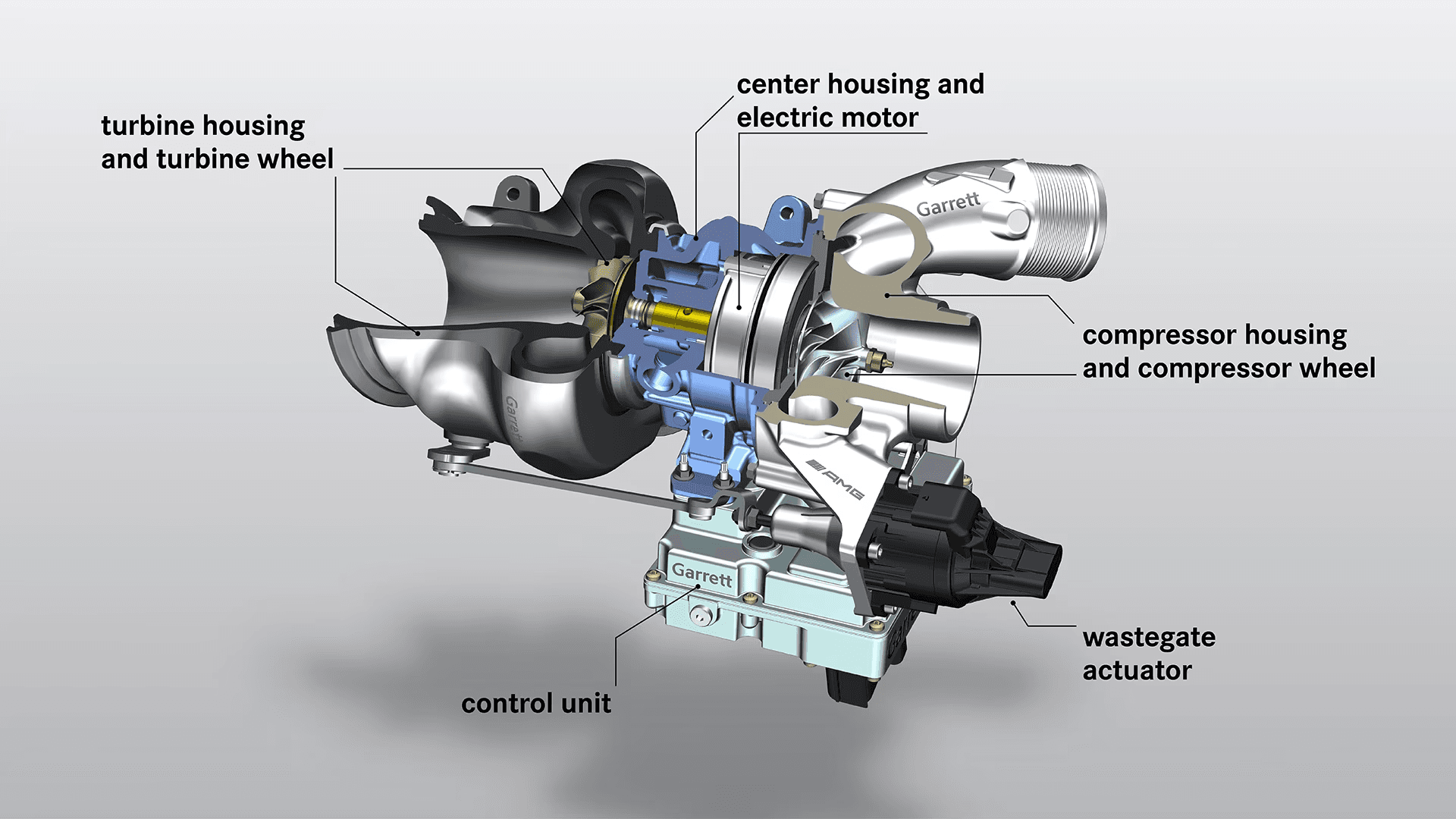
MGU-K stands for:
Motor Generator Unit - Kinetic
Motor: Adds power to the drivetrain
Generator: Harvests energy under braking
Kinetic: Refers to motion (braking energy)
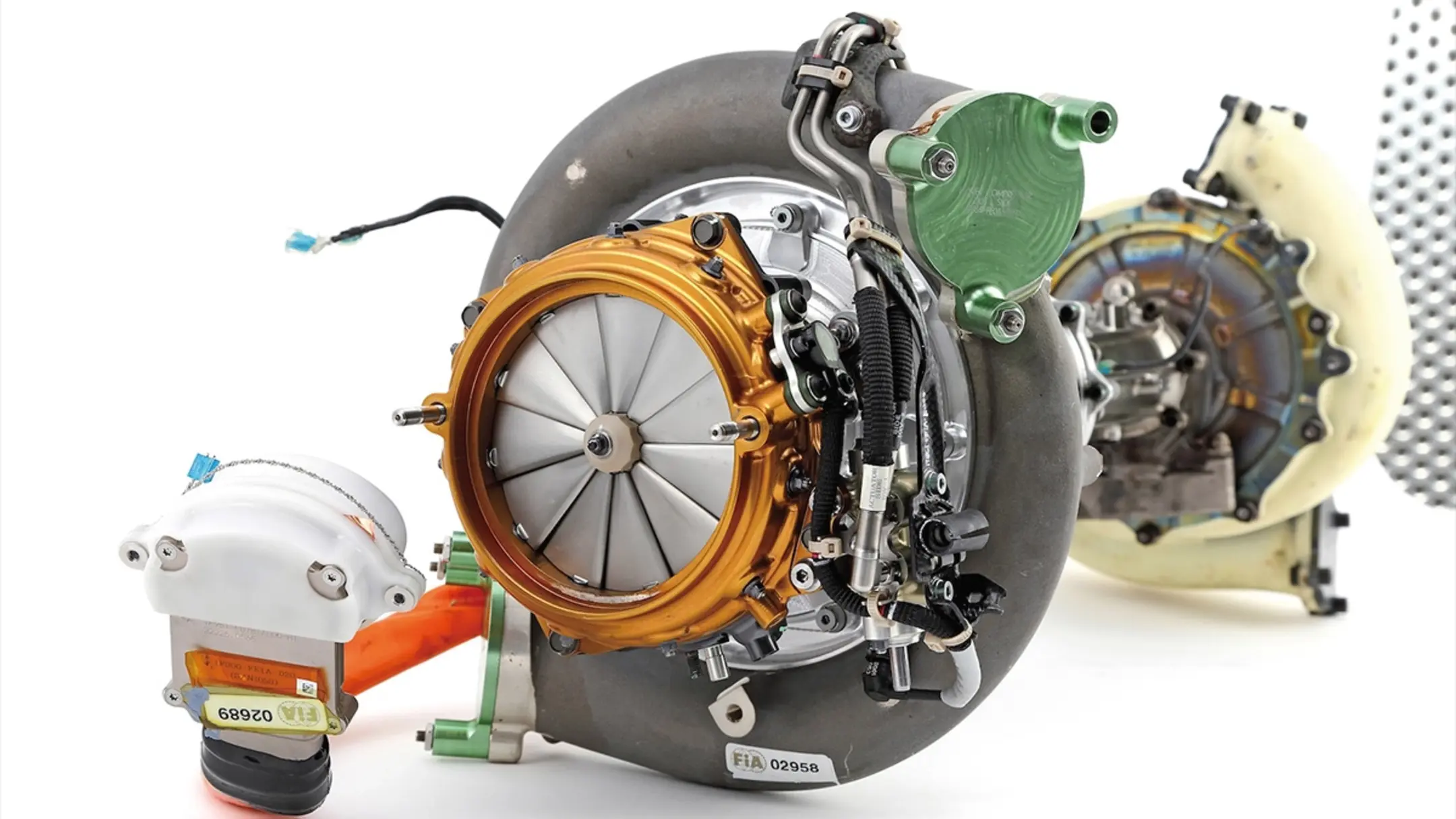
It's one of two motor-generator units in a Formula 1 power unit. The other one is the MGU-H (Heat).
The MGU-K takes the energy created when braking and saves it. Then, it puts that energy back into the car to give it a little extra oomph when speeding up.
That's why Formula 1 cars are quicker, more fuel-efficient, and trickier to engineer compared to regular gas-powered race cars.

When someone hits the brakes:
The MGU-K acts as a generator
It converts kinetic energy into electrical energy
This energy is stored in the car’s Energy Store (battery)
When accelerating:
The MGU-K switches to motor mode
It sends stored energy back to the drivetrain
The rear wheels receive extra torque
This is built right into the car's hybrid system.
Component | Maximum Output |
|---|---|
MGU-K | 120 kW (≈160 hp) |
Deployment Time | Up to 33 seconds per lap |
Energy Per Lap | 4 MJ (megajoules) |
Think of it as suddenly having the power of a small engine at your disposal.
Area | Connection |
|---|---|
Drivetrain | Connected to the crankshaft |
Braking System | Works alongside rear brakes |
Battery | Sends and receives stored energy |
Electronics | Controlled by ERS software |
The MGU-K's direct mechanical link means its power hits you instantly and with real force.
Feature | MGU-K | MGU-H |
|---|---|---|
Energy Source | Braking (kinetic) | Turbo heat |
Max Power | 120 kW | Unlimited (theoretical) |
Connection | Crankshaft | Turbocharger |
Driver Impact | Direct acceleration boost | Turbo control & energy flow |
The MGU-K affects how the driver feels the car, while the MGU-H mainly handles fuel efficiency and turbo management.
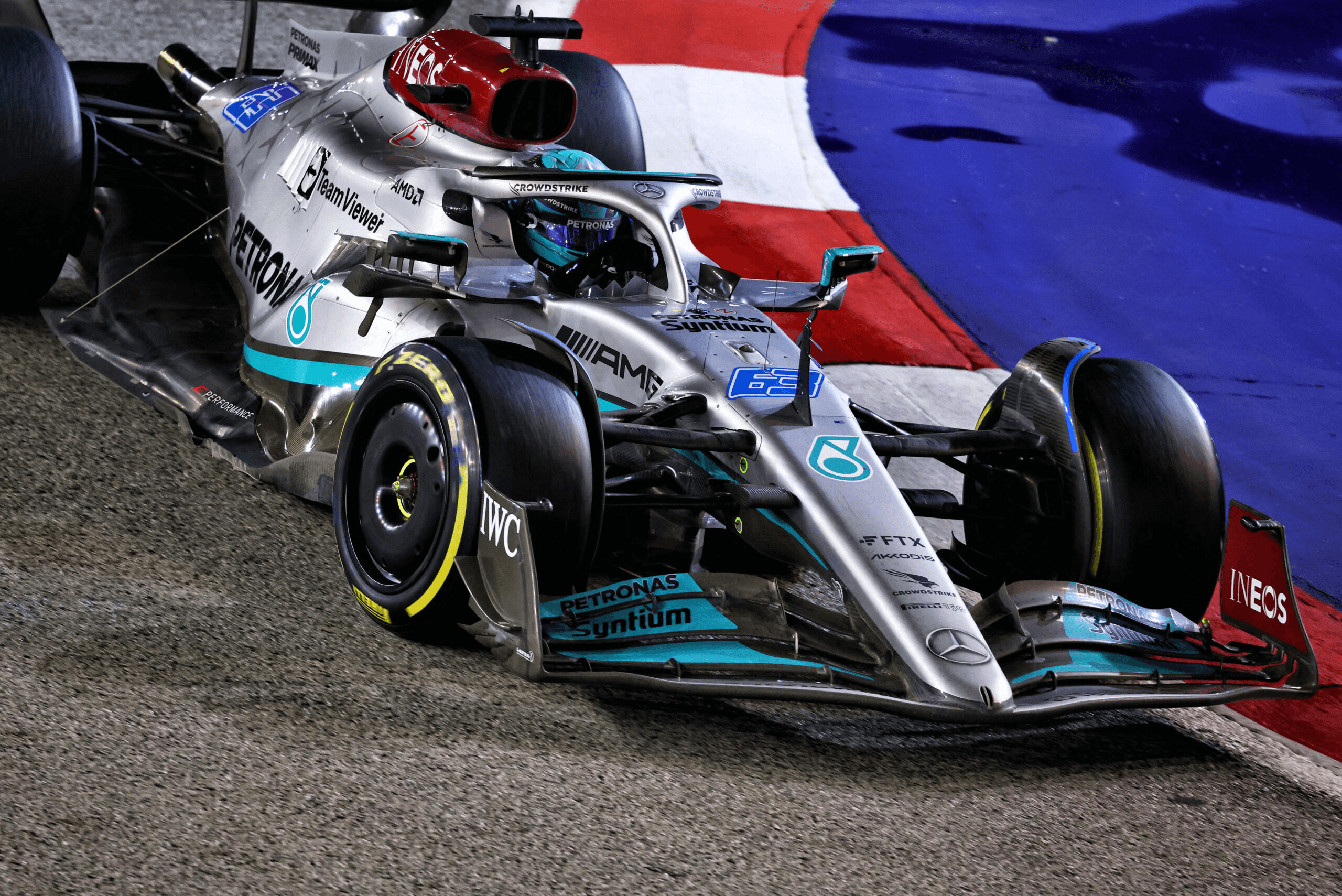
The MGU-K has a big impact on:
More torque means better acceleration when exiting turns and passing other cars.
Hybrid setups can really give you an edge.
Using recovered energy cuts down on how much fuel we need to burn.
The energy usage depends on the call of both the driver and the engineers.
The MGU-K is part of the ERS (Energy Recovery System).
MGU-K (kinetic energy recovery)
MGU-H (heat energy recovery)
Energy Store (battery)
Control electronics
Drivers can change ERS modes to focus on attacking, defending, or saving energy.
Not exactly.
Drivers can pick how energy is used, but:
Software decides precise deployment
Engineers optimize energy flow
Braking balance adjusts to regeneration levels
These days, winning in F1 is about having the best software just as much as having the fastest car.
Without MGU-K:
Cars lose about 160 horsepower.
Gas mileage goes down a lot.
The brakes are totally different.
Lap times get way slower.
The MGU-K isn't just an option, it's a must-have.
Starting in 2026:
The car's MGU-K power is getting a boost.
Also, the MGU-H is going away.
So, hybrid output will mostly depend on the MGU-K.
So, getting to grips with the MGU-K is going to be vital as Formula 1 moves forward.
MGU-K replaced the old KERS system and is far more powerful and integrated.
Yes. Overheating, electronics issues, or mechanical stress can cause failures.
Yes. Drivers must adapt because part of braking force comes from energy regeneration.
In Formula 1, the MGU-K grabs energy when the car brakes and turns it into electricity, which then gives the car a boost when accelerating.
Think of it as adding about 160 horsepower to the engine. This helps the car go faster, use fuel in a smarter way, and can really change how a driver approaches a lap, passes other cars, and plans their race.
These days, the MGU-K isn't just another part of the car; it’s key to winning.