

Sports
Jan 28, 2026
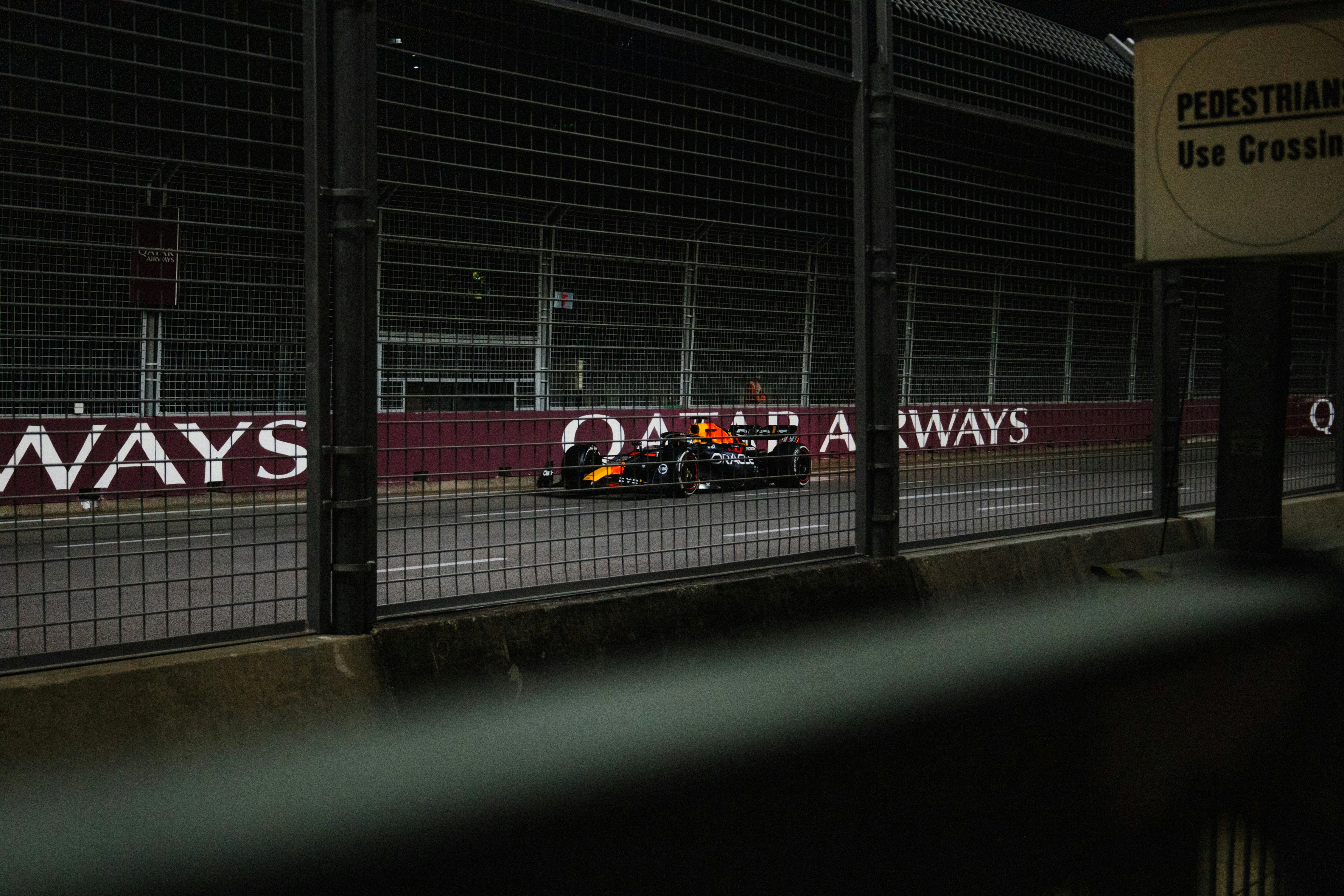
This in-depth guide explains the technical, environmental, commercial, and performance reasons F1 chose hybrid engines and sustainable fuel over full electrification. Photo by: Unsplash
The quick answer is easy, but the full story is way cooler.
Even with tough sustainability targets, Formula One went with hybrid engines and fuels instead of going all-electric.
This isn't because they don't want to change; it's a carefully planned move based on tech and what works worldwide.
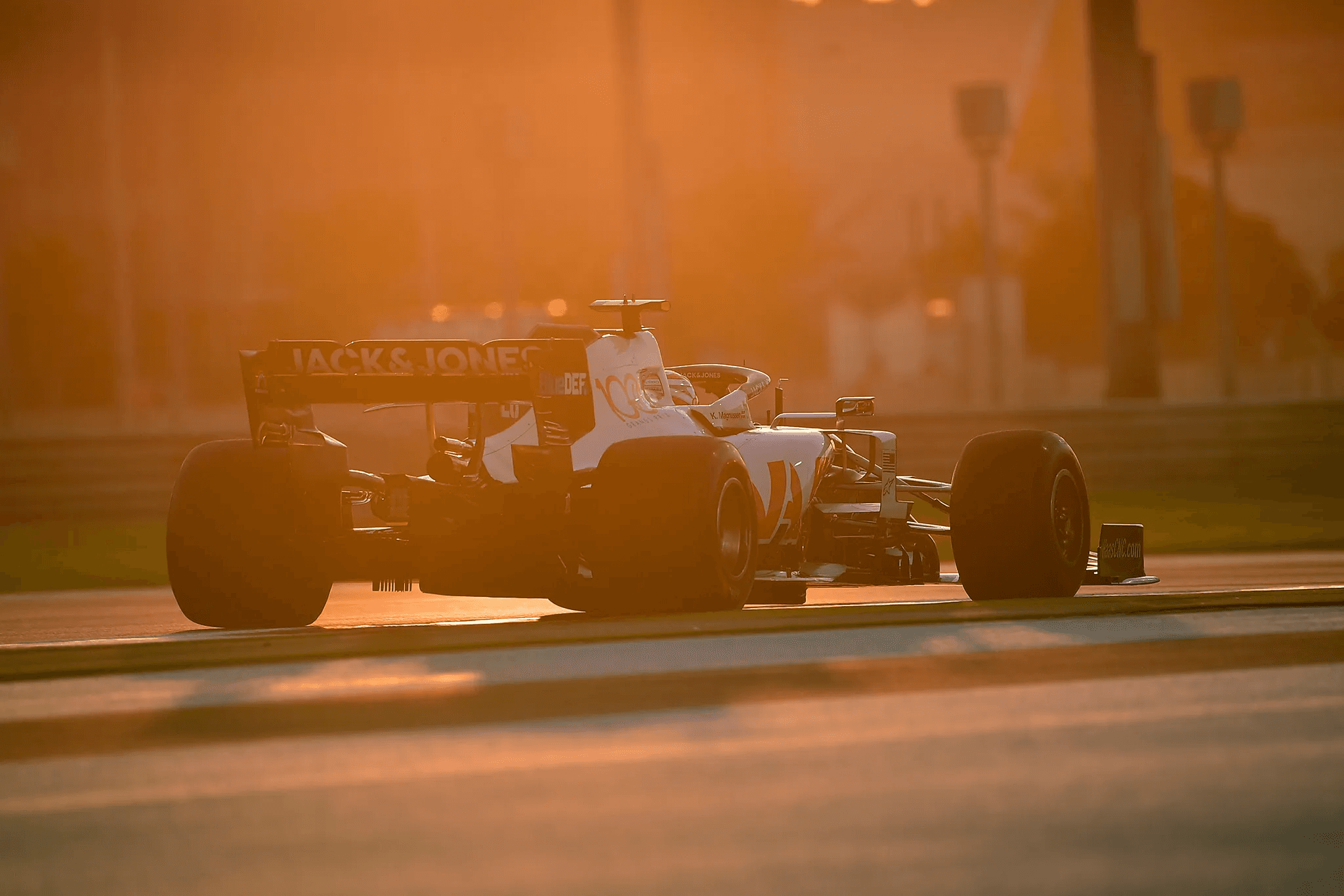
This piece gets into why F1 isn't going electric and why that choice is a big deal now.
F1 isn't going all-electric just yet. The batteries aren't quite there for the power, quick refills, race length, and worldwide appeal that F1 needs.
Instead, they're sticking with hybrid engines that use 100% sustainable fuel. This cuts down on emissions but keeps the speed and connection to regular cars.
F1 cars are built for top-notch performance:
Over 300 km/h
Continuous high-load racing for 90+ minutes
Minimal downtime
Rapid refueling expectations
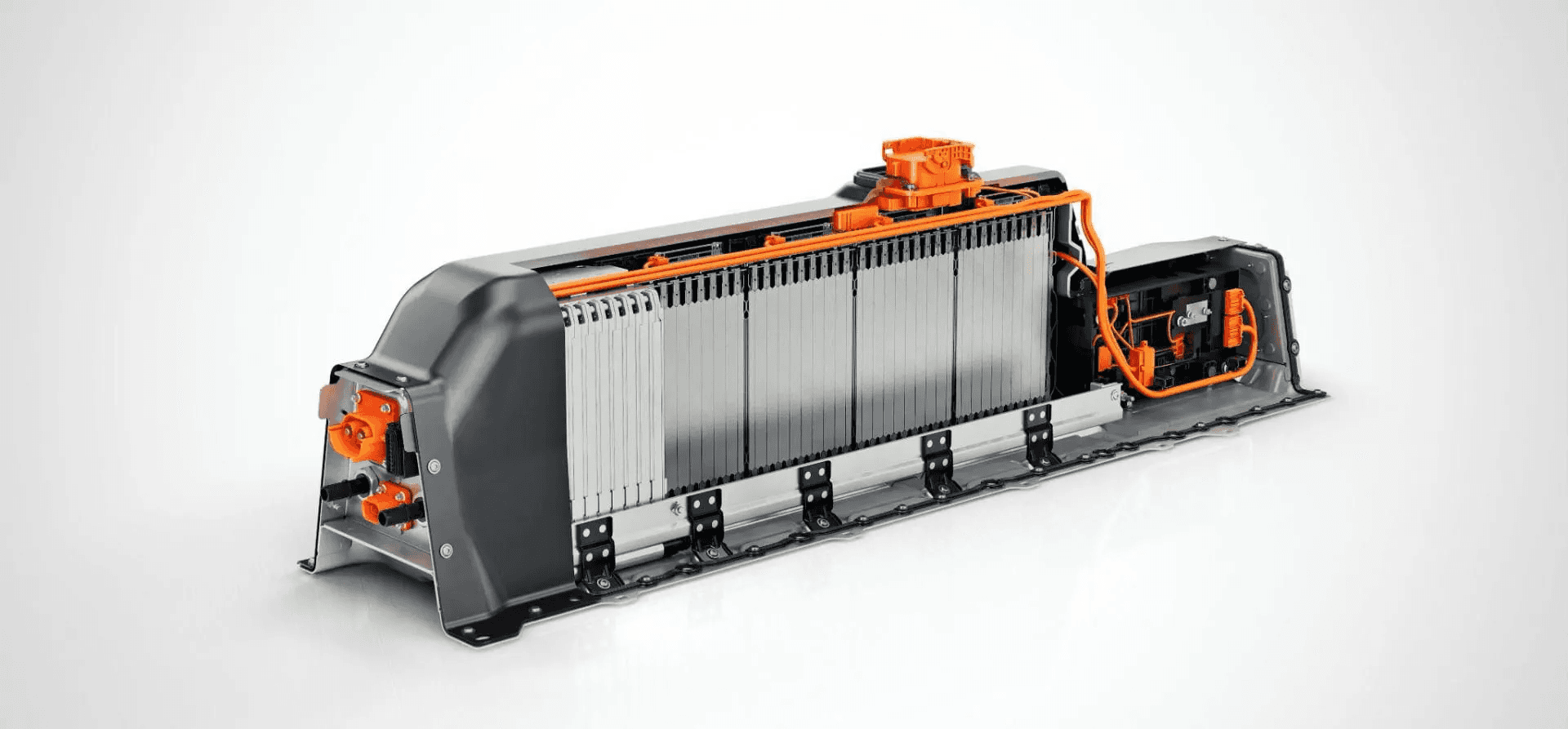
Right now, batteries have trouble dealing with these issues.
Limitation | Why It Matters |
|---|---|
Battery weight | Heavier cars, slower lap times |
Energy density | Insufficient for full race distance |
Charging time | Pit-stop recharging is impractical |
Heat management | Severe thermal challenges |
Power delivery | Sustained output is limited |
Electric racing is good for shorter races, just not the full-on challenge of F1.
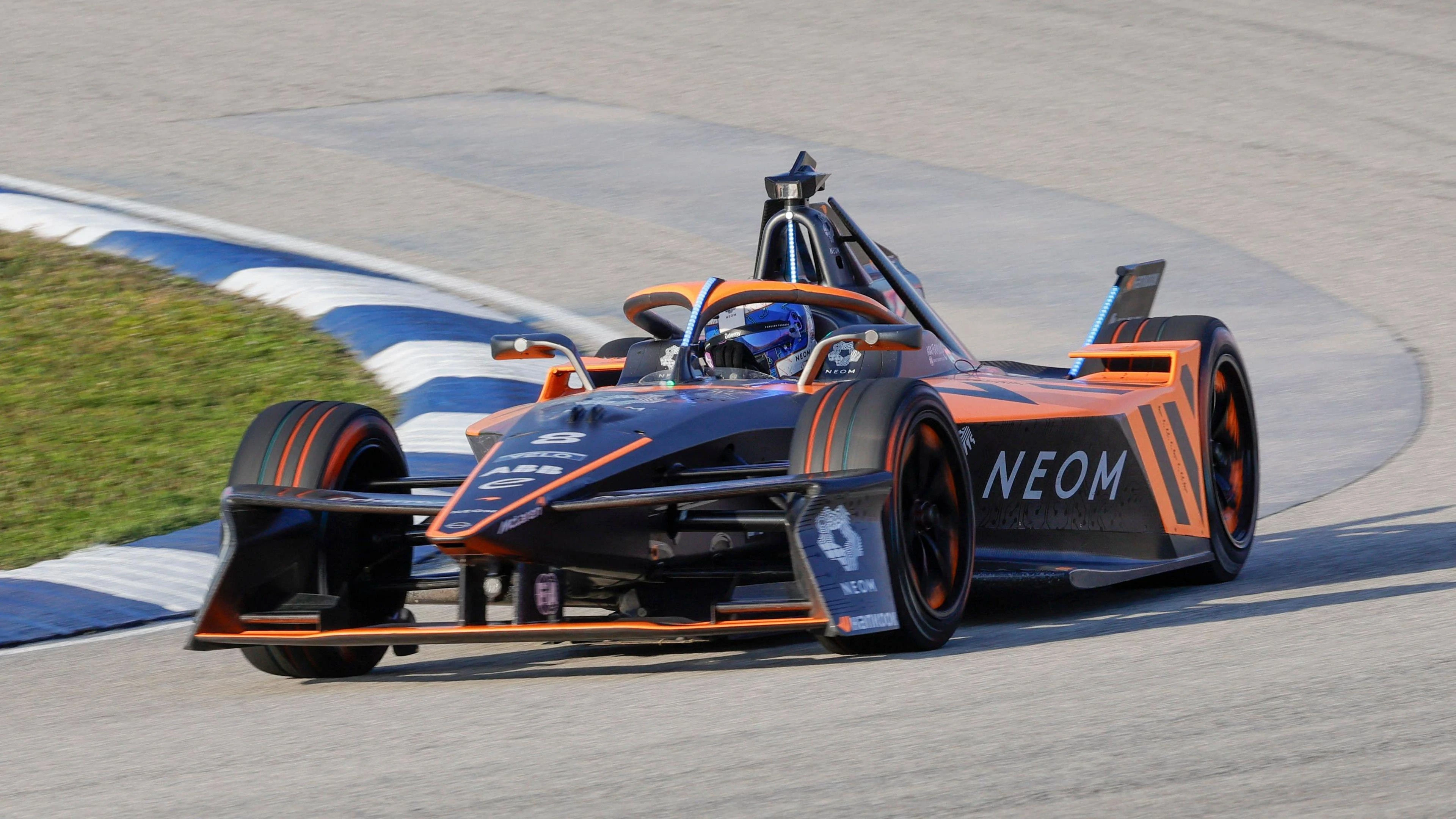
Formula E already showcases fully electric, single-seater racing.
Formula E is all about:
Urban circuits
Shorter race distances
Energy management
EV development
If Formula 1 went electric, it would:
Duplicate Formula E’s role
Dilute both championships
Lose its unique identity
F1 and Formula E tackle distinct tech challenges.
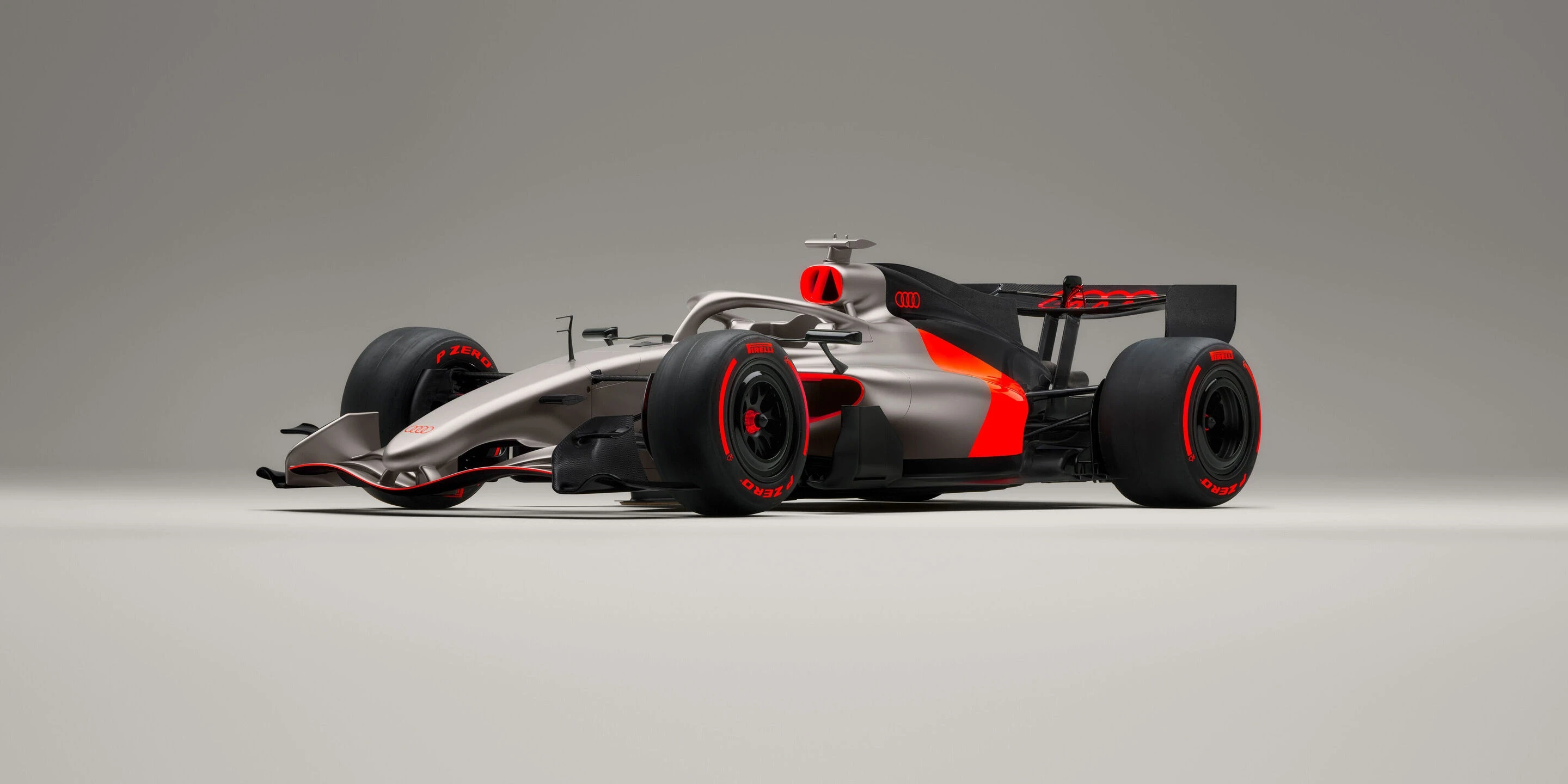
More than 1.4 billion cars around the globe still run on gas. A lot of places don't have charging stations for electric cars, so people will keep driving gas cars for years to come.
F1’s approach targets real-world impact, not theoretical purity.
Technology | Global Applicability |
|---|---|
EVs | Limited by infrastructure |
Hybrids | Widely adaptable |
Sustainable fuels | Compatible with existing cars |
Sustainable fuel can cut emissions in both current and cars, not only new models.
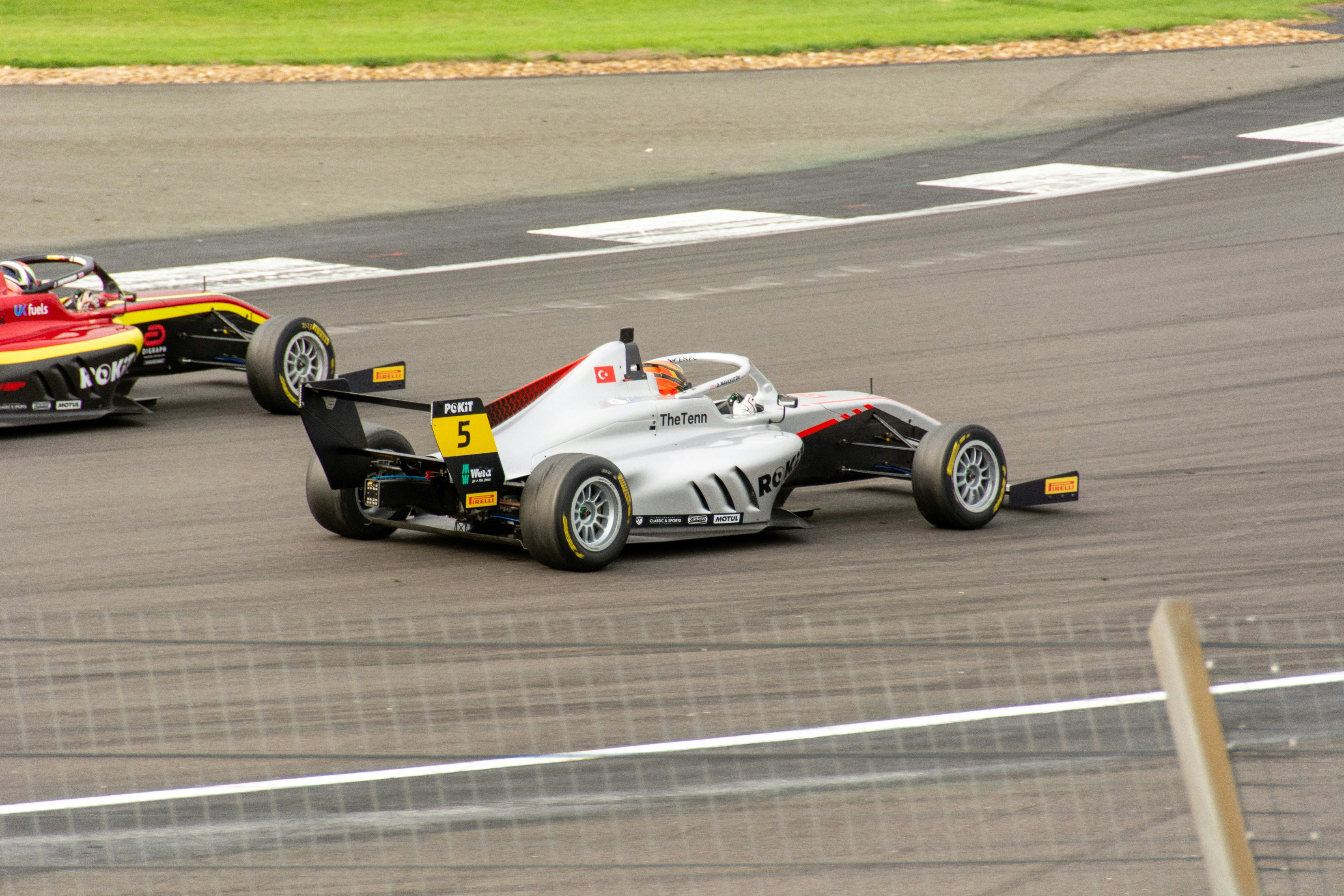
From 2026 onward, F1 will be using:
Fuel that's fully sustainable
Better electrical power thanks to the MGU-K
Hybrid systems made simpler
Combustion with zero net carbon
F1 is finding a way to keep gas engines running without using fossil fuels.
Instead of getting rid of them, F1 is changing how they work.
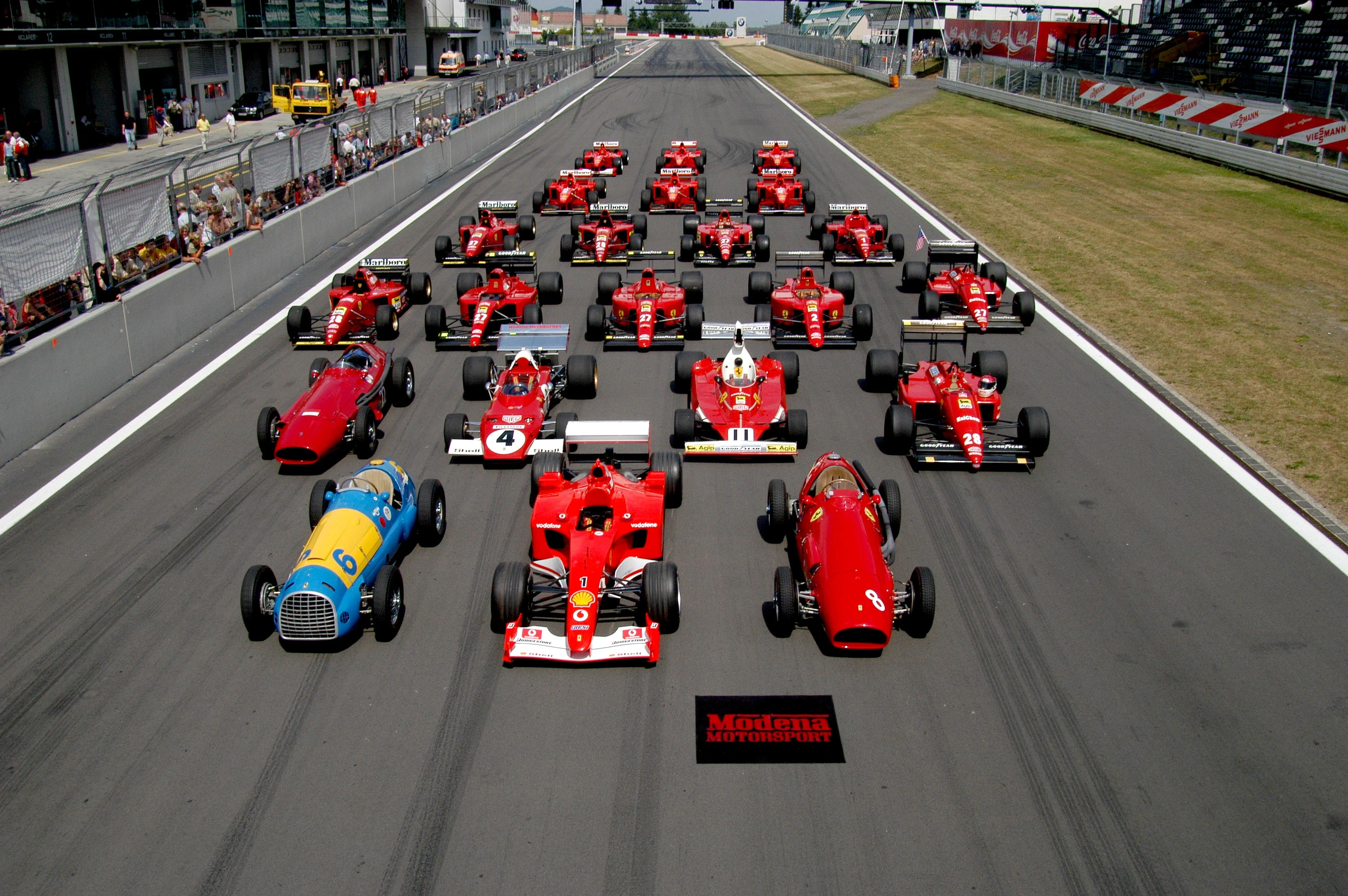
F1 isn't just about the tech; it's also about putting on a good show.
Electric racing is a game changer:
The roar of the engine.
How it feels to speed up.
The pace of the race.
How much the fans are into it.
F1 leaders have said many times that:
Sustainability shouldn't mean we have to give up good performance or a great show.
Hybrid engines help keep things going.
Fast speeds
Quick acceleration
Smart racing moves
Exciting and emotional
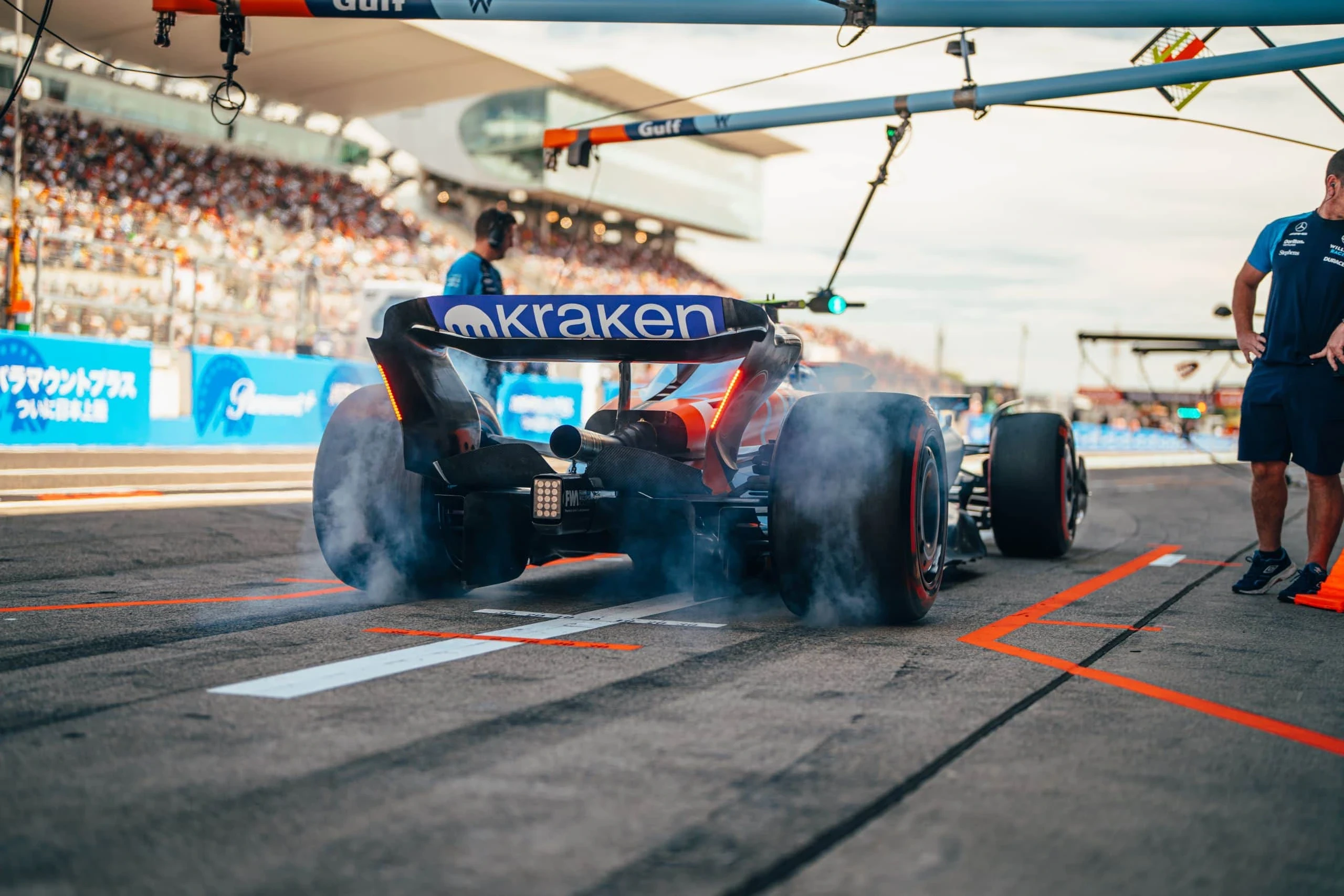
Electric racing and F1 have different needs when it comes to logistics. This creates a problem because they are very different.
Factor | Impact |
|---|---|
Charging time | Minutes, not seconds |
Battery swaps | Complex, unsafe, heavy |
Strategy disruption | Slower, less dynamic |
In F1, pit stops happen in seconds, not minutes. This fast pace is key to the sport.
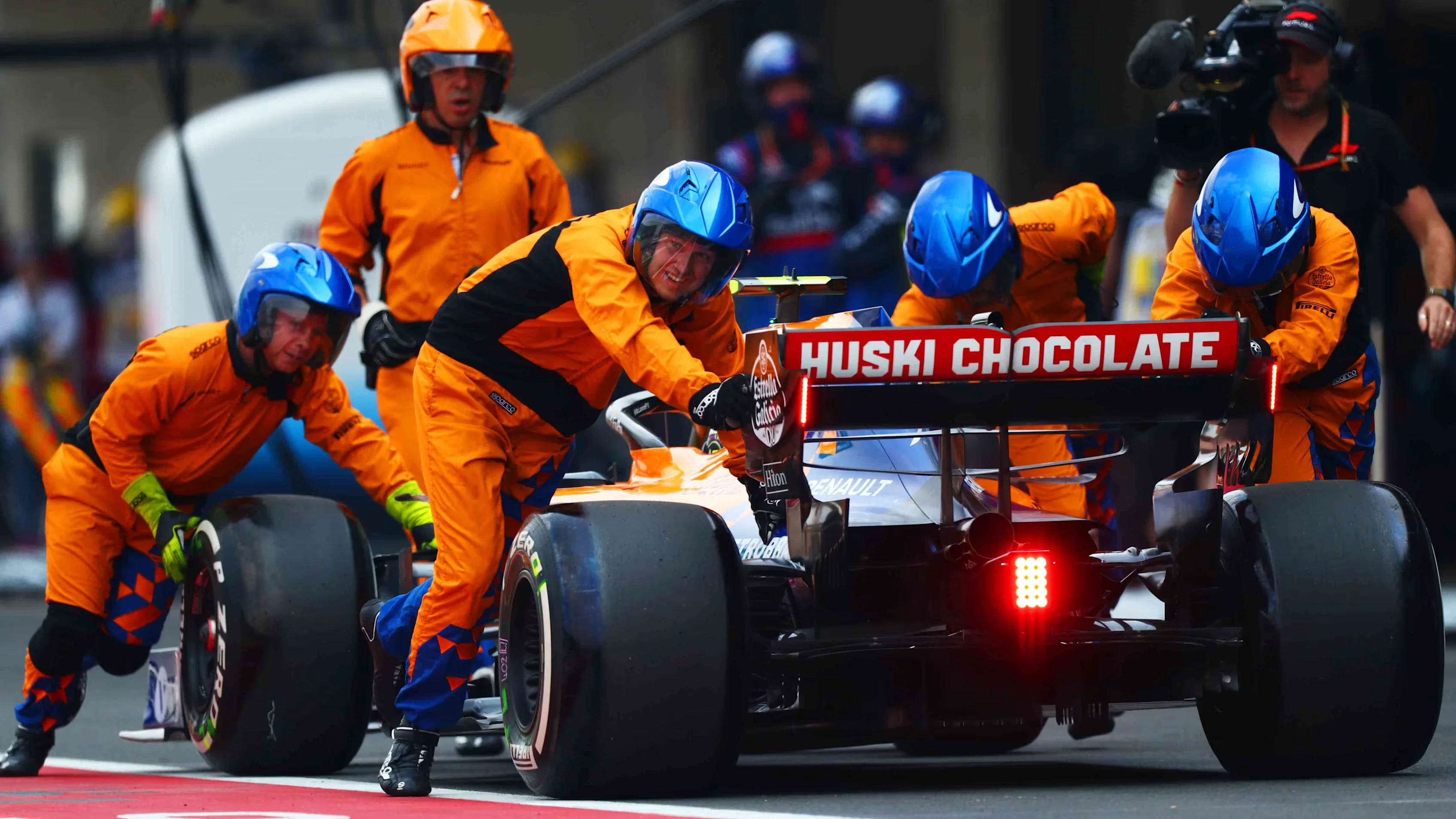
F1's future isn't about ditching electricity - it's about finding the right balance with it.
Feature | Direction |
|---|---|
Fuel | 100% sustainable |
Electrical power | Increased significantly |
MGU-H | Removed |
MGU-K | Expanded role |
ICE | Smaller, cleaner, efficient |
Almost half the power will be electric, but we're not getting rid of combustion engines.
Big car makers are still on board because F1 fits what they're trying to do in the market.
Mercedes
Ferrari
Honda
Audi
Renault
Here's what they value more:
Smarter Hybrids
Greener Fuel Options
More Power, Smaller Size
This tech has real market potential.
Electric ≠ automatically green.
True sustainability depends on:
Energy: What powers it?
Making it: What emissions come from production?
Getting Materials: What about the supply chains?
Worldwide Growth: Can we scale this globally?
Hybrid systems that use sustainable fuels can reduce carbon output in a big way now.
Not likely anytime soon. F1 is focused on hybrid tech and sustainable fuel for now.
F1 is all about being efficient, scalable, and making a big impact.
Definitely, if made with captured CO₂ and renewable energy.
No, Formula E and F1 focus on different areas of the car world.
F1 isn't going all-electric just yet. The tech isn't quite there to give them the speed, flexibility, and real-world application they need.
F1 is taking a more powerful approach instead:
Hybrid engines
Massive electrical power contribution
100% sustainable fuel
Net-zero carbon combustion
This method not only protects F1 for the future but also the internal combustion engine itself.
As the world changes at different paces, F1's idea might be the most practical.