Geopolitics

Geopolitics

How India Balances Global Powers Without Choosing Sides

Albin Vishwas

Tuesday, January 27, 2026

January 27, 2026

4 min read

India foreign policy strategy, India strategic autonomy, India multi-alignment policy, India foreign policy explained, India global strategy, India US China Russia relations, India balancing global powers, India non aligned movement legacy, India geopolitical strategy, India diplomacy explained, India strategic independence, India foreign relations analysis, India role in global politics, India US relations explained, India Russia ties explained, India China relations border issues, India Quad strategy, India multilateral diplomacy, India great power ambitions, India economic growth foreign policy, why India doesn’t choose sides, India neutral foreign policy, India geopolitical balancing act, India global influence strategy

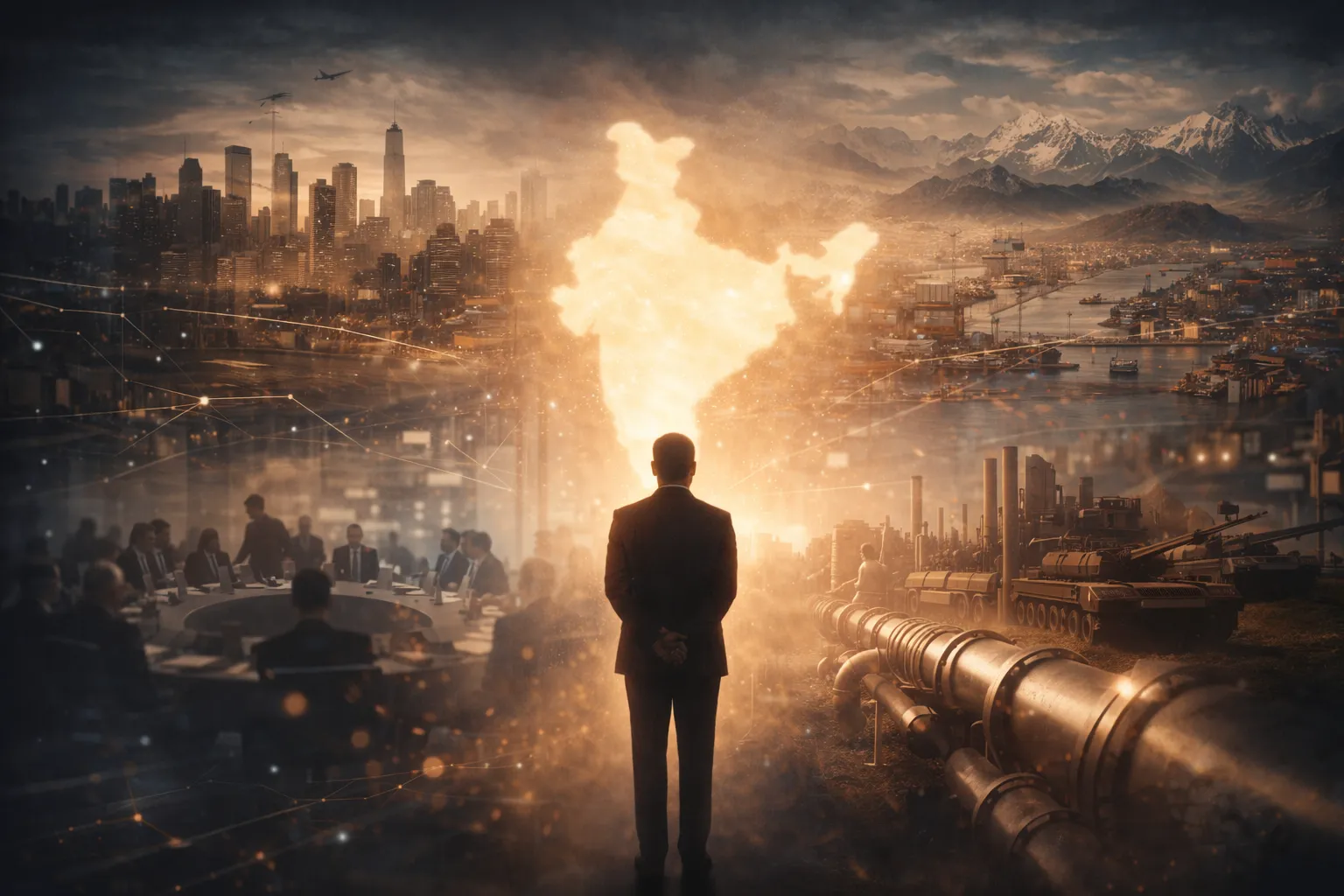
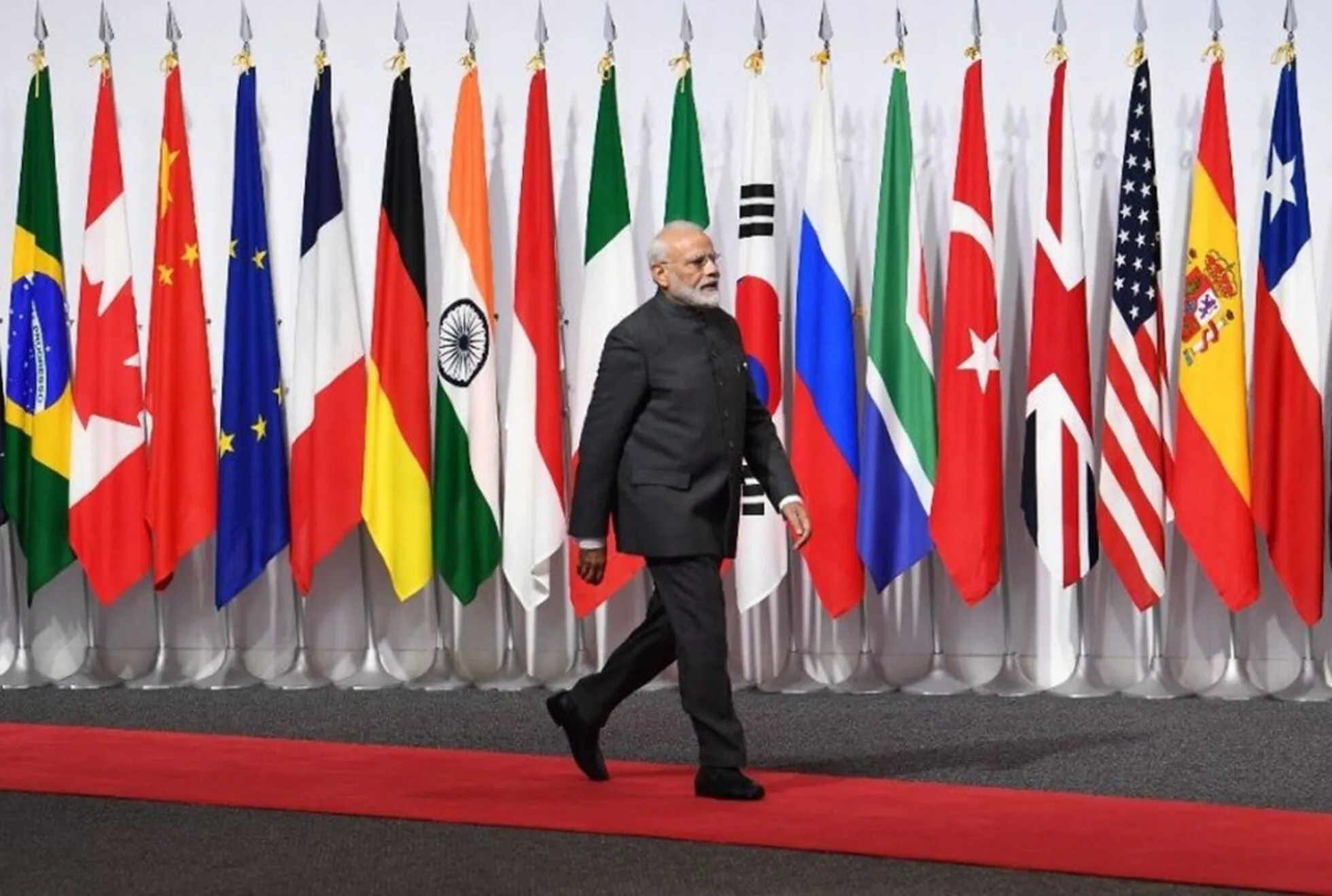
How India balances the US, China, Russia, and global alliances. A clear breakdown of India’s foreign policy strategy and why it matters. Photo by: ABGN

In today's world, we see a growing divide between powerful groups of countries. India stands out as one of the few nations that can cooperate closely with these competing powers simultaneously, without fully committing to any single one.

What Is India’s Foreign Policy Strategy?

India's foreign policy prioritizes strategic independence, letting it work with various global players without relying too much on one.

India foreign policy strategy, India strategic autonomy, India multi-alignment policy, India foreign policy explained, India global strategy, India US China Russia relations, India balancing global powers, India non aligned movement legacy, India geopolitical strategy, India diplomacy explained, India strategic independence, India foreign relations analysis, India role in global politics, India US relations explained, India Russia ties explained, India China relations border issues, India Quad strategy, India multilateral diplomacy, India great power ambitions, India economic growth foreign policy, why India doesn’t choose sides, India neutral foreign policy, India geopolitical balancing act, India global influence strategy

Rather than siding with a single group, India makes partnerships based on specific issues. It collaborates with nations on defense, trade, tech, and diplomacy, driven by its own interests instead of strict beliefs.

This keeps India adaptable as global alliances face growing pressure.

Why India Avoids Choosing Sides

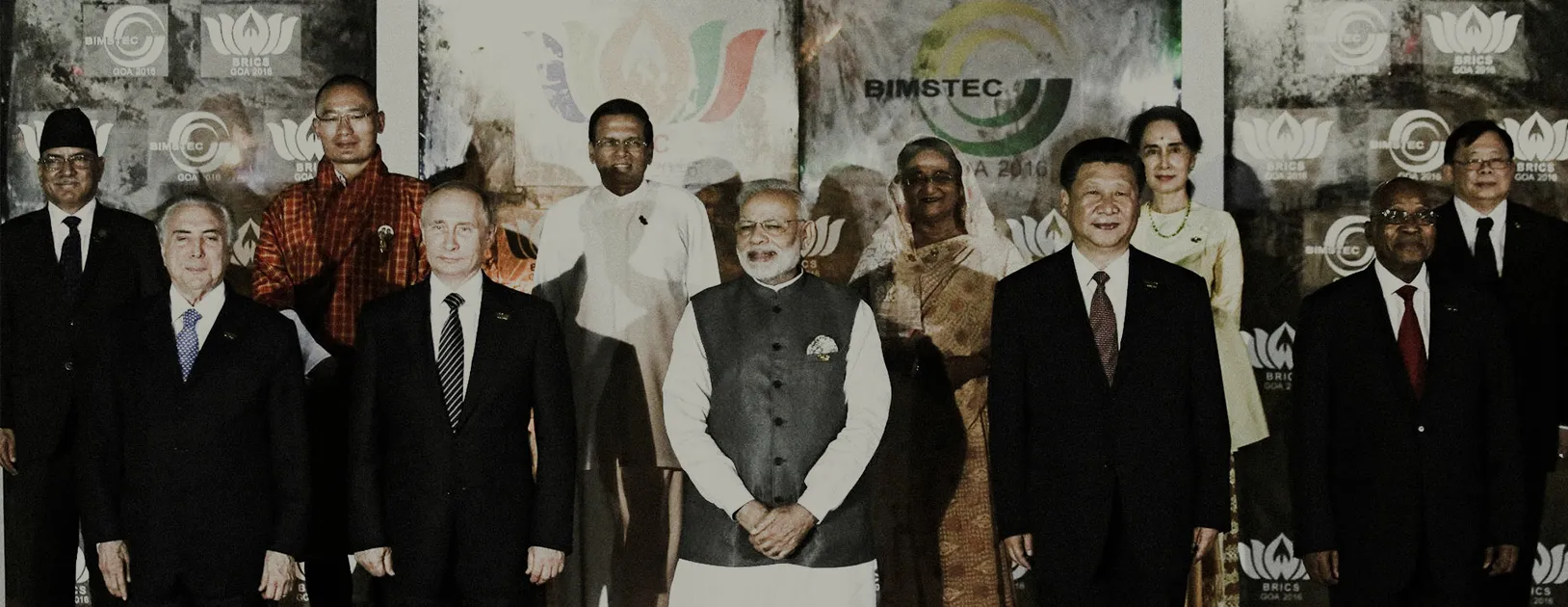
During the Cold War, India avoided alliances via the Non-Aligned Movement, and this still shapes its choices.

India foreign policy strategy, India strategic autonomy, India multi-alignment policy, India foreign policy explained, India global strategy, India US China Russia relations, India balancing global powers, India non aligned movement legacy, India geopolitical strategy, India diplomacy explained, India strategic independence, India foreign relations analysis, India role in global politics, India US relations explained, India Russia ties explained, India China relations border issues, India Quad strategy, India multilateral diplomacy, India great power ambitions, India economic growth foreign policy, why India doesn’t choose sides, India neutral foreign policy, India geopolitical balancing act, India global influence strategy

Today's U.S - China rivalry pushes nations to choose sides, but India resists due to:

  • Border security issues

  • Its need for global trade

  • Its goal to become a major power

Picking a side would restrict India's freedom to act.

“India’s influence comes from flexibility, not formal alliances.”

India-US Relations: Strategic Cooperation Without Alliance

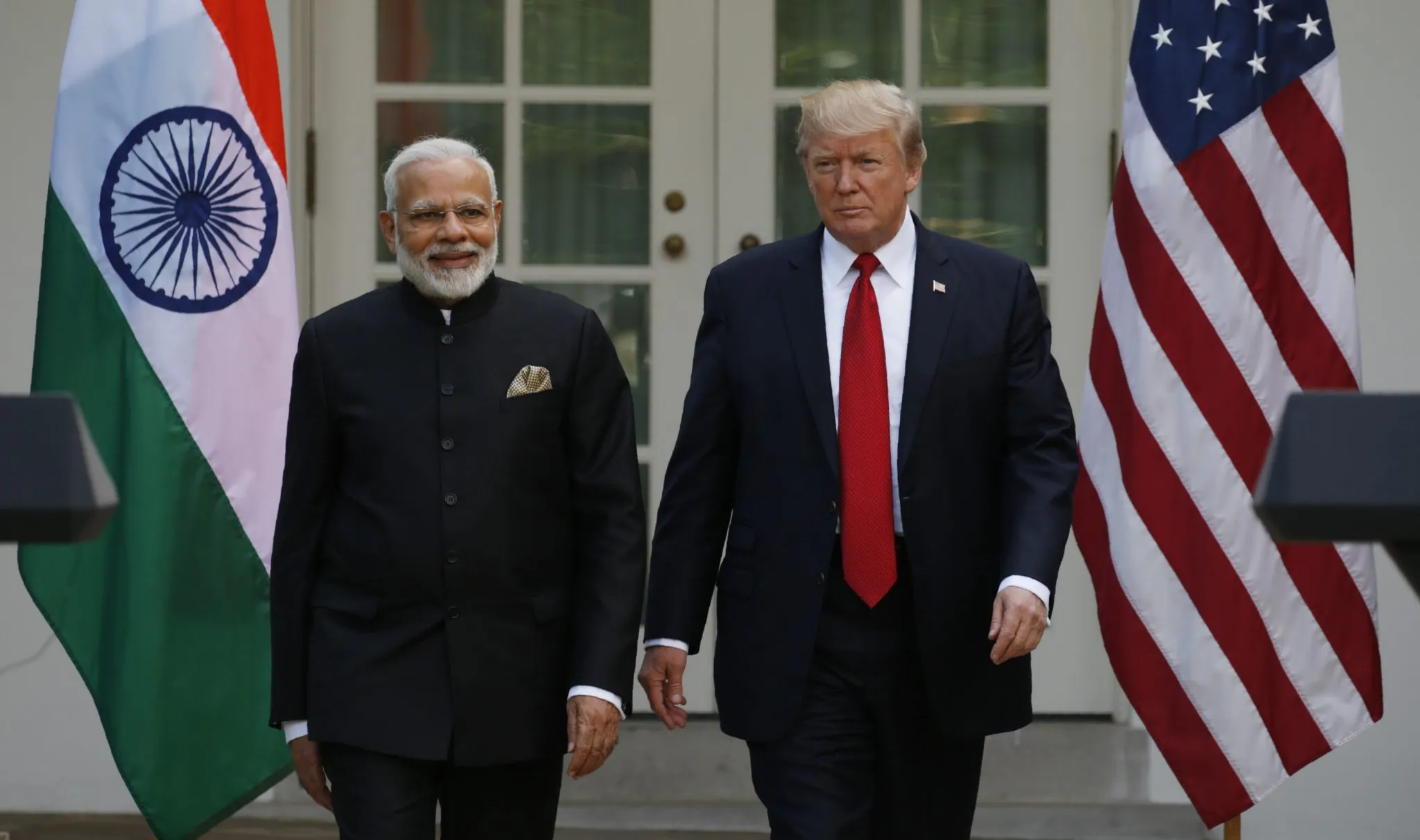
Over the last 20 years, India and the U.S. have built a stronger bond.

India foreign policy strategy, India strategic autonomy, India multi-alignment policy, India foreign policy explained, India global strategy, India US China Russia relations, India balancing global powers, India non aligned movement legacy, India geopolitical strategy, India diplomacy explained, India strategic independence, India foreign relations analysis, India role in global politics, India US relations explained, India Russia ties explained, India China relations border issues, India Quad strategy, India multilateral diplomacy, India great power ambitions, India economic growth foreign policy, why India doesn’t choose sides, India neutral foreign policy, India geopolitical balancing act, India global influence strategy

They work together on:

  • Defense tech and buying weapons

  • Keeping the Indo-Pacific secure

  • Trade, education, and tech sharing

India's part of groups like the Quad, which aims to keep the seas safe and the region stable, but India doesn't see this as a military alliance.

This partnership is more about getting things done together and tackling common problems while staying independent.

India-Russia Ties: Energy, Defense, and Legacy Interests

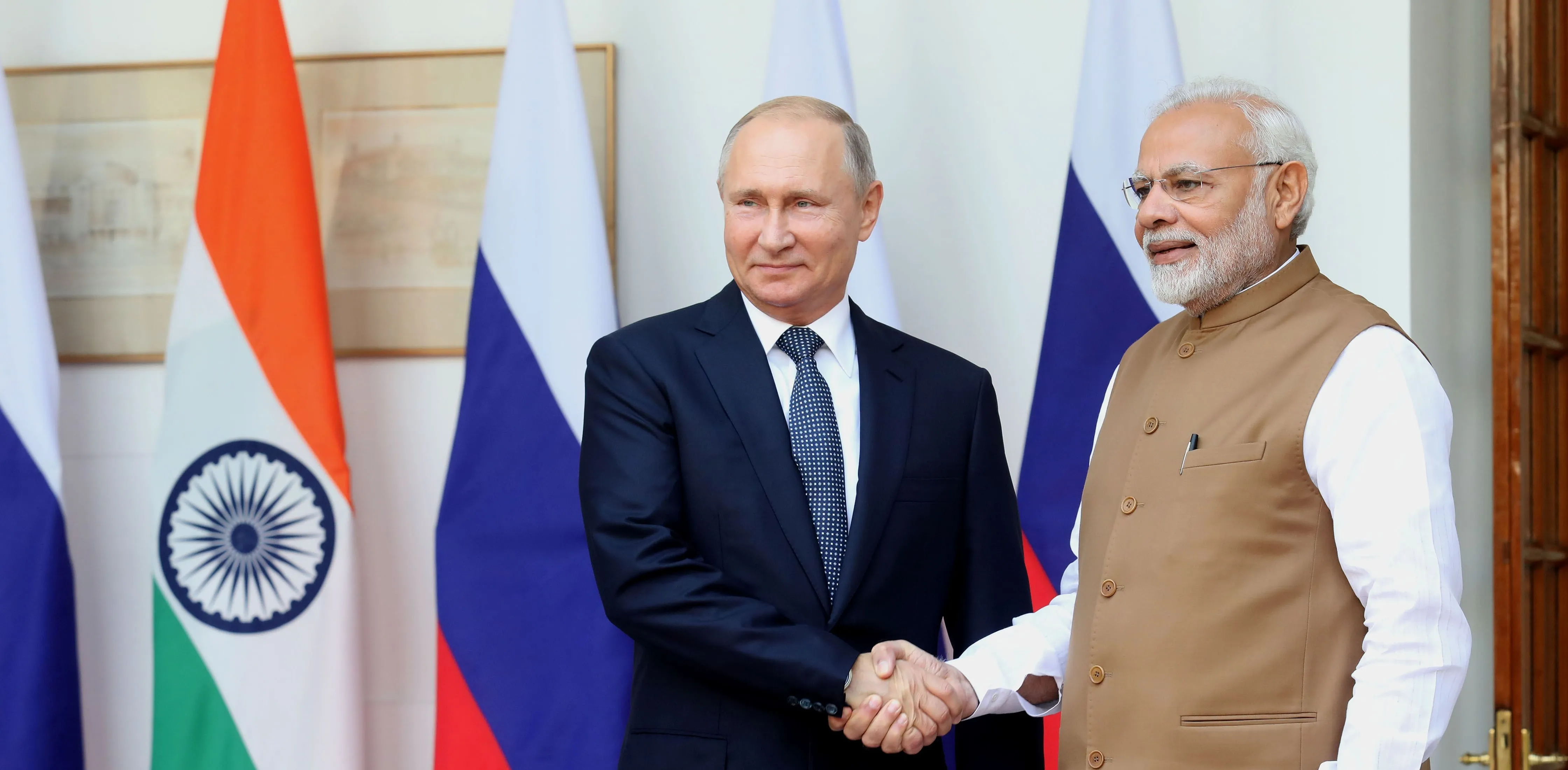
India's relationship with Russia continues, despite stronger ties with the West.

India foreign policy strategy, India strategic autonomy, India multi-alignment policy, India foreign policy explained, India global strategy, India US China Russia relations, India balancing global powers, India non aligned movement legacy, India geopolitical strategy, India diplomacy explained, India strategic independence, India foreign relations analysis, India role in global politics, India US relations explained, India Russia ties explained, India China relations border issues, India Quad strategy, India multilateral diplomacy, India great power ambitions, India economic growth foreign policy, why India doesn’t choose sides, India neutral foreign policy, India geopolitical balancing act, India global influence strategy

This is because of:

  • Past defense partnerships

  • Matching military equipment

  • Access to energy and resources

India still buys defense equipment and energy from Russia, even with changing world politics. Officials say this relationship is based on interests, not beliefs.

This balancing act gets attention but shows India focuses on security and cost.

India-China: Competition Without Full Separation

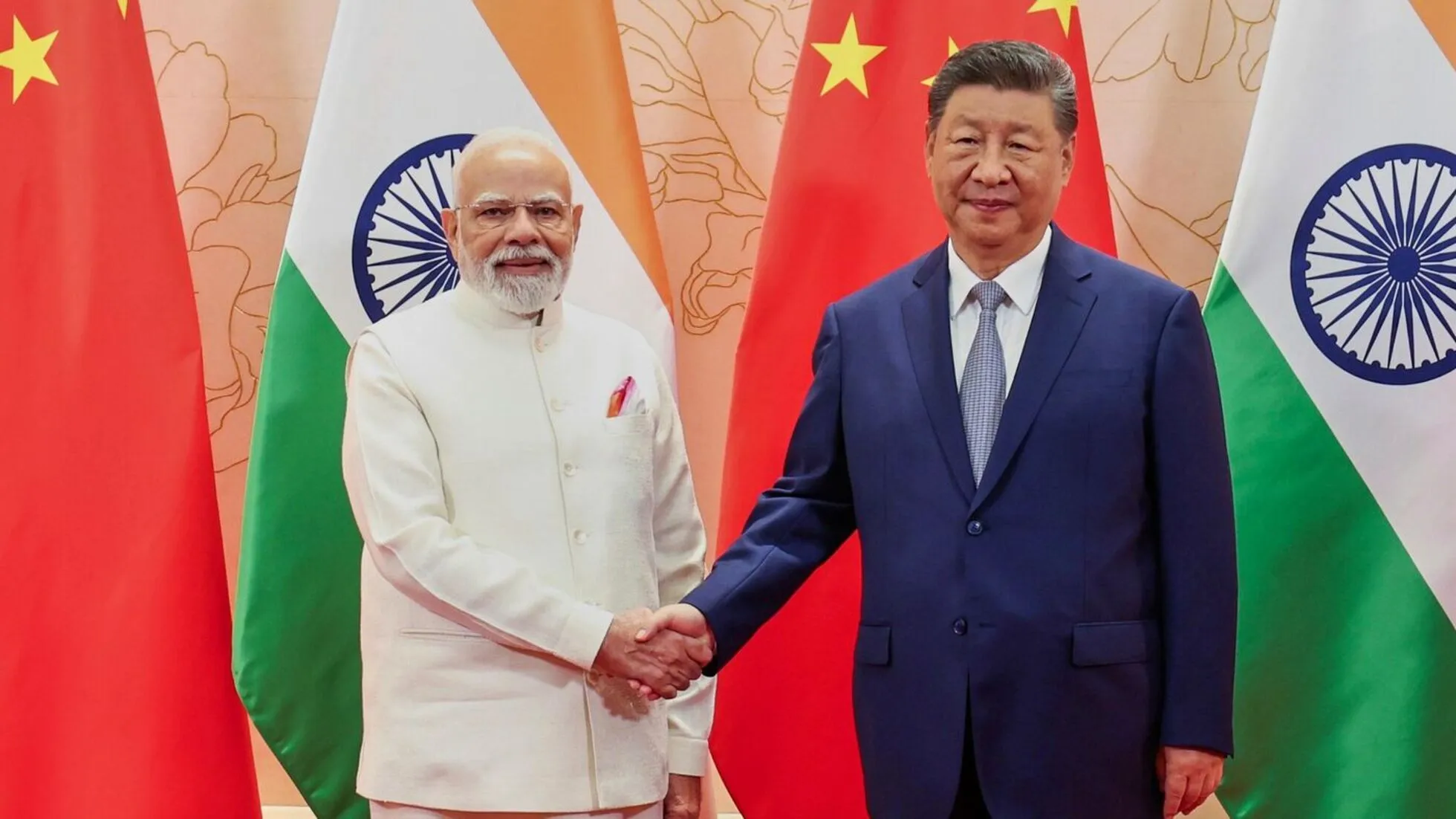
India's relationship with China is a tricky part of its foreign policy. Though they work together on the economic side and in global groups, they're also rivals with border issues.

India foreign policy strategy, India strategic autonomy, India multi-alignment policy, India foreign policy explained, India global strategy, India US China Russia relations, India balancing global powers, India non aligned movement legacy, India geopolitical strategy, India diplomacy explained, India strategic independence, India foreign relations analysis, India role in global politics, India US relations explained, India Russia ties explained, India China relations border issues, India Quad strategy, India multilateral diplomacy, India great power ambitions, India economic growth foreign policy, why India doesn’t choose sides, India neutral foreign policy, India geopolitical balancing act, India global influence strategy

India is dealing with this by:

  • Boosting ties with regional allies

  • Finding different supply sources

  • Growing its naval and border strength

Instead of cutting China off, India is playing it safe to avoid any head-on clashes, focusing on keeping things stable in the years ahead.

Multilateral Diplomacy: How India Expands Influence

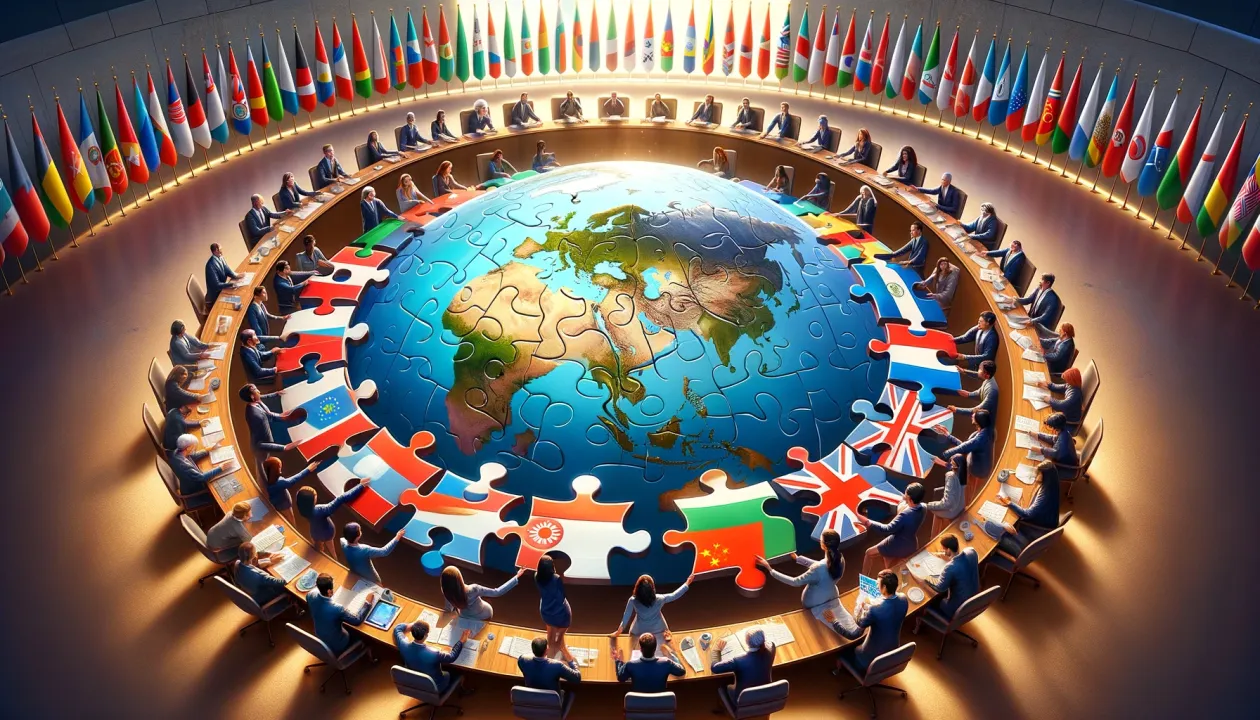
India is boosting its global presence by actively participating in international groups focused on economics, security, and climate.

India foreign policy strategy, India strategic autonomy, India multi-alignment policy, India foreign policy explained, India global strategy, India US China Russia relations, India balancing global powers, India non aligned movement legacy, India geopolitical strategy, India diplomacy explained, India strategic independence, India foreign relations analysis, India role in global politics, India US relations explained, India Russia ties explained, India China relations border issues, India Quad strategy, India multilateral diplomacy, India great power ambitions, India economic growth foreign policy, why India doesn’t choose sides, India neutral foreign policy, India geopolitical balancing act, India global influence strategy

This strategy helps India:

  • Influence global rules.

  • Connect developing and developed countries.

  • Stay relevant among competing global powers.

By engaging in these varied platforms, India strengthens its reputation as an independent player on the world stage.

Economic Growth Shapes Foreign Policy Choices

India's foreign policy is closely tied to its economic growth.

To access global markets, tech, and investments, India needs stable relationships with various countries. This economic need supports India’s preference for balanced diplomacy instead of strict alliances.

As India's economy expands, its negotiating strength grows, making its strategic independence stronger.

Why India’s Strategy Matters Globally

India's way shows another choice for countries gaining influence in today's divided world.

Instead of picking a side, India shows how countries can:

  • Keep their choices open.

  • Handle worldwide problems better.

  • Stay friendly with different groups.

This way of doing things matters more as the world gets more competitive.

FAQs


  1. What's India's Foreign Policy All About?

    India's foreign policy is usually called strategic autonomy. This suggests that India wants to stay independent but still work with other countries worldwide.


  2. Why Doesn't India Pick a Side Between the US and China?

    India doesn't want to pick between the United States and China. It wants to protect its security, economic interests, and future goal of becoming a big global power.


  3. Is India Friends with the United States?

    India isn't a formal ally of the US. Instead, it has strategic cooperation with the US without any strict military promises.


  4. Why Does India Still Work with Russia?

    India sees Russia as an important partner because of their history, defense compatibility, and need for energy security, even with global issues.


  5. How Does India Balance Things Out with China?

    India uses both competition and cooperation. It builds up partnerships in its region but avoids making situations with China worse.

Final Takeaway

India's foreign policy focuses on balance, flexibility, and its goals for the future. By dealing with different global powers but not completely siding with any of them, India keeps its freedom and grows its influence worldwide.

In a time of competition and division, India's way of doing things proves that staying balanced can actually be a strong strategy.

Share this article

Related Articles

Related Articles

Related Articles