Geopolitics

Geopolitics

How Global Power Is Actually Distributed in the World

Meghna Kyatham

Meghna Kyatham

Saturday, January 31, 2026

January 31, 2026

6 min read

global power distribution, how global power works, world power structure explained, global power hierarchy, who controls global power, global superpowers explained, US China global power, military vs economic power, regional powers in world politics, global influence explained, how countries gain power, global power dynamics, international power balance, economic power vs military power, global institutions power, IMF World Bank influence, alliances and global power, cultural power countries, tech power global politics, multipolar world order, future of global power, geopolitics explained simply, global power shift, world order explained

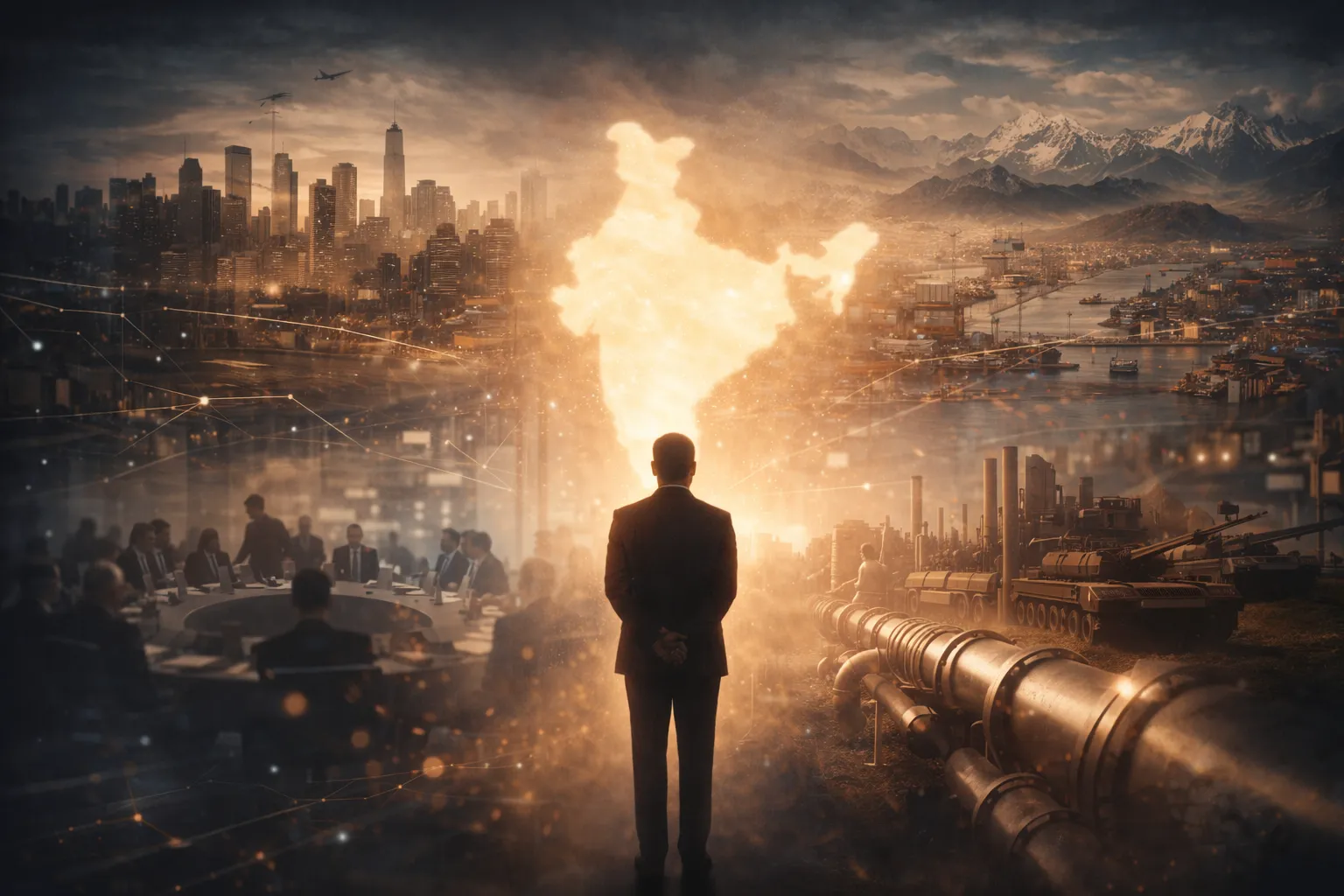
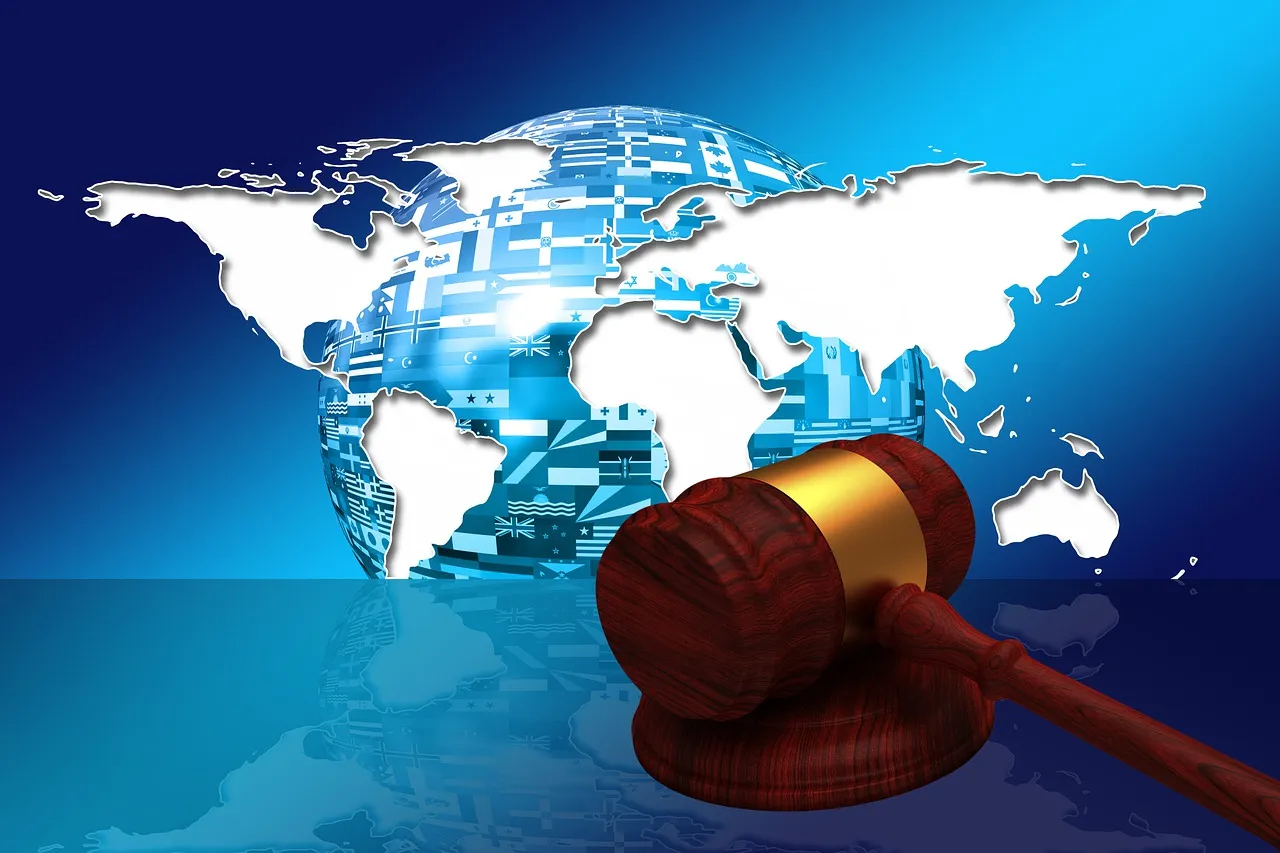
Global power is uneven and complex. Here’s how superpowers, regional powers, and economic influence really shape the world order. Photo by: LinkedIn

How Global Power Is Actually Distributed in the World

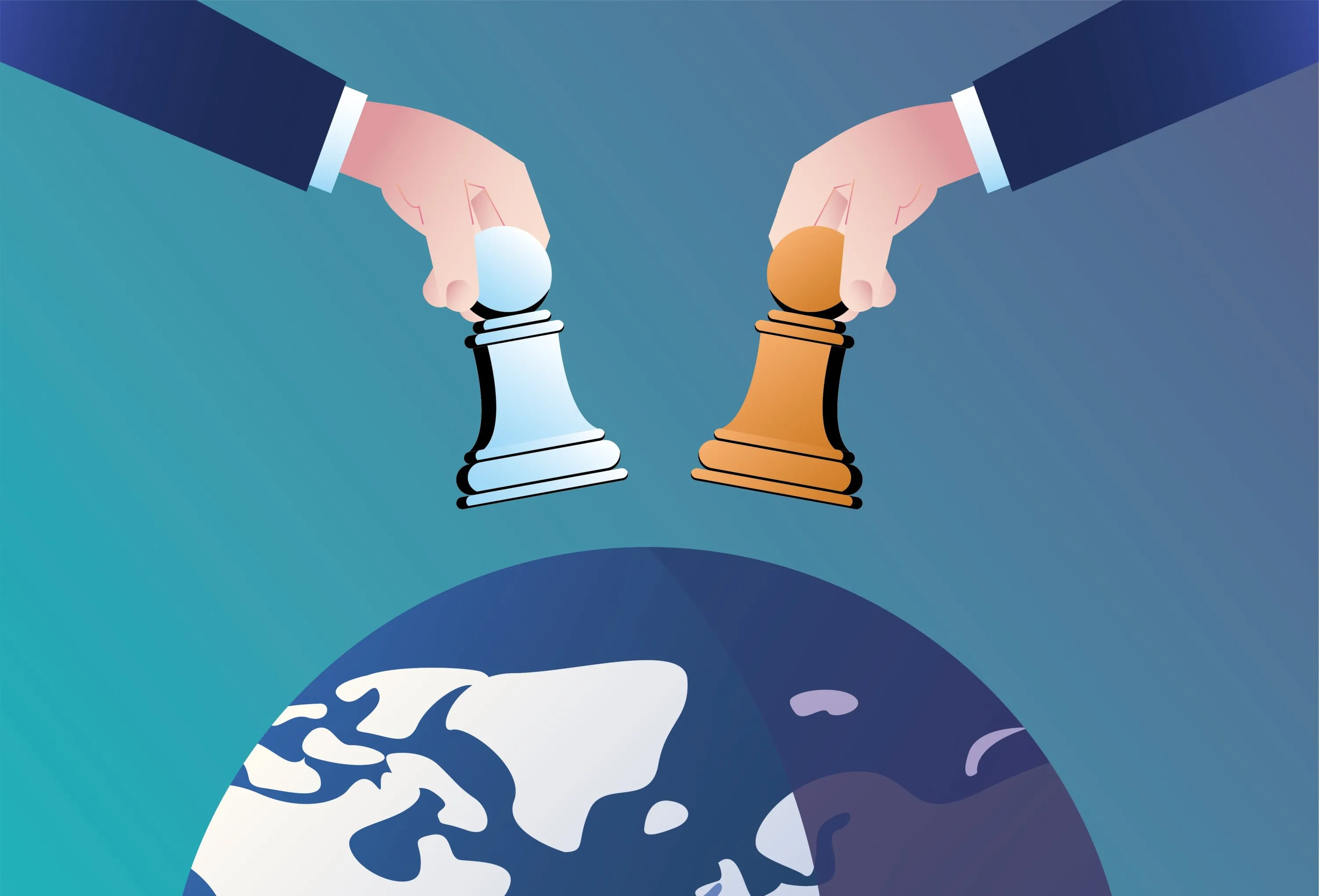
Power across the globe has never been equal, and it probably never will be. Maps might show countries as similar in size, and borders might imply equality, but actual power is something else entirely. It's layered, uneven, and always changing.

global power distribution, how global power works, world power structure explained, global power hierarchy, who controls global power, global superpowers explained, US China global power, military vs economic power, regional powers in world politics, global influence explained, how countries gain power, global power dynamics, international power balance, economic power vs military power, global institutions power, IMF World Bank influence, alliances and global power, cultural power countries, tech power global politics, multipolar world order, future of global power, geopolitics explained simply, global power shift, world order explained

Some countries get to shape global decisions, while others only have an impact on their own regions. Lots of countries are affected by power, but rarely get to control it.

If you want to get how the world really works, you have to look past the flags and borders. You need to see who has the influence, how they use it, and where that influence comes from.

What Does “Global Power” Really Mean?

Power isn't just one thing; it's a mix of stuff working together:

  • Military might

  • Money influence

  • Political pull

  • Tech leadership

  • Cultural impact

A country doesn't have to be the best at everything to be strong. Sometimes, being great in just one area can change the things worldwide.

Real global power means you can affect what happens outside your own country.

The World’s Superpowers: Influence at a Global Scale

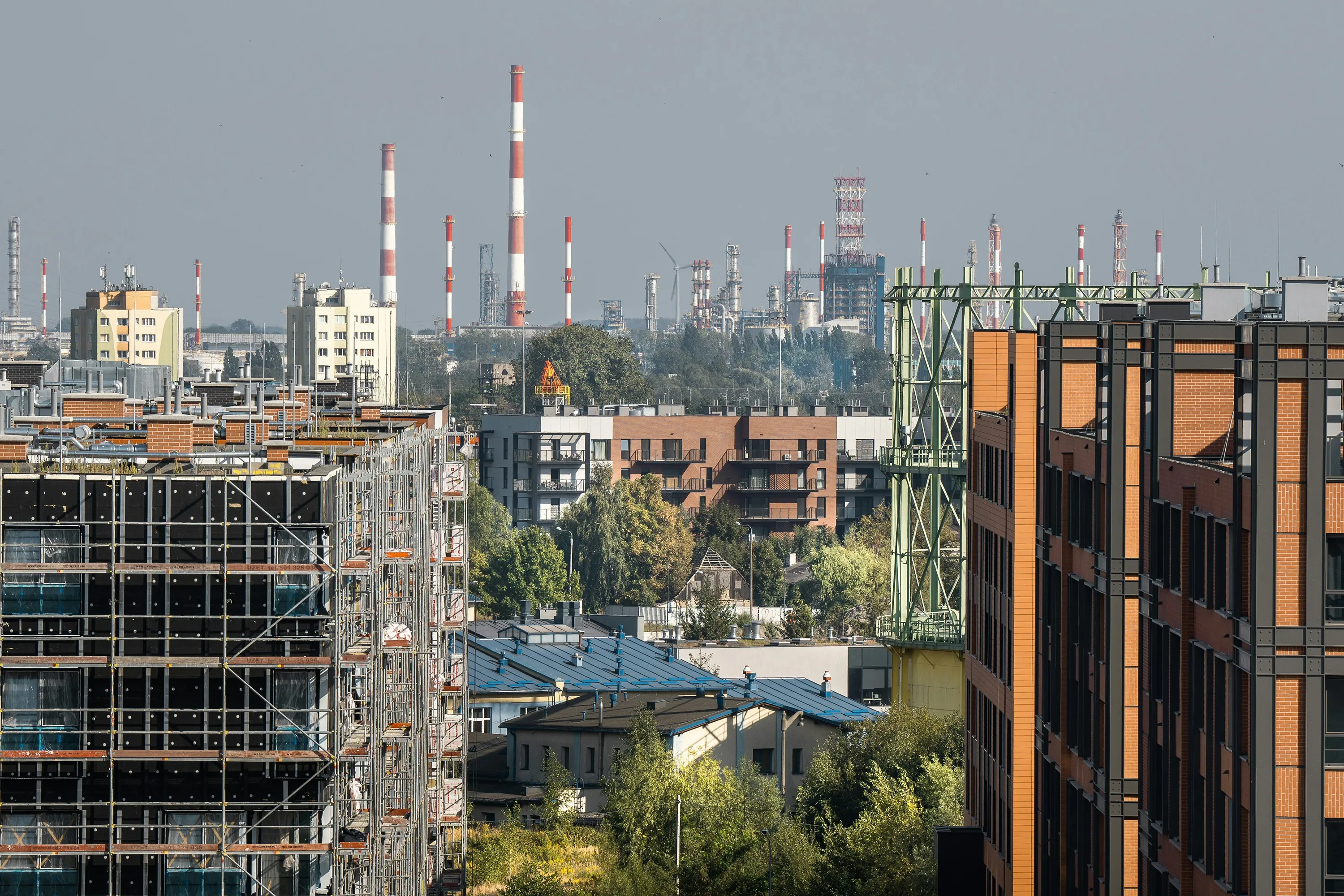
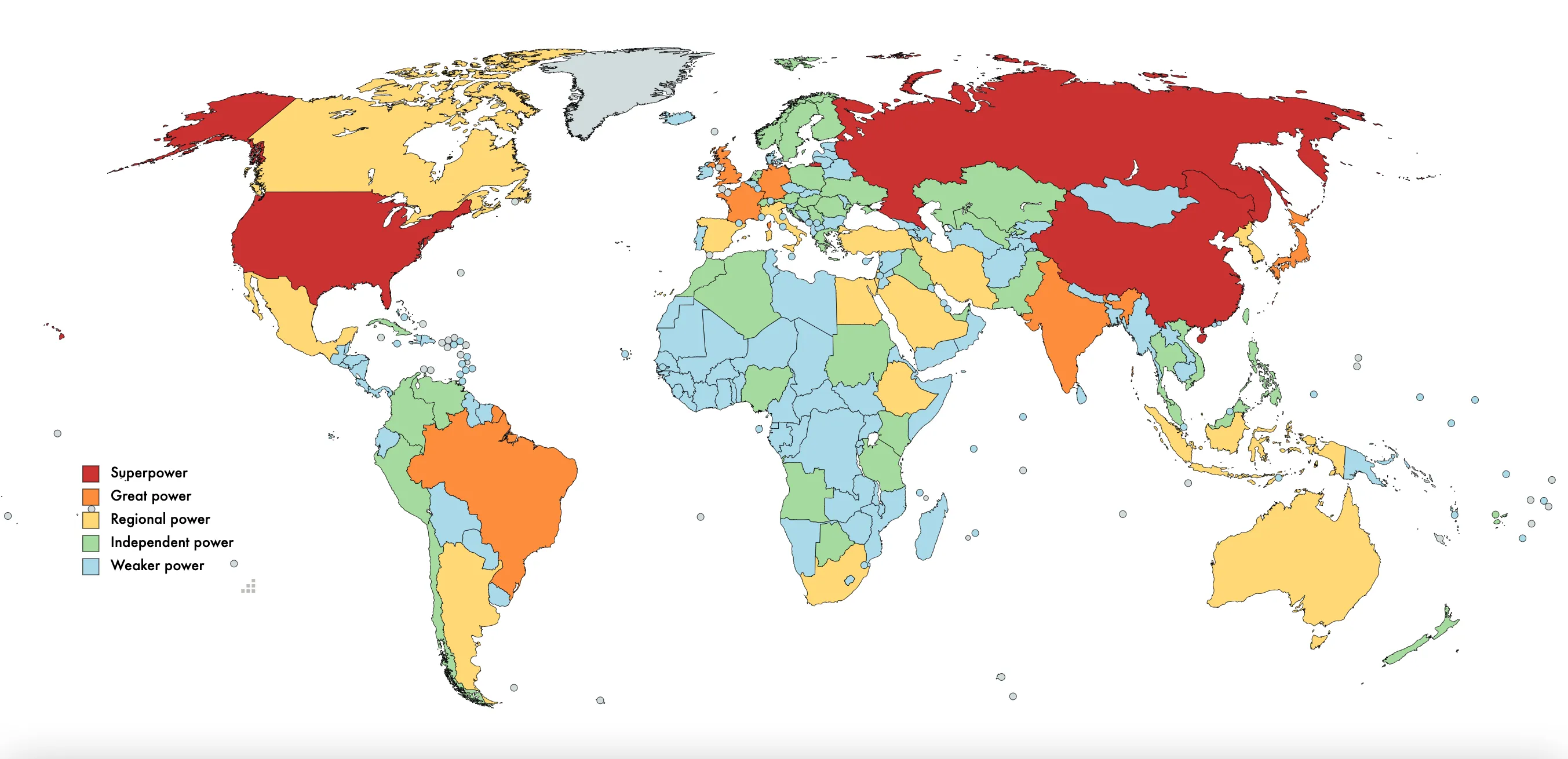
Superpowers are countries that can throw their weight around the world, whether it's with their military, economy, or just how they talk to people.

global power distribution, how global power works, world power structure explained, global power hierarchy, who controls global power, global superpowers explained, US China global power, military vs economic power, regional powers in world politics, global influence explained, how countries gain power, global power dynamics, international power balance, economic power vs military power, global institutions power, IMF World Bank influence, alliances and global power, cultural power countries, tech power global politics, multipolar world order, future of global power, geopolitics explained simply, global power shift, world order explained

Right now, the US is still the big dog because of its military, huge economy, tech innovations, and how its culture is everywhere. When the US makes a call, it can shake up markets, alliances, and even wars across the globe.

China's got a different thing going on. They're all about being the king of manufacturing, having a ton of people, putting cash into infrastructure, and getting more say in world politics. Their money touches pretty much every supply chain out there.

These superpowers don't just sit back and watch things happen; they pretty much call the shots.

Military Power vs Economic Power: Not the Same Thing

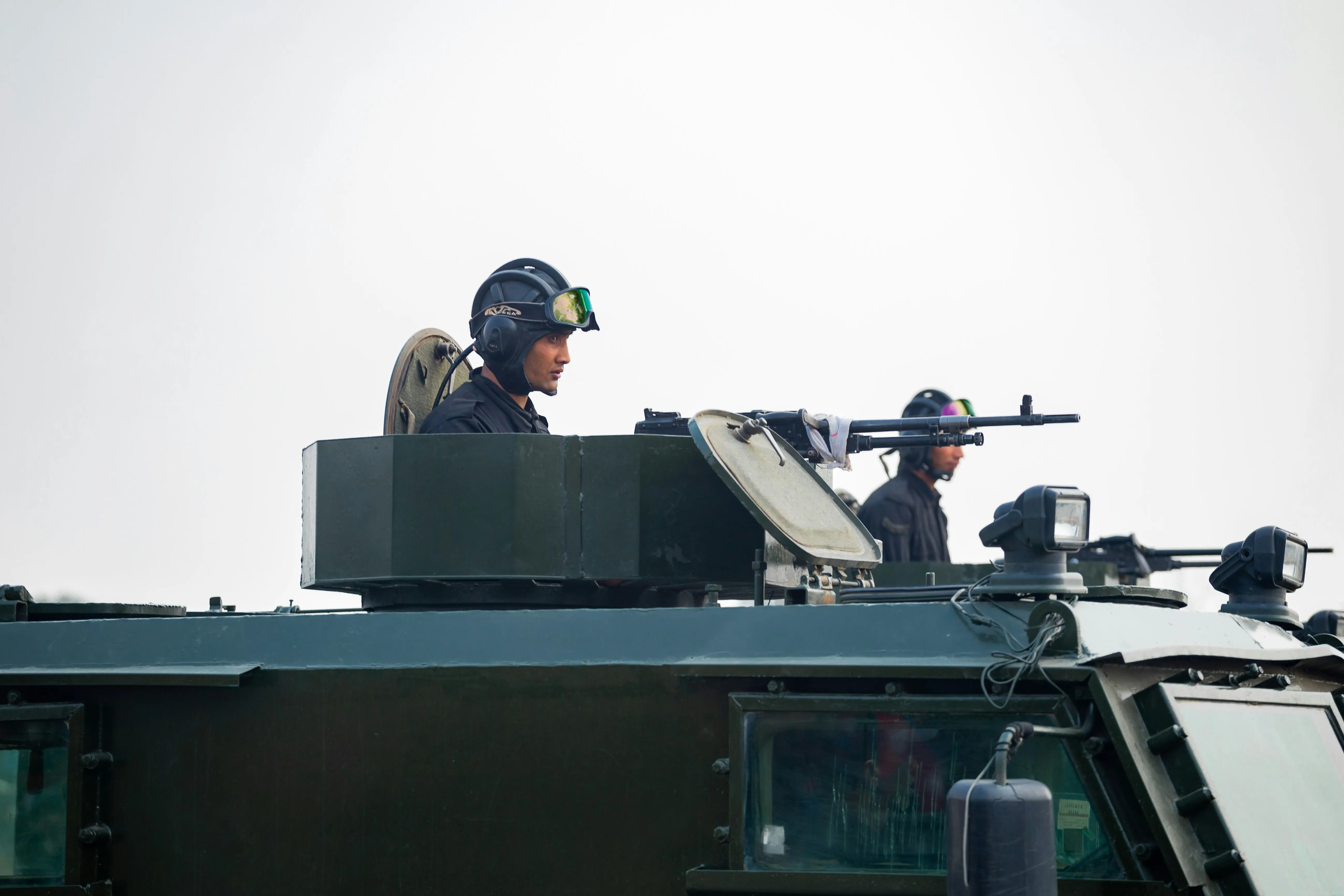
Having a strong military gets you noticed, but a strong economy usually gives you more influence in the long run.

global power distribution, how global power works, world power structure explained, global power hierarchy, who controls global power, global superpowers explained, US China global power, military vs economic power, regional powers in world politics, global influence explained, how countries gain power, global power dynamics, international power balance, economic power vs military power, global institutions power, IMF World Bank influence, alliances and global power, cultural power countries, tech power global politics, multipolar world order, future of global power, geopolitics explained simply, global power shift, world order explained

Sure, countries with powerful militaries can scare off enemies and show off their strength. But countries with healthy economies? They can shape trade, keep their money stable, and move markets around the globe. A lot of the time, squeezing someone economically works better than going to war.

Think about it: If you control key trade routes, tech, or banking, you can shift the balance of power without firing a single bullet.

These days, money can move power faster than missiles can.

Regional Powers: Dominant Locally, Strategic Globally

Not every strong country plays a part on the world stage. Some just run things in their own neck of the woods.

Think about India, Russia, or Brazil. They've got a lot of sway in their areas because they've got huge populations, strong armies, resources, or just happen to be in a spot that matters.

global power distribution, how global power works, world power structure explained, global power hierarchy, who controls global power, global superpowers explained, US China global power, military vs economic power, regional powers in world politics, global influence explained, how countries gain power, global power dynamics, international power balance, economic power vs military power, global institutions power, IMF World Bank influence, alliances and global power, cultural power countries, tech power global politics, multipolar world order, future of global power, geopolitics explained simply, global power shift, world order explained

These countries might not pull the strings globally, but they sure do impact their neighbors and how stable things are nearby. And who they side with often shapes what the big global players do in those areas.

Regional power? It can really tip the scales in world politics.

Economic Institutions: Power Without Borders

It's not always countries calling the shots on the global stage.

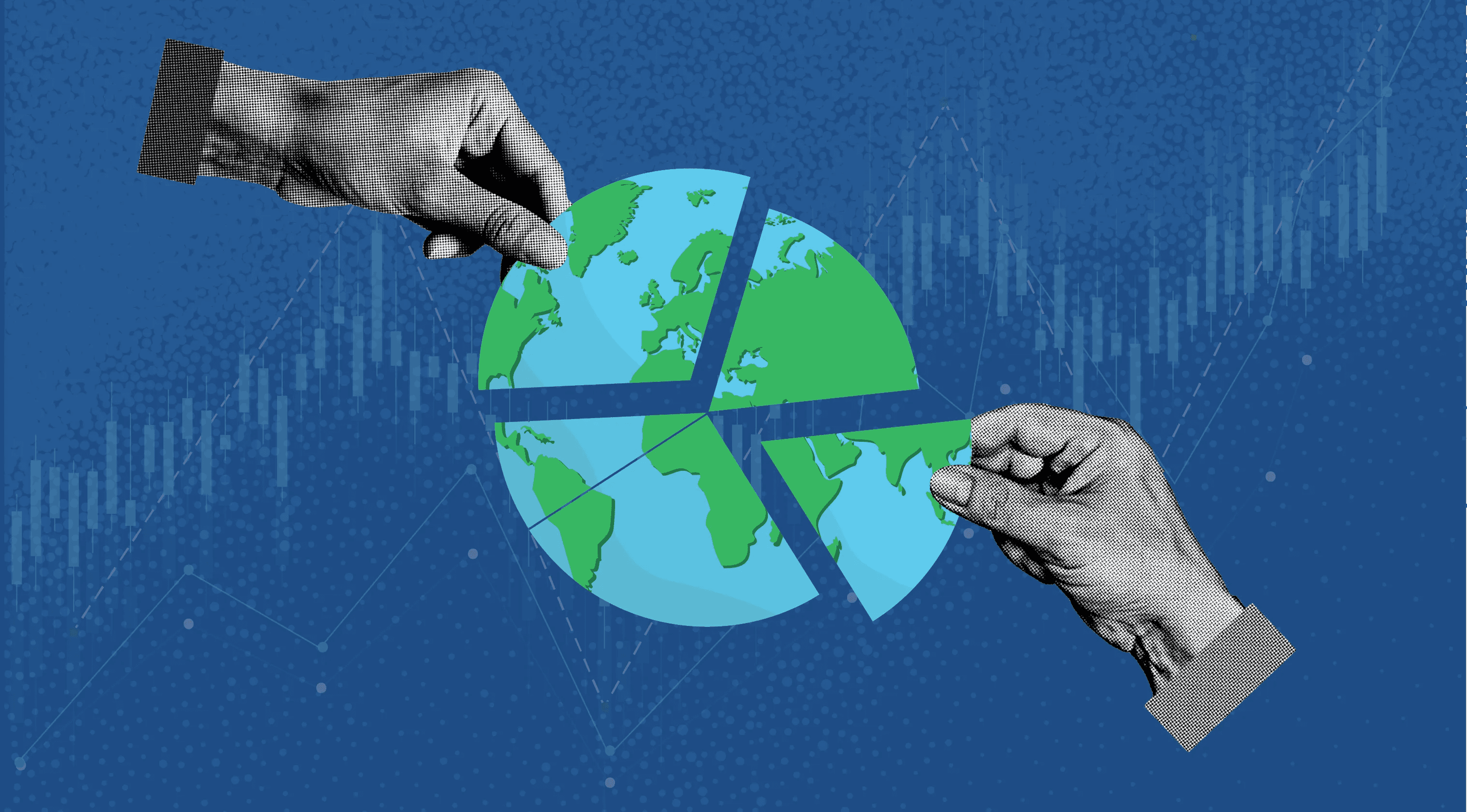
Groups like the International Monetary Fund and World Bank have a huge impact on countries' economies. They do this through loans, setting rules, and giving money for development.

global power distribution, how global power works, world power structure explained, global power hierarchy, who controls global power, global superpowers explained, US China global power, military vs economic power, regional powers in world politics, global influence explained, how countries gain power, global power dynamics, international power balance, economic power vs military power, global institutions power, IMF World Bank influence, alliances and global power, cultural power countries, tech power global politics, multipolar world order, future of global power, geopolitics explained simply, global power shift, world order explained

Trade groups and financial systems also play a big role in what countries can buy, borrow, or construct. This kind of power might not be obvious, but it has a real impact.

Often, the economic rules stick around longer than the politicians do.

Alliances: Power Through Collective Strength

Global power is not just a solo act.

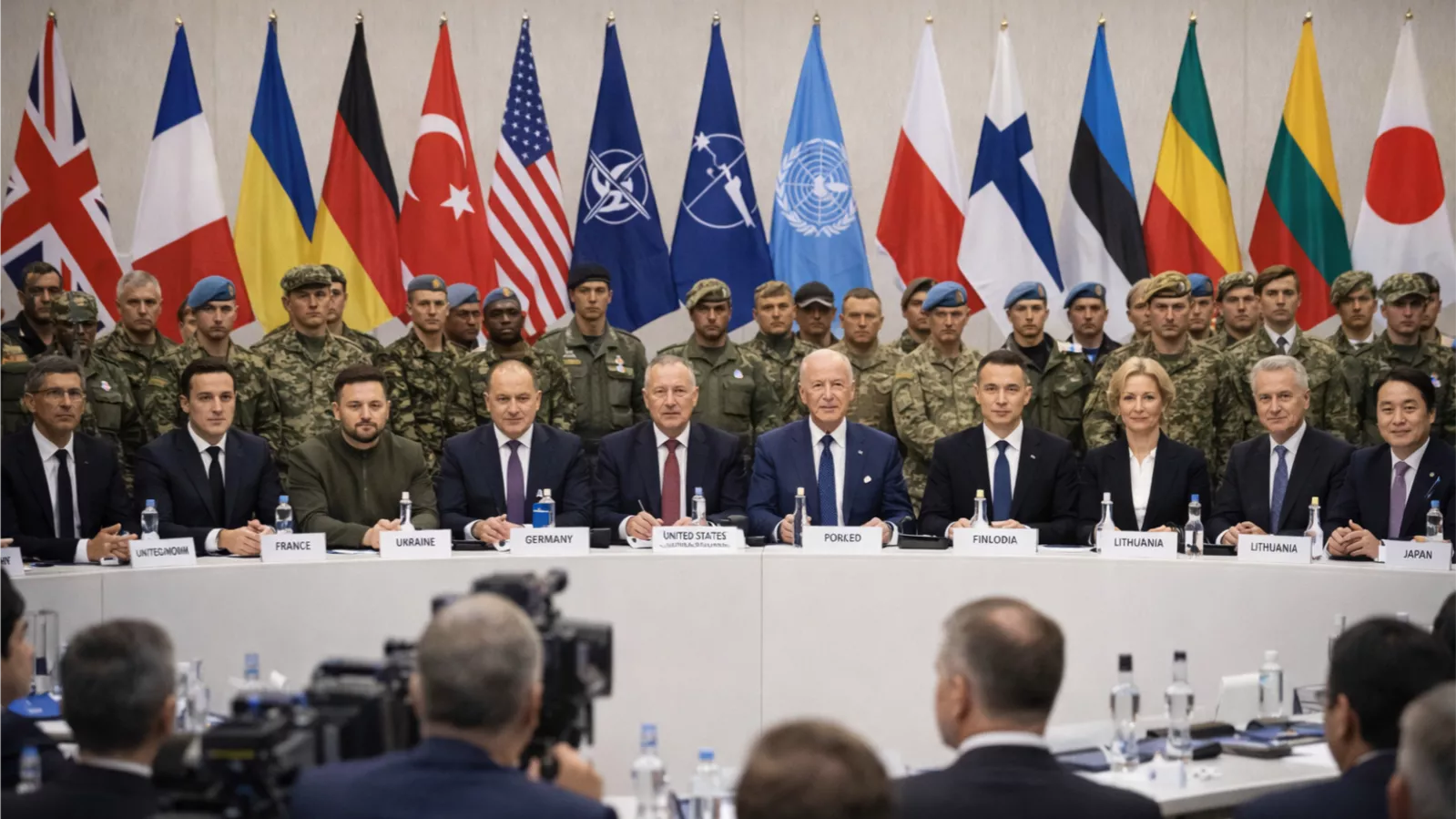
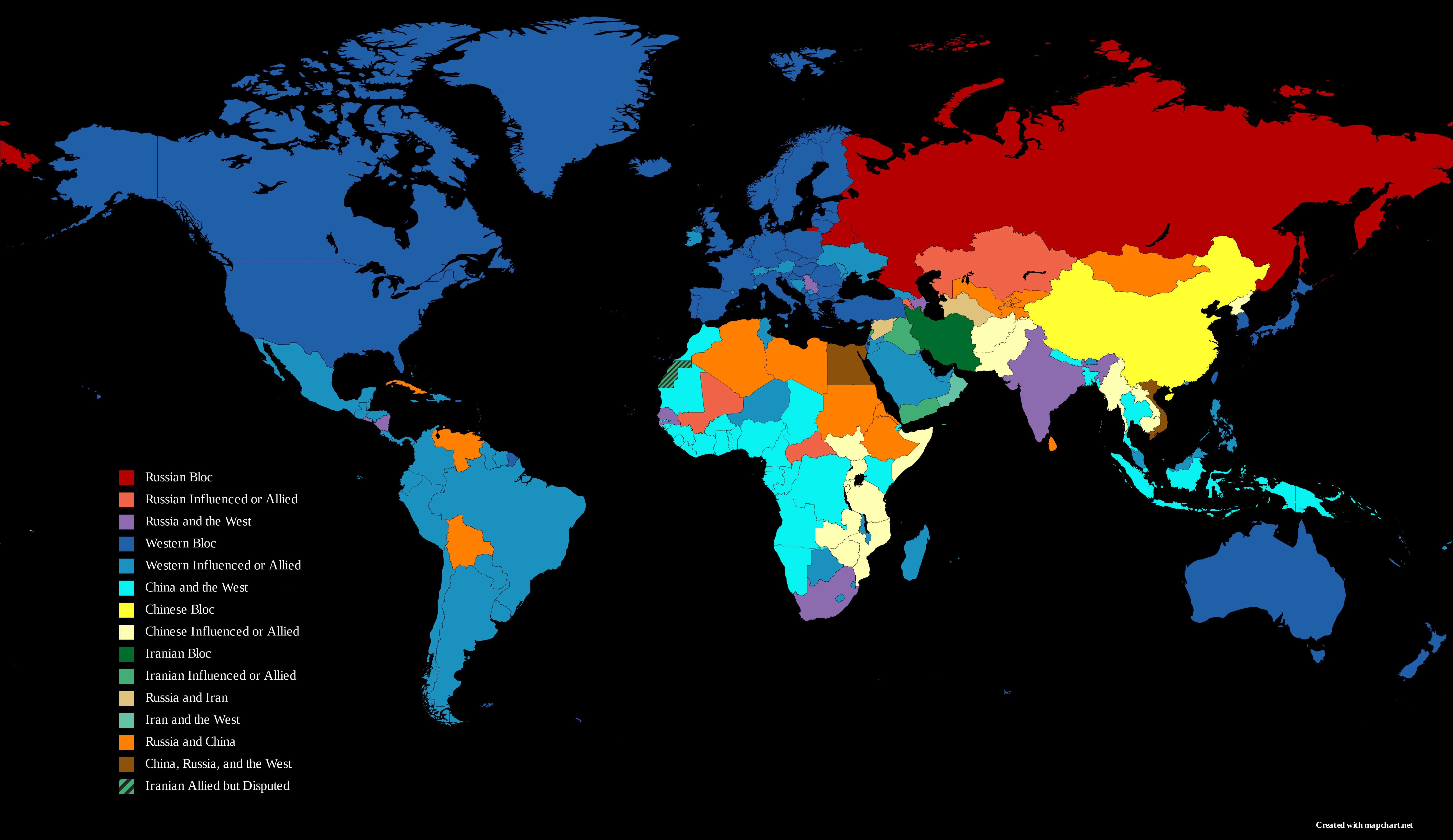
Countries can grow their influence through military and political alliances. Groups such as NATO provide a way for the countries to defend each other. This makes them stronger as a group than they would be on their own.

global power distribution, how global power works, world power structure explained, global power hierarchy, who controls global power, global superpowers explained, US China global power, military vs economic power, regional powers in world politics, global influence explained, how countries gain power, global power dynamics, international power balance, economic power vs military power, global institutions power, IMF World Bank influence, alliances and global power, cultural power countries, tech power global politics, multipolar world order, future of global power, geopolitics explained simply, global power shift, world order explained

Economic alliances do the same thing. Trade deals and the regional groups help countries negotiate better and stabilize their markets.

Alliances boost power in today's world.

Cultural and Technological Influence

Ideas, media, and new stuff also give you power.

Countries that are big in entertainment, tech, and stuff they sell to other countries get to shape how everyone thinks, talks, and buys things.

global power distribution, how global power works, world power structure explained, global power hierarchy, who controls global power, global superpowers explained, US China global power, military vs economic power, regional powers in world politics, global influence explained, how countries gain power, global power dynamics, international power balance, economic power vs military power, global institutions power, IMF World Bank influence, alliances and global power, cultural power countries, tech power global politics, multipolar world order, future of global power, geopolitics explained simply, global power shift, world order explained

When your culture is popular, it can make your values seem normal, make people want the same things, and set trends around the world.

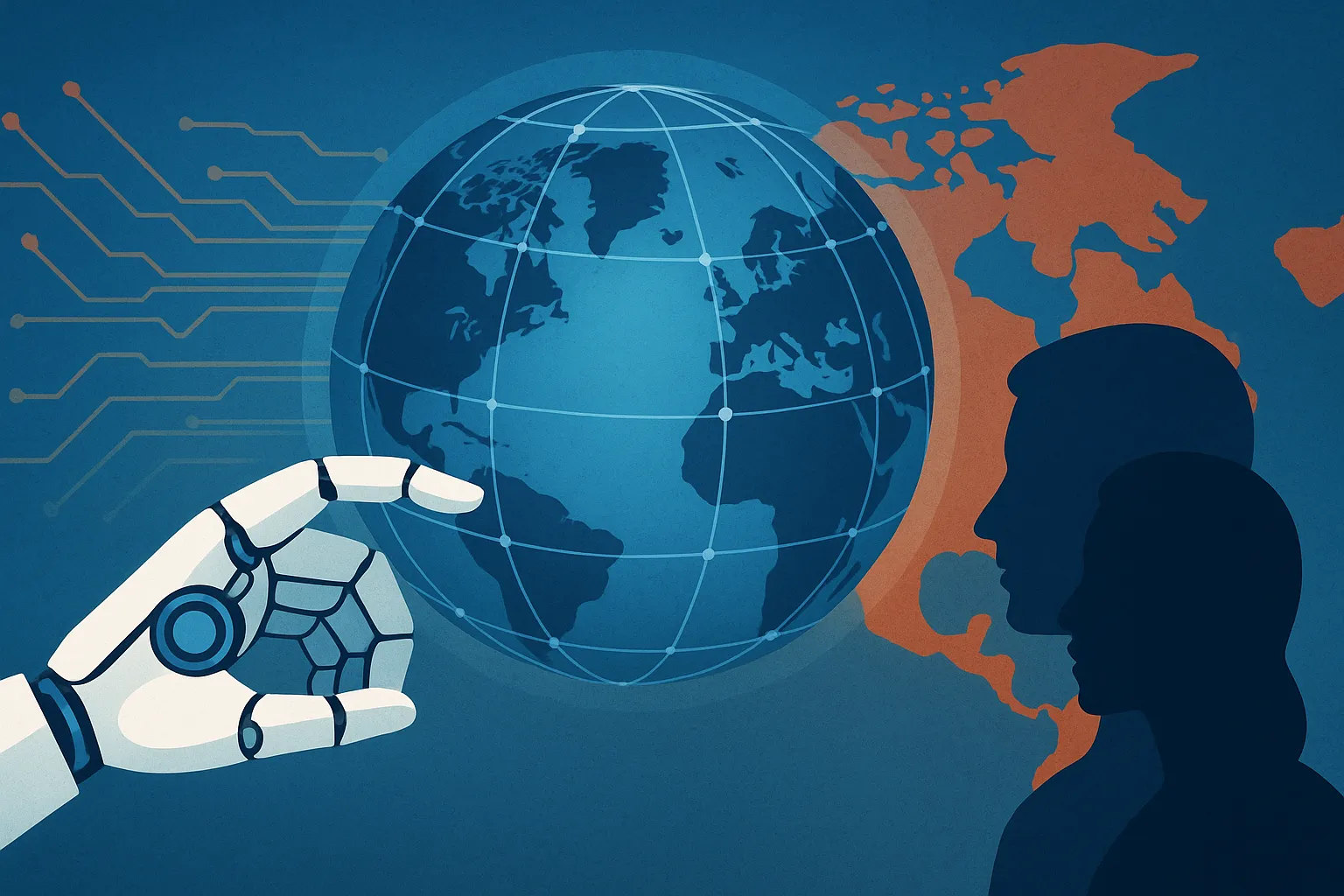
Being the best in tech, especially when it comes to AI, talking to each other, and basic infrastructure, means you get to call the shots for a long time.

Cultural power might not be obvious, but it sticks around.

Why Power Is Unequal and Always Will Be

Power differences come from things like where a country is, what it has, how many people live there, its past, and its tech. Some countries just have a head start that others can't easily catch up to.

global power distribution, how global power works, world power structure explained, global power hierarchy, who controls global power, global superpowers explained, US China global power, military vs economic power, regional powers in world politics, global influence explained, how countries gain power, global power dynamics, international power balance, economic power vs military power, global institutions power, IMF World Bank influence, alliances and global power, cultural power countries, tech power global politics, multipolar world order, future of global power, geopolitics explained simply, global power shift, world order explained

This uneven playing field isn't some recent thing; it's how things have always been. What's always changing is who's in charge and what they do with that power.

The world isn't heading for everyone having the same amount of power. Instead, the places with the most say just keep changing.

The Future of Global Power Distribution

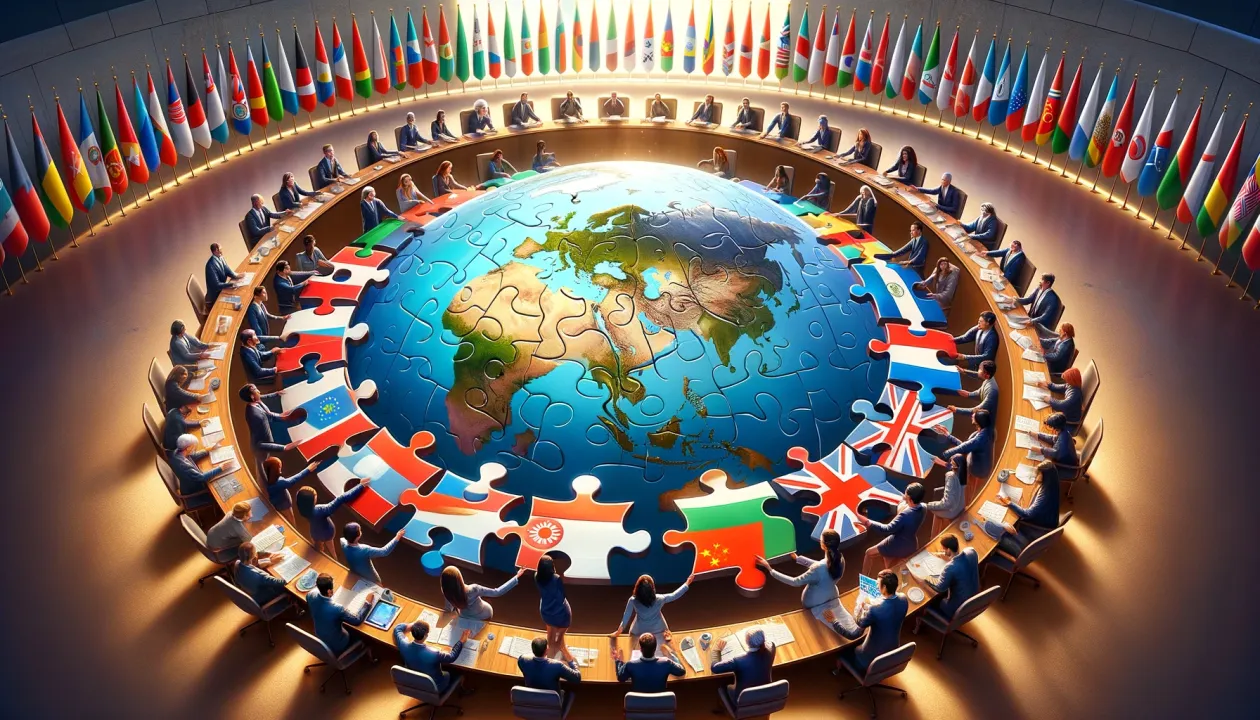
Power's getting spread around.

Instead of just one big boss, things are moving toward:

  • Lots of centers calling the shots.

  • Regional groups getting stronger.

  • More fighting between ways of doing business and tech.

Power will be less about bossing people around and more about having influence – who runs the stuff everyone needs.

Final Thoughts: Power Is About Influence, Not Size

Global power isn’t just about a country's size. It is about who gets to make the calls, sway people, and set the standards.

Figuring out who really has the influence helps us understand why there are conflicts, how economies change, and why countries team up. It shows why some opinions matter more and why the world is usually not in sync.

Power has never been evenly split. It just shifts around.

Google FAQs


  1. What is global power distribution?

    It refers to how influence and control are unevenly shared among countries and institutions worldwide.


  2. Who are considered global superpowers?

    Countries with worldwide military, economic, and political influence, such as the United States and China.


  3. Is economic power more important than military power?

    Both matter, but economic power often creates longer-term influence.


  4. What are regional powers?

    Countries that dominate influence within specific geographic areas.


  5. Can power shift between countries?

    Yes. Power changes over time based on technology, economy, alliances, and global events.
Share this article

Related Articles

Related Articles

Related Articles