
Geopolitics
Jan 31, 2026
Why alliances in geopolitics often matter more than raw military power. Learn how partnerships shape security, influence, and global stability. Photo by: ABGN
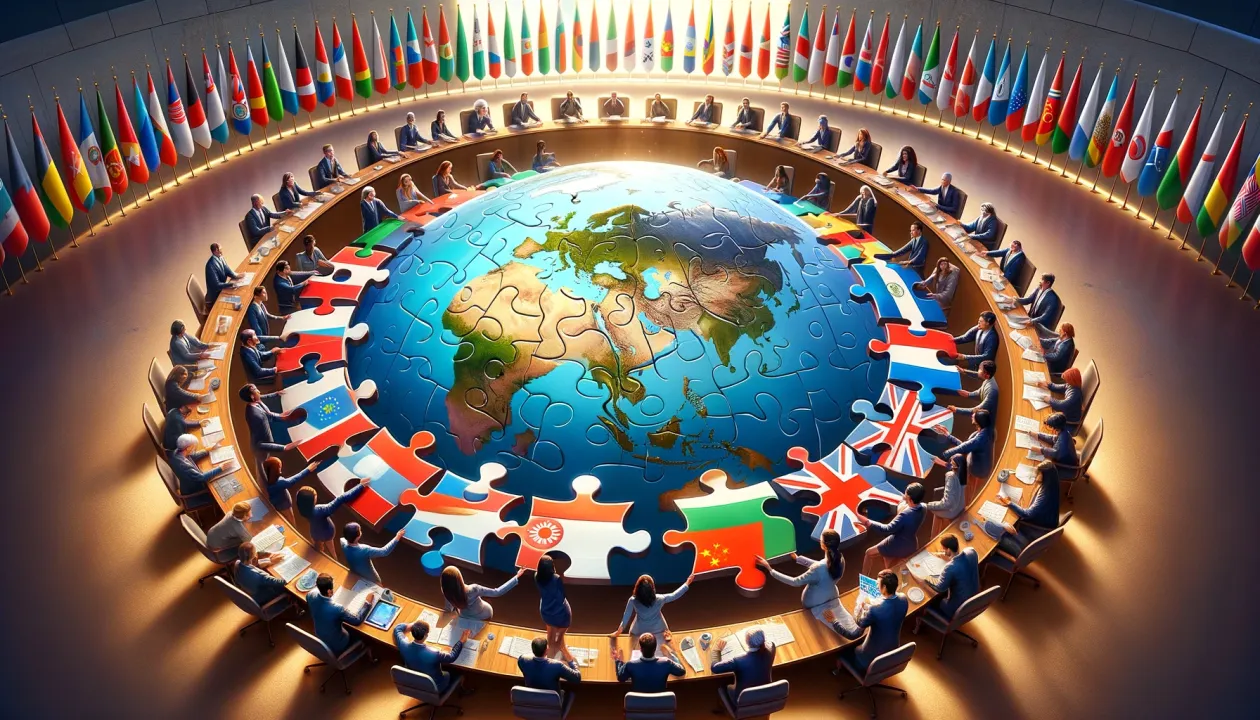
While military strength remains relevant in today's global landscape, alliances are now more vital. While tanks and troop numbers still reflect a country's power, its collaborative partnerships are keys to success.
For Americans in an interconnected world, recognize that modern success stems from international cooperation, trust, and shared objectives, rather than individual military actions.
A strong military can deter threats, defend the country, and strengthen negotiating power.
But going it alone has its downsides:
It can be expensive, impacting what we can do at home.
It can lead to isolation, which hurts our standing.
Its reach is limited without help from other countries.
Even the strongest military needs things like airspace access, intel, supplies, and diplomatic support - things that usually come from allies, not just weapons.
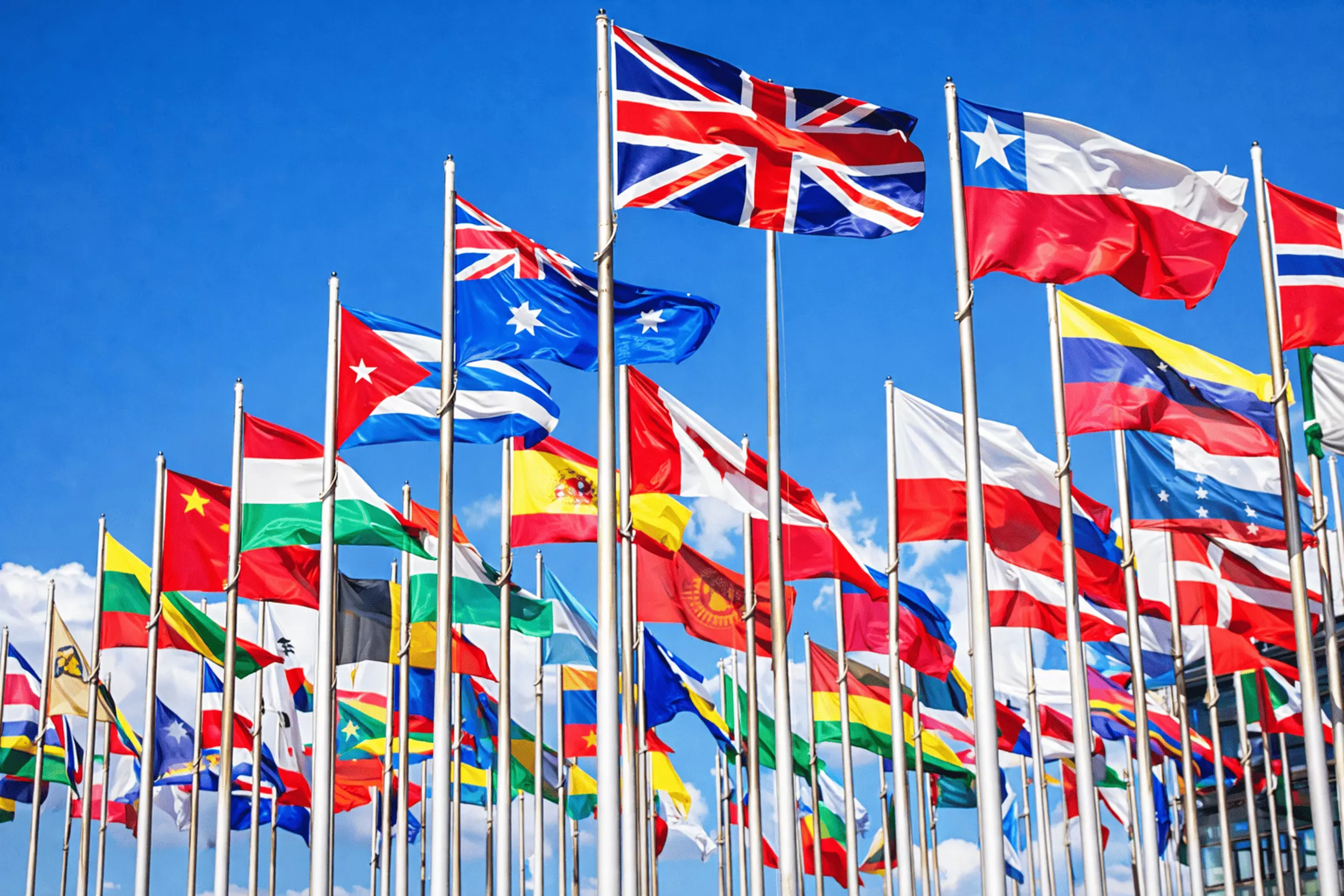
Simply put, alliances are like giving nations a strategic boost. They help countries have more influence without as much risk or money spent alone.
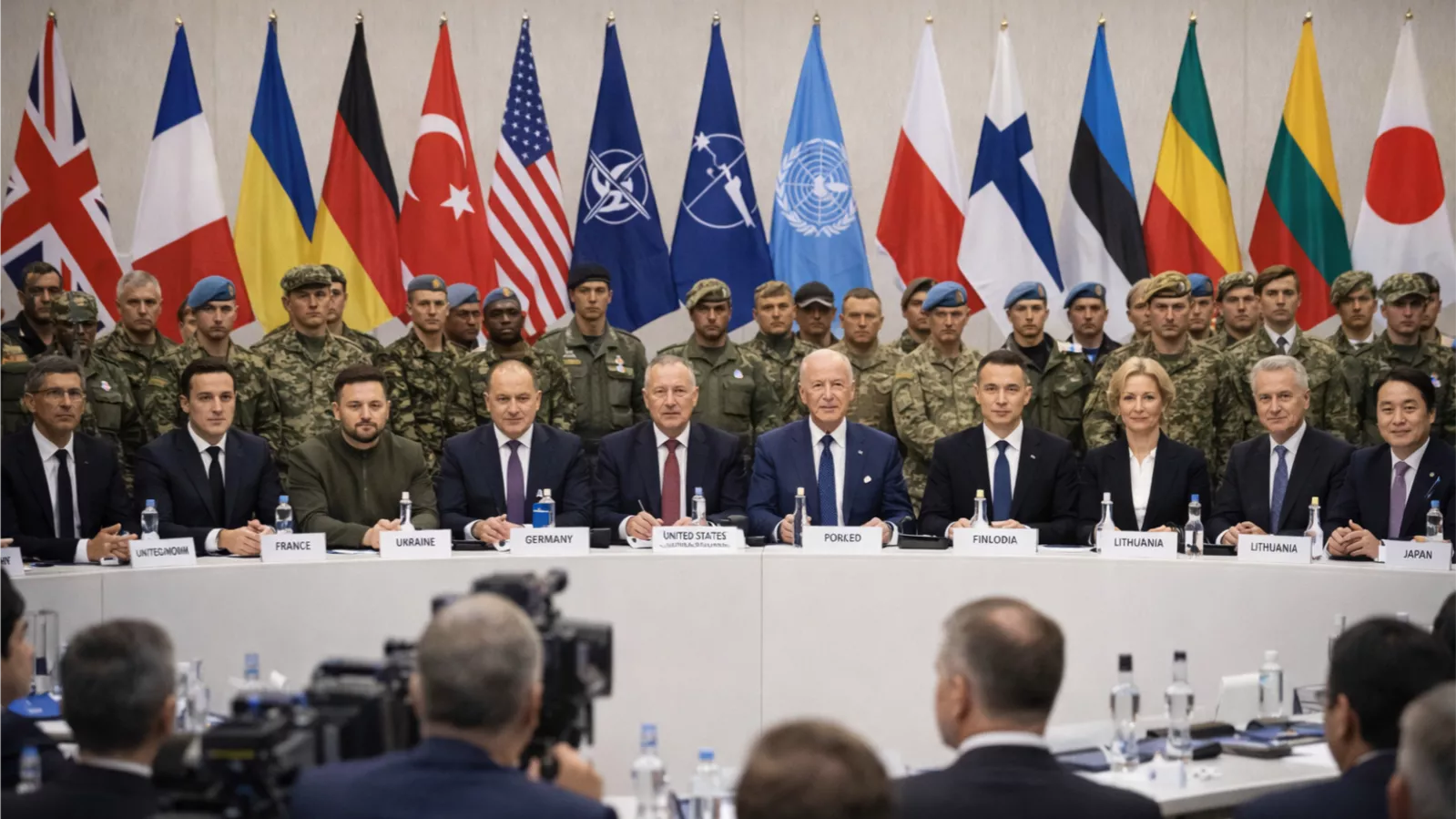
When countries commit to mutual defense, potential aggressors face a united front rather than a single opponent. This collective deterrence is central to organizations like NATO, where an attack on one member is treated as an attack on all.
“Military strength deters threats, but alliances shape outcomes.”
In today's conflicts, data is key. We're talking satellites, cyber intel, and up-to-the-minute information. Working together through alliances lets countries make decisions quicker and with more certainty. By pooling resources, they gain capabilities that would be hard to get alone.
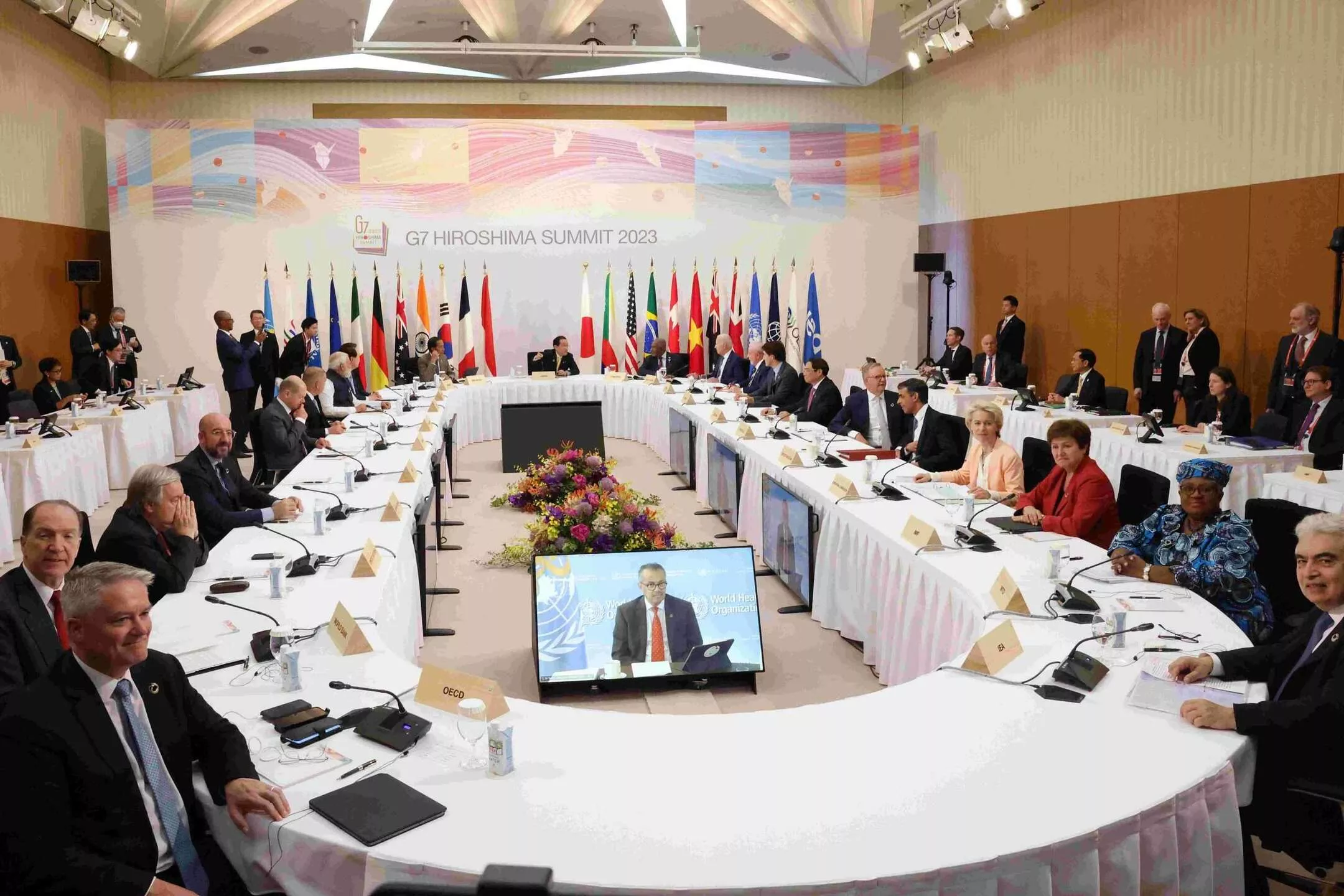
When military action has the backing of allies, it's often seen as lawful and justified, especially if it's in line with international groups like the United Nations.
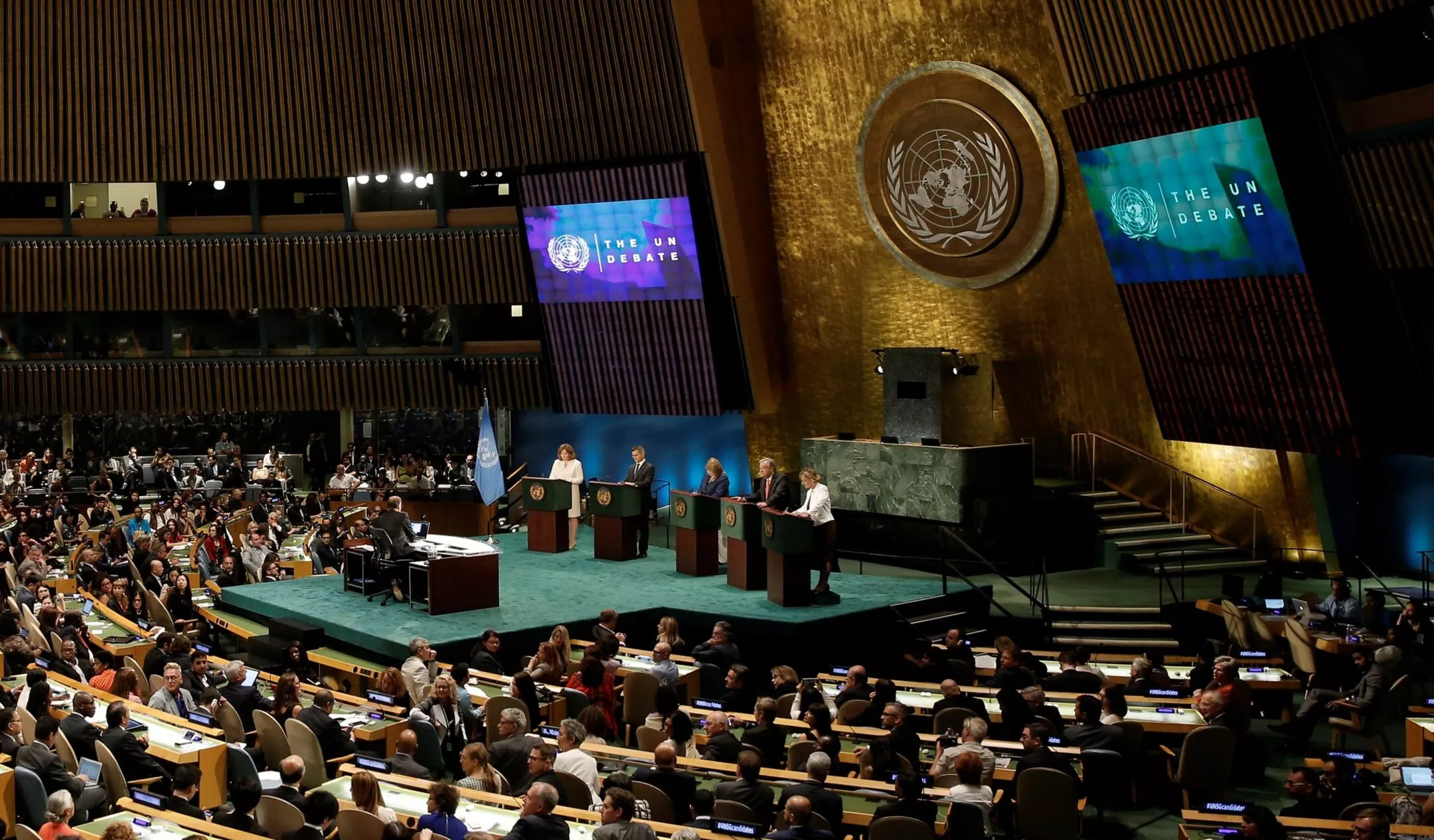
Military actions aren't separate from the economy. Sanctions, trade, and diplomatic pressure can change how countries act without armed conflict.
Alliances frequently work together on:
Sanctions that impact a country's economy
Limits on what can be imported and exported
Coordinated energy policies
Efforts to isolate certain countries through diplomacy
Used together, these methods can create long-term pressure that military strength alone can't provide.
The European Union shows that security can be boosted through non-military ways. While not a defense group like NATO, the EU helps stabilize Europe by uniting countries economically and politically. This work goes well with military alliances.
In the Indo-Pacific, alliances and partnerships are becoming more and more important for keeping things stable. Working together helps protect open seas, trade, and prevents crises from turning into wars.
Alliances mean more than just what you see in the news for young Americans between 14 and 25.
They have an impact on:
The economy and jobs
Online security and what you can do online
Working together on climate change, and helping people in need
How likely future wars are to happen, and how much they'll cost
Knowing about alliances shows why the U.S. usually focuses on talking and working with other countries, as well as spending money on defense, instead of just trying to be the strongest military power.
When alliances fall apart, bad things can happen:
It's easier to make mistakes in judgment.
Nations have to spend more on defense by themselves.
People around the world trust each other less.
Looking back, being alone might seem easier at first, but it usually leads to problems later on.
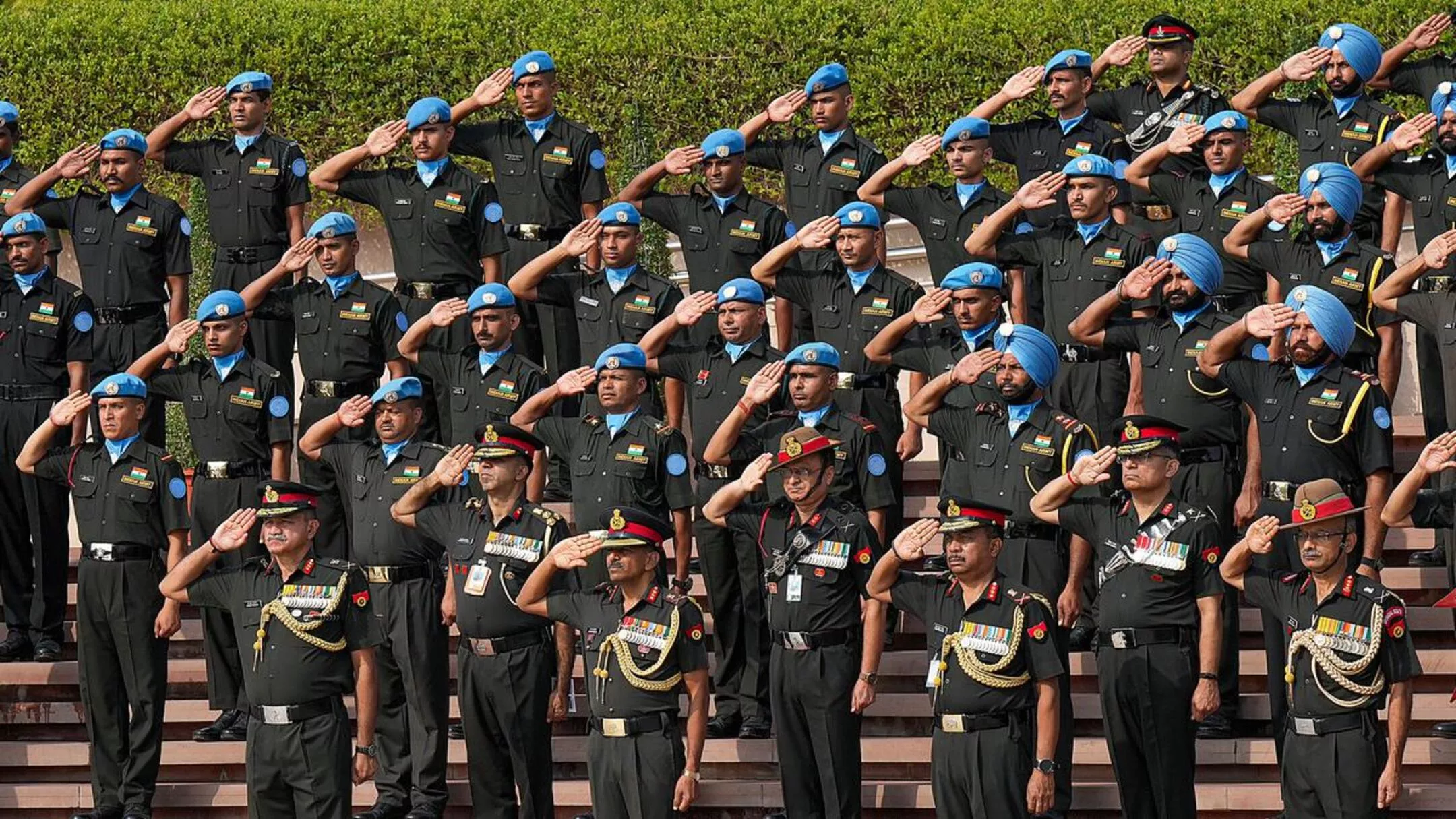
Alliances help share risks, keep aggression in check, and boost a country's political and economic standing beyond what it could do solo.
No. Military strength alone can mean higher expenses, less global acceptance, and a weaker reach.
Most people think NATO is still important because it offers joint defense and security coordination for its members.
Yes, working together on defense and talking things out can stop conflicts by making aggression too costly.
No. Deals on economics, diplomacy, and tech are just as key in today's world politics.
Military strength still matters, but alliances are what turn power into real influence and security. In today's world where everything is linked, countries that build strong, trustworthy partnerships are usually in a better spot to prevent conflicts, handle crises, and affect what happens around the world. Alliances in global politics aren't a sign of weakness—they're a key strategic need.