Geopolitics
Jan 31, 2026
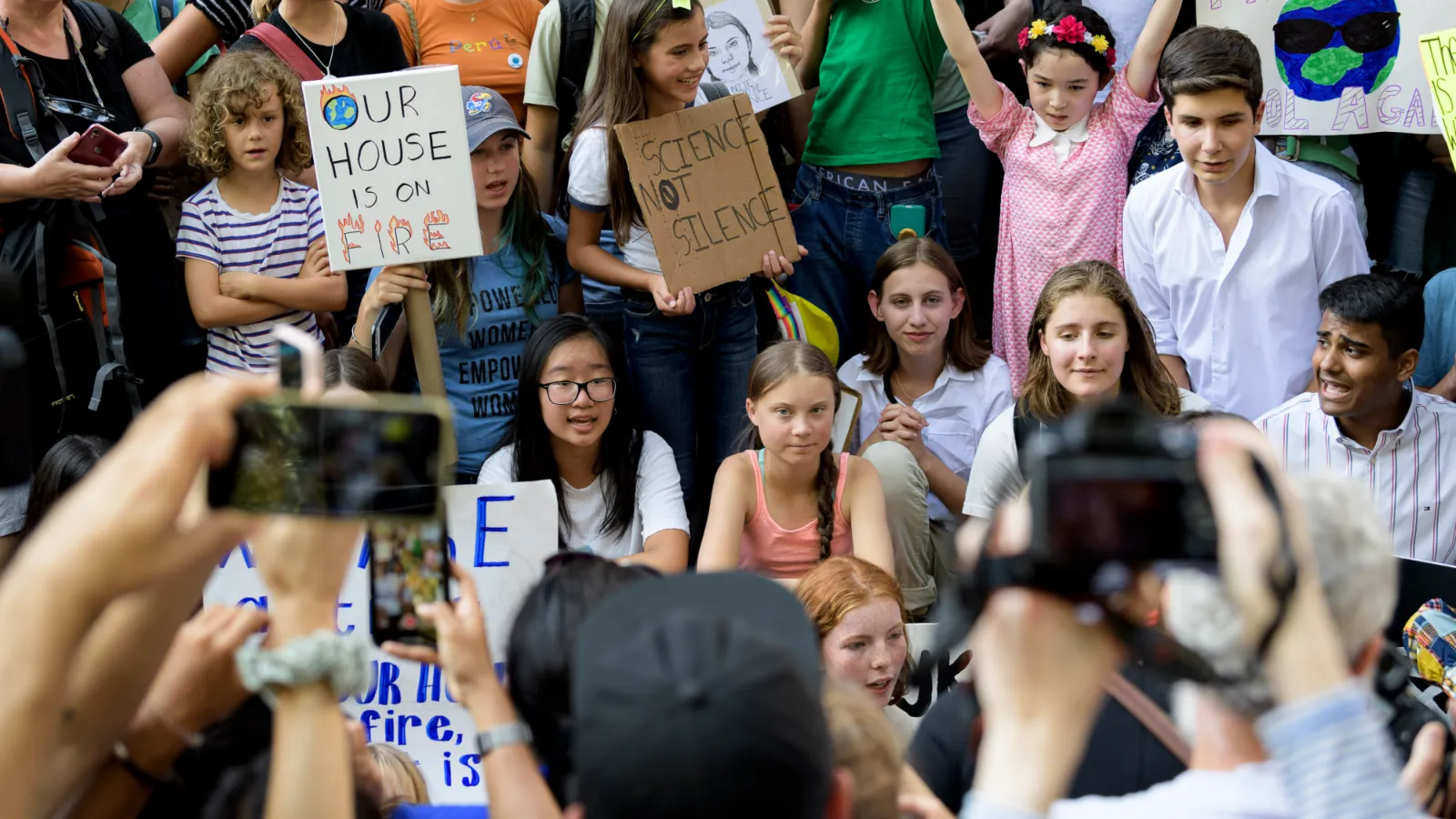
From education to jobs and mobility, geopolitics quietly shapes young people’s futures. Here’s how global power decisions affect real life opportunities. Photo by: Stimson Center
You might think geopolitics is just something politicians and historians talk about. But actually, it affects our daily lives quite a bit.
It has a big say in where jobs pop up, how easy it is to cross borders, and what skills will be valuable down the road.
For young folks, this stuff really matters. It shapes their chances to get an education, the job situation they'll face, how safe they are, and whether they can travel freely.
Even before they get to make their own choices, decisions made on a global scale are already setting the stage for what they can achieve.
Knowing how all this is tied together isn't just a good idea anymore – it's a must.
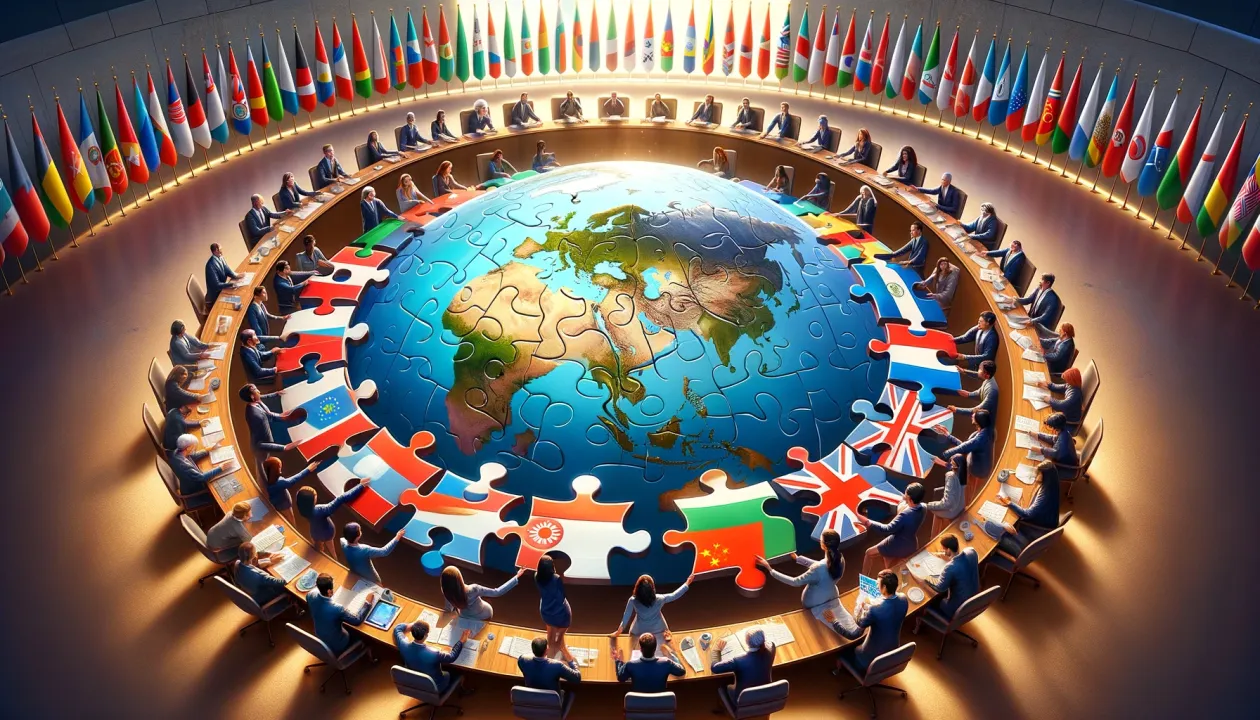
Geopolitics is what happens when countries mix power, geography, money, and government on a world-wide stage.
When big countries change how they do things or start fighting, it changes things for everyone, even in schools, at work, and with jobs.
What governments and big groups decide affects:
Which businesses do well or not
Which countries people want to move to
Which passports let you travel easily
Which skills are worth having
Not everyone gets the same chances, and one of the top reasons for that is geopolitics.
How good you can do in school is really tied to how countries get along.
Things such as scholarships, exchange studies, money for research, and chances to attend schools around the world all depend on countries being friendly.
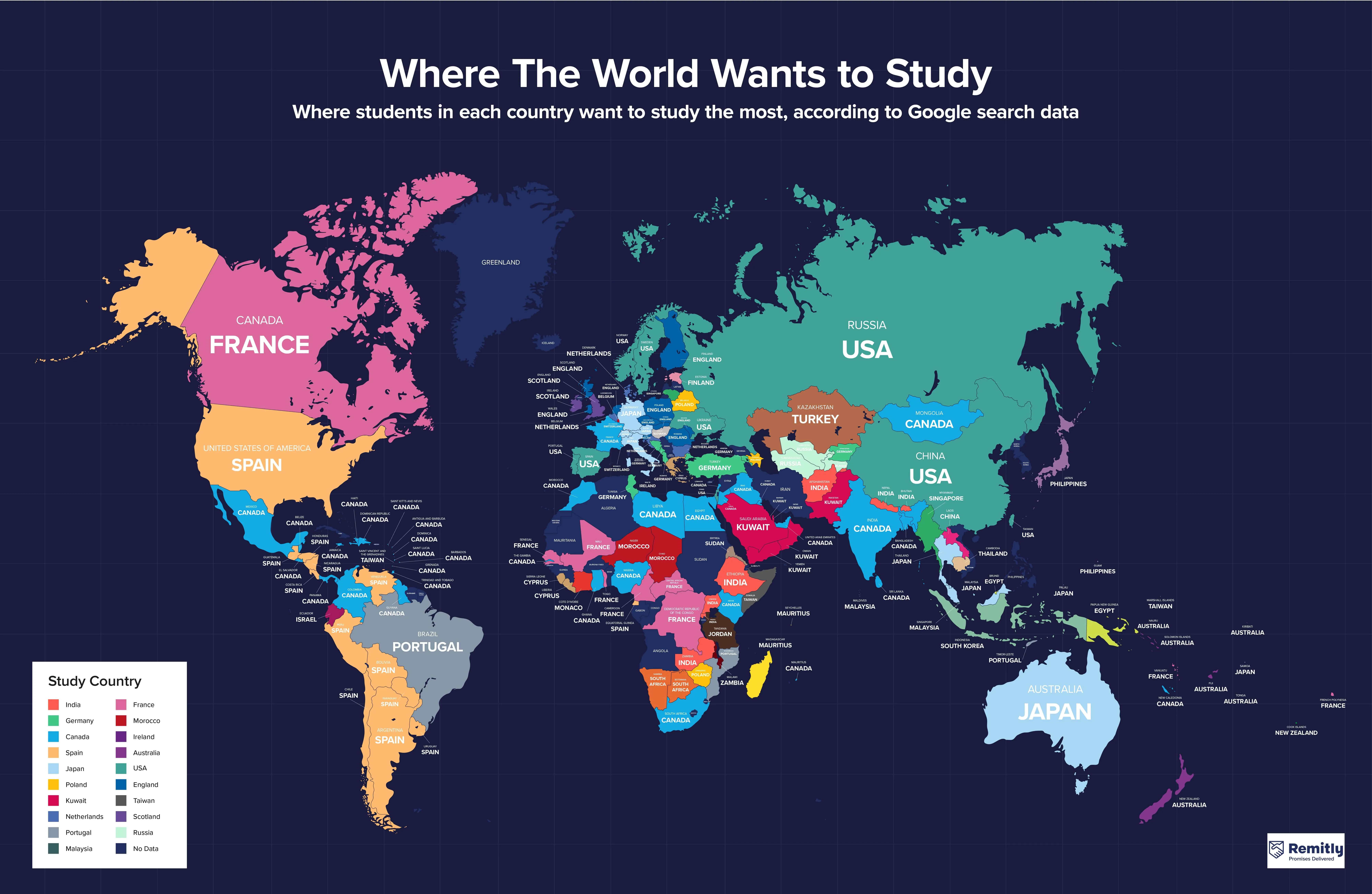
If countries are in good terms, it opens more school doors. But, if countries fight, it’s harder to get visas, studies together stop.
Like, schools often partner because their governments allow it, along with groups like UNESCO. If countries stop working together as much, it gets more difficult to get a global education.
So, doing in school isn't only about being able. Sometimes, it depends on what's happening in the world.
The job market is shaped way before anyone gets hired.
Geopolitics affects where companies put their money, where factories are built, and where new ideas pop up.
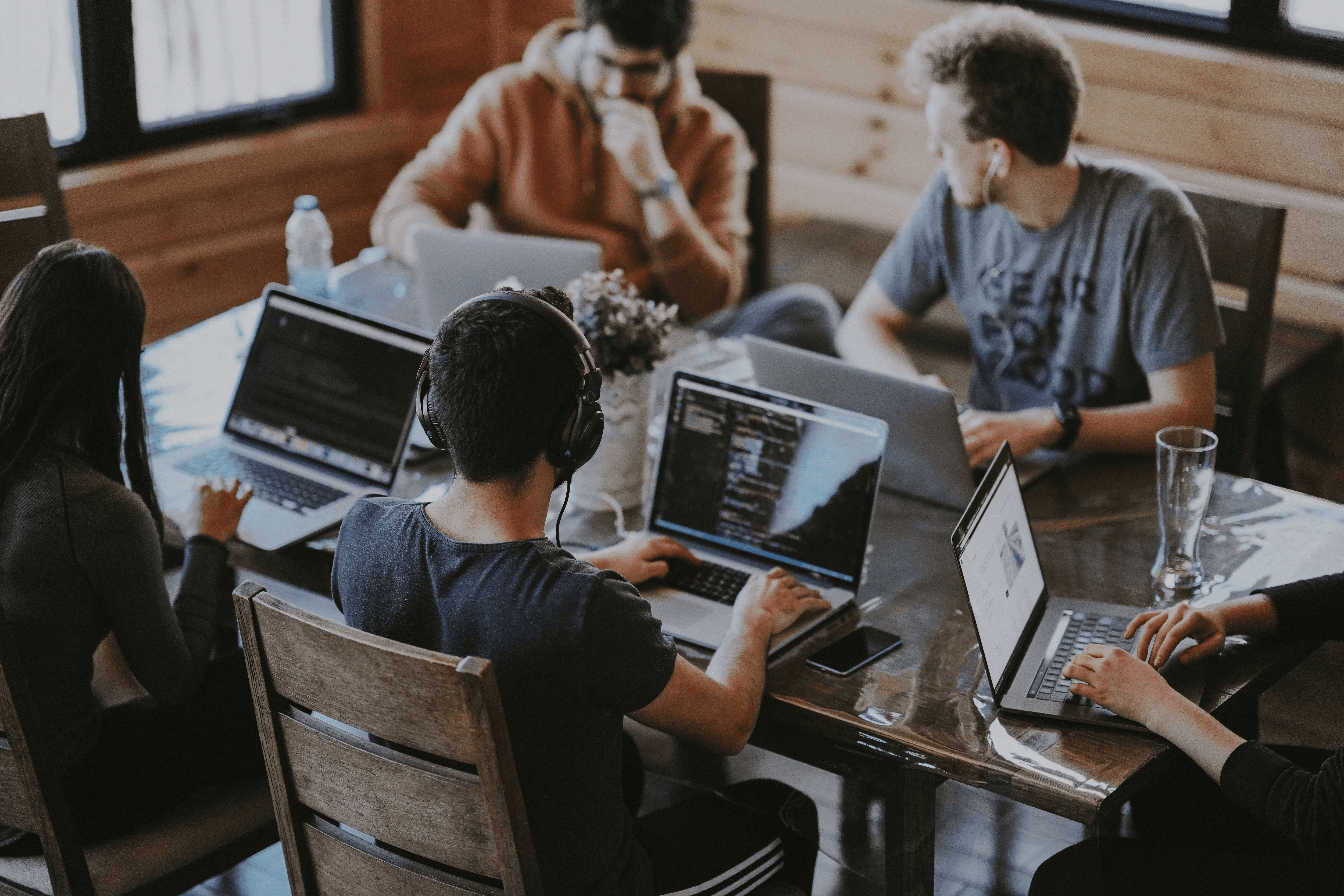
Trade deals, sanctions, and global competition decide which areas become big centers for tech, manufacturing, energy, or finance.
When countries get along economically, job opportunities spread. But when they fight, some industries get smaller or move somewhere else.
Young people who are starting their careers are entering a world that is already been shaped by global power struggles – even if they don't know it.
Tech is becoming a big deal in global competition.
Countries are fighting to be the best in things like AI, cybersecurity, green energy, and data. This fight shapes what skills get money, are taught, and are seen as important around the world.
When governments focus on certain areas, schools change to match. Jobs that are hot now might not be so great later, depending on what the world cares about.
So, the jobs of the future aren't just about new ideas; they're about what's important to everyone globally.
How geopolitics hits young people is super clear when you look at how easy it is to travel.
With some passports, you can just waltz into loads of countries. But others? Forget about it – visa nightmares!
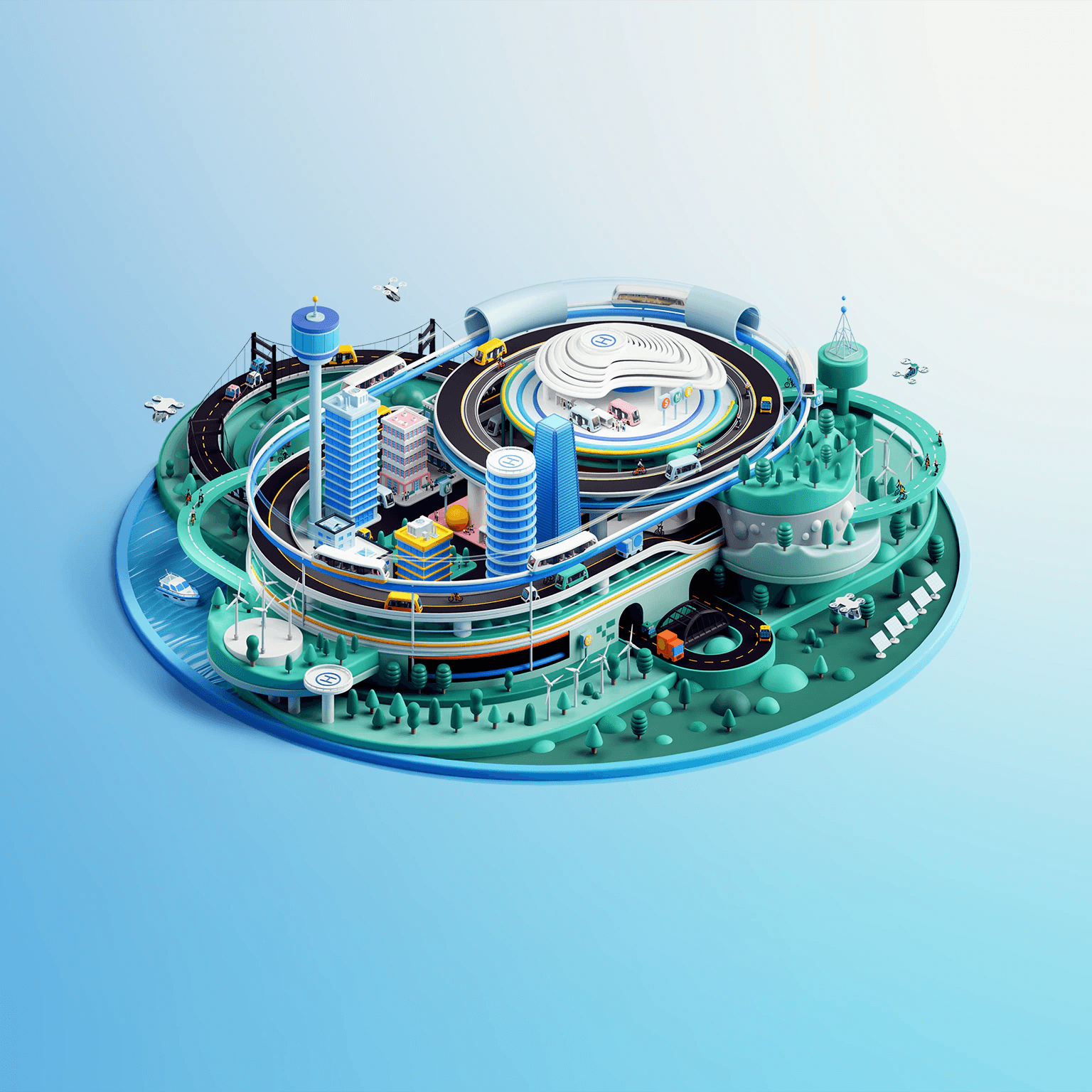
This isn't just chance; it's all politics, based on who trusts who, who's friends with who, and what happened way back when.
Being able to move around impacts:
Where you can study
What jobs you can get overseas
How much you get to see of other cultures
Even how safe you are
Basically, where you get to go, and how easy it is, is often sorted out even before you start planning.
Stable places let you grow.
When there's fighting, rules, or shaky governments, it messes up schools, jobs, and making plans for the future.
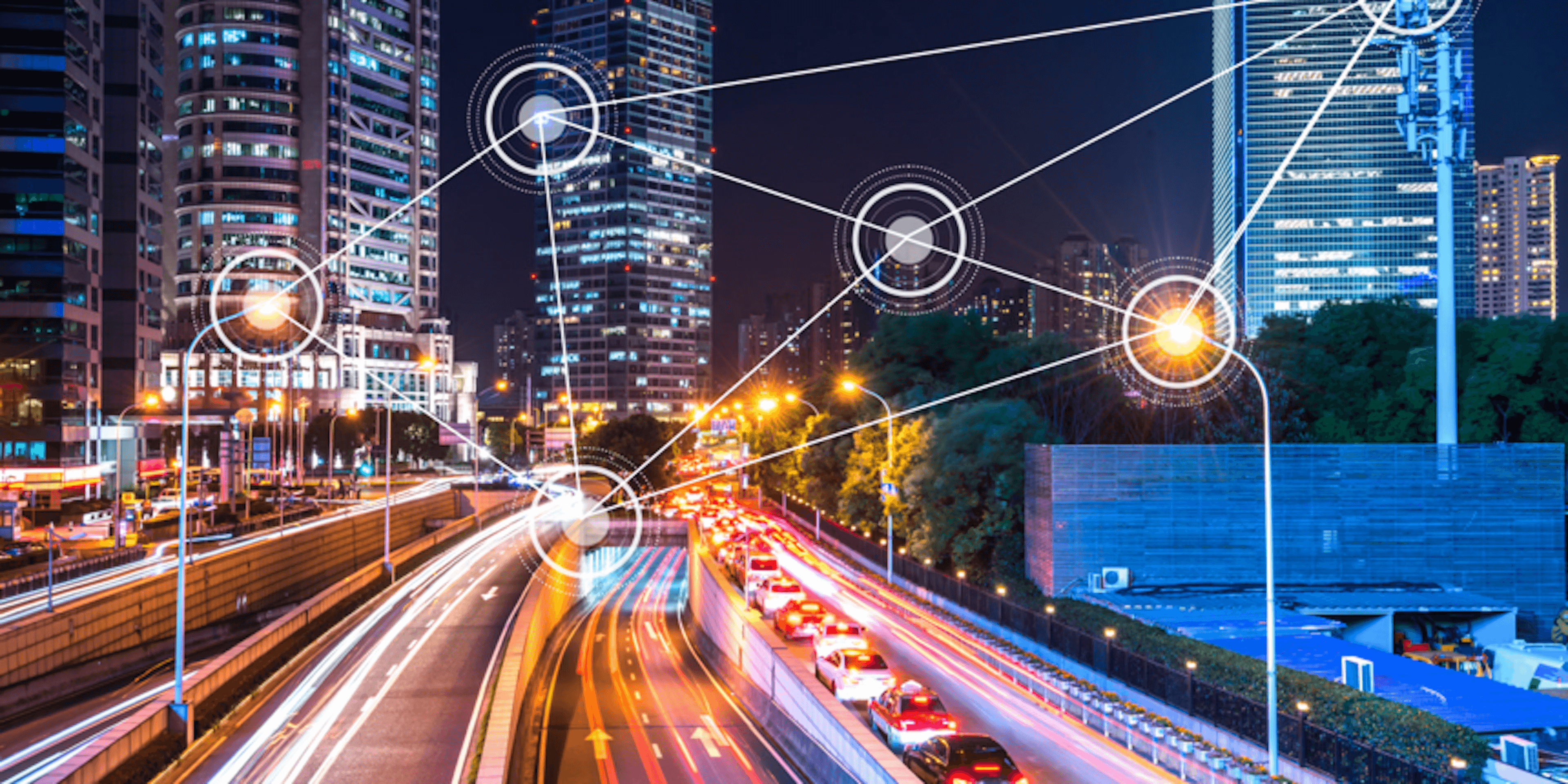
People in these areas have trouble not because they messed up, but because of world problems messing up their lives.
Being stable means more than just no fighting, it also means things are predictable. If you know what to expect, you can actually make your dreams come true.
Where you're born really matters when it comes to global politics.
Some countries get a leg up because of things like investments, security agreements, and open trading.
Others struggle with being isolated, restricted, or just plain broke. This stuff really changes people's lives even before they get a chance to show what they can do.
It's not impossible to be successful if you're from a place like that, but it definitely makes things way harder.
Understanding this helps us see why people move around so much, why smart people leave their countries, and why everyone's fighting over limited resources.
Worldwide groups have a big, but quiet, impact on young people's futures.
Groups like the World Bank and IMF affect how countries spend money on schools, jobs, and other things because of the loans and programs they offer.
You might not see it, but these choices change a lot, like:
How good public schools are
Whether there are jobs available
How stable the economy is
Basically, what happens around the world shapes what happens where you live.
You can't really control what happens in geopolitics, but you can get a handle on it.
If you know what's going on, you can make smarter choices, like:
Picking skills that will still be useful later.
Getting a sense of which jobs are becoming more common worldwide.
Changing with the times when the industries shift.
Think about the bigger picture, globally, when you're planning out your schooling.
In today's world, not knowing about geopolitics puts you at a disadvantage. Knowing what's up is like having an edge.
Looking ahead, expect:
More job competition all over.
Power moving around between countries.
Really quick changes in what industries do.
Staying flexible will be a must.
There'll still be ways to succeed, but mostly for those who understand the big picture, not just their own area.
World events will still matter a lot. Getting ready is what will help you win.
Your job, how safe you feel, and how free you are aren't just about you anymore. Big stuff happening around the world influences these things, even if you don't have control over it directly. But you can at least try to get what's going on.
Geopolitics doesn't just change countries. It also changes the future of every young person trying to live in today's world.
It shapes education access, job markets, safety, and freedom of movement.
Yes. Global power shifts determine which industries grow and which decline.
Mobility depends on political relationships, visa policies, and international trust.
Awareness, adaptability, and skill-building can reduce, but not erase, these limits.
Because it shapes opportunities long before personal choices come into play.