Geopolitics
Jan 31, 2026
International rules shape the world, but power decides enforcement. Here’s how global laws, sanctions, and limits actually work. Photo by: Asia Times
The world is run by rules of trade, war, human rights, and finance. These rules are supposed to apply to everyone the same. But when you look at how they are enforced, things are different.
We have global rules, sure. But power decides when those rules really matter, who has to follow them, and what happens if they don't.
If you want to get modern geopolitics, you need to get that gap between the rules and how they're actually enforced.
That's how global rules are made, and why it's way harder to enforce them than it is to write them down.
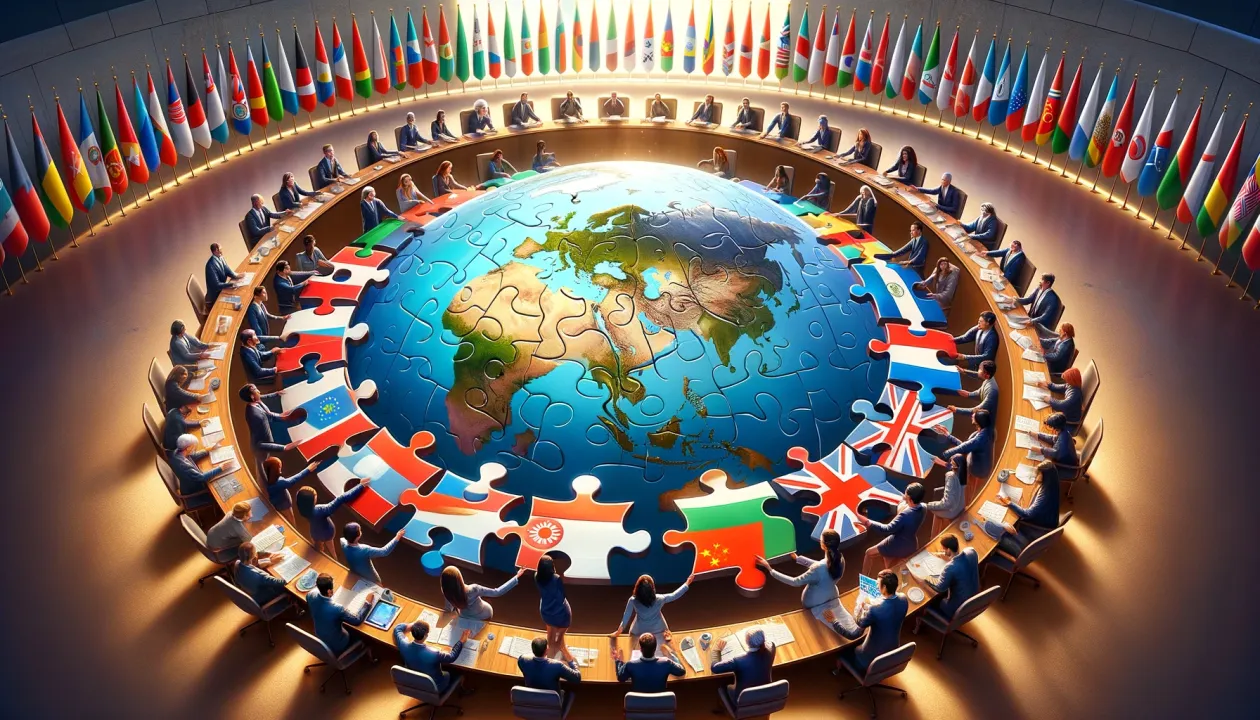
Global rules mostly come from deals, treaties, and groups across countries. These setups are there to cut down on fights, handle working together, and make things steady between countries.
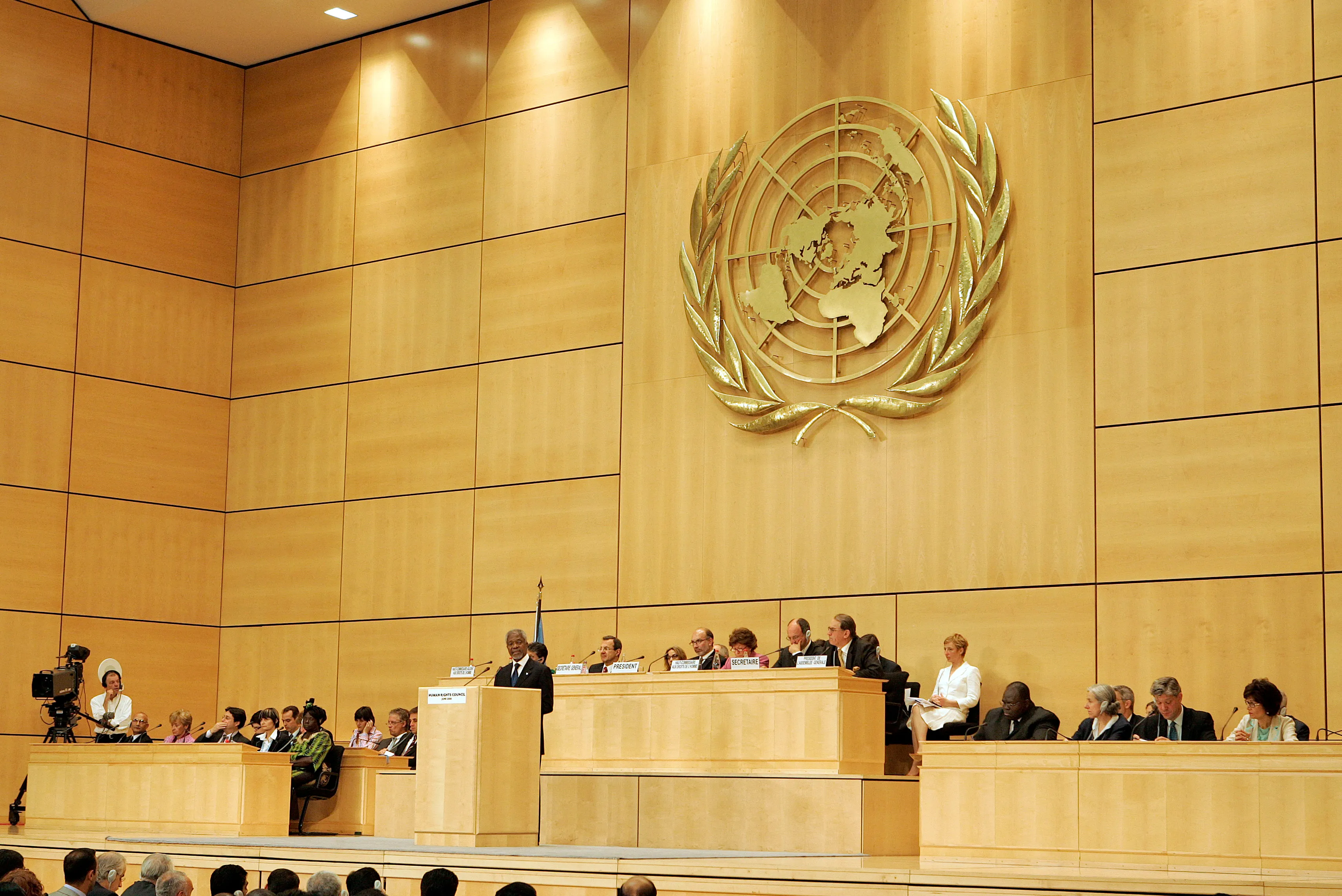
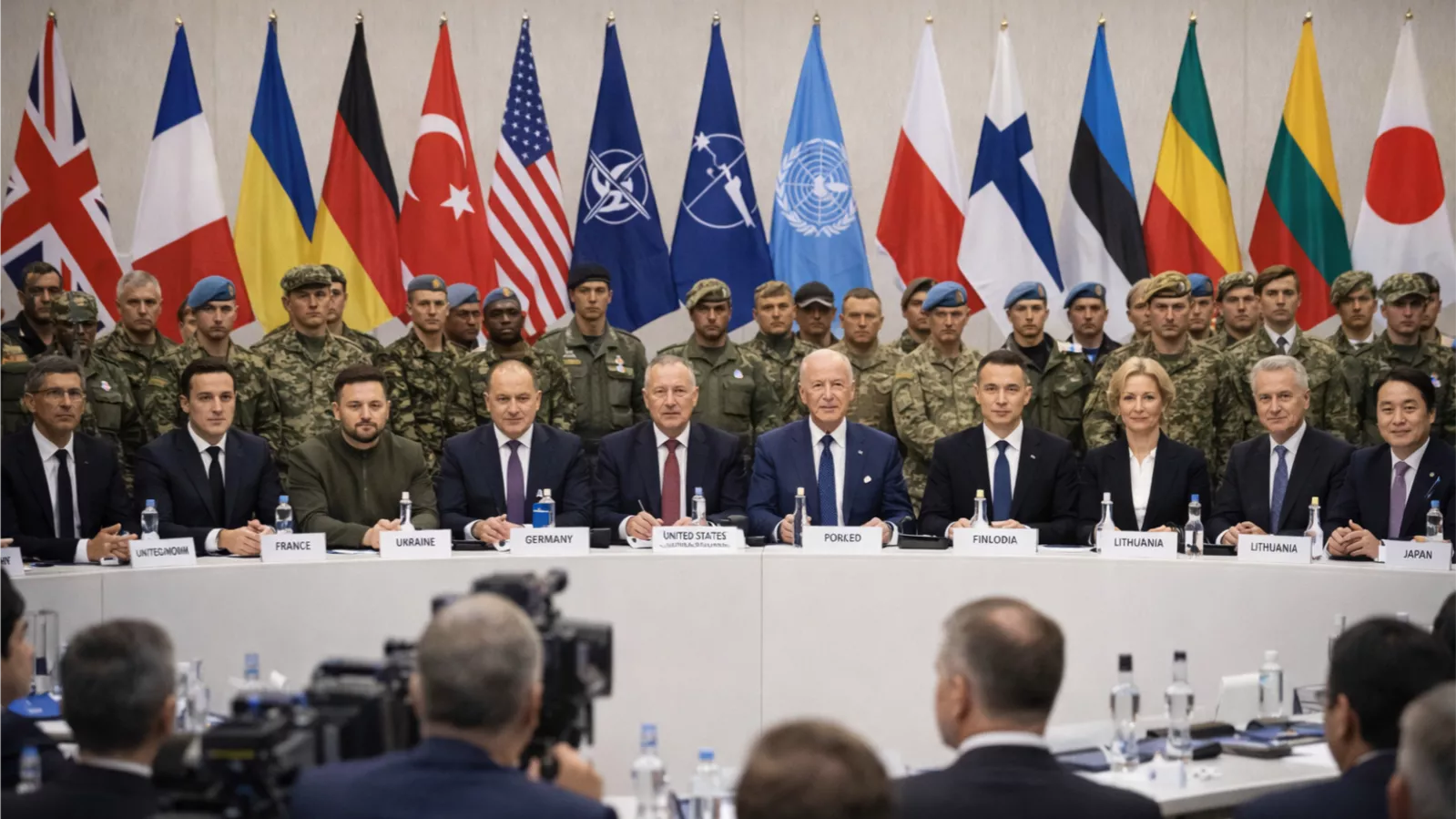
The United Nations is the biggest spot for making rules. Countries talk about and settle on treaties about war, talking things out, human rights, and safety. Other groups focus on things like trade, money, and getting better.
What should happen is that these rules should be based on everyone agreeing. What really happens is that who has the most pull changes how things turn out.
Okay, so international law isn't like what you see in your own country. There's no world police or supreme court that everyone has to listen to. No single government runs the whole show.
Instead, it works because:
Countries mostly want to get along.
It's usually in their best interest to do so.
They care about their image and talking things out.
Treaties only matter if countries say they will follow them. If someone doesn't want to play ball, getting them to comply depends on outside pressure, not some legal power.
So, it's a real thing, but it depends on everyone agreeing, not being forced to do it.
Even though all countries get a say, some have way more power than others.
The big guys call the shots by:
Controlling talks
Pushing around organizations
Using their money or political muscle
Smaller countries often go along with the rules that are made by the bigger ones because being part of things is better than being left out. So, the rules seem fair, but really, they often show who's in charge.
Global rules aren't really neutral. They're what you get after everyone argues and makes deals.
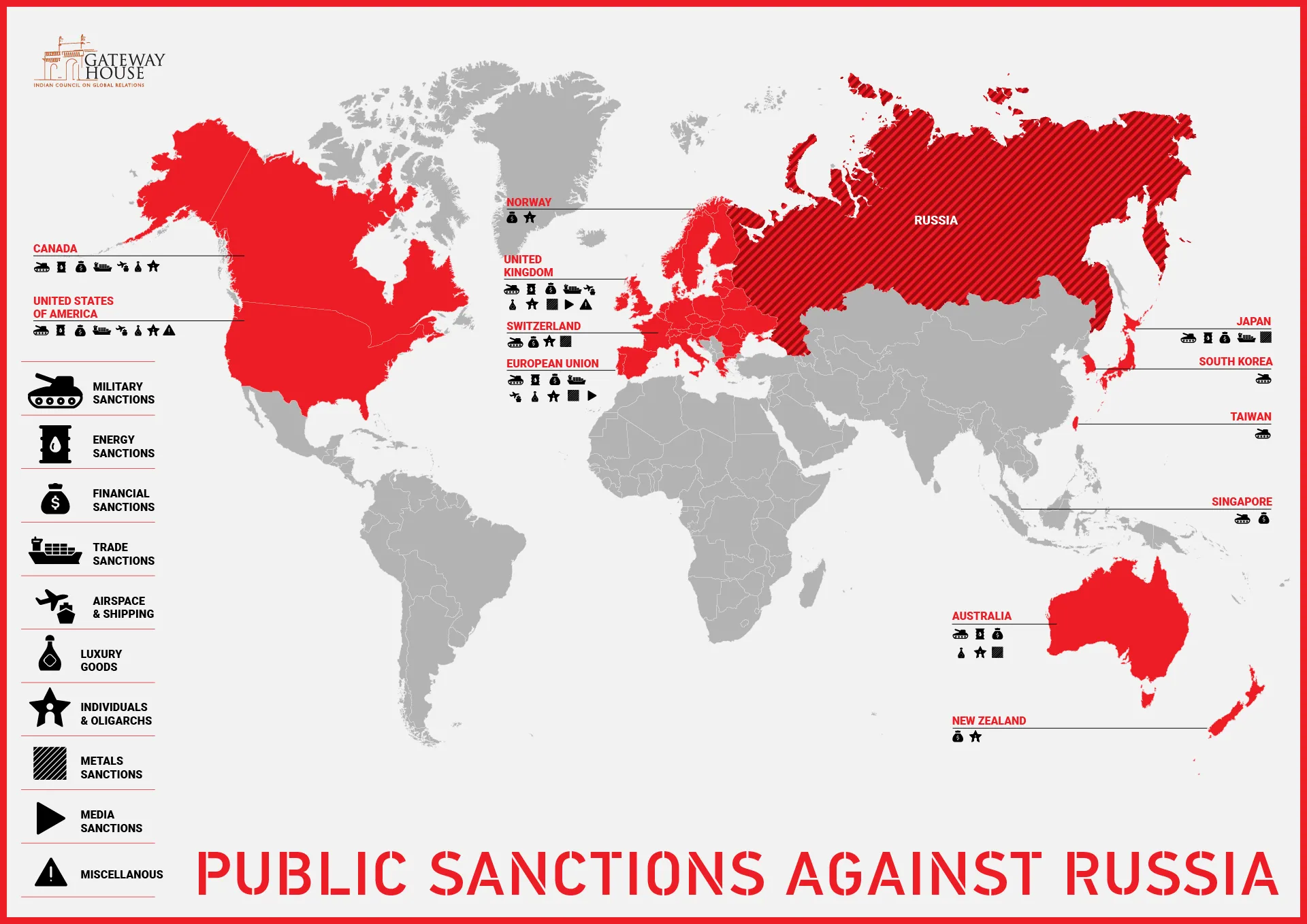
If countries don't follow global rules, sanctions are usually what happens.
Sanctions are like economic and political punishments meant to get countries to change their behavior without going to war. They can be things like:
Stopping trade
Freezing assets
Banning travel
Excluding the access to financial systems
Alliances or global groups usually work together on sanctions. If they work depends on who's using them and if everyone's really on board.
Sanctions are way better when everyone does them together, and they don't do much when big countries don't care about them.
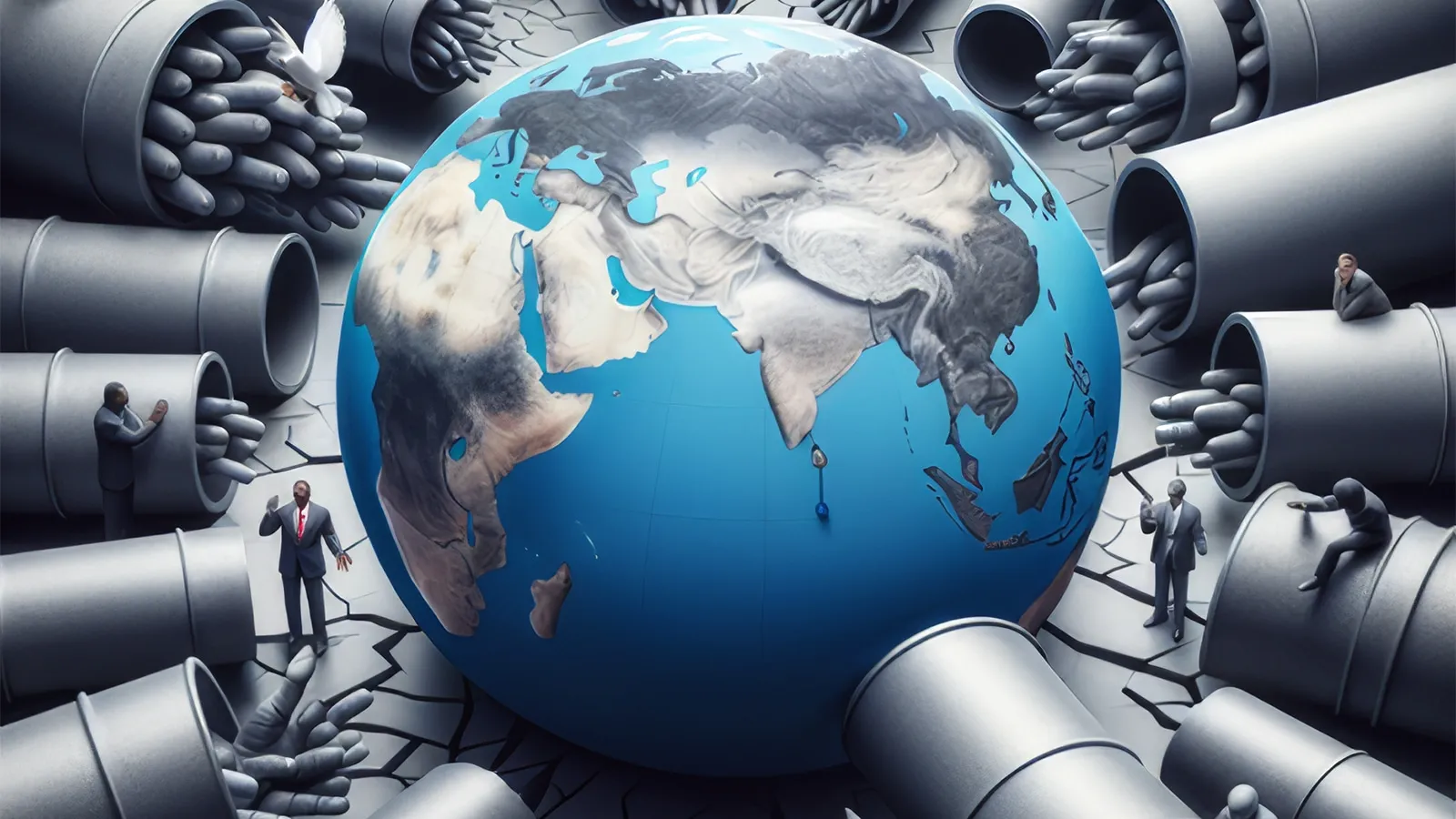
Instead of one main cop, you've got a few things that keep everyone in line:
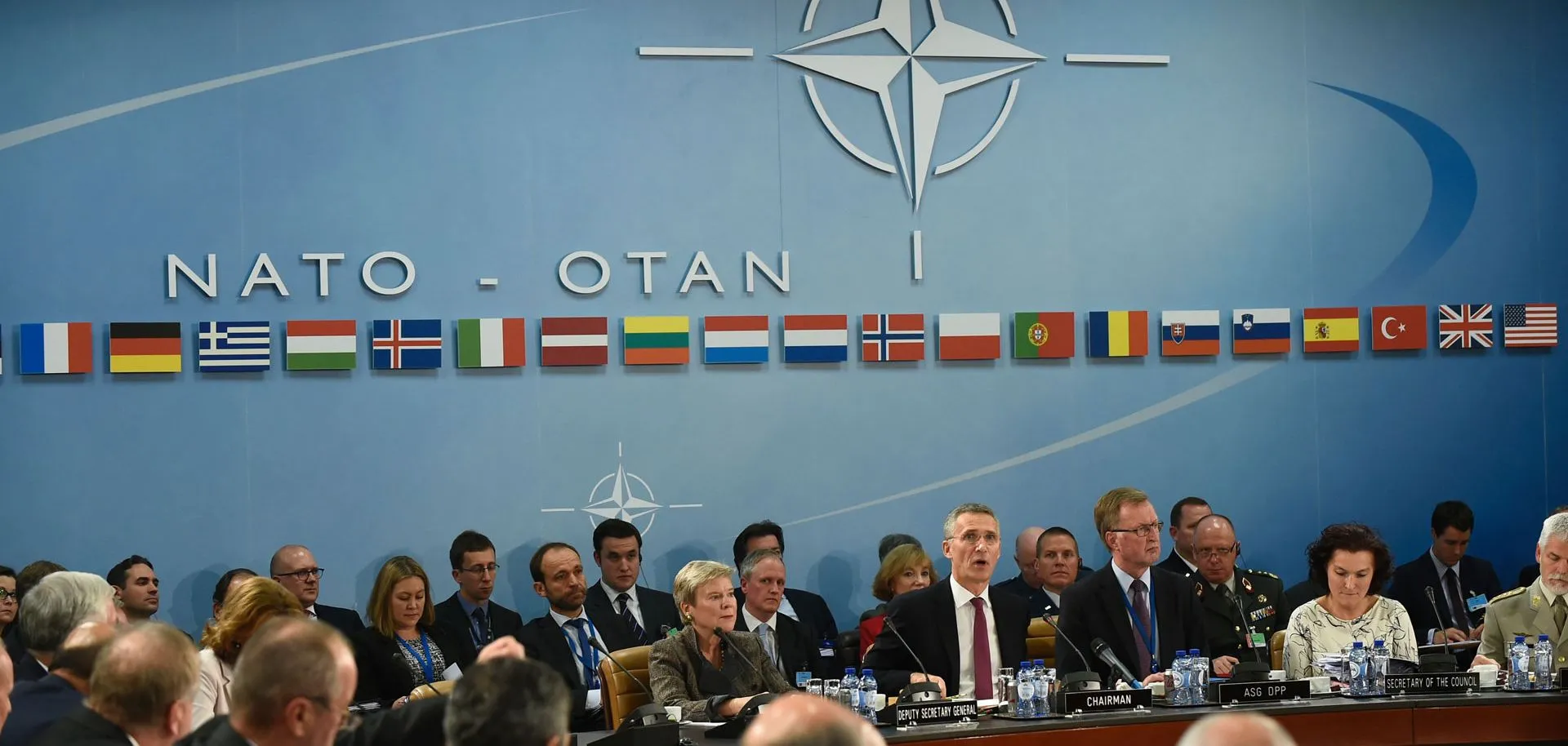
Big, strong countries
Teams of countries
The way money works
Being able to buy and sell stuff in markets
Groups such as the International Monetary Fund and the World Trade Organization sort of make sure people follow the rules, but they do this by controlling who gets loans, trade deals, or ways to sort out disagreements.
Basically, having money and being able to use it often works better than just having laws.
It's obvious that global rules have their limits.
If a powerful country breaks rules, the penalties usually take time, are small, or just for show. It seems like the rules are stricter for countries that are not so strong, and weaker for the big guys.
This makes people not trust the system:
We have rules.
But who gets punished is not consistent.
Power changes things.
This difference makes people complain that global rules aren't fair and might even be two-faced.
International courts are around, but they don't have a ton of power.
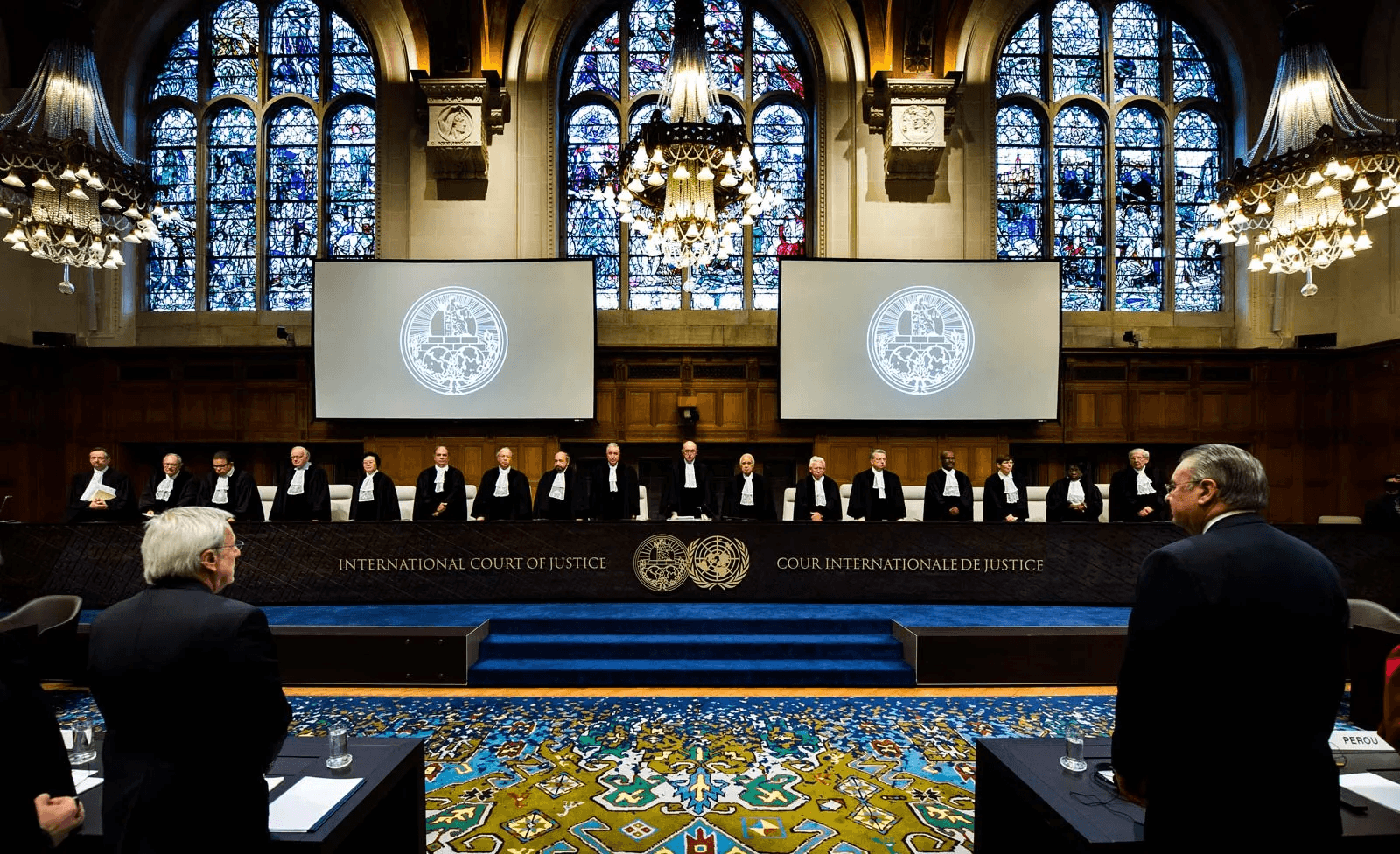
Groups like the International Court of Justice make decisions based on what's agreed on by countries. Still, they can't make countries listen without their say-so.
If a country doesn't care about what a court says, the court can't do anything since it doesn't have its own force. Whether a country listens depends on getting other countries to bug them, looking bad, and who they're friends with.
A court saying something doesn't mean it'll happen; it just means it's been said.
Even though it's not always strictly enforced, most countries usually stick to global rules. Why is that?
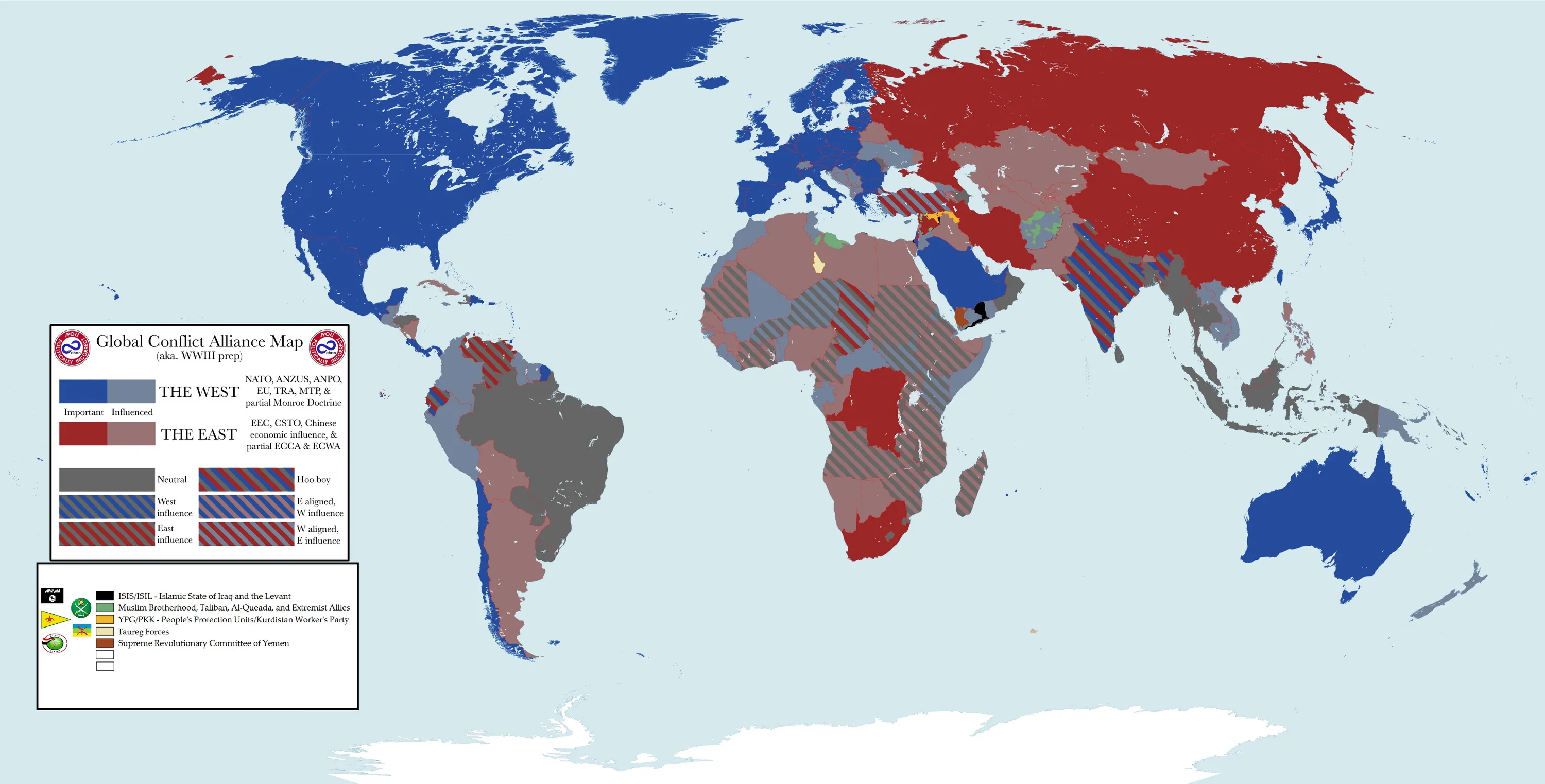
Well, being part of things has its perks:
Access to trade
Stable finances
Being taken seriously in talks with other countries
A growing bank balance
If you break the rules too often, you risk being cut off, things getting unstable, or messing up your funds. Even big, strong countries have to think about what ignoring the rules will cost them in the long run.
Rules stick around not because they're perfectly enforced, but because working together is usually easier than dealing with a mess.
The world isn't governed just by laws or might but by finding a middle ground.
Laws give things shape. Might makes sure people listen.
When they match, rules stick. When they don’t, it's hard to get things done, and what happens depends more on who has the upper hand.
Knowing this helps explain why:
Some rule-breaking gets everyone riled up.
Other times, nobody cares.
It seems like rules are applied randomly.
It's not a mistake, it's how things were planned.
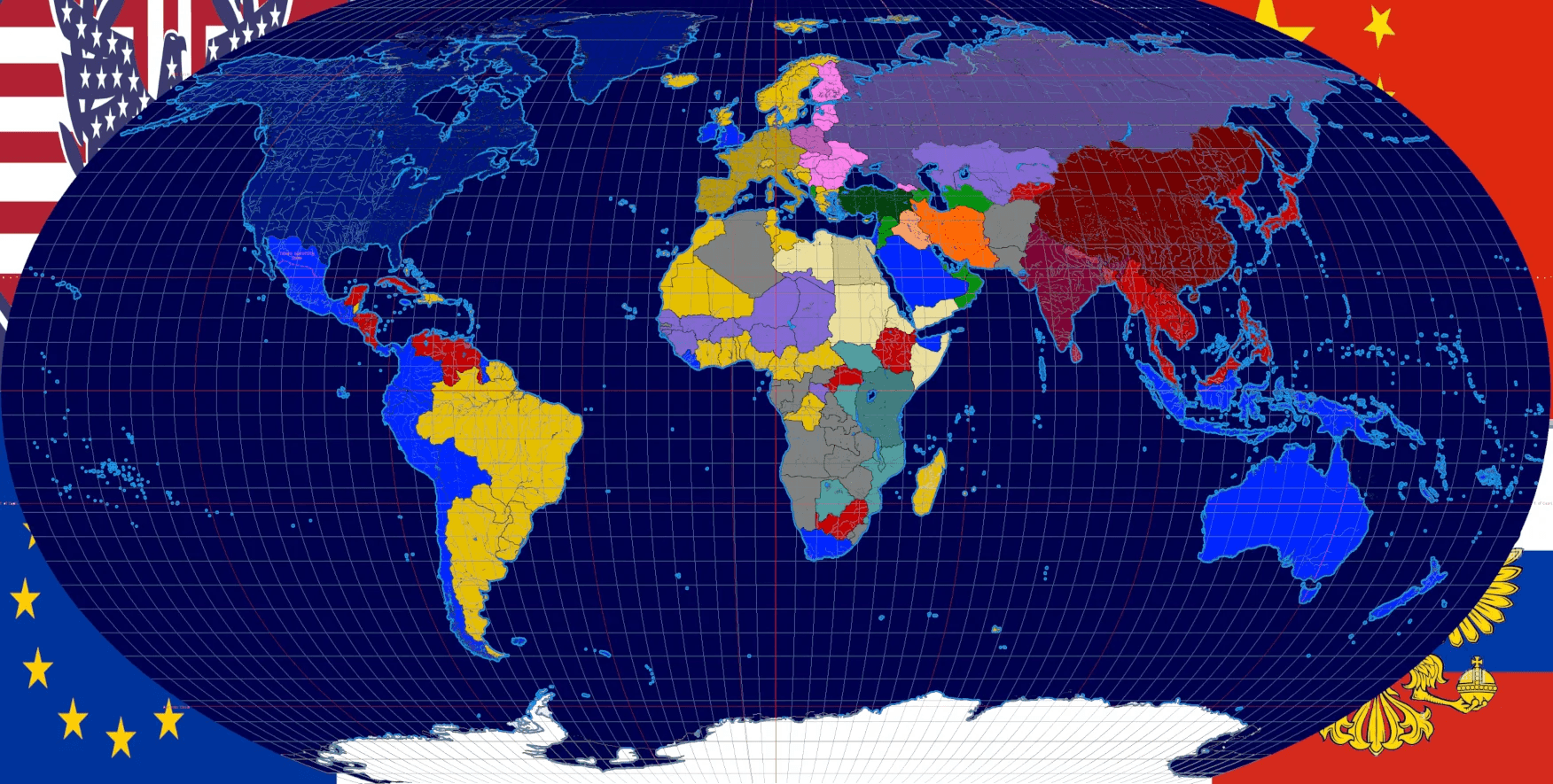
The way the world is going, power is getting split up more and more. This means getting people to follow the rules will be tough.
Expect future global rules to come with:
Enforcement that's done by regions
Using the economy to put pressure on others instead of fighting
Different legal systems that don't always agree
Reaching agreements will take longer
The days of everyone following the rules are almost over. Now, it's becoming all about picking and choosing which rules to enforce.
Global rules pretty much lay out what we expect from each other—how we act and work together. But just having rules isn't enough to keep everything in line. Power decides who gets to make sure everyone plays by them.
Influence decides what happens if you screw up. And if people think the rules are fair, they're more likely to stick around and follow them.
So, if you want to know how the world really works, pay attention to who enforces the rules and who gets away with breaking them.
Through treaties, agreements, and international institutions involving multiple countries.
Yes, but enforcement depends on cooperation and power rather than a global authority.
Sanctions pressure countries economically or politically to follow global rules.
Enforcement comes from powerful nations, alliances, and economic institutions.
Because enforcement is limited by power, influence, and geopolitical interests.