

Sports
Jan 28, 2026
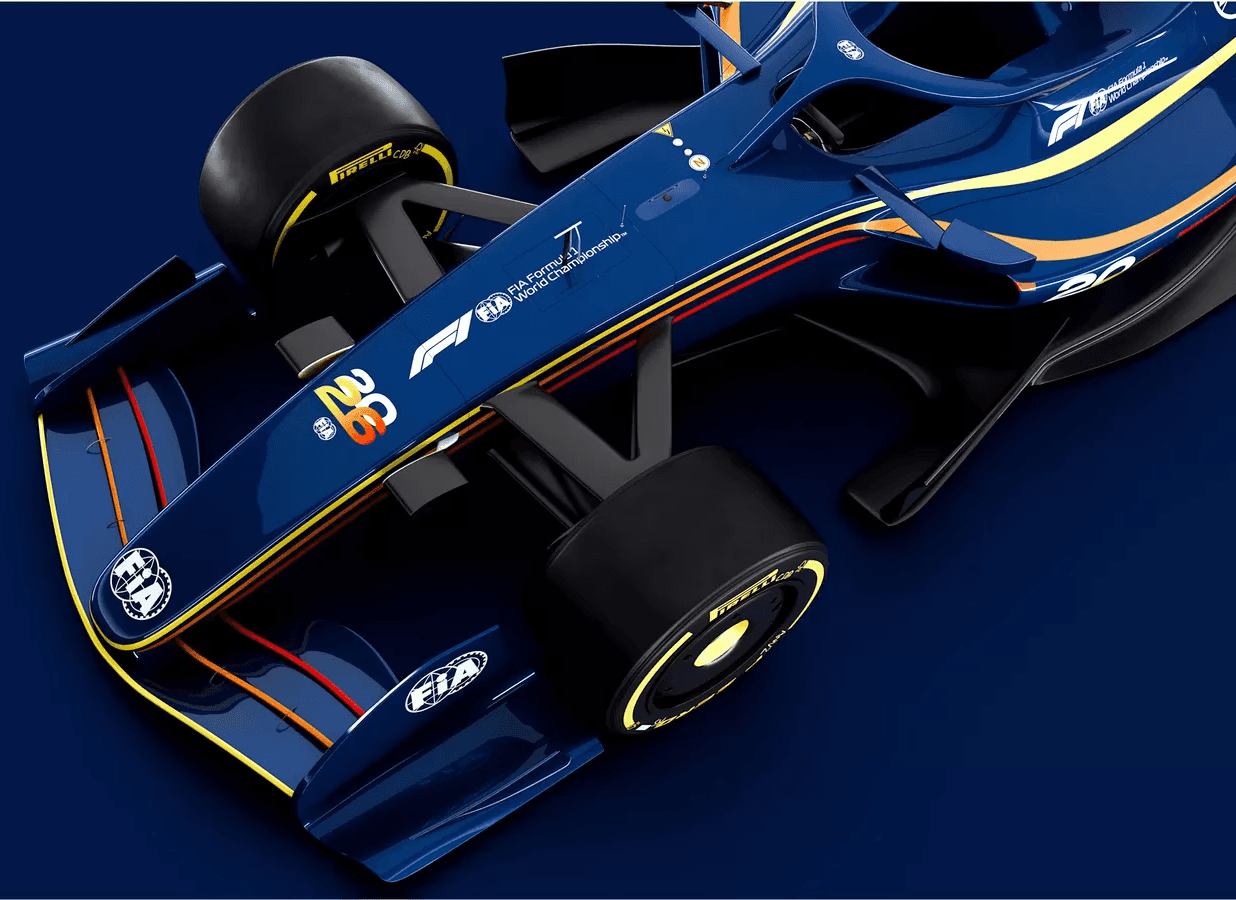
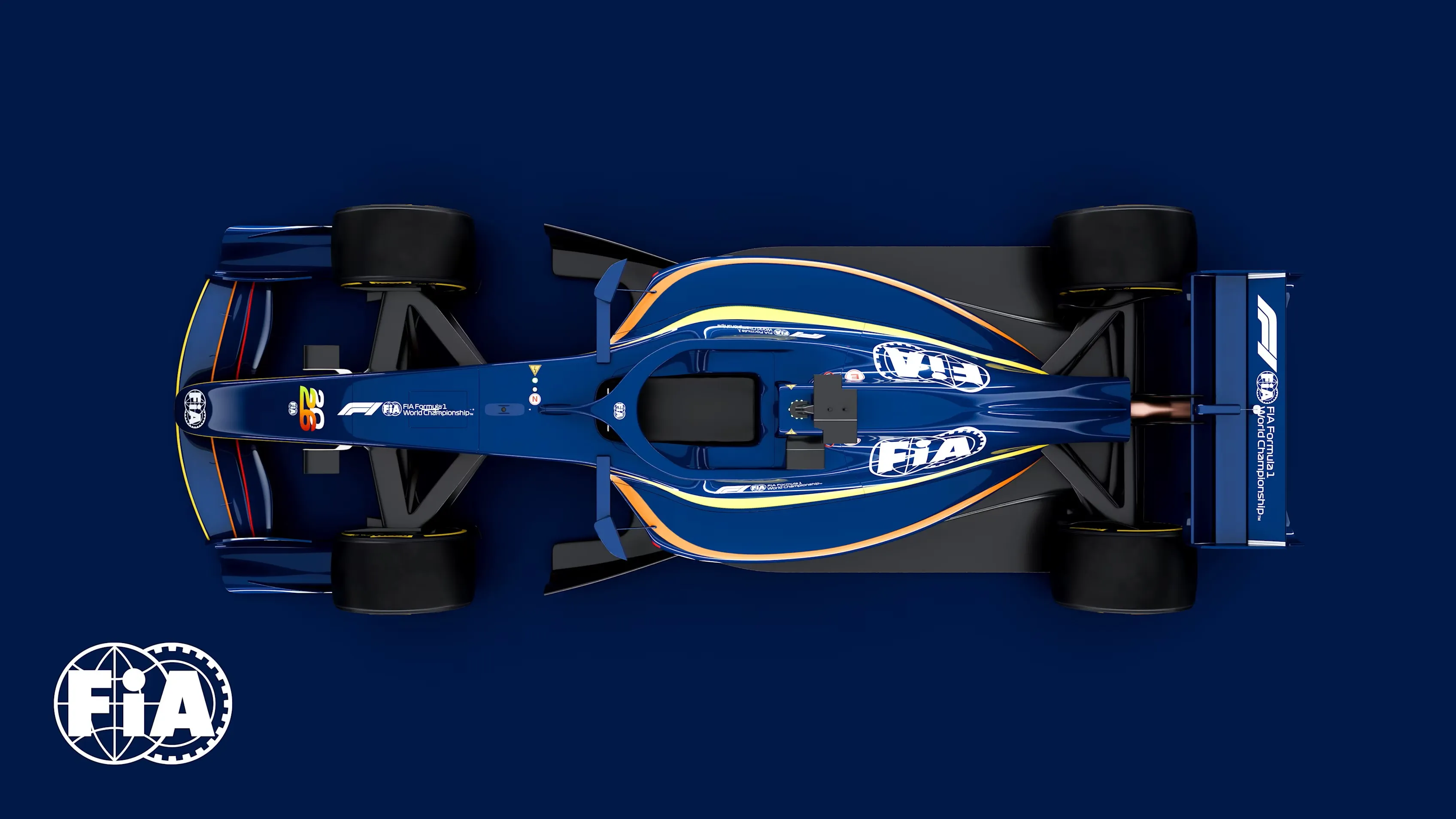
FIA reveals Formula 1 2026 rules. Learn how lighter cars, active aerodynamics, new hybrid power units, and sustainable fuels will reshape F1 racing. Photo by: F1
Formula 1 is about to get its biggest tech makeover in over ten years. The FIA's new rules for 2026 are official and are all about tighter races, where driver skill matters most, and a bigger push for sustainability. All while keeping the speed and excitement that fans love.
If you're a fan in the US between 14 and 25, these changes will really change how you see races, how drivers compete, and which teams come out on top in the years ahead.
Here’s a straightforward breakdown of the 2026 F1 rules, sticking to the facts. No guessing or hype.
The newest F1 cars are fast, but folks are worried about their weight, size, and how hard it is to pass other cars. Because of this, the FIA is planning a big reset for 2026 to:
Make racing closer and more exciting
Cut down on car weight and size
Use tech that's more like what you see in regular cars
Keep current car makers happy and get new ones interested
The World Motor Sport Council should approve these rules on June 28, 2024.
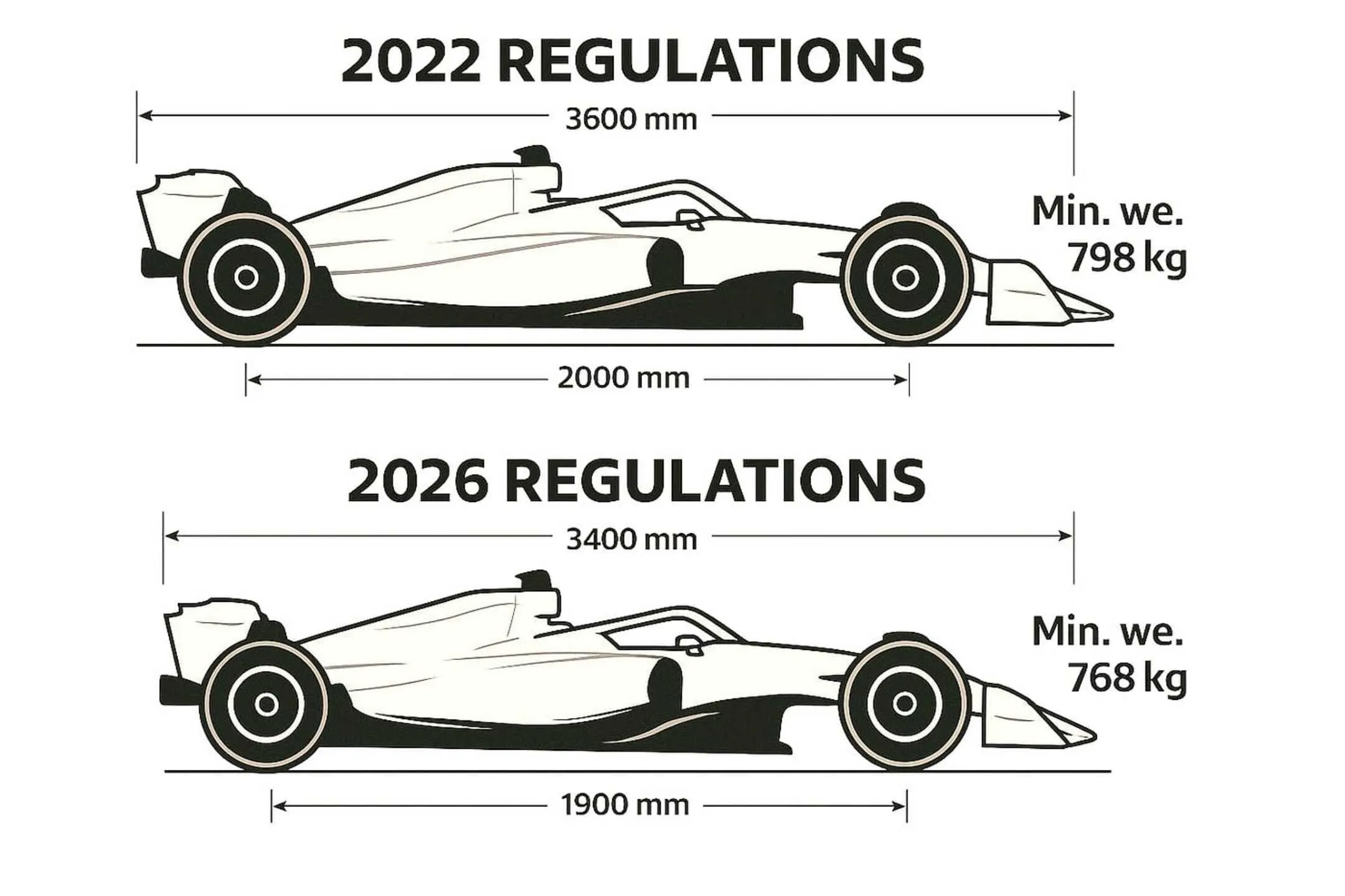
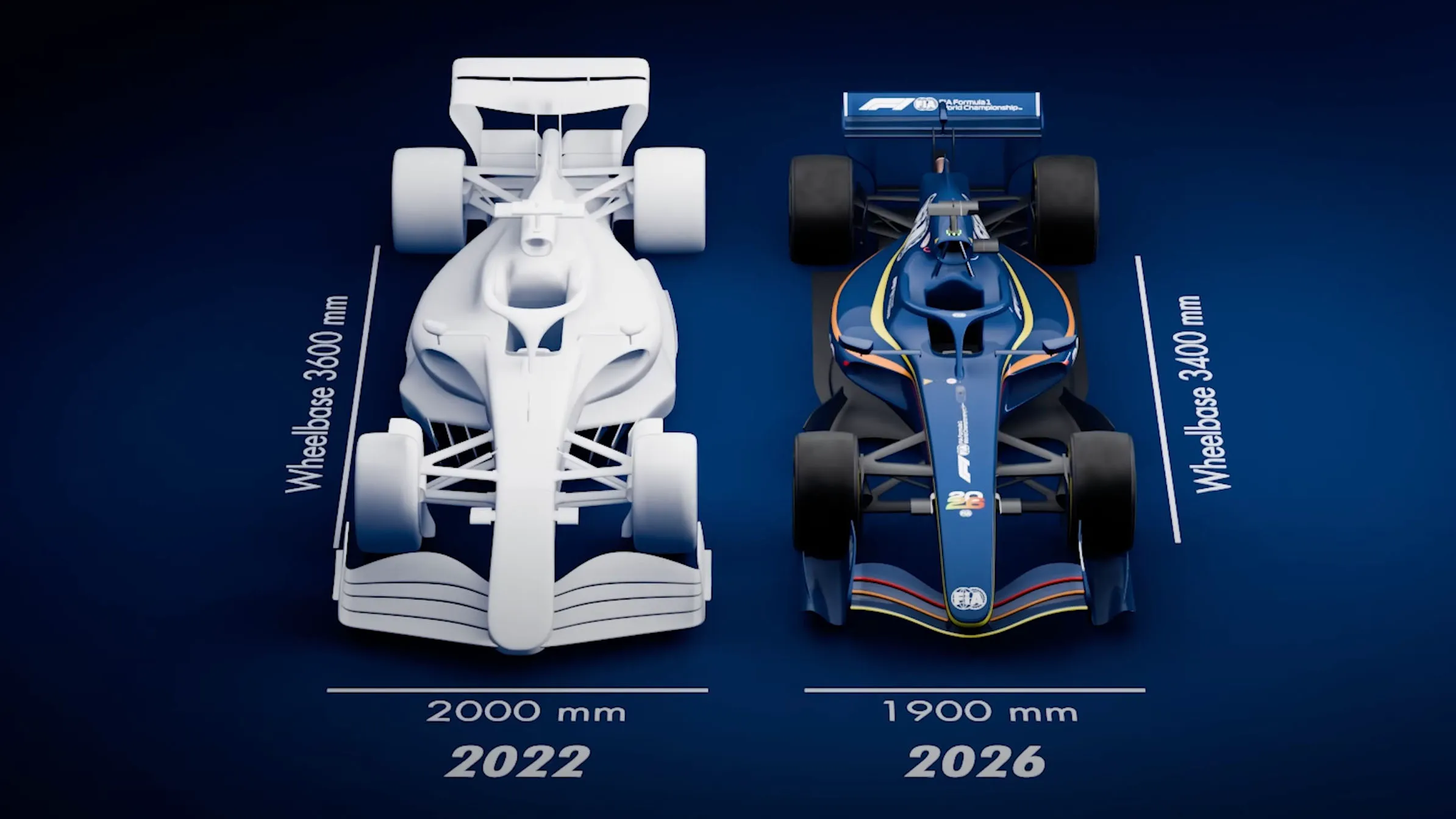
One big change coming in 2026 is how big and heavy cars will be.
Area | 2026 Regulation |
|---|---|
Minimum weight | 768 kg (30 kg lighter) |
Maximum wheelbase | Reduced by 200 mm |
Car width | Reduced by 100 mm |
Downforce | ~30% reduction |
Drag | ~55% reduction |
We're aiming for cars that respond quicker, stick to the track better, and put driver talent first, not just downforce.
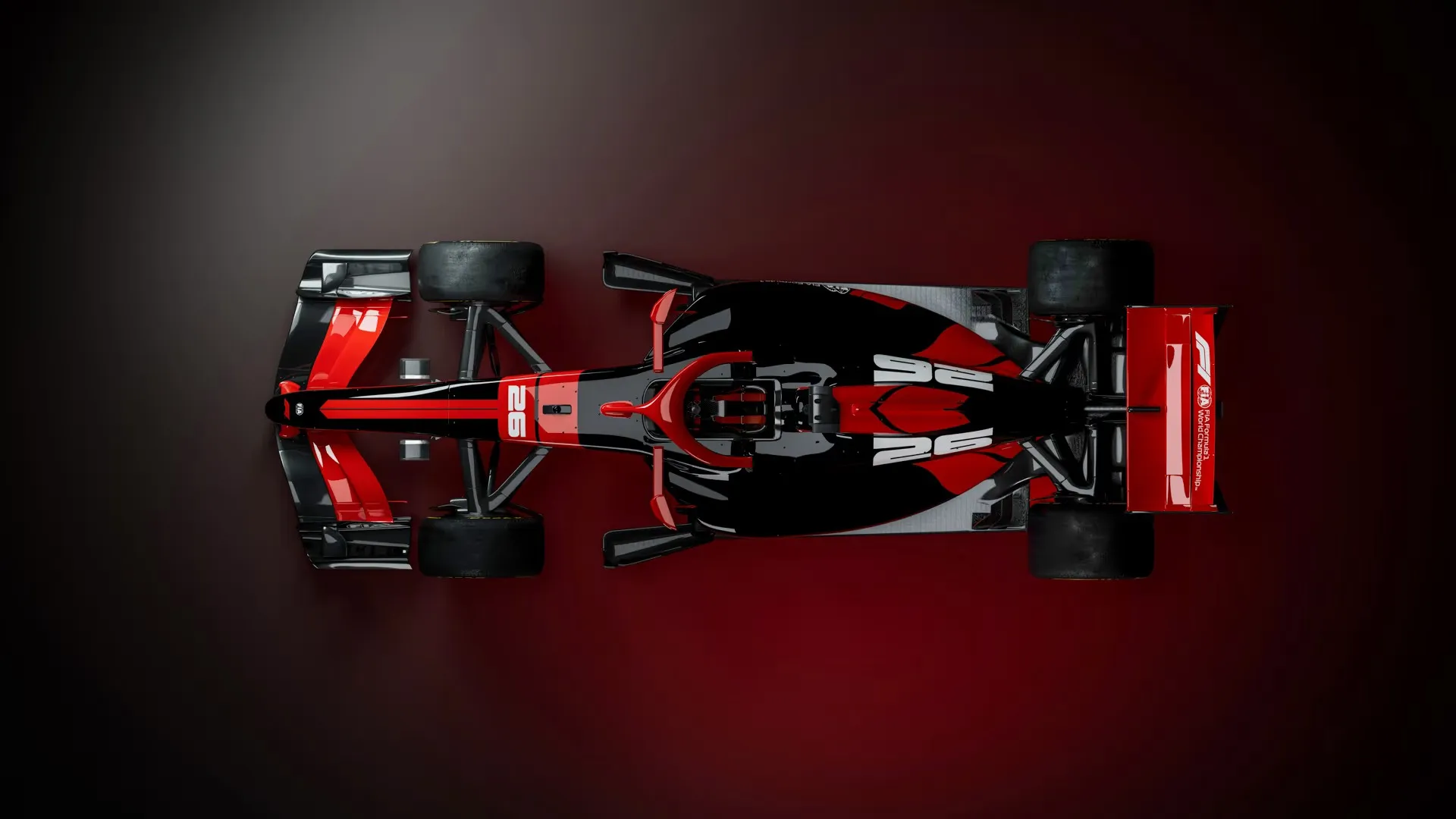
Active aerodynamics are set to be a key part of Formula 1, marking a first for the sport in recent times.
Cars will have two settings:
High-downforce for turns
Low-drag for straightaways
Adjustable front and rear wings will change automatically in certain areas, letting cars:
Cut drag on straight sections
Stay closer together when turning
The goal is to move away from just using standard aero.
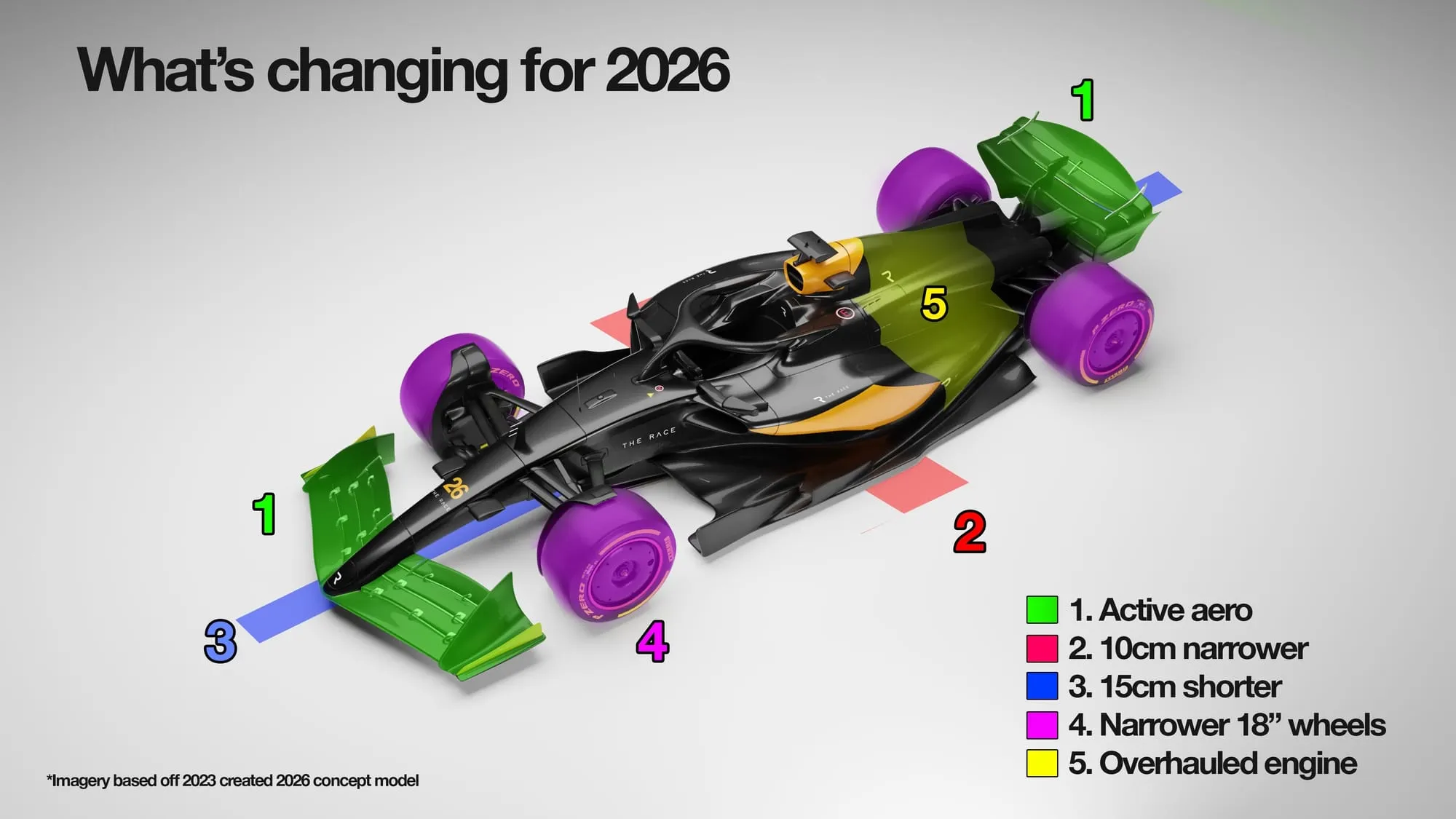
The 2026 regulations bring in a Manual Override system. It gives drivers a quick boost of electric power when they're close behind another car (within one second).
How it's different from the current DRS:
It uses battery power, not just the wing.
It values smart energy use and timing.
It's meant to make passing other cars feel more real.
With this change, racing puts more weight on the driver's skill.
The 2026 power unit rules are a big change.
Component | Change |
|---|---|
ICE output | Reduced |
Electric output | Increased to 350 kW |
Hybrid split | ~50% electric / 50% combustion |
Energy recovery | Doubled to 8.5 MJ per lap |
Fuel | Fully sustainable |
The hybrid system's maximum power decreases from about 550 kW to about 400 kW, but the electric power contribution goes up by almost 300%. This shift brings F1 tech closer to what we'll see in everyday cars.
Sustainability isn't just an afterthought anymore.
Starting in 2026:
All cars will use better, sustainable fuels.
Engines will be more energy efficient.
The rules help F1 reach its goal of Net Zero Carbon by 2030.
These changes are a big reason why six engine makers have committed to the sport under the new rules.
Even though cars are lighter now, safety is still getting better.
Here are some key improvements:
Front end built to absorb impacts in two stages
Tougher protection from side crashes
Better shielding for the driver and fuel tank
The FIA wants to make it clear that making cars faster hasn't come at the cost of safety.
The 2026 rules aim to provide:
Tighter races
More passing
Smaller, quicker cars
More varied strategies
The races should be more intense, faster, and easier to keep up with, especially for younger fans.
The biggest changes are lighter cars, active aerodynamics, a new hybrid engine, and fuels that are better for the environment.
They might have the same top speeds, but expect the cars to be quicker and handle better when racing side-by-side.
We'll still have DRS-like zones, but passing will depend more on how drivers use battery power.
It's about being greener and keeping up with what's happening in the car industry.
The new rules start with the 2026 Formula 1 season.
The 2026 Formula 1 rules are a fresh start with some give and take. Cars will be lighter, aerodynamics will be smarter, power will be cleaner, and racing should be tighter. The FIA isn't trying to make F1 slower; instead, they're betting that being quick, using resources well, and driver talent will shape the future of the sport.