Sports
Jan 28, 2026
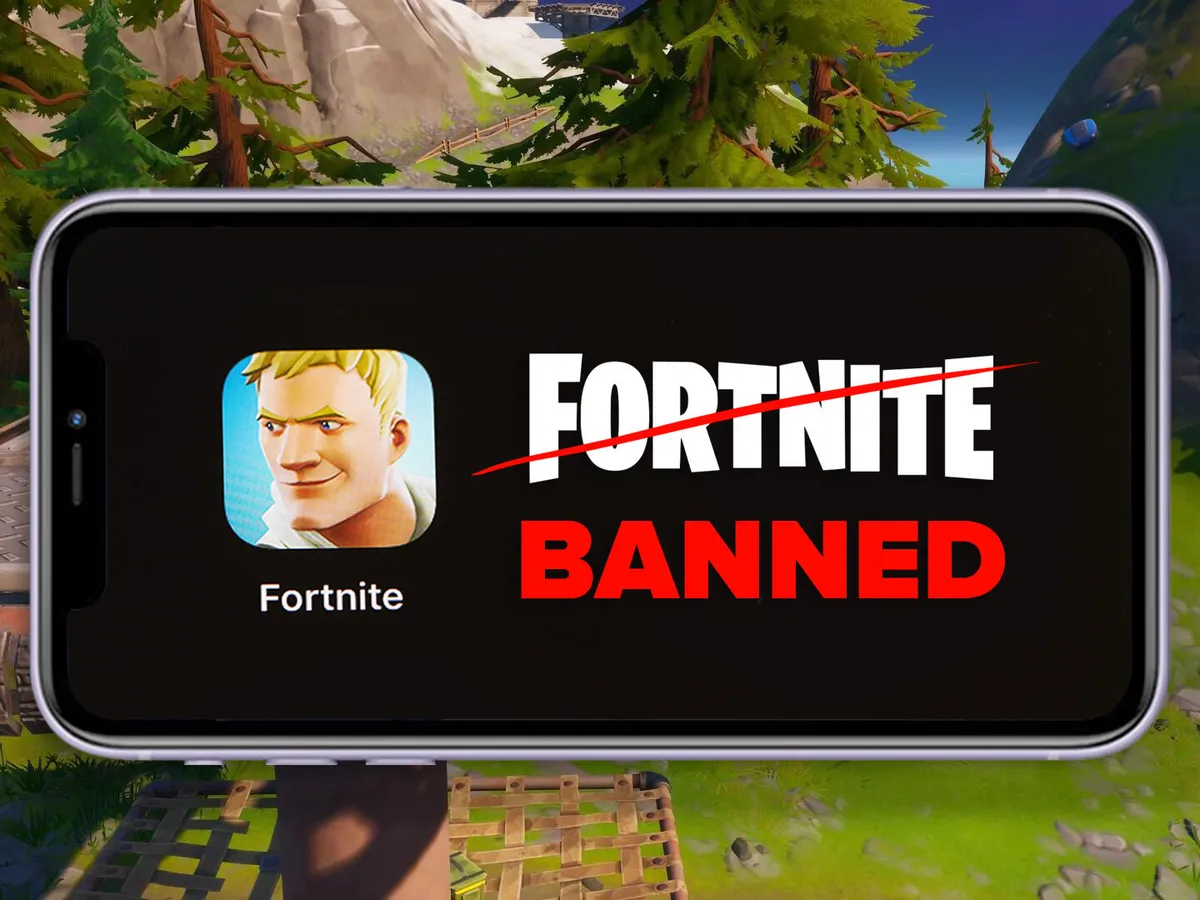
From FaZe Jarvis to competitive pros, these are the biggest Fortnite bans ever issued by Epic Games and why they permanently changed Fortnite esports. Photo by: CNET
Since its huge jump in popularity in 2017, Fortnite has created one of the biggest competitive scenes in gaming. With tons of players and millions of dollars up for grabs, keeping the rules in check has always been a priority.
Epic Games has been upfront about this from the get-go:
No player is bigger than the rules.
Looking back, some Fortnite bans have been so huge and so public that they changed what players, esports pros, and content creators expect from the game.
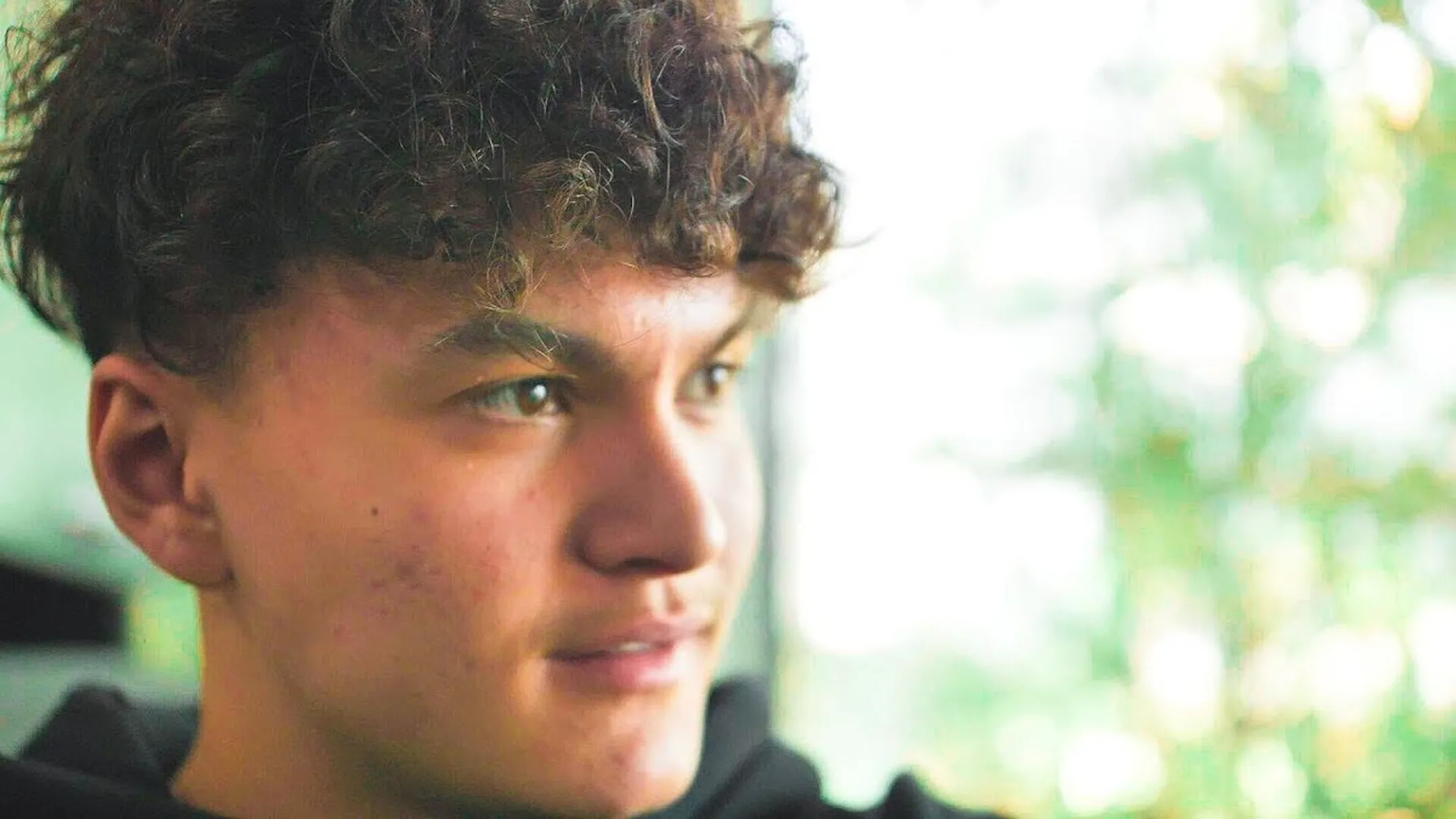
FaZe Jarvis's Fortnite ban is probably the most well-known one out there.
I uploaded a video where I used aimbot cheats.
I said it was just for fun.
I only cheated in regular games, not in tournaments.
Epic Games responded with an immediate permanent ban.
A well-known creator just got their first major permanent ban.
This sends a clear message that some actions won't be tolerated.
The ban has people all over the world talking about whether the punishment fits the crime.
“We have a zero tolerance policy for cheating.”
- Epic Games statement
Jarvis's career never bounced back, and he's still banned now.
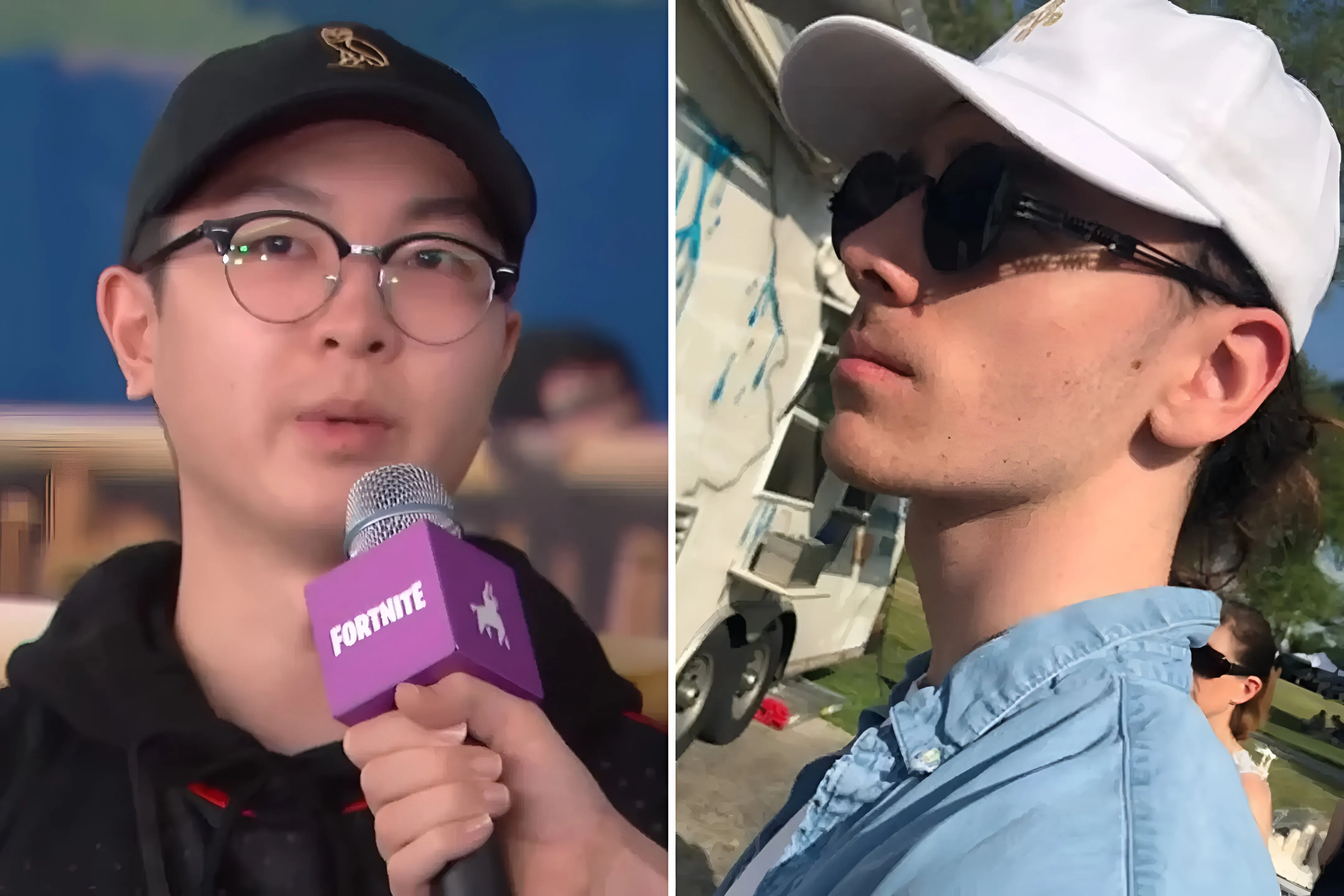
This ban really changed things in the Fortnite competition scene.
Players worked together to get rid of opponents.
They cheated in World Cup qualifying matches.
This gave them an unfair edge in getting qualified.
Banned them from competing for 14 days.
Took away their chance to win prize money.
Spoke out against what they did.
Happened during World Cup qualifying matches.
Put the fairness of the competition at risk.
Made Epic tighten up their rules against players working together to cheat.
Even though the ban didn't last forever, it hurt the players' reputations for good.
After Jarvis's Fortnite cheating incident, FaZe creators faced more attention, even though they weren't banned for the same thing.
Epic started to:
Watch popular creators more closely.
Check out questionable gameplay clips.
Issue bans quicker and make them public.
Jarvis's situation changed how they handled things.
Epic has permanently banned hundreds of competitive players. These bans include:
Hardware bans
IP bans
Lifetime bans from tournaments
Cheating with aimbots or wallhacks
Sharing accounts with others
Messing with tournaments
Abusing exploits in the game
Many players disappeared without notice, unlike public creators. This had a huge impact on fair competition.
Epic has taken down whole networks that were offering boosting services.
Skilled players using low-level accounts.
Selling spots in tournaments.
Playing below your actual rank in competitive modes.
Multi-account bans
Prize revocations
Lifetime competitive disqualification
These bans showed why owning your account is important.
Some lesser-known streamers got banned for things like:
Stream sniping (going after other players in the game while streaming)
Using unauthorized software
Openly taking advantage of glitches while live
Epic usually uses video proof from the streams themselves when banning people.
Epic has also banned players for:
Storm bugs
Invincibility glitches
Map clipping
Epic had the final word, even when there were glitches.
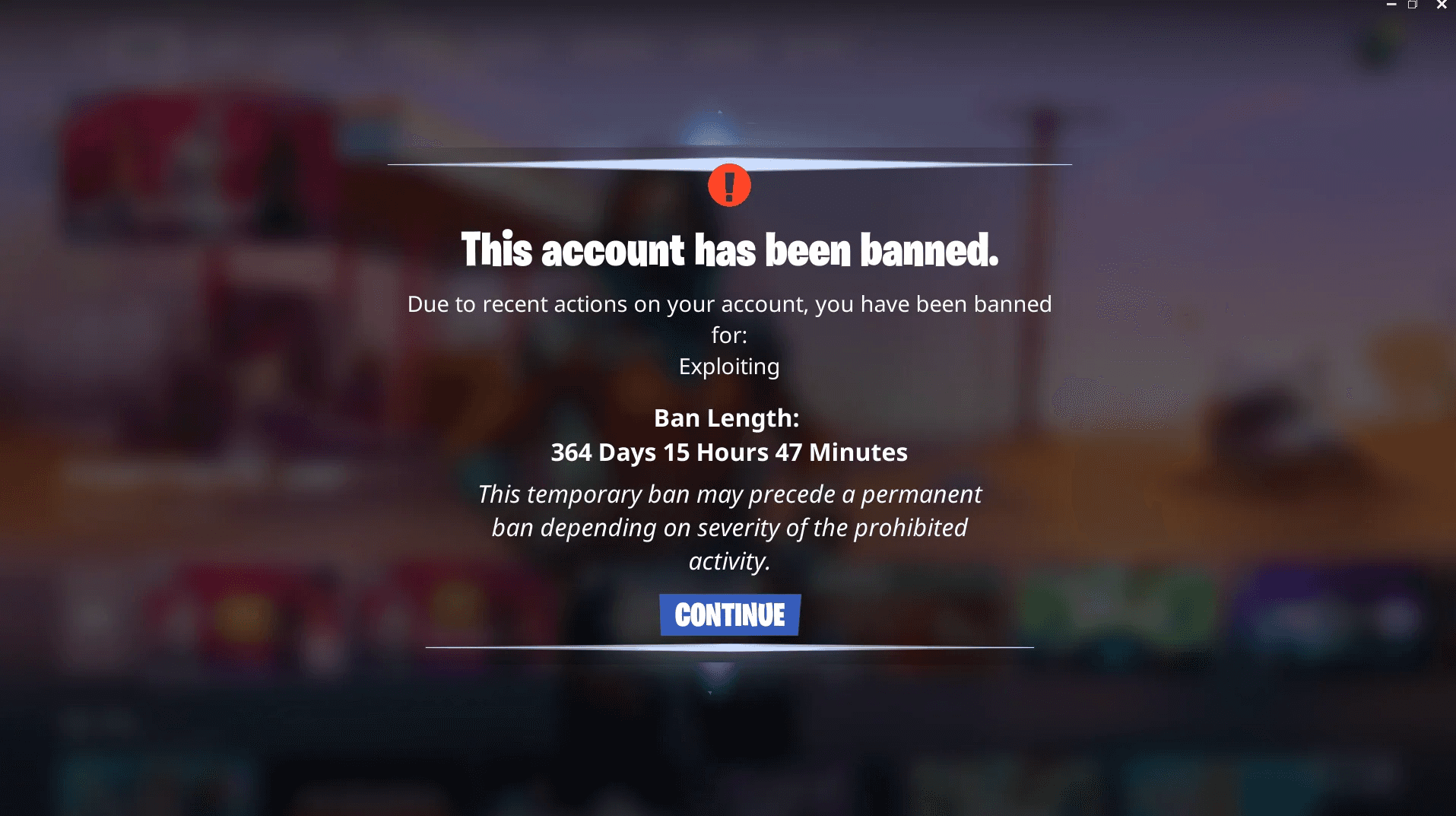
Knowingly abusing exploits is cheating.
These bans make it clear that players are responsible for their actions.
Epic Games has strict bans for three key reasons:
Keeping things fair.
In esports, contests must be fair.
Influencer Responsibility
Big creators have a huge impact on players.
Protecting prizes and staying legal.
Big money tournaments rely on trust.
Ban Type | Duration | Typical Reason |
|---|---|---|
Temporary | Days to weeks | Rule violations, collusion |
Competitive-only | Season-long | Tournament abuse |
Permanent | Lifetime | Cheating software, repeat offenses |
HWID/IP | Permanent | Circumventing previous bans |
FaZe Jarvis's lifetime ban is still the most well-known.
Epic might lift bans, but it's not likely.
They usually only reverse them if:
There was a mistake in their system.
They banned you by mistake.
Your account was hacked.
Don't expect a public apology to get you unbanned.
With these changes:
Content creators stopped trying to game the system.
Pro players started being more careful with exploits.
Tournament rules got a lot clearer.
Anti-cheat updates started coming out faster.
Fortnite is now one of the most strict esports when it comes to enforcing the rules.
Player | Reason | Ban Type |
|---|---|---|
FaZe Jarvis | Aimbot cheating | Permanent |
Xxif | Collusion | Competitive ban |
Ronaldo | Collusion | Competitive ban |
Various pros | Cheats/exploits | Permanent |
Boosting rings | Account abuse | Multi-account bans |
The biggest Fortnite bans ever show one thing:
Skill and fame do not protect you from consequences.
Epic Games has always cared more about doing what's right than being popular, even if it means banning famous players.
These choices have really shaped how people compete in Fortnite. They've also taught the gaming world some valuable lessons, as some bans have become permanent reminders for players to follow the rules.
In Fortnite, the rules matter, and as we've seen, messing up can cost you everything fast.