
Gaming
Jan 23, 2026
Fortnite viewership has fallen and players report many bugs. This simple breakdown explains what’s causing the drop, the game issues players face, how developers can fix them, fan reactions, and the market effects. Sources from Epic, Reddit, Twitch and news are cited. Photo by: Epic Games
Recently, Fortnite viewership on Twitch and YouTube has fallen from past peaks. Platforms like Twitch recorded lower hours watched in mid-2025, and Fortnite’s tournament FNCS saw big drops between Majors.
This fall is real: streaming view numbers and some esports peaks are lower than they were a few years ago.
The reasons are many competition from other games, platform-wide dips in viewership, and game-specific problems that turn players away.
“Servers keep kicking me out I can’t finish a match.” (Reddit user).
“I stopped watching FNCS live because the casts felt empty without top streamers.” (Twitch chat excerpt).
“Epic took half a day to start the mini season that’s rough.” (Reddit thread).
These short lines show the mood: frustration with server crashes, disappointment with esports broadcasts, and annoyance at slow developer responses.
Players and streamers have raised many problems that weaken the game’s appeal: repeated server outages, crashes on PC/UEFN, matchmaking failures, visual or gameplay glitches, and large numbers of minor bugs that add up to a poor experience.
A handful of high-profile outages (including regional cloud provider problems and an AWS incident) made matters worse.
Players also point to balance problems and changes that make the game feel less fun to watch or play. Community bug lists have thousands of items and even gained public recognition.
Several real causes overlap: first, scale and complexity. Fortnite is huge and has many systems (live events, cosmetics, cross-play, UEFN).
That makes testing and tuning harder. Second, cloud/provider issues big outages like AWS problems cause mass downtime that players notice.
Third, rapid updates and live events sometimes introduce new bugs faster than Epic can patch, and fourth, competition when big new games or events appear, viewers split.
Finally, streamer behavior (top creators moving to other games) reduces live audience draw.
When games crash or feel bugged, players stop streaming and watching. Streamers need stable gameplay and active viewer interest; if top creators play other games, fewer viewers tune in.
Esports events without key stars draw smaller crowds. Technical problems also make new players drop the game quickly.
The result is lower Twitch/YouTube view counts and smaller tournament numbers which we’ve seen in FNCS Major drops and Twitch’s lower hours watched.
Epic Games posts updates on its official news and status pages and sometimes thanks community bug reporters.

They acknowledge server problems and sometimes credit community bug lists (Epic thanked a player who shared 350+ issues).
Epic’s newsroom also shows continual updates and events, plus brief statements when outages happen. For transparency, Epic posts status and patch notes but not always a full explanation for long-lasting issues.
First, stabilize servers and add redundancy reduce single points of failure and improve monitoring.
Second, hotfix critical crashes fast: prioritize crashes and matchmaking errors over minor cosmetic changes.
Third, slow down risky updates: test bigger patches longer in staging before full release.
Fourth, communicate clearly: regular status updates and honest timelines rebuild trust.
Fifth, support content creators with incentives to bring streamers back to live events.
These fixes would help gameplay and restore audiences. Community-generated bug lists show exactly which small fixes would help most.
Short-term drops in viewership reduce sponsorship and ad revenue for tournaments and content creators. If fewer players are active, then in-game purchases like skins, passes may slow down, affecting and declining Epic’s overall revenue.
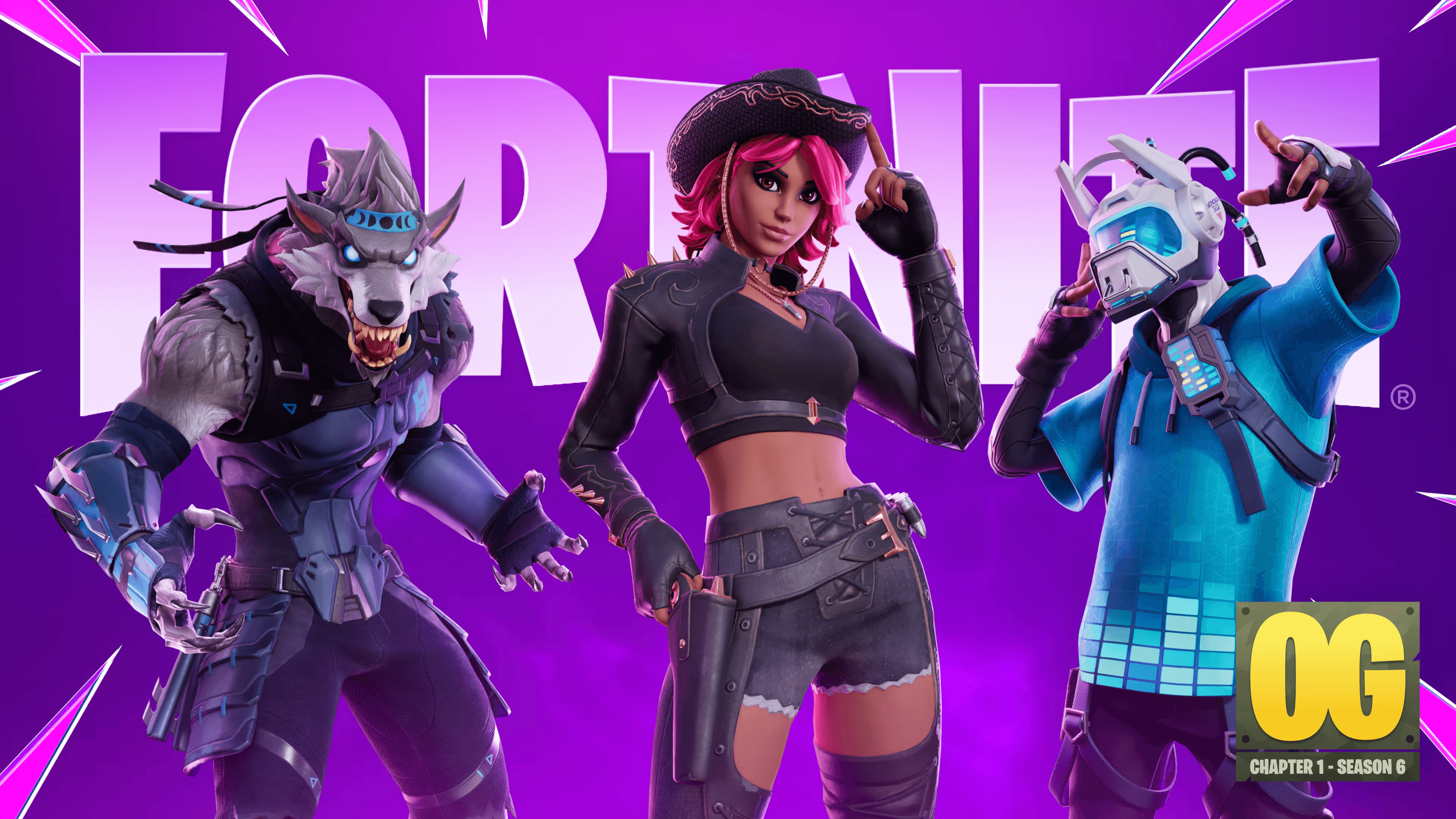
Markely, Epic is privately held, but investor and partner confidence can be affected publishers and brands watch audience sizes.
Broader platform issues like Twitch declines and AWS outages can also indirectly affect Fortnite’s business metrics.
However, Fortnite still has a massive user base and revenue history, so fixes to the game can bring the players back.
When Fortnite viewership drops, other games can fill this gap. Esports organizers and streamers shift to new titles, which thus reshapes the whole competitive calendar.
Also, publishers may delay or move launches to capture freed attention in 2025–2026 windows. On the flip side, big Fortnite events can still spike viewers if Epic coordinates well with streamers and fixes problems beforehand.
Yes. Fortnite has a huge player base, a solid revenue history, and active community builders. If Epic stabilizes their servers, prioritizes player-impacting fixes, improves communication, and also collaborates with the streamers, viewership can recover.
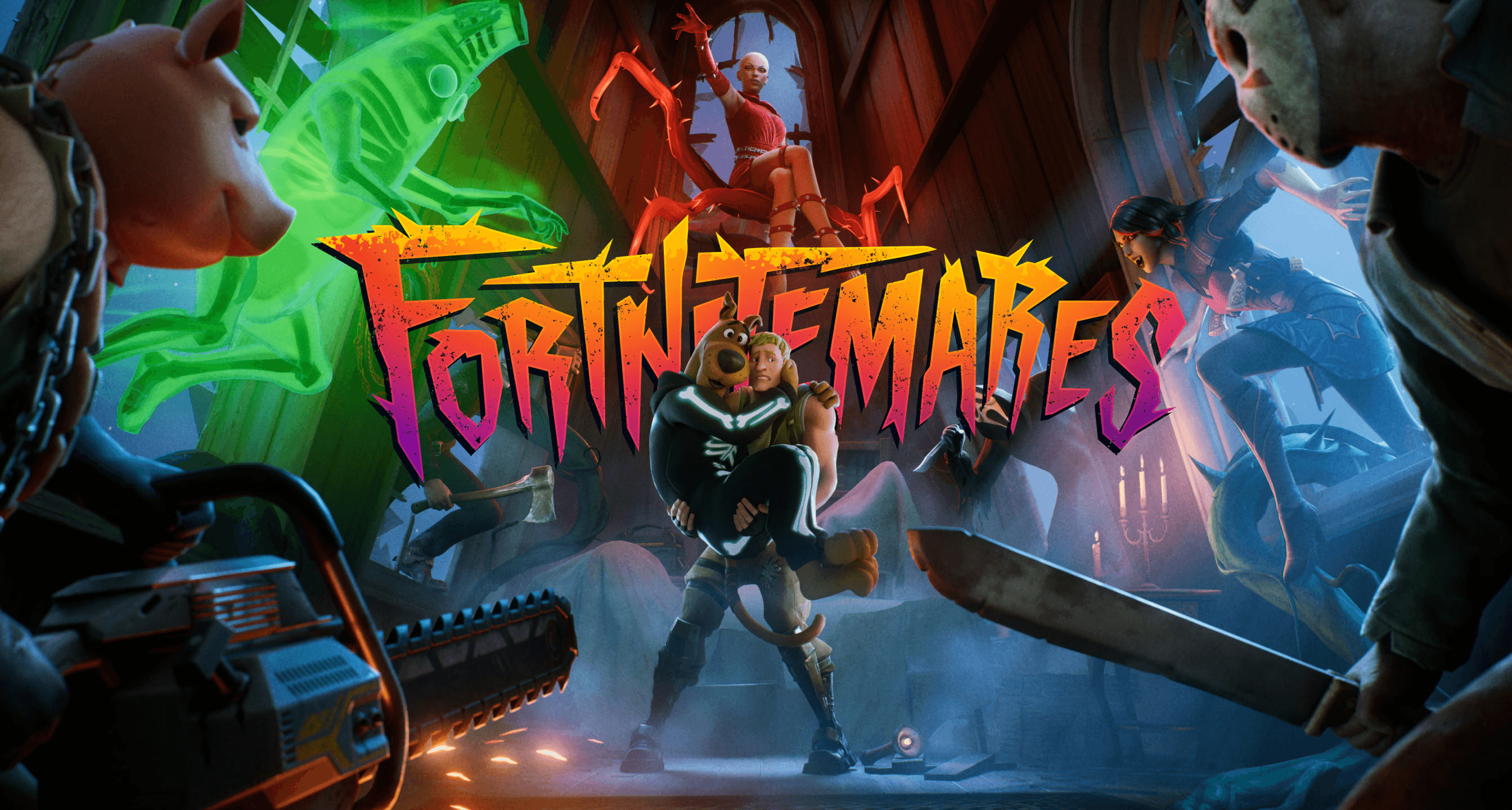
The path back is honest work: fix the basics, then focus on fresh, polished experiences that bring both players and streamers home. The community’s detailed bug lists are already a roadmap; Epic only needs to act on them.