Internet Culture
Jan 31, 2026
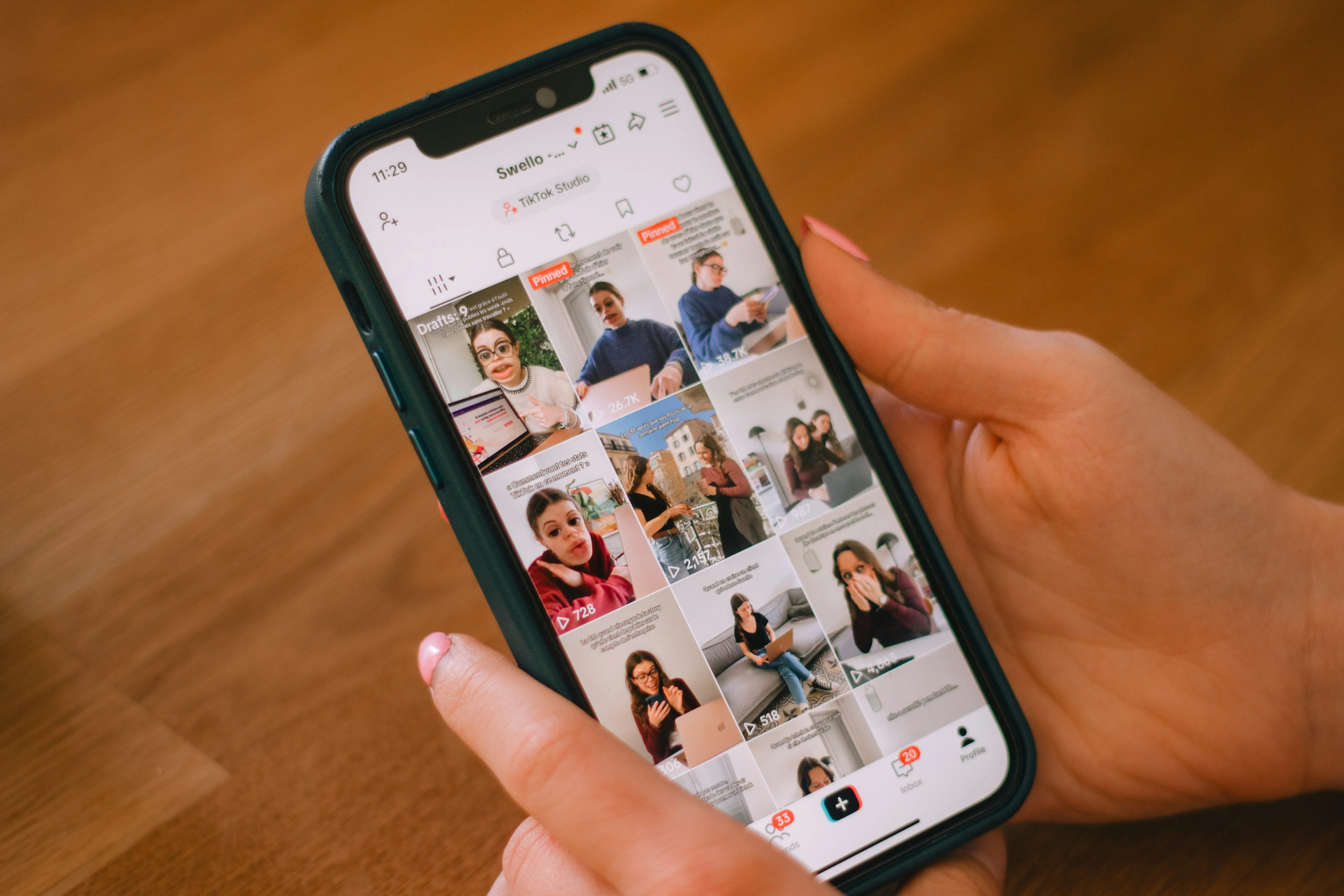
How online fandom culture influences creators, studios, and platforms. A clear look at how fan communities shape modern content creation. Photo by: Unsplash
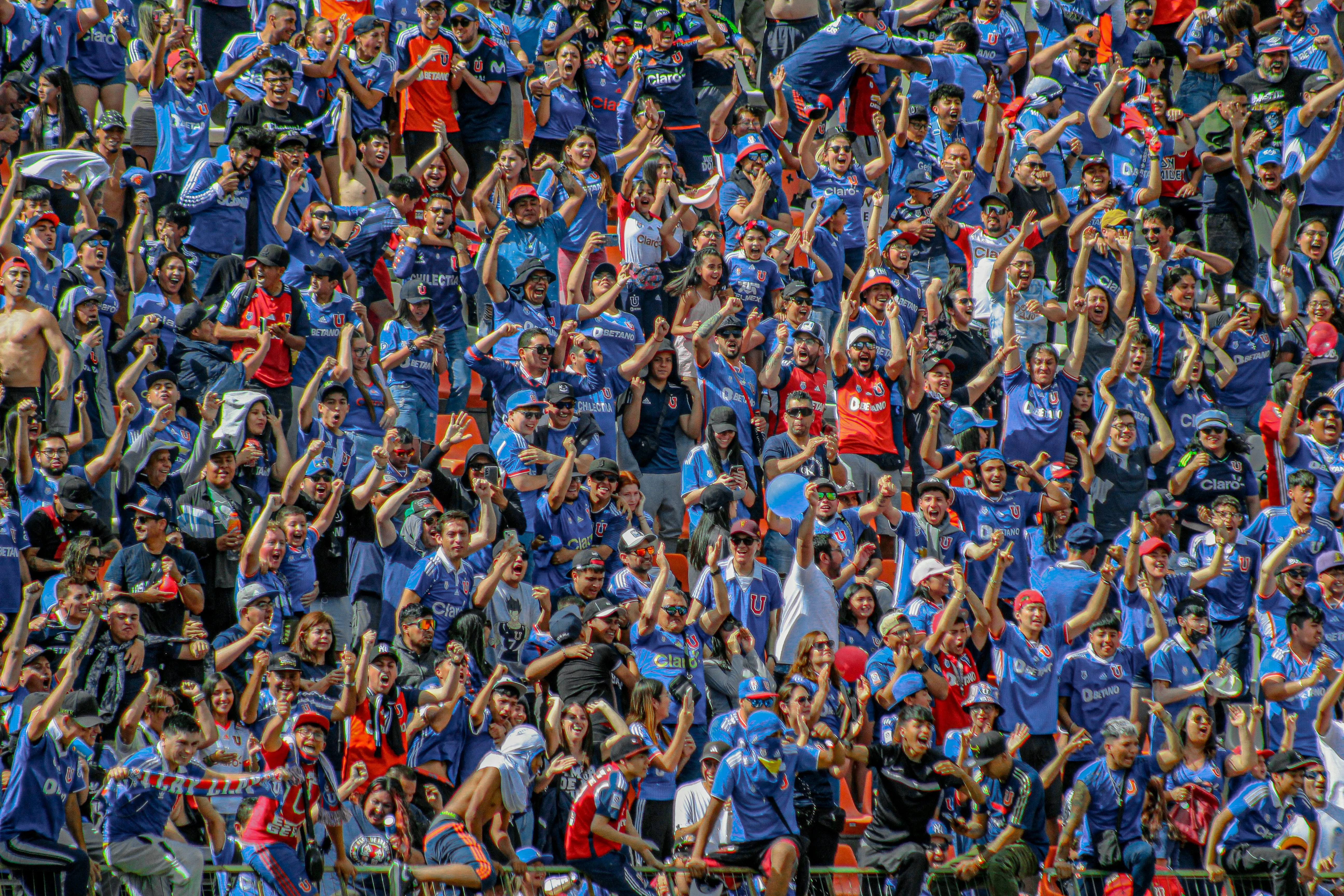
Fan communities do more than just watch content these days. Now, they have a real say in what's made, what gets popular, and what sticks around on digital platforms.
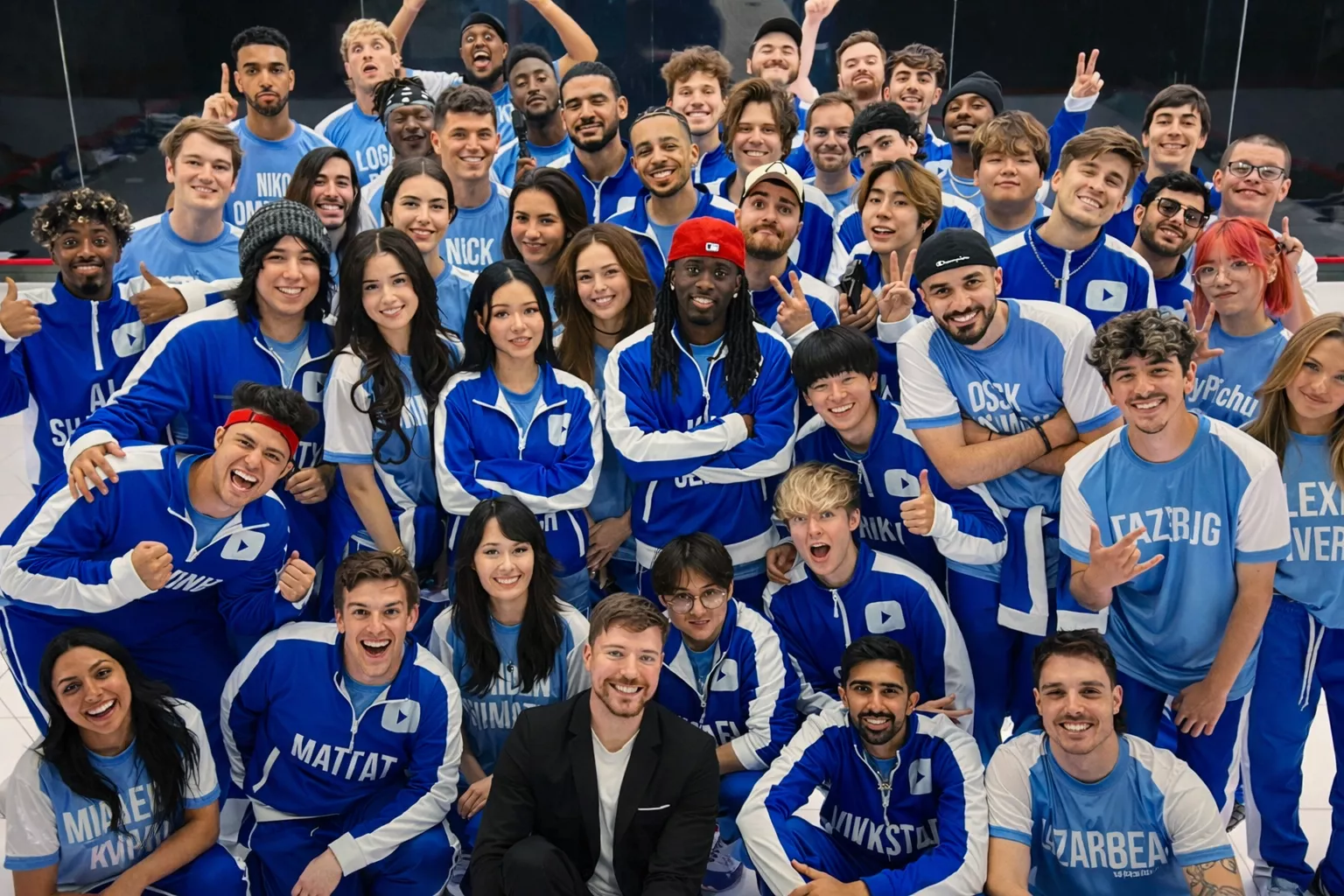
Fan groups aren't just about watching or playing; they're about discussing favorites, sharing opinions, spreading news, and influencing outcomes. Platforms like Reddit, Discord, YouTube, and TikTok have made these fandoms big and influential.
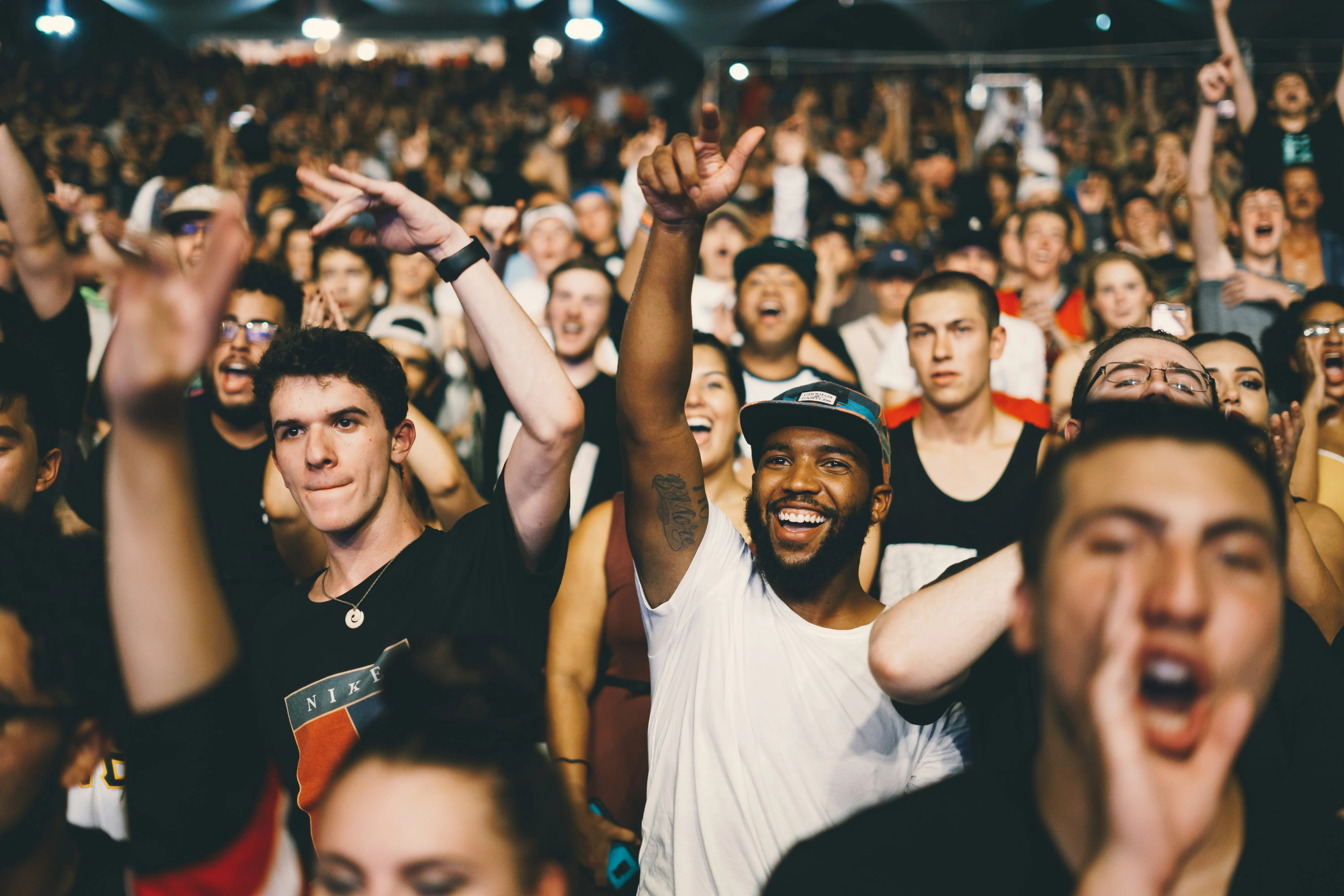
Things have changed from the days when media was just one-way. Now, fans can talk back.
Creators get instant feedback from:
Comments and reaction videos
Fan art, edits, and memes
Likes, shares, and how long people watch
The way things work online makes this engagement even more important. Active fandoms don't just show they're interested, they directly help with how many people see something, how far it reaches, and how much money it makes.
If creators or studios ignore what fans think, it can be bad for business.
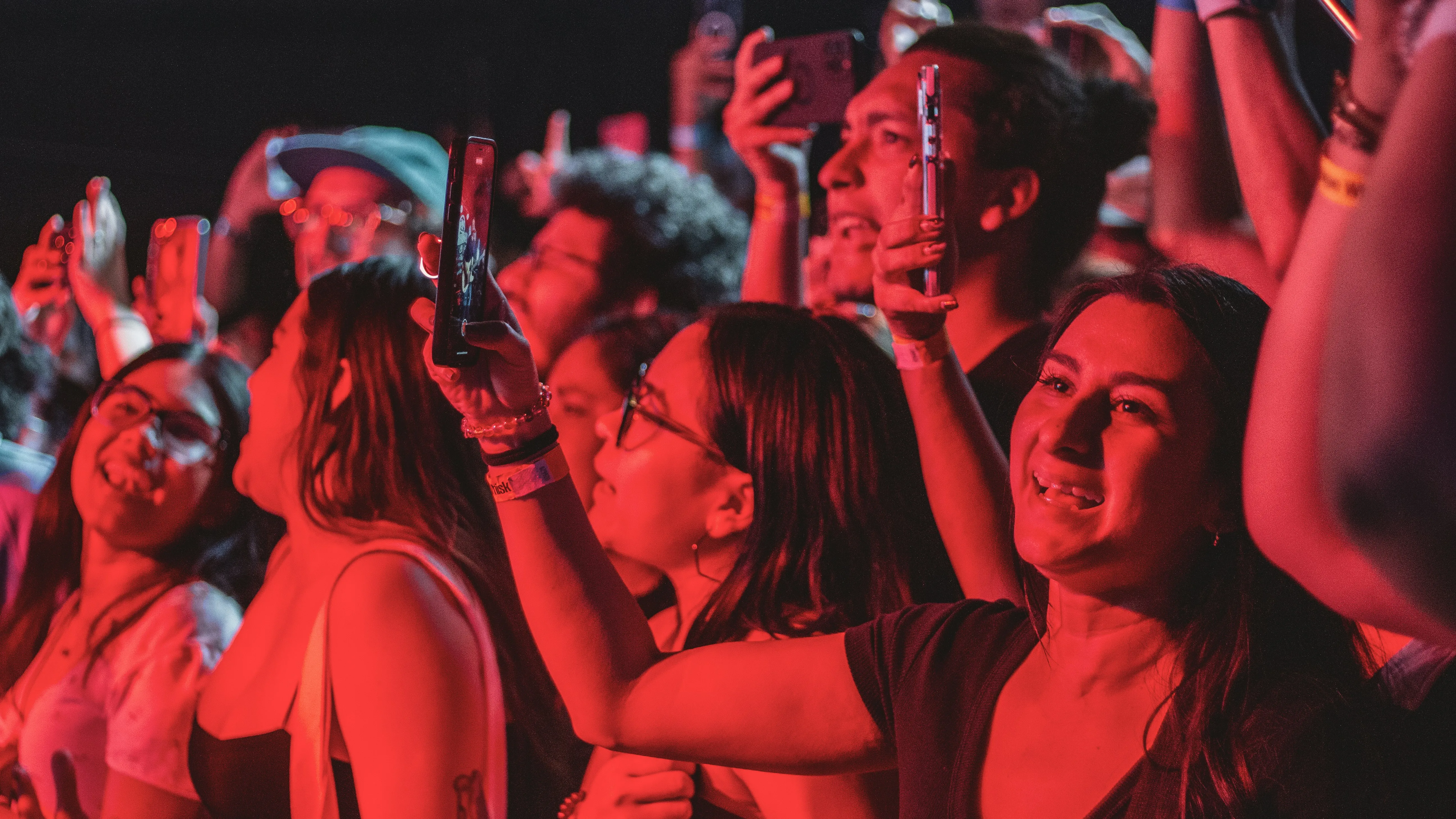
Fan communities change how content is made in some main ways.
Creators can quickly see what people like. If a character, something new, or a certain style does well, you might see it again. If something doesn't work, it might disappear.
If fans really want something, it can lead to:
Sequels or new stories
More episodes
More to the story or updates
These choices are more and more often based on how much fans are involved, not just old-fashioned focus groups.
Fans also speak out. If they don't like something about the story, how people are shown, or the quality, it can change what happens next, especially if lots of people feel the same way on different sites.
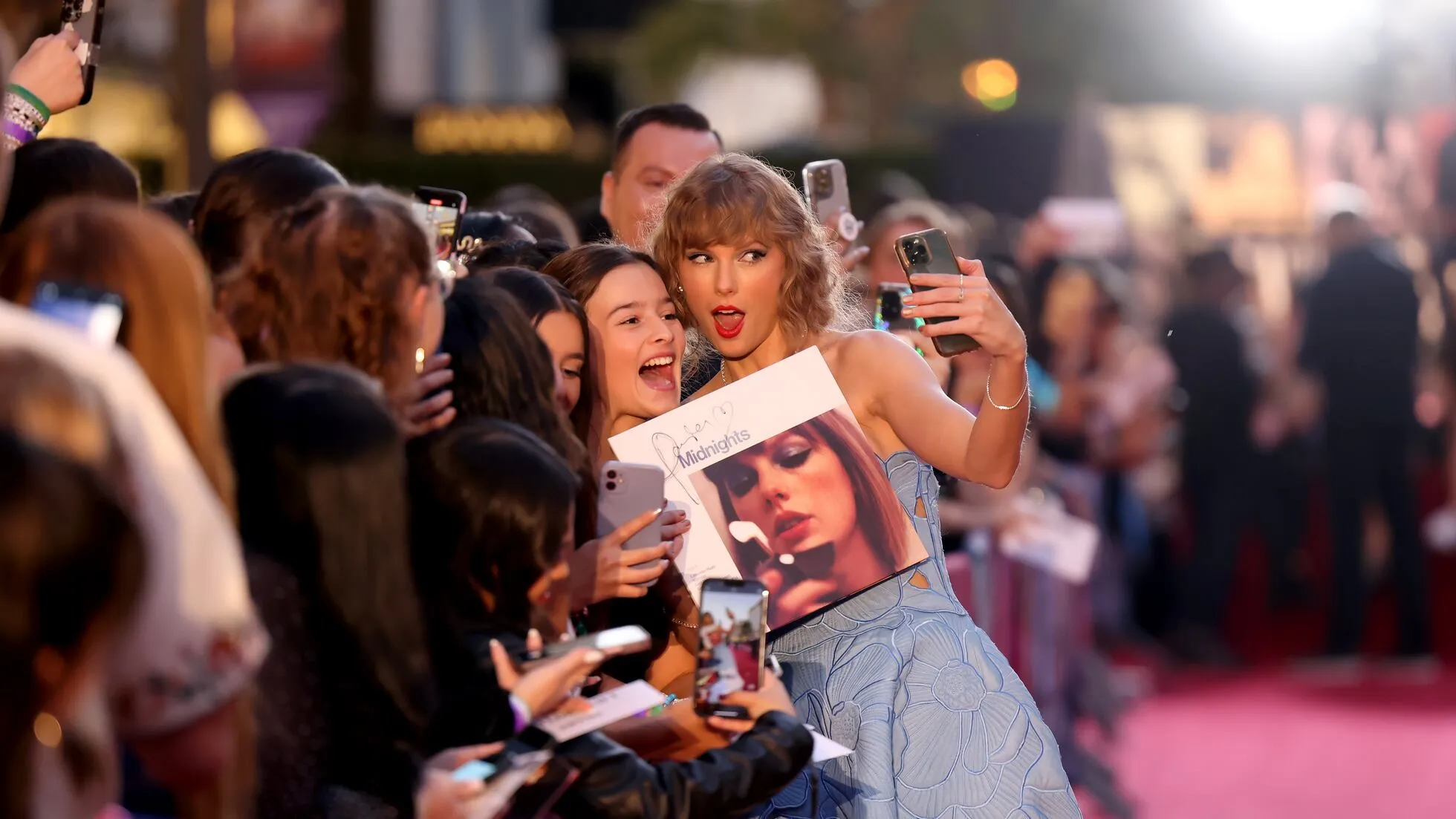
Today's fandoms are all about joining in, not just watching.
Creators now make content with their fans by:
Asking fans for ideas
Showing off what fans make
Talking back in videos or live streams
This makes fans more loyal and turns them into long-term supporters, not just people who watch once.
Especially for younger people, feeling included is as important as the content itself.
“Modern content isn’t just created for fans, it’s shaped with them.”
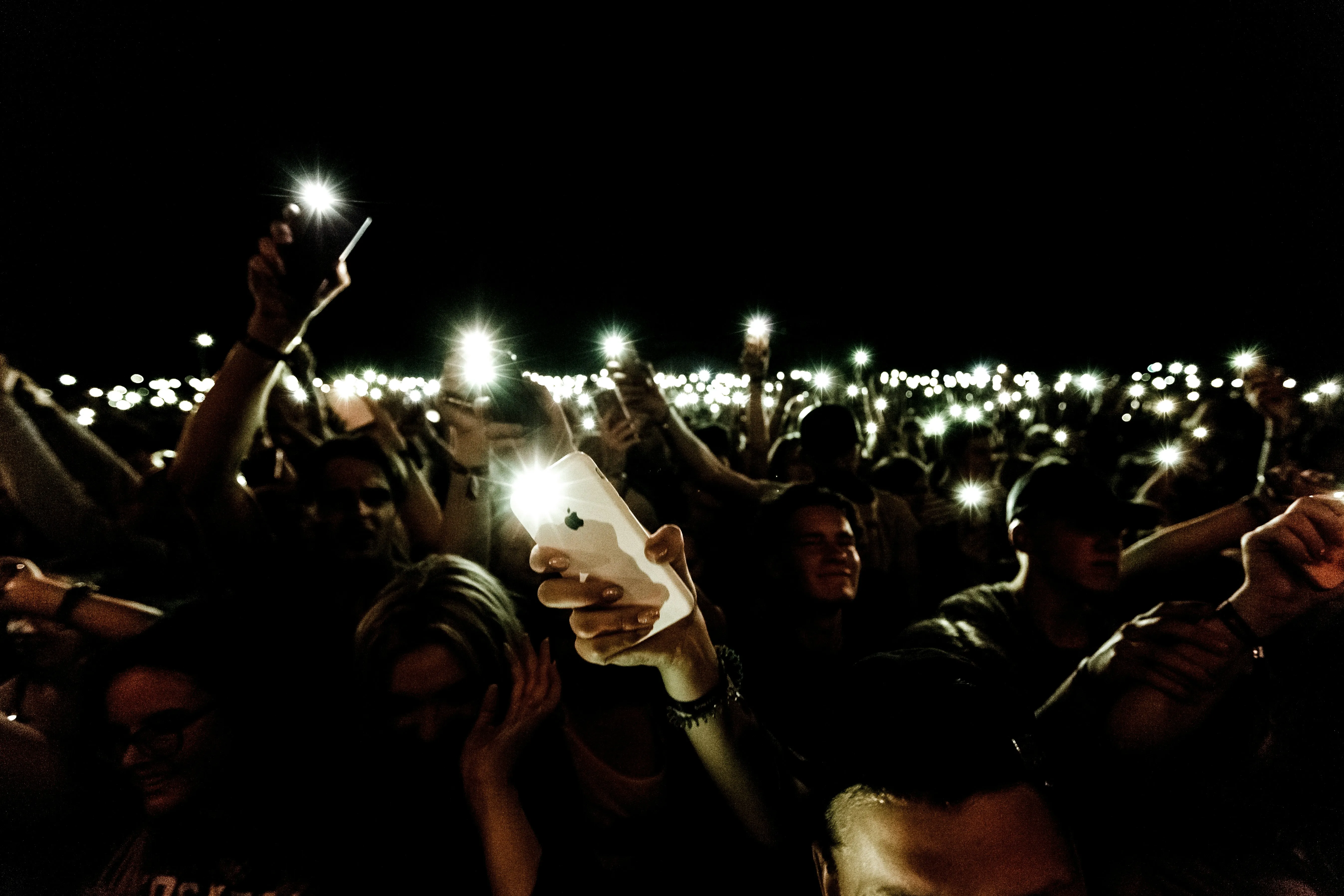
The way things work online rewards engagement, and fandoms are great at creating it.
When fan communities work together with hashtags, shared clips, or watching at the same time, they can:
Make content popular
Keep content going longer
Help smaller creators reach more people
In this way, fandoms are like groups that help spread the word, deciding what gets seen and what doesn't.
Even though fan input is strong, it's not the only thing that matters.
Creators still have to think about:
Their own ideas
Money and how things are made
Appealing to a wide audience
If they listen too much to fans, the story might not make sense or they might get tired of it. The best creators listen carefully but don't let loud voices control everything.
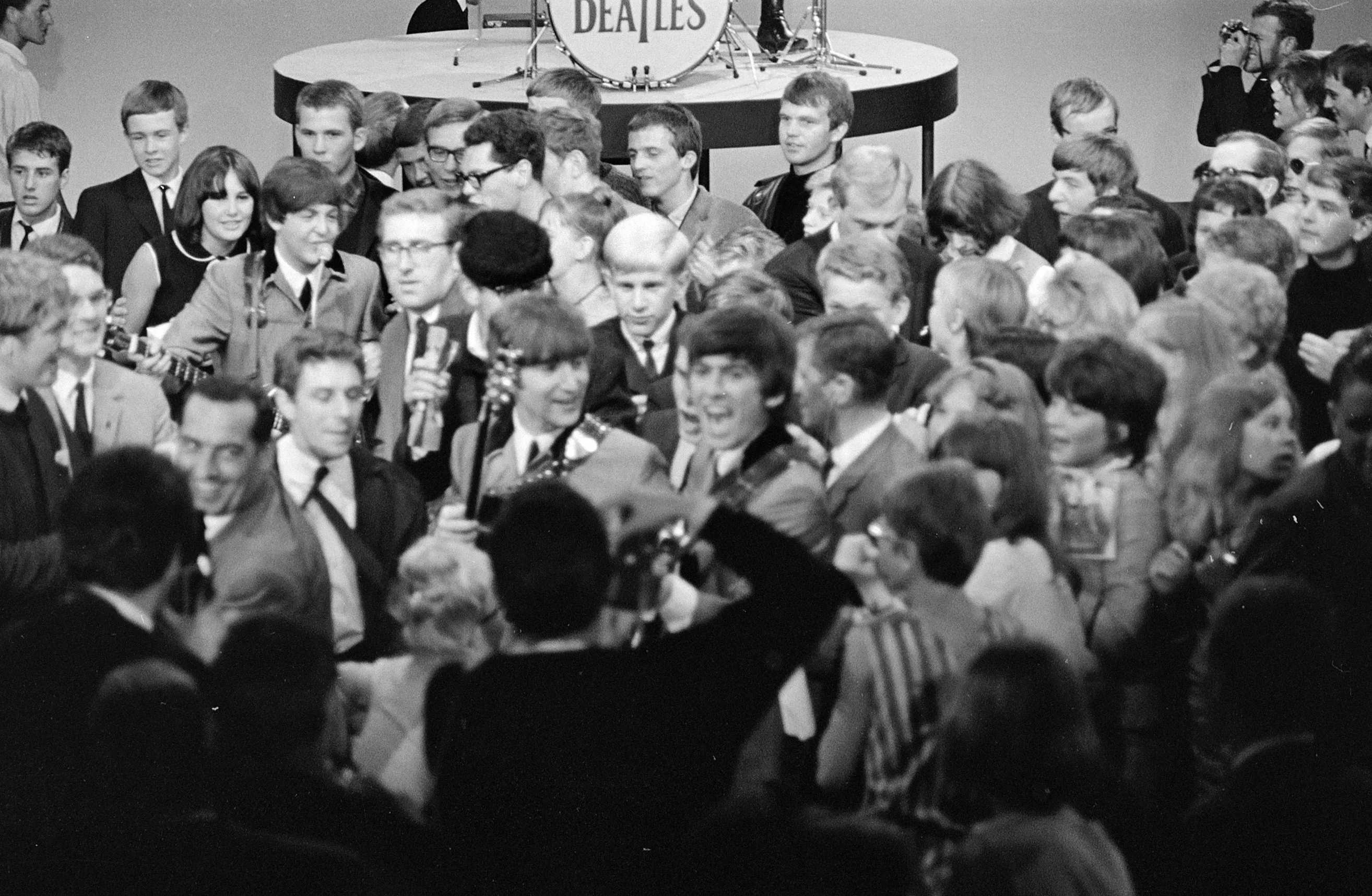
From a business point of view, fan communities that are really involved mean:
People stick around longer
People are more loyal to the brand
There's steady interest for a long time
Studios and sites now watch fan engagement as closely as they watch how well things do in the traditional sense. This information helps them decide where to invest, how to market, and when to release things.
For people aged 14-25, fandom culture is often tied to who they are and their community.
Being part of fandoms gives them:
A sense of belonging
Ways to be creative
Direct contact with creators
This generation doesn't just watch, they help create. That changes how culture is made and shared.
It's online communities that form around shared interests, where people actively participate with and have a say in content.
Fans give feedback, help with visibility, and change what's made through engagement and talking about it.
Sometimes, strong fan reactions can lead to updates, sequels, or changes.
When fans are really involved, it brings in watch time, interaction, and helps things get seen, which is good for sites and creators.
Yes. If you rely too much on what fans want, it can hurt the story and the overall vision.
Online fandom culture has made creating content a two-way street. Fan communities now shape how visible things are, affect decisions, and keep content going longer. Creators still lead, but fandoms have become a key part of how culture is made, shared, and kept alive.