Internet Culture

Internet Culture

How the Internet Blurred the Line Between Private and Public Life

Meghna Kyatham

Meghna Kyatham

Thursday, January 29, 2026

January 29, 2026

6 min read

internet privacy, private vs public life online, how internet changed privacy, digital privacy explained, online oversharing, social media privacy issues, blurred line between private and public, internet and personal boundaries, digital footprint meaning, context collapse internet, attention economy explained, surveillance capitalism, data collection online, smartphone privacy concerns, social media identity, personal branding online, life before internet privacy, internet culture and privacy, online reputation management, privacy in digital age, how social media affects privacy, public life online, private life online, internet oversharing culture

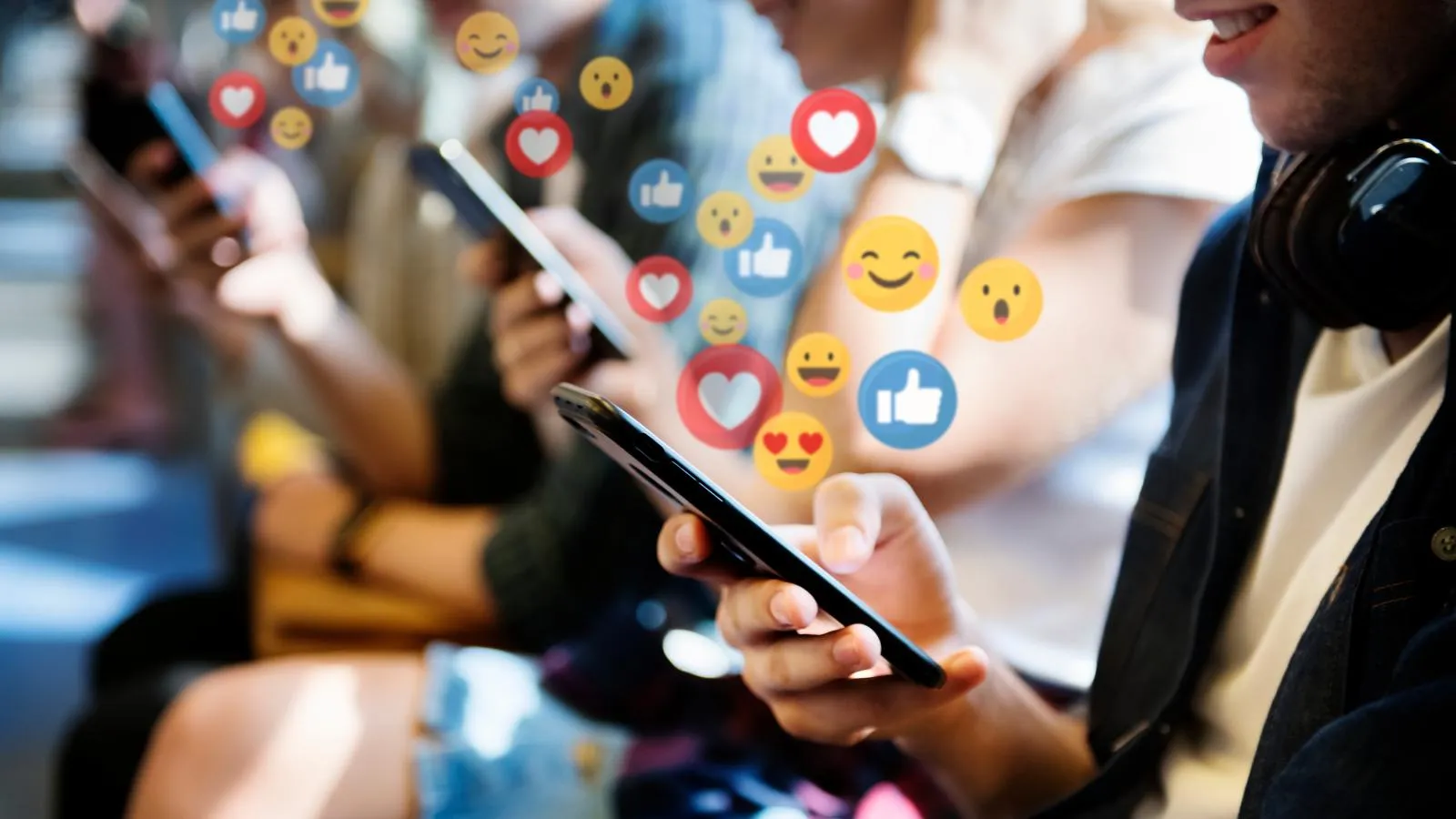
From social media to smartphones, the internet reshaped privacy forever. Here’s how private life became public, and why it matters today. Photo by: ABGN

How the Internet Blurred the Line Between Private and Public Life

There once was a time when what you did in your own home stayed there. Talks happened in private, pictures stayed in albums, and mistakes were easily forgotten. Then the internet came and changed everything.

Now, every little thing we do gets put online, shared, saved, and judged right away.

internet privacy, private vs public life online, how internet changed privacy, digital privacy explained, online oversharing, social media privacy issues, blurred line between private and public, internet and personal boundaries, digital footprint meaning, context collapse internet, attention economy explained, surveillance capitalism, data collection online, smartphone privacy concerns, social media identity, personal branding online, life before internet privacy, internet culture and privacy, online reputation management, privacy in digital age, how social media affects privacy, public life online, private life online, internet oversharing culture

It's hard to know what should be private and what's okay to share. This change didn't happen fast, but now it affects who we are, our relationships, our jobs, and our whole way of life.

Knowing how the internet made the private and public mix helps show one of the biggest social changes we've seen in a long time.

Life Before the Internet: Privacy by Default

In the days before the internet, privacy was pretty much a given. Personal stuff stayed within the walls of your home, school, or workplace.


internet privacy, private vs public life online, how internet changed privacy, digital privacy explained, online oversharing, social media privacy issues, blurred line between private and public, internet and personal boundaries, digital footprint meaning, context collapse internet, attention economy explained, surveillance capitalism, data collection online, smartphone privacy concerns, social media identity, personal branding online, life before internet privacy, internet culture and privacy, online reputation management, privacy in digital age, how social media affects privacy, public life online, private life online, internet oversharing culture

If someone wanted to share a photo or a rumor, they actually had to put in some work. And if you messed up, the fallout was usually pretty limited.

Back then, being in the public eye was for famous folks. Regular people could go about their lives without worrying about their image. Privacy wasn't something you had to think about, it just was.

The Rise of Social Platforms and Voluntary Exposure

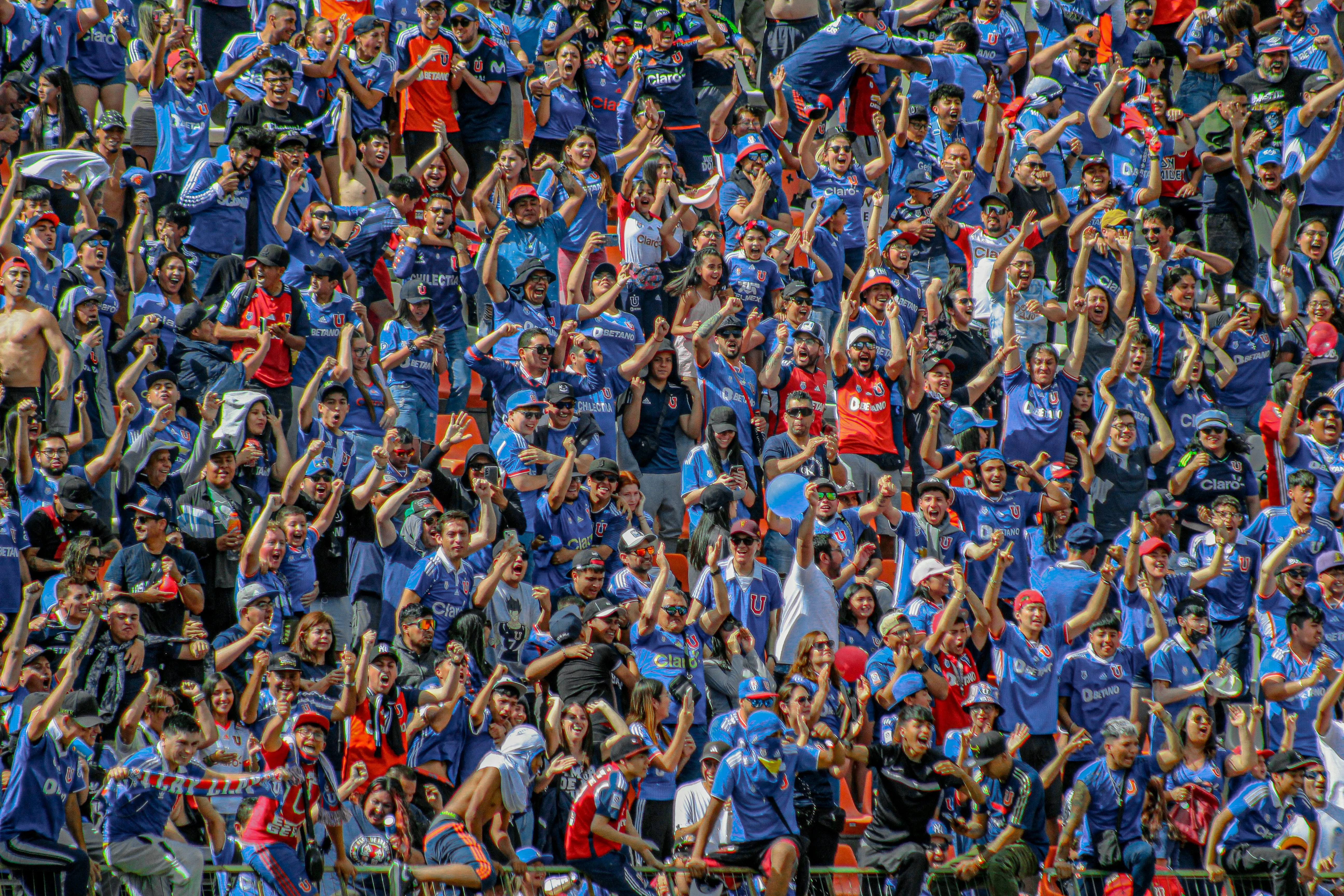
It all started when social media sites made sharing the way to connect. Platforms like Facebook, Instagram, Snapchat, and TikTok turned personal thoughts into public posts.

At the beginning, sharing felt fine, just updates, photos, big moments. But as time passed, what people shared grew. Feelings, lovers, thoughts, and even fights showed up online.

The web didn’t make anyone show everything. It just gave attention, approval, and views to those who did.

Smartphones Turned Everyone Into a Broadcaster

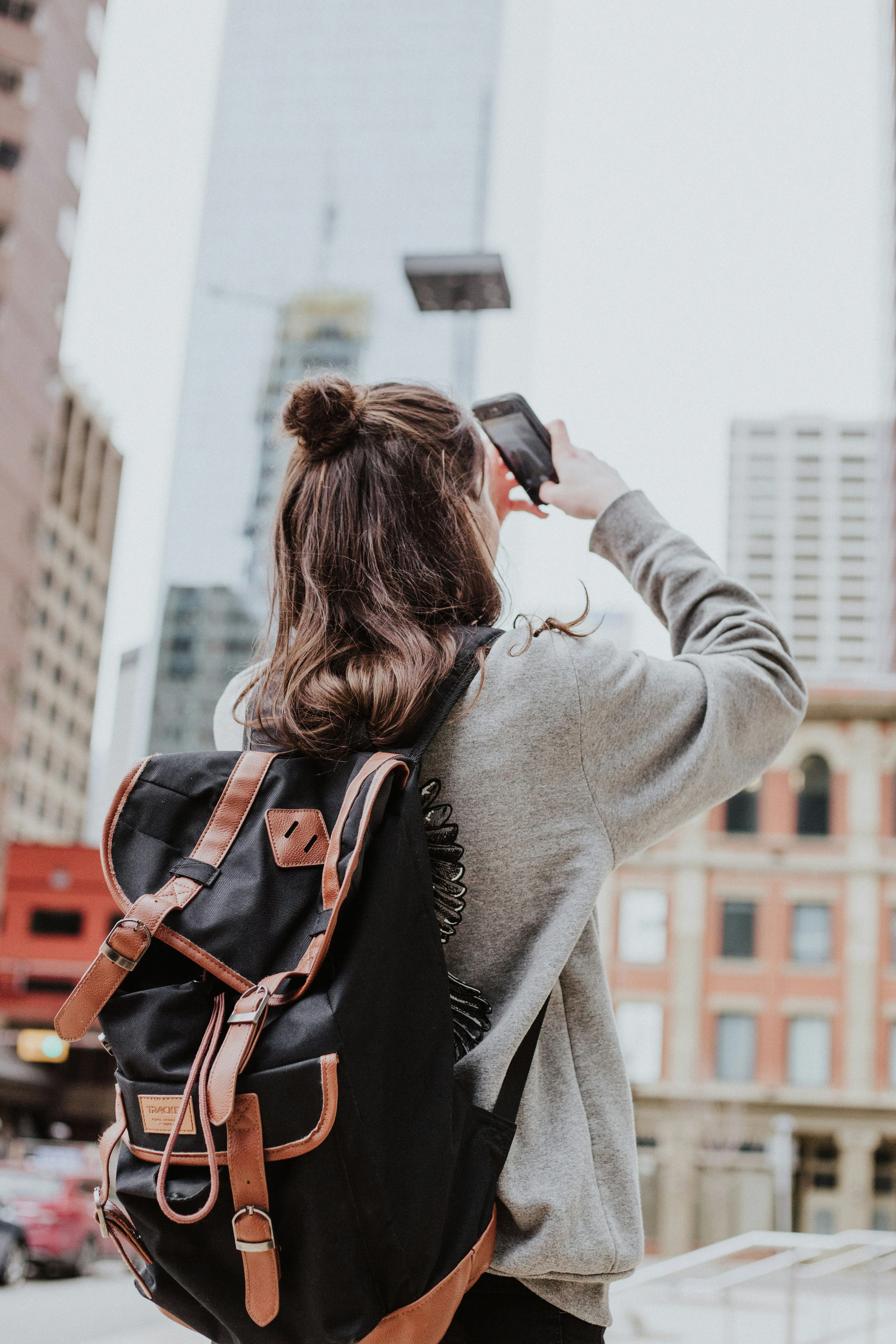
Smartphones sped up this change. Because we always have a camera with us, anything can be shared. It's getting hard to tell if we're enjoying life or just recording it.


internet privacy, private vs public life online, how internet changed privacy, digital privacy explained, online oversharing, social media privacy issues, blurred line between private and public, internet and personal boundaries, digital footprint meaning, context collapse internet, attention economy explained, surveillance capitalism, data collection online, smartphone privacy concerns, social media identity, personal branding online, life before internet privacy, internet culture and privacy, online reputation management, privacy in digital age, how social media affects privacy, public life online, private life online, internet oversharing culture

Now, private moments can be recorded and shared right away, maybe without asking. Once it's online, it can go everywhere and stay there forever.

This made us rethink things. Privacy isn't a given anymore; you have to work to keep it.

When Personal Identity Became a Public Brand

What you do online now matters just as much as what you do in real life. Your profiles, posts, and everything you have put on the internet will help shape how those people out there see you, both in your social circles and at work.

Your digital footprint can impact the chances you get as well as how much people trust you.


internet privacy, private vs public life online, how internet changed privacy, digital privacy explained, online oversharing, social media privacy issues, blurred line between private and public, internet and personal boundaries, digital footprint meaning, context collapse internet, attention economy explained, surveillance capitalism, data collection online, smartphone privacy concerns, social media identity, personal branding online, life before internet privacy, internet culture and privacy, online reputation management, privacy in digital age, how social media affects privacy, public life online, private life online, internet oversharing culture

This change has made it harder to know who someone really is. People carefully build an image of themselves online, choosing what to share and how they want to be viewed.

It's a mix of being real and putting on a show, which can be a tricky balance.

Everyone, even those who aren't trying to be famous, is now in charge of how they appear to the world.

Oversharing and the Attention Economy


internet privacy, private vs public life online, how internet changed privacy, digital privacy explained, online oversharing, social media privacy issues, blurred line between private and public, internet and personal boundaries, digital footprint meaning, context collapse internet, attention economy explained, surveillance capitalism, data collection online, smartphone privacy concerns, social media identity, personal branding online, life before internet privacy, internet culture and privacy, online reputation management, privacy in digital age, how social media affects privacy, public life online, private life online, internet oversharing culture

Online success hinges on grabbing attention. Things that feel personal usually do better than just facts. Showing feelings, being open and even stirring things up can get people involved, and that makes things more visible.

Because of this, people can feel pushed to share too much. Personal lines blur a little at a time, until sharing too much seems normal. Private stuff can turn into content, and content becomes something to trade on.

This doesn't just show more of your life; it makes being constantly visible seem normal.

The Collapse of Context

Context collapse is a strong thing about the internet. Stuff made for a certain group can end up be seen by people it wasn't meant for, even years later and in totally different situations.


internet privacy, private vs public life online, how internet changed privacy, digital privacy explained, online oversharing, social media privacy issues, blurred line between private and public, internet and personal boundaries, digital footprint meaning, context collapse internet, attention economy explained, surveillance capitalism, data collection online, smartphone privacy concerns, social media identity, personal branding online, life before internet privacy, internet culture and privacy, online reputation management, privacy in digital age, how social media affects privacy, public life online, private life online, internet oversharing culture

A joke, photo, or thought you shared without much thinking can be understood in a different way if it's taken away from how it started. The internet remembers everything, and it's not always kind.

Just because you meant something to be private doesn't mean it will stay that way.

Surveillance, Data, and Invisible Audiences

Data collection is eating away at our privacy, and it's more than just what we share on social media.

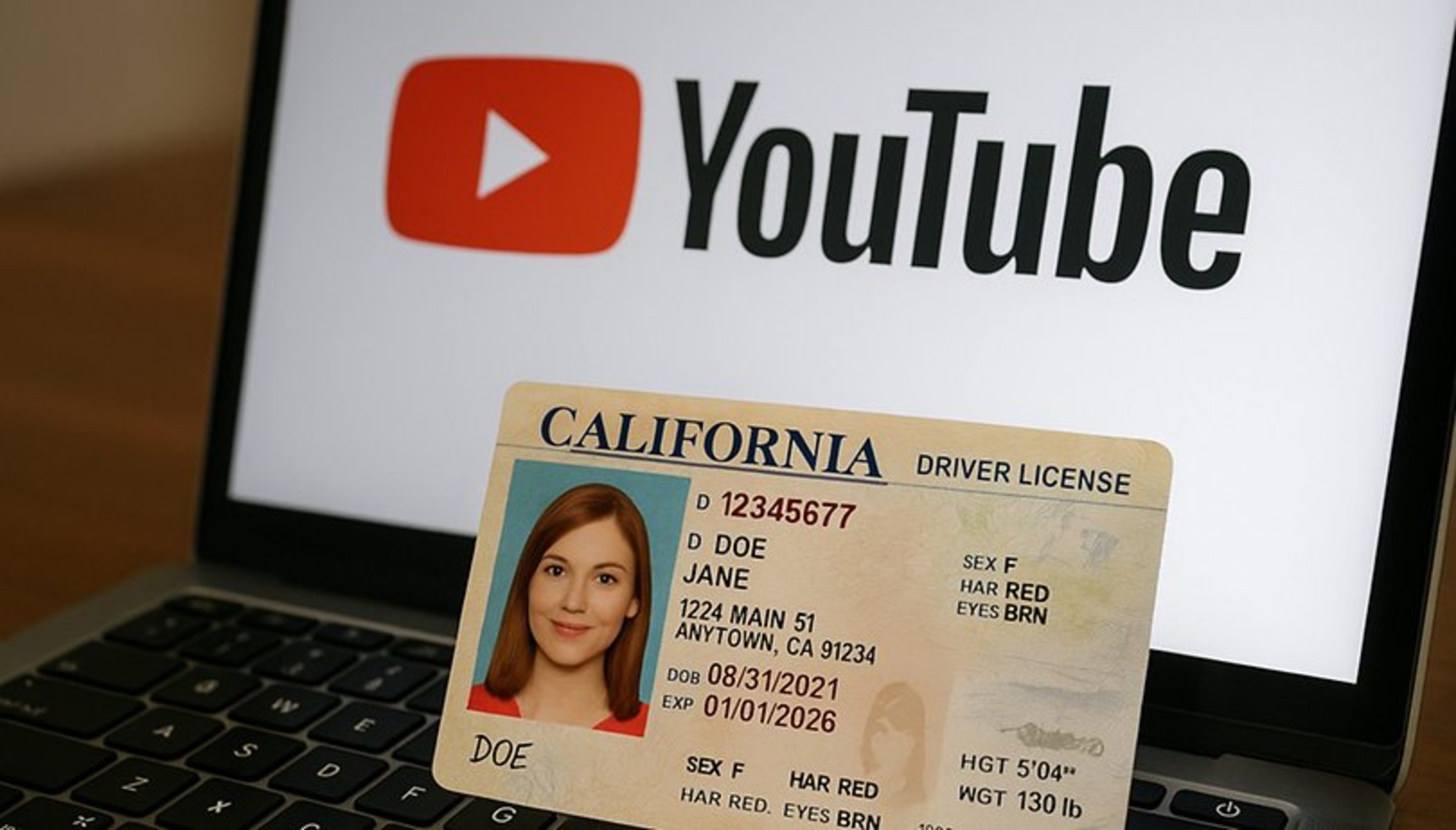
Every search, click, and location is tracked, saved, and then looked at closely. Unlike what you post, you often can't even see this kind of info being taken.


internet privacy, private vs public life online, how internet changed privacy, digital privacy explained, online oversharing, social media privacy issues, blurred line between private and public, internet and personal boundaries, digital footprint meaning, context collapse internet, attention economy explained, surveillance capitalism, data collection online, smartphone privacy concerns, social media identity, personal branding online, life before internet privacy, internet culture and privacy, online reputation management, privacy in digital age, how social media affects privacy, public life online, private life online, internet oversharing culture

People may not be aware of who's watching them, what data is being gathered, or what it's used for.

It's not just friends and followers who are seeing your information now. Systems, algorithms, and different groups are also part of the audience.

Our public lives now include things we didn't even know we were sharing.

Why This Shift Feels Irreversible

The internet changed what we expect from each other. People now confuse being transparent with actually being honest. When you're silent, people think you’re not there. Choosing to disconnect can feel like you’re vanishing.

Our culture now values being open, keeping records, and always being around. To go back, we’d need to change our tech and how society views privacy.

The line between public and private isn't just fuzzy; it's been completely redone.

Reclaiming Boundaries in a Connected World

Even with all the changes, you can still set limits. These days, privacy isn't a given; you have to work at it. It means making smart decisions about what you share, where you share it, and knowing when to keep things to yourself.

internet privacy, private vs public life online, how internet changed privacy, digital privacy explained, online oversharing, social media privacy issues, blurred line between private and public, internet and personal boundaries, digital footprint meaning, context collapse internet, attention economy explained, surveillance capitalism, data collection online, smartphone privacy concerns, social media identity, personal branding online, life before internet privacy, internet culture and privacy, online reputation management, privacy in digital age, how social media affects privacy, public life online, private life online, internet oversharing culture

Being aware is key. If you realize you don't have to share everything, you get room to grow as a person, without feeling like you're always on show.

Privacy isn't gone. It's now something you have to be good at.

Final Thoughts: Living Publicly, Thinking Privately

The internet didn't kill private life; it just changed it. Now, what's public and what's private are mixed together, often in the same places. Dealing with this means you need to be aware, careful, and think things through.

In a world where everything is on display, deciding what to keep hidden might be the smartest thing you can do.

Google FAQs


  1. How did the internet change personal privacy?

    The internet made sharing easier and more visible, turning privacy into a conscious choice rather than a default.


  2. Why do people overshare online?

    Social platforms reward engagement, and personal content often receives more attention and validation.


  3. Is privacy still possible in the digital age?

    Yes, but it requires intentional behavior and awareness of digital boundaries.


  4. What is context collapse online?

    It occurs when content meant for one audience reaches unintended viewers without original context.


  5. How can people protect their private life online?

    By controlling what they share, limiting platforms, and understanding how data is used.
Share this article

Related Articles

Related Articles

Related Articles