Internet Culture

Internet Culture

How Algorithms Decide What the Entire Internet Talks About

Meghna Kyatham

Meghna Kyatham

Thursday, January 29, 2026

January 29, 2026

5 min read

how algorithms work, internet algorithms explained, social media algorithms, how algorithms decide trends, why things go viral, algorithm driven culture, internet trends explained, viral content algorithm, how social media decides what you see, engagement based algorithms, search engine algorithms explained, algorithmic feeds, why everyone talks about same thing online, algorithmic bubbles, echo chambers internet, tiktok algorithm explained, youtube algorithm explained, instagram algorithm explained, x twitter algorithm, how algorithms shape culture, digital attention economy, internet attention economy, algorithms and virality, how trends are created online

From viral trends to breaking news, algorithms shape what we see online. Here’s how internet algorithms decide what the world talks about. Photo by: Unsplash

How Algorithms Decide What the Entire Internet Talks About

It seems like every other day, the internet focuses on one thing. A song becomes a hit out of nowhere. A meme pops up all over the place.

A headline takes over everyone's news. It often feels like it happens naturally, as if the world just agreed on what's important.

But that's not usually the case.


how algorithms work, internet algorithms explained, social media algorithms, how algorithms decide trends, why things go viral, algorithm driven culture, internet trends explained, viral content algorithm, how social media decides what you see, engagement based algorithms, search engine algorithms explained, algorithmic feeds, why everyone talks about same thing online, algorithmic bubbles, echo chambers internet, tiktok algorithm explained, youtube algorithm explained, instagram algorithm explained, x twitter algorithm, how algorithms shape culture, digital attention economy, internet attention economy, algorithms and virality, how trends are created online

Almost every popular topic, trending discussion, or thing the world is obsessed with is due to an algorithm making choices about what you see, what's important, and what gets your attention.

These systems don't just show what's going on in the world; they actually create it.

Knowing how algorithms work helps you understand why the internet is talking about certain things.

What Is an Algorithm: Really?

Basically, an algorithm is just a bunch of rules that decide what info you see first. Online, these algorithms control what content you see, who sees it, and how often it pops up.

Google, YouTube, TikTok, Instagram, and X all use their own algorithms, but they all want the same thing: to keep you hooked.

The longer you stick around and the more you click, the better it is for them.

Why Engagement Is the Internet’s Real Currency

Algorithms don't grasp what's true, what matters, or what's right and wrong. They simply react to how people act.


how algorithms work, internet algorithms explained, social media algorithms, how algorithms decide trends, why things go viral, algorithm driven culture, internet trends explained, viral content algorithm, how social media decides what you see, engagement based algorithms, search engine algorithms explained, algorithmic feeds, why everyone talks about same thing online, algorithmic bubbles, echo chambers internet, tiktok algorithm explained, youtube algorithm explained, instagram algorithm explained, x twitter algorithm, how algorithms shape culture, digital attention economy, internet attention economy, algorithms and virality, how trends are created online

Things like likes, comments, shares, how long people watch, clicks, and replays tell an algorithm, This is what people are interested in. When content gets a lot of attention, the algorithm shows it to even more people.

This leads to a cycle where:

  • If people see it, they engage with it.

  • If they engage, it gets seen by more people.

  • More engagement suggests it's relevant.

That's how little things explode into worldwide discussions.

How Trends Are Manufactured, Not Discovered

Viral trends usually don't grow at a steady pace; they tend to surge.

Algorithms put content in front of small groups of people first. If these initial viewers react positively right away, the system shows it to more people. If the reactions slow down, the content fades away.

So, trends are often chosen, not just found by chance.

A song, video, or idea might go viral not because it's better than others, but because it got enough early attention at the perfect time.

When something is released can be as important as how good it is.
Search Algorithms Decide What Feels “Important”


how algorithms work, internet algorithms explained, social media algorithms, how algorithms decide trends, why things go viral, algorithm driven culture, internet trends explained, viral content algorithm, how social media decides what you see, engagement based algorithms, search engine algorithms explained, algorithmic feeds, why everyone talks about same thing online, algorithmic bubbles, echo chambers internet, tiktok algorithm explained, youtube algorithm explained, instagram algorithm explained, x twitter algorithm, how algorithms shape culture, digital attention economy, internet attention economy, algorithms and virality, how trends are created online

People use search engines to find answers, but search results aren't just neutral lists – they're ranked.

Search algorithms determine:

  • Which sources show up first

  • Which headlines get clicks

  • Which viewpoints are most visible

Most people don't look beyond the first page. That means what's easily seen is often believed, even if other ideas are out there.

The top results often shape what people think is the most true or relevant thing.

Social Media Feeds Shape Reality in Real Time

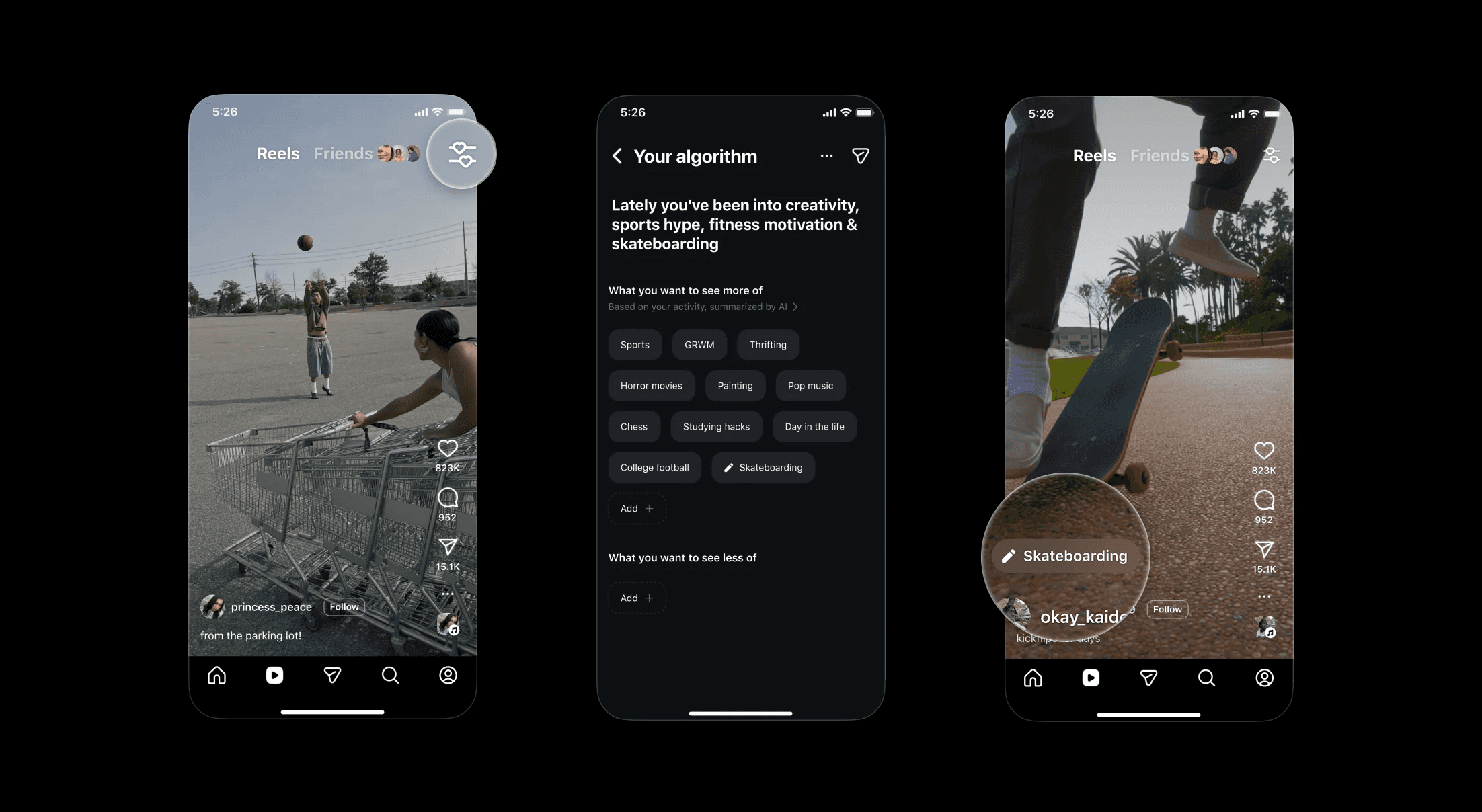
Social media feeds are customized to each person.

If two people search the same thing online, they might see very different results. That's because what you see is based on what you've done before, what you've watched, liked, skipped, or ignored.

Over time, this can create what some call algorithmic bubbles. In these bubbles:

  • You mostly see things you agree with.

  • You're exposed to fewer different views.

  • You start to think everyone else sees the same stuff you do.

This is why online arguments can feel so different from real-life talks.

Controversy Travels Faster Than Calm


how algorithms work, internet algorithms explained, social media algorithms, how algorithms decide trends, why things go viral, algorithm driven culture, internet trends explained, viral content algorithm, how social media decides what you see, engagement based algorithms, search engine algorithms explained, algorithmic feeds, why everyone talks about same thing online, algorithmic bubbles, echo chambers internet, tiktok algorithm explained, youtube algorithm explained, instagram algorithm explained, x twitter algorithm, how algorithms shape culture, digital attention economy, internet attention economy, algorithms and virality, how trends are created online

Algorithms like posts that get strong reactions. Stuff that makes people angry, excited, scared, or really mad gets more attention than boring, neutral stuff.

So, what happens?

  • Posts that stir up drama get around faster.

  • Thoughtful, complex views take longer to spread.

  • Extreme opinions do better than balanced ones.

Platforms probably don't want things to be so confrontational, but that's how their systems work.

It's easier to get attention with emotion, not calmness.

Why Everyone Ends Up Talking About the Same Thing

When many platforms push the same idea at the same time, it can feel like everyone agrees.

Say a funny video blows up on TikTok, then it takes off on X. Soon, news sites are running stories about it, which makes people Google it.

All this searching just makes the topic seem even more important, and before you know it, that's all anyone online is talking about.

The way these platforms' algorithms work then all feed into each other, creating a total cultural obsession.
The Power Shift: From Editors to Engineers


how algorithms work, internet algorithms explained, social media algorithms, how algorithms decide trends, why things go viral, algorithm driven culture, internet trends explained, viral content algorithm, how social media decides what you see, engagement based algorithms, search engine algorithms explained, algorithmic feeds, why everyone talks about same thing online, algorithmic bubbles, echo chambers internet, tiktok algorithm explained, youtube algorithm explained, instagram algorithm explained, x twitter algorithm, how algorithms shape culture, digital attention economy, internet attention economy, algorithms and virality, how trends are created online

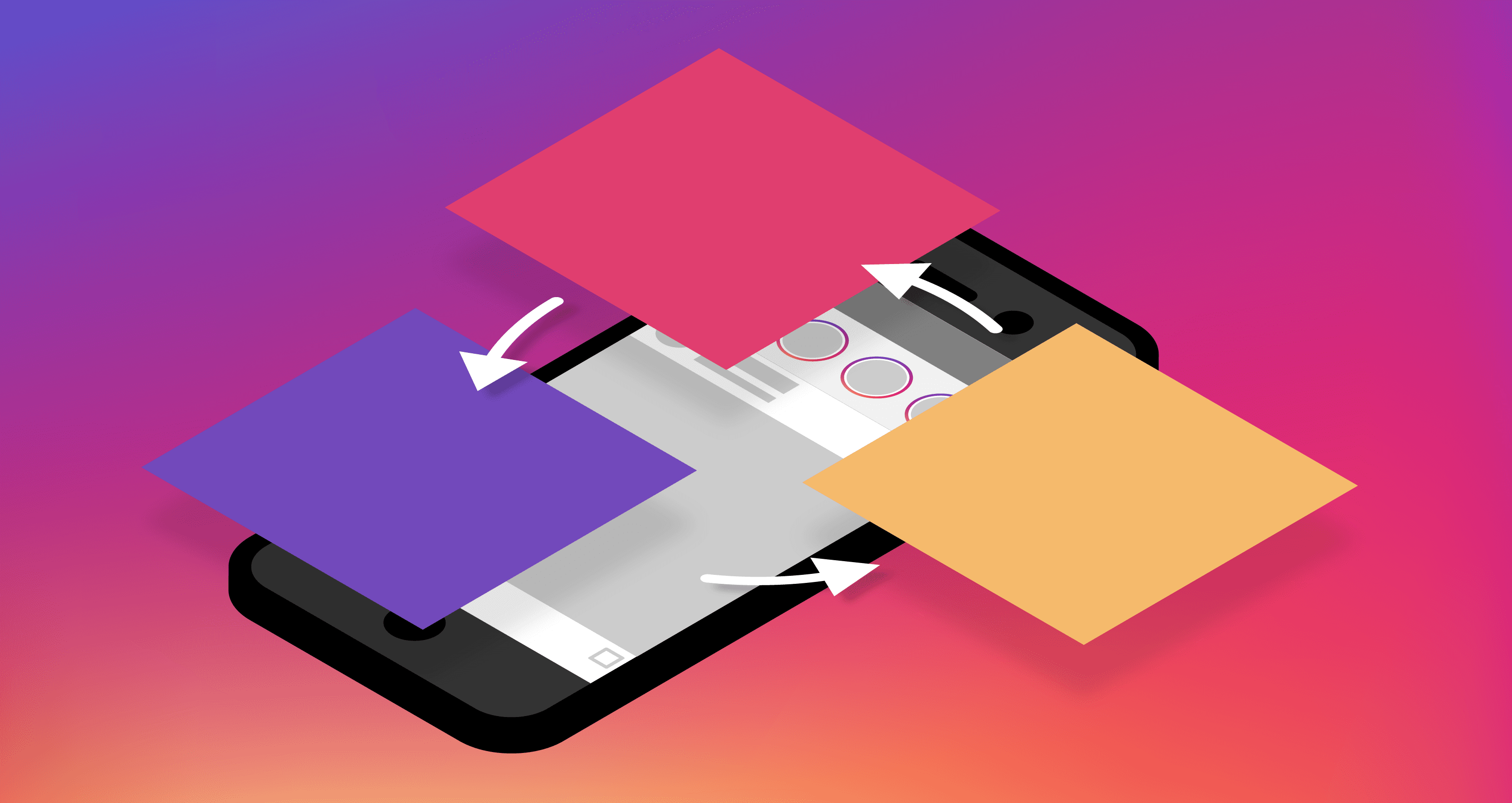
It used to be that editors picked the big stories. Now, algorithms do.

This switch has changed who gets to decide what we pay attention to:

  • It's not just newsrooms anymore.

  • It's not reviewers.

  • It's not even us, the audience, alone.

Instead, it's systems made by engineers, which learn from what grabs our attention.

Because of this, culture moves faster, we focus for less time, and talks are led by what's popular, not what's important.
Can People Still Control What They See?


how algorithms work, internet algorithms explained, social media algorithms, how algorithms decide trends, why things go viral, algorithm driven culture, internet trends explained, viral content algorithm, how social media decides what you see, engagement based algorithms, search engine algorithms explained, algorithmic feeds, why everyone talks about same thing online, algorithmic bubbles, echo chambers internet, tiktok algorithm explained, youtube algorithm explained, instagram algorithm explained, x twitter algorithm, how algorithms shape culture, digital attention economy, internet attention economy, algorithms and virality, how trends are created online

Yes, but you have to be aware of how they work.

Algorithms learn from what you do. They watch what you watch, skip, search for, or ignore.

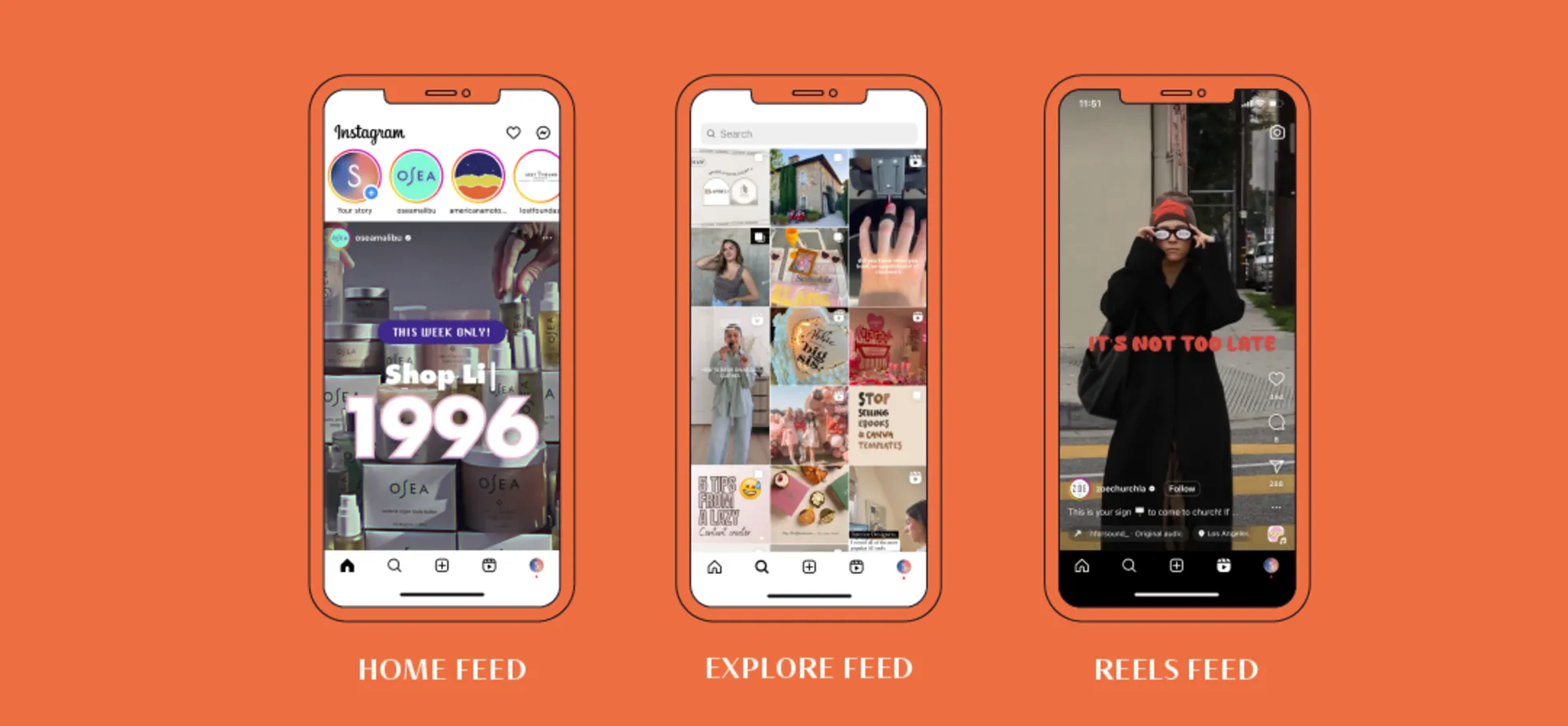
You can change what you see by managing your feed, getting information from different places, and not consuming so much content so fast.

You have some control, but you're also part of the process.

Final Thoughts: Algorithms Don’t Create Culture: They Accelerate It

People come up with ideas, but algorithms decide which ones get noticed.

Algorithms boost, filter, and speed up discussions until they seem like they're everywhere. Knowing this makes the internet easier to understand, not less interesting.

The internet isn't just one chat; it's many, all following rules you can't see.

Google FAQs


  1. How do algorithms decide what content goes viral?

    Algorithms prioritize content that generates high engagement like views, likes, shares, and watch time.


  2. Do algorithms control what people think?

    They influence what people see, which can shape opinions—but they don’t force beliefs.


  3. Why does controversial content spread faster online?

    Because it triggers stronger emotional reactions, which algorithms interpret as engagement.

  4. Are search results neutral?

    No. Search results are ranked by algorithms based on relevance, authority, and user behavior.


  5. Can users change how algorithms affect them?

    Yes. User behavior directly influences what algorithms show over time.

Share this article

Related Articles

Related Articles

Related Articles