Internet Culture
Jan 29, 2026
From memes to movements, the internet reshaped culture forever. Here’s how the internet became the most powerful cultural force in human history. Photo by: Influencer Marketing Hub
Back in the day, culture changed at a snail's pace. Music trends took ages to catch on.
Fashion changed gradually from place to place. Ideas spread through books, TV, and just people talking. Then the internet showed up and sped things up like crazy.
Now, the internet doesn't just show culture. It makes it, pumps it up, speeds it up and keeps a record of it. Nothing in history changed how people act this fast or this much.
The internet isn't just something we use anymore. It's the main place where culture happens now.
Back before the internet, culture came from a few main places. TV networks chose our shows, record labels picked our music, and newspapers told us what to think about.
Basically, culture was controlled by a small group. These institutions shaped what we liked, talked about, and believed. Most of us just watched or listened; we didn't really get to join in.
If you wanted to be heard, you needed someone's okay.
The internet totally flipped the script by kicking out the gatekeepers.
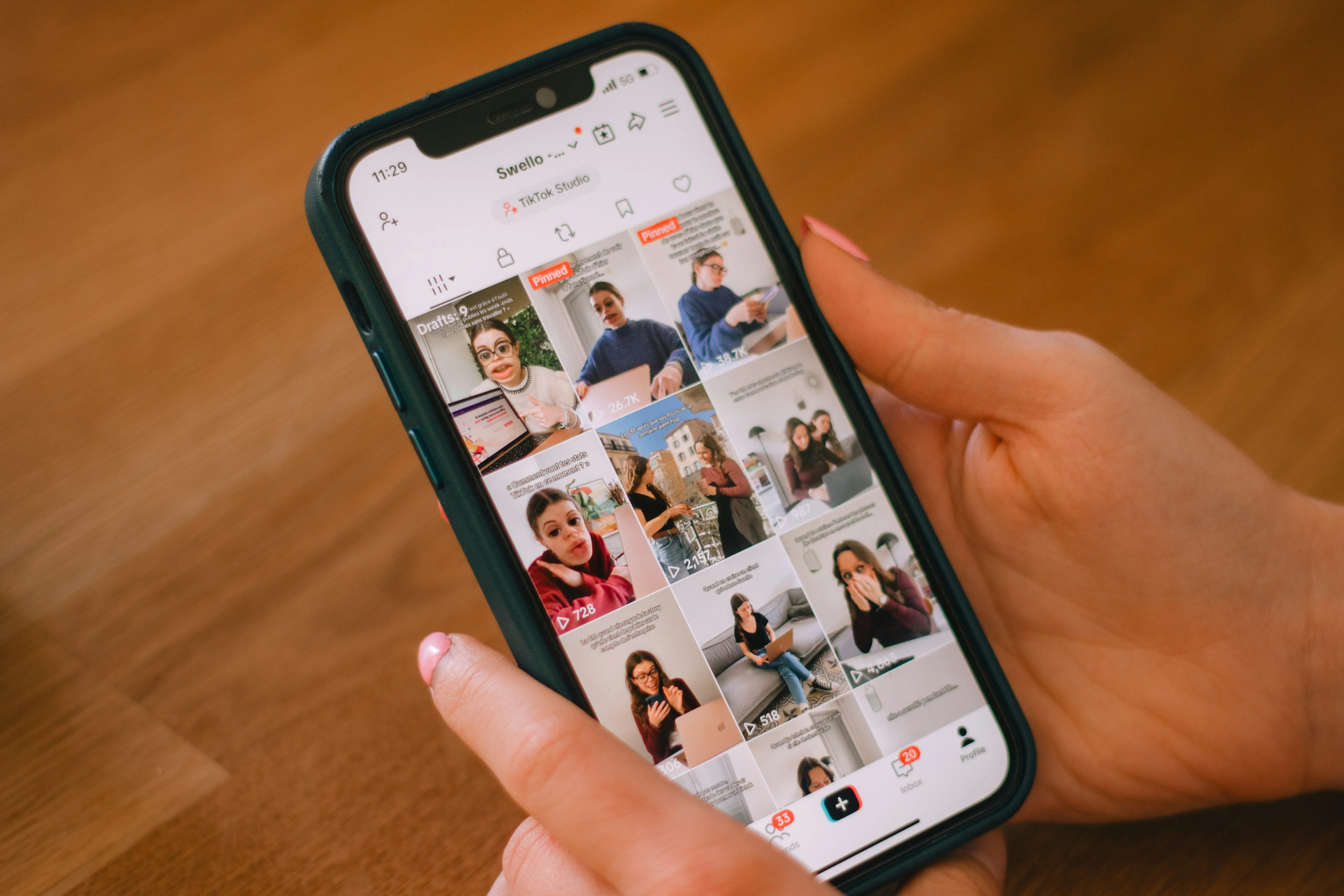
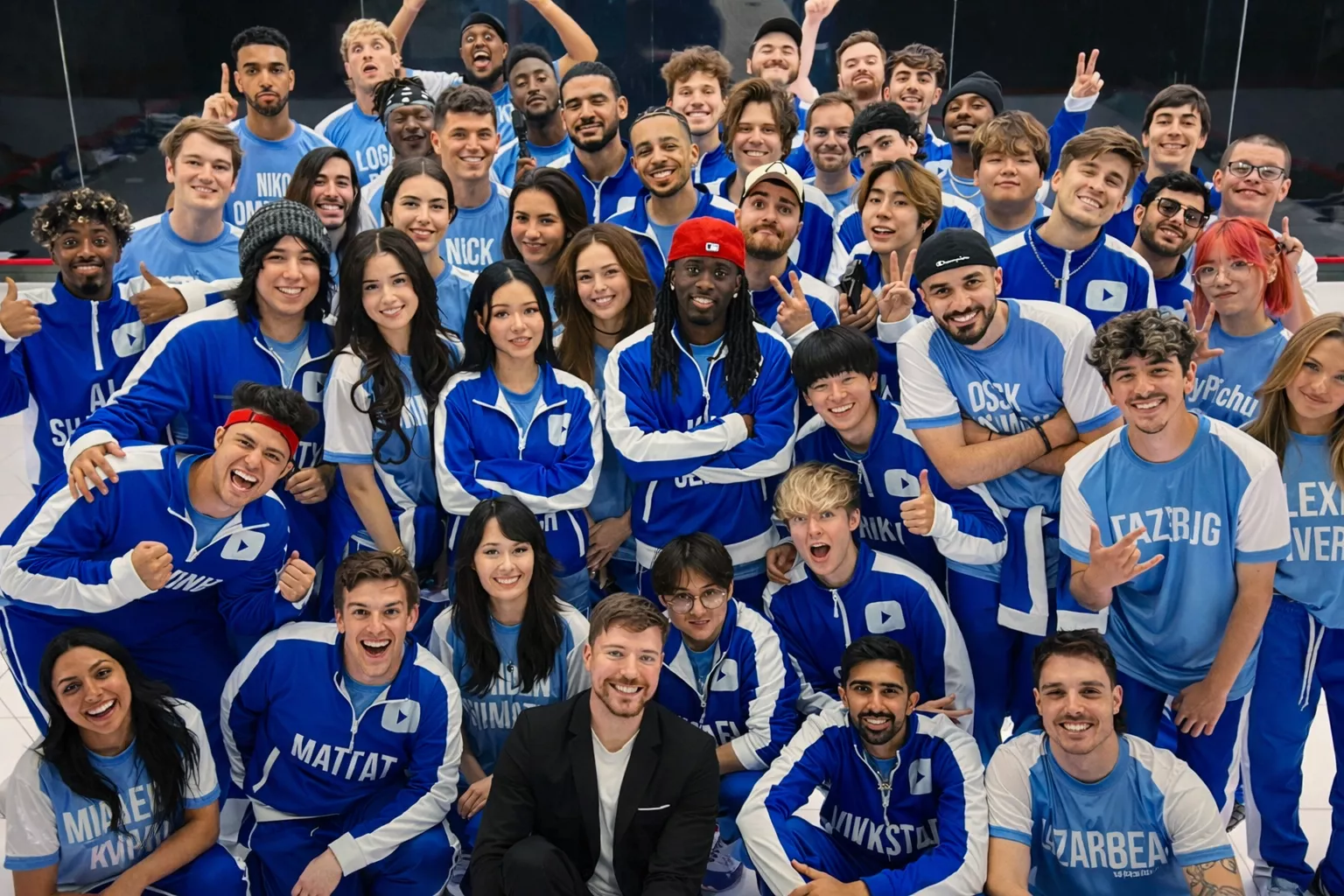
Out of nowhere, anyone could throw their ideas, art, jokes, or thoughts out there without getting permission first. Platforms like YouTube, Instagram, TikTok, and X turned regular folks into their own TV stations.
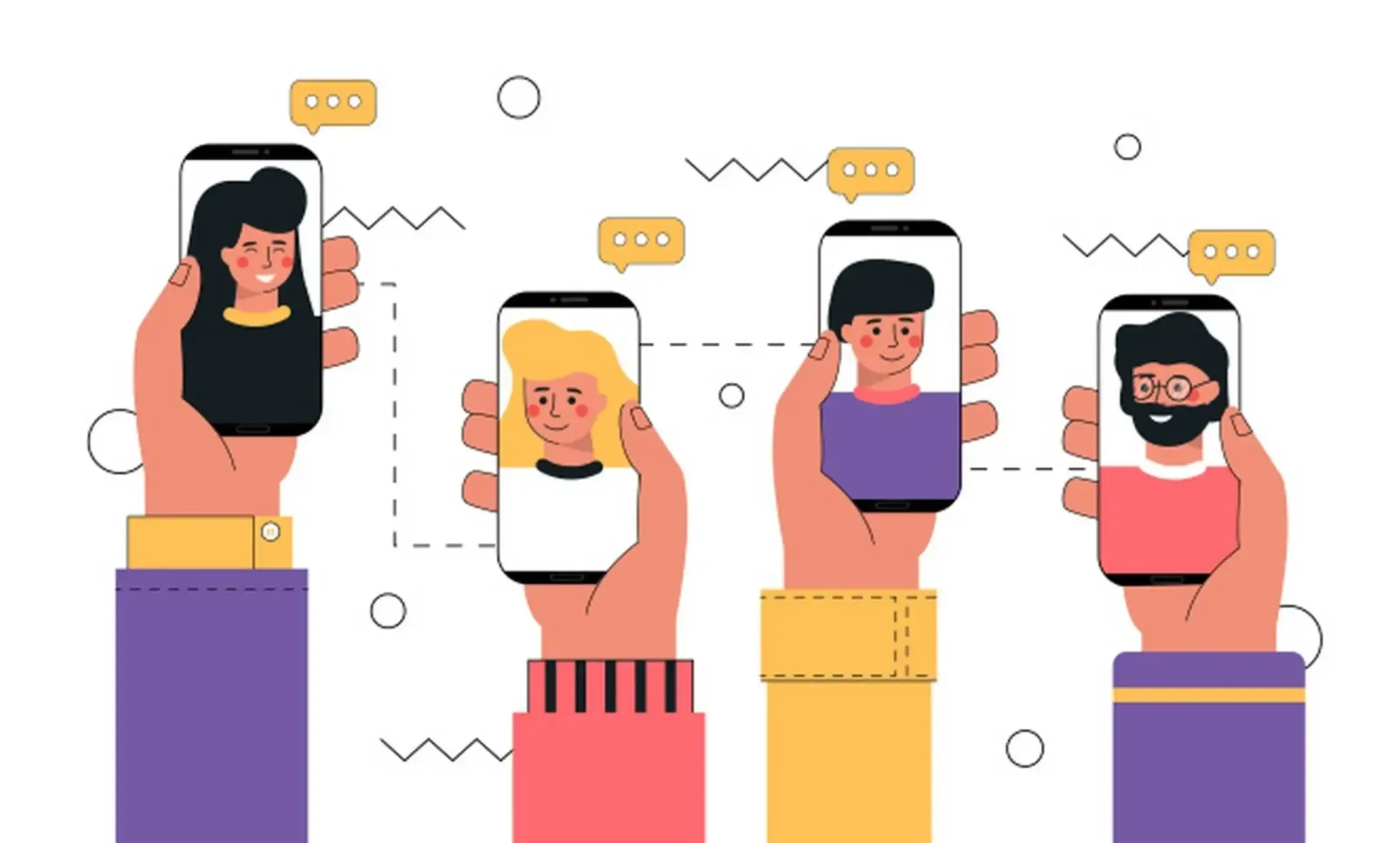
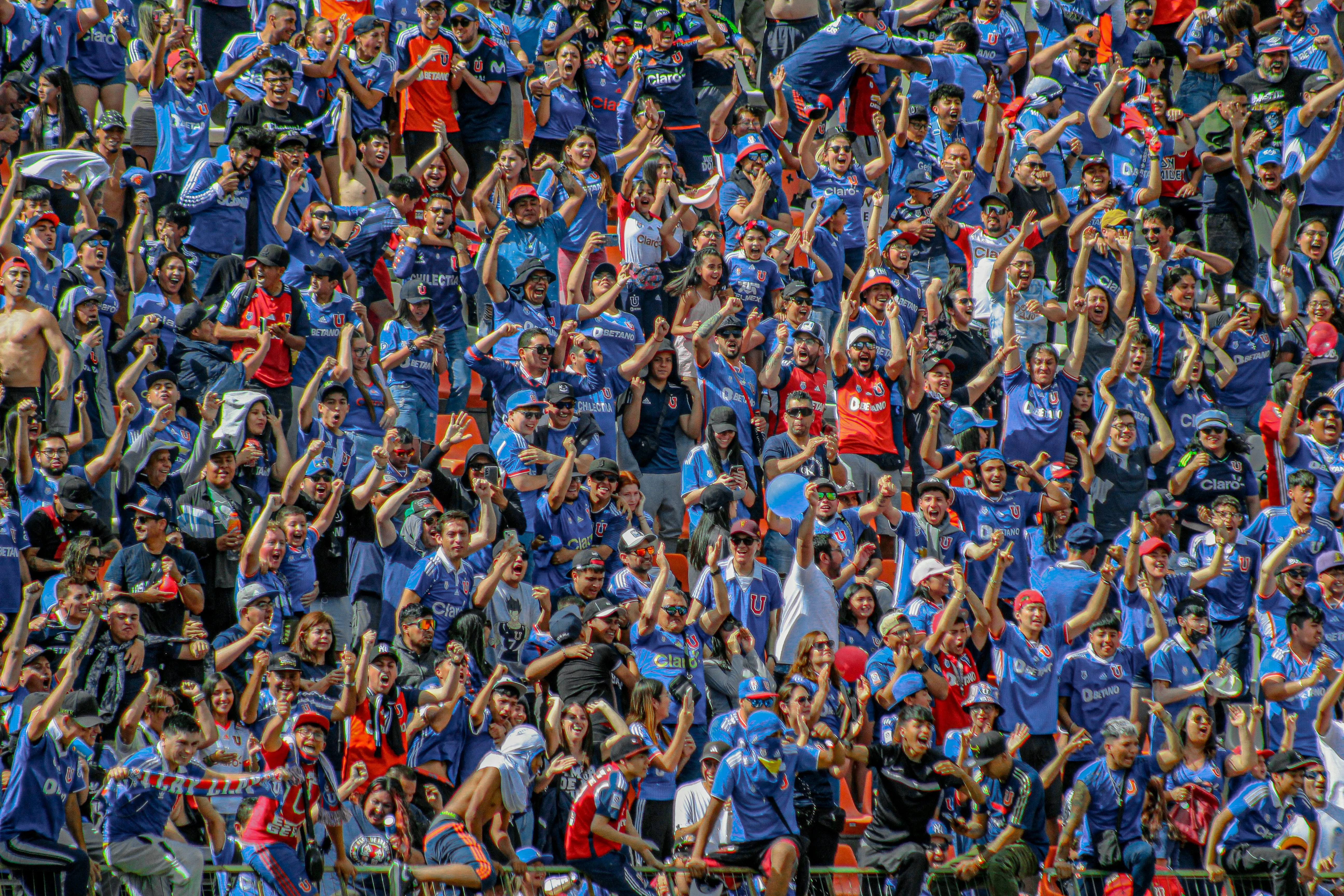
Culture became a team sport. Instead of just following trends, people started making them.
This change spread the influence and shook up the old power structure super fast.
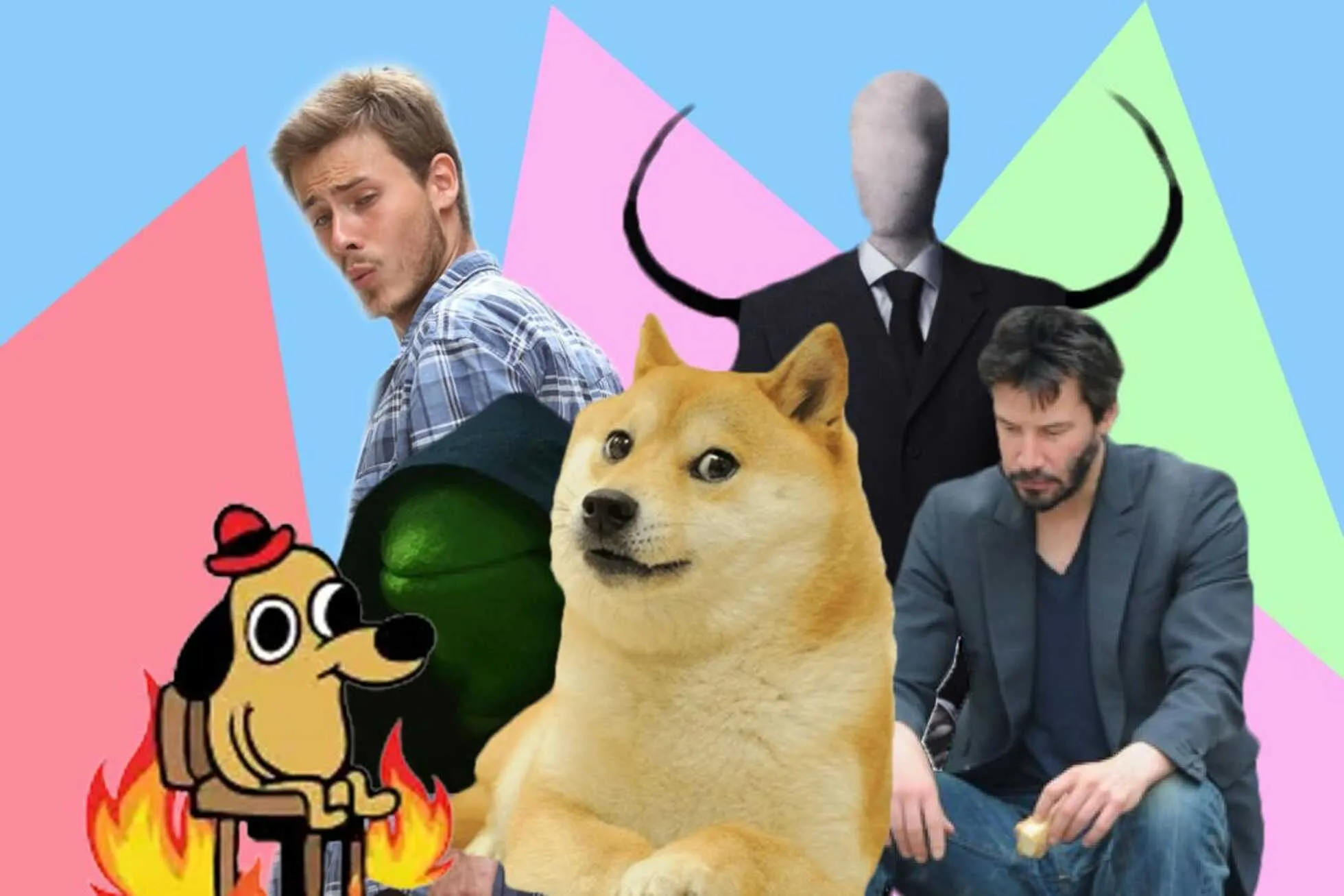
Memes are one of the coolest things the internet has given us.
They pack big ideas into easy-to-get formats. They work in different languages, fit into different cultures, and change super fast. You can find humor, politics, sadness, and even rebellion spreading through pictures and quick sayings.
They aren't just jokes. They're a way of speaking the same language, and one of the quickest ways ideas have ever spread.
The internet didn't just make culture bigger, it sped it up.
Trends come and go really fast now. New music pops up online before radio even knows. Fashion changes so quickly it's hard to keep track. Slang spreads everywhere in a matter of weeks.
Because of this speed, what we expect has changed. Culture isn't something you slowly catch up on. You either see it as it happens, or you miss it.
Being online isn't just a choice if you want to stay relevant.
The internet got rid of gatekeepers but brought in something else: algorithms.
Platforms don't show everything the same way. They boost what gets people going – stuff that's emotional, controversial, funny, or easy to relate to. So, algorithms are quietly choosing which ideas get the most attention.
Cultural power has moved again, this time from institutions to these systems.
What's trending, what goes viral, and what everyone's talking about is often decided by rules we don't see, all designed to get clicks, not to make sense.
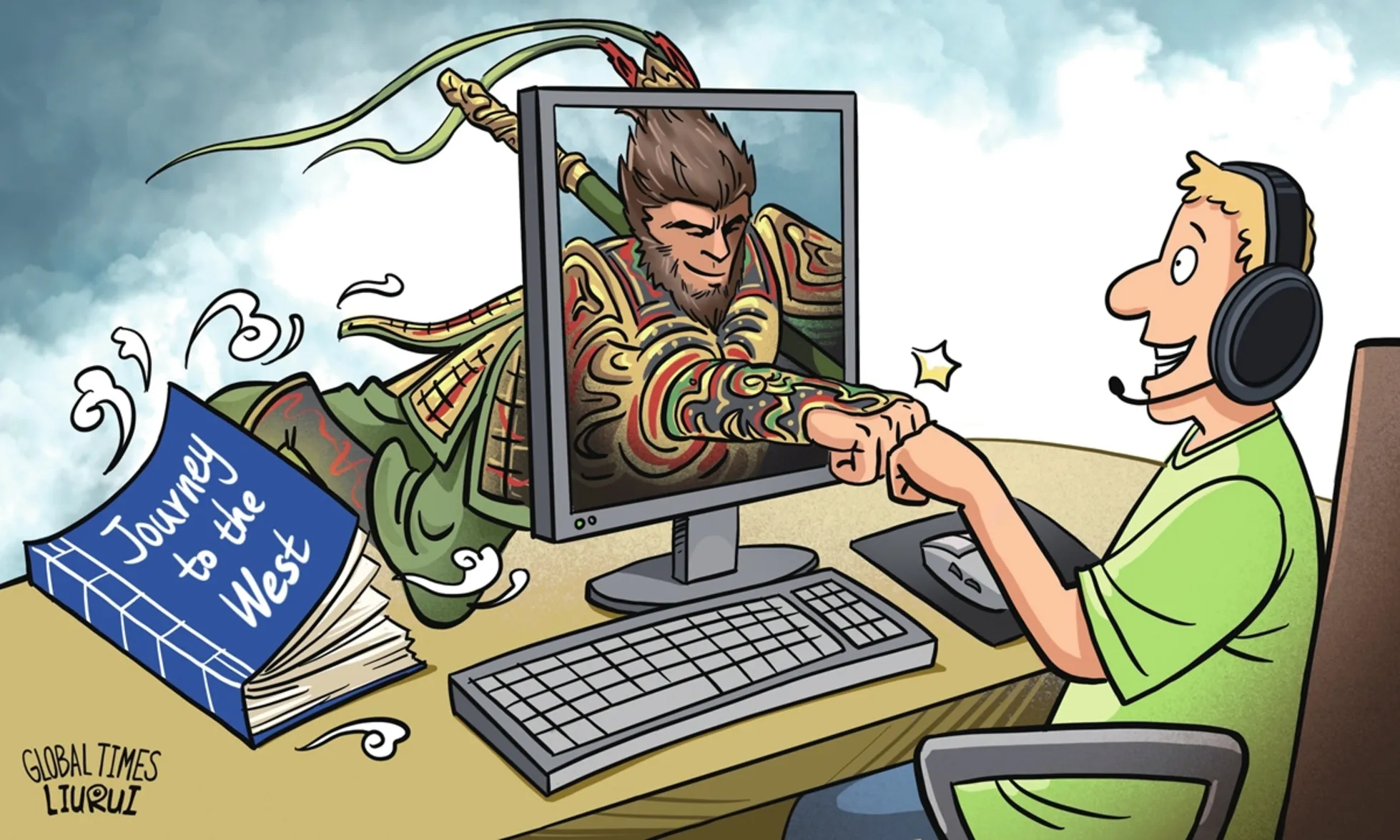
Now, for the first time, local culture can go global super fast.
Like, a song recorded in someone's room can get millions of listeners all over the world. A local joke can quickly become a thing everyone's saying. Regional styles can have an impact on global fashion in just a few days.
The internet basically made the world a lot less separated. Culture moves every which way all the time now, which makes a mix of global and local stuff.
So, the world didn’t get smaller, it just got seriously linked up.
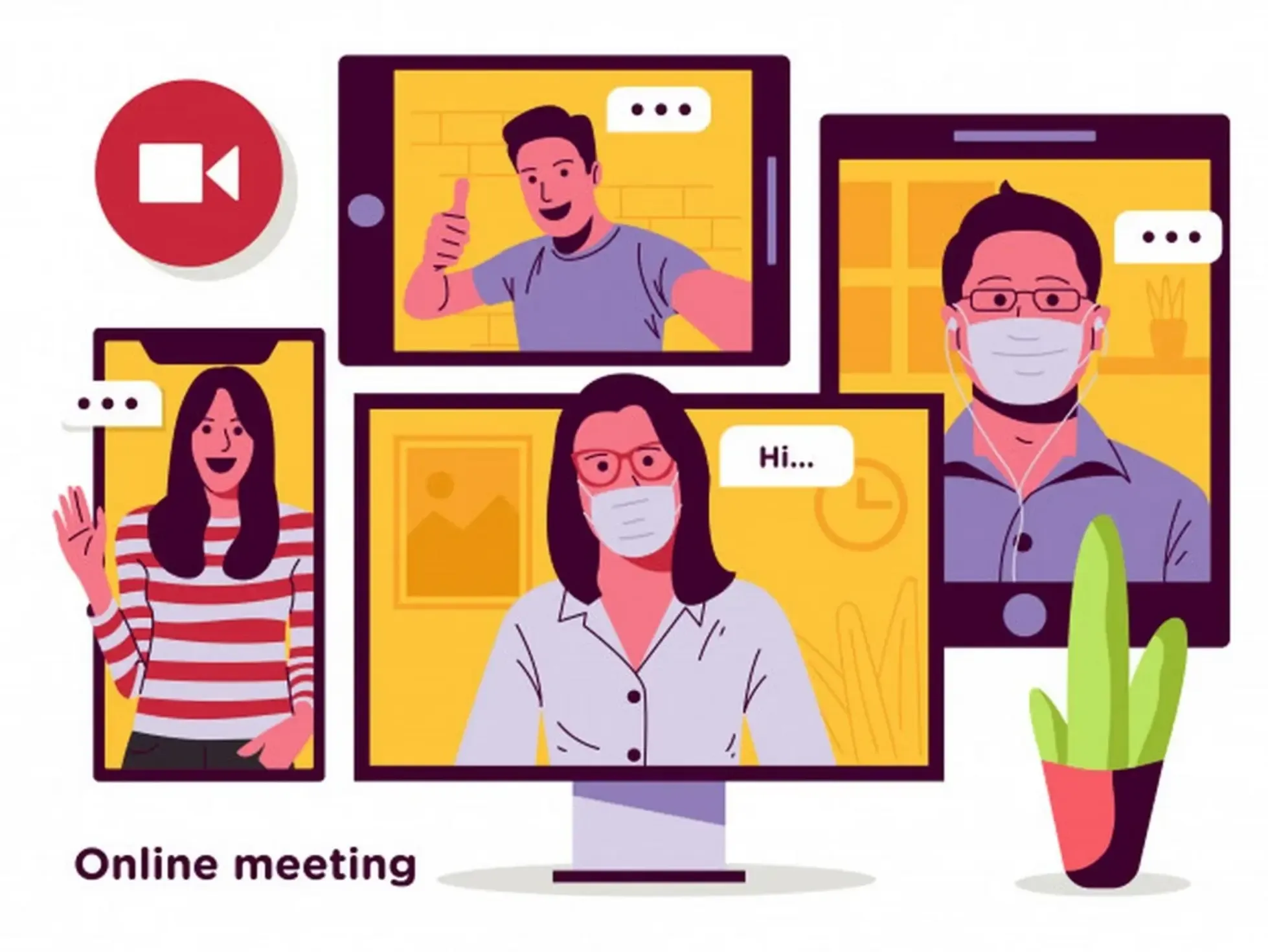
Online, people show who they are in fresh ways.
People put their likes, thoughts, jokes, and what they think is vital out there for everyone to see. Profiles are like signals. What you share, like, or follow tells people about you.
This mixed up culture and identity. Being online isn’t just watching; it’s like putting on a show. People don’t just take in culture; they become it.
Back in the day, getting a cultural or social movement off the ground meant you needed groups, cash, and someone in charge. But the Web flipped the script.
Now, a hashtag, a video that goes viral, or online groups can get millions of people moving without any real boss. News travels fast, faster than any organization can keep up.
Sure, this kind of power can be used for bad stuff, but it’s changed the game for how people come together to make things happen.
Culture is now organizing itself.
The internet's not like old empires or the media, see?
No one's in charge.
There are no borders.
It's always on.
It's always changing.
Anyone can join in.
It changes how we talk, think, dress, vote, learn, and meet people every day, everywhere, right away. Nothing like it has ever been this big, this fast, or this deep.
Power has its downsides.
The very tools that boost creativity can also spread fake news. The platforms we use to connect can also divide us. Being culturally dominant doesn't always mean things are healthy.
It's key to get how the internet works, not to ditch it, but to use it wisely.
The internet isn't just a major cultural force, it's where culture actually exists now.
Before, each generation got its culture handed down. Now, we're building it together, as we go.
Honestly, that might be the biggest change ever.
Because it shapes communication, trends, identity, and global conversation at unprecedented speed and scale.
Unlike traditional media, the internet allows participation, creation, and instant global distribution.
Yes. Algorithms amplify content based on engagement, shaping what becomes popular.
Yes. Memes are a primary form of communication and cultural expression online.
It can, but it would move slower and reach fewer people.