Gaming
Jan 23, 2026
This full breakdown explains spawn mechanics, AI limitations, design choices, cut features, and how later updates tried to fix it. Photo by: CyberPunk
Cyberpunk 2077 arrived with big expectations, with gamers hoping for an open-world experience on par with GTA V or Red Dead Redemption 2. But one thing stood out, and not in a good way: the police AI.
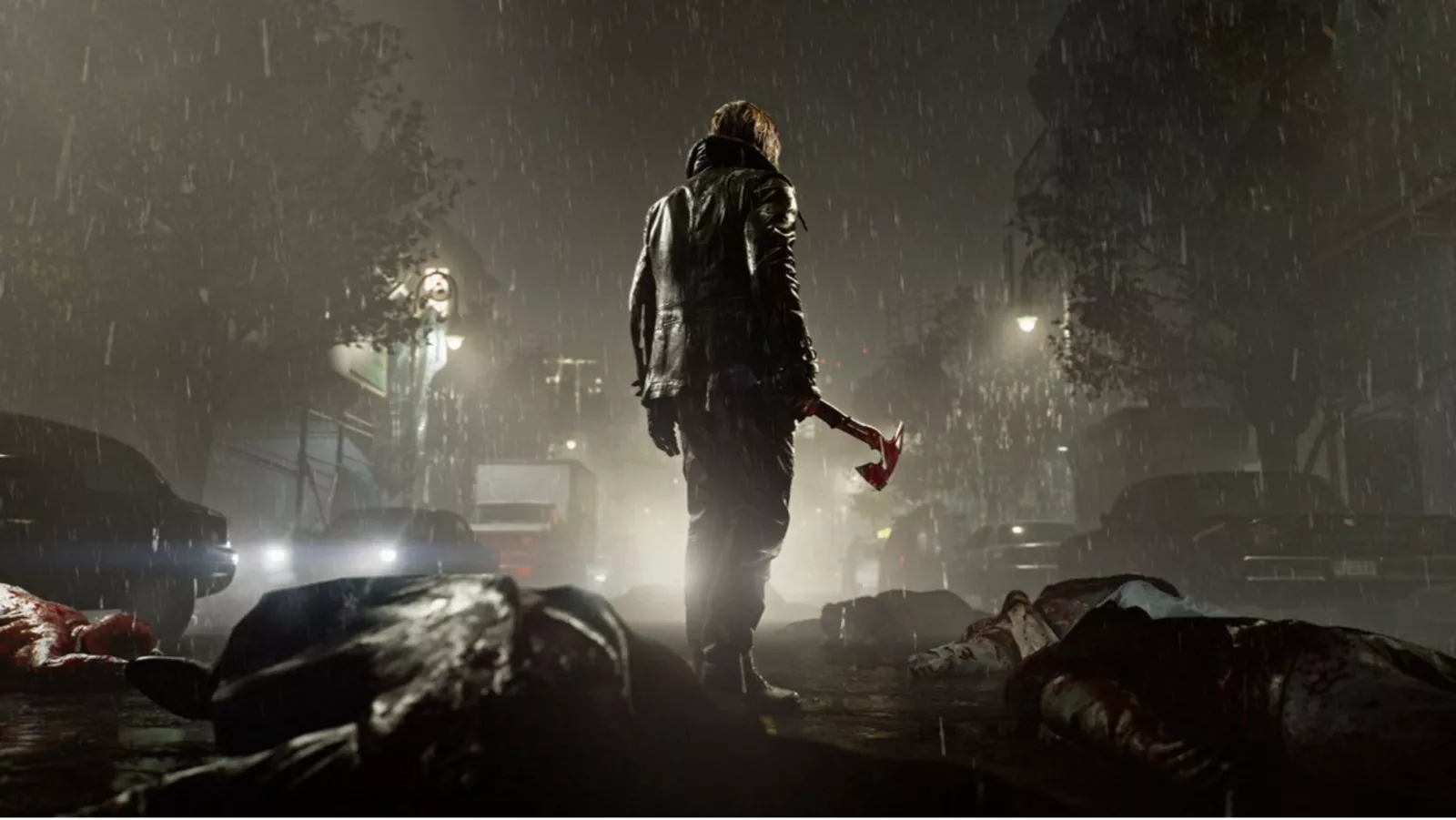
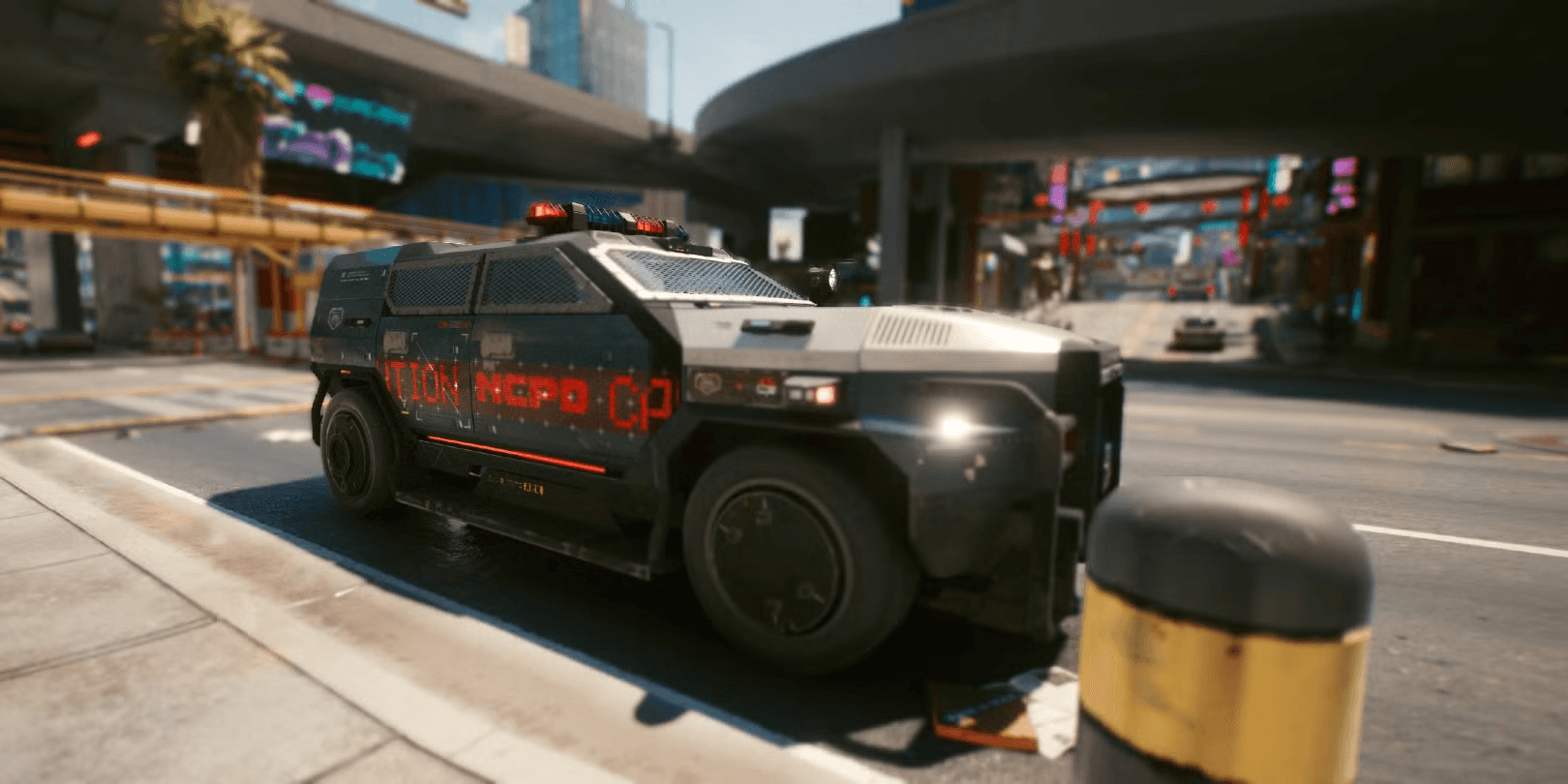
Right away, folks saw weird stuff. Cops would just appear behind you, vanish around corners, not bother chasing in cars, and jump straight to extreme force without reason. Compared to other similar games, the police system felt incomplete, ruining the experience and feeling old-fashioned.
So, what happened?
This piece explains the technical, design, and real-world reasons why Cyberpunk 2077's police were a mess, discussing why fixing them was such a big deal.

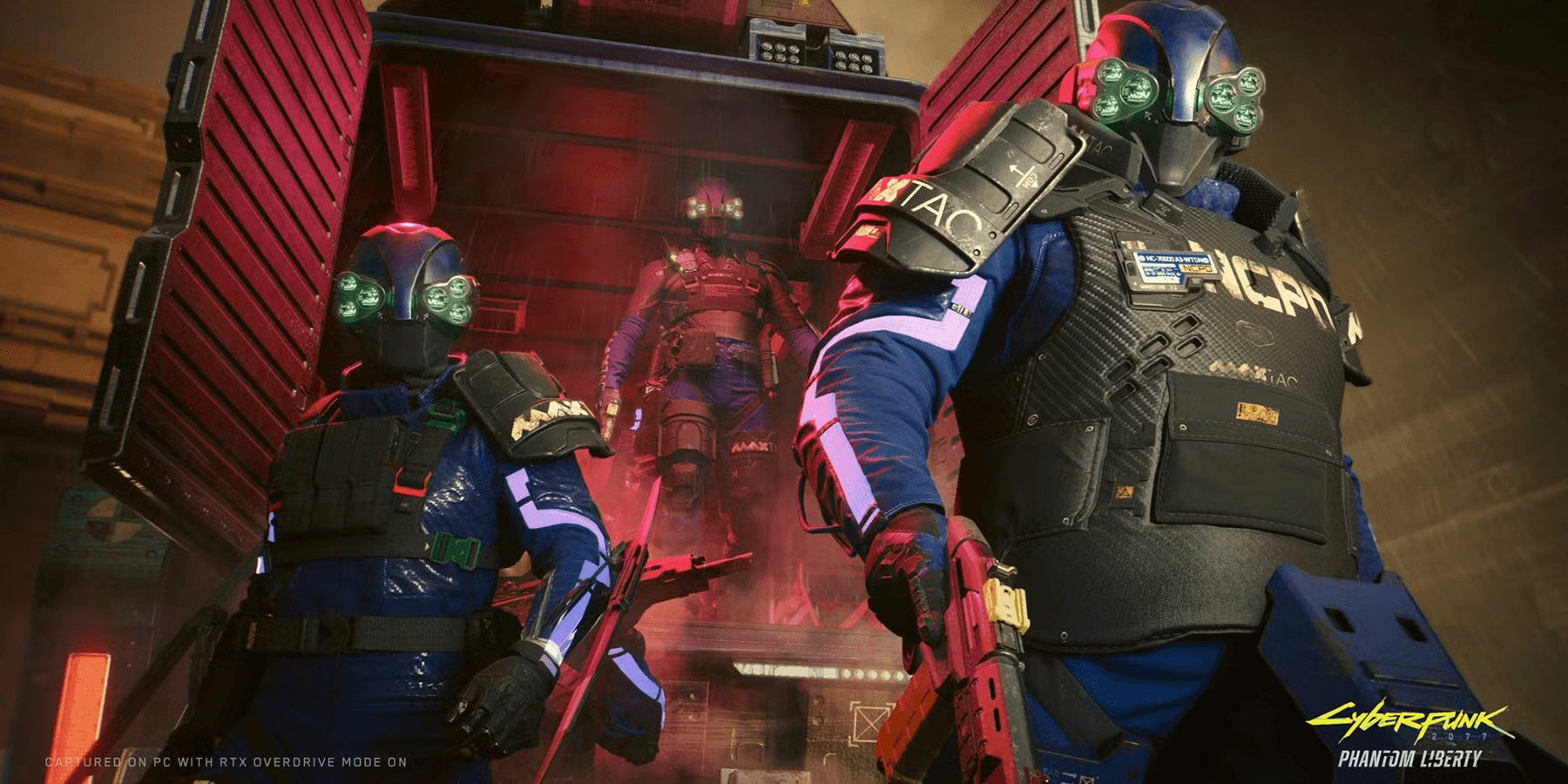
Cyberpunk 2077's police AI wasn't great at launch. Instead of a believable, persistent police presence, the game used a system where cops just appeared when you caused trouble.
This happened because of performance issues, engine limits, and changes during the game's development not just because the AI was badly designed.
To get a handle on this issue, let's see how other open-world games handle their police systems.
Games like GTA or Red Dead Redemption make police systems a key part of how you play. These systems usually include:
Cops that don't give up.
The more you mess up, the harder they come after you.
Chases that involve cars and foot.
If they see you, they're on you.
They remember you and will look for you.
They can lock down areas and call for backup.
These systems act like law enforcement within the game world.
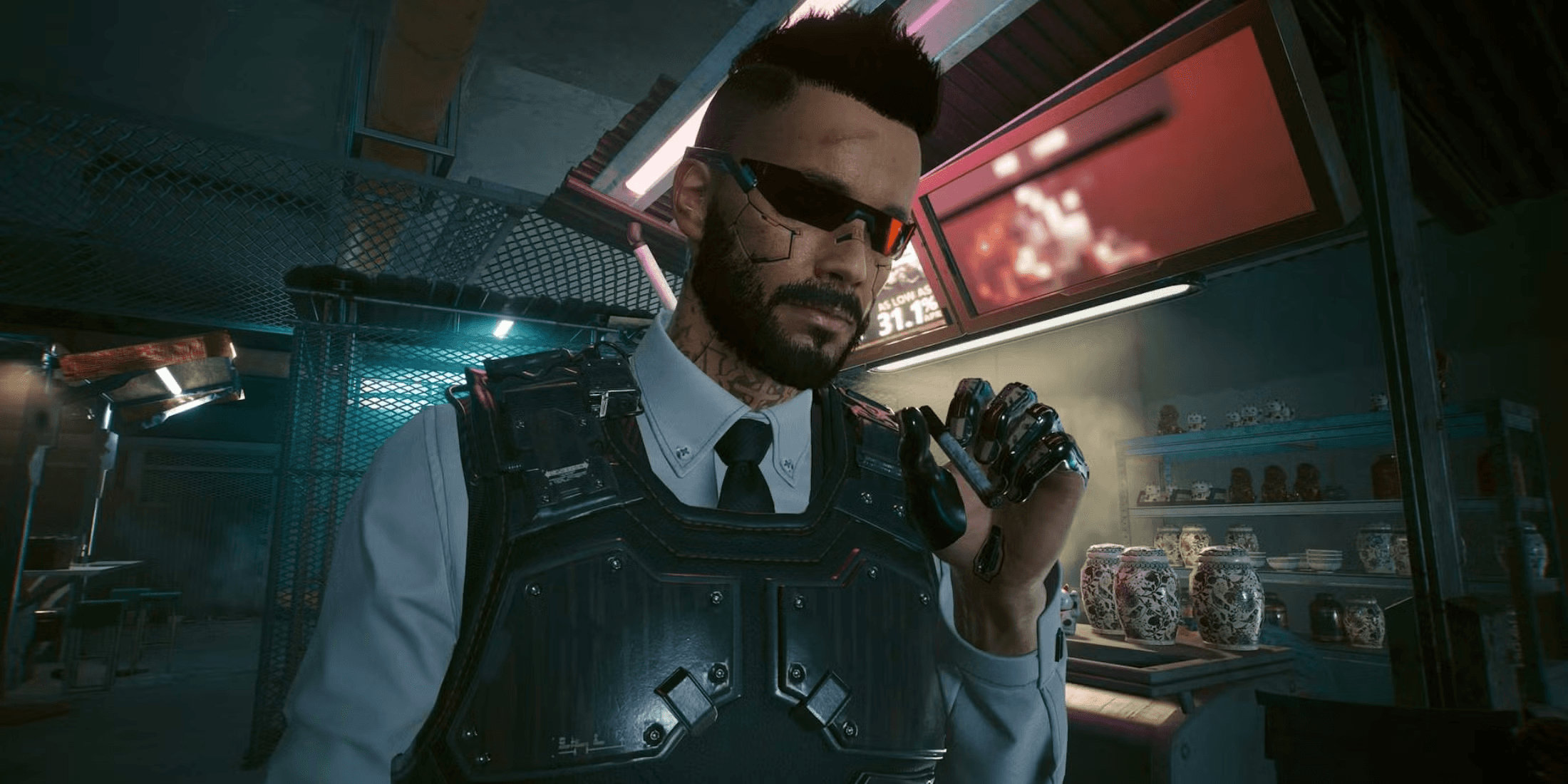
Cyberpunk's cops weren't made to be a constant part of the world. Instead, they were there to punish you when you messed up.
Feature | Cyberpunk 2077 (Launch) | Typical Open-World Game |
|---|---|---|
Police patrols | No | Yes |
Vehicle chases | Rare / none | Core mechanic |
Persistence | None | High |
Spawn logic | Instant near player | World-based |
Investigation | No | Yes |
Escalation | Binary | Multi-stage |
The system responded to crimes, but never really went after the player.
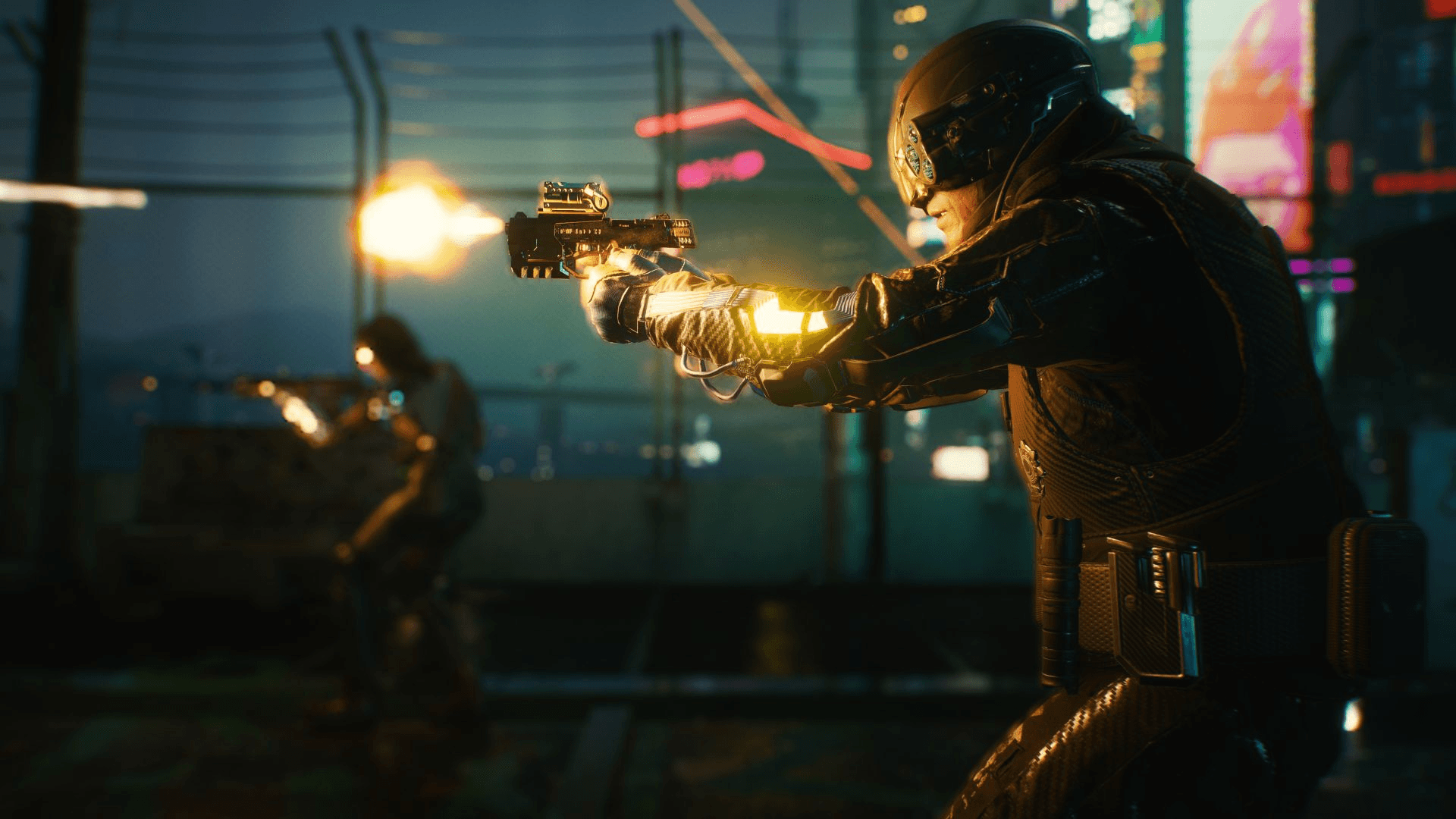
This was the behavior people criticized most and understood least.
The police didn’t just teleport because of bad AI. They appeared because the game didn't have police officers that could follow the player all over the city.
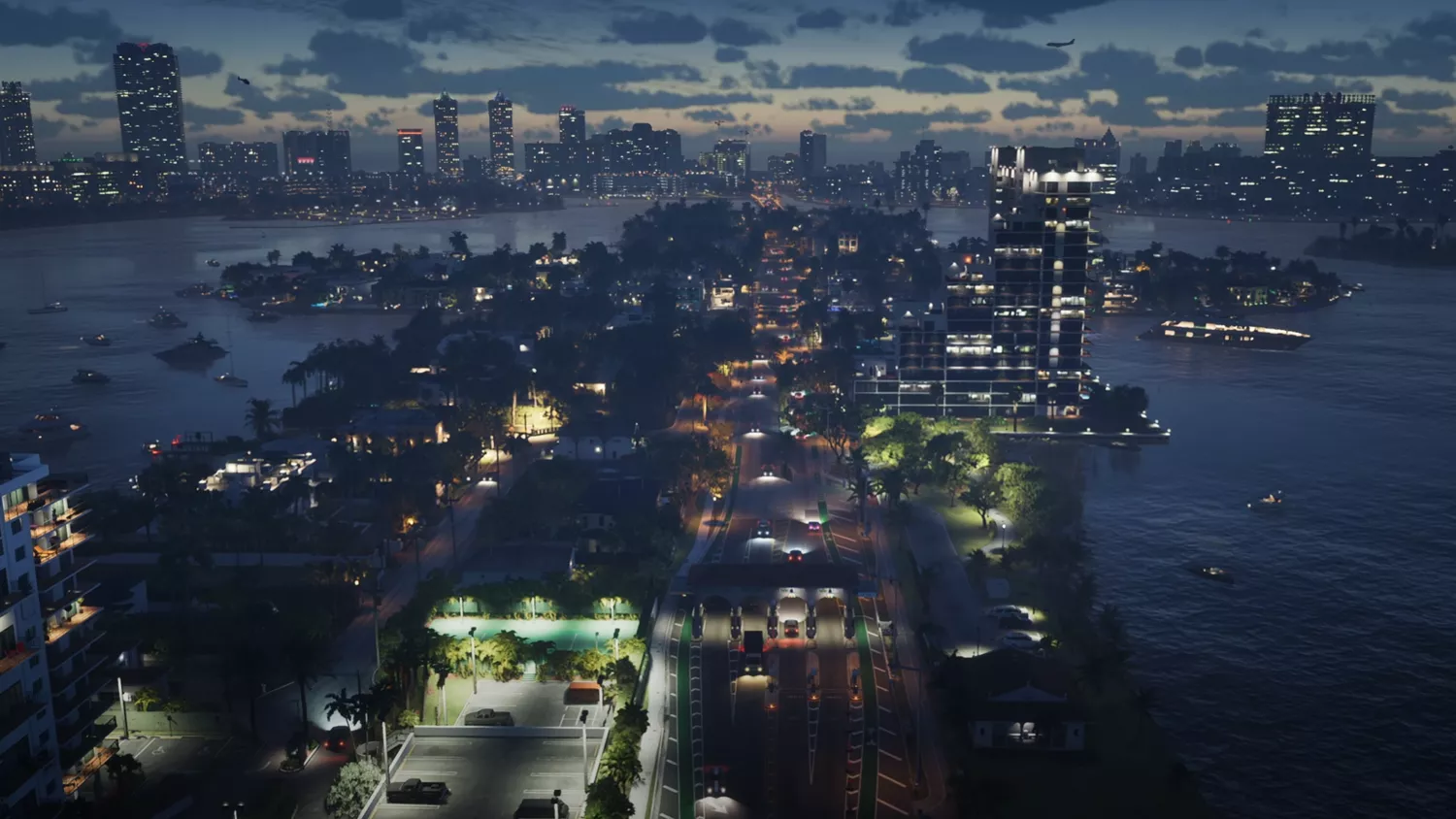
Night City has a ton of NPCs.
The game streams buildings, interiors, and crowds, which is complex.
Visuals and physics put a heavy load on the CPU and memory.
Old consoles (PS4/Xbox One) have limitations.
A police system that lasts needs:
AI vehicles can find paths through packed city areas.
AI can drive on roads that go up and down.
The system can simulate chase units from far away.
To keep the game running smoothly, the developers decided that characters will appear close to the player when a crime happens.
Works great, but not perfect.

What Cyberpunk 2077 Really Focused On:
Ultra-dense city layouts
Vertical architecture
Advanced lighting and reflections
High NPC counts
Looking back, a greater initial focus on incorporating AI into the core systems would have been beneficial.
This led to an imbalance.
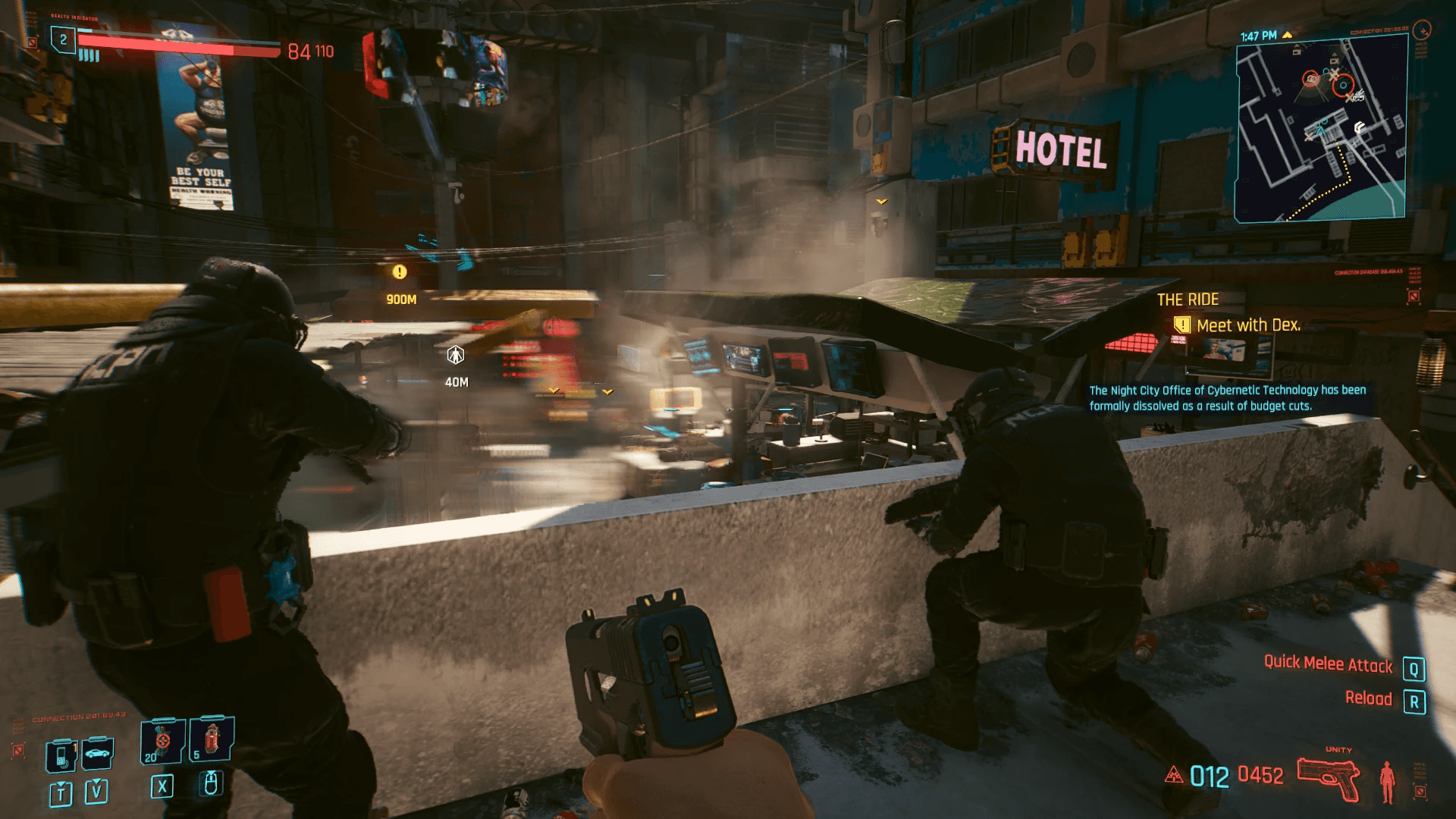
Visuals took up a lot of CPU/GPU power.
AI systems didn't get as many simulation resources.
The police only reacted to events instead of being part of the world.
Night City has a vibrant vibe, but when it first came out, it didn't feel as alive as it looks now.
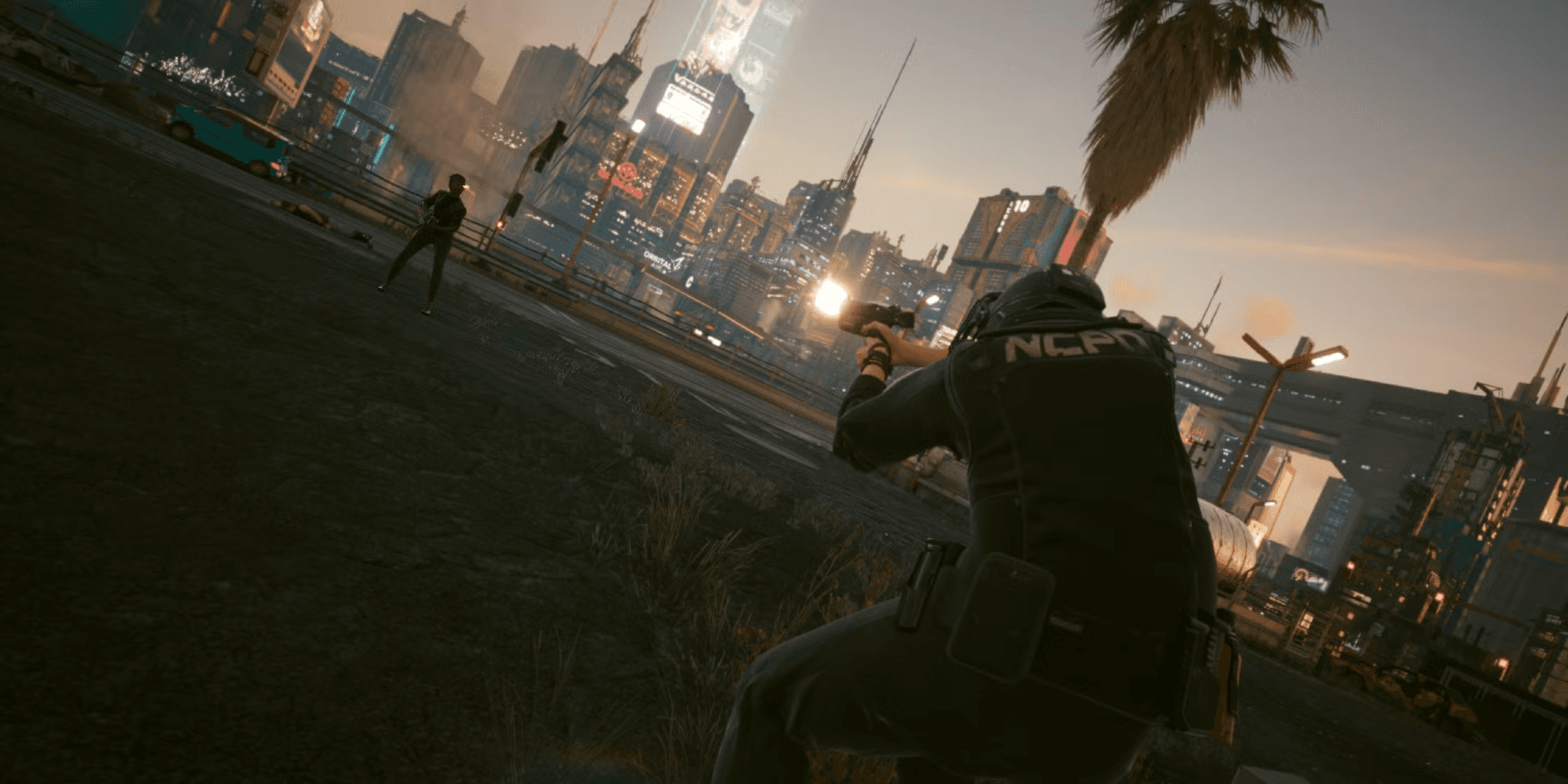
Here's what's really different:
The police AI was not “dumb.” It was intentionally shallow.
At launch, the system lacked:
Remembering past meetings
Smart placement
Looking at search status
Teaming up cars
Knowing the surroundings
The AI only checked for rule breaking, missing the bigger picture. Once players figured this out, the game felt fake.
Cyberpunk 2077's development had some bumps along the road:
Engine changes during production.
Changing the target platform.
Intense crunch period near release.
Pressure to release on older consoles.
MulPolice AI wasn't scrapped, but it was scaled back so we could get the game out the door.
We probably had plans for fancy systems, got some of them working, but had to cut back because of time and performance issues.
Ironically, older open-world games often felt smarter because they had:
Easier-to-process graphics
Fewer characters on screen
More processing power for smarter AI
Cyberpunk aimed high, trying to be a jack-of-all-trades.
In the end, its stunning visuals took priority over deep, complex systems.
After the game came out, updates made the police much better.
Tweaked vehicle chases:
Made spawn distances and arrival timings better.
Improved how chases get more intense.
Reduced random teleporting.
The changes were put into place on what we already had. The system works better now, but the base structure is still the same.
Cyberpunk 2077? It's really a story-focused RPG at its core, not just a crime-filled sandbox.
The main job of the police is to:
Stop random violence.
Guide players back to the main story.
Set limits, don't just make repetitive tasks.
People thought they'd get a GTA experience with freedom to do anything. Instead, the game was more like an RPG, with rules and restrictions. This difference made the letdown even worse.
It is improved, but still not as deep as systems built from the ground up for sandbox gameplay.
Delays had already occurred multiple times, and pressure to ship especially on last-gen consoles limited further expansion.
It was a design compromise driven by technical and production constraints.
Here’s why the Cyberpunk 2077 police weren't quite right at launch:
The police were designed to react to crime, not act like real officers.
Instead of officers patrolling the city, they just appeared when you broke the law.
The game's engine and performance limitations meant some things had to be cut back.
The visuals looked great, but the police AI wasn't as deep as it could have been.
The game was released before the police system was fully ready.
Basically, the police weren't dumb on purpose; they just weren't finished because of some issues development .
Updates have made it better since then, but that initial experience is what people remember.