
Gaming
Jan 23, 2026
Lionhead’s shutdown changed Xbox forever. Here’s why it closed and what followed. Photo by: Wccftech
Lionhead Studios was not just another game studio. For many players, it was the heart of Xbox’s fantasy role-playing identity.
When Lionhead closed in 2016, it didn’t just end a studio it marked a major shift in how Microsoft viewed games, creativity, and risk.
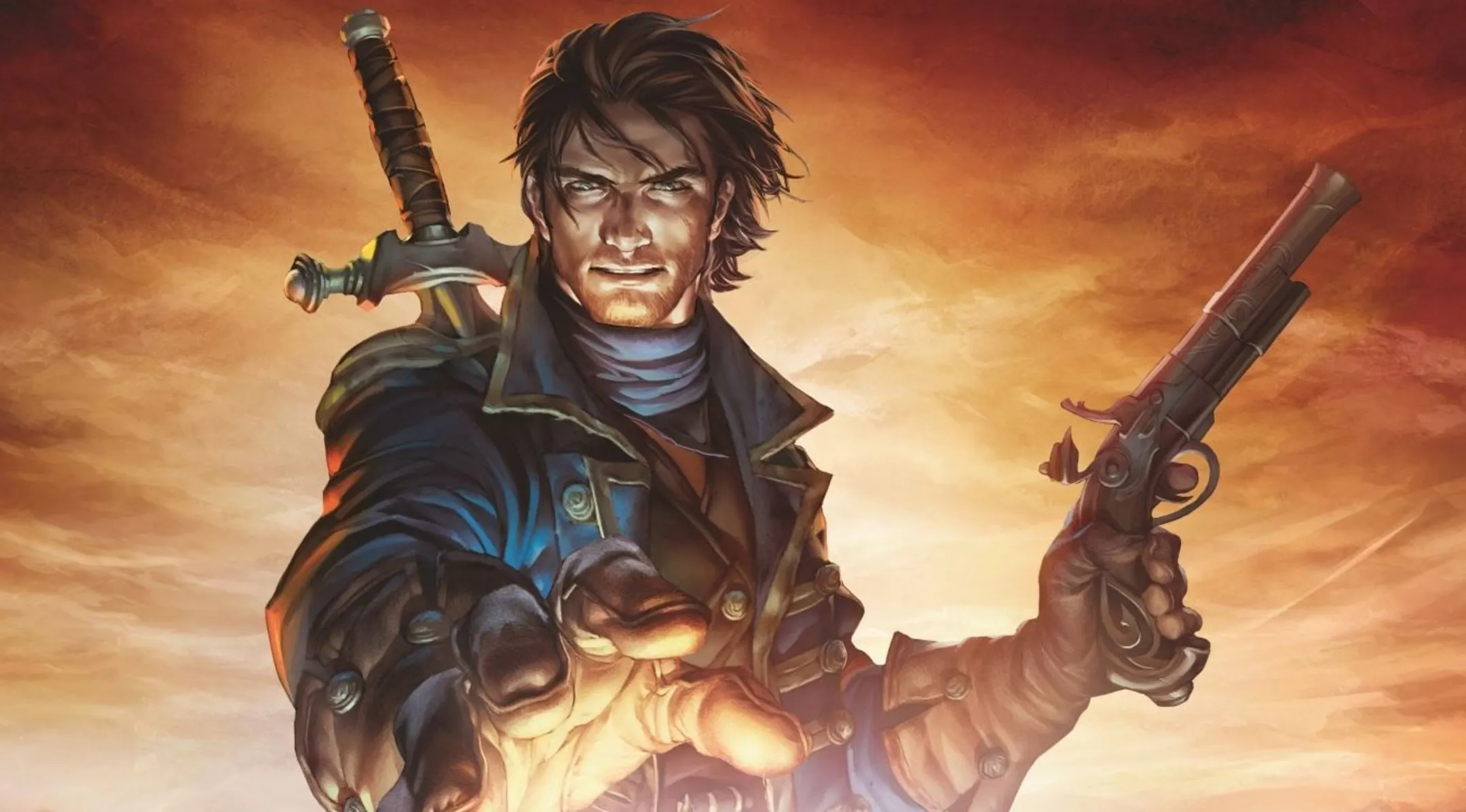
To understand why Lionhead closed, we need to look at what the studio stood for, what changed inside Xbox, and why the gaming industry itself moved in a different direction.
This is not about nostalgia. This is about understanding how one decision reshaped Xbox’s future.
Lionhead Studios was founded in 1997 by Peter Molyneux, a developer known for big ideas and bold promises. The studio became famous for the Fable series, which launched in 2004.
Fable was different. It focused on player choice, morality, humor, and a living world called Albion. Your actions changed how the world reacted to you.
Villagers remembered you. Your character physically changed over time. At the time, this felt new and exciting.
Fable II in 2008 became the high point. It sold well, reviewed well, and built a loyal fan base. But after that, things slowly started to shift.
Fable III released in 2010 and did not meet expectations. While it sold decently, many players felt it lost depth and freedom. The criticism hurt Lionhead’s confidence and Microsoft’s trust.

Around this time, the gaming industry itself was changing. Online multiplayer games, live services, and recurring revenue models were also becoming the focus. Single-player story games were seen as risky.
Microsoft began pushing its studios to chase long-term monetization rather than one-time purchases.
Lionhead was asked to adapt.
Instead of making a traditional Fable IV, Lionhead was pushed toward Fable Legends, a free-to-play, online co-op game designed as a service.
This was a very major shift.
Fable Legends removed much of what fans loved:
No deep single-player story
Heavy focus on online play
Monetization systems
Long-term service model
The game entered beta multiple times between 2014 and 2016, but player interest was low. Feedback showed confusion and frustration. It did not feel like Fable.
Behind the scenes, development costs were rising. The player base was not growing. Microsoft was losing confidence.
In March 2016, Microsoft officially closed Lionhead Studios and canceled Fable Legends.
The reasons were not emotional. They were business-driven.
Lionhead no longer fit Microsoft’s strategy at the time. The studio struggled to adapt to live-service demands. The project was expensive, delayed, and uncertain.
From Microsoft’s perspective:
The game was not performing
The studio was not aligned with future goals
Resources could be moved elsewhere
Lionhead was shut down. Fable went silent.
The closure became a lesson for Microsoft.
In the years that followed, Xbox faced criticism for lacking strong story-driven exclusives. Players compared Xbox unfavorably to PlayStation, which invested heavily in narrative games.
By 2018, Microsoft changed direction.
Xbox began:
Buying studios instead of forcing direction
Funding long-term projects
Allowing creative freedom again
Focusing on quality over speed
This shift is why Fable was revived.
In 2018, Microsoft acquired Playground Games, known for Forza Horizon. Playground had strong open-world experience, technical talent, and stable leadership.

Instead of reviving Lionhead, Microsoft chose to rebuild Fable from scratch.
A dedicated RPG team was created inside Playground. Writers, designers, and developers were hired from major studios. This time, Microsoft promised patience.
But rebuilding takes time.
The long silence around the new Fable exists because Microsoft does not want to repeat the same mistake.
Lionhead failed because:
It was forced into a direction it didn’t believe in
It was rushed into trends
Communication broke down
Now, Xbox is cautious. Maybe too cautious.
Fans are frustrated, but the delay reflects a company trying not to kill Fable again.
If you are between 14 and 25, Lionhead might feel like history. But its story explains why modern games take so long and why studios fear failure.
It shows:
Why creativity can clash with corporations
Why live-service games aren’t always the answer
Why trust between players and publishers matters
Lionhead didn’t fail because it lacked talent. It failed because the industry changed faster than the studio could.
Lionhead Studios closed because it was caught between creativity and corporate pressure.
What changed afterward is just as important. Xbox learned that forcing studios to chase trends destroys identity. The return of Fable is not just a reboot it is an apology.
Whether Microsoft succeeds this time depends on one thing: letting developers build games players actually want.
Lionhead closed because its live-service project Fable Legends failed to gain players and no longer fit Microsoft’s strategy.
Lionhead Studios officially closed in March 2016.
No. Microsoft later revived Fable with Playground Games.
Xbox shifted toward long-term development, studio freedom, and story-driven games.
No. The new Fable is a reboot developed by Playground Games.