
Gaming
Jan 23, 2026
Learn how to apply for an O-1 visa as an esports player in 2026. Eligibility, documents, evidence, costs, timeline, and common mistakes explained. Photo by: Berardi Immigration Law
Esports is becoming more professional worldwide, and many competitive players are signing with US teams. They're playing in North American leagues and competing in international events held in the US.
If you're not a US citizen and want to play here, the best way to get a visa is often the O-1 visa, also known as the extraordinary ability visa.
Some people think esports players can't get this visa, but that's not true. Many players in games like Valorant, CS2, League of Legends, Dota 2, Fortnite, Call of Duty, Overwatch, and Rocket League have already been approved.
This guide will walk you through the steps to apply for an O-1 visa as an esports player in 2026.
The O-1 visa lets people with amazing skills work in the US temporarily.
For esports pros, it means you:
Compete at a really high, global level.
Have a history of doing well in competitions.
Are known as one of the best in your game.
You don't need a college degree.
There's no age limit.
There's no limit to how many are given out each year.
You can renew it as many times as you want.
You can switch teams and have different deals at once.
It covers competing, training, streaming, sponsorships, and making content.
Yes, esports players can qualify for the O-1B visa, which is for people with extraordinary ability in athletics or the arts.
You don't need to be a world champion to qualify. The USCIS looks at your achievements and decides if you're one of the few people who have reached the top of esports, based on the proof you provide.
To qualify, you'll need to show that you meet at least three of the following requirements or offer similar proof:
Think big international events, pro leagues, or well-known regional competitions.
This covers tourney wins, player salaries, and money from sponsorships.
This means being written about on esports news sites, tourney pages, interviews, or profiles.
Proof that you're a main player, captain, leader in the game, or a team member that's important to the team's plans.
Letters from team owners, coaches, tourney organizers, or league officials that say you're good.
Contracts showing you get paid more than what's common in the business.
Things like MVP awards, spots on leaderboards, or rankings in your area or worldwide.
Stats from streaming, social media, or how many people watch you, which show you have an impact on the business.
To make a strong case, be sure to include:
An esports resume that shows you're a pro.
Your past tournament results and where you placed.
Proof of any prize money you've won.
Copies of your player contracts or any offer letters.
Six to eight letters of recommendation from people in the know.
Any articles or interviews you've been in.
Your rankings and stats.
Data from your streams and social media.
Credentials from your team or league.
Keep in mind that incomplete or messy paperwork is the number one reason things get held up or rejected.
You can't petition for yourself. A sponsor in the US needs to file the petition for you.
Acceptable sponsors are:
Esports groups in the US
Tournament planners
Esports management companies
Player agents in the US
Individual players can use a US agent. They can file the petition and handle several deals for you.
First, you need to sign a contract with a US esports team or agent.
Next, gather your stats, earnings, articles, and anything else that shows your achievements.
You’ll need letters from experts explaining why you’re top-tier, why you're important to the team, and how your presence will help esports in the US.
Have your sponsor file Form I-129 with USCIS.
Regular processing takes two to four months. If you pay extra for premium processing, it can be done in 15 days.
After approval, attend an interview at a US consulate.
Now you’re clear to start competing, training, streaming, and working.
Stage | Typical Duration |
|---|---|
Evidence Preparation | 2-4 weeks |
USCIS Processing | 15 days (premium) or 2-4 months |
Embassy Interview | 1-3 weeks |
Total Timeline | Approximately 1-3 months |
Expense | Estimated Cost (USD) |
|---|---|
USCIS Filing Fee | $460 |
Premium Processing (optional) | $2,805 |
Attorney Fees | $4,000-$10,000 |
Total Estimated Cost | $5,000-$13,000 |
Only world champions think they can apply.
Submitting letters of recommendation that are weak.
Not having a U.S. sponsor who meets the requirements.
Incomplete income or achievement documents.
Thinking popularity on streaming platforms is enough.
Applying without a qualified immigration lawyer.
Visa Type | Limitation for Esports |
|---|---|
B-1/B-2 | No paid competition allowed |
H-1B | Degree requirement and lottery |
P-1 | Limited to specific teams or events |
O-1 | Best flexibility and long-term viability |
Yes. Professional esports players regularly qualify under O-1B with proper evidence.
Yes, if combined with competitive achievements and industry recognition.
No.
Yes. Many players later transition to EB-1A or EB-2 NIW.
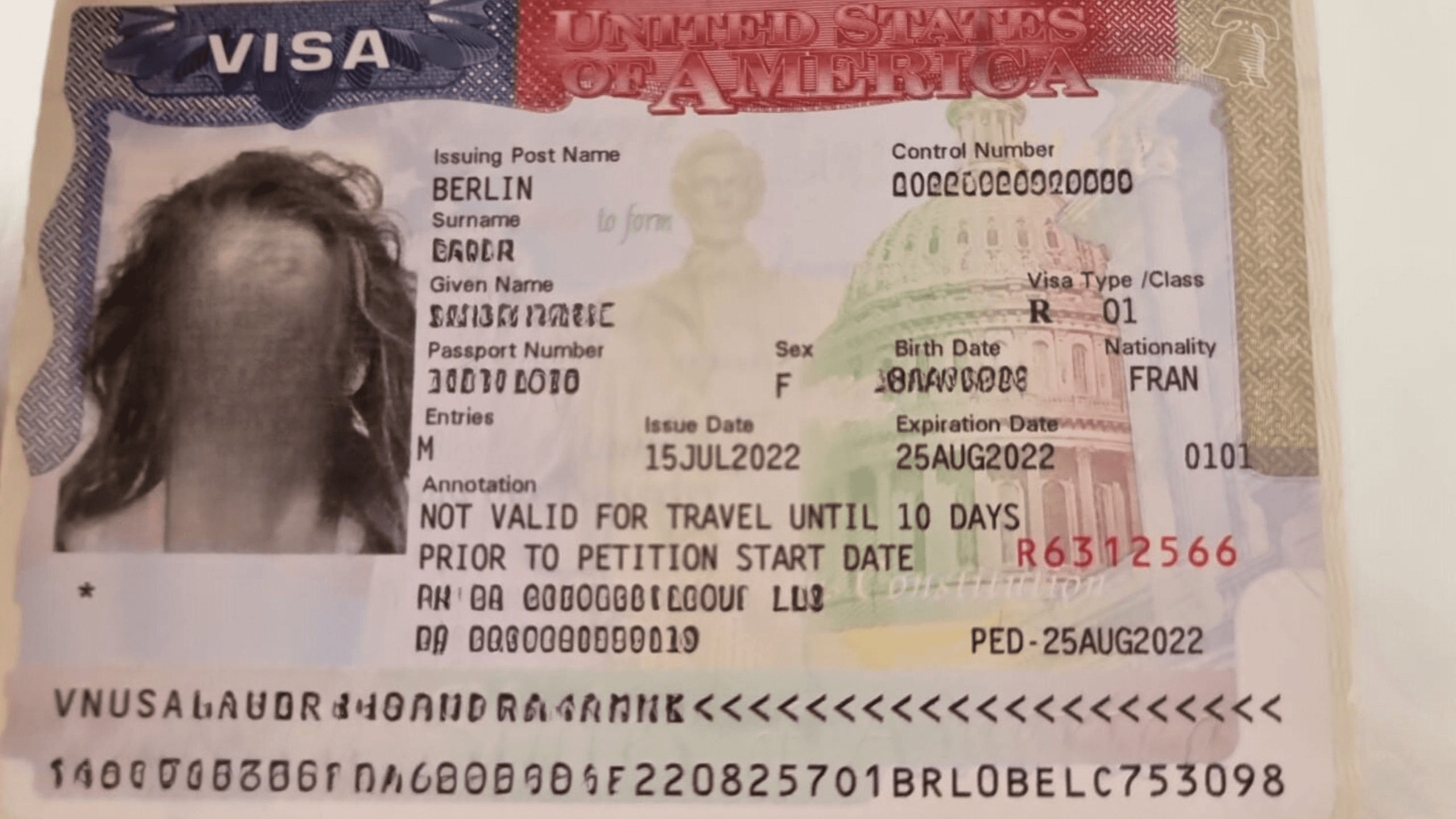
For esports athletes looking to compete, train, or join American teams, the O-1 visa is still the best and most practical way to get into the US in 2026.
With real accomplishments, good help, and the right legal prep, esports pros can and do get their O-1 visas approved each year.