
Gaming
Jan 23, 2026
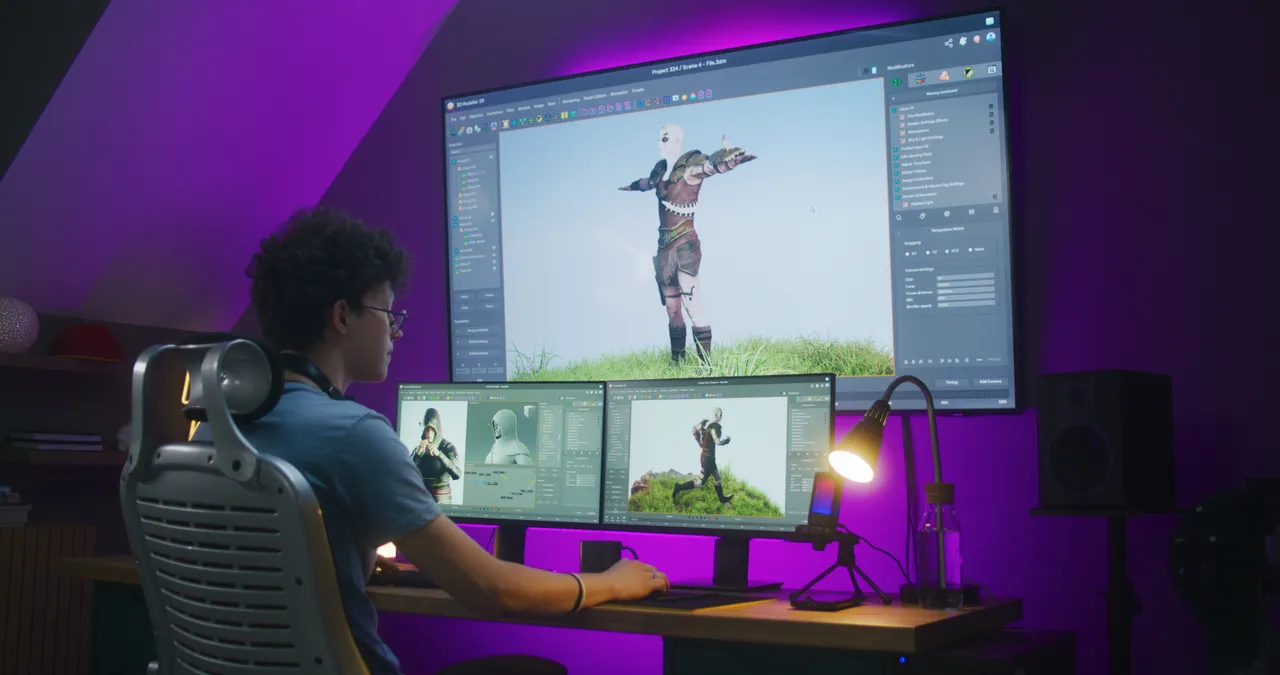
Learn how to become a game developer without a degree using simple tools, small projects, and a clear step-by-step roadmap anyone can follow. Photo by: Game Developer
Ten years ago, getting into game development without a computer science degree seemed unrealistic. Studios usually wanted a formal education, lots of experience, and a portfolio that most beginners couldn't even imagine having.
But now, things are different.
Some well-known developers like Toby Fox (Undertale), Markus Persson (Minecraft), and Eric Barone (Stardew Valley) made their careers without degrees.
The rise of indie games and easy-to-use tools like Unity, Unreal Engine 5, and Godot, along with platforms such as Steam, itch.io, and the Epic Store, have transformed the industry.
So, the answer is yes it’s possible to become a game developer without going to college. Still, you’ll need a plan.
Game developer covers a lot of ground. Before you start learning, figure out which role really grabs your attention.
Role | What You Do | Required Skills |
|---|---|---|
Gameplay Programmer | Build game logic, AI, mechanics | C#, C++, scripting |
Game Designer | Design levels, systems, rules | Systems thinking, balancing |
Game Artist | Models, textures, animation | Blender, Maya, Substance Painter |
Technical Artist | Bridge art + programming | Shaders, rigging, optimization |
Sound Designer/Composer | Music and effects | Audio mixing, DAW tools |
Producer/Project Lead | Manage schedules, teams | Organization, communication |
Specialize in one area, but learn enough about other fields to work well with people.
You don’t need to learn everything. Pick one engine and commit for at least 6-12 months.
Top choices:
Engine | Best For | Difficulty |
|---|---|---|
Unity | Mobile, indie PC games, 2D/3D | Beginner-friendly |
Unreal Engine 5 | AAA graphics, shooters, cinematic games | Medium-High |
Godot | 2D, lightweight development, open source | Beginner-friendly |
If you're into top-notch graphics, action, or shooting games, go with Unreal.
For flexibility and getting your game on phones, Unity is your best bet.
And if you like easy scripting and open-source, Godot's a good choice.
The trap most beginners fall into?
Endless tutorials. Zero finished projects.
Try doing these projects in order:
Pong
Breakout
A simple platformer
A basic shooter
A first-person prototype
A small, polished game (with menus, sound, effects, and build export)
Each one will teach you key skills, like:
Handling input
Managing collisions and physics
Making a user interface
Saving data
Moving between scenes
Getting your game ready to ship
Completing small projects helps you learn and builds your confidence. Plus, you'll start to build a portfolio of your work.
Resumes aren't everything. Game studios really want to see:
Finished games you've worked on
Well-written code
Smart design choices
Your ability to solve problems
A good portfolio is a must have:
3-6 games people can play
A link to your code (like on GitHub)
An explanation of your role in each project
A way to download and play your games or a WebGL version
It's a plus if you share your development process on YouTube or TikTok. Studios like programmers who can communicate.
Game jams are great for quickly improving your skills because they challenge you to make games within a short time, which is what it's like in actual game studios.
Here are some jams I suggest:
Global Game Jam
Ludum Dare
GMTK Jam
itch.io weekly/monthly jams
What you'll gain:
Teamwork skills
Better time-handling
Industry contacts
Portfolio pieces
Don't have a degree? No worries. Networking is key.
Where to connect:
Discord game dev servers
Unreal forums
Reddit communities like /r/gamedev
GDC (either in person or online)
Studios even find people on Twitter/X when devs share their projects.
You have three potential paths:
Path | Pros | Cons |
|---|---|---|
Indie Release | Full creative control | Harder financially |
Studio Job | Stable salary, mentorship | Competition, testing first |
Freelance | Flexible, portfolio growth | No guaranteed income |
Many developers combine all three.
Do I need math?
Basic math helps for programming and gameplay systems, but advanced math is not required unless working on graphics or simulation systems.
How long will it take to learn?
Most self-taught developers become job-ready in 6-24 months, depending on dedication.
Can I get hired with no degree?
Yes. Your portfolio matters more than your education.

Getting into game development isn't about where you went to school. It's all about the games you create. If you stick with it, finish what you start, never stop learning, and show your work, you can definitely get your foot in the door even without a degree.