
Sports
Jan 28, 2026
A clear explanation of the football move rule, control, feet down, common examples, replay reviews, and why catch rulings are controversial. Photo by: Gridiron Football
Figuring out what's a catch in American football can be tricky. It's one of the most argued-about rules.
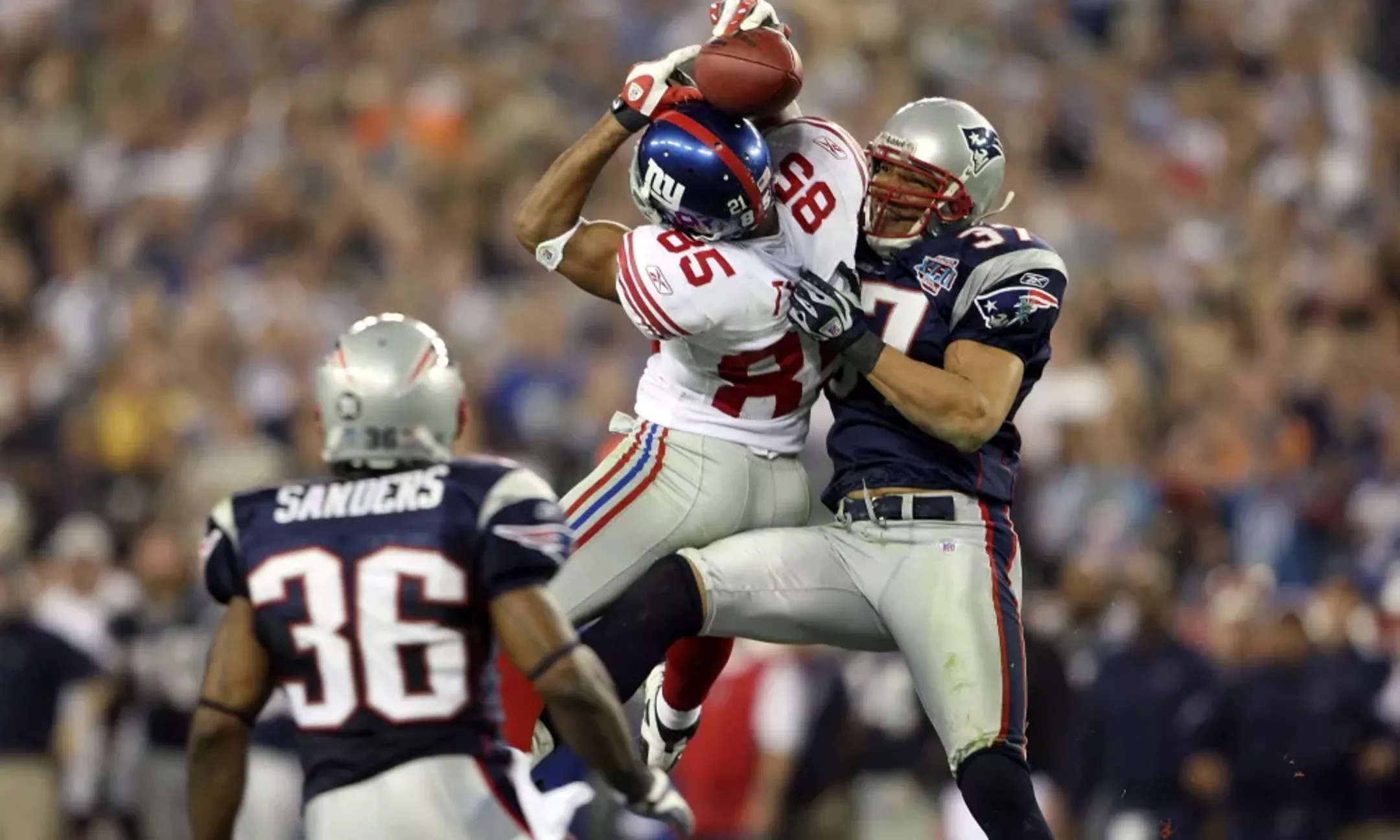
In the NFL, it's not enough to just get your hands on the ball. To complete a catch, you have to control the ball, get both feet (or another body part) down in bounds, and then make a move with the ball.
Let's break down the NFL's catch rule to make it easier to understand.
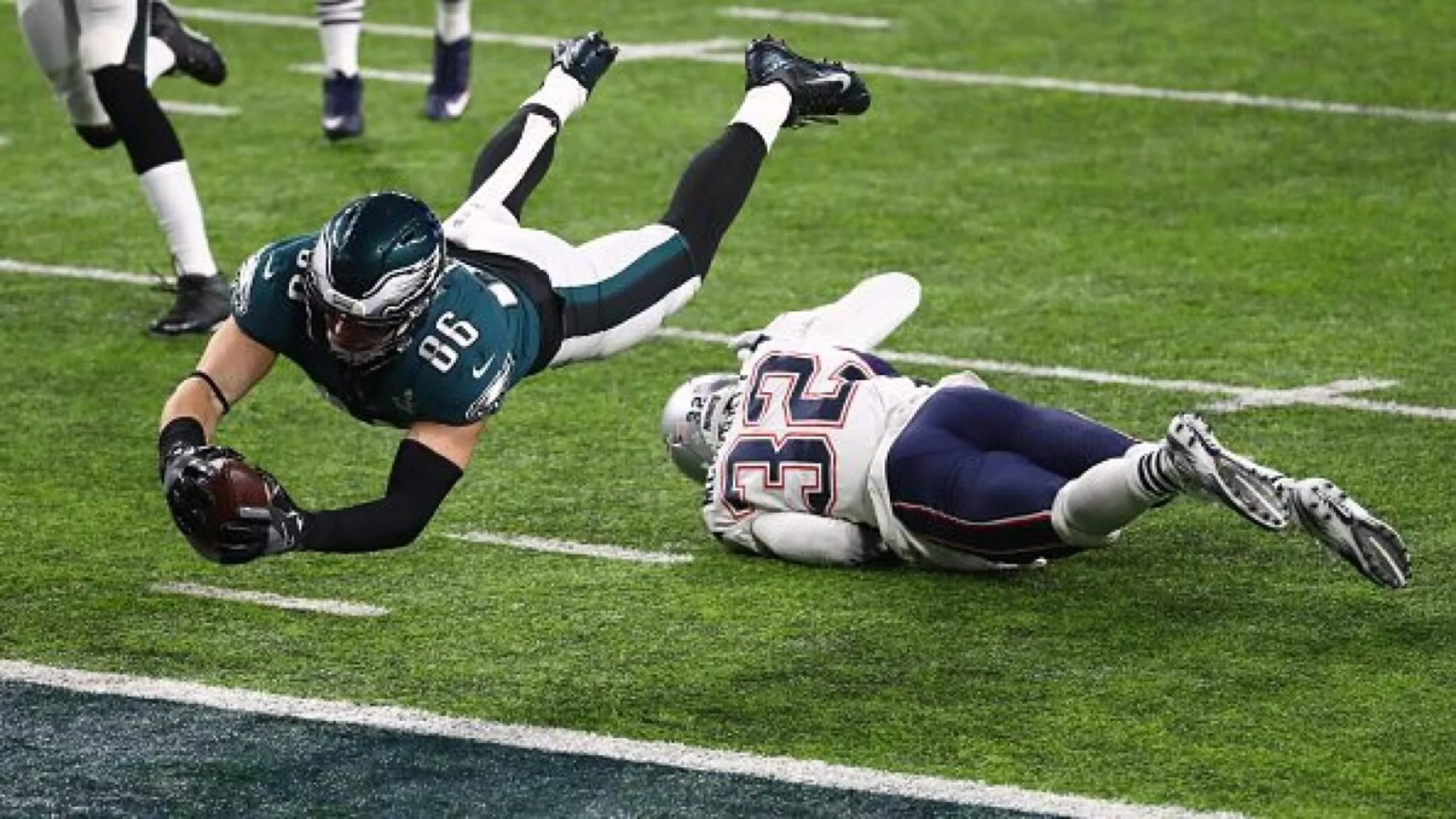
To call it a catch, a receiver needs to:
Have control of the ball.
Get two feet (or some other body part) down in bounds.
Make a football move, or have time to make one.
If any of these things aren't there, it's not a catch.
When catching the ball, make sure to:
Hold it tightly.
Keep control even when you're hit.
Don't let it wobble in your hands.
The ball can shift a bit, but don't let it get away from you.
In the National Football League, a receiver needs to:
Two feet in bounds, or
Any other body part (knee, elbow, hip, shoulder) in bounds
In college football, you just need one foot inbounds, which is kind of confusing.

To complete a catch, a receiver needs to gain control of the ball, get both feet on the ground, and then make an athletic action, like taking another step or extending the ball.
Take that third step strong.
Keep the ball secure.
Head up the field.
Reach out with the ball if you need to.
Get ready for the hit.
If the receiver has the time and chance to do any of those things, then the catch counts.
This is where many catches are overturned.
If a receiver:
Is falling or diving
Has not made a football move
Then they must:
Maintain control all the way through contact with the ground
A pass isn't complete if the ball moves after it touches the ground.
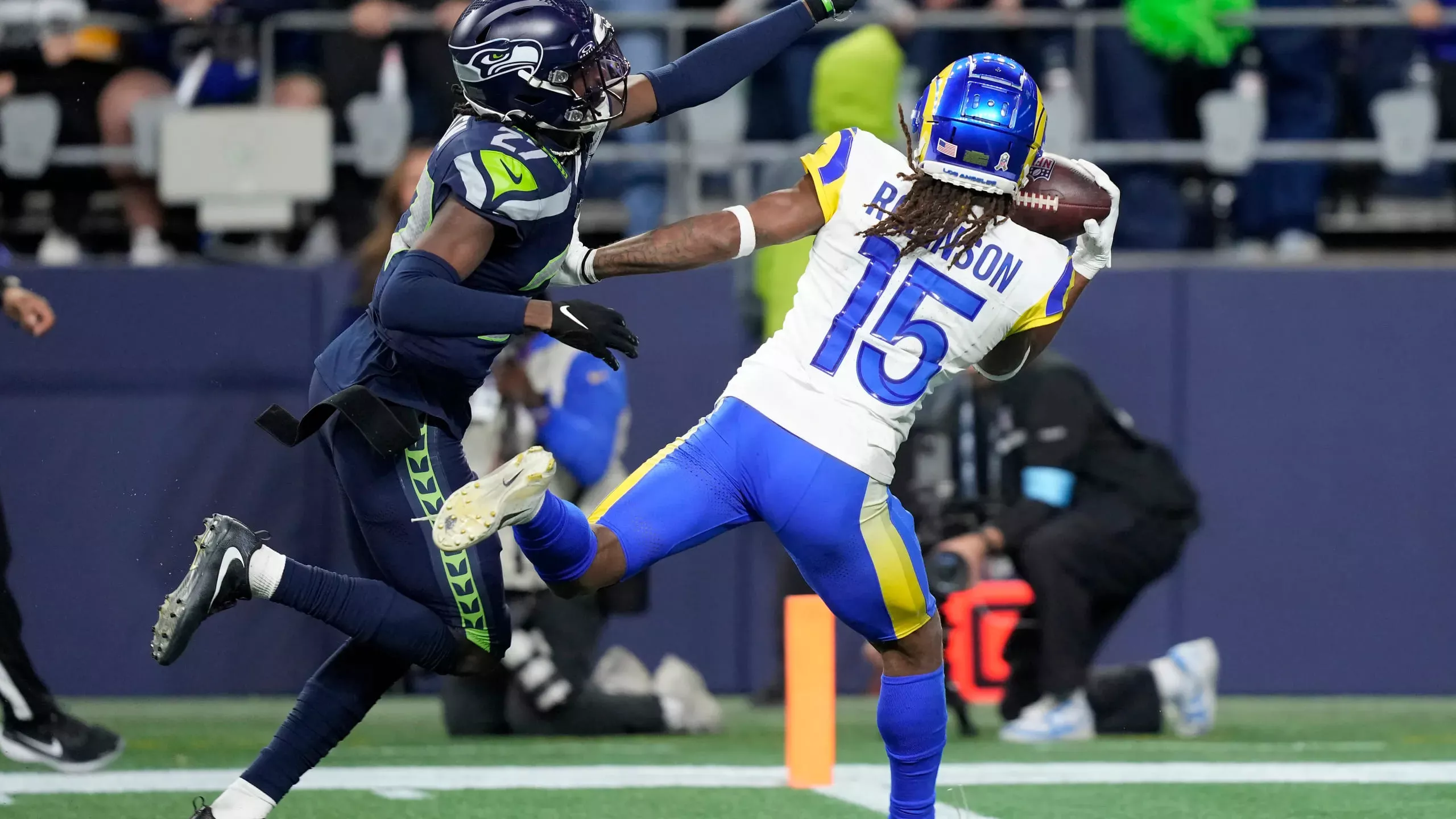
A pass is not a catch if:
The ball hits the ground and moves
The receiver never establishes control
Only one foot is down in the NFL
Control is lost before a football move
Even great catches don't count if they don't meet these rules.
When making sideline catches, remember the rules stay the same, but where your feet land is super important.
Two toes or feet down
Control before stepping out
Football move (or control through the ground)
You can make a catch using your toes, as long as you keep control of the ball.
Situation | Ruling |
|---|---|
Control + 2 feet + football move | Catch |
Control + 2 feet + falling, no move | Must survive ground |
Bobble before securing | No catch |
Ball moves on ground | No catch |
One foot down (NFL) | No catch |
The rule is there to:
Eliminate “bang-bang” traps
Ensure real possession
Prevent lucky or uncontrolled grabs from counting
The NFL is aiming for solid control, not just brief contact.
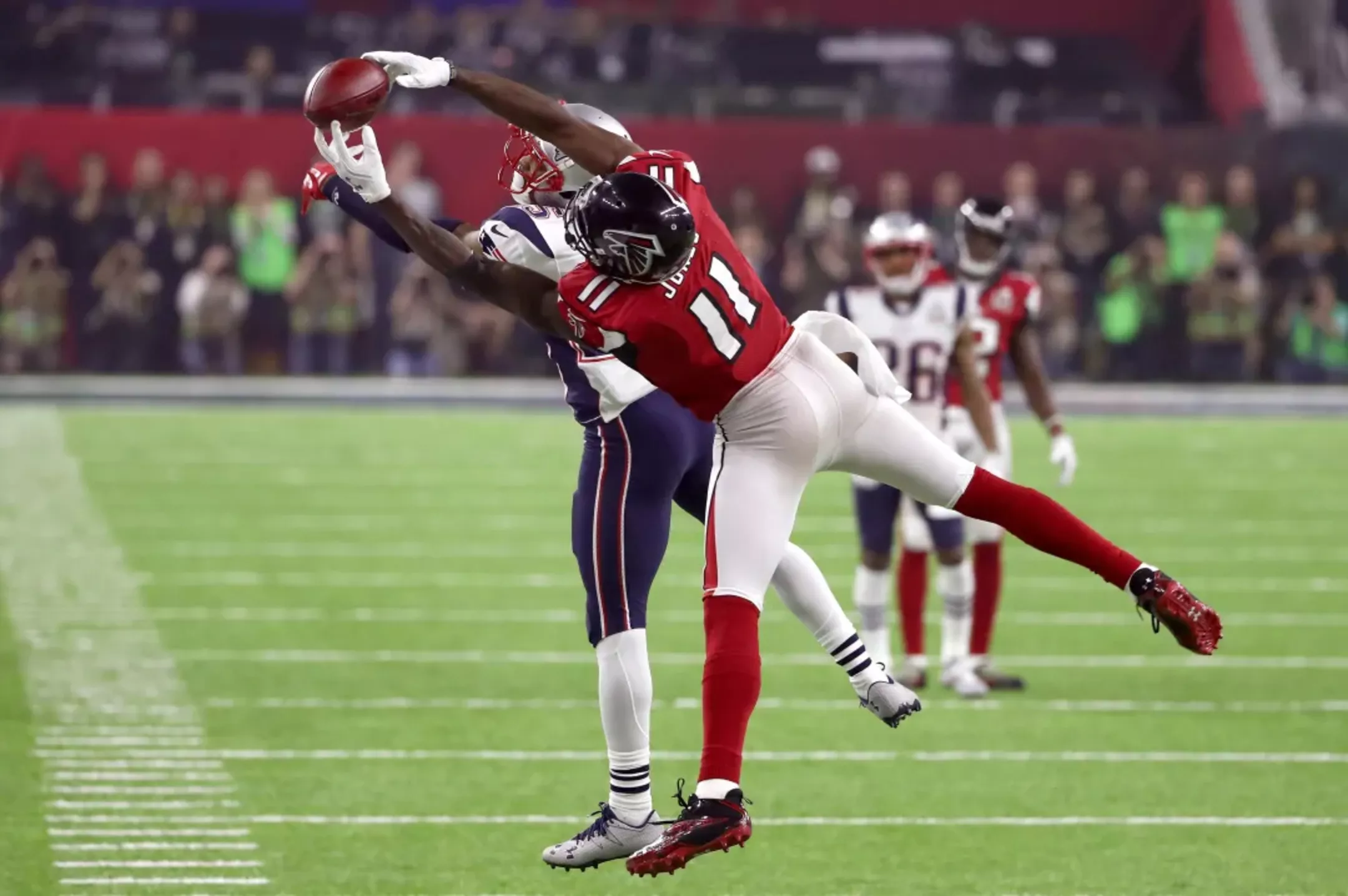
Here are some common issues people face:
Slow-motion replay exaggerating movement
Subjective interpretation
Similar plays ruled differently
Rule changes over the years
It's not unusual for officials and broadcasters to have different views.
Yes.
Here are Catch rulings:
Reviewable by replay
Often overturned or confirmed after slow-motion analysis
What replay officials are watching for:
Control
Foot placement
Football move
Ground contact
A few big games have come down to:
What counts as control
Whether a football move occurred
Whether the ground assisted the catch
These experiences shaped how we clarified and revised the rules.
League | Feet Required |
|---|---|
NFL | Two feet |
NCAA | One foot |
The rest about control and owning things is pretty much the same.
In the NFL, a catch is more than just snagging the ball.
To make it official, a receiver has to:
Secure control of the ball.
Touch the ground with two feet or another body part.
Make an action with the ball or hold onto it through ground contact.
This football move part keeps things legit, making sure the catch isn't just a fluke.
Sure, it can stir up debate, but it's key to how we see receiving in today's NFL.