Sports
Jan 28, 2026
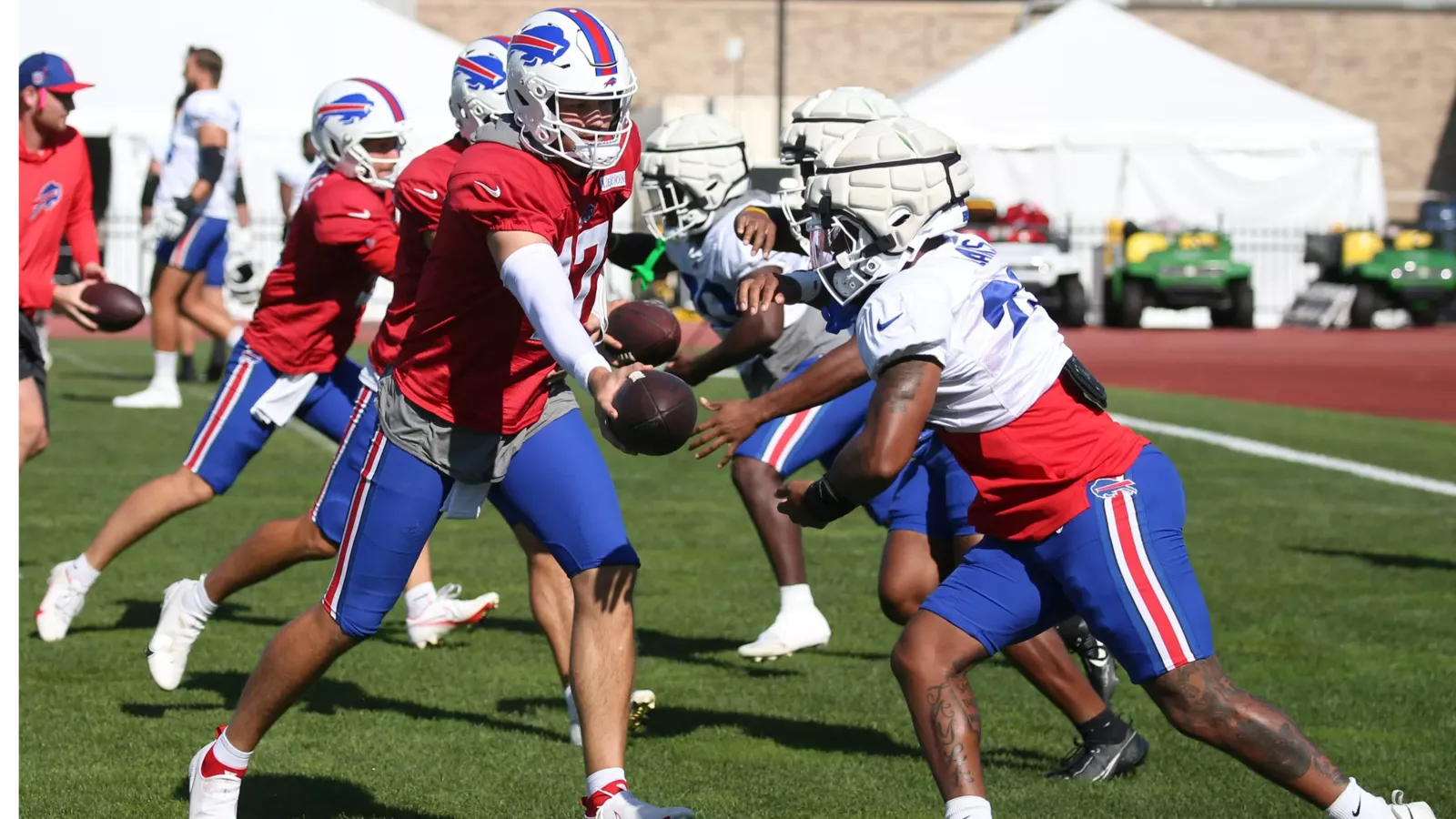
A complete explanation of when a receiver is defenseless, illegal hits, penalties, exceptions, and why the rule is controversial. Photo by: PFF
The defenseless receiver rule is a key part of the NFL's effort to keep players safe, but it's also a source of constant discussion.
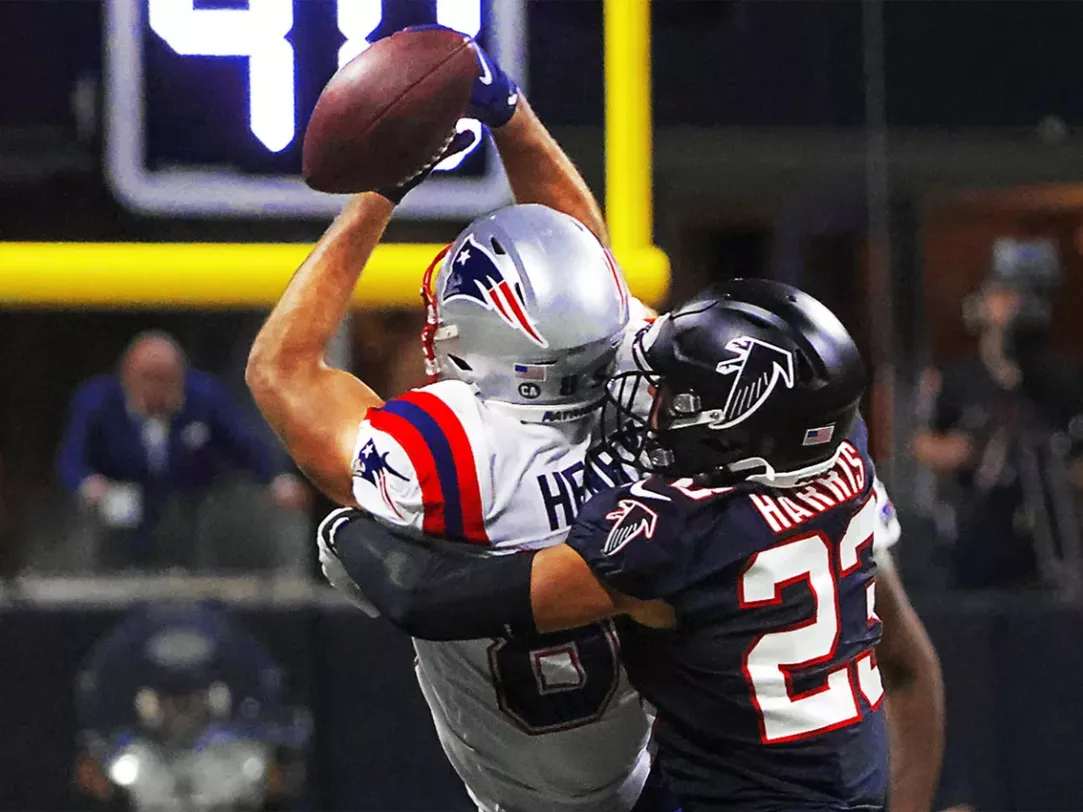
The rule is there to protect receivers when they're trying to catch a pass and can't defend themselves. If a player breaks this rule, it often leads to big penalties that can flip a game's result.
This guide will cover the details of the rule, like when it's in use, what kinds of hits are against the rules, and why it's a hot topic among fans each season.
A receiver who can't protect himself from getting hit is considered defenseless.
This usually happens when:
They're trying to catch a pass.
They're looking up to follow the ball.
They just caught the ball and haven't turned to run yet.
Here's what the NFL says about when a receiver is considered defenseless:
When they're trying to catch the ball.
When they haven't had a chance to brace for a hit.
When they're concentrating on catching the pass.
Right after they catch the ball, before they can make a move.
The defenseless protection stops as soon as the receiver starts running.
Illegal Action | Why It’s Dangerous |
|---|---|
Helmet-to-helmet contact | High concussion risk |
Forcible contact to head/neck | Severe brain injury risk |
Launching upward | No control, maximum force |
Blindside hits | Receiver can’t brace |
Shoulder to helmet | Still counts as illegal |
What you do and how it affects things is more important than what you meant to do.
15-yard personal foul
Automatic first down
Possible fine or suspension after review
The NFL might also review really bad hits for possible penalties.
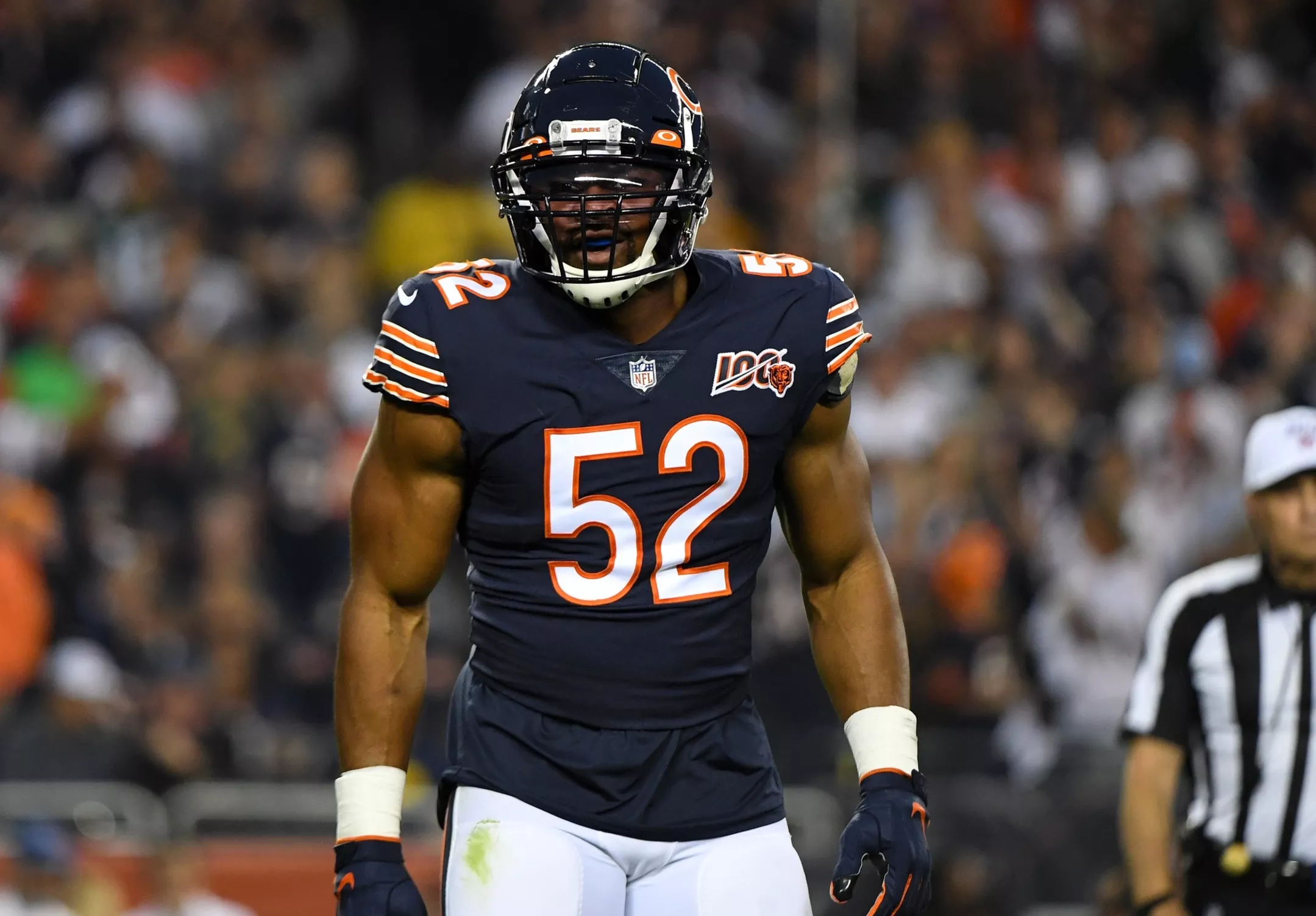
A tough play isn't always a foul.
Go for the torso or midsection when tackling.
Time your hit as the ball gets there (but keep away from the head).
Wrap up the receiver to bring them down safely.
Make your tackle after the receiver has turned into a runner.
Aim to keep blows away from the head and neck.
Rule | Protects | Focus |
|---|---|---|
Defenseless receiver | Receivers | Catching posture |
Roughing the passer | Quarterbacks | Throwing posture |
Both rules put player safety first when they're at risk.
The rule was strengthened because:
There's more awareness of concussions these days.
Medical studies are happening to learn about CTE.
High-speed hits can be dangerous.
There are worries about safety and the legal side of things.
When receivers take their eyes off the field to focus on catching the ball, they are at high risk.
Referees' calls can be pretty biased.
The rules aren't always applied the same way.
It's hard for players to defend when moving fast.
Sometimes, hard tackles get flagged even if they weren't on purpose.
Many argue that the rule makes defenders hesitate, which puts them in a bad spot.
From the league's perspective:
Head injuries can cut careers short.
Keeping players safe lowers health risks later in life.
Looking after star players is good for the league.
The NFL has always said this rule can't be changed.
Level | Enforcement |
|---|---|
NFL | Strict |
NCAA | Very strict (targeting) |
High School | Extremely strict |
College football adds automatic ejections for targeting.
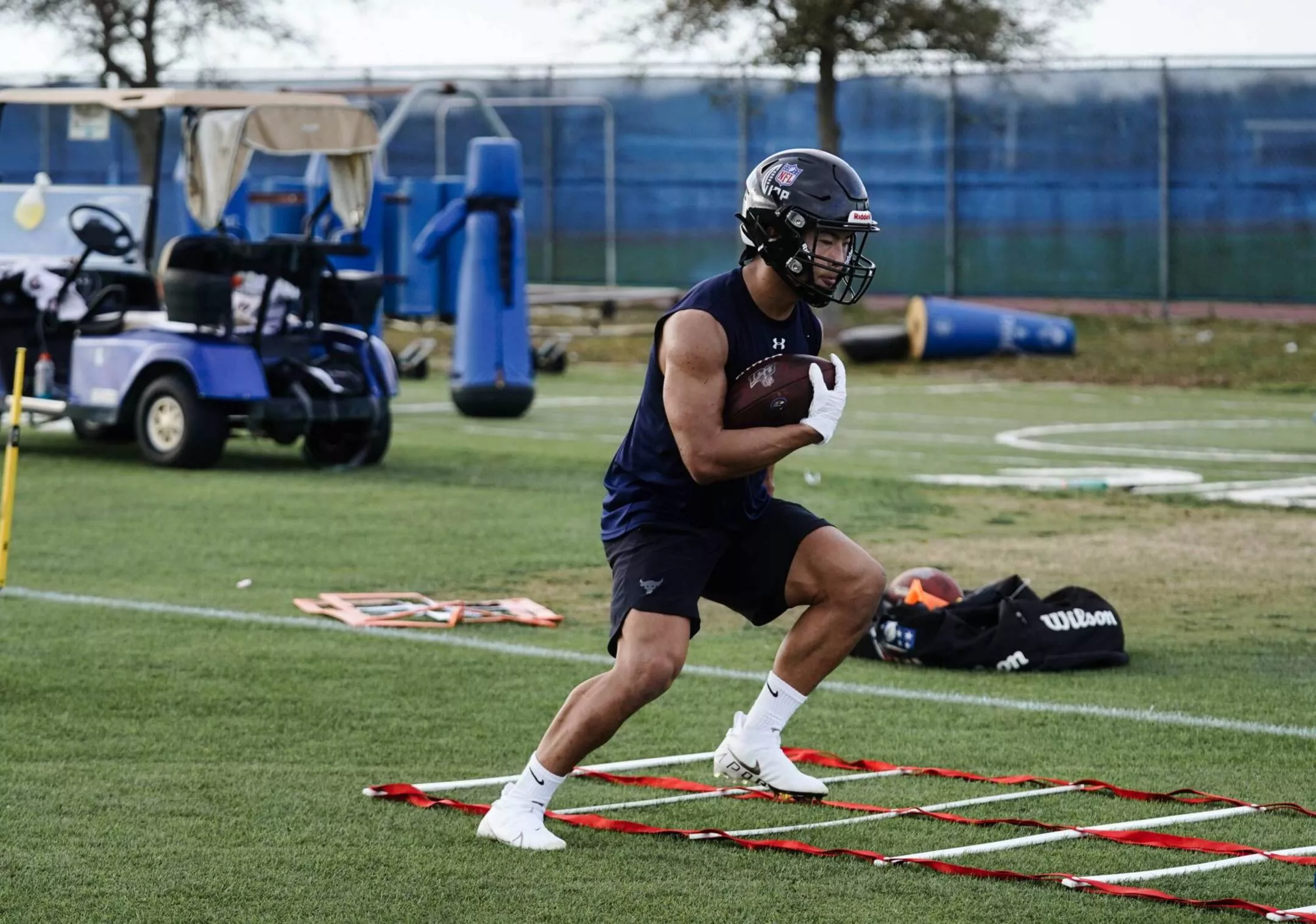
In current coaching, here's what's important:
Keep your head up.
Aim for the chest or waist area.
Wrap up when tackling, instead of launching yourself.
Stay away from blindside hits.
Good defense depends more on skill than just being strong.
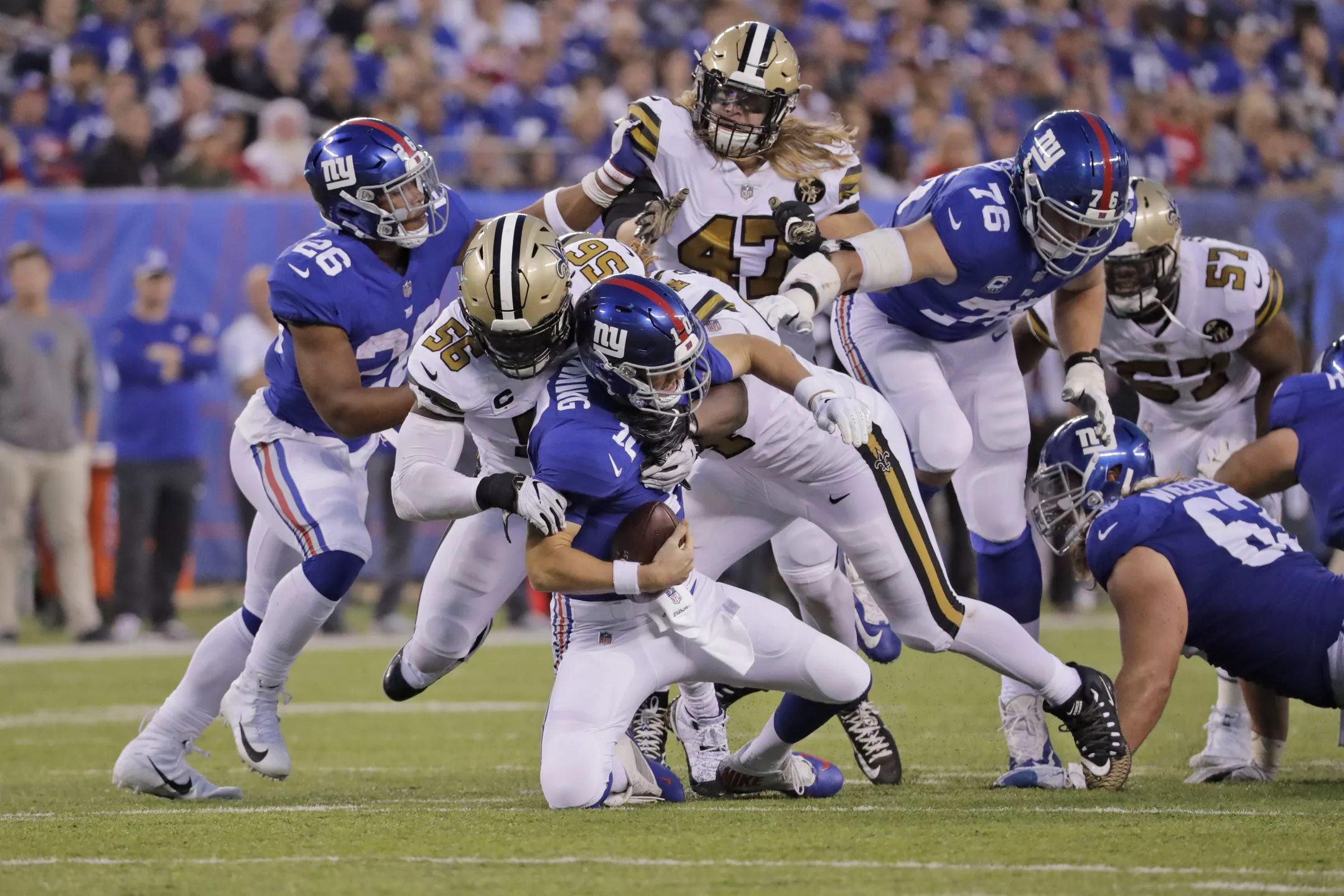
In the past years, there have been some very popular successes:
Led to fines or suspensions
Changed playoff games
Brought about rule clarifications
These moments shaped how the rule is enforced now.
The defenseless receiver rule puts player safety first, even if it means less exciting plays.
It lowers the number of head injuries.
It changes how defenders play.
It also leads to arguments because it's not always clear when it applies.
In today's NFL, keeping vulnerable players safe is more important than the old, tough style of play. Like it or not, this rule is a key part of the game now, and it's here to stay.