
Sports
Jan 28, 2026
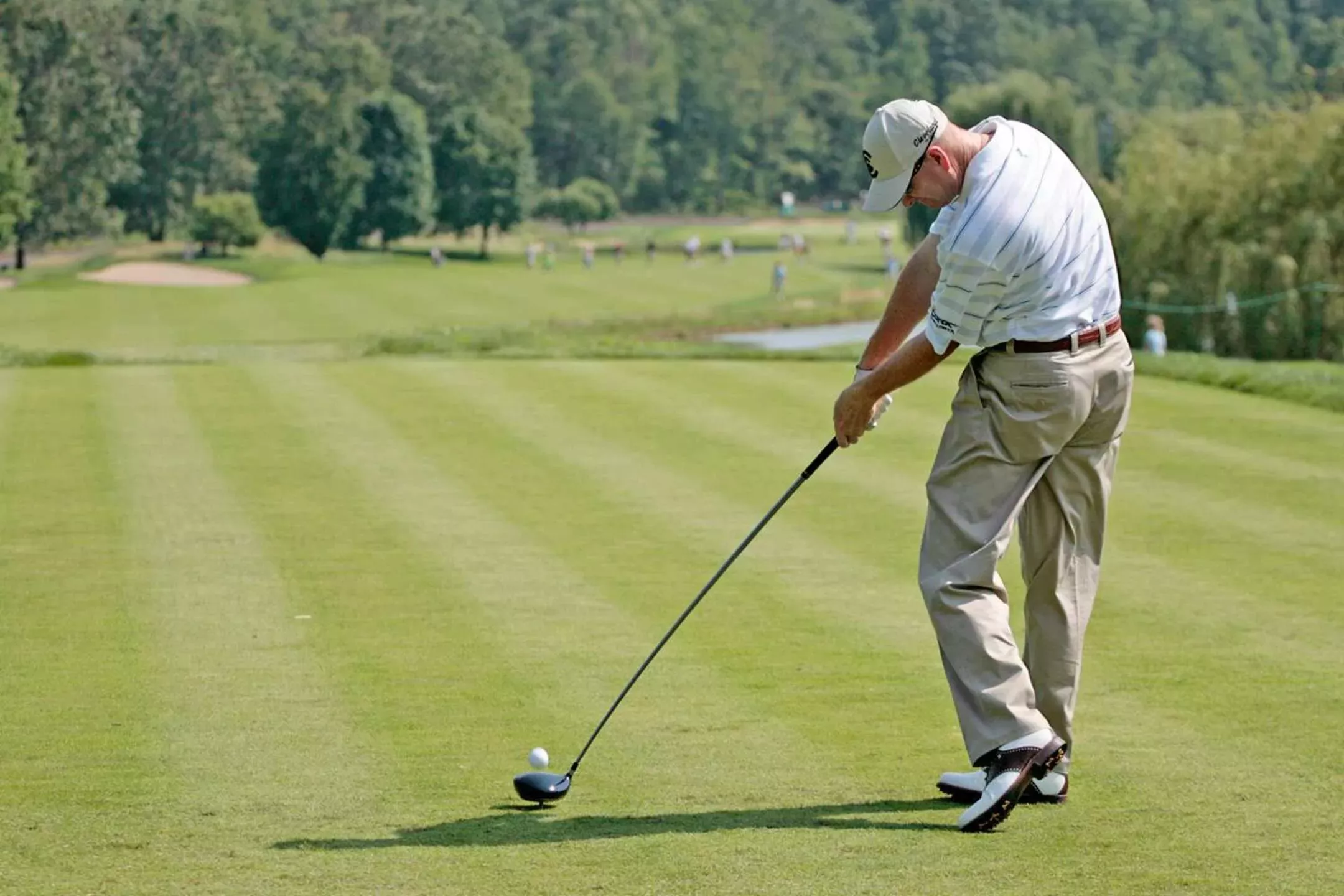
Most senior golfers play the wrong shaft flex. Learn the biggest shaft flex myths, what really matters after 60, and how to choose the right shaft. Photo by: Golf Digest
Age alone should not decide shaft flex
Many 60+ golfers use shafts that are too stiff
Swing speed, tempo, and ball flight matter more than strength
The wrong shaft costs distance, accuracy, and consistency
Proper shaft flex can add yards without changing your swing
Most golfers over 60 are playing the wrong shaft flex, not because of age, but because of myths.
Shaft flex should be based on how you swing the club, not how old you are. Choosing the wrong shaft quietly costs distance, launch, and accuracy.
This guide explains the biggest shaft flex myths affecting senior golfers and how to fix them.

Shaft flex controls how the club:
Loads during the swing
Releases through impact
Delivers loft and speed
As golfers age, swing speed often decreases slightly, but tempo and efficiency usually improve. That’s why many seniors still swing better than younger players, even if they swing slower.
Using the wrong shaft cancels out that advantage.
This is the biggest myth in golf fitting.
The truth:
Some 60+ golfers need regular flex
Some need senior (A) flex
Some even play stiff flex successfully
Age does not equal swing speed.
Many seniors still swing:
Drivers at 90+ mph
Irons with strong tempo
Automatically switching to senior flex often leads to ballooning shots and loss of control.
This myth hurts senior golfers badly.
A shaft that is too stiff:
Does not load properly
Launches the ball too low
Reduces carry distance
Feels harsh at impact
Accuracy comes from timing, not stiffness.
If the shaft doesn’t help you square the clubface, accuracy drops.
Many golfers blame age for distance loss when the real issue is equipment.
A shaft that’s too stiff:
Lowers launch angle
Reduces spin efficiency
Wastes clubhead speed
Switching to the correct flex often adds 10-20 yards without changing the swing.
Forget age. Focus on these four factors:
This matters, but it’s only part of the picture.
Smooth swingers often need more flexible shafts.
Low, weak shots usually mean the shaft is too stiff.
If the club feels dead or harsh, something is wrong.

If you see these, your shaft flex may be wrong:
Trouble getting the ball airborne
Shots falling short of expected distance
Loss of carry, not roll
Inconsistent contact
Fatigue late in the round
Many seniors adjust their swing to compensate, when the club should be doing the work.
Factor | Senior Flex | Regular Flex |
|---|---|---|
Swing Speed | Slower | Moderate |
Launch | Higher | Mid |
Feel | Softer | Balanced |
Best For | Smooth tempos | Medium tempos |
There is no “better” option, only the right match.
Ego plays a role.
Many golfers think:
Softer shafts = weaker
Stiffer shafts = better players
In reality:
Softer shafts = better energy transfer
Proper flex = better performance
Tour professionals use different flexes based on feel, not pride.
Using the wrong shaft leads to:
Lower scores potential
More fatigue
Frustration over “bad days”
Unnecessary swing changes
Equipment should support your swing, not fight it.

Experienced golfers over 60:
Get fit based on swing, not age
Test multiple flexes
Focus on carry distance, not total distance
Choose comfort and consistency
The goal is repeatable golf, not max effort.

Understanding shaft myths early helps younger golfers:
Avoid ego-based decisions
Learn equipment basics faster
Make smarter upgrades later
Golf rewards knowledge more than strength.
It depends on swing speed, tempo, and ball flight, not age.
No. Many seniors play regular or even stiff flex successfully.
Low ball flight, poor carry distance, and harsh feel are common signs.
Yes. Many golfers gain 10-20 yards with the right shaft.
Yes. It’s one of the fastest ways to improve performance.
Age changes the body, but the right shaft changes the game.
Stop guessing. Start matching your equipment to your swing.