
Sports
Jan 28, 2026
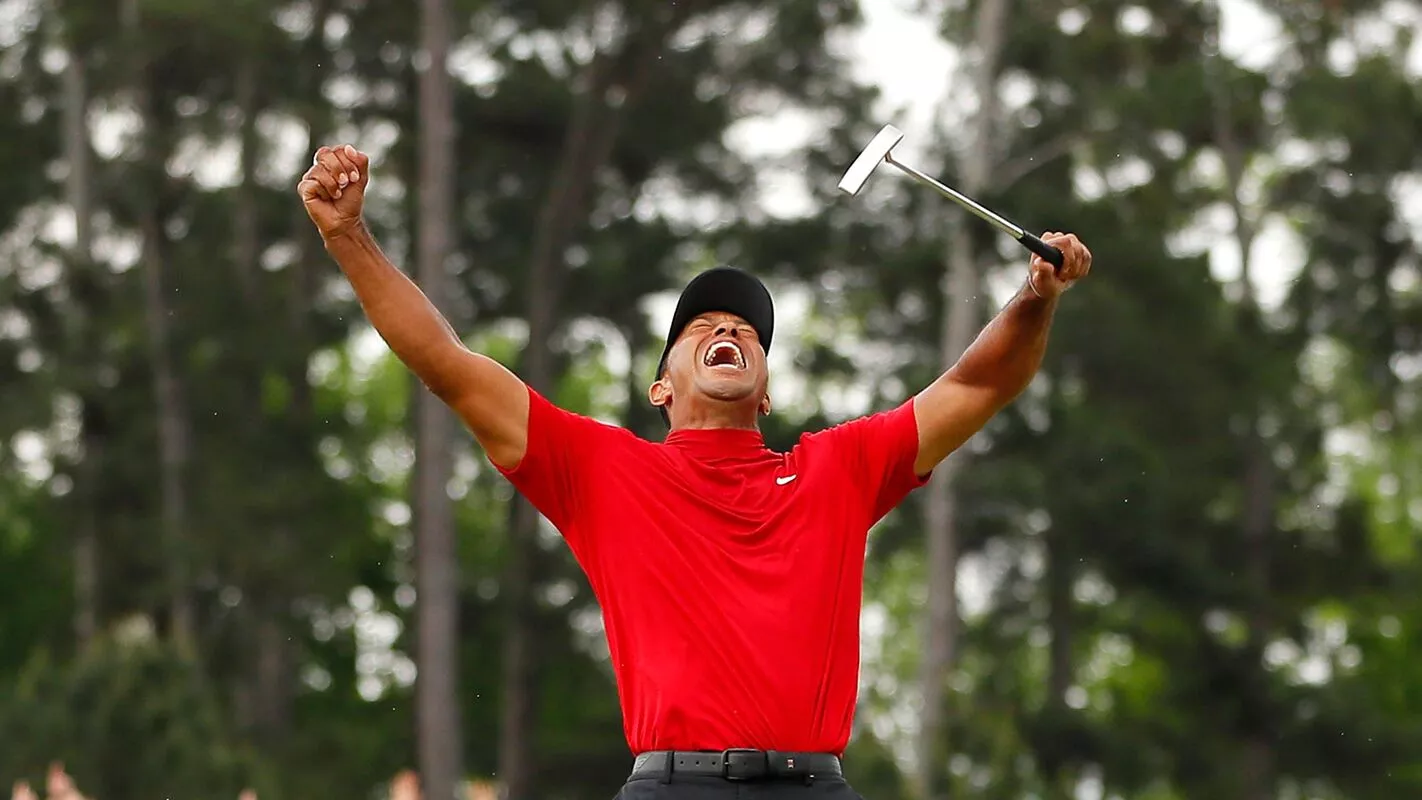
Learn the 90% Rule in golf, why choosing less club under pressure leads to better shots, smarter decisions, and lower scores. Photo by: Sky Sports
The 90% Rule means swinging at 90% effort, not 100%
Smart golfers choose more club, less force under pressure
Full-power swings increase misses and bad contact
The rule improves accuracy, distance control, and confidence
It works for beginners, amateurs, and competitive golfers
The 90% Rule is simple: when the pressure is on, smart golfers choose a club they can swing at 90% effort instead of trying to hit 100% power.
This leads to cleaner contact, better accuracy, and fewer mistakes especially when it matters most.

The 90% Rule is a mental and physical approach to club selection.
Instead of asking:
“How far can I hit this club at full power?”
Smart golfers ask:
“Which club lets me make a smooth, controlled swing and still reach the target?”
That usually means taking one more club and swinging easier.
Golf is not about hitting the ball as hard as possible.
It’s about repeating good swings under pressure.
Pressure changes everything.
Under stress:
Swing tempo speeds up
Grip tightens
Balance suffers
Contact becomes inconsistent
Many golfers react by trying harder, which is the opposite of what helps.
That’s where the 90% Rule comes in. It gives your brain a safer option.

A full-power swing feels strong, but it comes with risks.
Poor contact (thin or fat shots)
Loss of balance
Bigger shot dispersion
Less control over distance
Better rhythm and tempo
More solid ball striking
Straighter shots
Predictable distances
Most golfers actually hit the ball farther and straighter at 90% than at 100%.
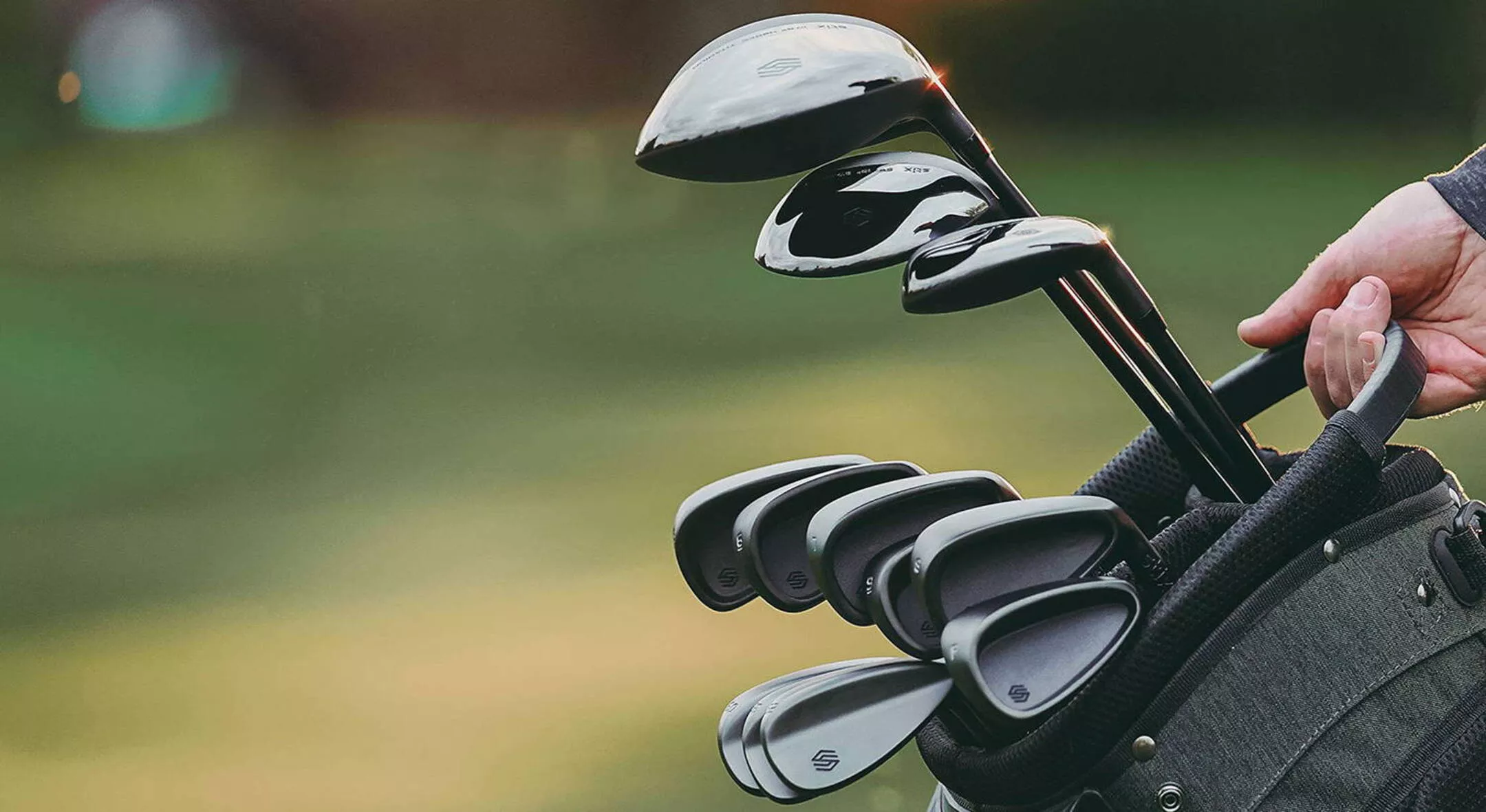
Here’s how experienced golfers apply the rule in real situations.
Know how far you hit each club with a normal swing, not a max swing.
Pressure reduces swing quality. Plan for it instead of fighting it.
If you’re between clubs, choose the longer one and swing smoother.
Once you pick the club, commit fully. Doubt ruins swings.

Let’s say you normally hit:
8-iron = 150 yards (full swing)
7-iron = 160 yards
Under pressure:
Full 8-iron requires max effort
Smooth 7-iron needs only 90%
Smart choice: 7-iron at 90%
Why?
Less stress
Better contact
Higher chance of hitting the green
Distance control matters more than raw distance.
Smooth swings:
Launch the ball more consistently
Produce predictable spin
Reduce big misses
That’s why elite golfers often look effortless. They’re not swinging slow they’re swinging efficiently.
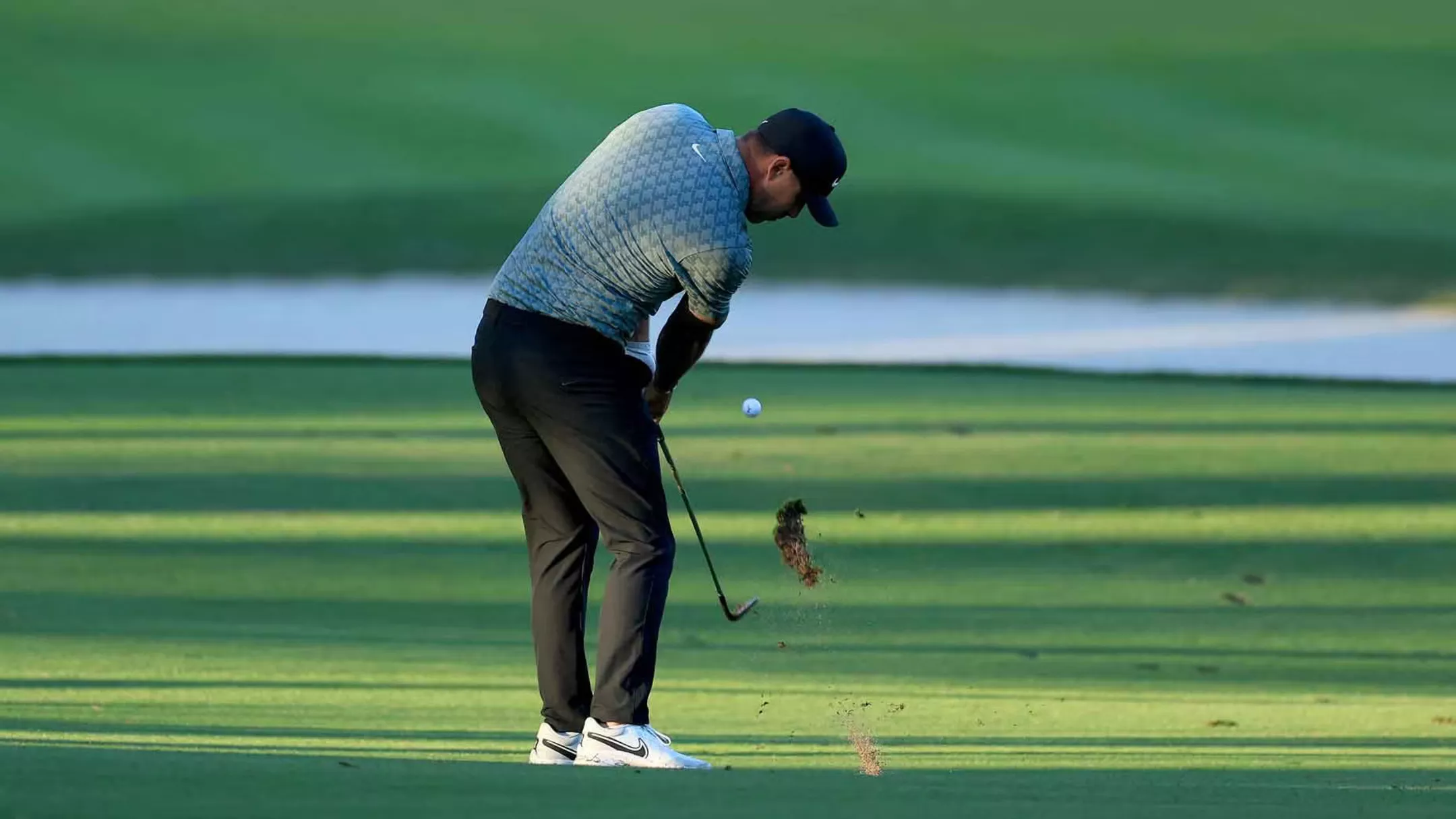
Even good golfers fall into these traps:
Trying to “muscle” the ball
Choosing clubs based on ego
Rushing the pre-shot routine
Ignoring wind or elevation
The 90% Rule forces you to slow down and think clearly.
Yes, especially for beginners.
New golfers benefit because:
They struggle with consistent contact
Full swings often lead to slices or hooks
Smooth swings build confidence faster
Learning control early is better than chasing distance.
Ego golf says:
“I can hit this club that far.”
Smart golf says:
“I want the highest chance of a good shot.”
Lower scores come from better decisions, not harder swings.
Factor | 90% Swing | 100% Swing |
|---|---|---|
Control | High | Low |
Accuracy | Better | Worse |
Contact | Solid | Inconsistent |
Pressure Handling | Strong | Weak |
Score Impact | Positive | Risky |

Professional golfers rarely swing at max power unless necessary.
They focus on:
Repeatable motion
Consistent distances
Managing misses
That mindset is exactly what the 90% Rule teaches.
It means choosing a club that allows a smooth 90% swing instead of a full-power swing.
Because it improves control, contact, and accuracy especially under pressure.
Yes. Most pros rely on controlled swings for consistent results.
Often no. Many golfers hit the ball farther due to better contact.
Yes. It helps beginners build consistency and confidence faster.
Golf rewards calm decisions, not forced power.
Swing smoother. Choose smarter. Trust the 90%.