Sports
Jan 28, 2026
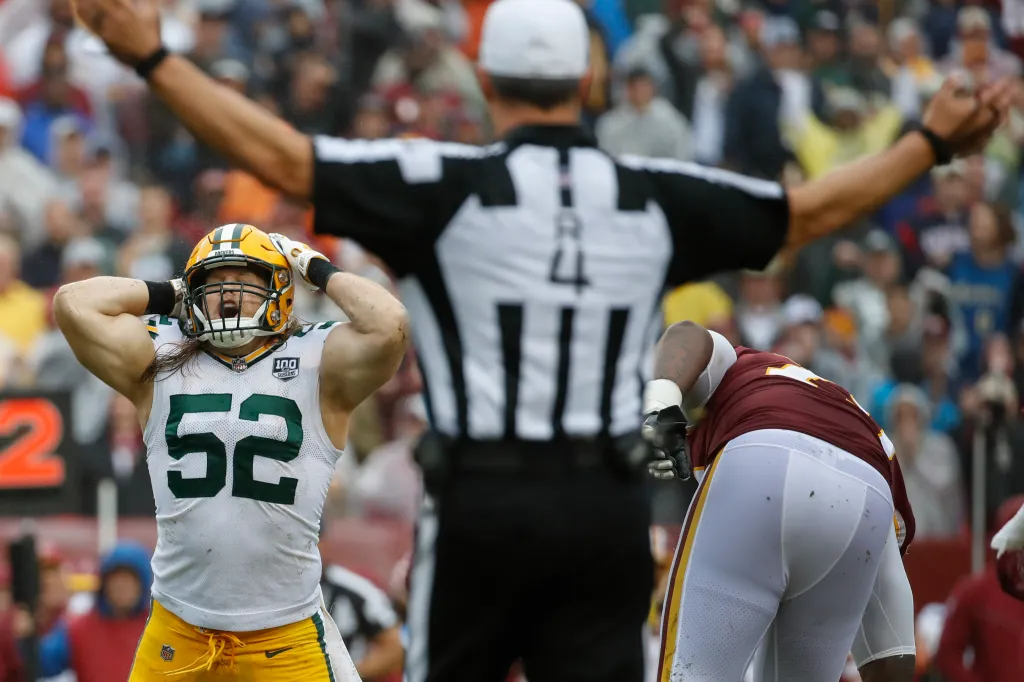
A clear explanation of the penalty, what counts as roughing, why quarterbacks are protected, recent changes, and why the rule is controversial. Photo by: The Denver Post
The roughing the passer rule is a hot topic in football. It's meant to keep quarterbacks safe, but it often causes arguments among fans, players, and coaches.
In the NFL, this penalty can quickly change a game. It often leads to automatic first downs and big shifts in where the ball is on the field.
This guide will tell you what the rule is, how refs use it, and why everyone argues about it.
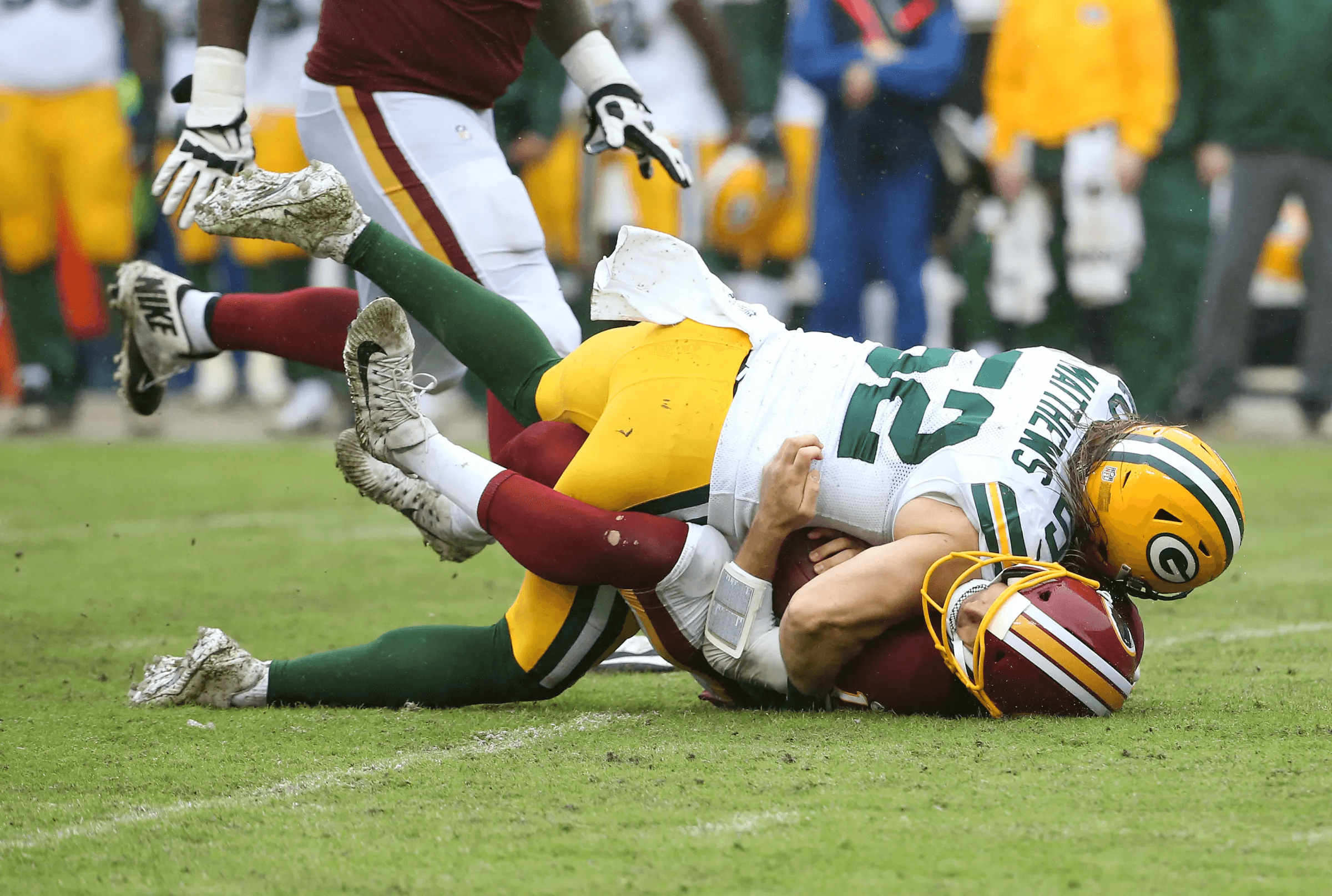
Roughing the passer is a penalty in football. It's called when a defender hits the quarterback illegally or with too much force while or after he throws the ball.
15-yard penalty
Automatic first down
This rule only counts when the quarterback is getting ready to throw the ball.
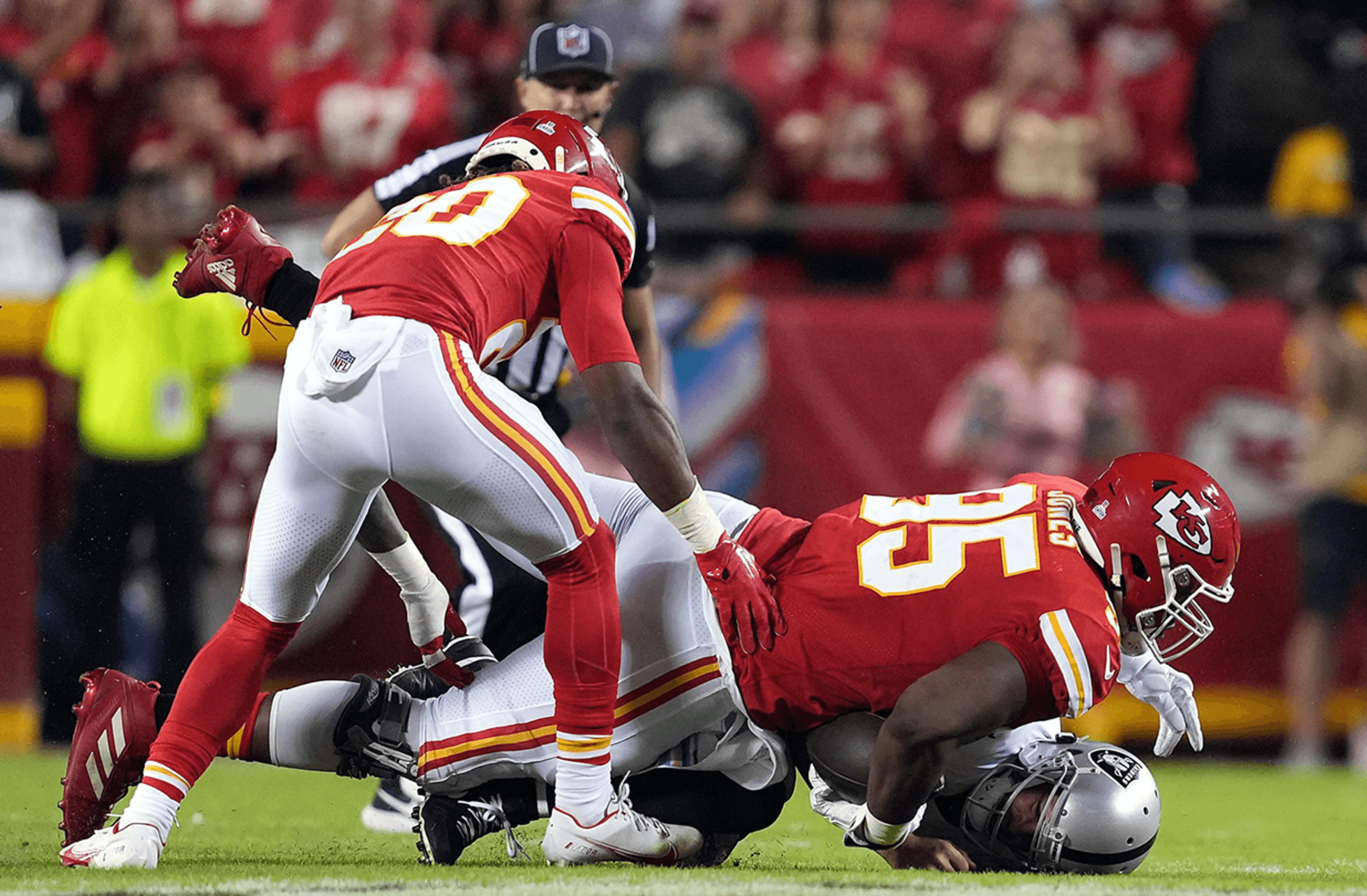
Quarterbacks are:
The most valuable players on the field
Highly vulnerable when throwing
Central to league marketability
The NFL made its rule stricter to:
Reduce serious injuries
Protect star players
Increase offensive consistency
When quarterbacks are healthy, the league is better.
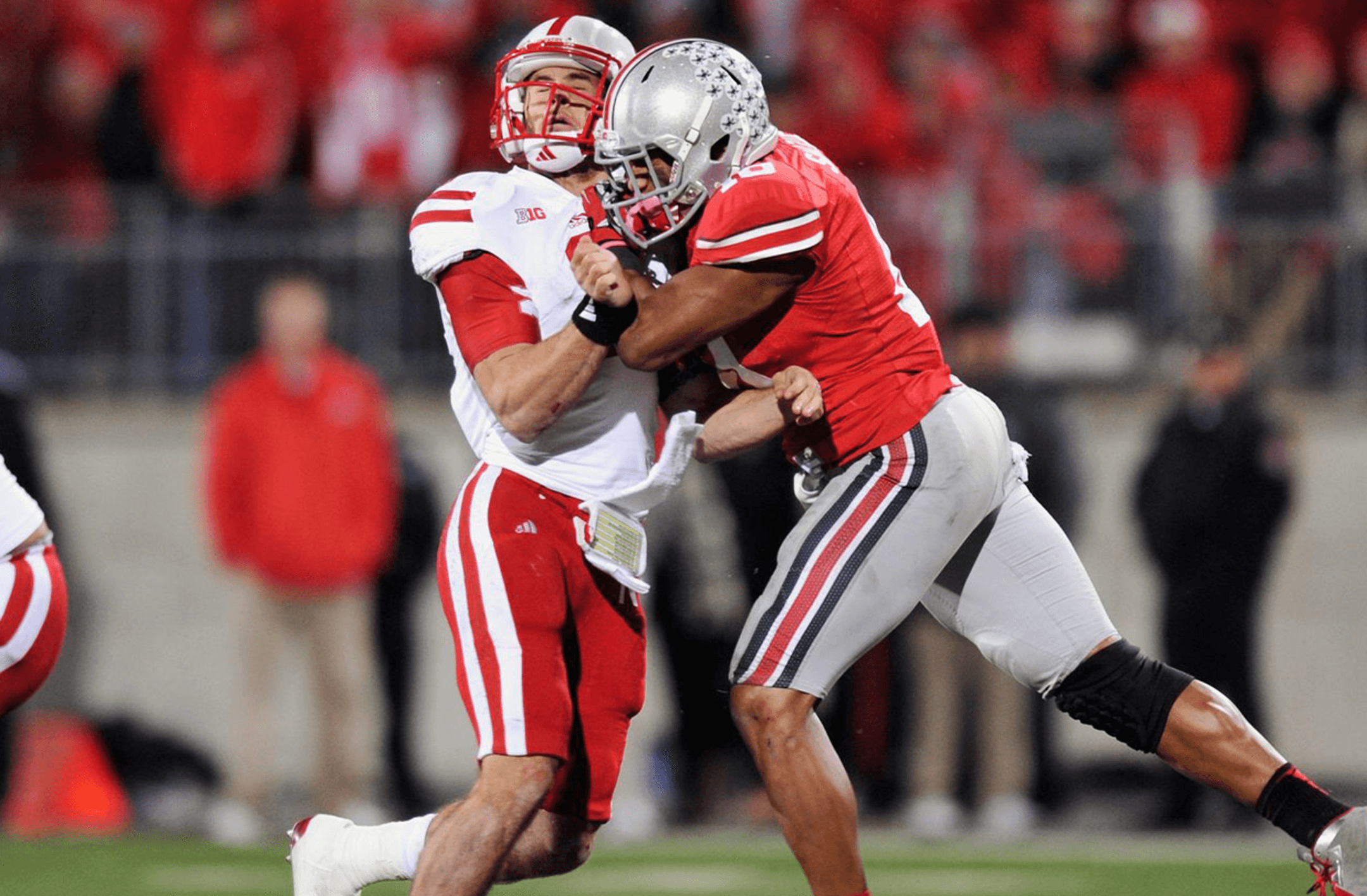
Action | Why It’s Illegal |
|---|---|
Late hit after the throw | QB is defenseless |
Helmet-to-helmet contact | Concussion risk |
Driving QB into the ground | Body-weight rule |
Low hits at knees | ACL injury risk |
High hits to head/neck | Player safety |
Even seemingly normal issues can be flagged if they don't meet these standards.
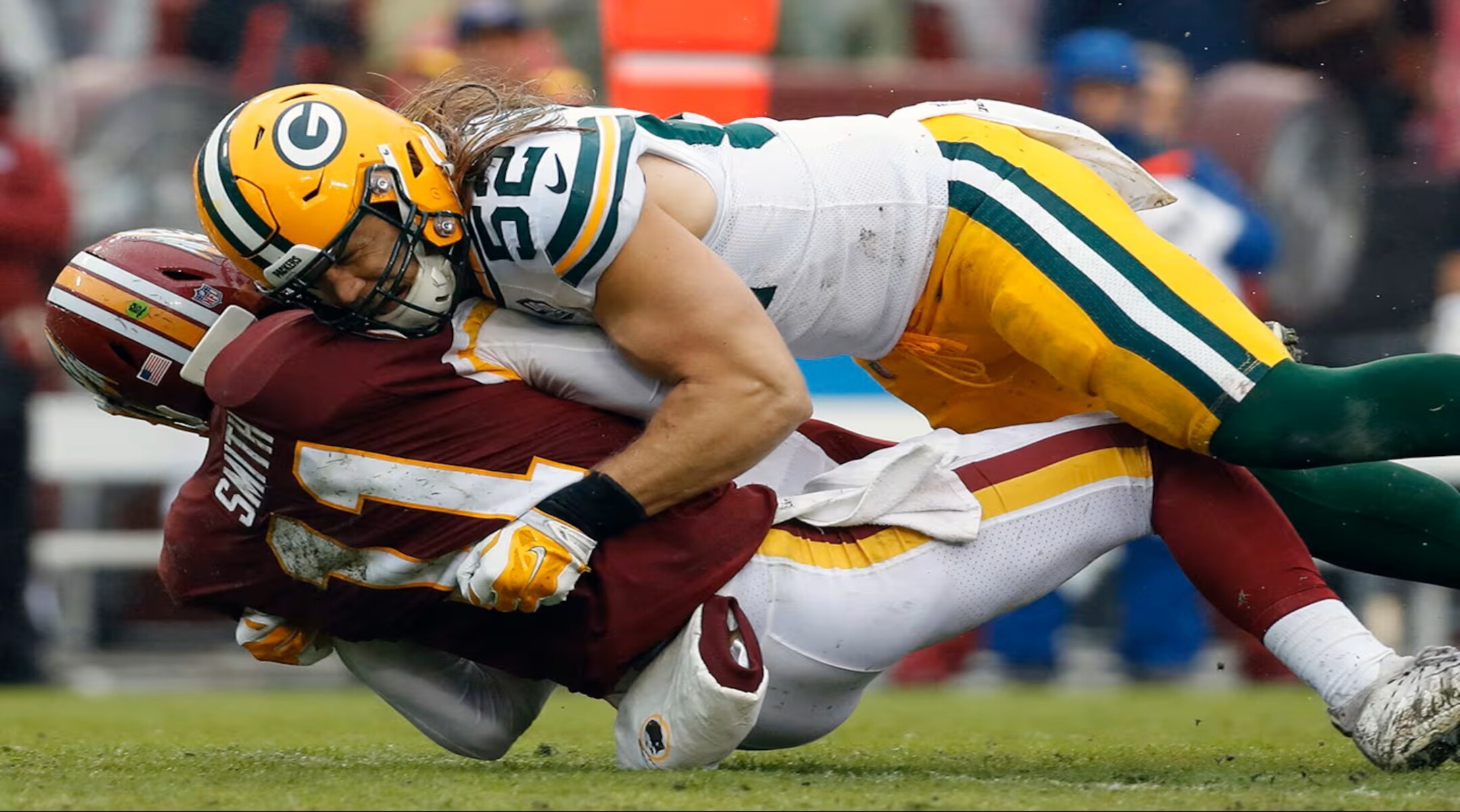
After a sack, defenders can't use their full weight when landing on the quarterback.
Roll to the side
Brace with arms
Avoid pinning QB to the ground
Going all-out here is tough and can easily get you into trouble with penalties.
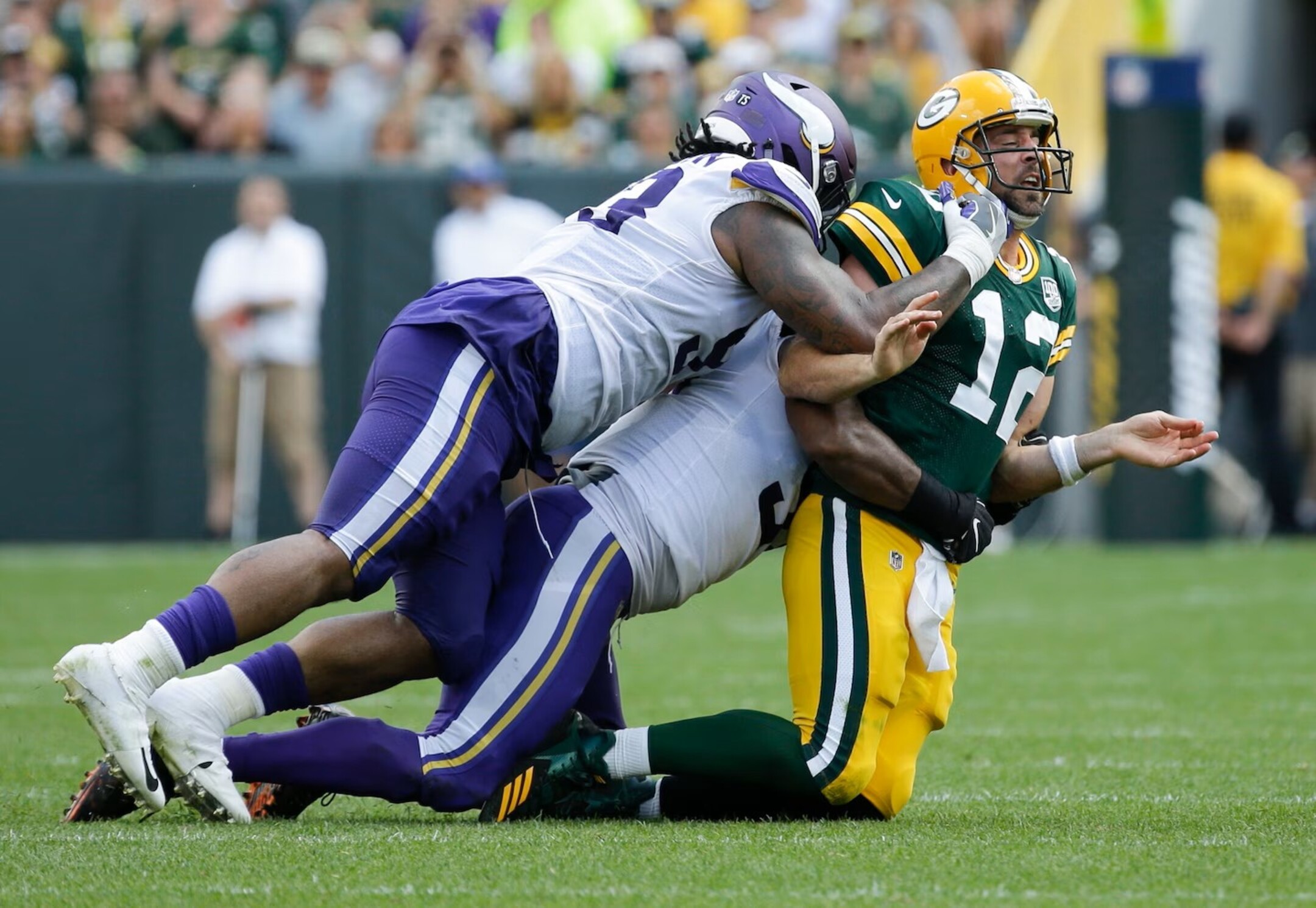
Strikes to the legs are usually penalized.
Knee injuries can be career-altering
Quarterbacks can’t defend themselves mid-throw
Here's what defenders should focus on:
The waist or torso
Wrap-up tackles, not dives
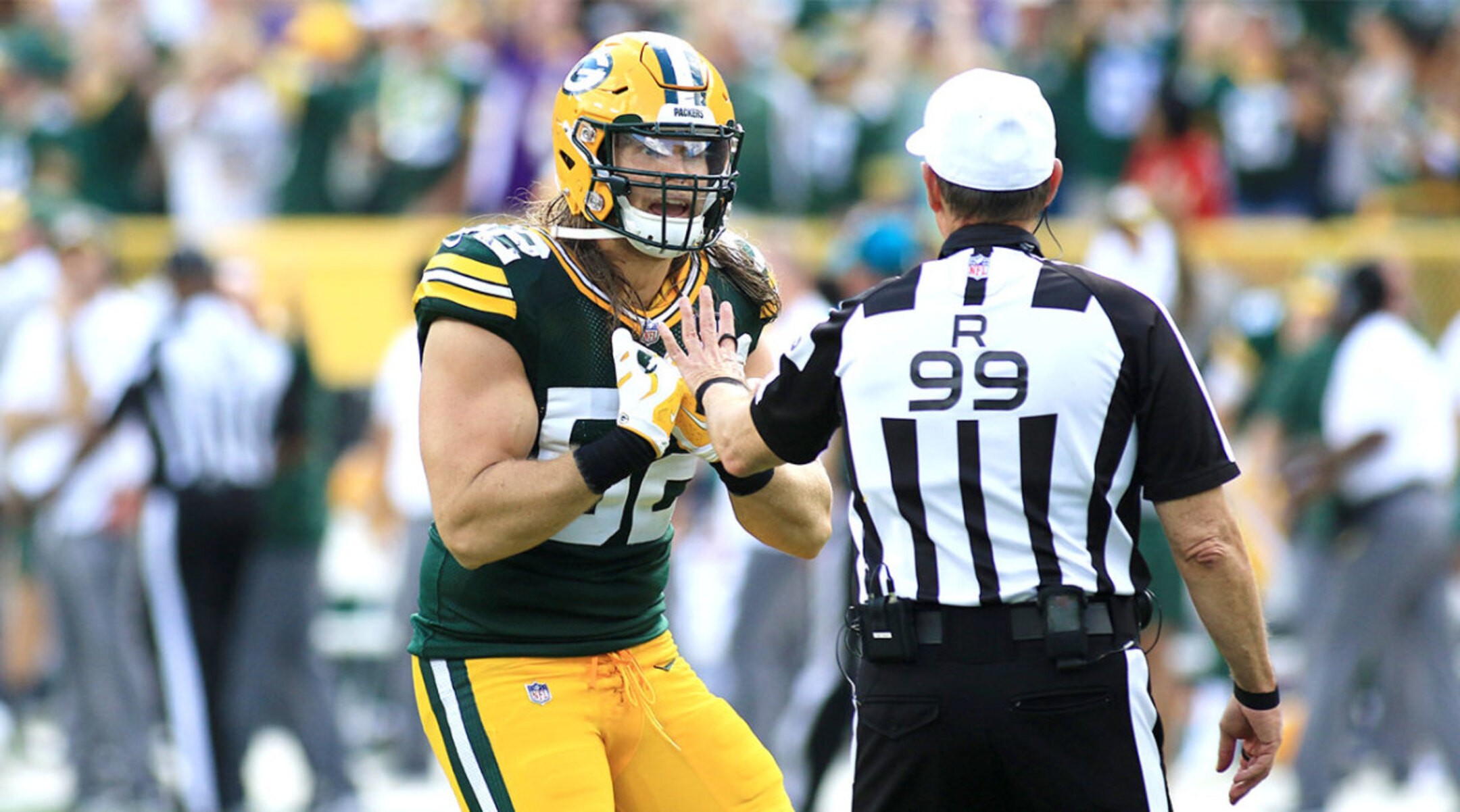
A tough hit isn't always against the rules.
A hit happens at the same time as the throw.
A defender is blocked or pushed into the quarterback.
The quarterback starts running (either a scramble or a fake).
A QB loses protection once they leave the pocket to run.
Level | Enforcement |
|---|---|
NFL | Very strict |
NCAA | Slightly less strict |
High school | Varies by state |
The NFL cracks down harder on the rule because the game's so fast and there's so much money involved.
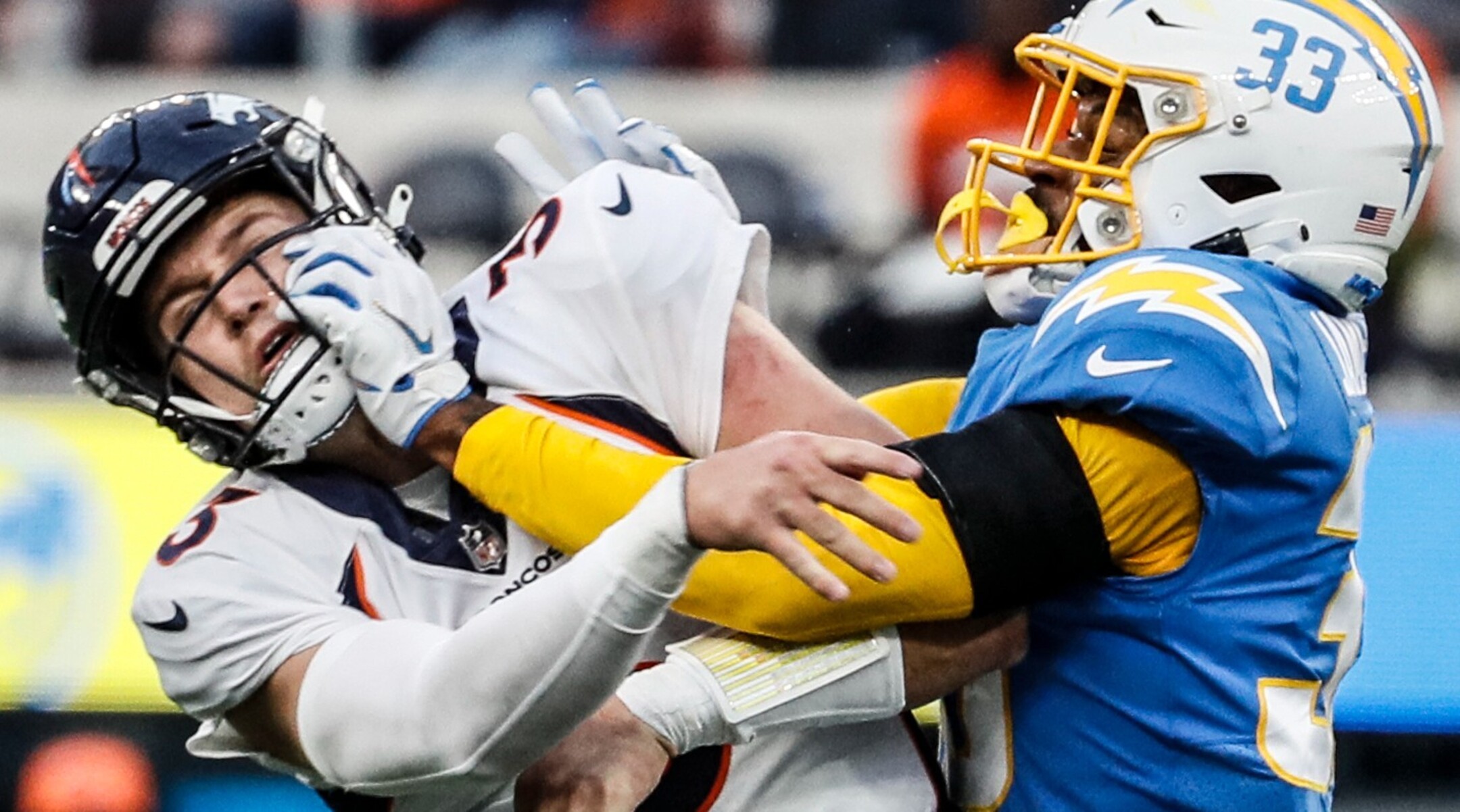
Common criticisms:
Subjective refereeing
Rules aren't always called the same way
Defense at a disadvantage
Calls that change the game
Fans argue it:
It seems like current rule changes are making it harder to play defense.
The rules appear to benefit the offense a lot.
Football is becoming less physical.
From the league's perspective:
QB injuries hurt ratings.
Safety cuts lawsuits.
Long careers grow star value.
The rule probably won't be dropped, just tweaked.
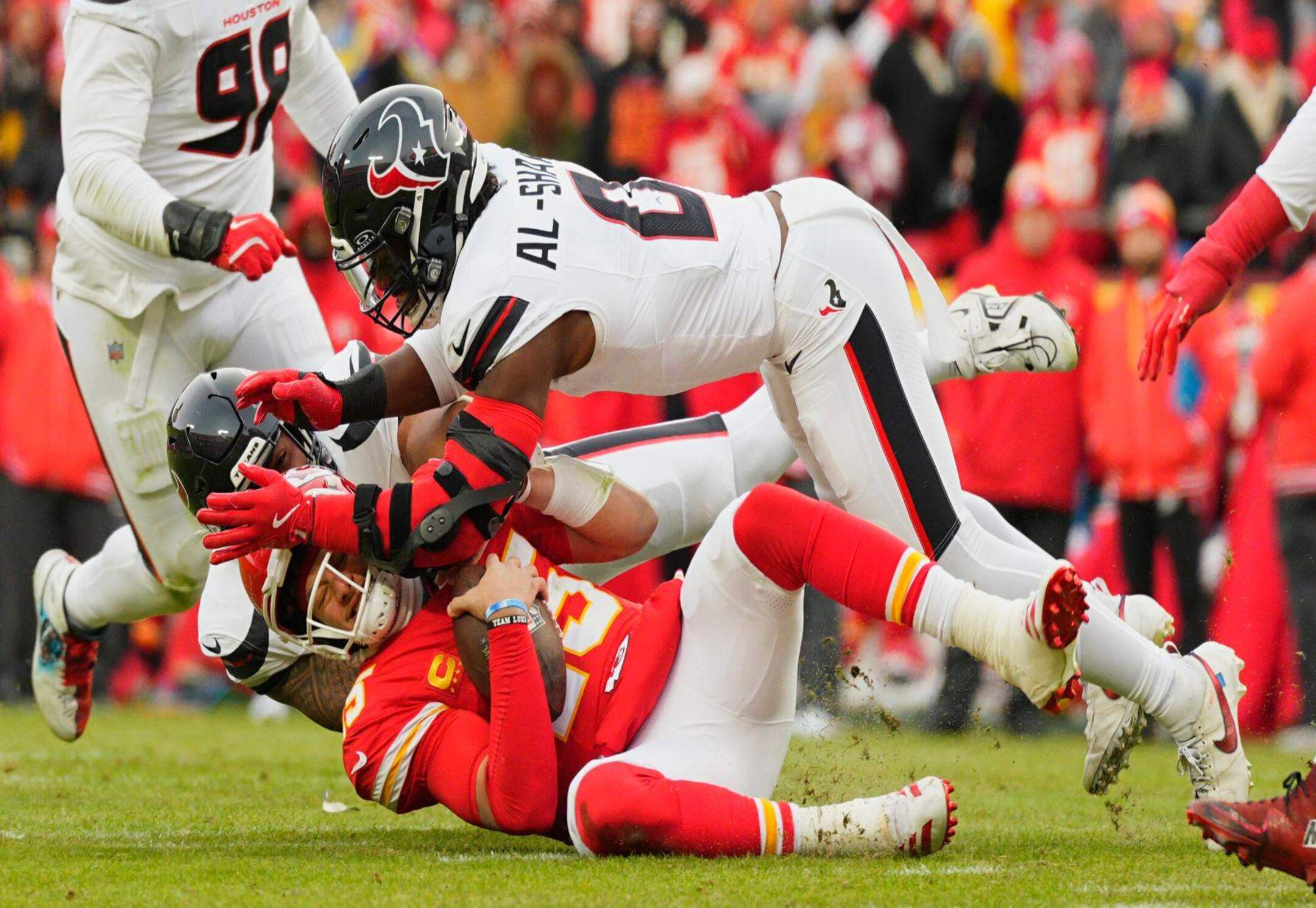
Some popular games include:
Late flags in key moments
Calls that decided outcomes
Public criticism from coaches
These plays usually spark discussion every season.
Modern defensive coaching focuses on:
Pulling up early
Targeting midsection
Avoiding full-speed lunges
Letting QBs throw under pressure
Defenders have to be more careful about their hits now, even when they have very little time to react.
The roughing the passer rule is there to keep quarterbacks safe, but it's not perfect.
It does help keep players safer.
It makes the offense more stable.
It can upset defensive players and fans.
These days, the NFL cares more about protecting quarterbacks than sticking to old-school physical play.
Whether you agree with it or not, this rule is part of today's game, and it's not going anywhere.