

Sports
Jan 28, 2026
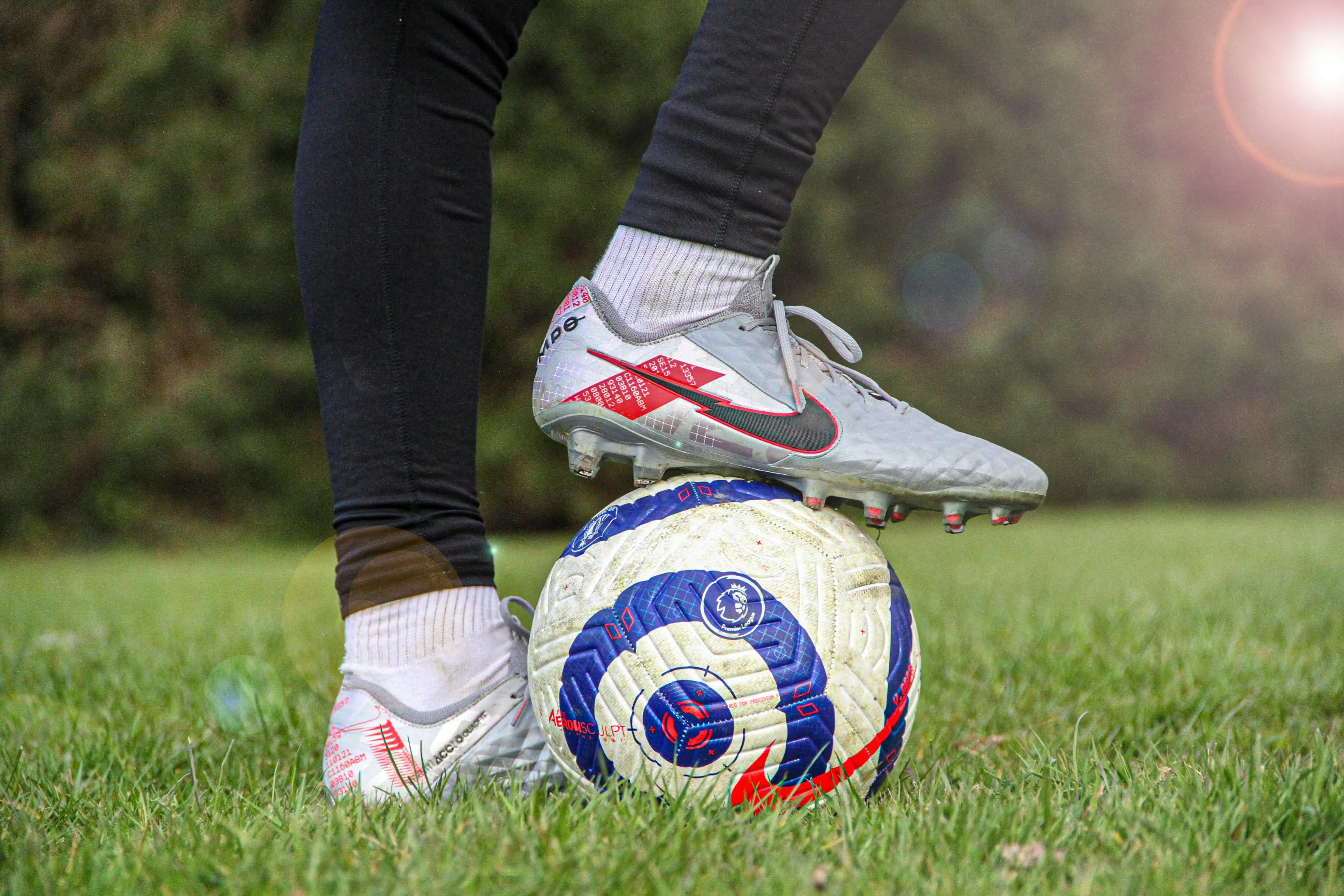
Learn about stud types (FG, SG, AG, TF, IC), correct fit, foot shape matching, and how to choose the best football boots for your surface and position. Photo by: Unsplash
Picking football boots isn't just about looks or name brands. If you get the wrong studs or they don't fit well, it can mess with how you play, make your feet hurt, and possibly lead to injuries.
In this guide, we'll talk about:
All the main types of studs
How football boot fit works
Which boots are best for different fields
Typical mistakes people make when buying boots
No matter if you're just starting out or you play a lot, this guide has got you covered.

Different fields like grass, artificial turf, or even indoor courts ask for different grip on your shoes.
Also, your football boots need to fit just right:
They should feel snug, but not too tight.
Your heel shouldn't slip.
You should stay comfy for a whole game.
If you pick the wrong boots, you might slip, get blisters, or even get hurt.
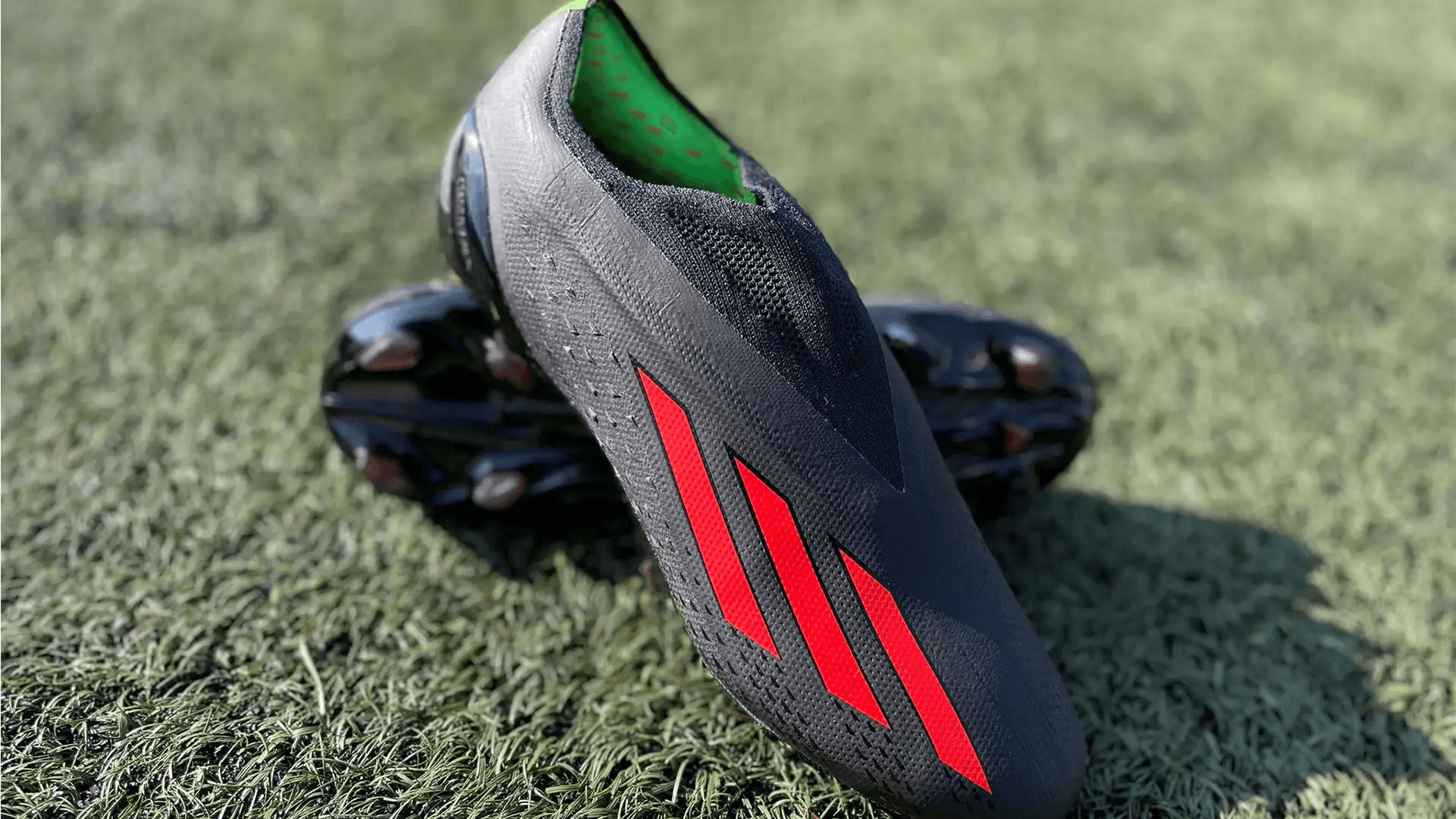
Perfect for: Natural grass fields that are dry or a little damp.
FG boots are your standard, go-to option.
What to expect:
Plastic studs that are part of the sole.
Studs spread out evenly.
Good grip, but still lets you move freely.
Don't use them on: Artificial turf or muddy fields.
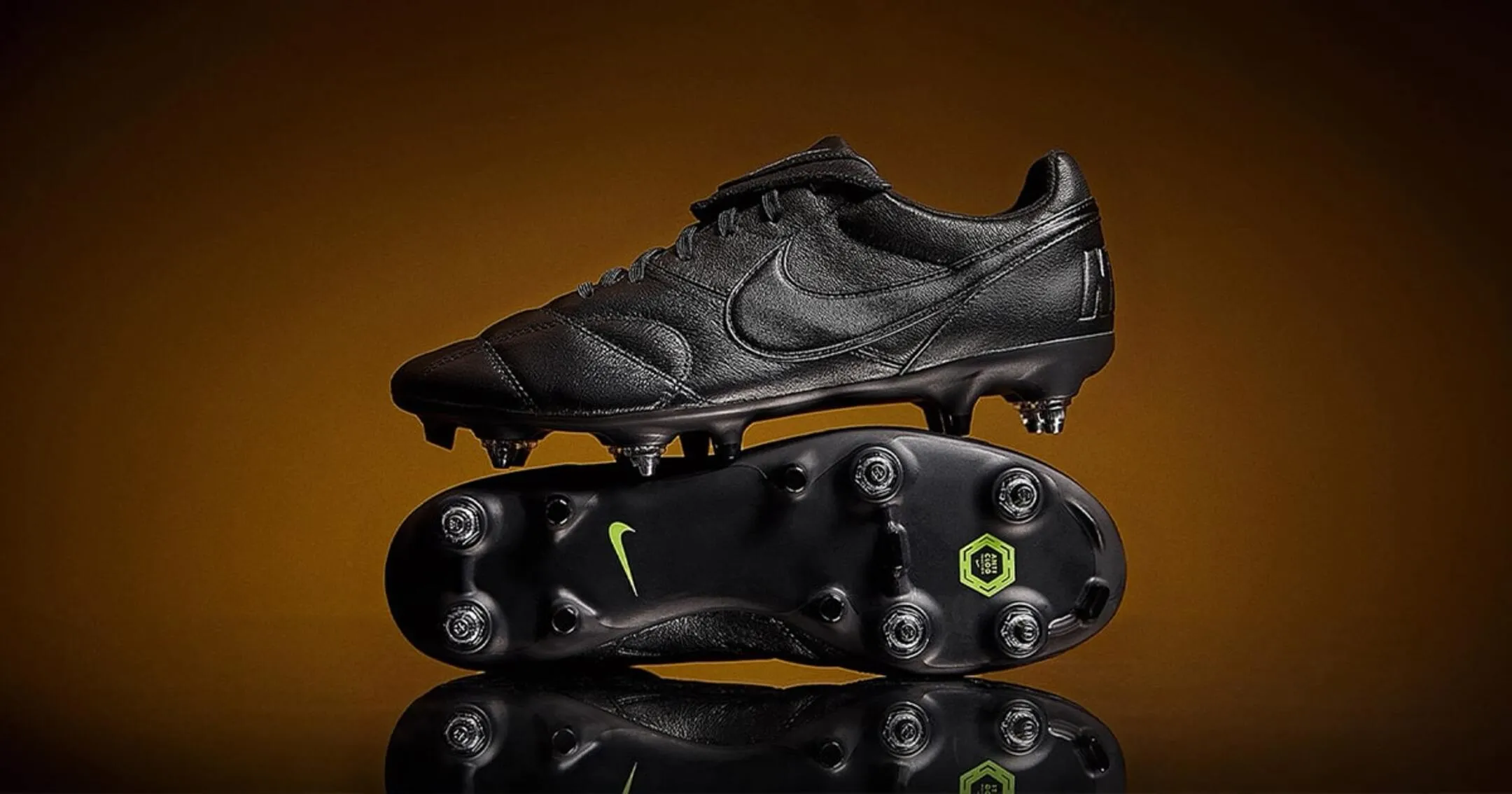
Best For: Wet, natural grass
These SG boots give you a rock-solid grip.
What you get:
Metal or hybrid screw-in studs
Studs dig in deeper
Grip that hangs on in soft, wet ground
Important: Don't use these on artificial fields. They can be dangerous on hard ground.
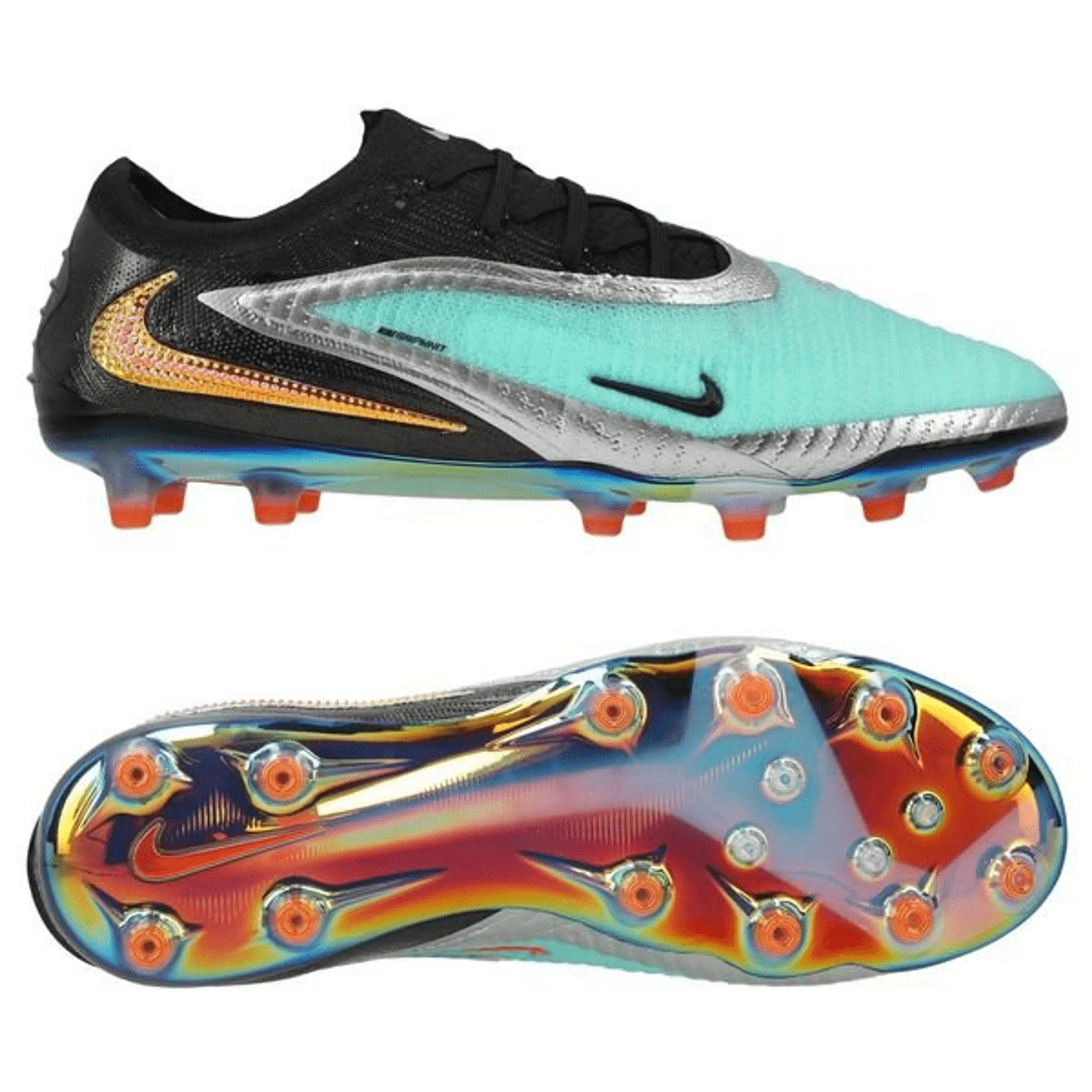
Great for: Artificial turf fields that mimic 3G or 4G grass.
AG cleats can be easier on your joints.
What to expect:
Shorter, hollow cleats
Evenly spread pressure across your foot
Can lower your chances of getting hurt on artificial turf
Keep in mind: Wearing regular cleats on artificial grass all the time might make you more likely to hurt your knees and ankles.
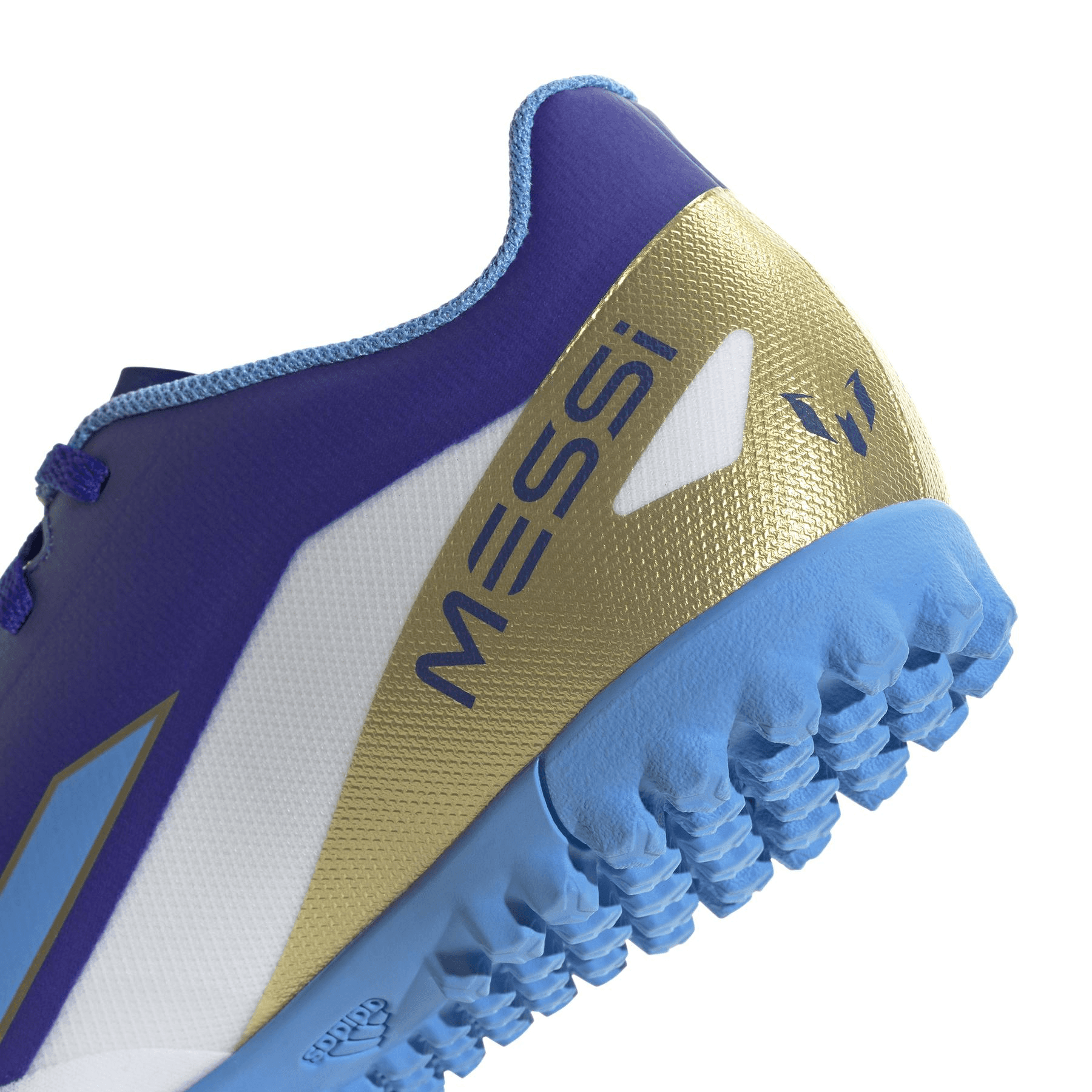
Great for: Worn fields, hard dirt, practice
What it offers:
Lots of small rubber pieces
Good grip on hard surfaces
Long-lasting bottoms
These boots work well for relaxed games and smaller matches.
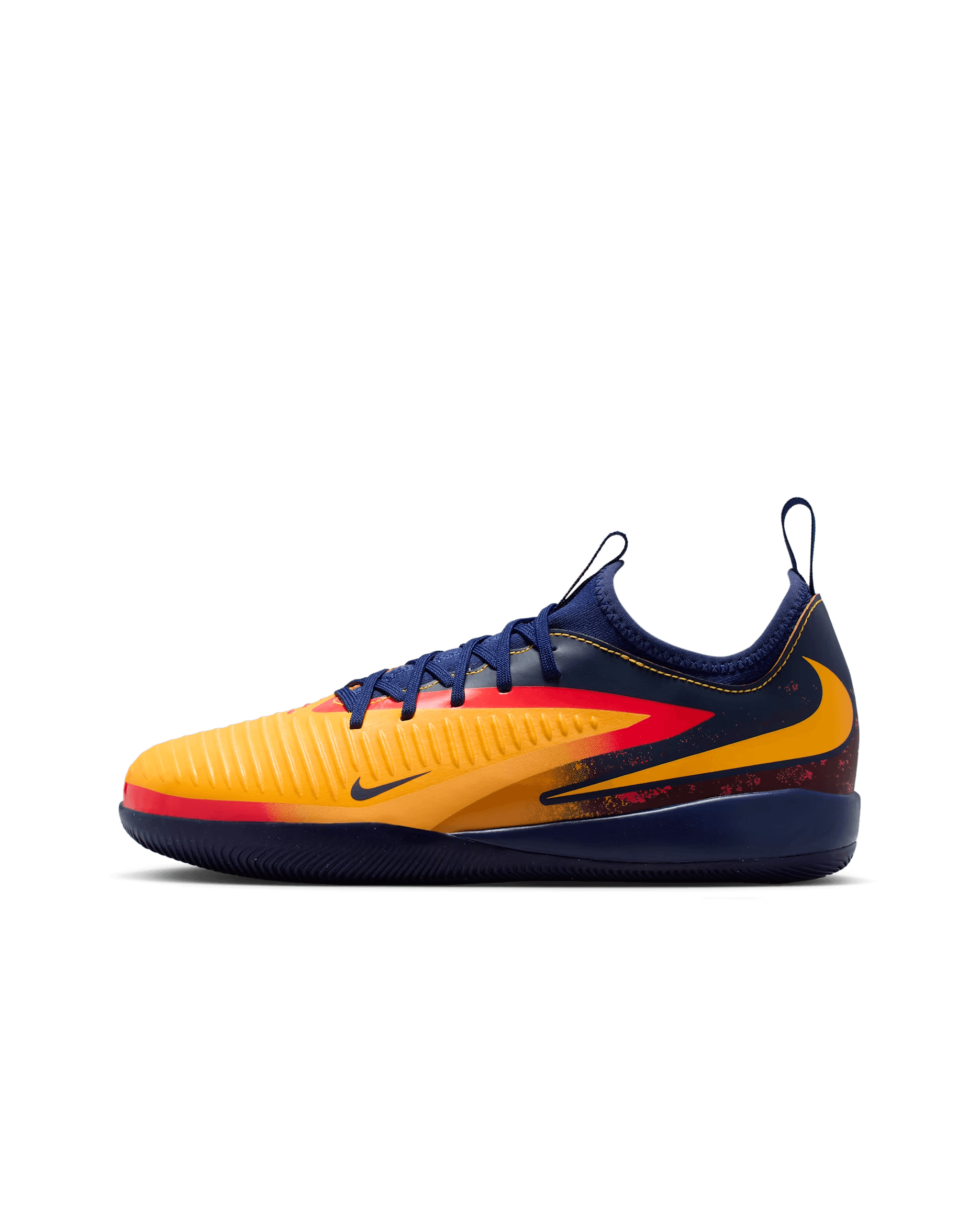
These shoes are great for indoor football (futsal) because:
They have flat rubber soles.
They don't have studs.
They give you the most grip on smooth floors.
Don't use them outside.
Stud Type | Surface | Grip Level | Injury Risk |
|---|---|---|---|
FG | Natural grass | Medium-High | Low |
SG | Soft/wet grass | Very High | Medium |
AG | Artificial turf | Medium | Lowest |
TF | Hard ground | Medium | Low |
IC | Indoor | High | Very Low |
A good fit gives you:
Better ball control
More efficient sprints
Added stability
Your toes should just reach the end of the boot.
Your heel shouldn't move when you run.
You shouldn't feel any pressure on the sides of your feet.
The midfoot area should feel secure and locked in.
Keep in mind football boots will stretch a little, but not much.
These boots are all about speed.
They're built with a slim design.
Plus, they keep your midfoot locked in place.
Pick shoes with leather or flexible uppers.
Make sure your toes have enough room.
Don't choose very narrow speed boots.
Check for flexible soles
Don't get very stiff boots.
Think about insoles if you need them.
How they fit is more important than who makes them.
Feels softer
Forms to the shape of your foot
Good for wider feet
Light and easy to carry.
Keeps its form.
Stretches very little.
Go with what feels good, not just what's popular.
Mistake | Why It’s Bad |
|---|---|
Using FG on turf | Increases injury risk |
Buying oversized boots | Loss of control |
Ignoring foot shape | Pain and blisters |
Choosing looks over fit | Performance drops |
Not breaking boots in | Discomfort in matches |
Forwards: Light, quick boots are the way to go.
Midfielders: Look for comfort and good control.
Defenders: You need boots that are stable and last.
Goalkeepers: Grip and comfort are key.
Good fit and surface are more important than position.
FIFA's rules are clear on cleats:
Cleats can't put other players at risk.
No sharp or broken cleats.
Metal cleats are only for soft fields.
Refs can check cleats before the game starts.
Time to get new cleats when:
The studs wear out.
The bottom cracks.
The upper part loses its form.
Your feet hurt when you wear them.
How long they last:
For people who play sometimes: One to two years.
For people who play often: Six months to a year.
Forget the hype, football boots are about function.
Here’s how to pick the right ones:
Make sure the studs work on the field you play on.
Focus on how they feel, not the name on the side.
Think about your foot type and what feels good.
Don't cut corners, protect yourself from injuries.
When your boots fit well and have the right studs, you'll feel more confident and play better.