

Business
Feb 18, 2026
Personal branding vs company branding explained for Gen Z and young professionals. Learn differences, benefits, risks, and which brand strategy matters more today. Photo by: Italics
Today, branding goes beyond just logos. It's about trust and staying relevant. If you're between 14 and 25, you're likely wondering:
Should I build a personal brand, or focus on a company brand?
The answer isn't simple. Knowing the difference and when each one matters can really help your career and success.
Let's talk about it.
Personal branding is all about how people see you, both on the internet and in real life.
It's made up of:
What you think
What you're good at
How you talk and write
What shows up when people search for you online
Basically, your personal brand is what folks say about you behind your back.
Students sharing career tips on LinkedIn.
Creators building a name for themselves on YouTube or X.
Freelancers becoming known for a special skill.
Personal branding changes who you are into influence.
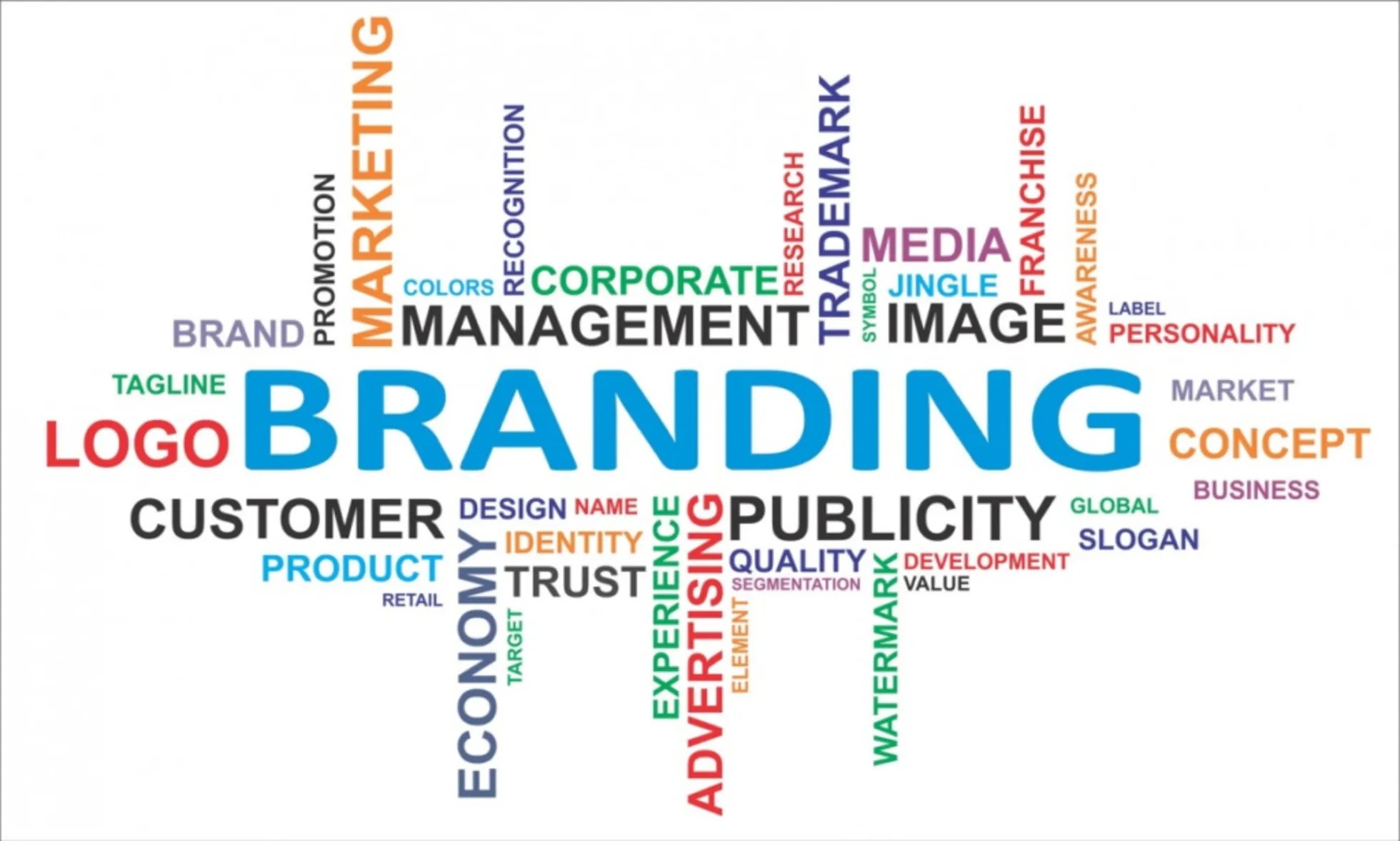
Company branding is simply how a business shows who they are to everyone.
This includes:
The way they talk and what they say about themselves
How they look (their logo, colors, and overall design)
What they believe in and what they want to achieve
How they treat their customers
Good branding means being consistent as you grow. It lets a company become bigger than just one person.
Factor | Personal Branding | Company Branding |
|---|---|---|
Focus | Individual | Organization |
Trust | High (human connection) | Built over time |
Speed | Grows faster | Slower, more stable |
Risk | Tied to one person | Spread across teams |
Scalability | Limited | High |
Authenticity | Very high | Structured |
Both serve different purposes, and both matter.
For professionals, building a personal brand is now very important due to social media and increased transparency. People tend to trust individuals more than company logos.
Feels authentic
Builds direct connection
Low cost to start
Portable across jobs and industries
Dialogue you’ll see everywhere:
“I followed the founder before I trusted the company.”
That’s personal branding at work.
Even with more creators popping up, company branding is still key.
Why company brands matter:
They build stability that lasts.
They bring in investors and partners.
They create systems that don't depend on specific people.
They continue when leaders change.
A solid company brand means the whole business won't fall apart if someone leaves.
Okay, here's a straightforward tip for those in their teens to mid-twenties:
Focus on building your own personal brand first.
Once you need to grow bigger, then think about creating a company brand.
Personal brands get built faster.
They create opportunities for jobs, clients, and networks.
They can help grow a company later on.
Many thriving companies started because someone had a strong personal brand.
The future isn’t personal branding vs company branding.
It’s personal branding + company branding.
A founder's trustworthiness and public image, along with a company's strong foundation and growth, work together.
When done well:
A founder's personal reputation makes the company more relatable.
The company's brand gives the founder more credibility.
This branding approach is the most durable for the future.
If no one trusts you, your company won't grow.
Sharing too much information can ruin your credibility.
What you post online stays online – so be careful.
Your special traits are what make you stand out from the crowd.
Pick one platform
Share what you’re learning
Be consistent, not viral
Stay honest and useful
Define values clearly
Keep messaging consistent
Focus on user experience
Build systems, not hype
Start small. Branding compounds over time.
What to Expect by 2030:
Online presence will be key to getting hired.
Businesses will win customers through trust, not cheap prices.
People will pay attention to individuals instead of ads.
Having a brand won't just be a good idea; it will be essential for survival.
Personal branding focuses on individuals, while company branding focuses on organizations.
Personal branding is easier and faster to start, especially for students and young professionals.
Yes. The most successful brands today combine both.
It can be if unmanaged, but it builds trust faster than traditional branding.
Yes. It’s essential for scalability and long-term stability.
Personal branding builds trust.
Company branding builds scale.
You don’t need to choose sides.
You need to know when to lead with your name and when to build something bigger than it.
That’s how modern brands win.