


Business
Feb 18, 2026
Apple vs Samsung business model explained. See how each company makes money, from hardware and services to ecosystems and scale. Photo by: ABGN
Apple and Samsung are the big names in consumer tech, but they make money in very different ways. Both sell smartphones, but their income, costs, and long-term plans are not the same.
Looking at how Apple and Samsung do business is about more than just phones. It's about different approaches: ecosystems against scale, services against parts, and control against reach. For anyone trying to figure out how tech companies make money, this comparison shows why both are successful, even though they have different strategies.
Okay, here's a more human way to say that:
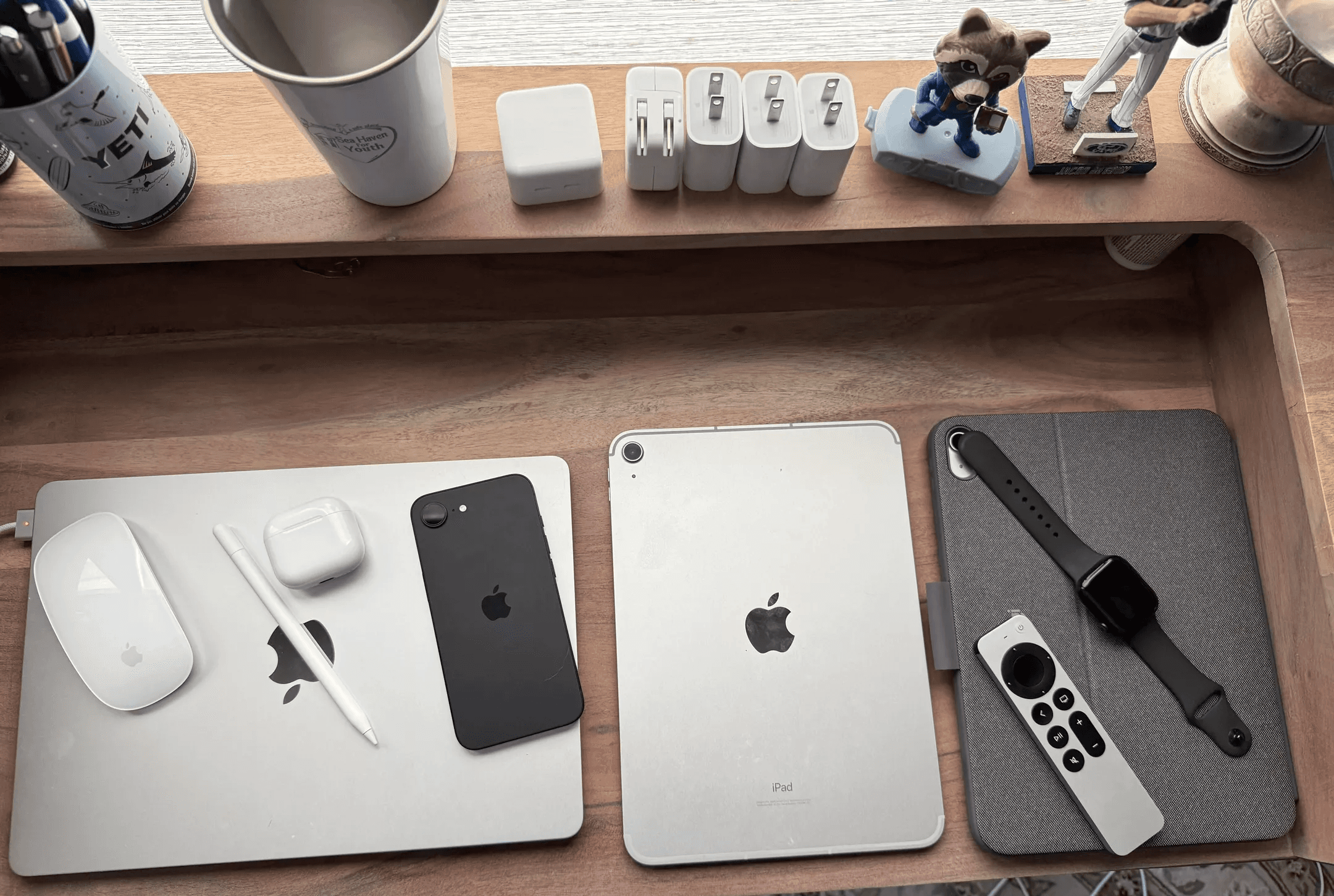
Apple profits by selling top-end products that work seamlessly together in their ecosystem. They also make a lot from their services.
Samsung, on the other hand, makes money by selling a huge number of products, a wide variety of hardware, and by supplying parts to basically everyone in the tech world, even their rivals.
So, while you see them competing side-by-side, their business strategies are basically opposites.
Apple still makes most of its money from hardware, especially the iPhone, but the real money maker for the company isn't the phone, it's what the phone lets people do.
Here's how Apple makes its money:
The iPhone, which brings in the most cash.
Wearable devices like the Apple Watch and AirPods.
Mac computers and iPads.
Services such as the App Store, Apple Music, iCloud, and Apple TV+.
Apple makes its own hardware and software. By controlling design, pricing, how you use their products, and how they're sold, Apple can keep prices high and make a lot of profit, even if they don't sell as many units.
Apple's service offerings bring in regular income and have bigger profit margins than their gadgets. People tend to stick with Apple once they're in because it's easier. It's not that you can't switch, but things just work seamlessly together.
Most people see Apple as a seller of convenience, reliability, and products that last, not just electronics.
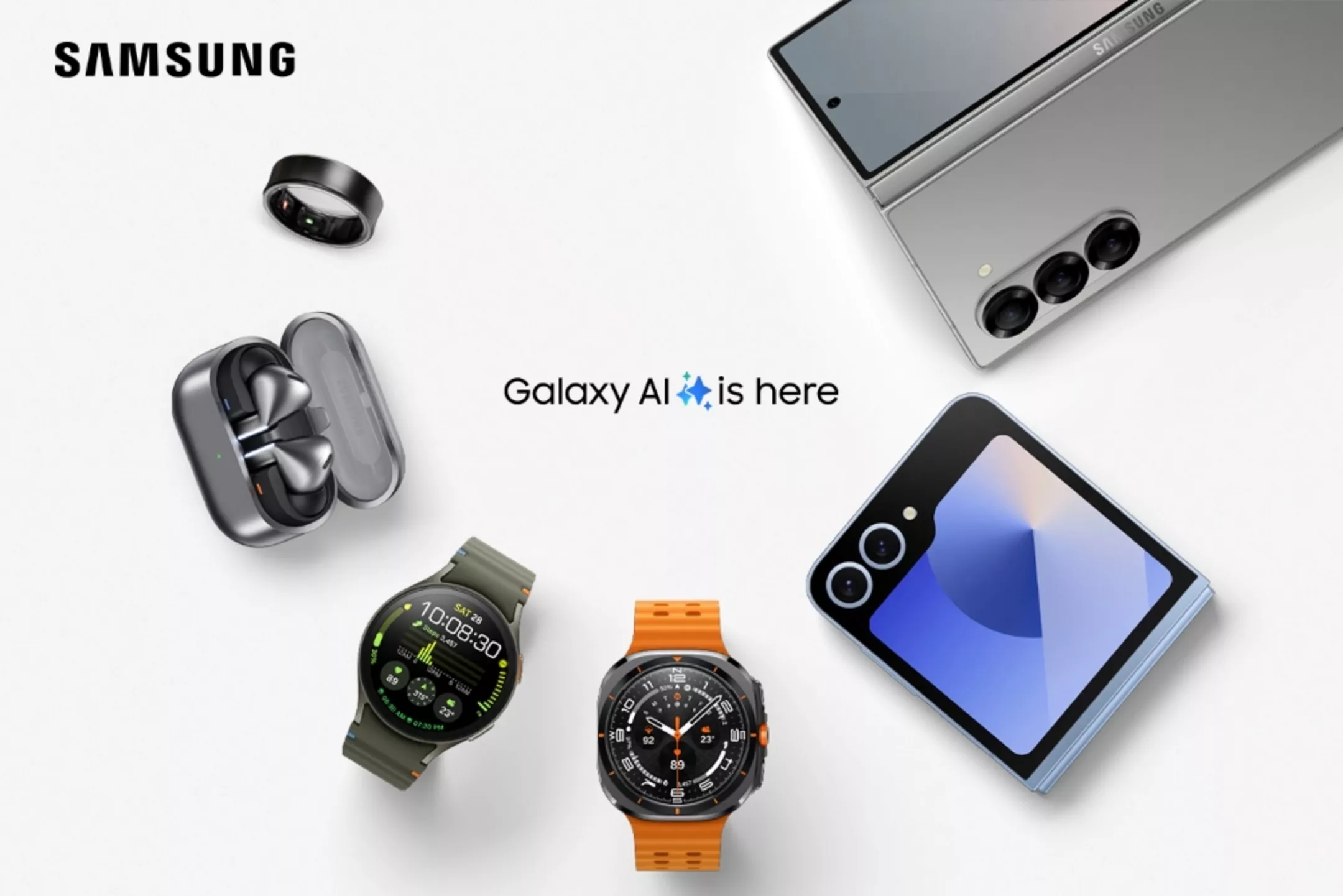
Samsung's business goes way beyond just phones. Sure, smartphones are a big deal for them, but they're just one piece of a much bigger operation.
Samsung's Business: More Than Just Phones
Samsung is a major player in various tech sectors:
Smartphones for all budgets
TVs, appliances, and other electronics for homes
Semiconductor production (chips and memory)
Display screens and parts for other brands
Samsung's chip and display divisions sell parts to many tech companies. Sometimes, these divisions make more money than Samsung's phone business.
So, even if Samsung's phone sales drop, the company still makes money because its rivals buy parts from them.
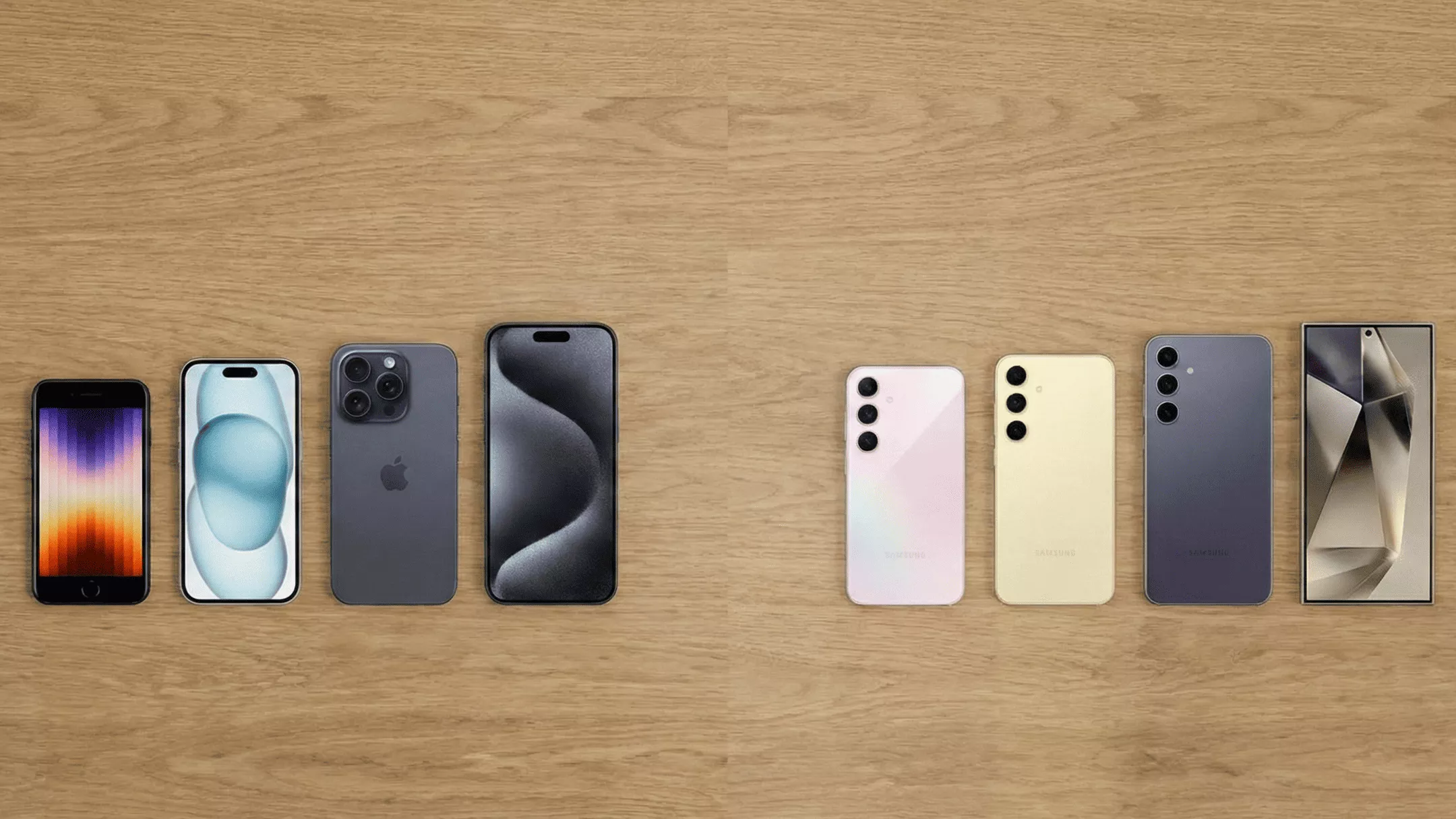
These two companies both sell phones, but they're aiming for different things.
Area | Apple | Samsung |
|---|---|---|
Pricing | Mostly premium | Entry-level to ultra-premium |
Product range | Limited, focused | Very wide |
OS control | iOS only | Android-based |
Profit per device | High | Lower, volume-driven |
Apple wants to get as much profit as possible from each customer, while Samsung is trying to reach as many markets worldwide as they can.
Apple's system is made to be closed off. Accessories, apps, and services work best with Apple devices, and Apple gets a share of most online sales.
Samsung is part of the Android system, which is more open but has less control. This keeps Samsung from making as much money from services as Apple does. But it lets them grow around the world and stay flexible.
Neither way is better. They just work toward different goals.
Apple designs its products but has other companies make them. This helps keep costs down since Apple doesn't have to own factories. It also makes it easier for Apple to make more products when they need to.
Samsung makes many of its own parts, like chips and screens. This means Samsung knows it will have the parts it needs. It also allows them to make extra money by selling those parts to others. But it also means they have to spend a lot of money to build and run factories.
Apple focuses on its brand and making as much money as possible on each product. Samsung focuses on making a lot of products and controlling its own supply chain.
The main worry for Apple is that people might get tired of its ecosystem. If folks stop buying the latest devices or if rules change about service charges, growth could take a hit.
For Samsung, the big risk is the ups and downs of demand. Because their chip profits can swing a lot depending on what's happening with global supply and demand.
Both companies diversify risk differently:
Apple through services and brand loyalty
Samsung through business diversity
Apple's all about a top-notch system and services, while Samsung goes for selling lots of different gadgets.
Apple usually makes more profit, even if Samsung sells more stuff.
Selling parts gives them a steady income, no matter how their own products do.
Apple counts on the iPhone more than Samsung counts on its Galaxy phones.
Both ways of doing things are pretty safe, but they each have their own risks depending on rules, what people want, and who they're up against.
The Apple versus Samsung discussion isn't just about phone sales; it's about two different ways these giants built their empires.
Apple makes money from customer loyalty.
Samsung makes money by selling a lot of products.
Both strategies are successful, and knowing why helps understand how tech companies profit today.