Gaming
Jan 23, 2026
A Minecraft experiment with 1,000 players showed how wealth gaps, power, and inequality form naturally. Here’s what happened and why it matters. Photo by: ABGN
1,000 players joined one Minecraft world with almost no rules
Wealth inequality appeared naturally over the time
Rich and poor groups formed based on access, power, and timing
This experiment showcased how the social systems form even inside games
When 1,000 players were placed into one Minecraft world, a clear divide between rich and poor formed naturally without being designed showing how inequality and power structures emerge in societies.That is the core result of the experiment.
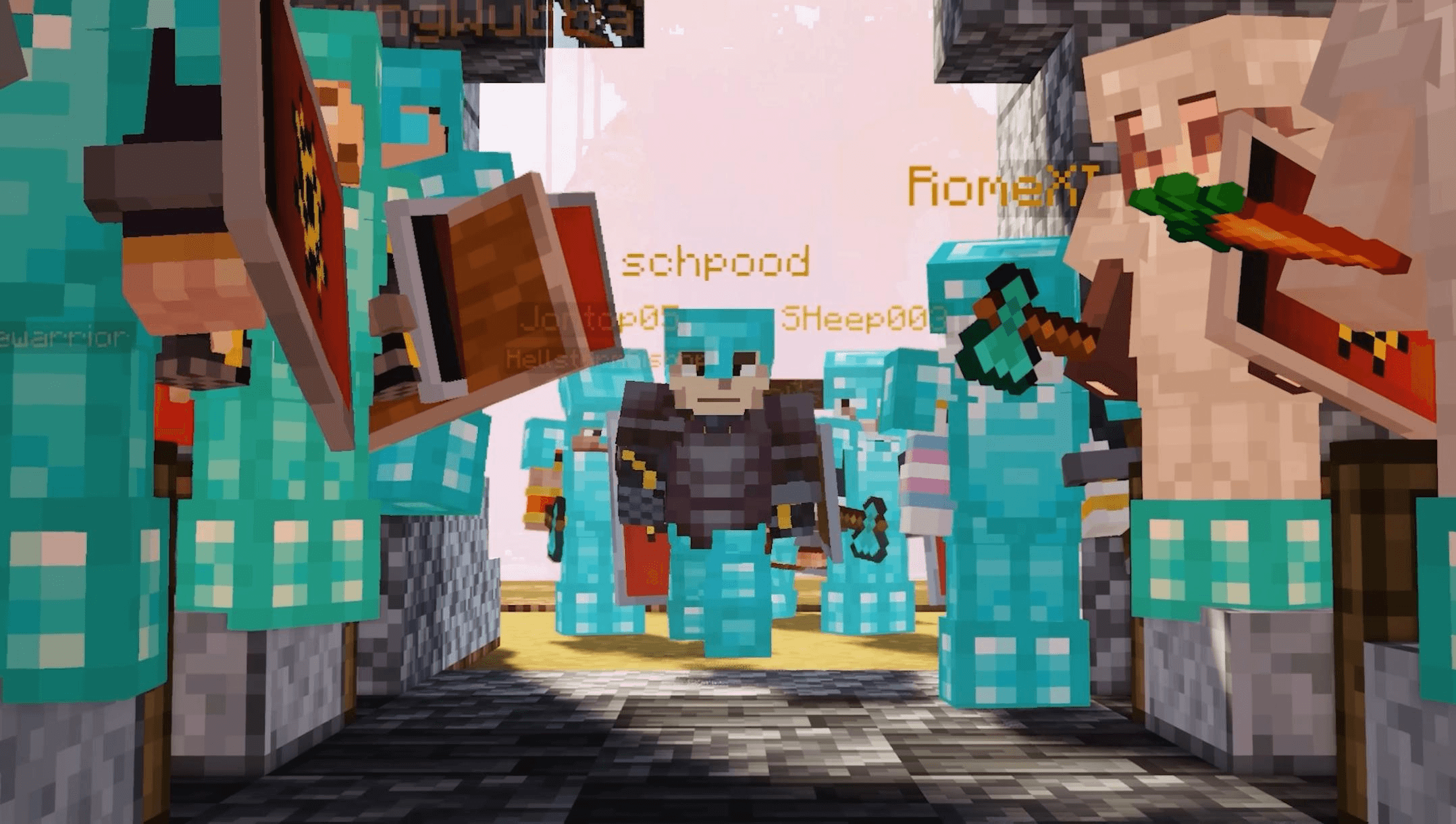
In this large-scale Minecraft experiment, 1,000 players entered a shared world at the same time. There were no preset classes, no starting advantages, and no forced rules about wealth or even leadership.
The goal was simple:
Survive, build, and grow a civilization.
What followed was not planned but very familiar.
At the beginning, everyone was equal there were:
Same tools
Same world
Same chances
But this equality didn’t last long.
Some players:
Found rare resources quite early
Settled near the key locations
Formed groups faster than ever
These early advantages created wealth gaps amongst the players.
Players with more land, materials, and protection quickly became the “rich,” while others who couldn't acquire those struggled to catch up.
Wealthy groups shared common traits:
Controlled valuable areas
Had strong defenses
Owned farms, mines, and storage
Traded resources at better rates
They built:
Large cities
Protected bases
Trade hubs
With resources came power.
With power came influence.
Not everyone benefited.
Poorer players often:
Spawned far from resources
Lost items to raids or theft
Lacked protection
Had to work for others
Some became:
Laborers
Guards for rich settlements
Traders with little profit
This created a clear class divide, even though no one planned it.
The wealth gap changed how players acted.
Among the Rich
Focused on protection
Controlled trade
Set rules in their areas
Among the Poor
Formed alliances
Attempted raids
Sought protection under powerful groups
Just like real life, inequality led to tension.
As the gap grew, two paths appeared.
Cooperation
Trade agreements
Shared defenses
Resource sharing
Conflict
Raids on rich areas
Territory wars
Resource theft
Some conflicts failed.
Some changed power completely.
The world stayed active because nothing was stable.
Minecraft allows this kind of experiment because of its design.
Feature | Why It Matters |
|---|---|
Open sandbox | No forced outcomes |
Player freedom | Natural systems form |
Resource scarcity | Creates value |
Large servers | Real social behavior |
At scale, Minecraft becomes more than a game it becomes a social simulation.
Problems appeared over time:
Server lag during peak hours
Griefing in poor areas
Power abuse by strong groups
Unequal access to resources
These weren’t technical failures.
They were human reactions to inequality.
The video gained attention because it showed:
How fast inequality forms
How power concentrates
How games reflect real societies
For players aged 14-25, it combines:
Minecraft
Social behavior
Large-scale chaos
It’s entertaining and meaningful.
This experiment proves something important:
Games can reflect real-world systems, even without rules.
Minecraft can simulate:
Economic systems
Class divides
Politics and leadership
Social conflict
Very few games can do this naturally.
It was a social experiment where players built a civilization in one shared world.
No. Wealth and class formed naturally.
Early access to resources and protection created long-term advantages.
Yes. Its open design allows real behavior to emerge.
No. It was community-driven using a custom server.