Gaming
Jan 23, 2026
Discover why Minecraft remains endlessly popular: creative freedom, global community, easy access, and fan culture that never fades. Photo by: Minecraft
Even after more than just a decade since its release, Minecraft still stands as one of the most loved and played games in the world.
In an industry where the new titles rise and fade every few months, Minecraft continues to grow stronger each passing year.
From kids building their first virtual homes to professional gamers creating new massive servers, it has become much more than just a game, it is now becoming a creative universe with no limits.
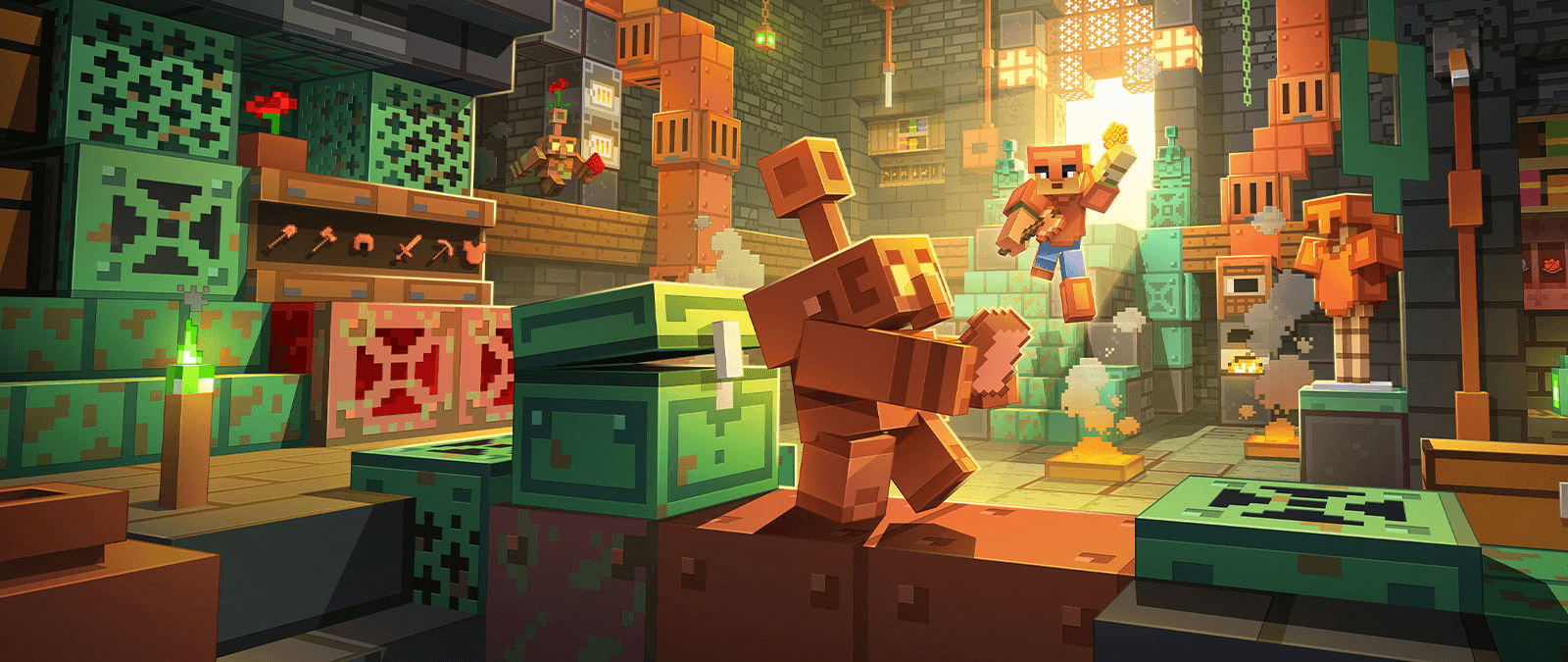
The secret behind its long-lasting success does not lie in its fancy graphics or the fast-paced battles but in its simplicity, creativity, and endless freedom.
What makes Minecraft truly special is how it keeps evolving with its players adapting to the new platforms, supporting fresh new content, and staying connected to a global community that spans of all ages and regions.
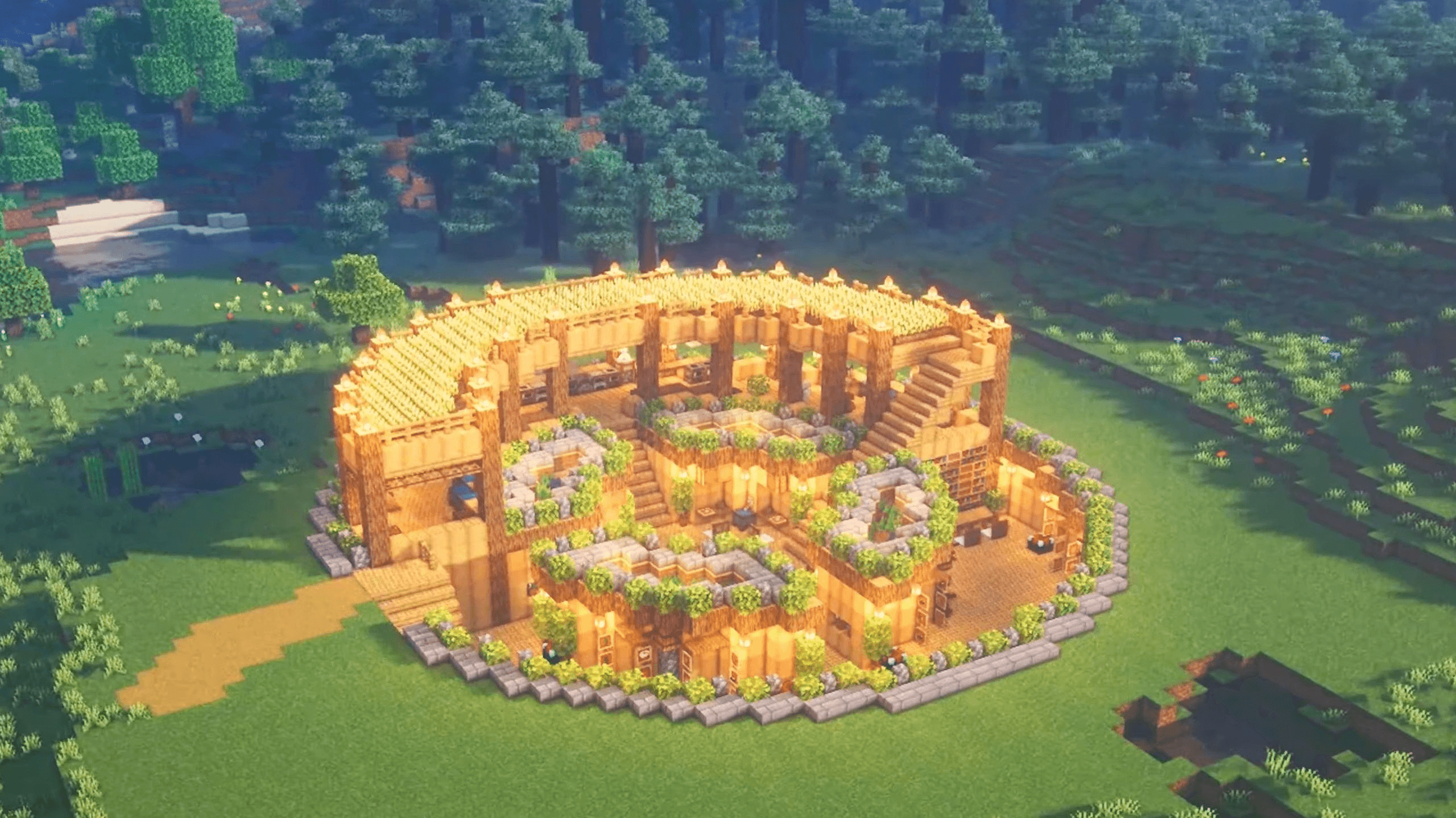
Minecraft gives players the tools, not a fixed story. People can build anything homes, cities, art, machines and that endless freedom keeps imagination alive for every age.
Players return because each game can be a new project or a calm place to relax. This open design is rare and very hard to outgrow.
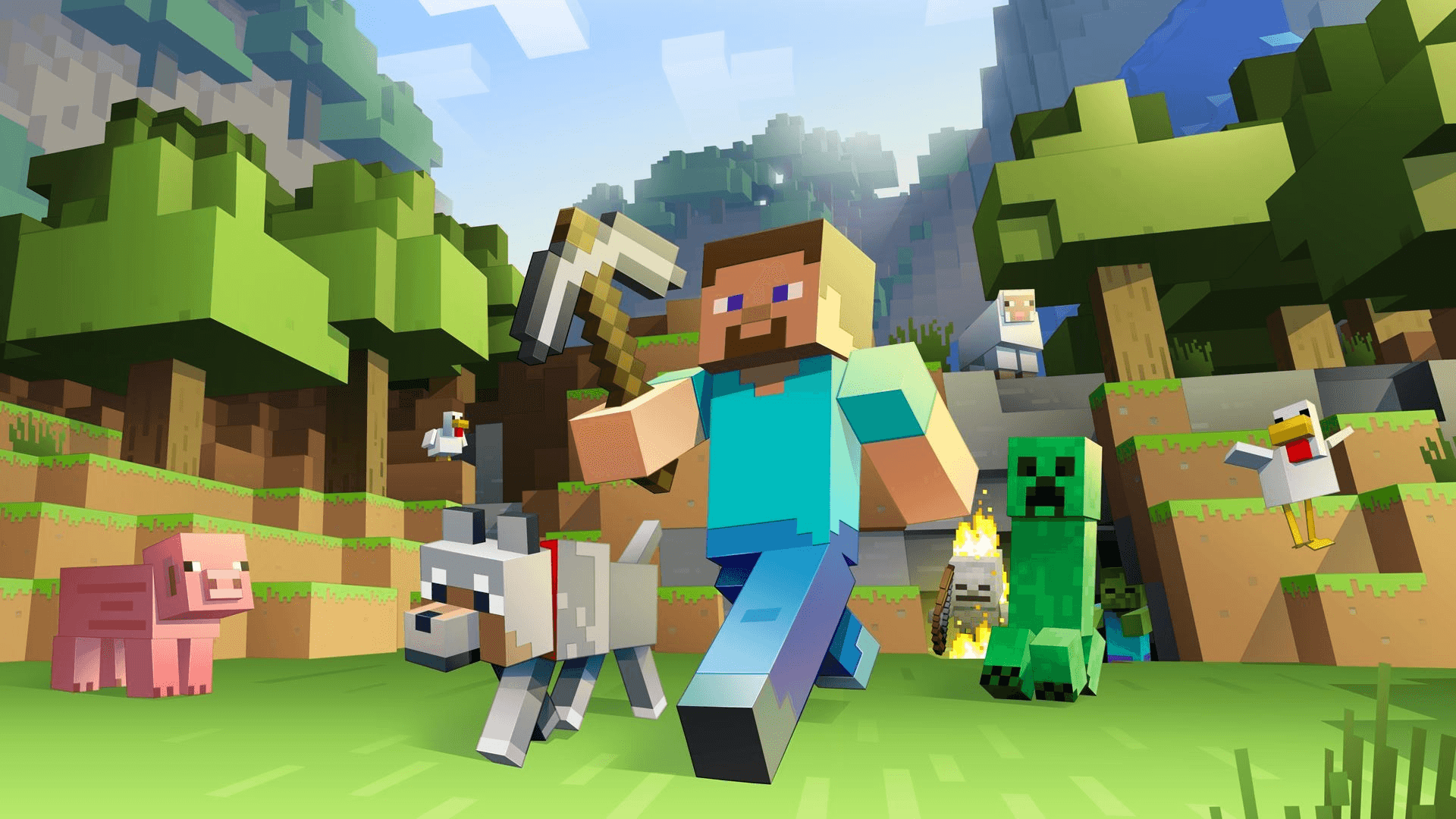
Millions of people play Minecraft every day and month, keeping servers full and ideas fresh. Recent trackers and reports show the huge monthly active user numbers this steady audience means creators, servers and shops have real customers to support. The large player base makes Minecraft feel alive and useful.
Minecraft runs on PC, consoles and phones and uses Bedrock on many platforms so friends can play together easily.
Because it works across devices, families and friend groups don’t need the same console to join the fun that lowers the barrier to play and keeps people returning.
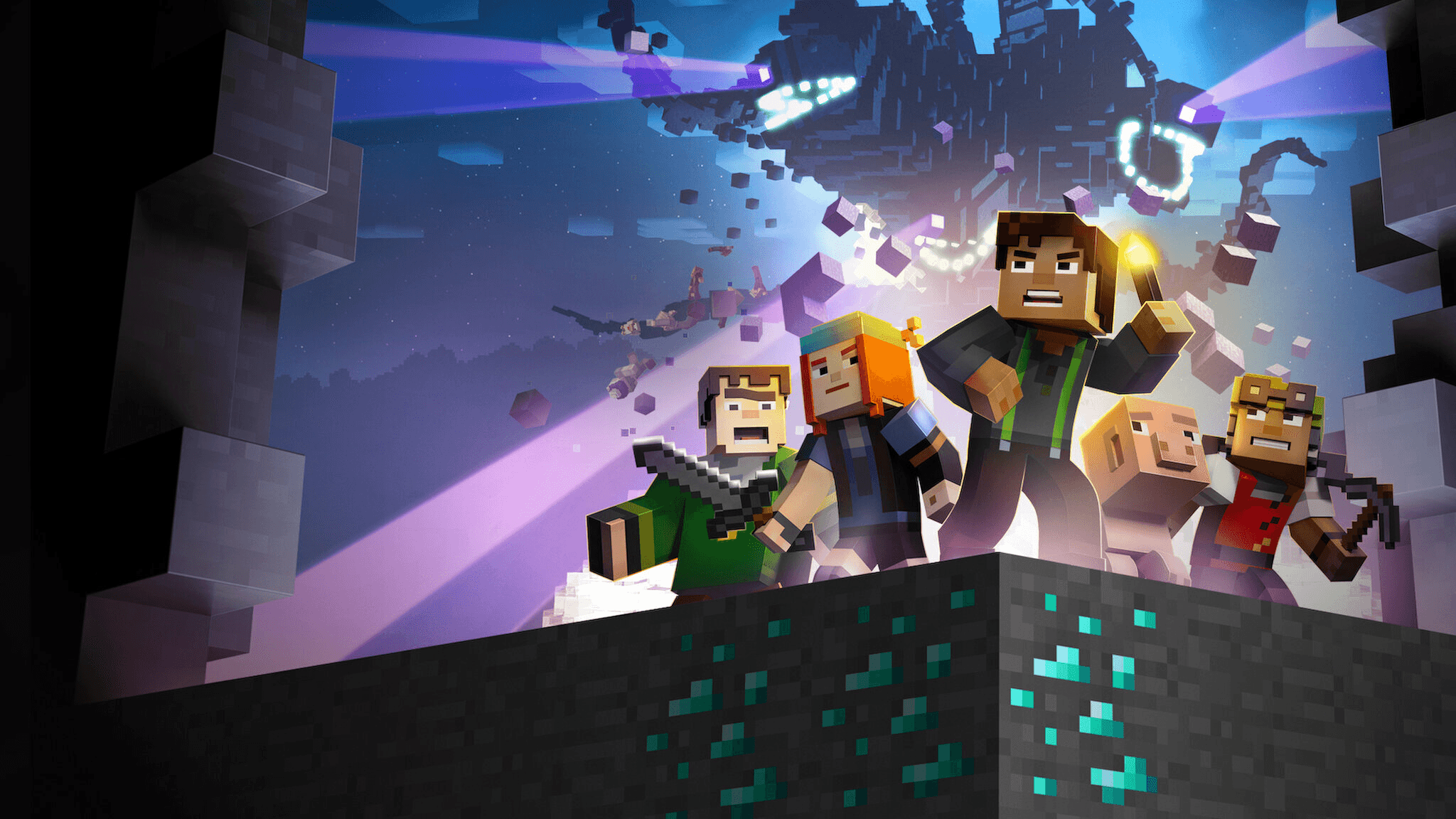
Minecraft’s Marketplace lets creators sell skins, maps and textures. This turned hobby makers into full-time creators and gave Minecraft an ongoing revenue stream beyond game sales.
Recent reports show strong marketplace earnings and big payouts to top creators, which keeps new content flowing.
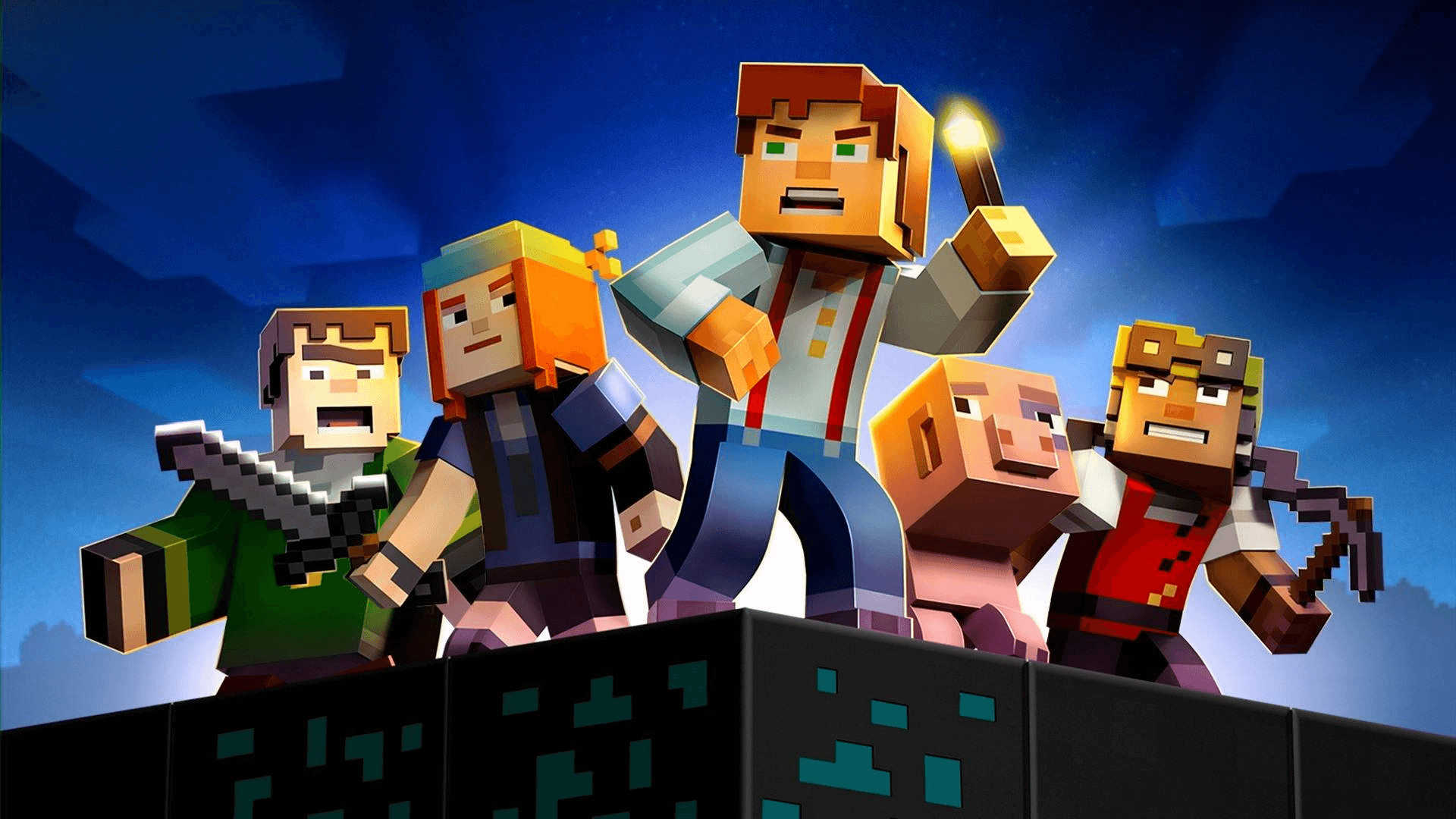
Minecraft Education Edition is used by tens of thousands of schools worldwide. Teachers use it to teach math, history, coding, and teamwork.
Kids who learn in the game Minecraft often stay fans in their growing years, and schools add a steady, serious use case that keeps the game relevant and working.
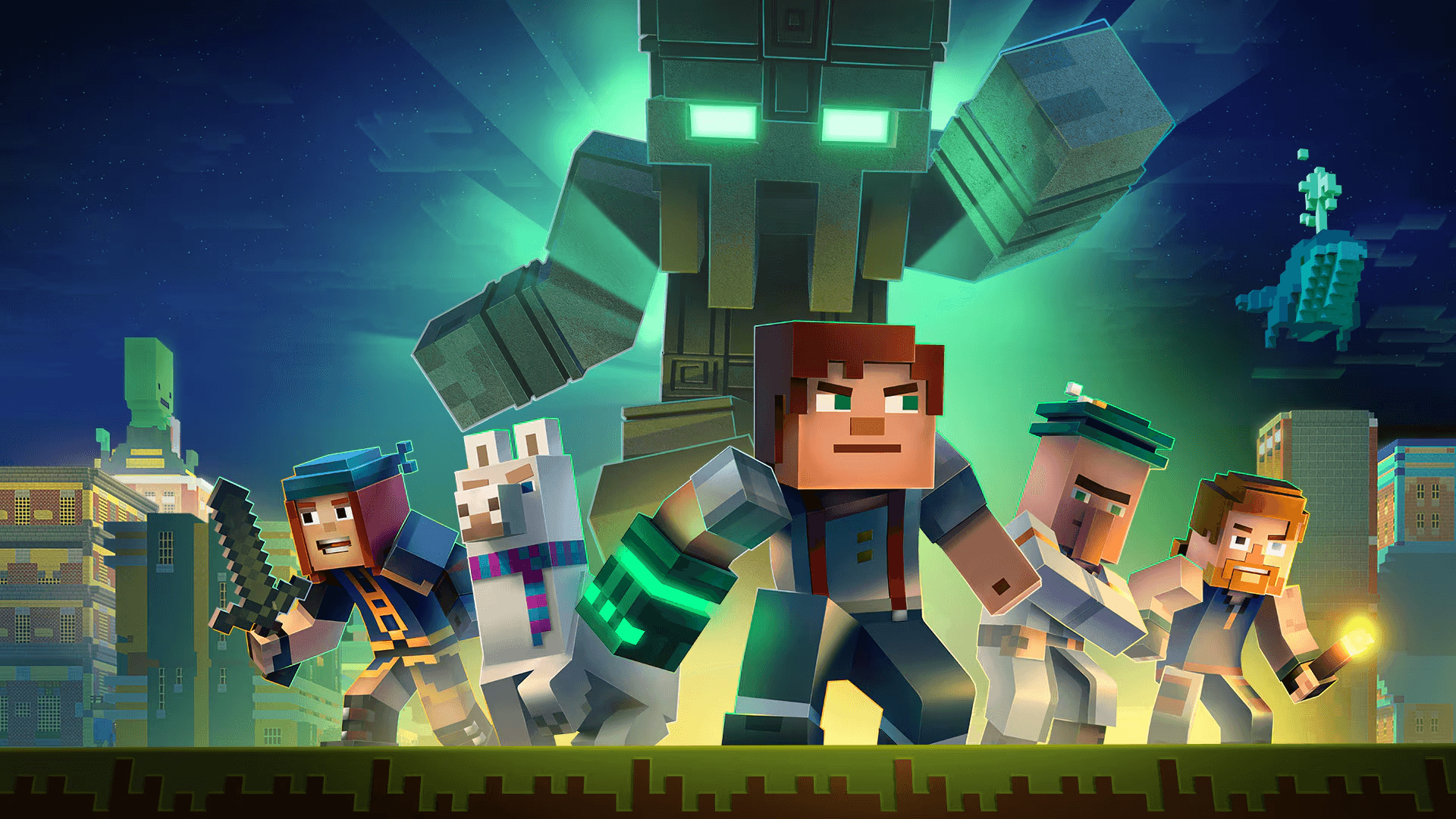
Minecraft is moving beyond the screens with theme park deals, TV shows and a well-planned film. These big brand steps bring Minecraft to families who may not play yet and keep the IP in mainstream culture, making new players curious and returning players proud. Recent theme-park deals are a strong example of this expansion.
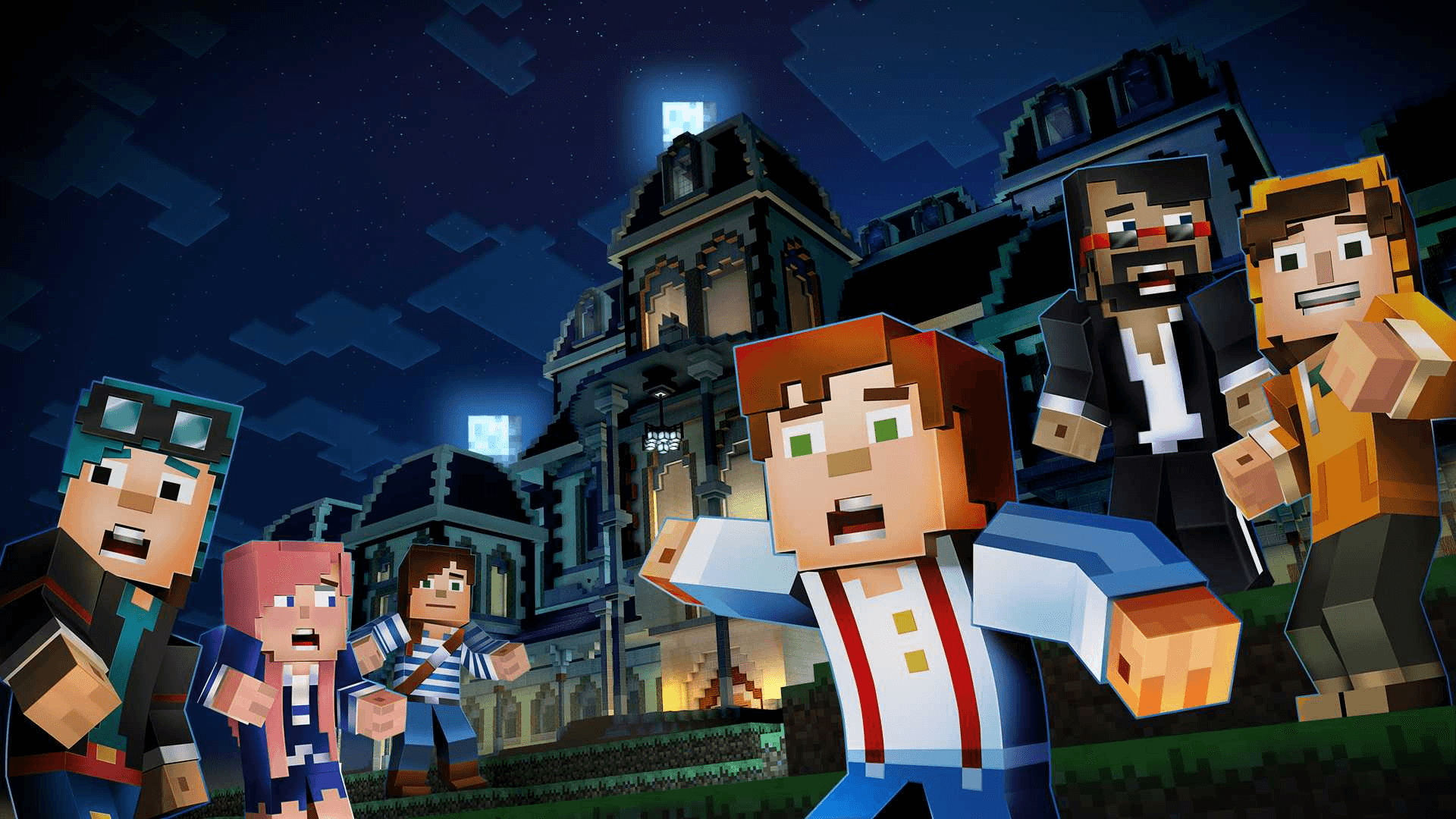
Custom servers and mods turn Minecraft into many games at once. Big community servers like Hypixel show how Minecraft can host unique game modes and social hubs that have attracted millions of people over years.
Modding keeps the experienced players engaged and makes Minecraft a platform, not just a single game.
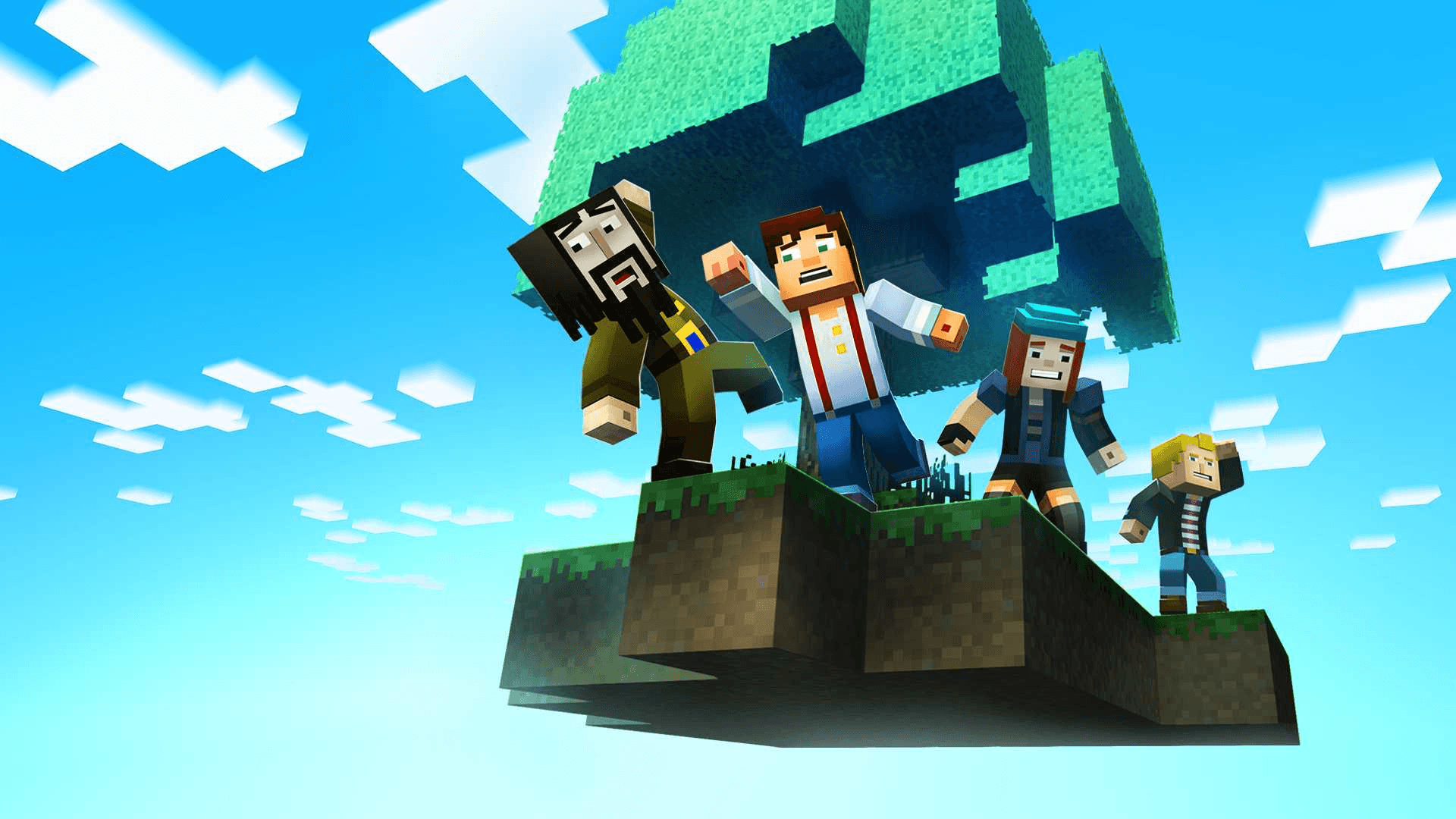
Mobile editions and Bedrock bring Minecraft to phones worldwide. Mobile revenue and players are large and growing, so Minecraft reaches countries and players who do not use consoles or PCs. This global reach is a huge reason why Minecraft keeps getting its new fans.
Players often learn very useful skills in Minecraft building, teamwork, coding and server management and some turn those skills into jobs or businesses.
Stories exist of several creators and small companies that began in Minecraft and became real companies later, which shows the game’s practical value beyond play.
Companies like Mojang and Microsoft keep updating the game with its new content, bug fixes and unique features.
The combination of the game updates, a paid Marketplace, and careful brand licensing balances player goodwill and steady revenue. That business model funds fresh content and keeps the game alive without forcing players to buy everything.
Minecraft’s audience keeps growing worldwide recent trackers put monthly active users in the hundreds of millions, with many sources reporting well over 170–200 million MAUs in recent years.
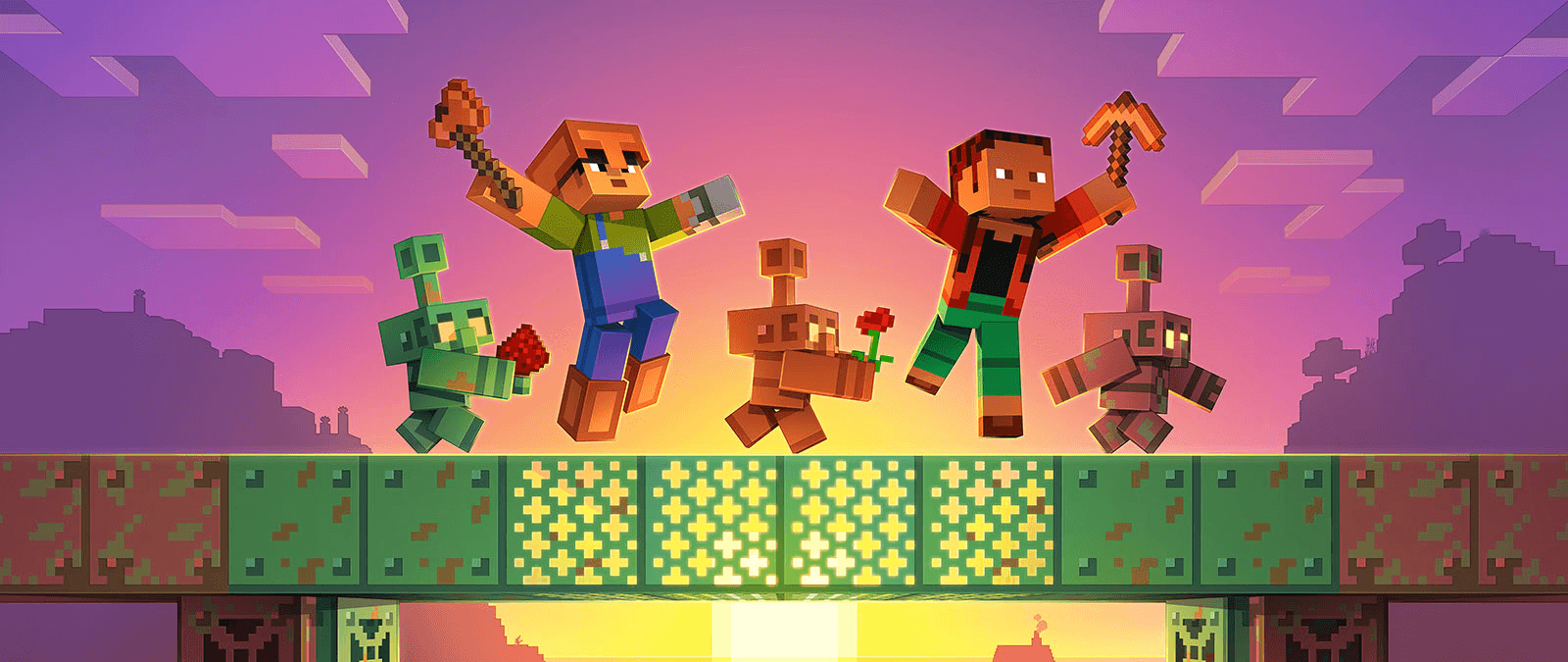
This growth is driven by strong mobile reach, steady PC and console play, and the massive creator ecosystem that keeps fresh content flowing.
Minecraft also moves into new areas: big theme-park deals and new merchandise lines are pushing the brand into the real world, bringing in families who may not be typical gamers. All this keeps the game visible and brings new players into the community.
From a money view, Minecraft is no longer just game sales. Microsoft bought Mojang for $2.5 billion in 2014, and since then the franchise has earned from many places: direct game sales, the Marketplace (paid maps, skins and worlds), Education Edition licenses, merchandise and brand deals like theme parks.
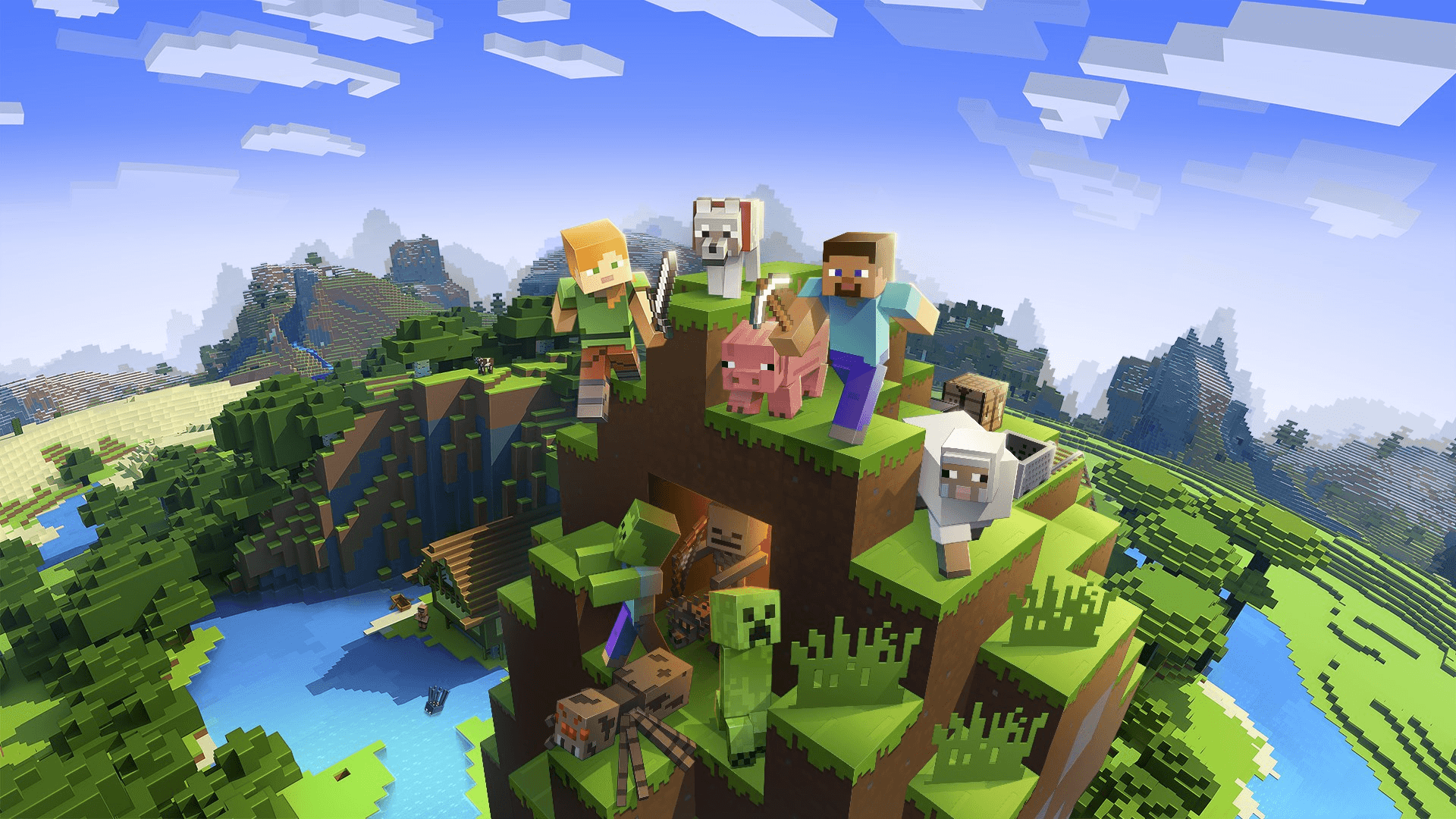
Marketplace payouts and estimates show hundreds of millions flowing through the ecosystem, and theme-park and licensing deals add long-term income potential.
In short, Minecraft’s cash comes from many small streams this steady diversity makes it a strong, wallet-friendly asset for Microsoft.
Minecraft lasts because it’s simple to start but deep to master. It supports play, learning, business and culture at once.
With cross-platform access, education use, a creator economy, major brand moves and constant updates, Minecraft is more than a game it is an open world that keeps growing. Loyal fans stay because the game keeps giving them new reasons to build, learn and share.