
Gaming
Jan 23, 2026
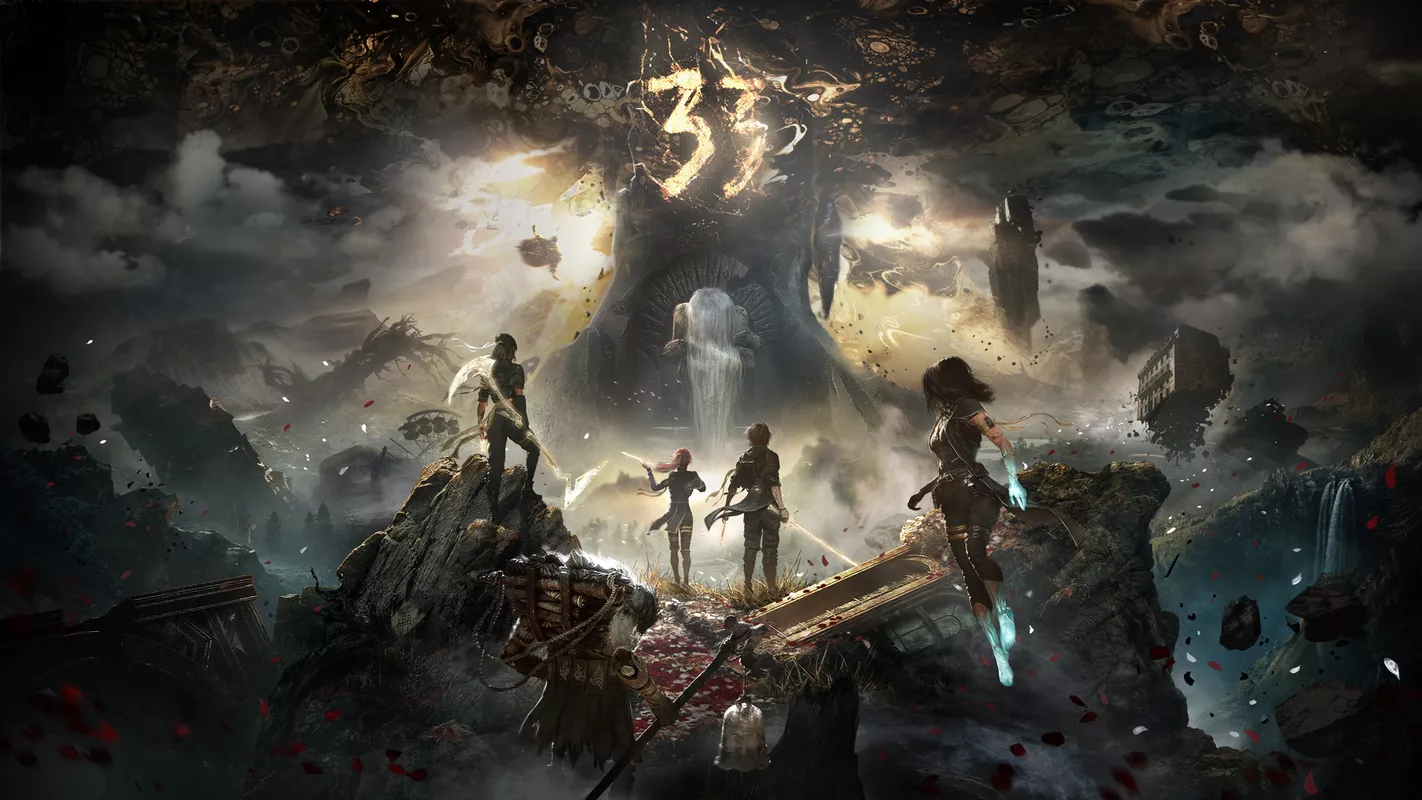
A deep dive into its painterly lighting system, artistic philosophy, real-time techniques, and how light shapes mood, combat, and storytelling. Photo by: Xbox Wire
Lighting is not just a visual effect in Clair Obscur: Expedition 33, it is a core storytelling and gameplay tool.
From soft, painterly shadows to dramatic contrast between light and darkness, Clair Obscur uses lighting to communicate:
Emotional tone
Narrative themes
Combat readability
Environmental depth
This article explains how lighting works in Clair Obscur, both artistically and technically, and why it plays such a crucial role in the game’s identity.
The term clair-obscur comes from classical art (also known as chiaroscuro), referring to the strong contrast between light and shadow used to create depth, drama, and focus.
The game fully embraces this philosophy:
Light reveals meaning
Darkness hides uncertainty
Contrast directs the player’s eye
This isn’t accidental, it’s foundational to the game’s visual language.

Unlike many RPGs where lighting is mostly decorative, Clair Obscur uses light to reinforce story themes.
Bright, diffused light represents hope and memory
Heavy shadows convey loss, danger, and decay
Sudden lighting shifts signal emotional or narrative turns
Players often feel tension or calm before a single line of dialogue is spoken purely through lighting.
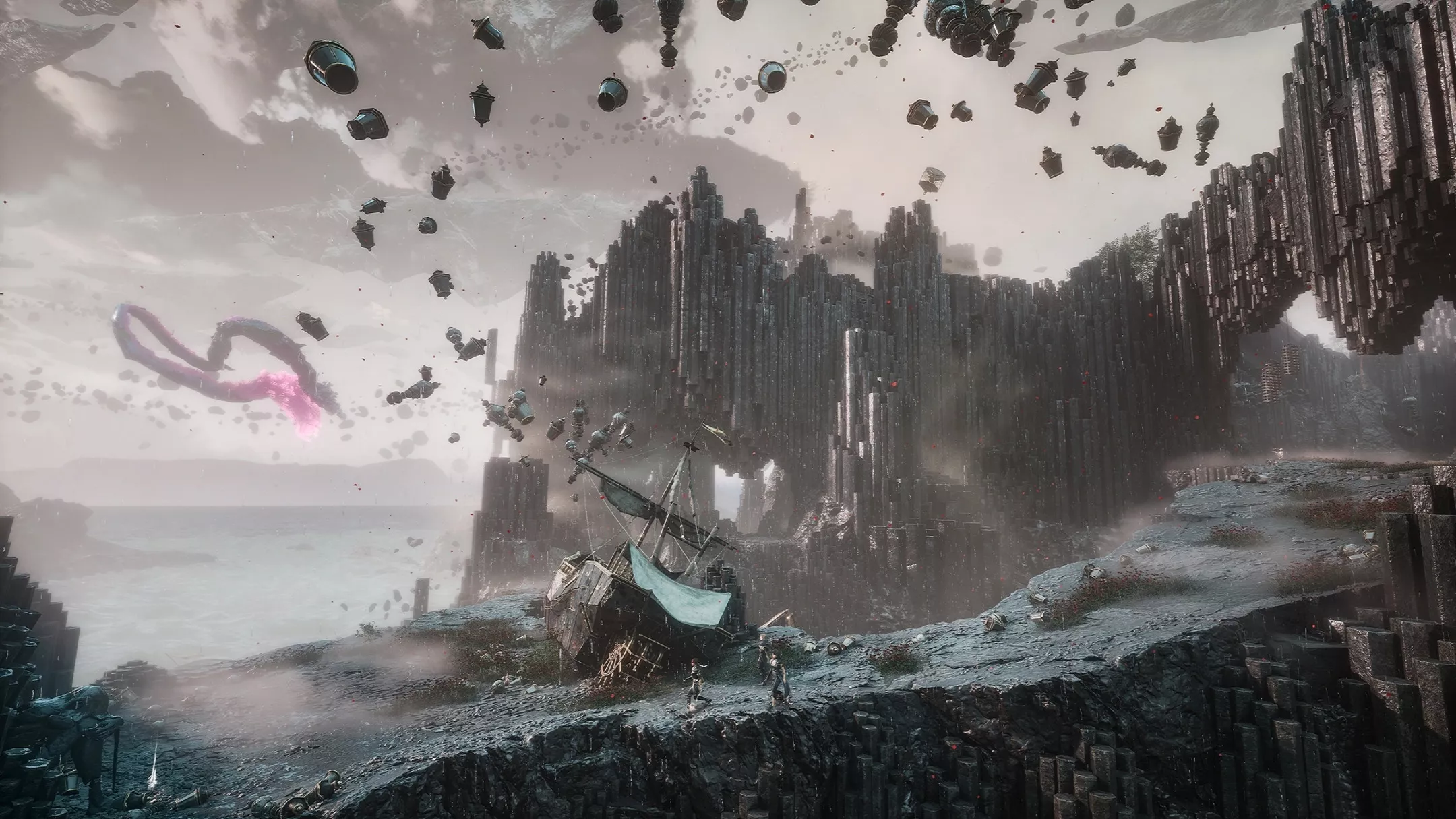
Each environment is lit with intent rather than uniform realism.
Directional light sources instead of global brightness
Controlled darkness that preserves atmosphere
Selective illumination to guide exploration
The world never feels evenly lit, which reinforces its dreamlike and melancholic tone.
Clair Obscur uses a hybrid lighting approach.
Used for static environments
Provides soft, painterly global illumination
Enhances performance and visual consistency
Applied to characters, combat effects, and key moments
Responds to animations and actions
Adds depth and realism during battles
This combination allows the game to look cinematic without sacrificing stability.
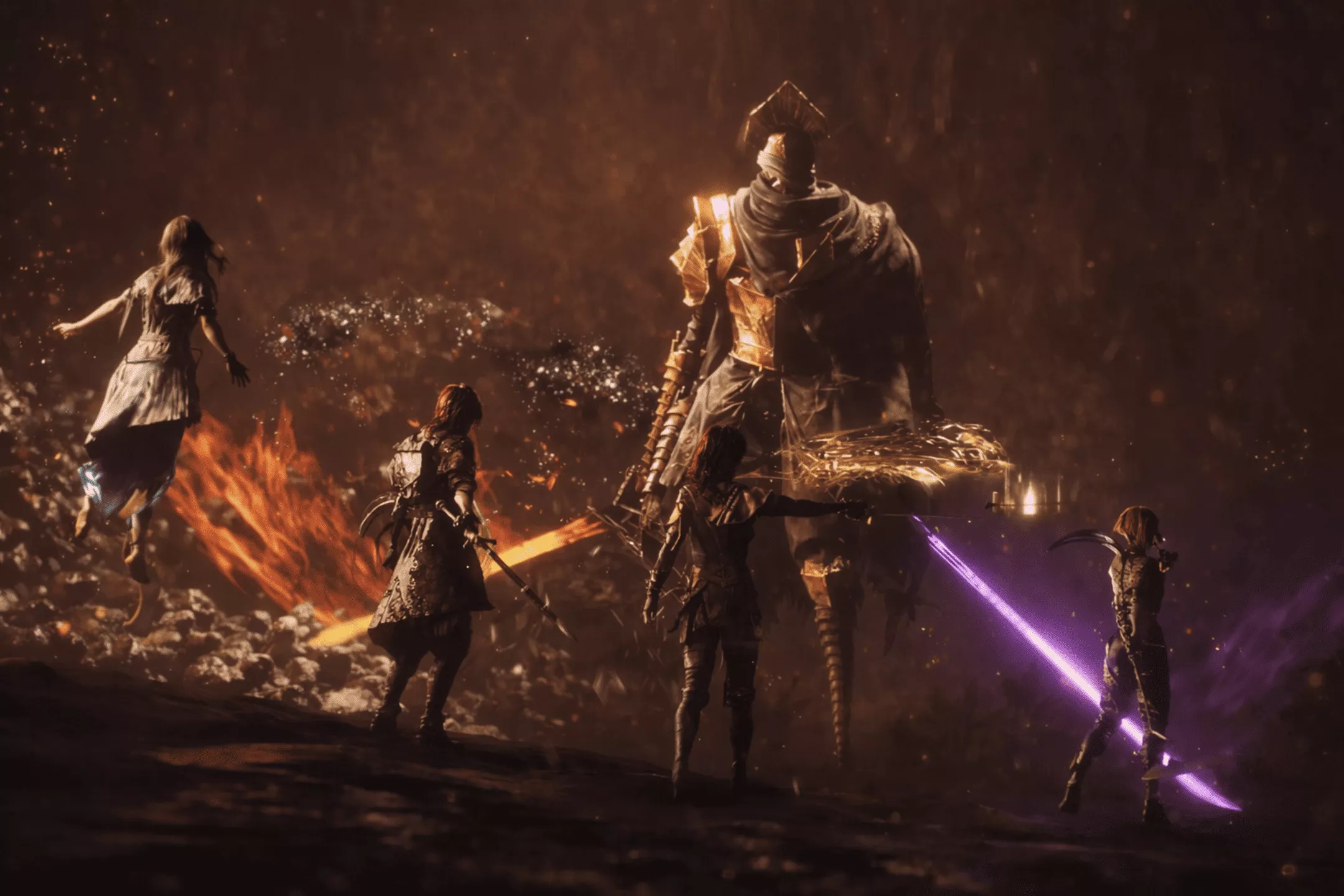
Combat lighting is deliberately more controlled and readable.
Clear visibility of characters and enemies
Strong highlights on active units
Subtle darkening of the background
This ensures that, even with stylized visuals, turn-based actions remain easy to read.
Lighting color plays a major role in how scenes feel.
Color Tone | Emotional Effect |
|---|---|
Warm light | Nostalgia, safety, memory |
Cool light | Isolation, mystery |
High contrast | Conflict, tension |
Muted tones | Loss, inevitability |
Rather than realistic daylight cycles, lighting is emotion-first, realism-second.

Characters are lit separately from environments.
Soft key lights for faces
Rim lighting to separate silhouettes
Controlled shadow depth for expressions
This ensures characters remain readable even in dark or complex scenes.
Clair Obscur deliberately avoids photorealistic lighting.
To maintain a painterly aesthetic
To prevent visual noise
To preserve emotional clarity
Realistic lighting often introduces harsh shadows and clutter. Clair Obscur prioritizes clarity and mood instead.

The lighting system is designed to scale well across hardware.
Limited real-time global illumination
Controlled light counts per scene
Heavy use of artistic baked lighting
This allows the game to look visually rich without demanding extreme hardware.
Most modern RPGs focus on:
Dynamic day-night cycles
Photorealistic global illumination
Uniform lighting systems
Clair Obscur takes a different route:
No emphasis on realism
Heavy artistic control
Lighting designed like a painting
This is why screenshots often resemble concept art rather than raw gameplay.
Lighting subtly directs attention without UI markers.
Examples:
Pathways softly highlighted
Important objects catching light
Doorways framed with contrast
Players instinctively move toward light, a technique borrowed from classical art and cinema.
Without its lighting design:
The world would feel flatter
Emotional beats would lose impact
The “clair-obscur” theme would collapse
Lighting is not a layer added at the end, it is part of the game’s DNA.
Lighting in Clair Obscur: Expedition 33 is:
Artistically driven
Narratively intentional
Technically optimized
Emotionally powerful
Rather than chasing realism, the game uses light and shadow to tell a story visually, guiding players through a world defined by contrast, memory, and uncertainty.
It’s a masterclass in how lighting can elevate an RPG beyond mechanics and into art.