Gaming
Jan 23, 2026
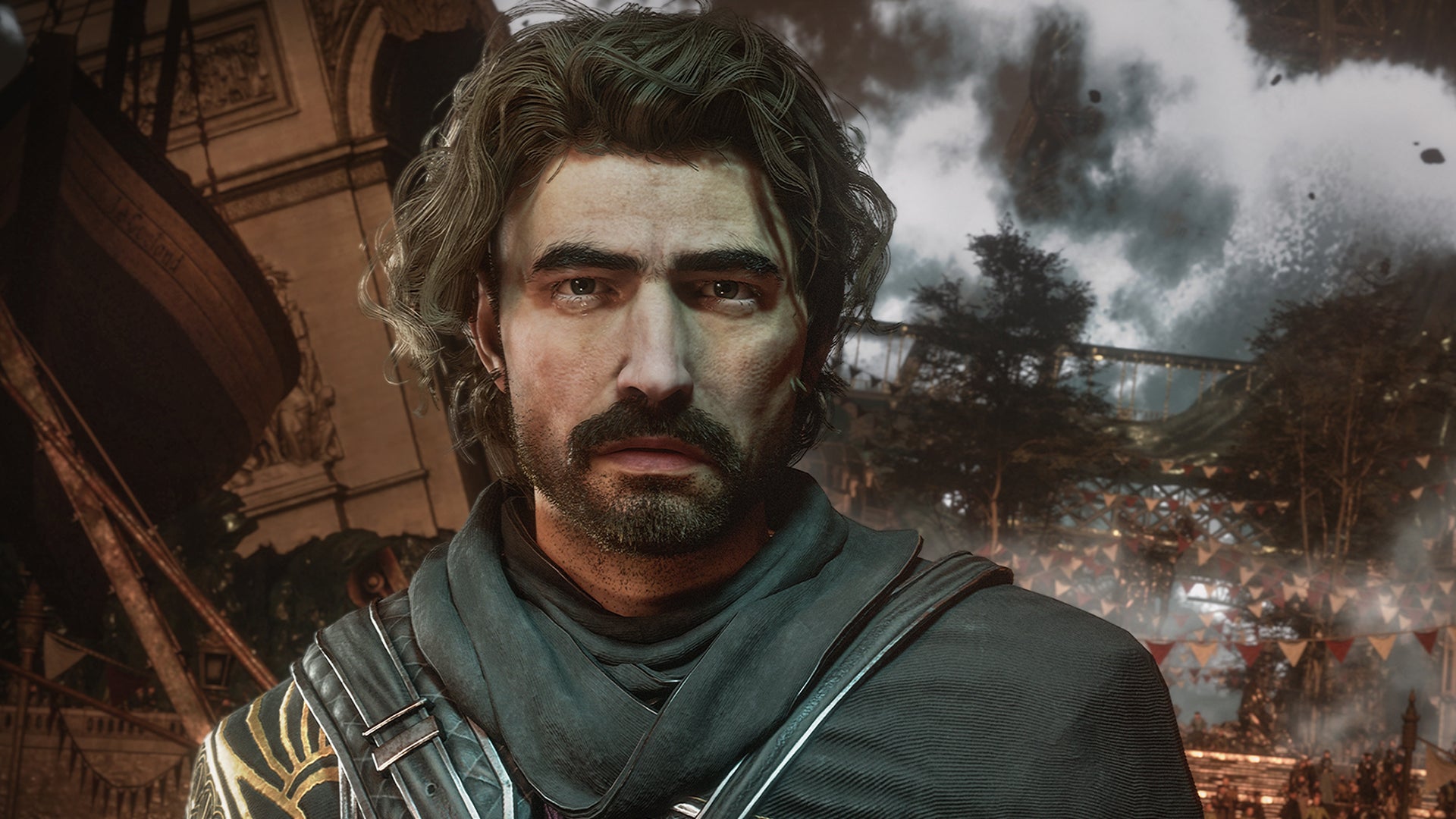
Clair Obscur: Expedition 33 has been disqualified from the Indie Game Awards due to extensive AI usage, sparking debate over generative AI in indie games. Photo by: IGN
Clair Obscur: Expedition 33, a visually striking indie RPG that gained strong attention for its art style and combat design, has been disqualified from the Indie Game Awards after organizers determined that the project made extensive use of generative AI, violating eligibility rules.
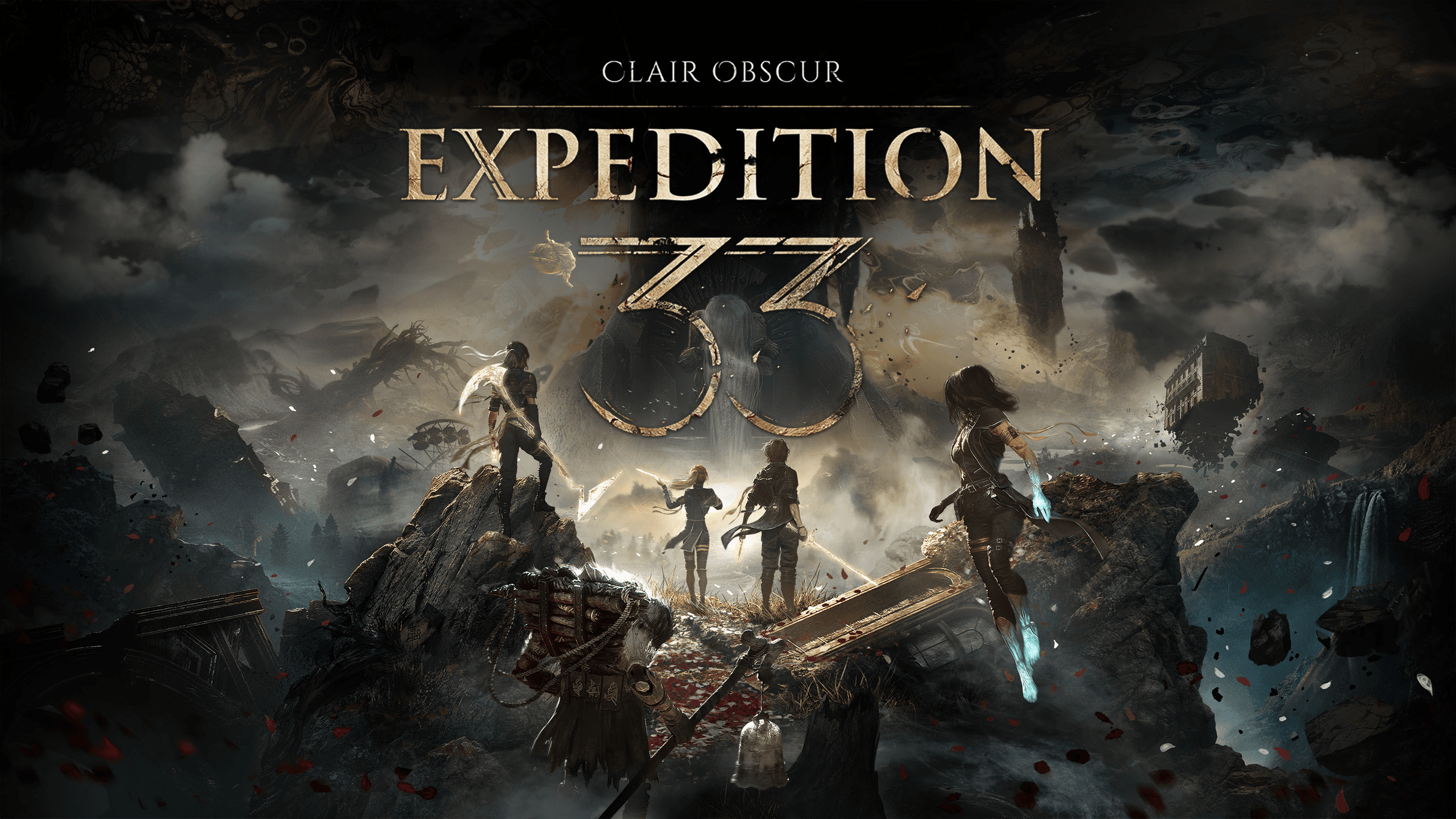
The decision removes the game from award consideration entirely and has reignited a wider conversation about where AI fits in indie game development.
This article focuses only on what matters to readers:
why the disqualification happened, what rules were involved, and what it means for future indie games.
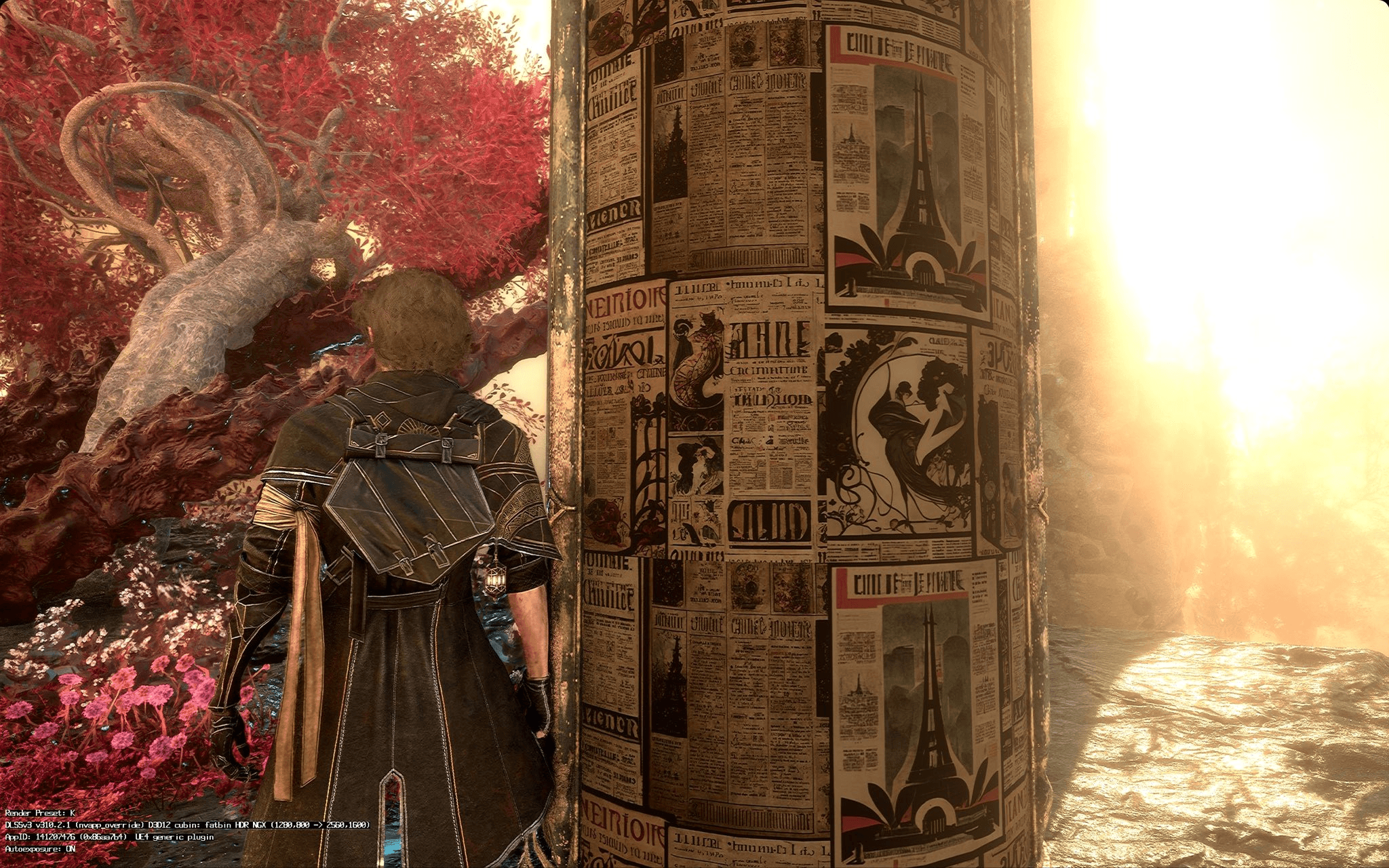
According to award criteria, indie submissions must be primarily human-created, especially in areas like:
Visual assets
Narrative content
World design
Character elements
The investigation concluded that generative AI played a substantial role in the game’s production pipeline rather than being used as a minor assistive tool.
This crossed the threshold allowed under Indie Game Awards guidelines.
The action taken is a disqualification from the current award cycle only.
Unless the organizers publicly state otherwise, the game or the studio is not automatically barred from future Indie Game Awards.
AI wasn’t just helping it was doing too much of the creative work.
An important detail often missed in quick headlines:
Fans had raised concerns months ago on Reddit about AI usage in Expedition 33, but no official attention was given at the time.
Multiple Reddit threads questioned:
There are similarities in art patterns
Repetition of stylish elements
Inconsistencies typical of AI-generated assets
However, those discussions never escalated into formal scrutiny until the award review process.
This got attention during the final evaluation
While the Indie Game Awards do not have anything against the use of AI but, they draw a clear line between:
Allowed | Not Allowed |
|---|---|
AI for brainstorming | AI-generated final assets |
AI for reference | AI-created characters/worlds |
Minor automation | Heavy AI dependency |
Expedition 33 reportedly fell into the second category.
This distinction matters because indie awards exist to celebrate human creativity, not automated production.
This decision sets a clear precedent.
Indie studios now know:
AI usage will be reviewed
Disclosure matters
“How much AI” is more important than “whether AI”
For small teams, AI tools are tempting.
But this case shows that over-reliance can cost recognition.
The response online has been split:
Some players argue:
“AI is just another tool. Small teams need it.”
Others counter:
“Awards should reward human creativity, not automation.”
What’s consistent across both sides is this:
Transparency was missing, and that damaged trust.
No, the game is not banned from sale.
The players can still buy the game and play it.
The disqualification only affects the following things for the game:
Award eligibility
Critical recognition
Industry positioning
But for an indie title, awards can significantly influence:
Visibility
Publisher interest
Long-term reputation
This isn’t just about one game.
It highlights a growing industry question:
How much AI is too much before a game stops being “indie”?
As generative tools become more powerful, award bodies are being forced to define boundaries that didn’t exist a few years ago.
This case may shape future submission rules across:
Indie showcases
Festivals
Game awards globally
Because extensive generative AI usage violated Indie Game Awards eligibility rules.
No. Limited, assistive AI use is allowed, but heavy creative reliance is not.
Yes. Fans raised concerns on Reddit months ago, but no official action was taken then.
Yes. The disqualification only affects awards, not sales.
Likely yes. It sets a precedent for how AI usage will be evaluated.