
Sports
Jan 28, 2026
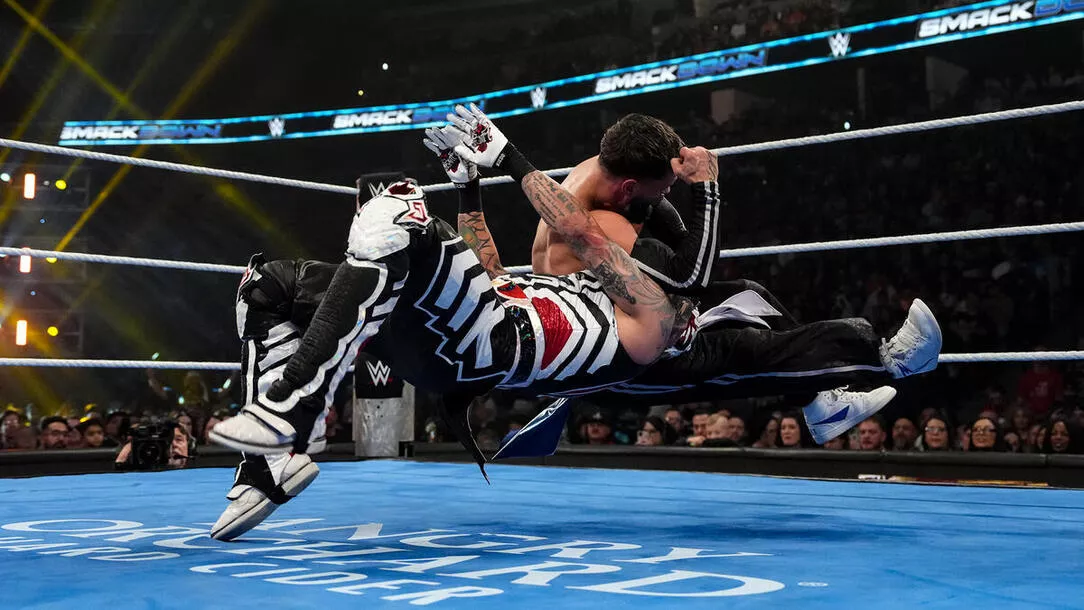
An in-depth, responsible look at CTE and brain damage in professional wrestling—causes, real cases, scientific understanding, and how modern policies are improving wrestler safety. Photo by: WWE
CTE and brain damage are now serious topics in pro wrestling. Although the wrestling is scripted, the hits are real. For years, wrestlers took many head blows with little medical care.
This piece covers what CTE is, how wrestling raised the risk, what happened to wrestlers, and how the business has changed. It's all explained clearly and factually.
CTE is a brain disease that gets worse over time. It's caused by getting hit in the head a lot.
It takes years, sometimes decades, to show up.
It's linked to getting hit in the head a lot.
The only way to know for sure if someone had it is after they have passed away.
Trouble remembering things
Changes in mood, like feeling down or depressed
Acting more aggressive or making rash choices
Thinking skills getting worse
CTE is most commonly associated with contact sports such as football, boxing and professional wrestling.
Pro wrestling, different from regular sports, mixes hits to the head with a busy schedule.
Back in the 1980s and early 2000s, wrestling had some real dangers:
Wrestlers getting hit in the head with chairs.
Head strikes weren't protected.
Many wrestlers were working over 200 matches a year.
There weren't good rules about concussions.
Wrestlers felt pressured to keep wrestling even if they were hurt.
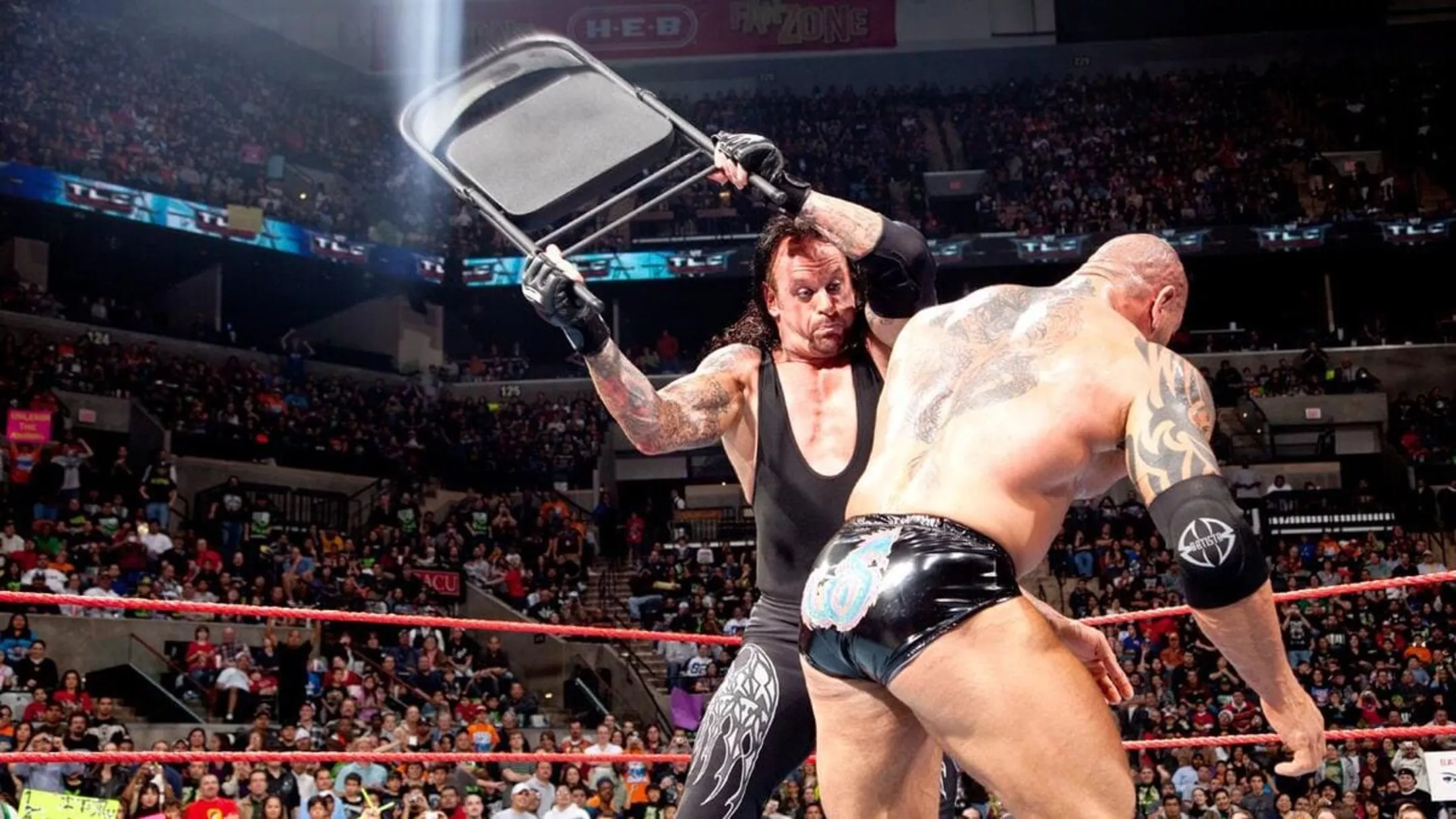
Wrestling's history includes many head injuries, often due to unprotected chair shots.
These hits were common for entertainment.
Medical checks were infrequent.
They happened repeatedly in matches.
Now, people know how risky this was, and major wrestling groups have mostly stopped doing it.
Wrestling has had to face the issue of brain injuries because of some very visible, sad events.
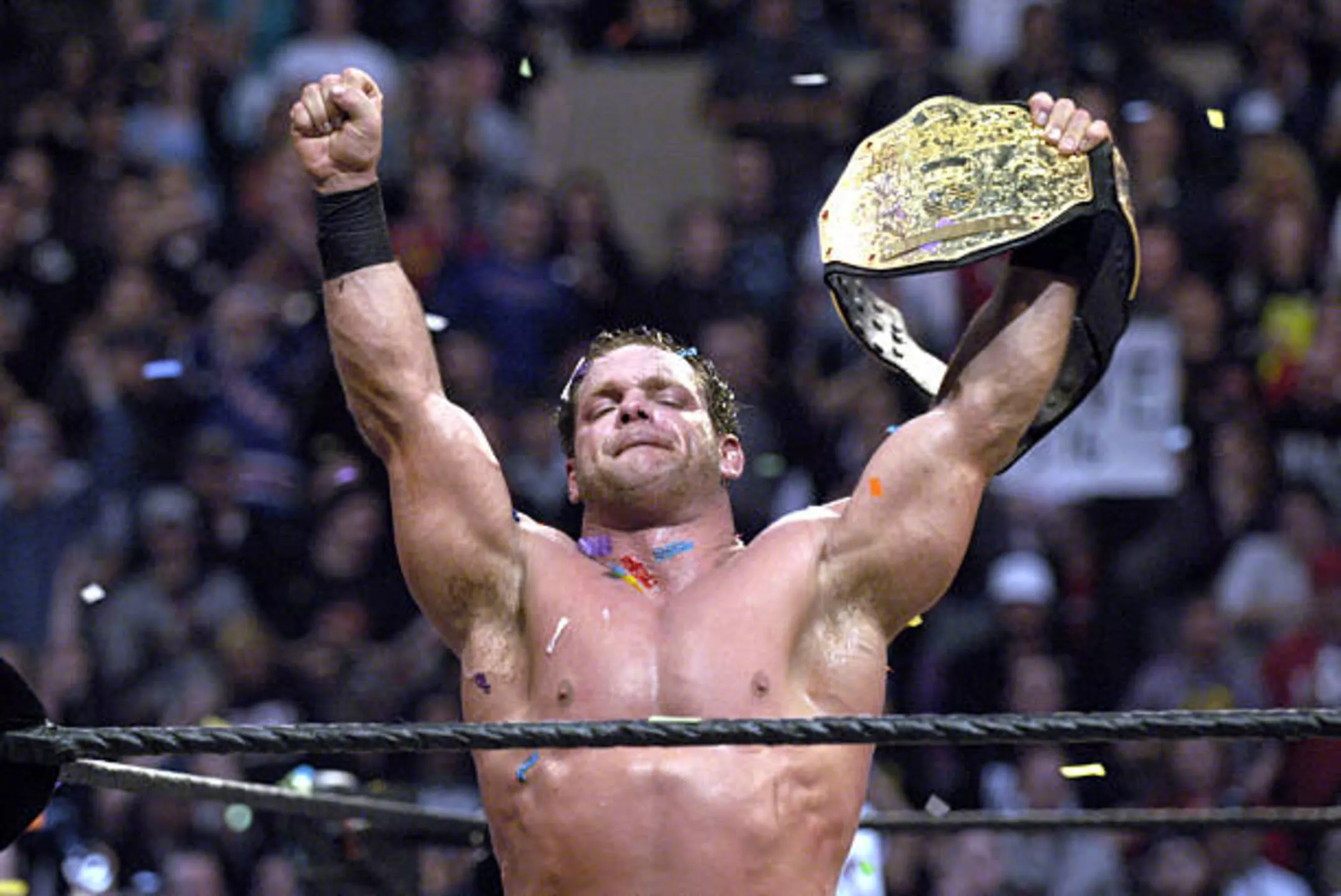
The autopsy showed he had serious brain damage from CTE, like what's seen in much older people with dementia.
This case:
Really shook up the sport
Started conversations worldwide
Made safety changes happen faster
It's important to remember: CTE doesn't justify violence, but it does show the brain risks wrestlers deal with.

Eddie Guerrero's death, though not officially linked to CTE, really brought attention to:
Long-term health problems
Heart stress
The overall impact of wrestling
His death led to changes in wrestler wellness policies.
Here's what the research indicates:
Repeated minor head impacts might be as harmful as major concussions.
Even controlled or worked hits generate actual acceleration.
Neck injuries and falls also add to brain trauma.
Wrestling is different from boxing or MMA, but there are still very real neurological risks, mainly over extended careers.
Wrestling today is much safer than it used to be two decades ago.
No unprotected head chair shots
Strict rules for concussions
Medical pros at ringside
Stopping matches when there are head injuries
Fewer dates for top wrestlers
WWE now requires:
Safety Measure | Status |
|---|---|
Concussion testing | Mandatory |
Medical clearance | Required |
Head injury stoppage | Immediate |
Return-to-ring protocol | Strict |
If a wrestler has concussion signs, they're out of the match, no matter what the script says.

Yes, but not nearly as much as before.
Accidental head hits can happen from:
Big moves
Repeated, small hits over time
But, better training now focuses on:
Safer ways to hit
Keeping the head safe when contact happens
Cutting down risks that aren't needed
Safety can look really different depending on where you are.
Environment | Medical Oversight |
|---|---|
Major promotions | High |
Mid-level promotions | Moderate |
Independent scene | Inconsistent |
That's why experienced wrestlers always tell the new folks to speak up for themselves and know their bodies to avoid injuries.
Why CTE awareness is so important:
Wrestlers usually start training at a young age.
Brain damage can build up over time without any signs.
Symptoms might not show up until way after they stop wrestling.
Learning from the past can help keep future wrestlers safe.
Why CTE awareness is so important:
Wrestlers usually start training at a young age.
Brain damage can build up over time without any signs.
Symptoms might not show up until way after they stop wrestling.
Learning from the past can help keep future wrestlers safe.