Entertainment
Jan 26, 2026
Video game adaptations used to fail, until now. These 10 films and shows changed everything and proved games can become great cinema. Photo by: Netflix
For years, video game movies and shows had a bad reputation. Studios dreaded them because even with huge budgets and dedicated fans, they almost always flopped.
People said games just couldn't be turned into good movies, and fans cringed whenever a new adaptation was announced.
But things have changed.
A new group of creators came along who actually respected the games they were adapting instead of trying to change them for Hollywood.
The result? A bunch of adaptations that not only did well but also changed how we think about game-based stories.
Here are 10 adaptations that finally broke the curse.
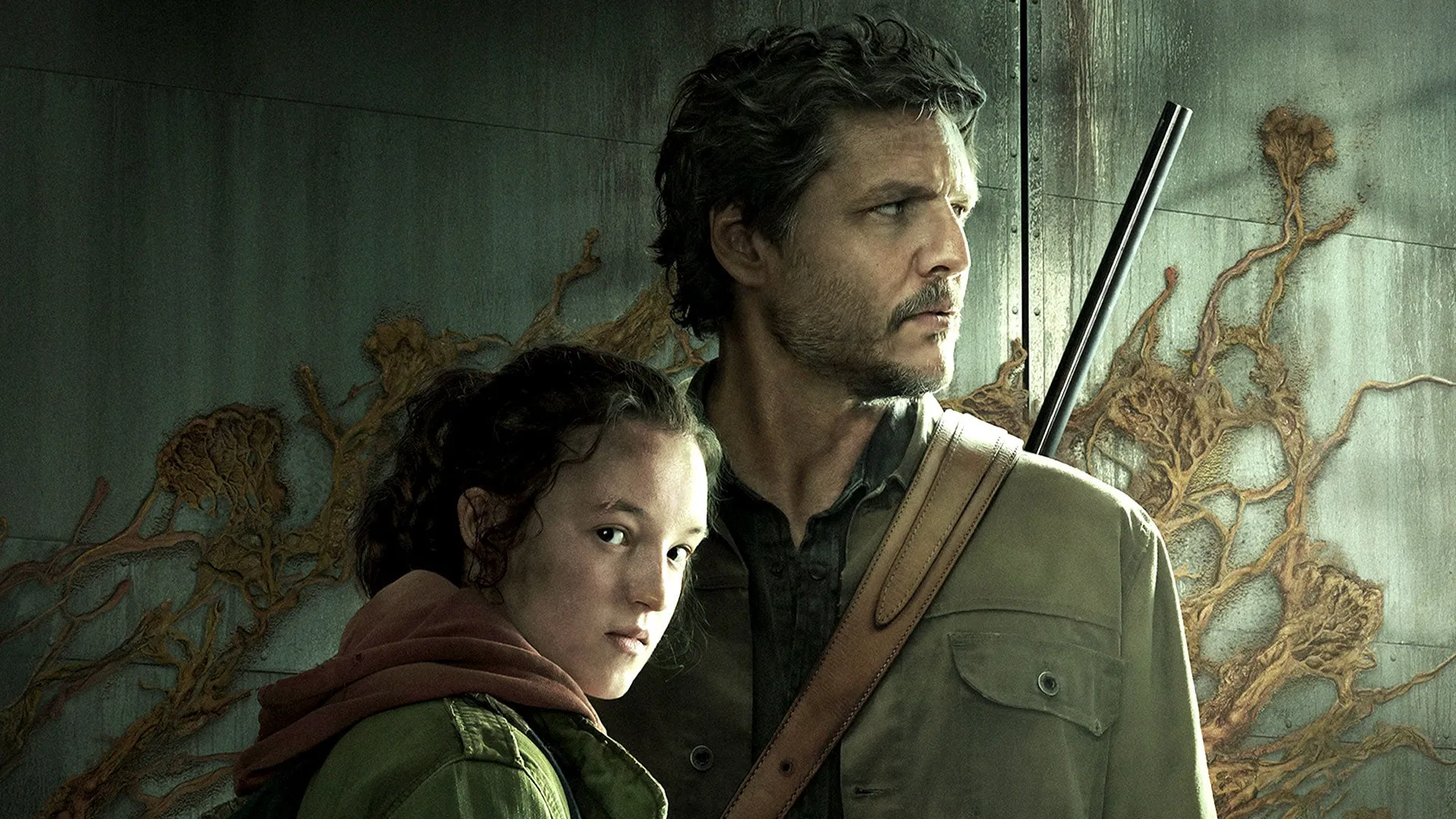
The Last of Us isn't just a good game adaptation; it's simply great TV. It shows that emotional honesty is more important than recreating game scenes.
By focusing on themes of grief, love, and survival, the series welcomed newcomers while still satisfying longtime fans.
Instead of turning drama into a game, it made it relatable.
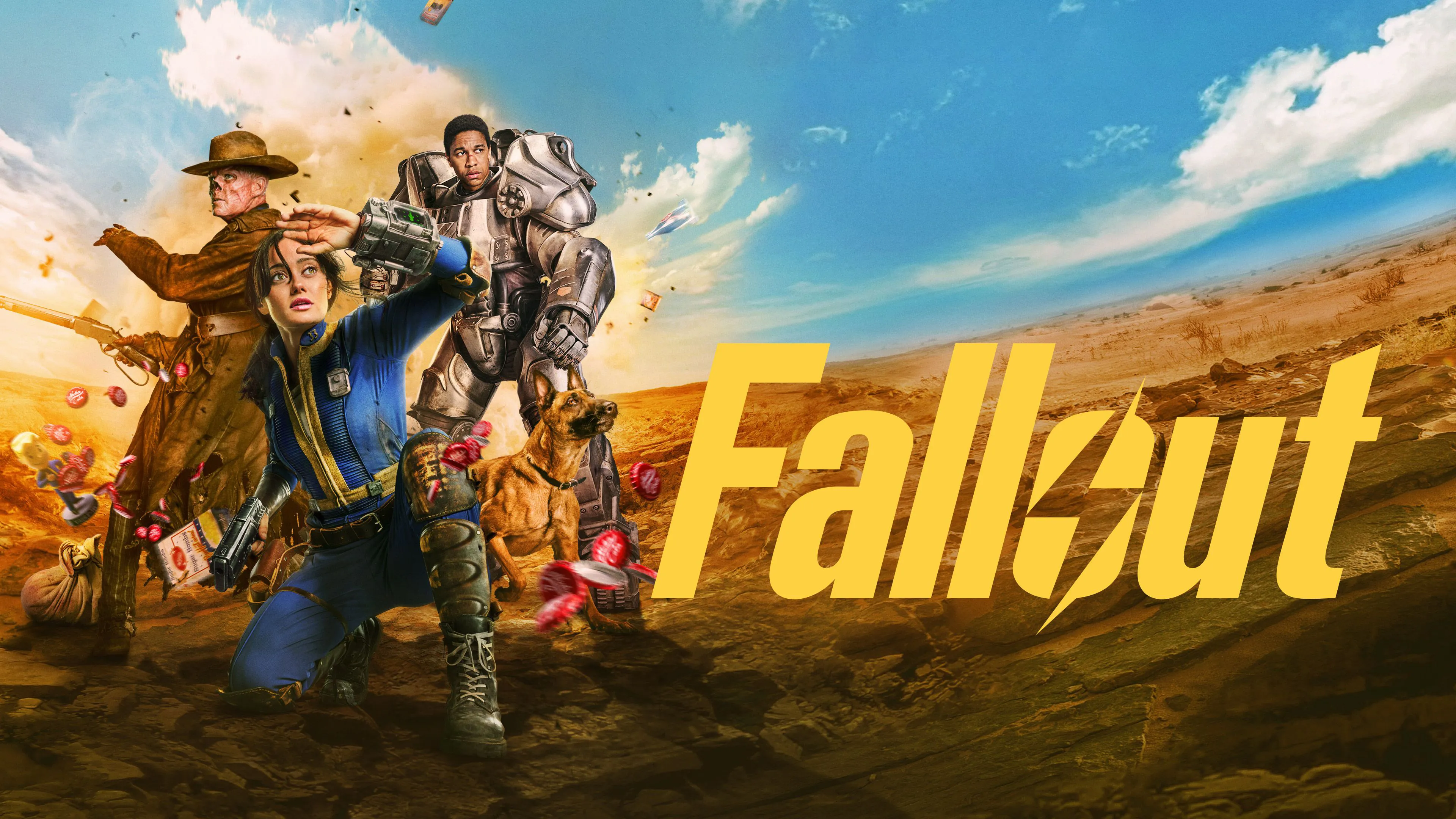
The Fallout show didn't just rehash an old game; it created a fresh story within the existing world, and it worked.
The show respected the series' history while still being easy to get into, funny, violent, and just plain strange, basically, everything Fallout should be.
That's how you build a world the right way.
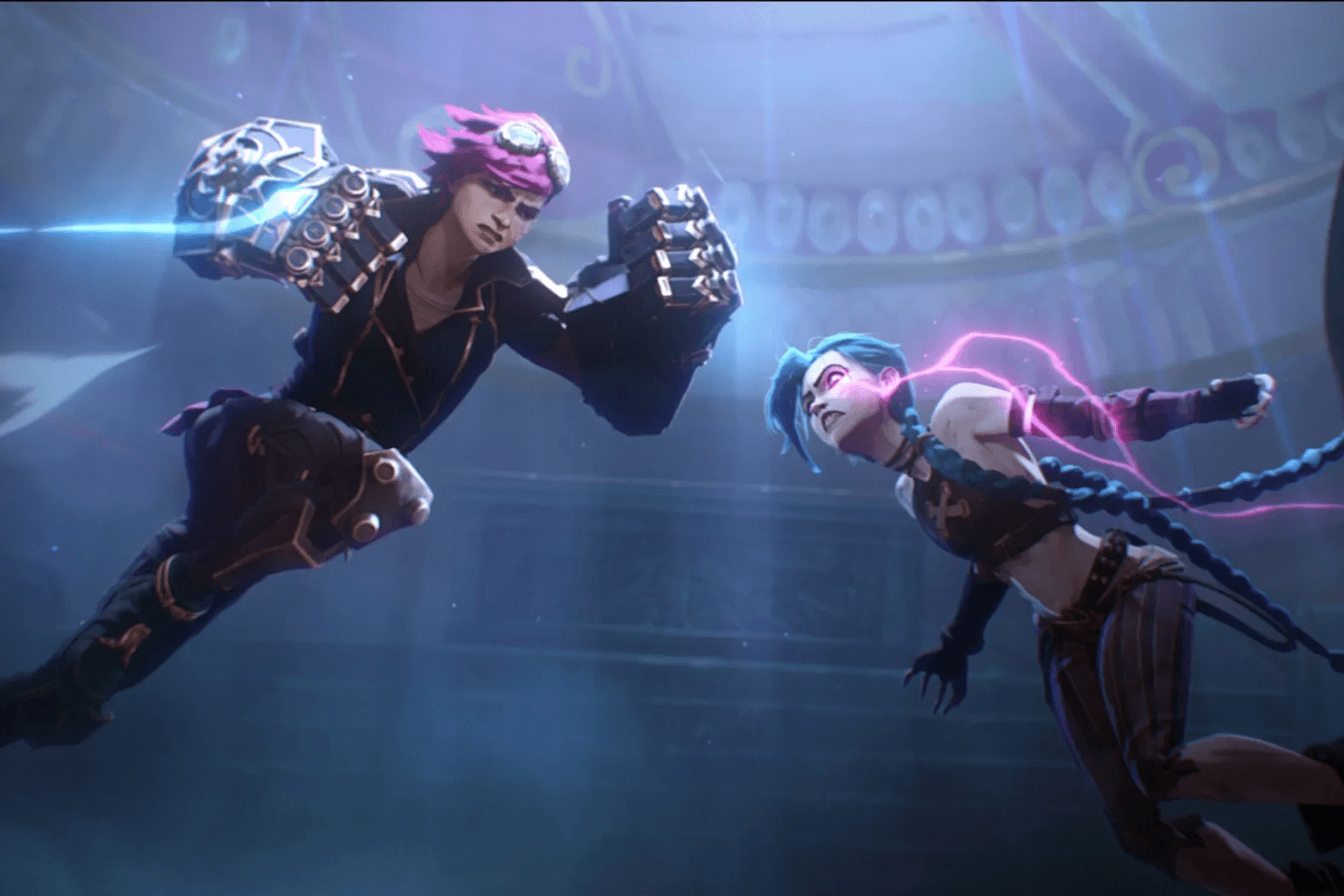
Arcane did not just shake up game adaptations; it changed how people see animation.
With its very beautiful visuals, complex characters, and deep emotions, it showed everyone that animated adaptations can be as good as top-tier TV dramas.
You didn't even need to know League of Legends to enjoy it. The story was strong enough on its own.
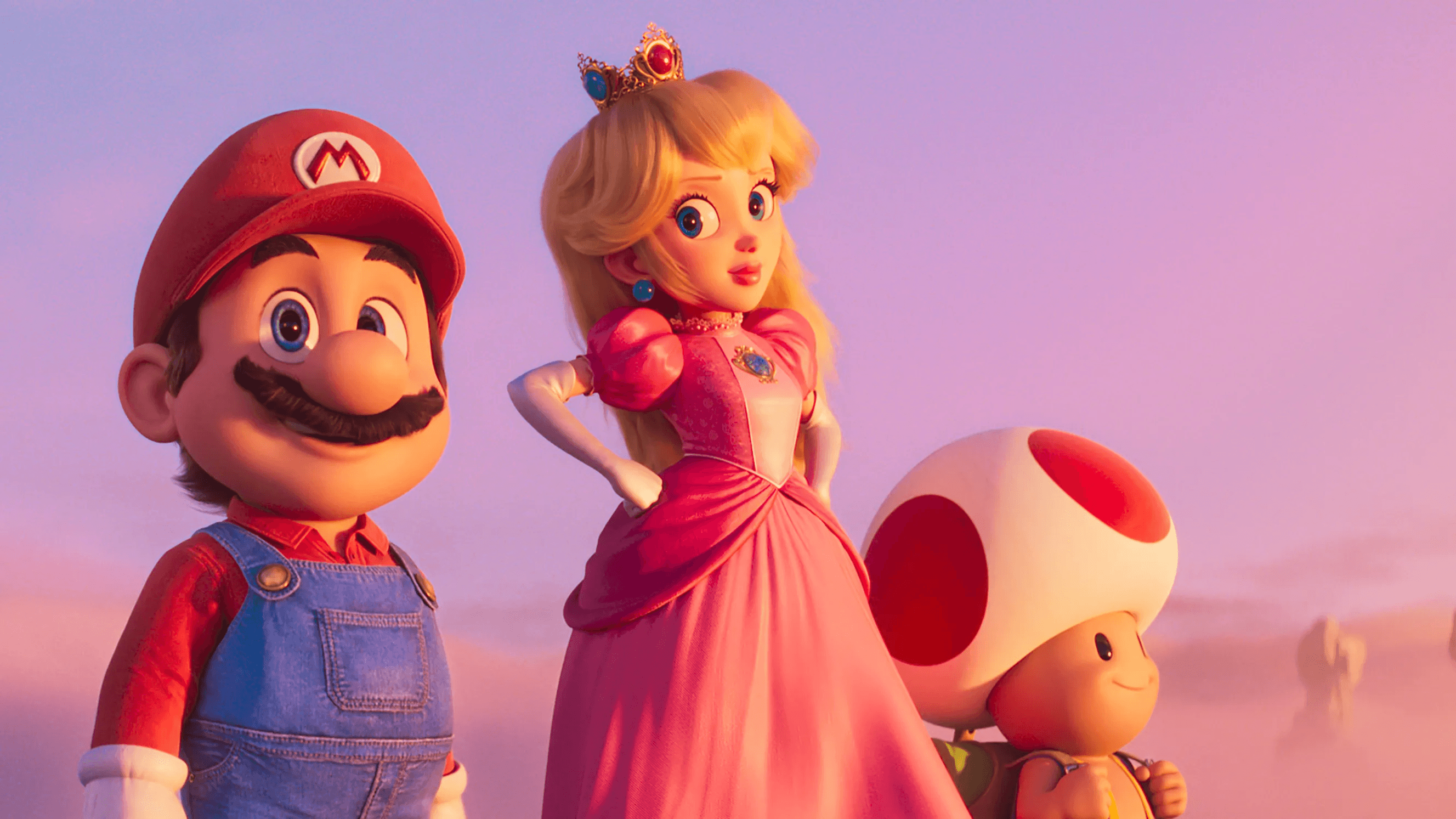
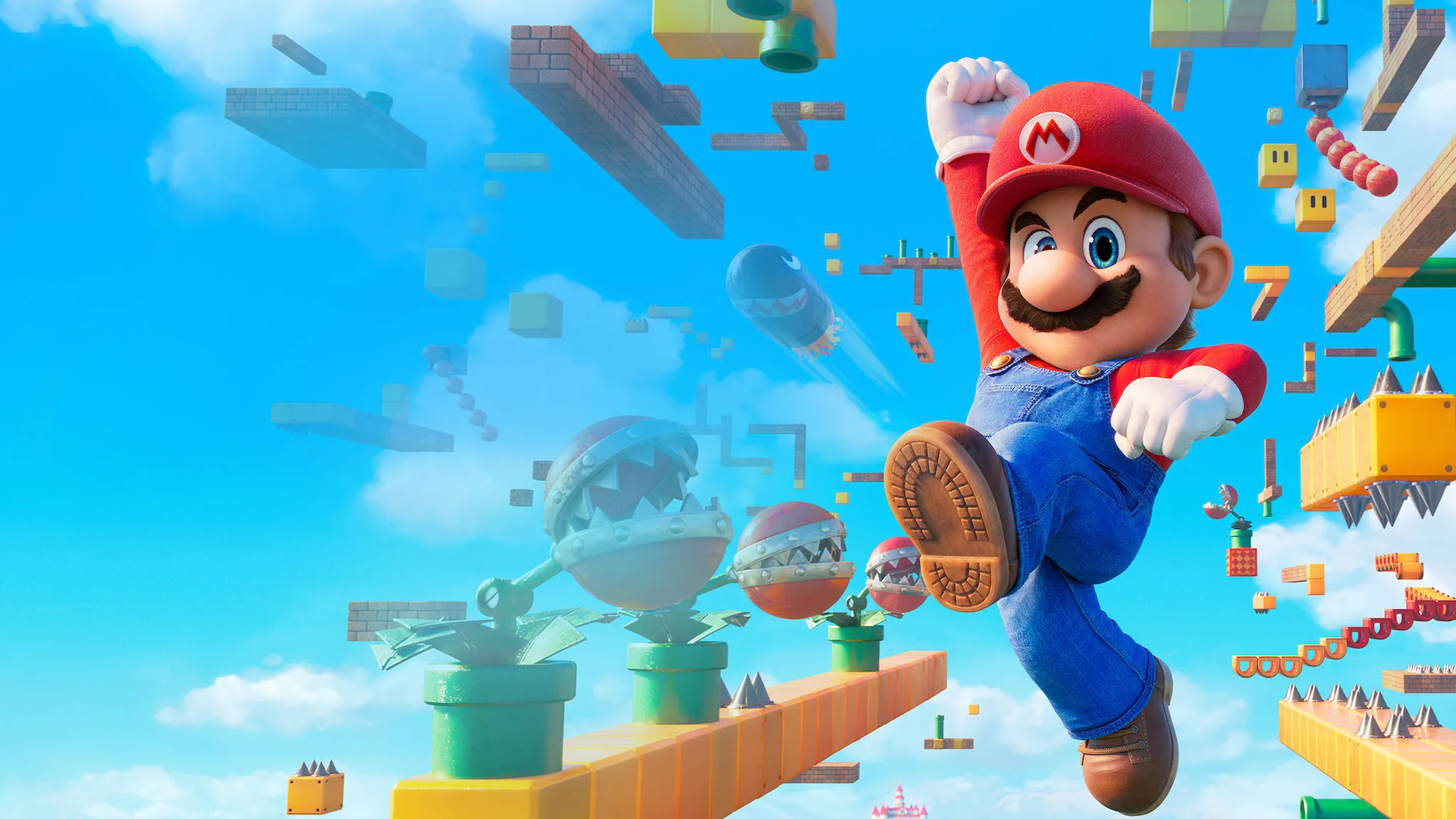
Mario didn’t try to be profound. It just aimed to be fun, and it succeeded. The game’s bright graphics, familiar characters, and constant action made it a worldwide success.
Rather than focusing too much on story details, it played on nostalgia and happiness.
Sometimes, capturing the right feeling is all that matters.
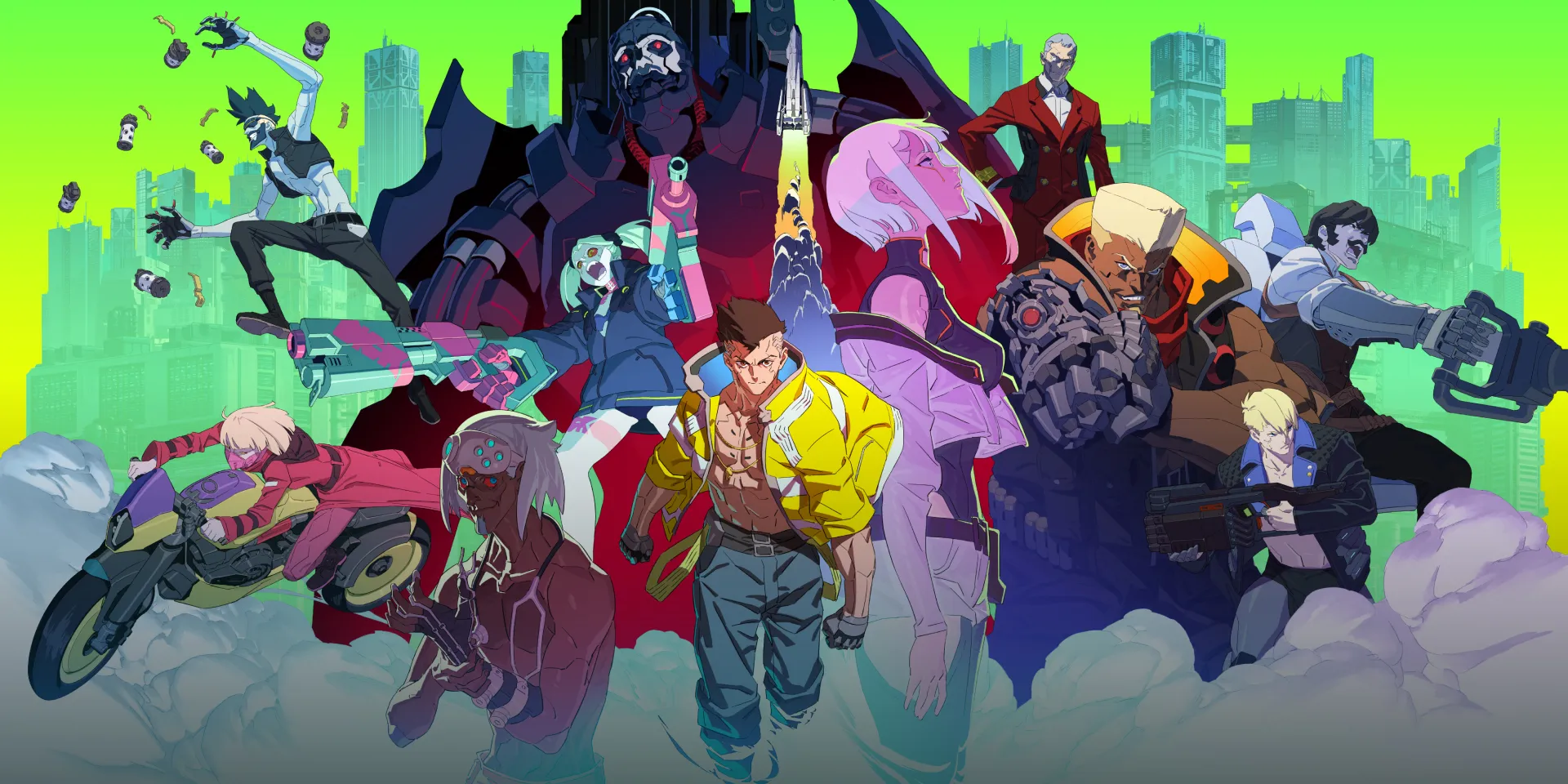
Not many adaptations can say this: Edgerunners brought Cyberpunk 2077 back from the brink.
By telling a sad, complete story within Night City, the anime reminded gamers why they were drawn to the game's world to begin with.
It didn’t just sell the game. It fixed its image.
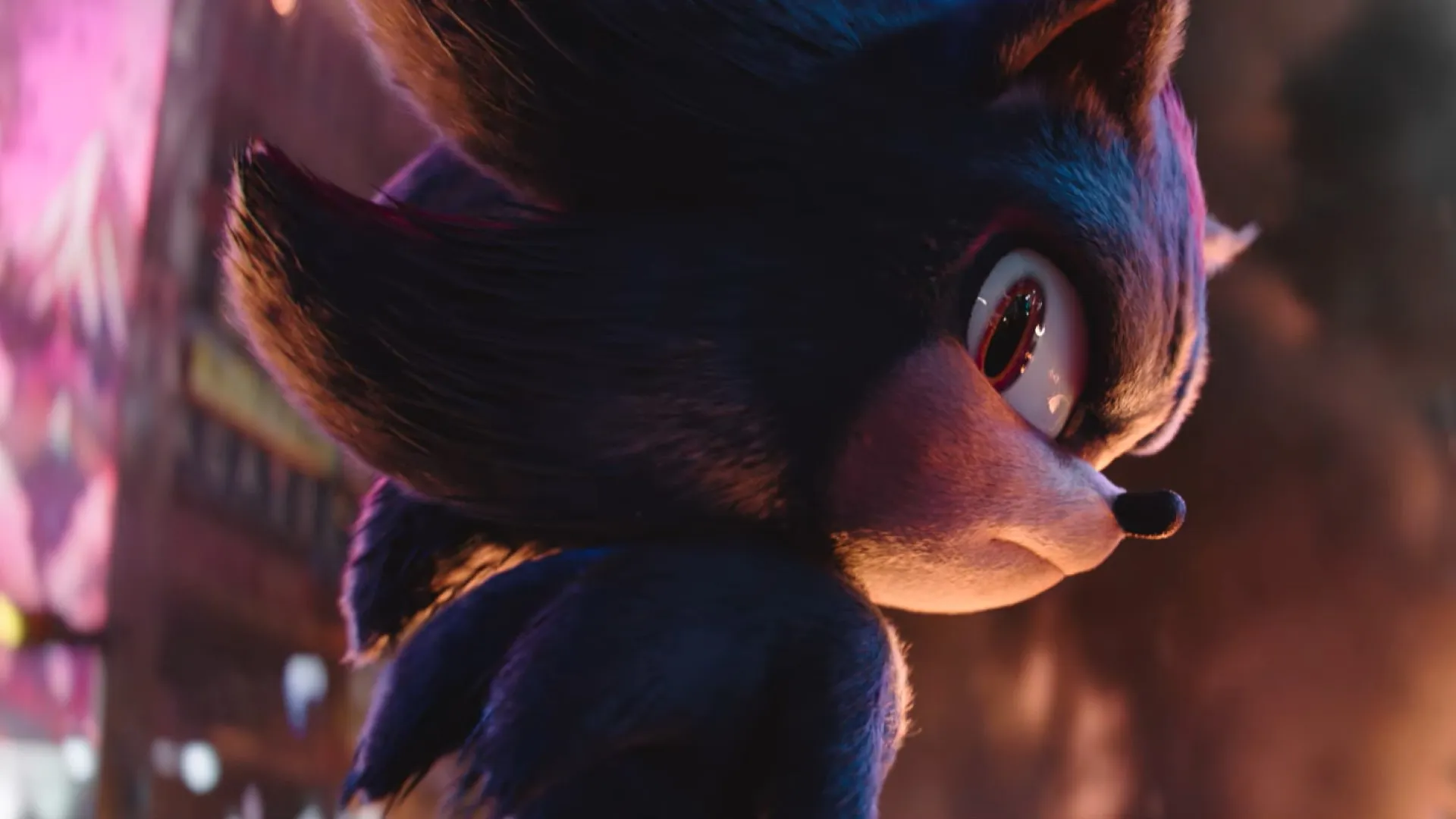
Sonic's success story started with a misstep and a rare course correction. When fans didn't like Sonic's initial look, the studio actually listened and made changes.
This earned them a lot of goodwill, and the result was a surprisingly funny and heartfelt franchise, It shows that listening to your audience can really pay off.
Hollywood definitely took notes.
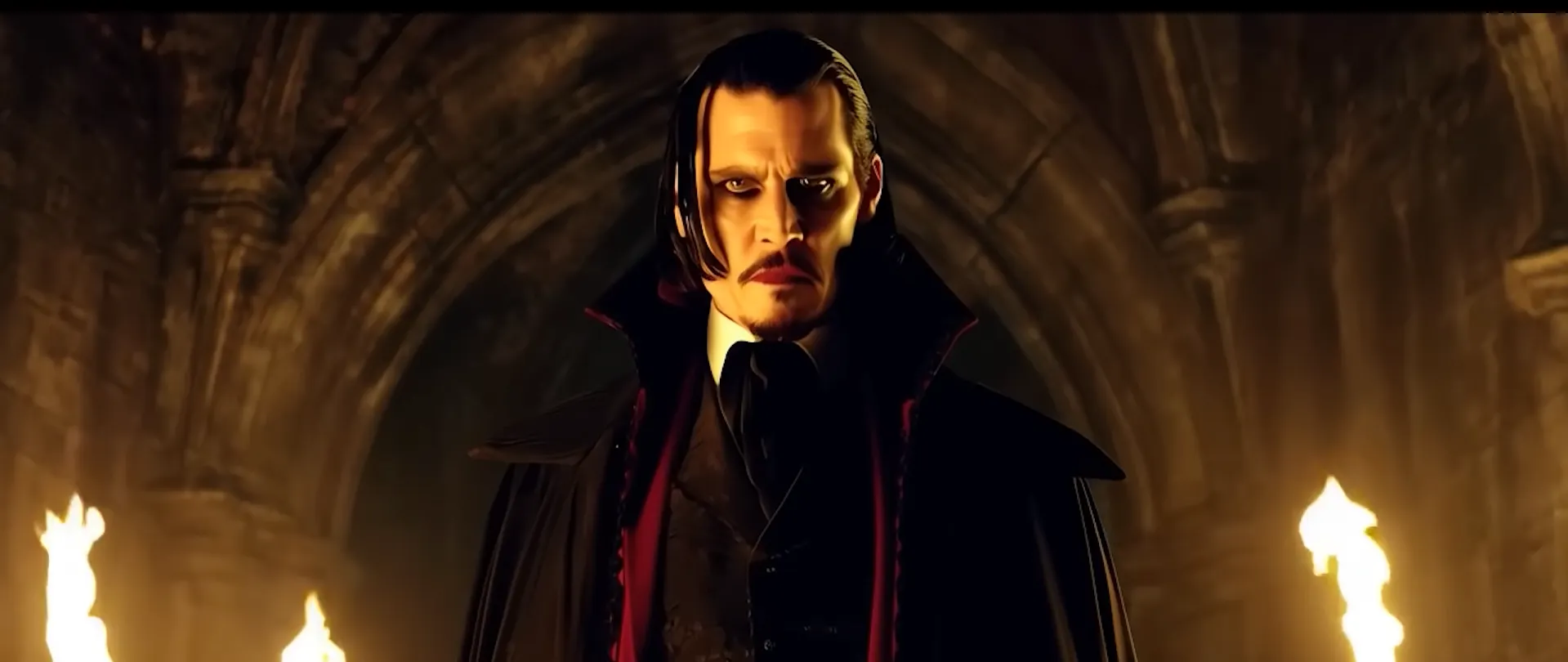
Before Arcane, Castlevania proved that the video game adaptations could be mature, with deep themes, and still stay true to the source material. Its success opened many doors for more adult animated shows.
It didn't follow trends; it started them.
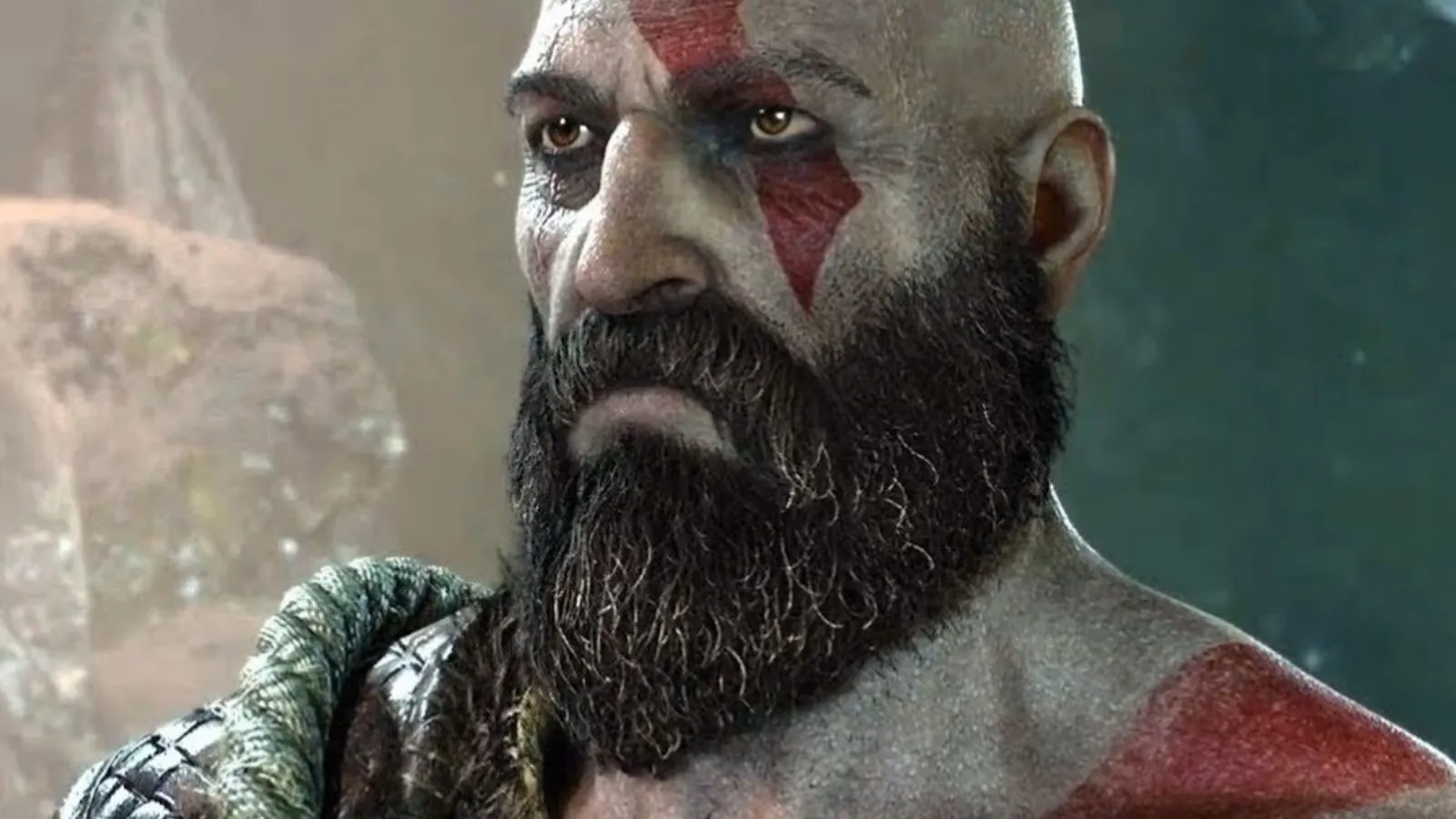
God of War hasn't even come out yet, but hype is already huge because of how good the storytelling and characters seem to be. If it's as good as it looks, it might just change fantasy TV like Game of Thrones did back in the day.
No pressure, right? Well, maybe a little.
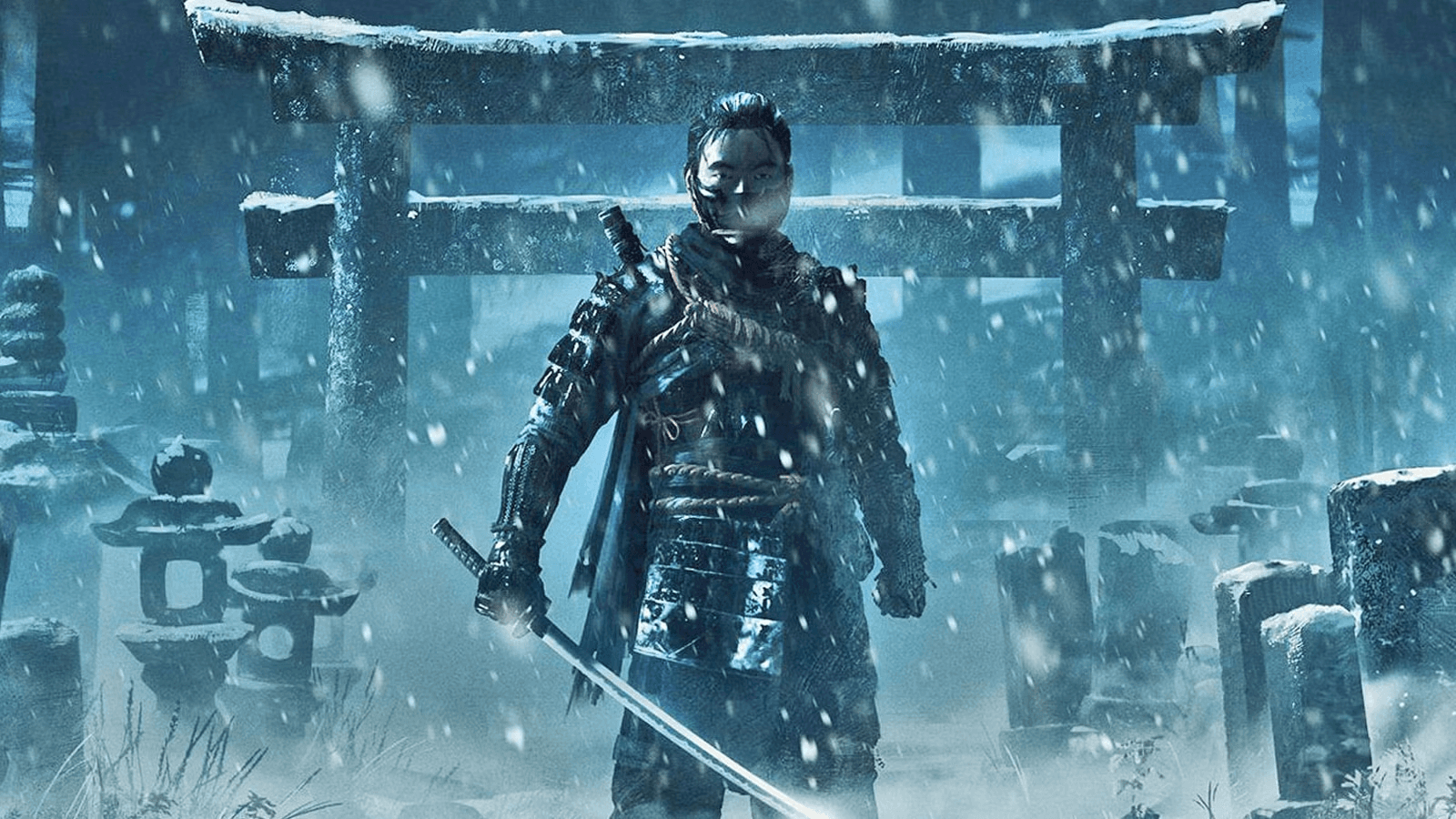
Ghost of Tsushima has a stylish, realistic, and emotionally controlled feel that would translate well to film.
The game emphasized on honor, sacrifice, and cinematic fights means an adaptation could blend the high-quality action with historical storytelling.
Fans are more than just hopeful; they really believe in this project.
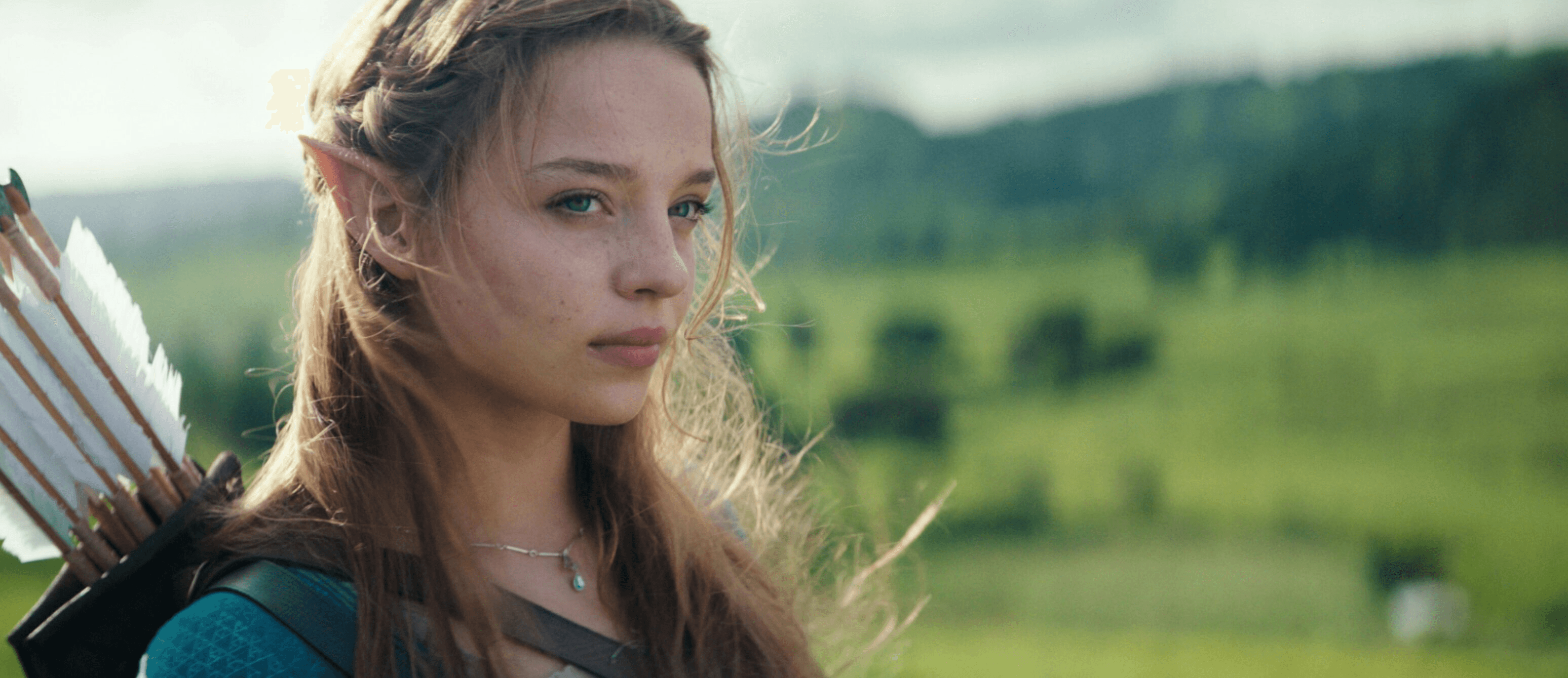
Zelda is special. Its success depends on holding back, getting the tone right, and respecting the original story. If done well, it could kick off a fantasy series that lasts for generations.
But if it's done too fast, it could ruin years of work. The pressure is on.
The change is easy to see: Game creators stopped trying to fix games as if they were just broken stories. Instead, they started respecting them as worthwhile worlds.
Be true to the source. Be real with the emotions. Respect the fans.
That's the new approach, and it's paying off.
They often ignored source material, misunderstood audiences, or prioritized spectacle over story.
Many critics consider The Last of Us and Arcane among the best due to storytelling and emotional depth.
Yes, especially projects like God of War, Ghost of Tsushima, and The Legend of Zelda, which have strong source material.
Often yes, because animation allows greater fidelity to game worlds and styles.
Recent successes suggest studios now understand the importance of respecting games rather than rewriting them.