
Sports
Jan 28, 2026
Baseball footwork drills help players move faster, field cleaner, and throw more accurately. Here are the best drills for infielders, outfielders, and hitters. Photo by: ABGN
Good footwork is what makes a baseball player stand out. It's key for infielders making double plays, outfielders catching fly balls, and hitters swinging with power. It's the base for almost every move you make out there.
Good footwork can help you:
Move faster from the start
Stay balanced and in control
Field the ball cleanly and regularly
Throw accurately
Avoid injuries
This guide will go over some baseball footwork exercises. They're sorted by skill and position, and they're easy to understand for players of any level.
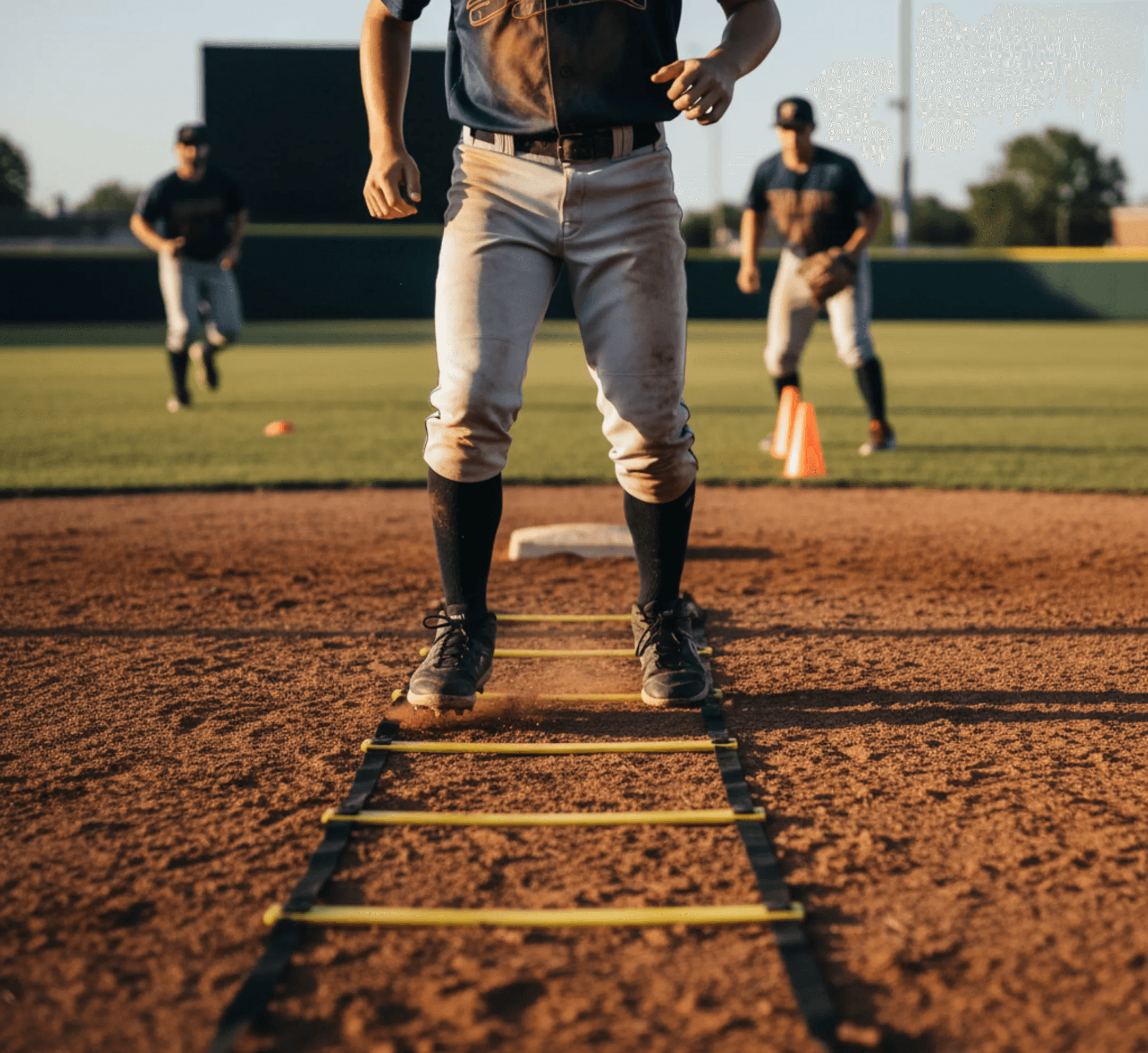
Baseball involves quick, sharp, and targeted movements. If your footwork isn't good, you might:
React too late
Throw from awkward angles
Miss ground balls
Swing off-balance
With solid footwork, you'll get there on time, stay steady, and make plays smoothly.
As you move up in baseball, how well you use your feet often counts more than just being fast.
Before you start practicing, keep these key things in mind:
Stay light on your feet.
Keep your knees bent a bit.
Stay low to the ground.
Move to the ball before you catch or throw.
Always finish strong and balanced.
These tips will help you with every drill.
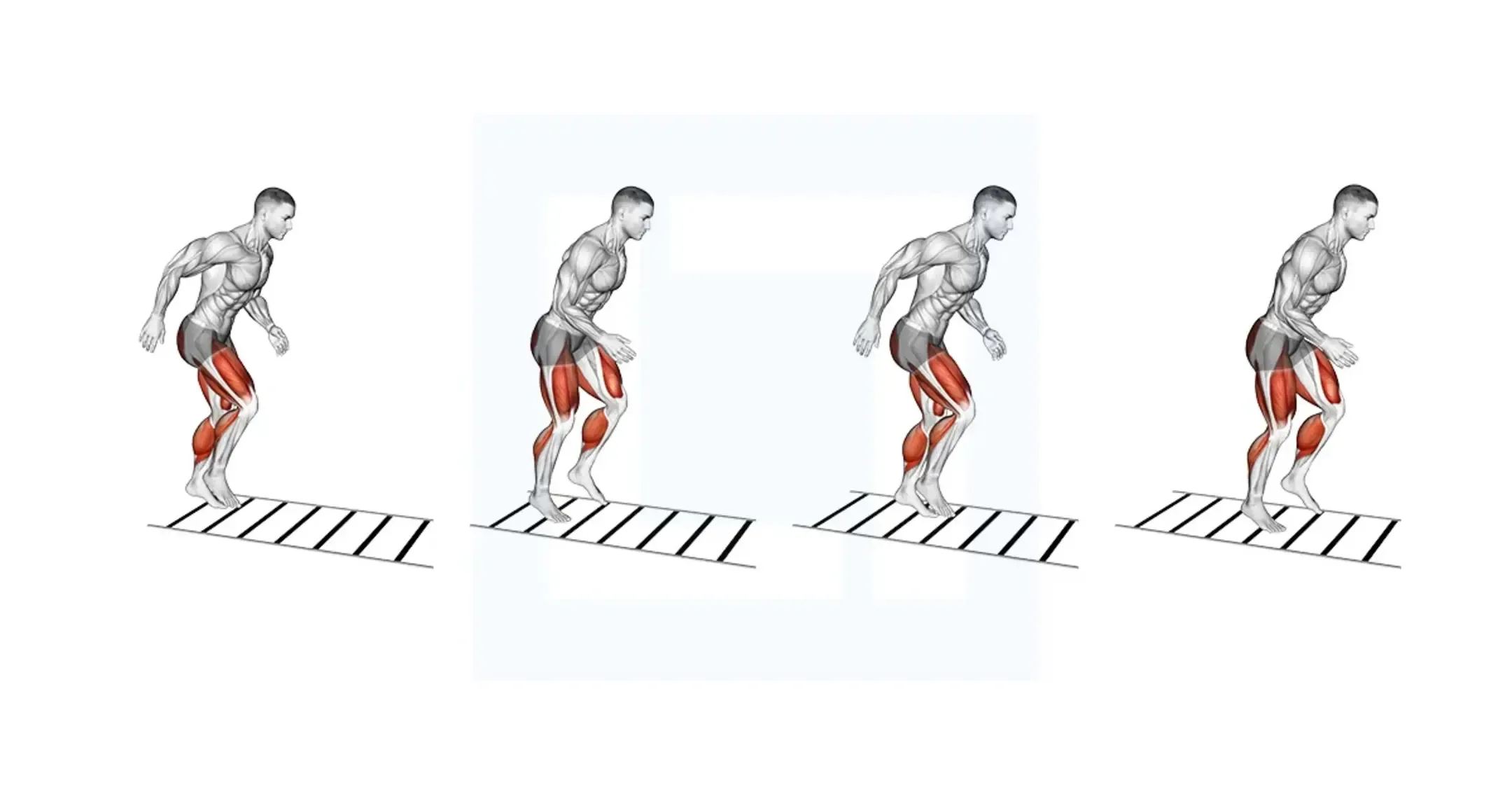
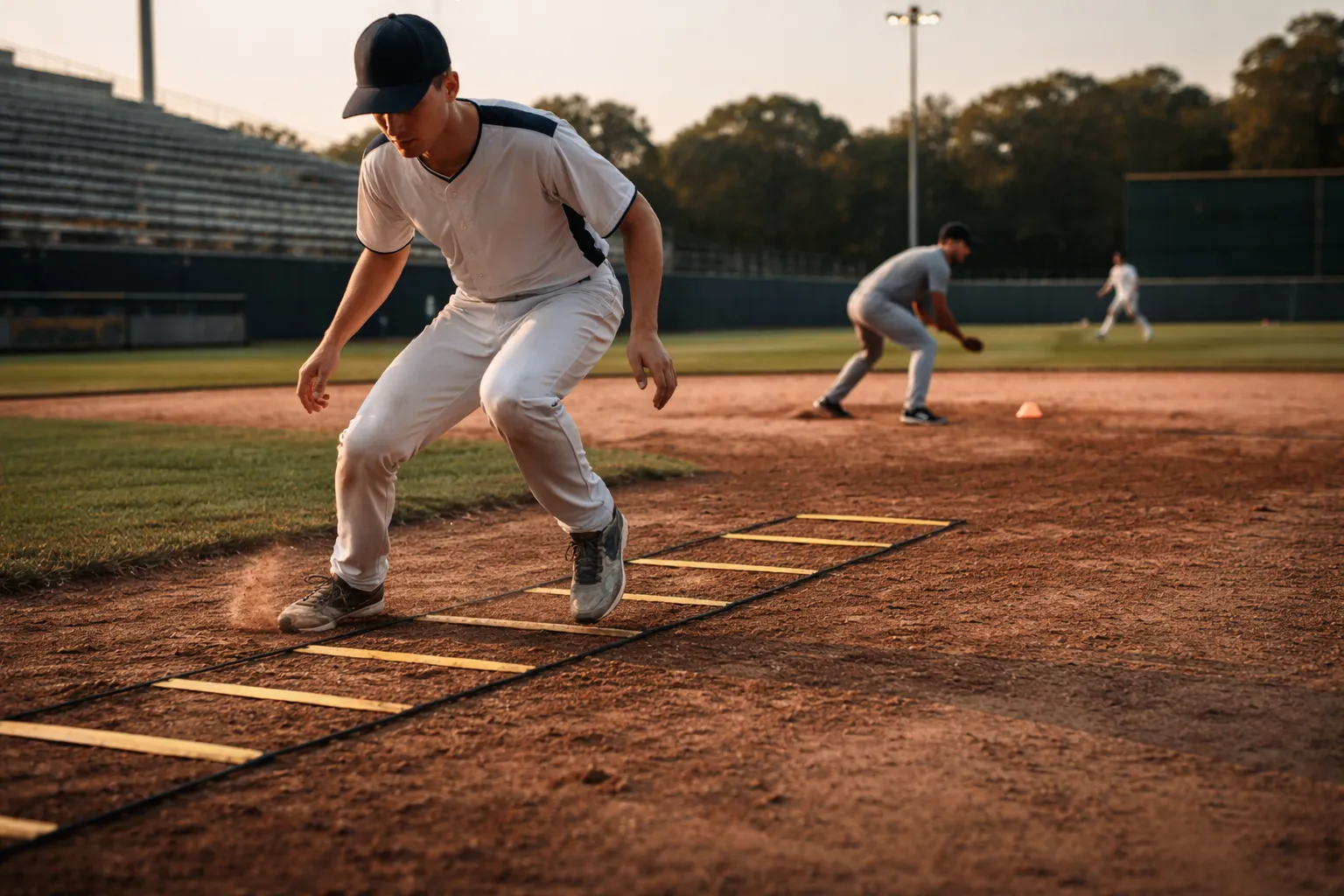
Purpose: Improve fast feet and coordination
Equipment: Agility ladder
How to do it:
Go up the ladder one step at a time.
Keep a low profile and stay quick.
Then, move to side-to-side and in-and-out drills.
Why it works:
This drill helps you develop the rhythm and quick feet you need to react to ground balls.
How to Practice Good Ground Ball Footwork:
Here's how to drill clean footwork when fielding ground balls:
Have a coach roll you a ground ball.
As a right-handed player, step into the ball with your right foot, then your left.
Field the ball out in front of you while staying balanced.
Finish in a throwing position.
Why this works:
This drill helps you get the right steps down so throwing becomes second nature.
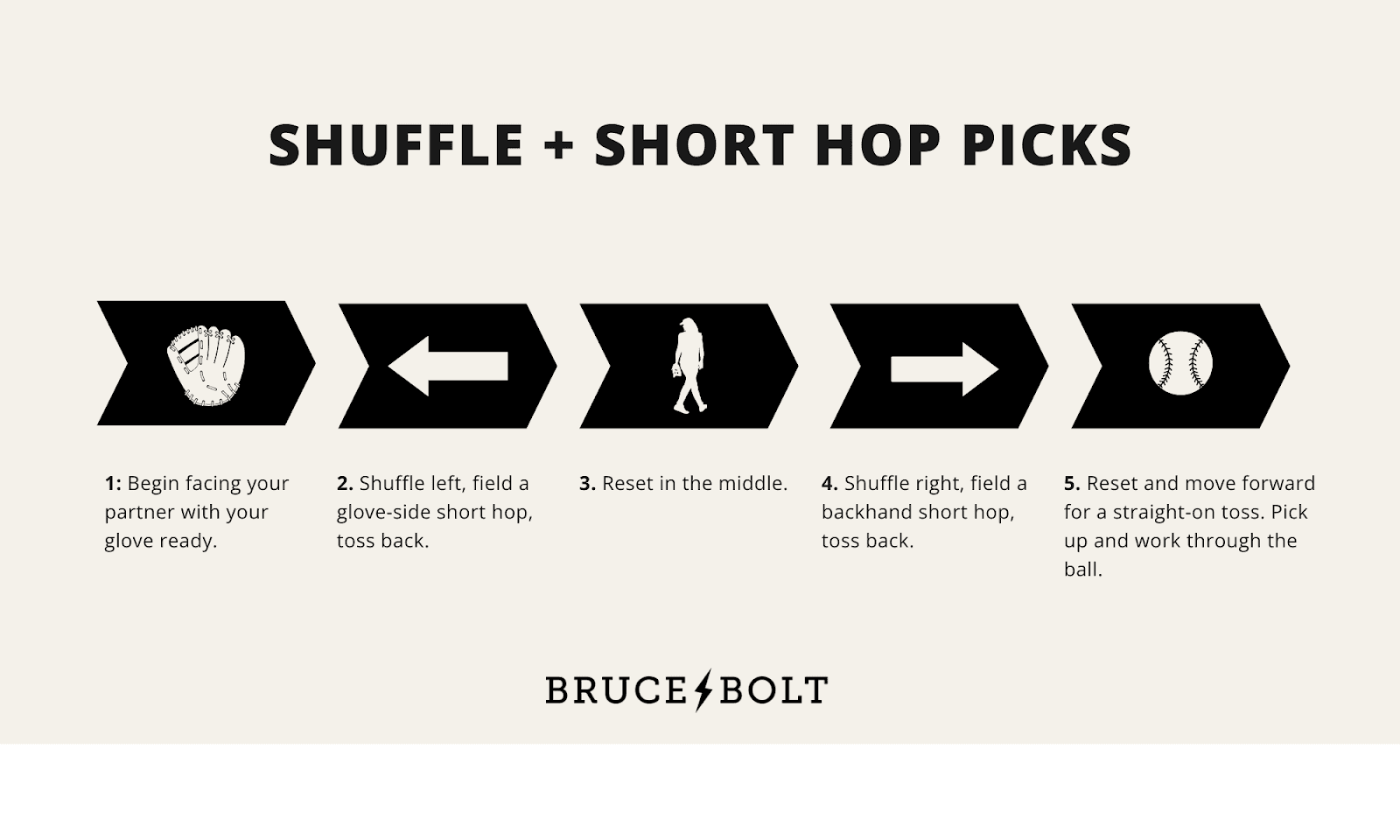
Objective: Sharpen your reaction time and footwork for getting back into position.
Instructions:
The coach will either hit or toss short hops to you.
React by quickly adjusting your feet to get in line with the ball.
Remember to stay balanced and keep a low center of gravity.
Why this is helpful:
Since ground balls are unpredictable, this drill helps you practice getting back on track after an awkward hop.
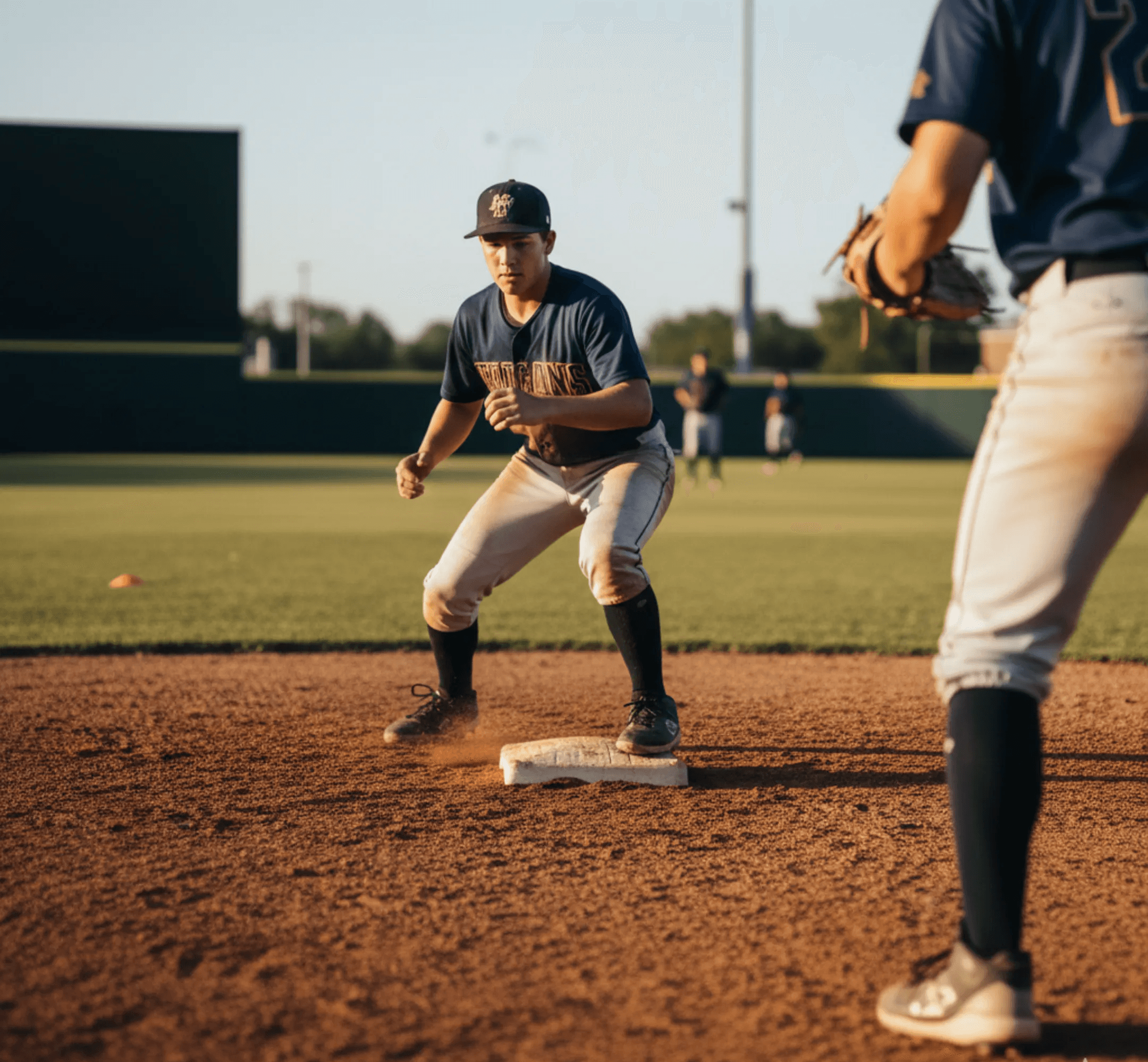
How to do it:
Practice getting feeds from different angles.
Work on quickly clearing the bag with your feet.
Practice on both sides of the base.
Why this matters:
Good footwork saves time and helps you avoid collisions.

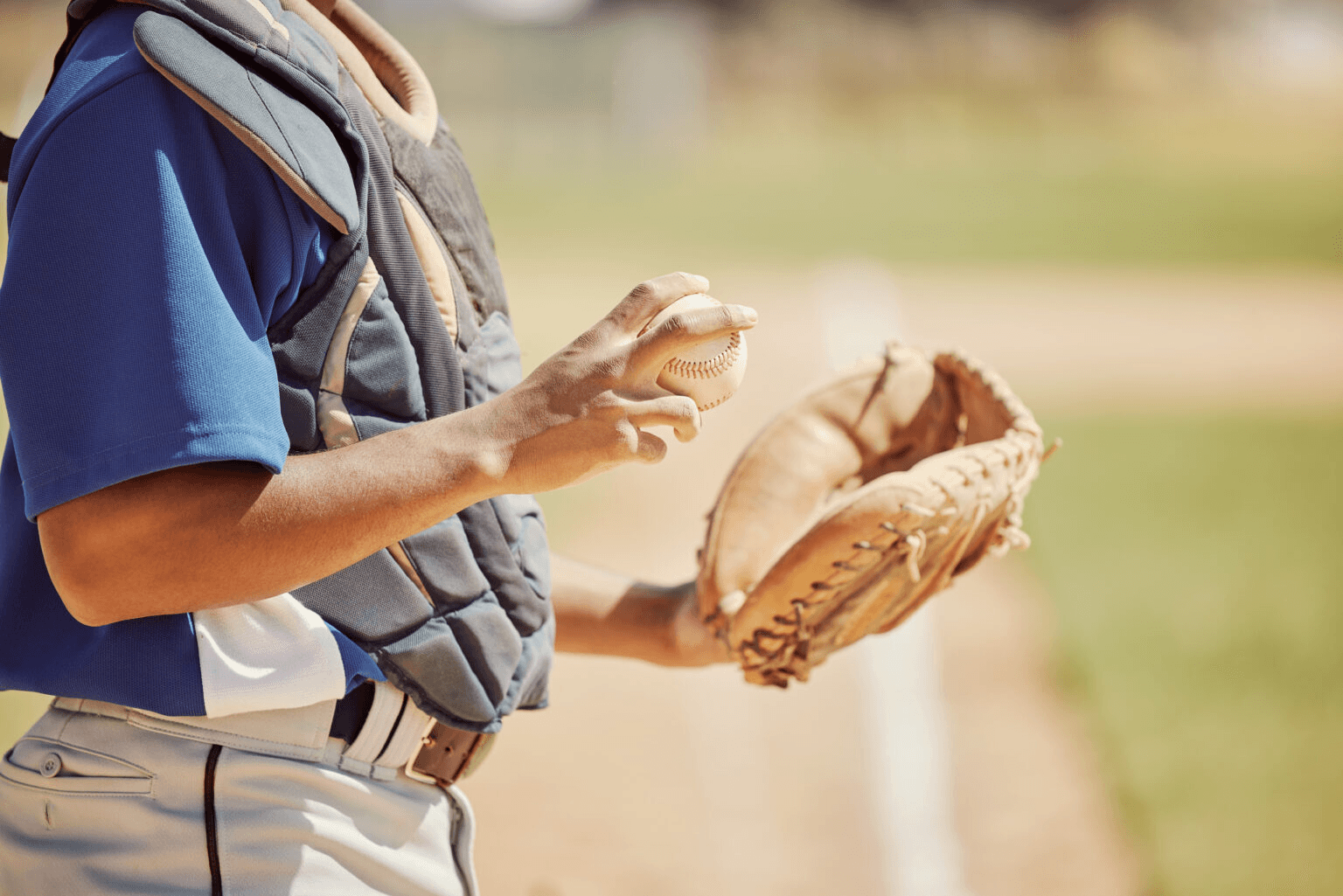
Goal: Quick feet for smooth glove-to-hand transfers
Here's how:
Catch a toss.
Move your feet quickly.
Practice throwing.
Why this helps:
Good footwork makes double plays faster.
Purpose: Get off to a quick start
How to do it:
Start in your ready stance.
The coach will point either left or right.
Quickly step in that direction and sprint.
Why this is helpful:
Outfielders miss plays if their first step is slow or in the wrong direction.
Here's how to do it right:
Instead of just running backward, practice tracking fly balls or cones set at different angles.
Make sure you get good at crossover steps. They're better than backpedaling.
Why this works:
Taking smart angles will reduce how far you have to run and help you catch the ball more consistently.
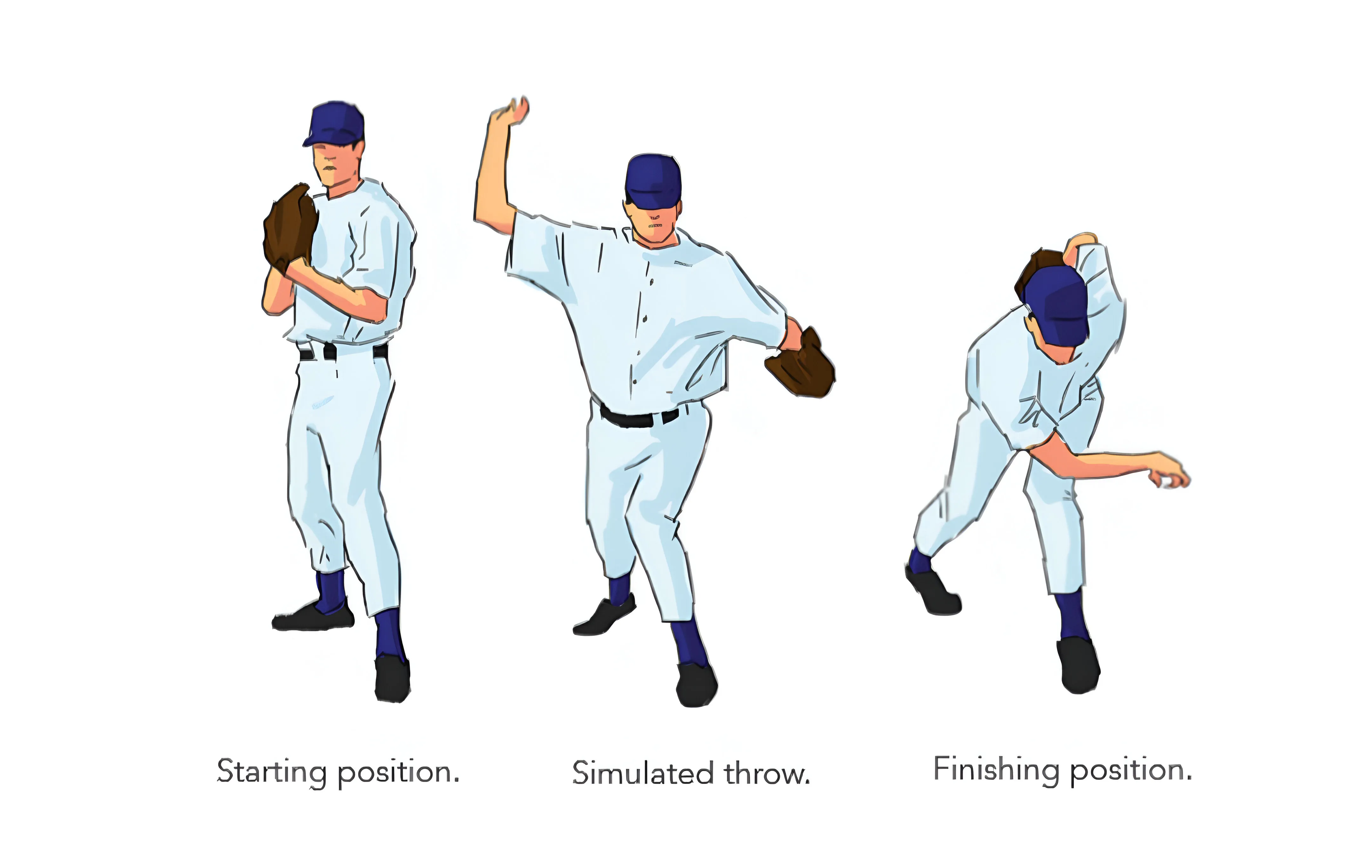
Here's how to improve your hitting:
Practice swinging without a bat.
Focus on a smooth, controlled load.
Take a controlled stride forward.
Why this works:
Power comes from the ground. Good footwork gives you better balance and a faster swing.
Purpose: Rhythm and shifting your weight
How to do it:
Tap your toe lightly before you swing.
Keep your weight balanced.
Why it works:
This helps you time your swing better when facing a live pitcher.
Objective: Sideways movement and staying in command
Instructions:
Arrange cones in a zigzag shape.
Quickly shuffle between the cones.
Keep a low stance and stay in control.
Purpose: Changing Directions
How to do it:
Run, shuffle sideways, and backpedal around a square shape.
Keep a balanced, athletic stance.
Level | Key Focus |
|---|---|
Beginner | Balance, stance, basic steps |
Intermediate | Reaction speed, angles |
Advanced | Efficiency, precision, timing |
As you get better, your footwork gets more efficient, not just quicker.
Younger players: Practice two to three times a week.
High schoolers: Aim for three to four times weekly.
Advanced players: Daily, but keep the sessions short.
Short practices of just 10-15 minutes can really make a difference.
Stand naturally, not too straight.
Don't cross your feet if you don't have to.
Stay light on your feet.
Make sure you're steady before you throw.
Messing up usually starts with where you put your feet, not your hands.
Good footwork gets you:
Fewer mistakes
Quicker throws
More powerful and accurate throws
Better defensive reach
More consistent hitting
That's why Major League Baseball focuses on footwork at all stages of player growth.
Drill Type | Benefit |
|---|---|
Ladder drills | Speed & coordination |
Fielding steps | Clean glove work |
Drop steps | Outfield reaction |
Cone drills | Lateral agility |
Hitting footwork | Balance & power |
Baseball footwork drills aren't about fancy moves. They're about getting there on time, staying steady, and setting yourself up for the next play.
Players who work on their footwork field the ball better, throw faster, and hit more consistently.
If you want to get the most out of your practice, start with your feet. Everything else will fall into place.