


Gaming
Jan 23, 2026
A clear and simple breakdown of why the metaverse failed, what went wrong, and why tech companies have now shifted their focus to AI and spatial computing. Photo by: Unsplash
A few years back, everyone was talking about the metaverse as the next big thing for games, work, and hanging out online. Big tech companies like Meta, Microsoft, and Epic Games put tons of money into making these linked-up virtual spaces where you could play, buy digital stuff, catch concerts, and work from home with a VR headset.

These days, though, most of those metaverse platforms are pretty deserted, the value of those NFT lands has tanked, and companies are now putting their energy into AI and spatial computing instead.
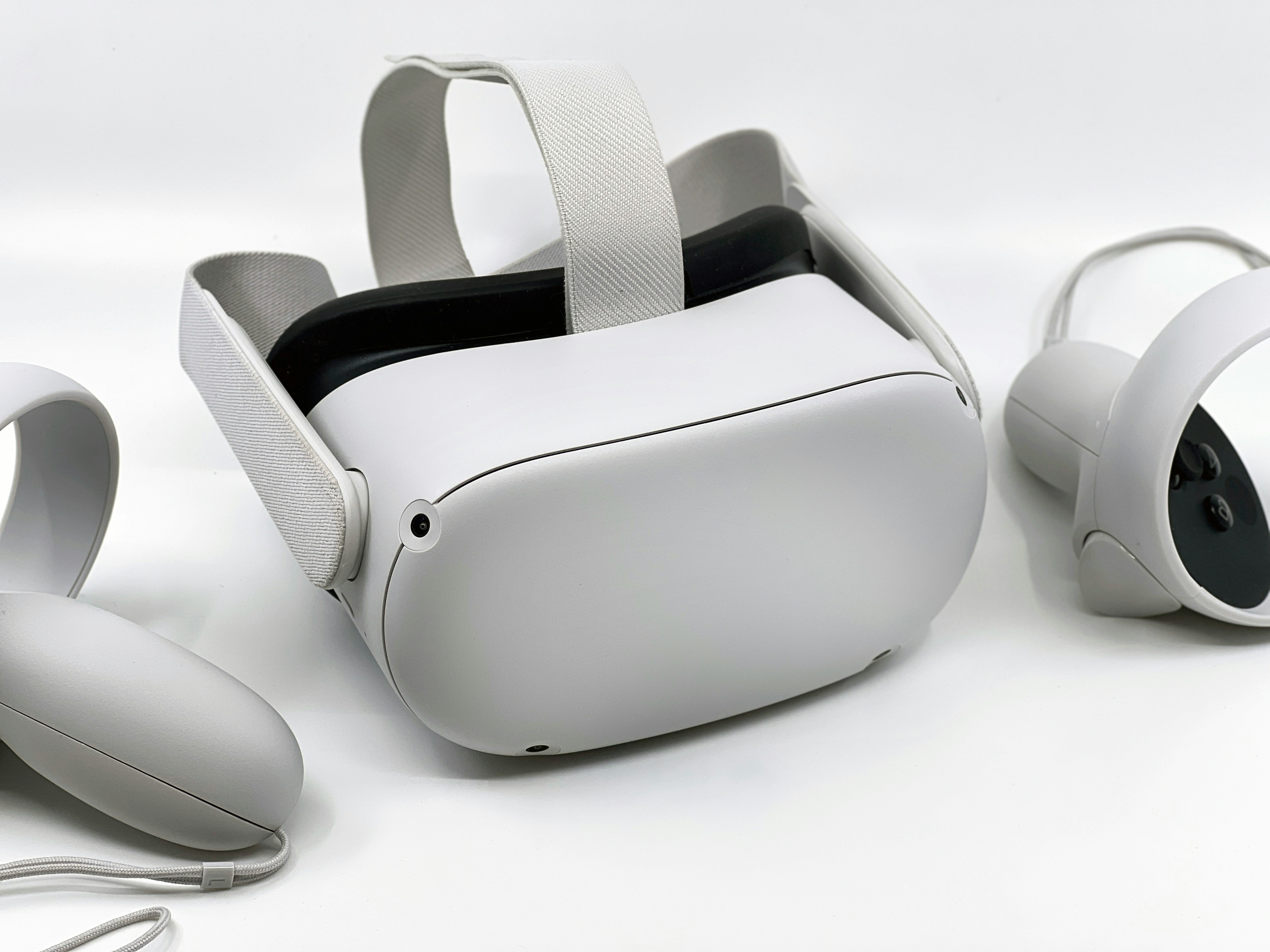
VR was key to the metaverse, but there were problems. VR headsets cost a lot, were big and clunky, not very comfy, and made people sick. A platform won't grow if the equipment to get in costs $300-$1500.

The metaverse platforms are still trying to find that one thing that makes people want to use them. Right now, virtual meetings and buying NFTs just aren't as good as what you can already do on Zoom, Discord, Fortnite, Roblox, or Minecraft.

Leaders thought folks would want to work as cartoon characters in boardrooms. But gamers really wanted cool games, a sense of getting better, and hanging out with others not sitting around as some office drone.

People got less excited about what was new and more into guessing prices. When crypto crashed, the metaverse lost its appeal too.
The metaverse was supposed to let you use one avatar everywhere. Instead, each platform is locked down and separate. This isn't how it was supposed to work.
The metaverse was supposed to let you use one avatar everywhere, but each platform became its own separate place. This went against the whole idea.