
Gaming
Jan 23, 2026
Explore the full story behind Nintendo’s lawsuit against Pocketpair over Palworld. Learn what sparked the battle, the key legal issues, and where this high-stakes case stands today. Photo by: IGN India
The clash started after Palworld launched in January 2024 and quickly drew comparisons to Nintendo’s beloved creature-catching franchise.
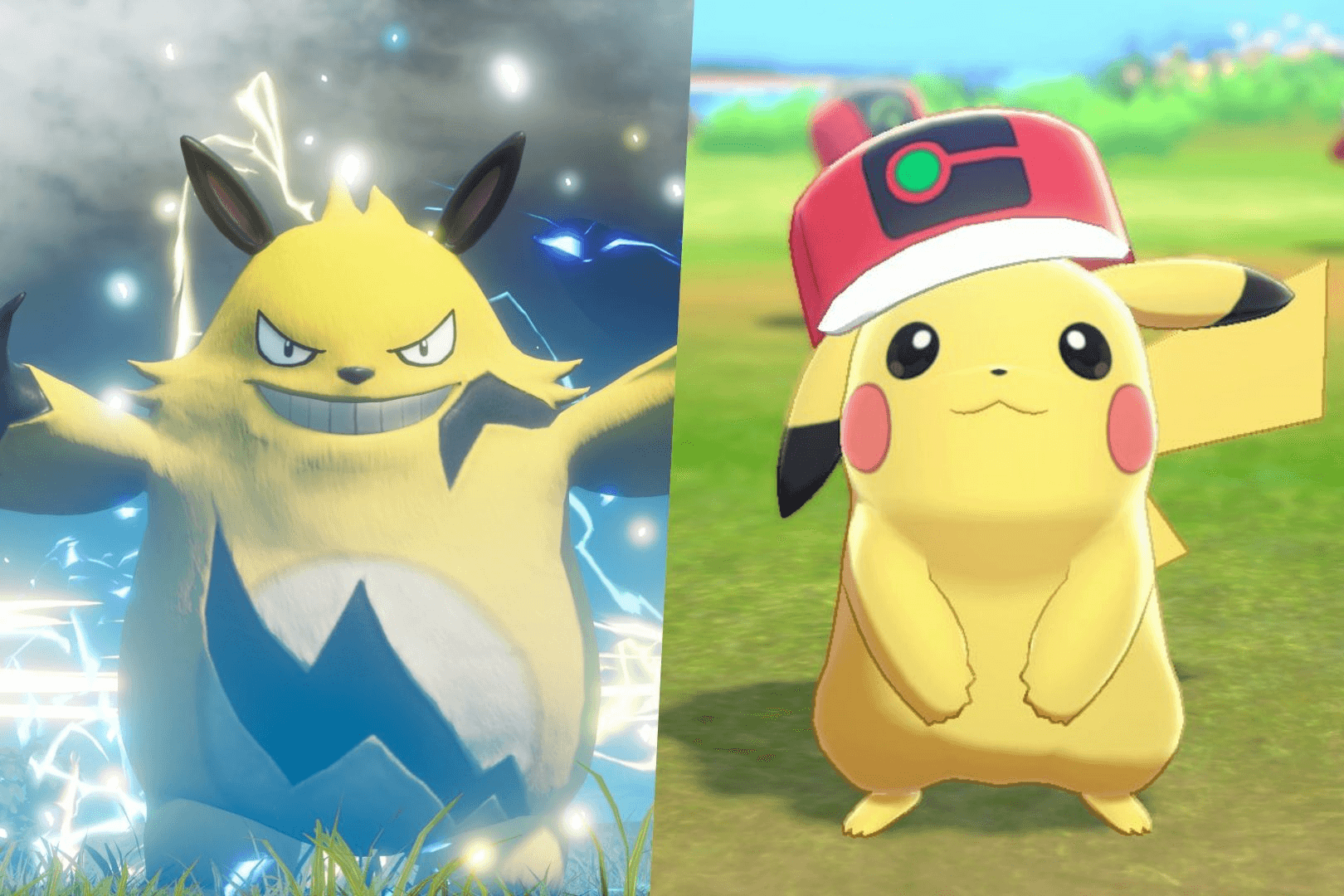
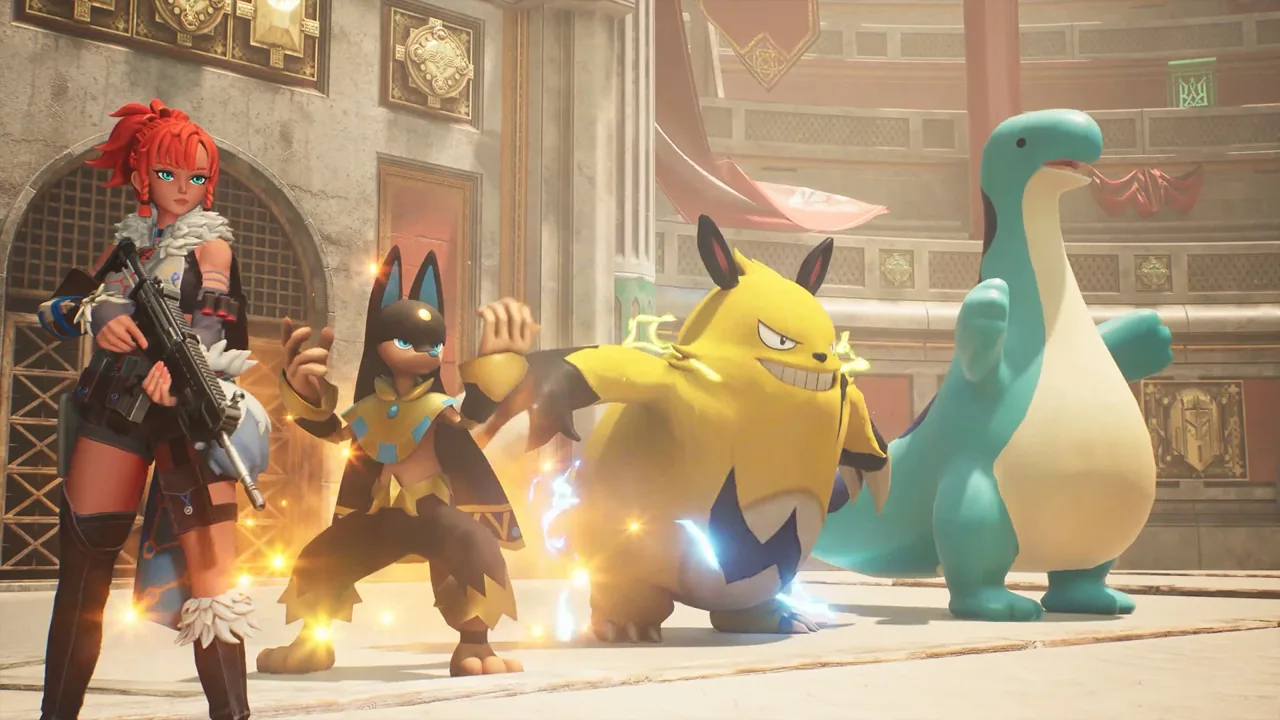
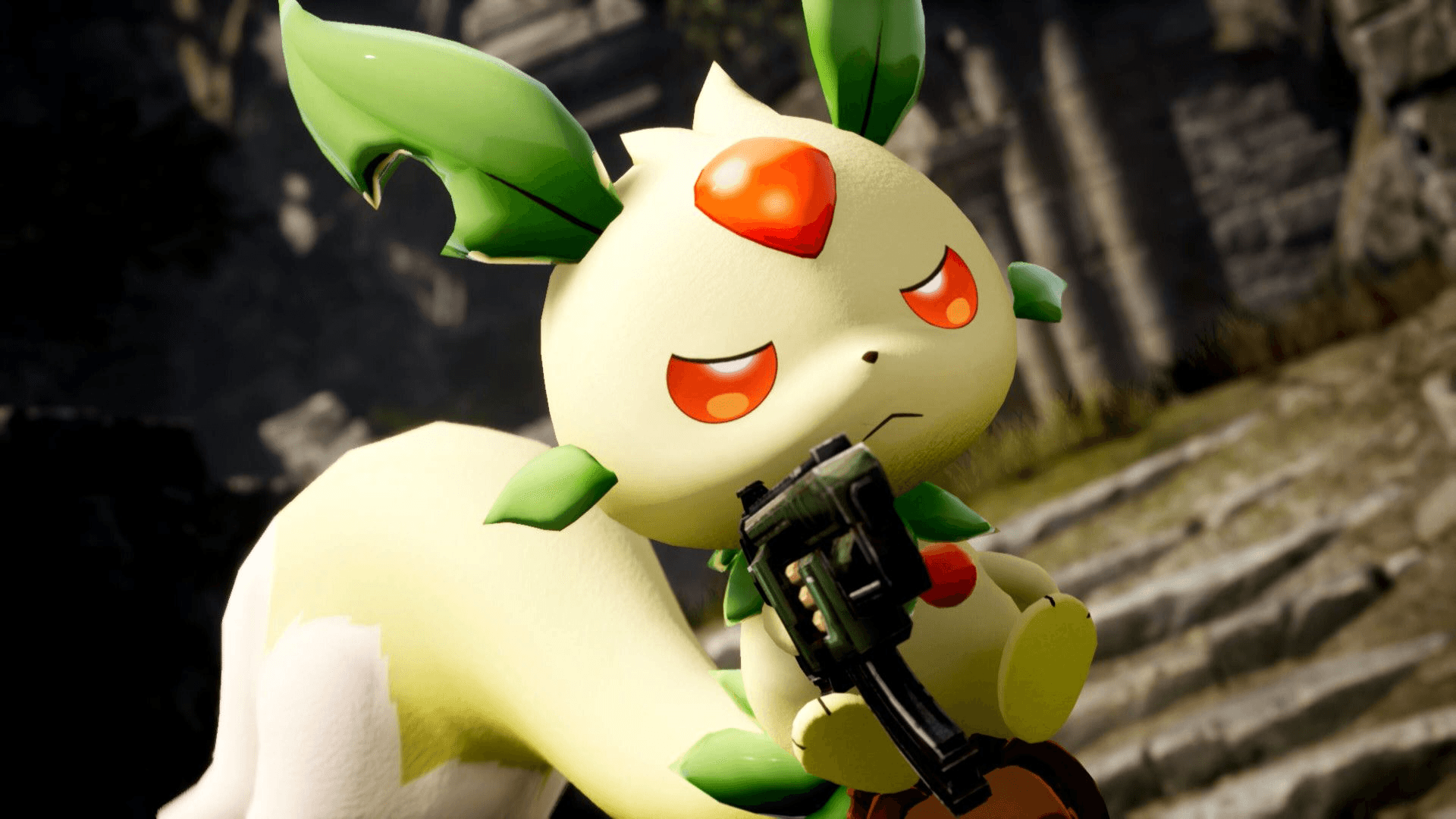
Palworld gave players guns, open-world survival mechanics, and creatures you capture and use a mix that many noticed felt familiar.
In September 2024, Nintendo and its affiliate, The Pokémon Company, filed a lawsuit in Tokyo District Court alleging that Pocketpair’s game infringed on several of its patents.
Nintendo claimed that Palworld used mechanics that were protected by its patents specifically things like capturing creatures with a throwable device, riding creatures, and how the game transitions into battle.
These were the core issues Nintendo raised: they said Pocketpair’s game used its patented ideas without permission.
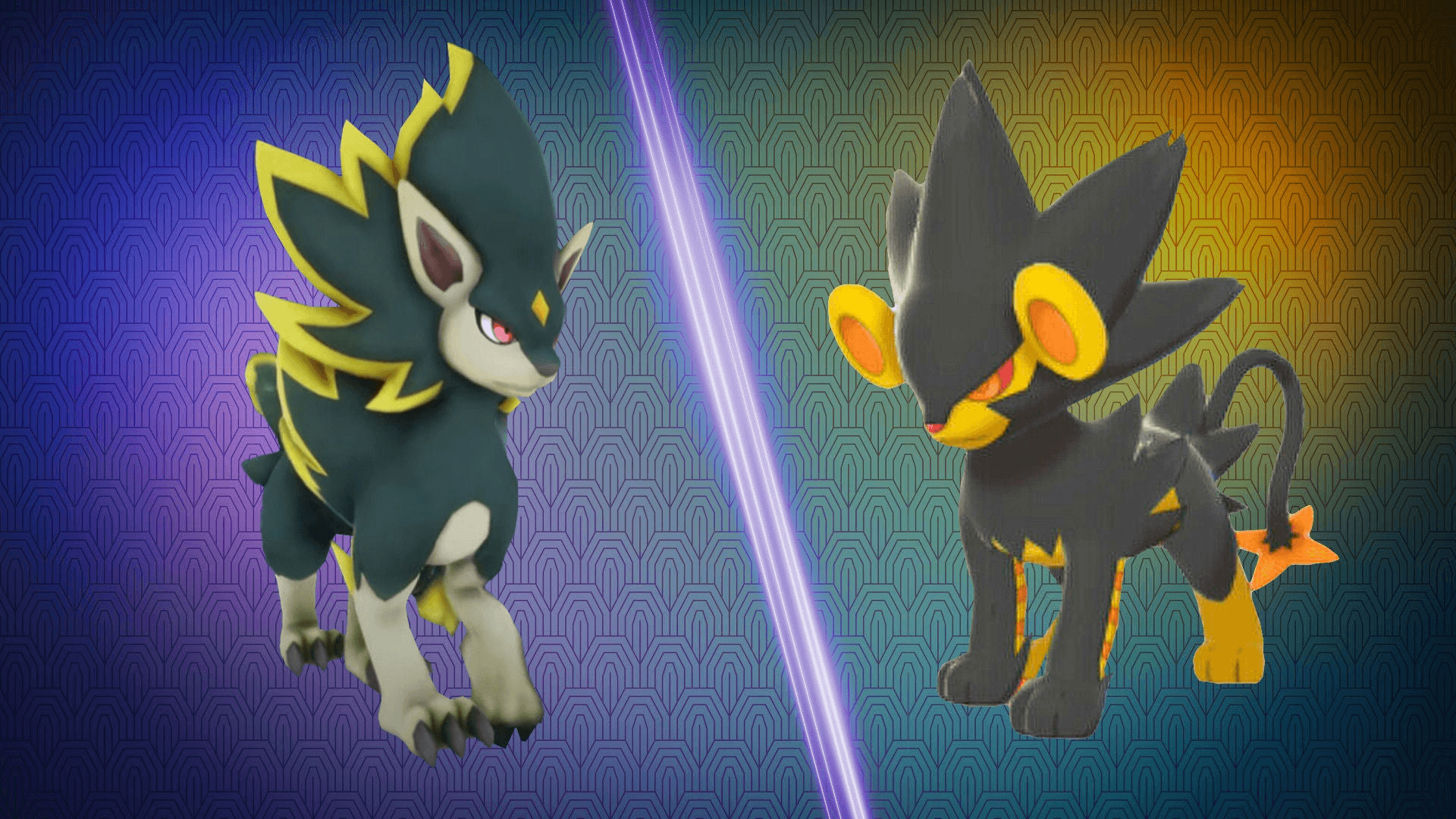
For Nintendo, this was more than just similarity it was about protecting what it considered proprietary game mechanics.
Pocketpair responded by expressing surprise and disappointment at the lawsuit. In its public comment, the developer said it had cleared legal reviews before release and was not aware of which patents exactly were claimed to be infringed.

Meanwhile, Palworld kept growing in popularity which may have made it a more visible target for Nintendo’s legal action.
One major turning point came when the Japan Patent Office (JPO) rejected one of Nintendo’s patent applications, ruling it lacked sufficient originality and was similar to earlier games.
The rejection that Nintendo faced caused a significant blow because it lessened the foundation of its argument that particular game mechanics deserved protection.
As one expert put it, Nintendo’s stance on “mods not counting as prior art” was a risky legal strategy.
While the lawsuit progressed, Palworld’s developer made changes to the game’s features. For example, a “Pal Sphere” mechanic (where players could throw a sphere to summon creatures) was removed in a patch as the lawsuit loomed.
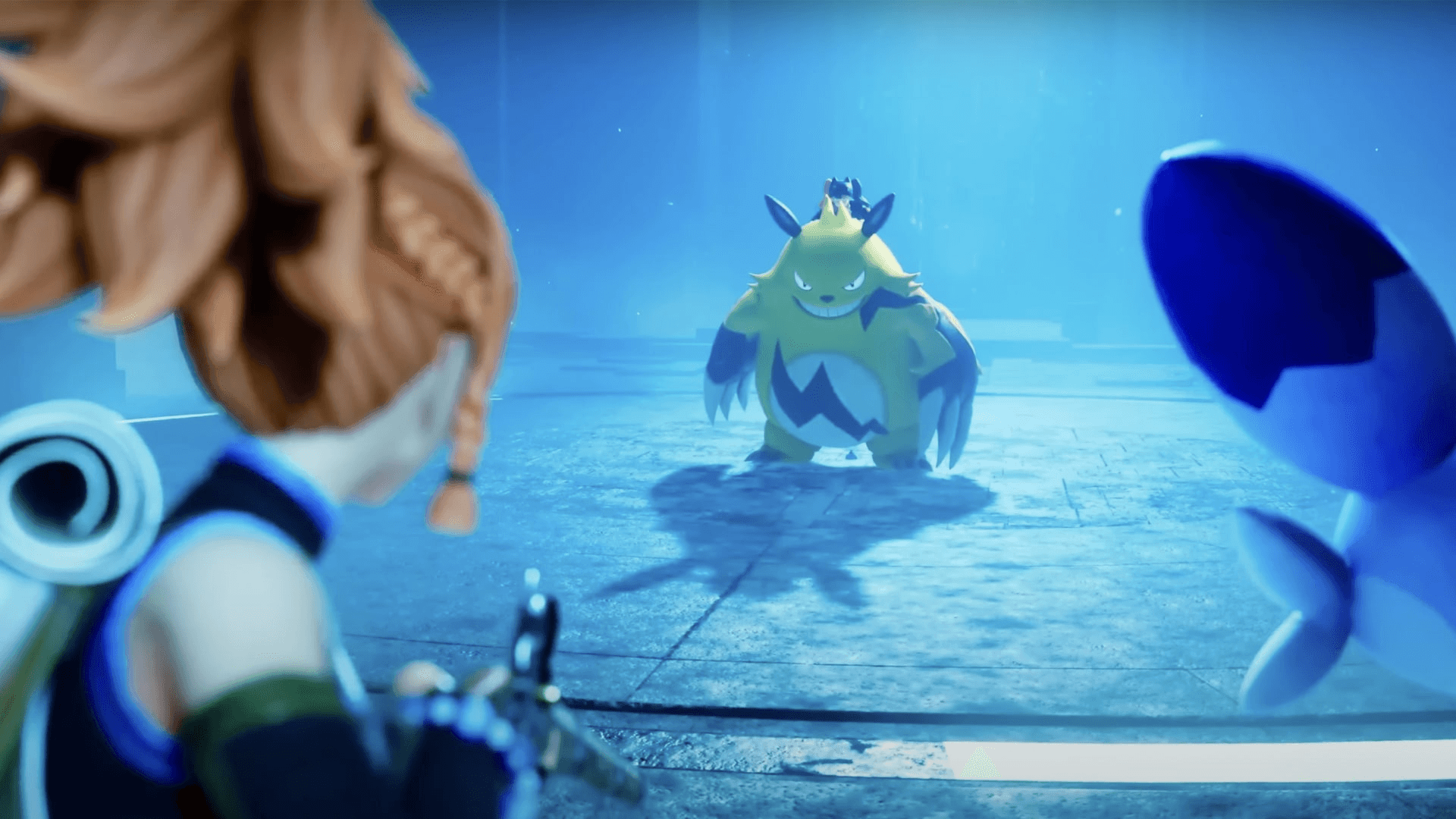
These adjustments showed how legal actions can ripple into gameplay and development decisions thus showing how serious the stakes are for game makers when mechanics are being scrutinized and questioned.
This legal battle matters beyond just two companies. It creates big questions about how game mechanics can be patented, when likeliness cross the line, and how developers protect or challenge their existing ideas.
Nintendo’s push to enforce patents over game systems is seen by some as controversial especially when prior games and mods might count as prior art.
The outcome could impact how future games get made and how small developers have chances of facing a legal risk if their mechanics resemble older ones.
As of now, the case has not reached a public definitive “winner” the litigation is ongoing. But the patent rejection by the JPO weakens Nintendo’s position and gives Pocketpair legal leverage.
Analysts are watching whether Nintendo will amend its patents, appeal the decision, or shift its strategy. Therefore, for gamers and developers alike, the outcome might set an example in the gaming industry.
The Nintendo vs Palworld case is a high-profile example of how the video game world is navigating intellectual property in new ways.
For players, the fight may seem abstract, but the impact isn’t: it can affect the kinds of games we see, how mechanics evolve, and which studios can safely innovate.
Whether you’re a fan of Palworld, Pokémon, or game design in general, this story is one to follow it might change how we think about “copying” vs “inspiration” in games.