Gaming
Jan 23, 2026
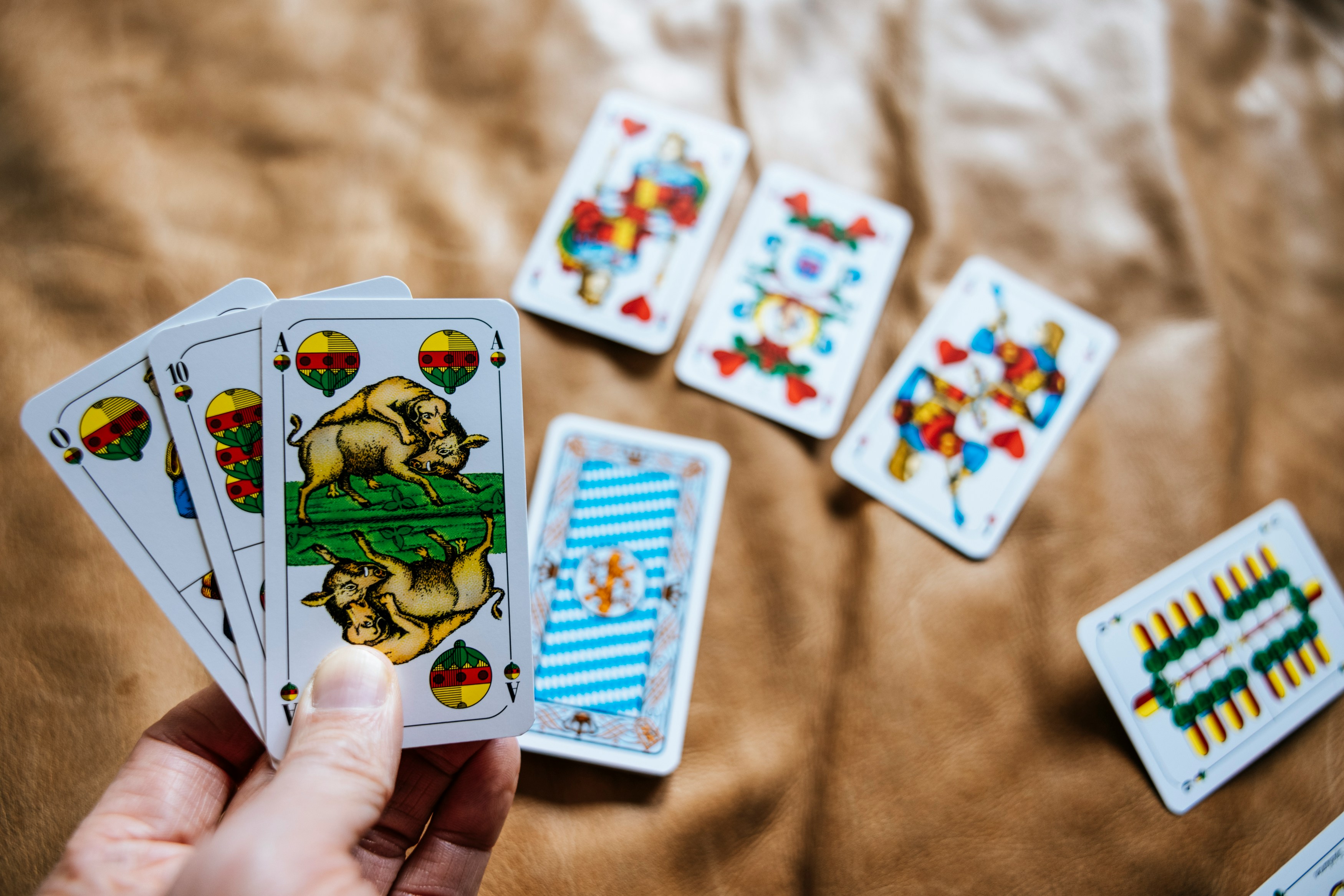
A deep look into Germany’s most iconic traditional games. Learn how classics like Skat, Boßeln, Mau-Mau, and Mensch ärgere dich nicht shaped culture, community, and social traditions across generations. Photo by: Unsplash
For ages, games in Germany did more than just keep people entertained. They helped form communities, taught people how to act, and showed what made each area special. Way before game systems, online games, and apps on phones, Germans would meet to play games on tables, fields, and streets and many of these games are still around.
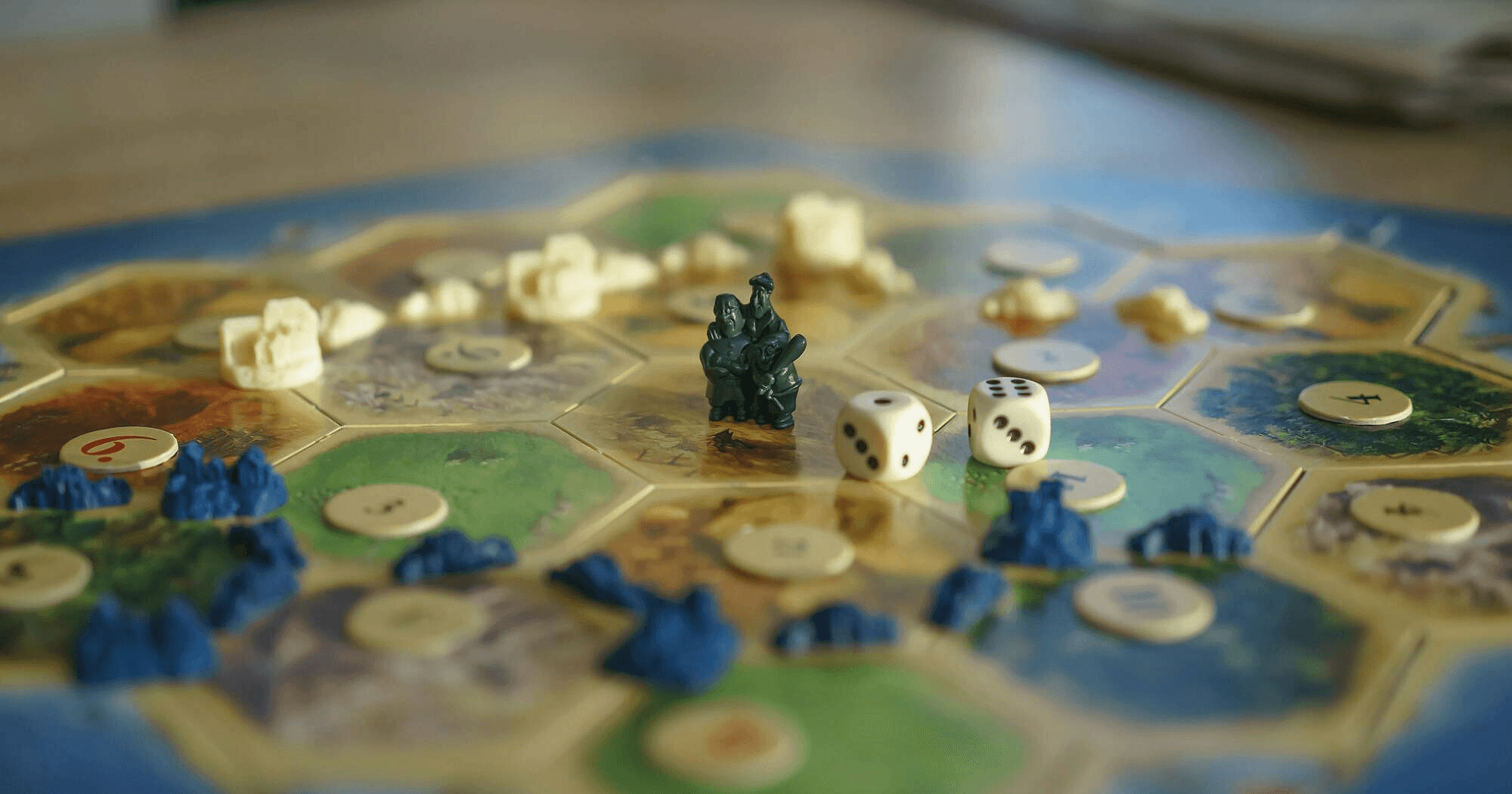
This comeback isn't just by chance. With today's life getting busier and more based on computers, older games give people something real: a way to connect with each other.
Lots of German games come from things like:
Pub life
Military training and planning
Kids' games
Town festivals and yearly customs
Some games came from medieval courts, while others started as country sports or card groups. They all share a common thread: passing things down from one generation to the next. A 2022 study showed that most German families still play at least one old game each year, especially during the holidays.
To get a feel for their cultural impact, old German games can be sorted into these four main categories:
Category | Examples | Where They’re Played |
|---|---|---|
Strategy & Board Games | Mensch ärgere dich nicht, Mühle, Halma | Homes, schools, cafés |
Card Games | Skat, Mau-Mau, Doppelkopf | Pubs, clubs, family gatherings |
Outdoor & Festival Games | Boßeln, Sackhüpfen, Egg races | Carnivals, villages, school events |
Skill & Strength Competitions | Finger wrestling, Hammerschlagen | Bavaria, Alpine regions |
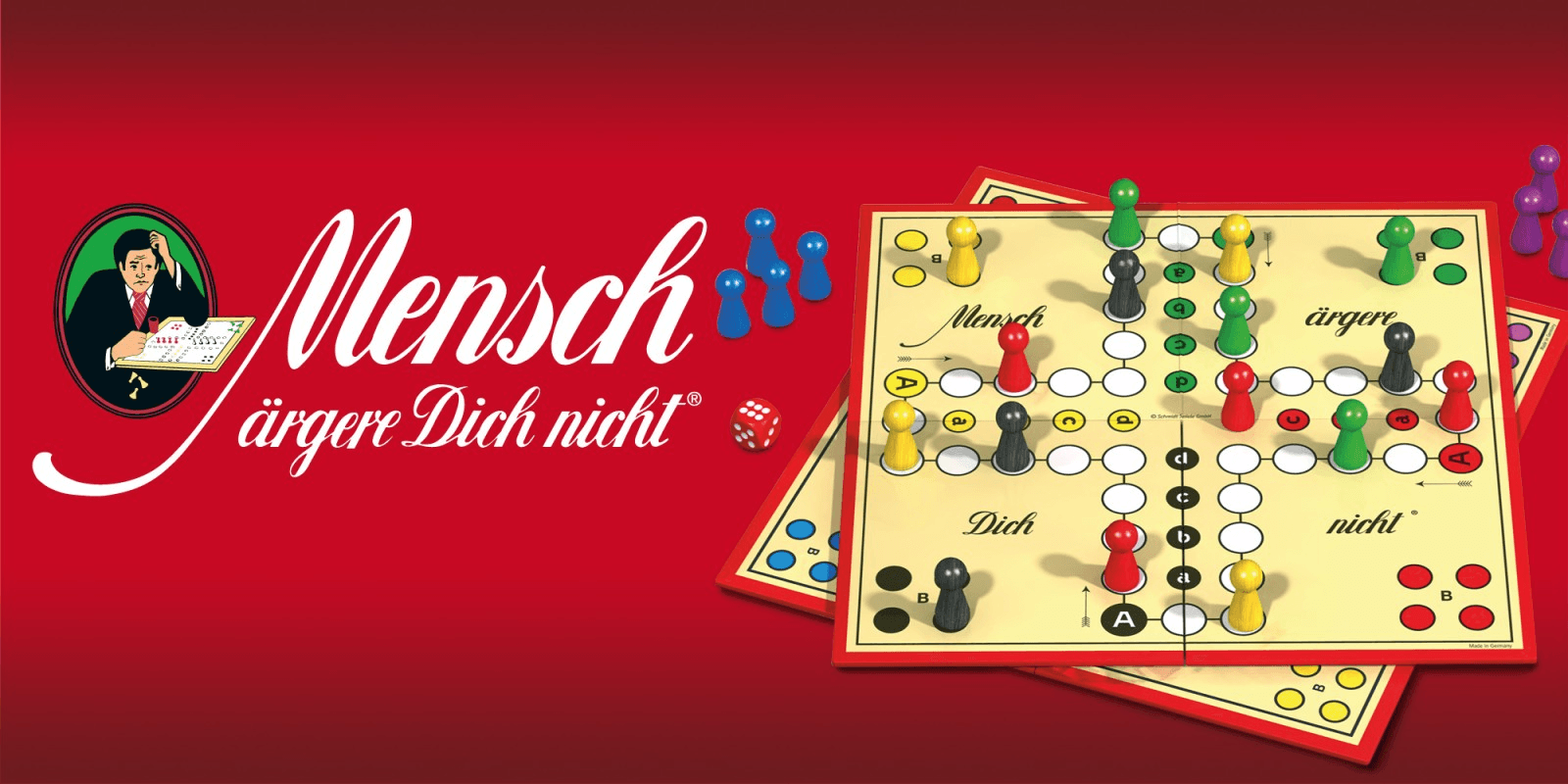
This board game, which came out in 1907 and was mass-produced starting in 1914, helped keep spirits up during wartime and later became a family room favorite. It has lasted because it mixes strategy with luck. Plus, the feeling in the name makes playing it something you won't forget.
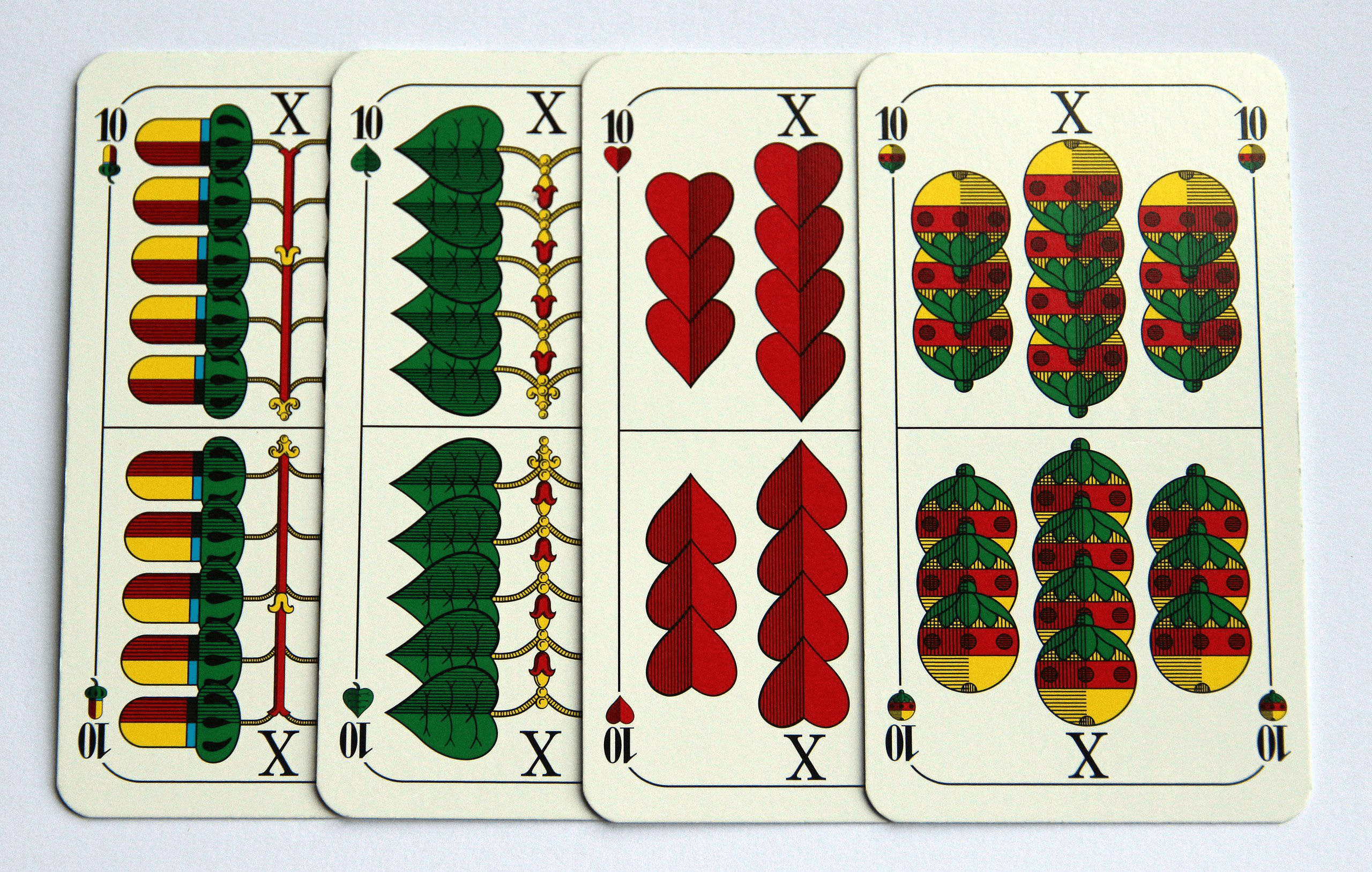
Skat is like chess, but with cards. It started in Altenburg in the early 1800s. You need to think ahead, remember things, and use logic to play. Skat is a big deal in Germany, with groups, rankings, and even world contests.
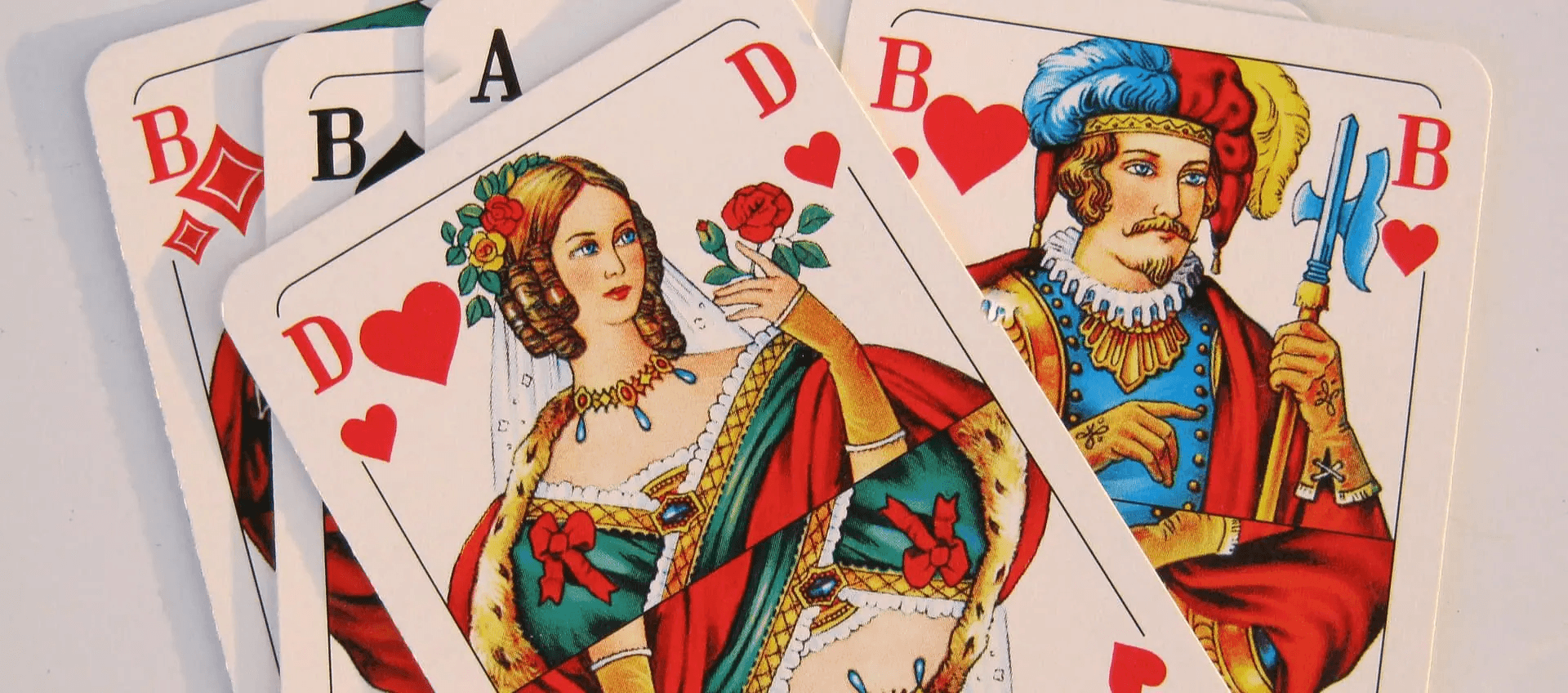
Mau-Mau, unlike Skat, is a relaxed and easy card game, which is why kids and families love it. What's cool is that the rules change from place to place. You'll find that each family has its own special way of playing.
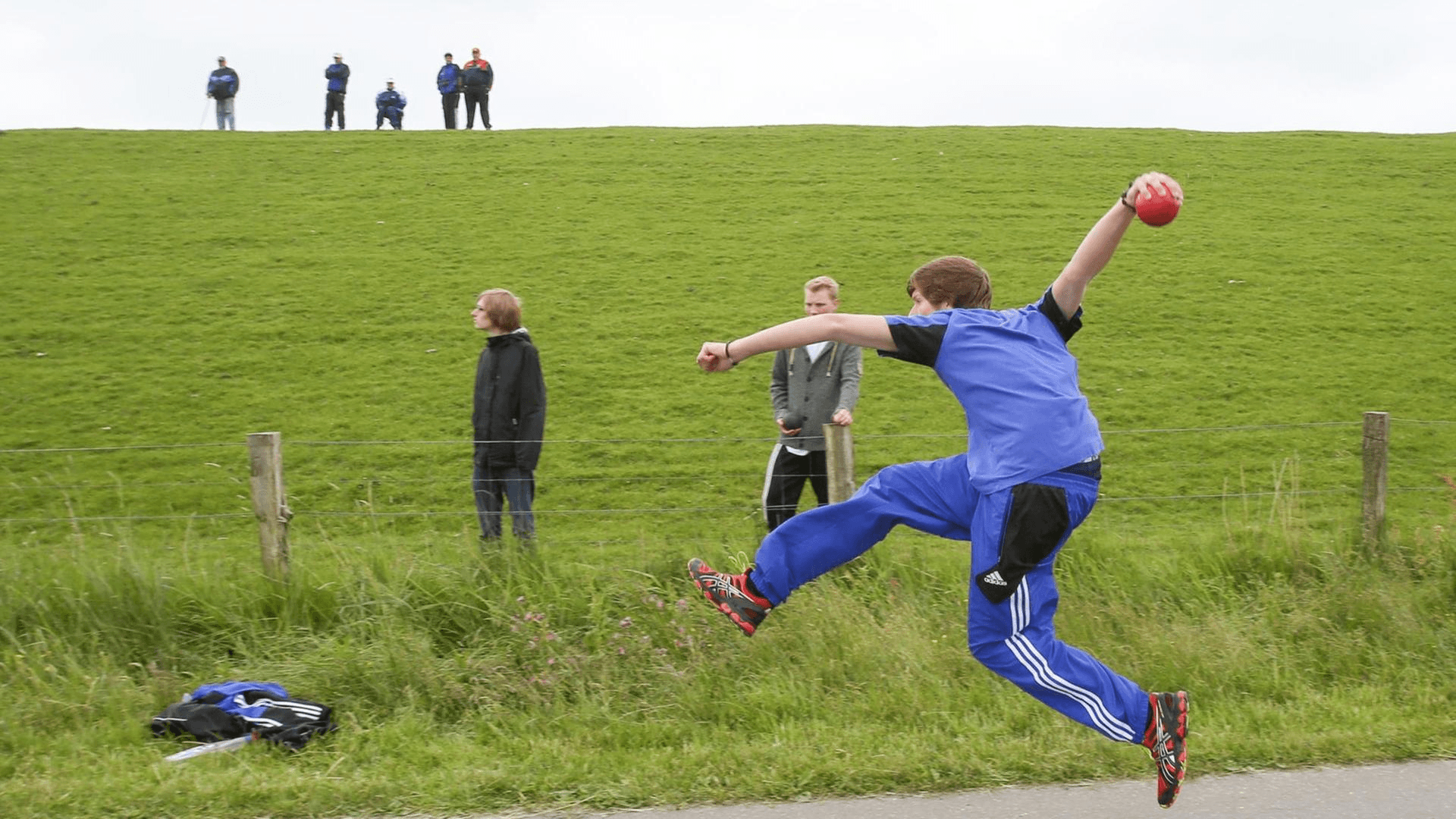
In Lower Saxony and the north, Boßeln is more than just a sport—it's a social thing. Teams stroll down roads, tossing a ball to see who can get it the farthest. Cheering, fun, and community are what it's all about, not just winning.
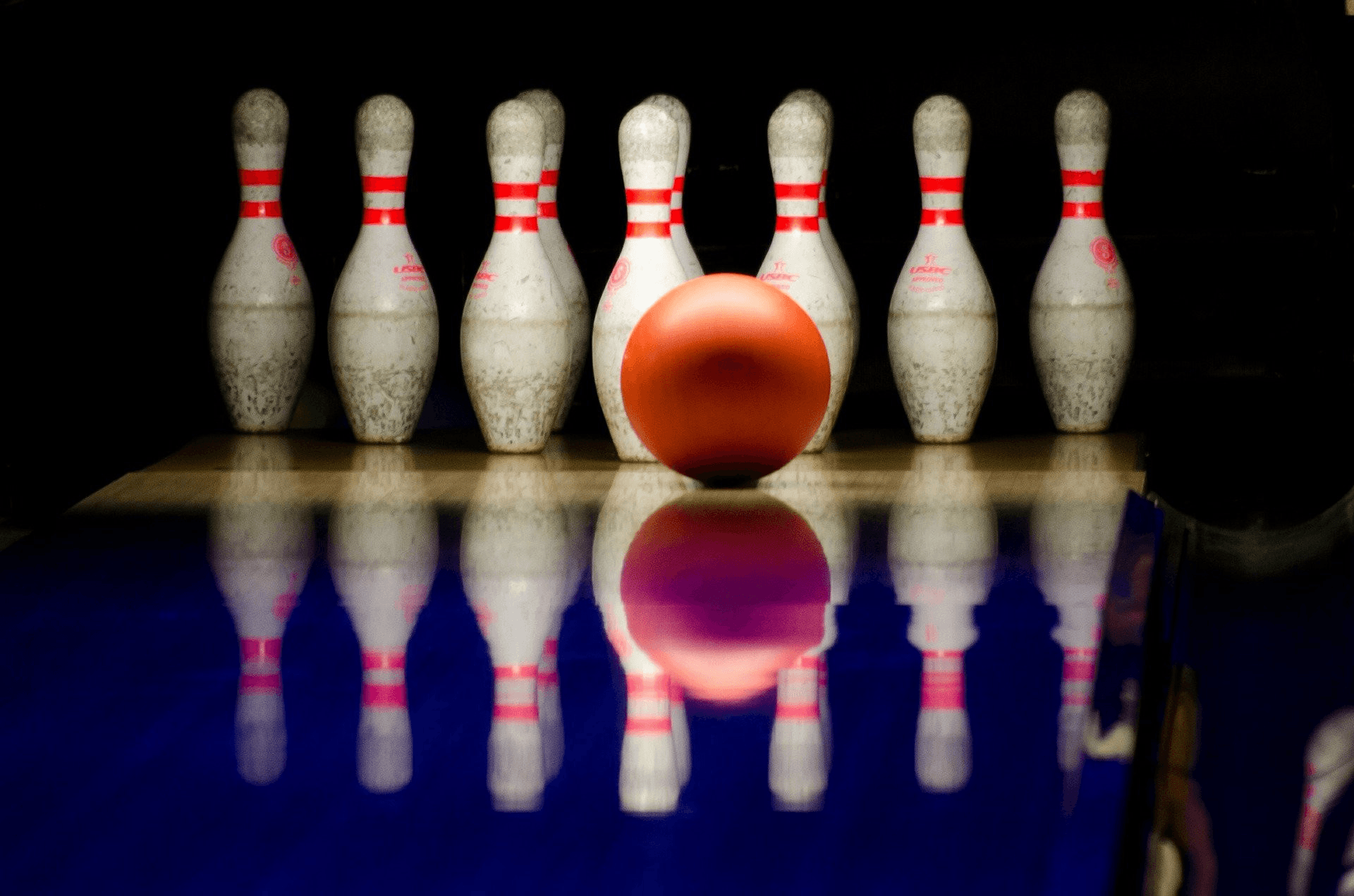
Kegeln is an old game that came before American bowling and is a part of many social activities. You can still find Kegel clubs and lanes in restaurants in some villages.
Comparative Snapshot:
Feature | Kegeln | Bowling |
|---|---|---|
Pins | 9 arranged in a diamond | 10 arranged in a triangle |
Ball | Smaller and finger hole–less | Larger, drilled |
Primary Purpose | Social tradition | Competitive and global sport |
Some games never went national, but they're still a big part of their local area.
Bavaria: Fingerhakeln (finger wrestling)
Thuringia: Traditional marble games
Rhineland: Wooden wheel racing
Swabia: Kuhfladenlotto - yes, it’s exactly what it sounds like
These activities do more than just pass the time they're actually important parts of our culture.
Traditional games are coming back as they fit into how people want to live now. People are getting into hobbies that don't involve screens, families want to do things together, and there's a sense of wanting to preserve traditions.
Plus, people want to hang out without using the internet. Sales figures from the German Association of Game Publishers show that board and card games have jumped 34% in the last five years.
"Traditional games persist because they create shared moments not just outcomes. They invite stories, competition, and belonging. No digital interface can fully replace that."
- Prof. Lukas Hartmann, Institute of Cultural Anthropology, Berlin
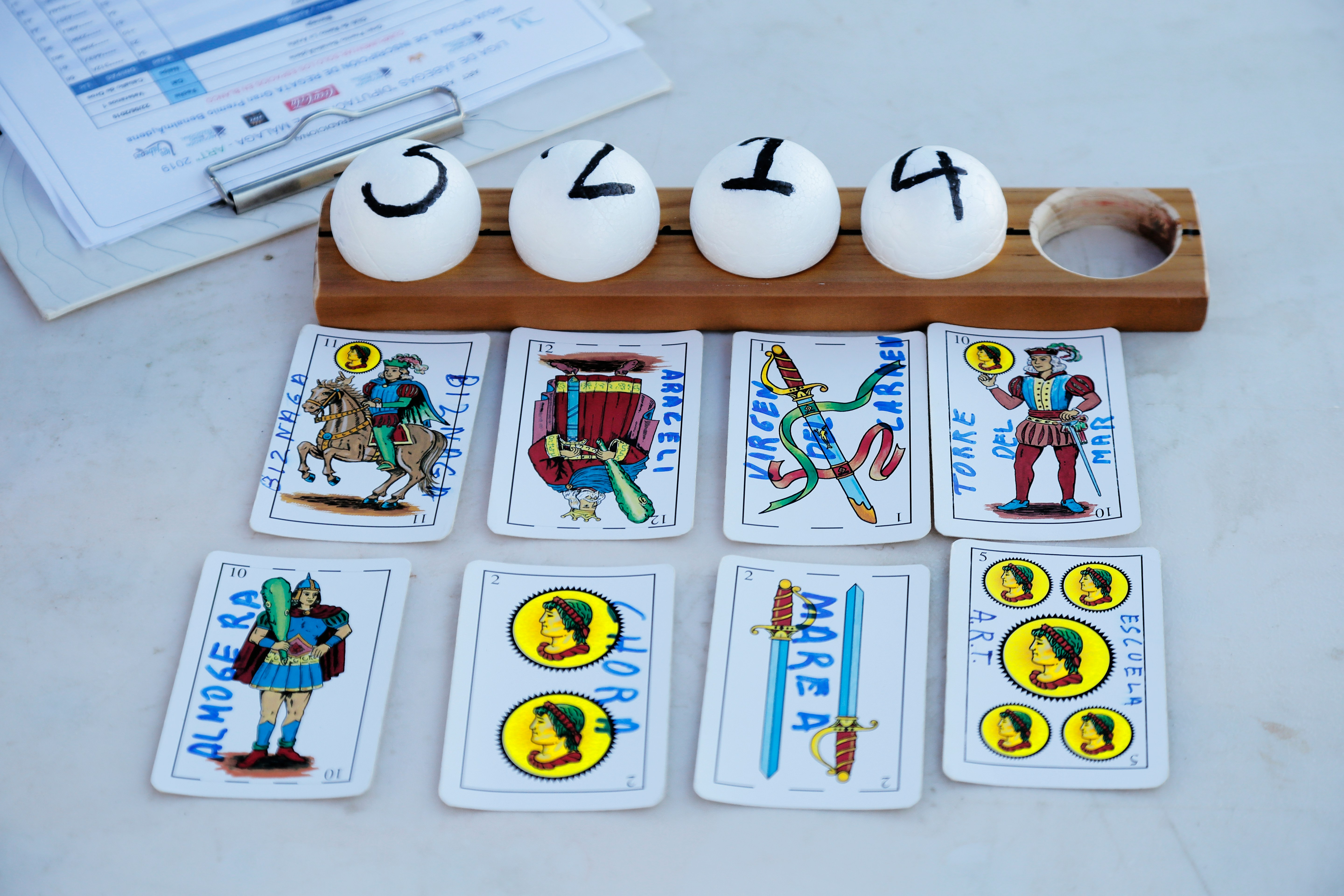
German games aren't just fun; they're a piece of the country's identity. History shaped them, families kept them alive, and now people are playing them again. It doesn't matter if they're all about winning or just messing around, these games still bring people together.