The Survival Guide to 2030: How to Stay Relevant, Secure, and Ahead in a Rapidly Changing World

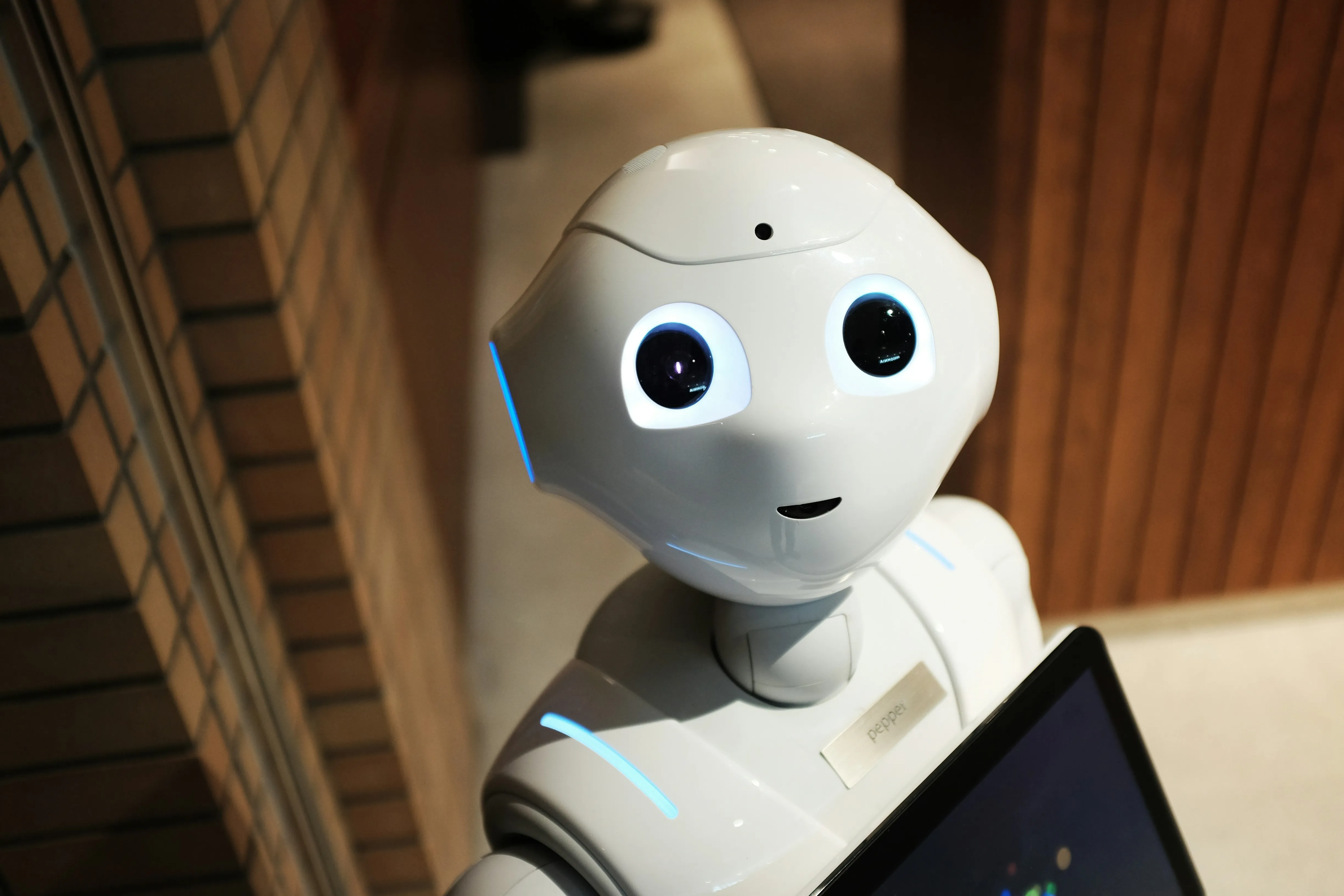
A practical survival guide to 2030 covering careers, money, AI, climate, and digital life, what you must know now to thrive in the future. Photo by: Unsplash
The Survival Guide to 2030: What the Next Five Years Will Demand From You
The year 2030 isn't about flying cars; it's about getting ready for change. The way we work, make money, talk, learn, and even think is changing faster than many notice.
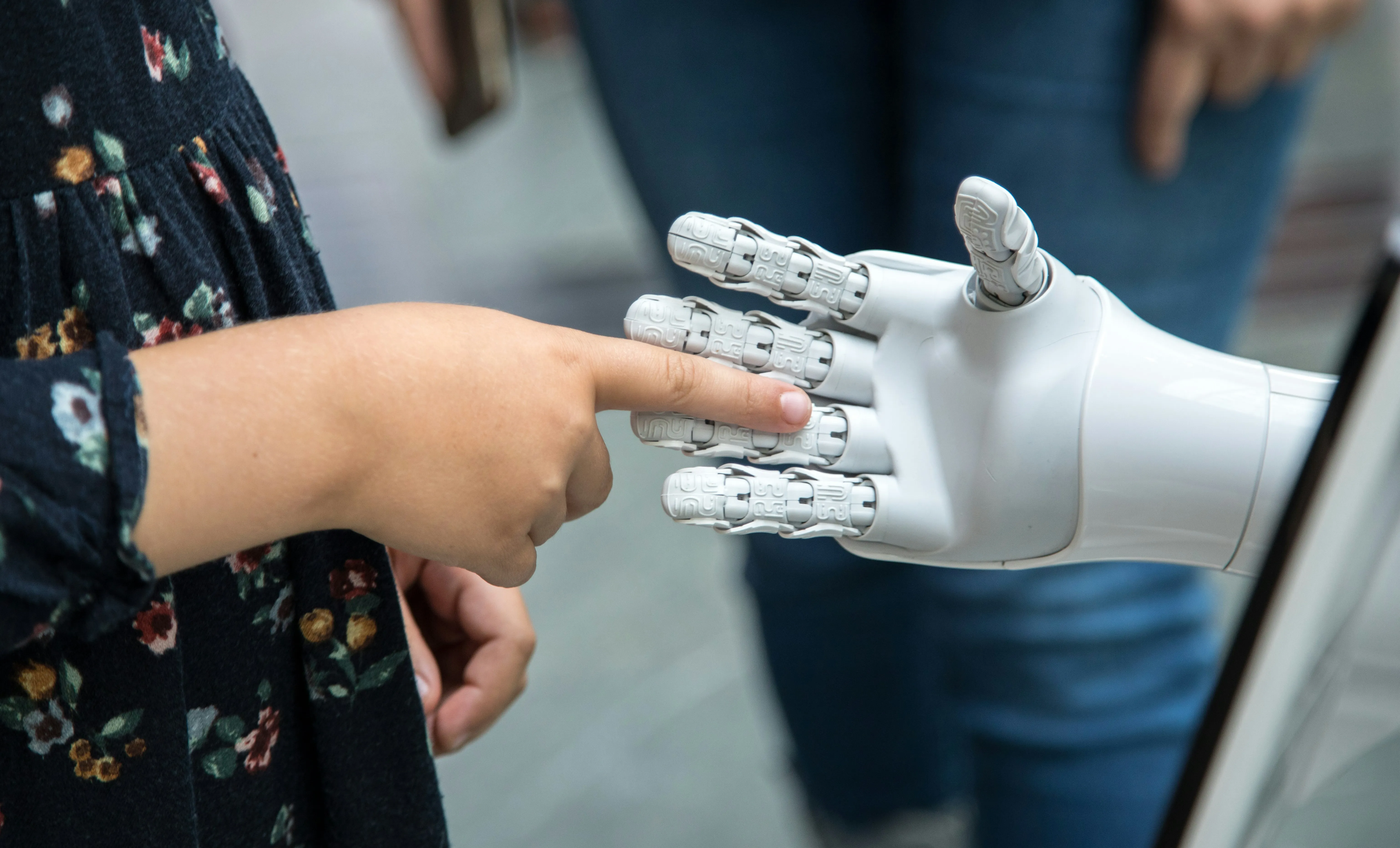
This isn't meant to scare you, but to give you a clear picture of what's happening.
The people who do well in 2030 might not be the smartest or richest now. They'll be the ones who saw these changes coming and got ready.
The Future of Work: Careers Will No Longer Be Linear
By 2030, the idea of having just one job for your entire life will feel like a thing of the past.
Jobs are changing so quickly that college degrees can barely keep pace. Automation, AI, and remote work have all changed what it means to have a stable job.
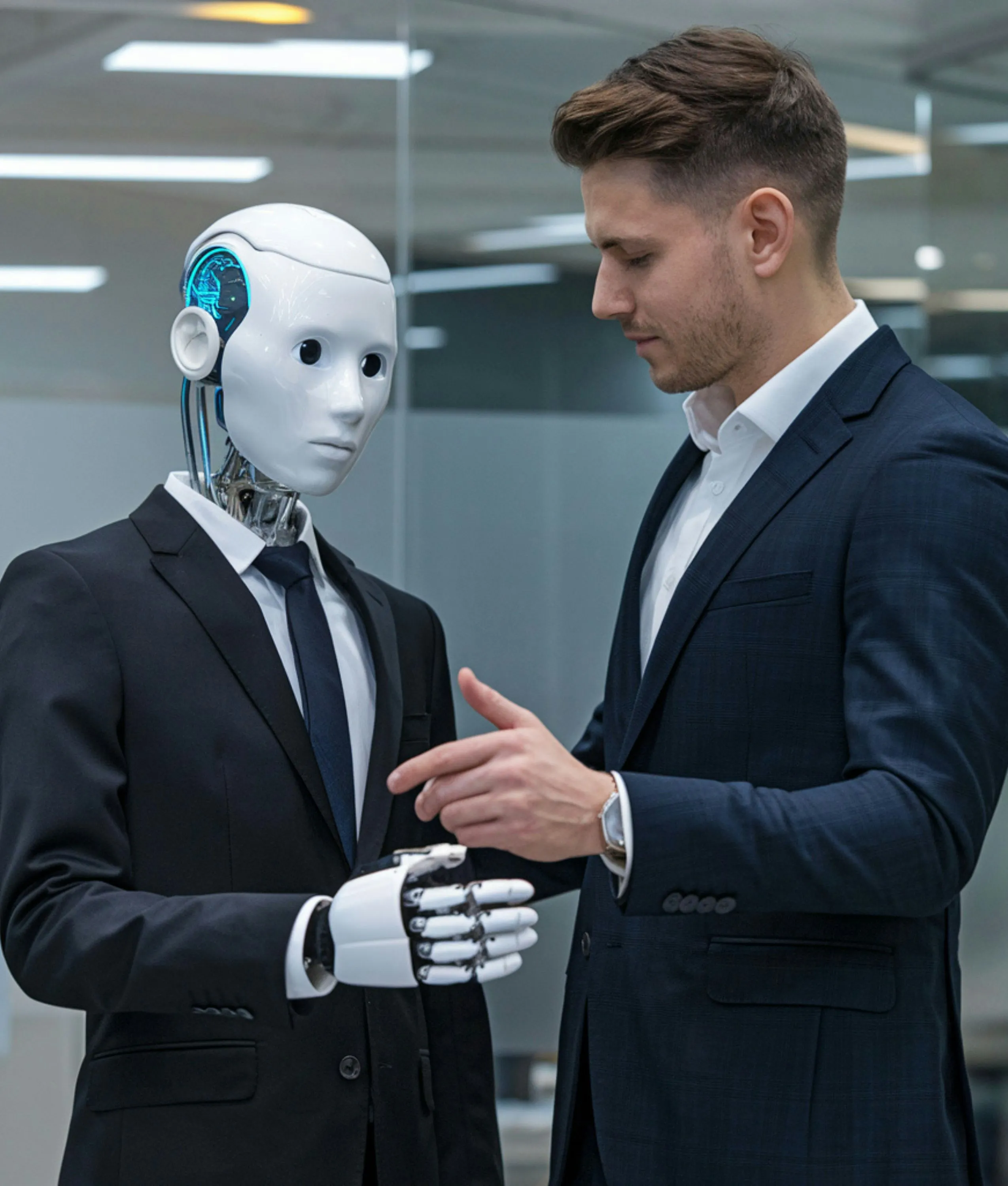
The most important thing you can have isn't a specific job. It's being able to adapt.
Careers will be about the skills you can take from one job to another: talking to people, solving problems, knowing your way around computers, and picking up new things quickly.
People who can mix creative thinking with tech skills will do well. But those who depend on doing the same old tasks every day might find it hard to keep up.
The future is for people with many skills, not those who can only do one thing.
AI Isn’t Taking Over: But It Is Changing the Rules
AI won't put all of us out of work, but it will replace those who don't learn how to use it.
By 2030, AI is going to be a part of everything we do, from school and healthcare to banking, entertainment, and even how we make choices every day.
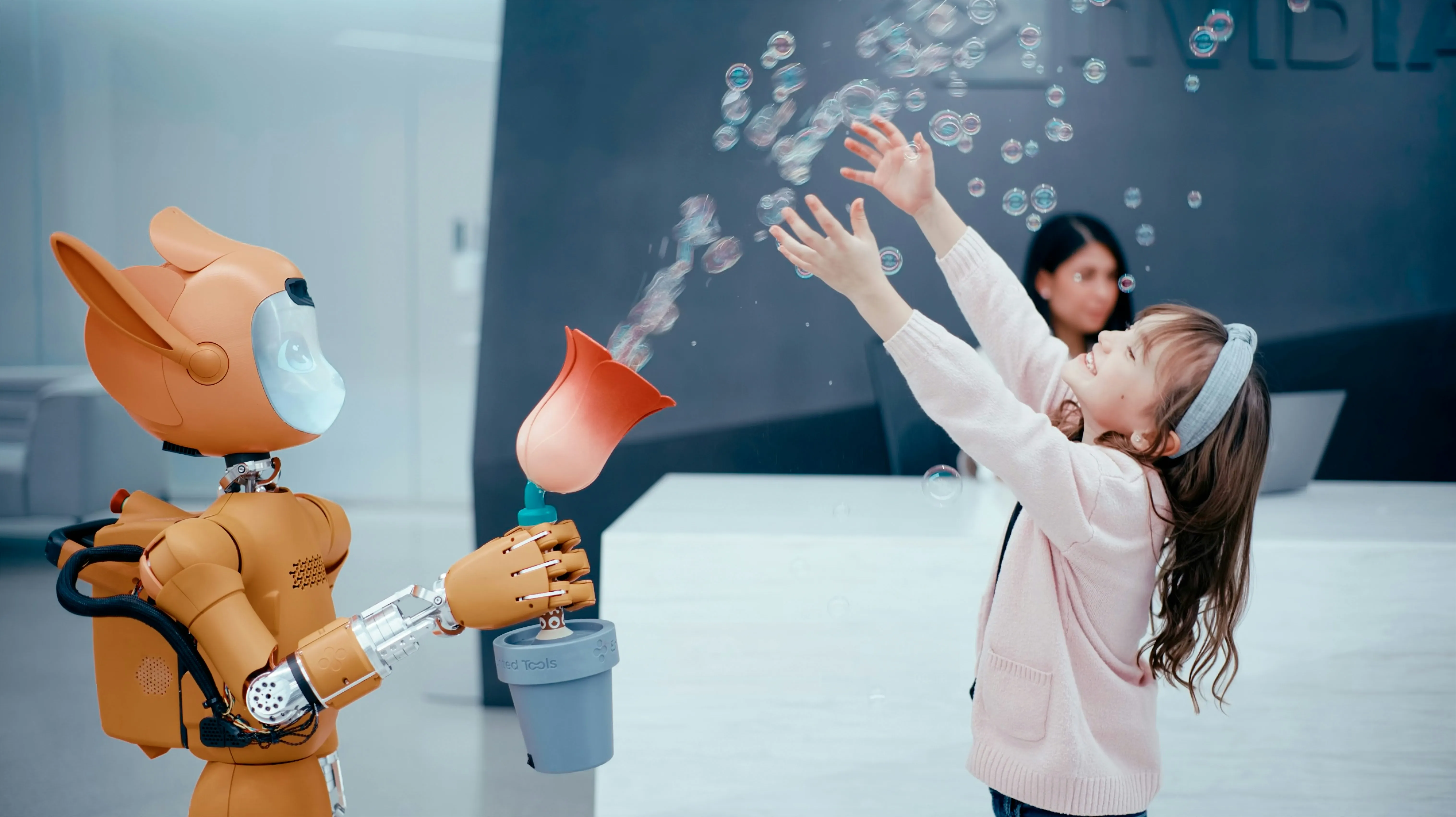
Knowing how to use AI won't be optional; it'll be like knowing how to use the internet today.
People who learn to use AI the right way will have a huge advantage. People who ignore it might find themselves falling behind and not even know why.
The point is not to fight AI, but to work with it.
Money in 2030: Income Will Be Flexible, Not Fixed
The way we think about money is changing. Things like side gigs, online businesses, freelancing, and making money as a creator are becoming common. They're not unusual anymore.
By 2030, having money won't just mean having one job. Instead, people will have different ways of earning.

They will make money from their skills, what they create, online stuff they own, and services they offer online, no matter where they live.
Knowing about money will be a must. It is very important to understand things like how to budget, the basics of investing, taxes, and how to use online payment methods. This will be a key skill for everyone.
In the future, being aware and informed about money will be more important than just working hard.
Digital Identity Will Matter as Much as Real-Life Identity
Online life and the real life are now one and the same. By 2030, your digital identity will play a very big role in your education, career, and how much can people trust you.
Everything you share, make, or interact with online will stick with you moving ahead in your life. Your personal brand, whether you plan it or not, will impact how people see you.

Privacy will be even more important. Knowing how to keep your data safe, avoid being tricked, and manage what people see about you online will be essential.
Going offline won’t keep you safe going forward, it might just make you disappear.
Climate Reality: Adaptation Will Be Part of Daily Life
By 2030, climate change will be more than just a faraway problem. It will change how much we pay for food, where we can live comfortably, our health, and how people move from place to place.
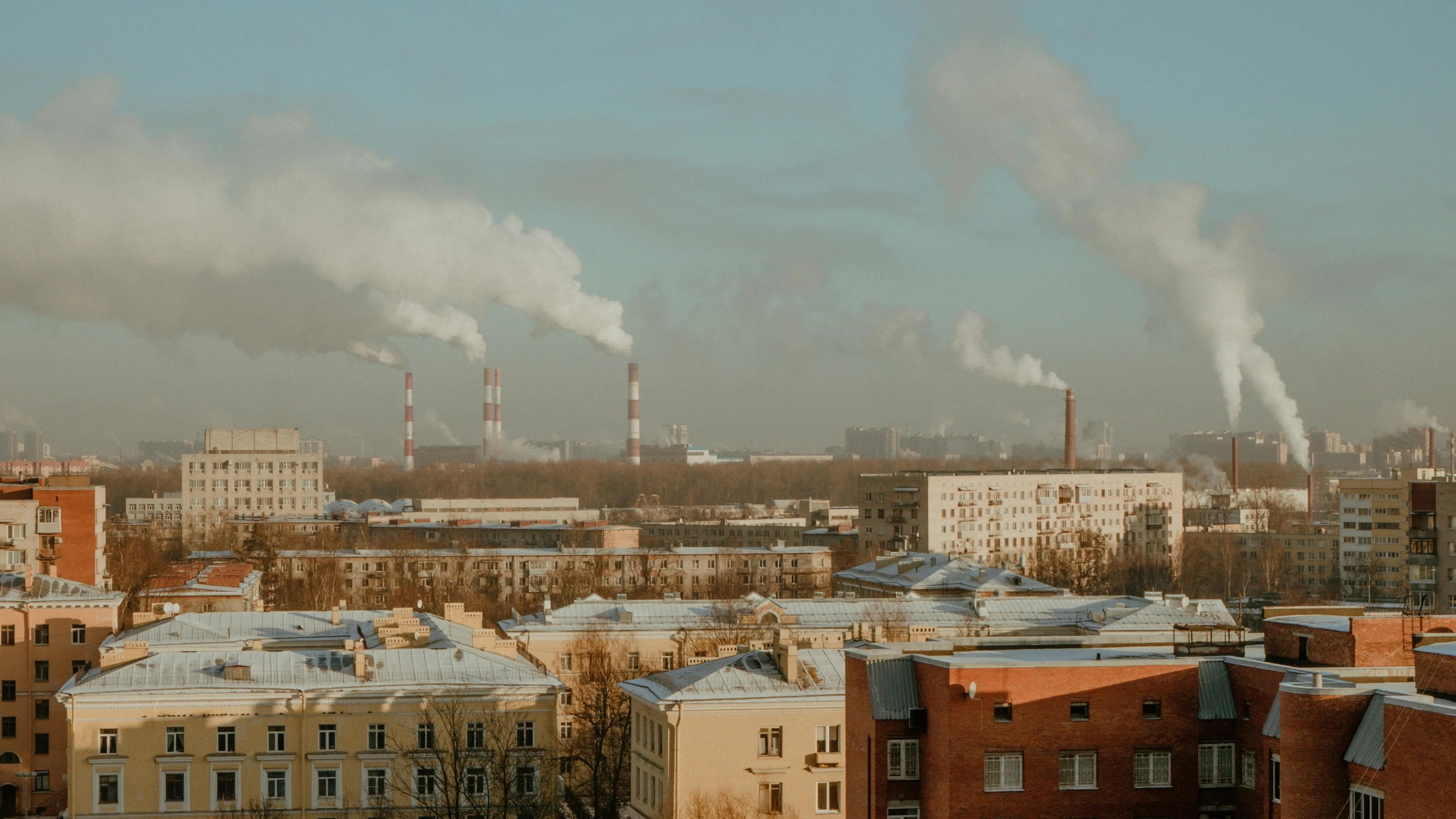
In the future, people who get how important it is to live in a way that can be kept up will do well. It's not just about protesting, but about being sensible. Using less energy, buying things wisely, and knowing about the environment will really make life better.
We'll stop talking about saving the planet and start talking about living on it in a smart way.
Mental Strength Will Be the Most Underrated Skill
Being always online has its good parts, but it can also lead to burnout. By 2030, expect even more non-stop info, the urge to compare yourself to others, and general pressure.
Staying mentally strong will be key to getting by.

If you can focus, switch off, handle stress, and think for yourself, you'll do great. If not, you might feel like it's all too much. Being able to pay attention will be super valuable, and controlling what gets your attention will give you an edge.
The future will challenge how well you handle your emotions, not just how smart you are.
Education Will Be Continuous, Not One-Time
Graduation isn't the end of learning, it's really just the beginning.
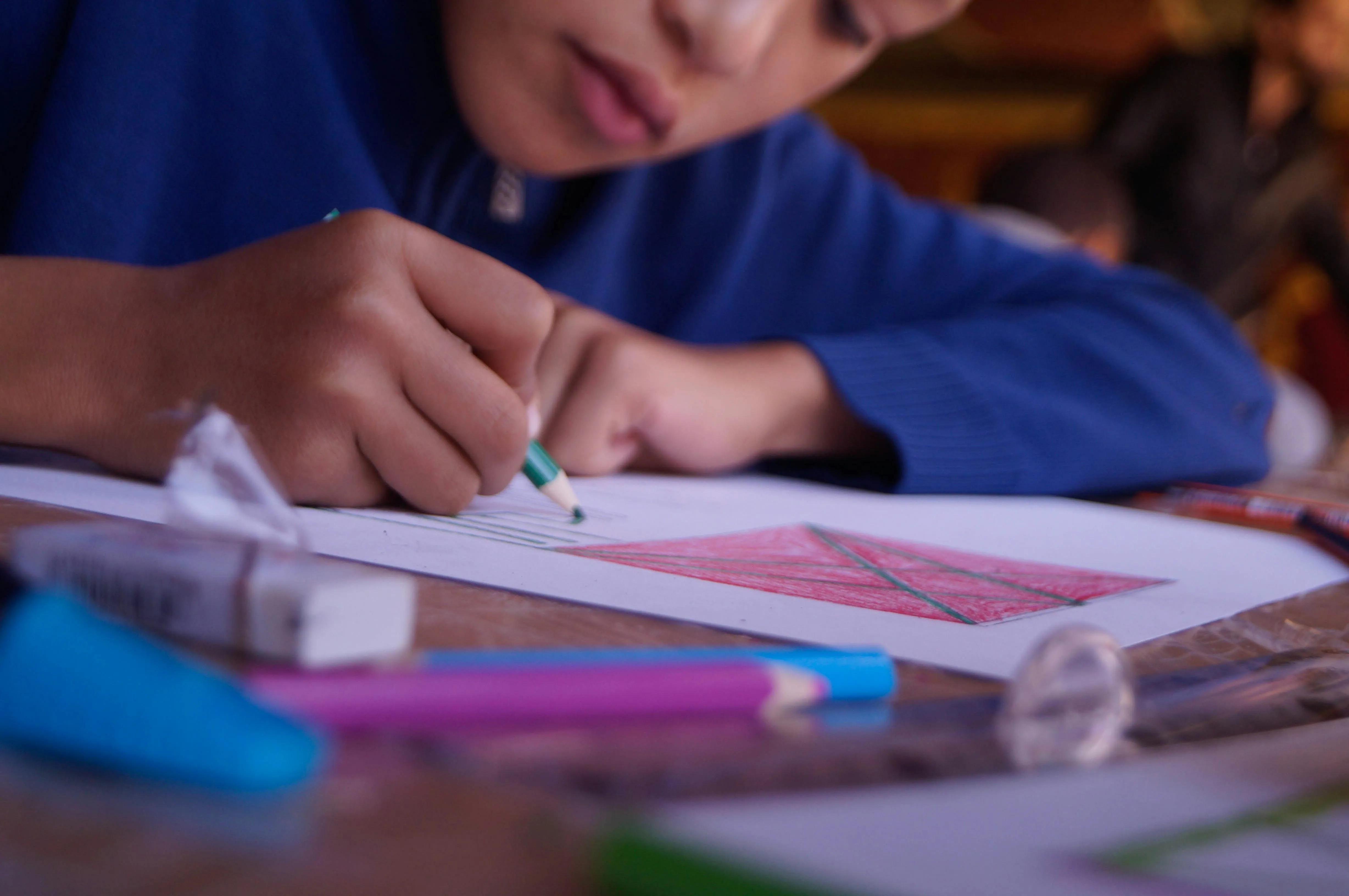
By 2030, expect to be constantly picking up new skills online, through quick courses, and by tackling problems head-on. Knowledge is changing so fast that being curious and teaching yourself will be worth more than any diploma.
If you keep learning, you'll keep working.
Final Thoughts: 2030 Belongs to the Prepared
Don't fear the future, get to know it.
Making it to 2030 isn't about being a fortune teller. It's about being ready to learn, knowing yourself, and staying sharp. If you're good at learning skills, protecting your mental health, and understanding money, you'll do great as the world changes.
2030 is coming fast. Get ready now.
Google FAQs
What skills will be important by 2030?
Adaptability, digital literacy, AI understanding, communication, and emotional intelligence will be essential.
Will AI replace jobs by 2030?
AI will replace repetitive tasks, but it will also create new roles for those who learn to work alongside it.
How can people prepare financially for 2030?
By learning financial literacy, diversifying income, and understanding digital finance tools.
Why is digital identity important in the future?
Online presence affects credibility, career opportunities, and personal security.
Is 2030 really going to be that different?
Yes. Changes in technology, climate, work culture, and mental health will reshape daily life significantly.