

Gaming
Jan 23, 2026
Confused between ATX, Micro-ATX, and Mini-ITX case sizes? This 2026 guide explains key differences, compatibility, airflow, noise, upgrade potential, and the best choice for your gaming PC build. Photo by: ABGN
Picking the right case size is a key part of building your own gaming PC that people often get wrong. Many first-time builders think case size is just about looks, but it plays a role in many things:
What parts fit
How cool your PC runs
How loud your PC is
If you can upgrade later
How hard it is to build
How much it costs and how easy it is to move
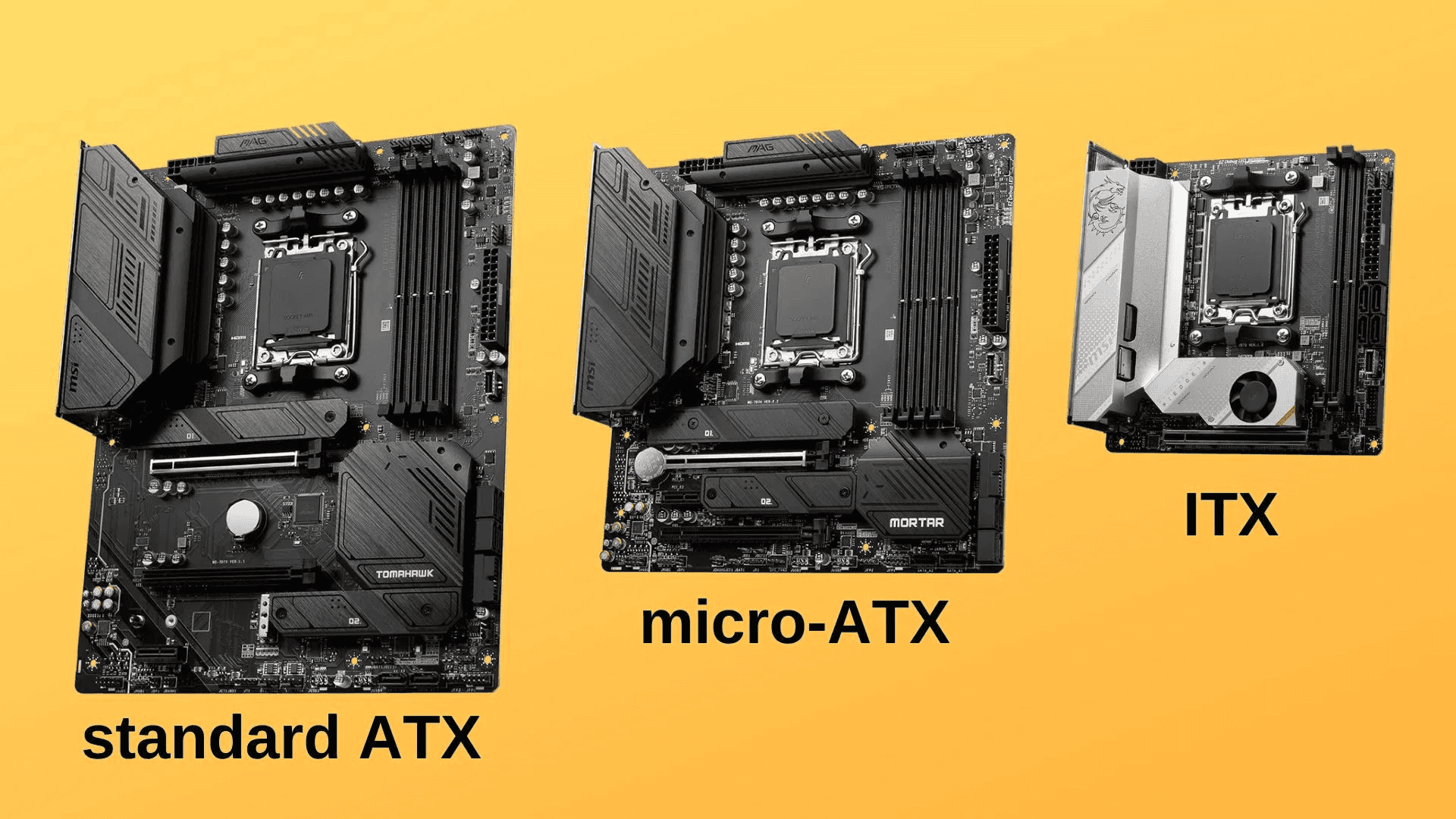
Now, PC cases are more adaptable. But before picking a layout, it’s important to know the differences between ATX, Micro-ATX (mATX), and Mini-ITX (ITX).
Every PC case works with a specific motherboard size. These three are the most popular:
Form Factor | Size | Mounting Holes | Common Use |
|---|---|---|---|
ATX | Biggest | Standard ATX pattern | High-power, flexible, complete builds |
Micro-ATX (mATX) | Mid-size | ATX-width, shorter | Affordable or smaller mainstream builds |
Mini-ITX (ITX) | Smallest | Designed for two slots | Small PCs |
ATX is the go-to case size for gaming PCs.
What's Good:
Fits all big graphics cards
Best for airflow and cooling
Can hold many storage drives
Room for extra parts
Easiest to build in for beginners
Keeps your system cooler and quieter
What's Not:
Takes up more space
Costs a little more
Not great for tiny desk setups
Good for:
High-end gaming
Streaming and recording
Overclocking
Workstations
People planning upgrades
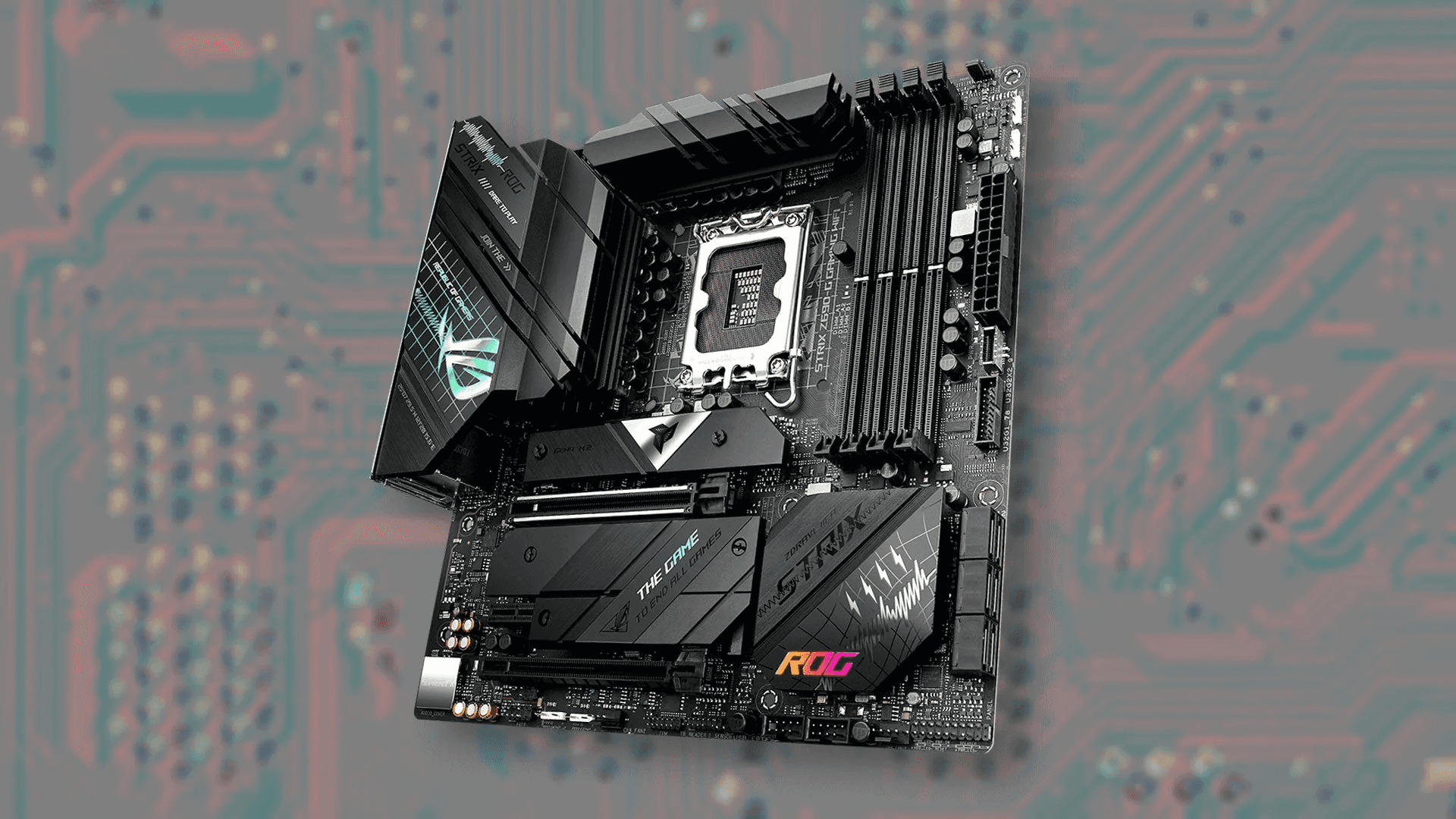
Micro-ATX is between ATX and Mini-ITX. It’s great if you want power without a huge tower.
What's Good:
Smaller than ATX
Motherboards are usually cheaper
Fits many big graphics cards and coolers
Often as good as ATX for performance
Good airflow in new mATX cases
What's Not:
Fewer slots than ATX
Fewer options for adding storage
Fewer case choices than ATX/ITX
Good for:
Mid-range gaming
Affordable PCs
People who want smaller systems that are simple
Desks with little space
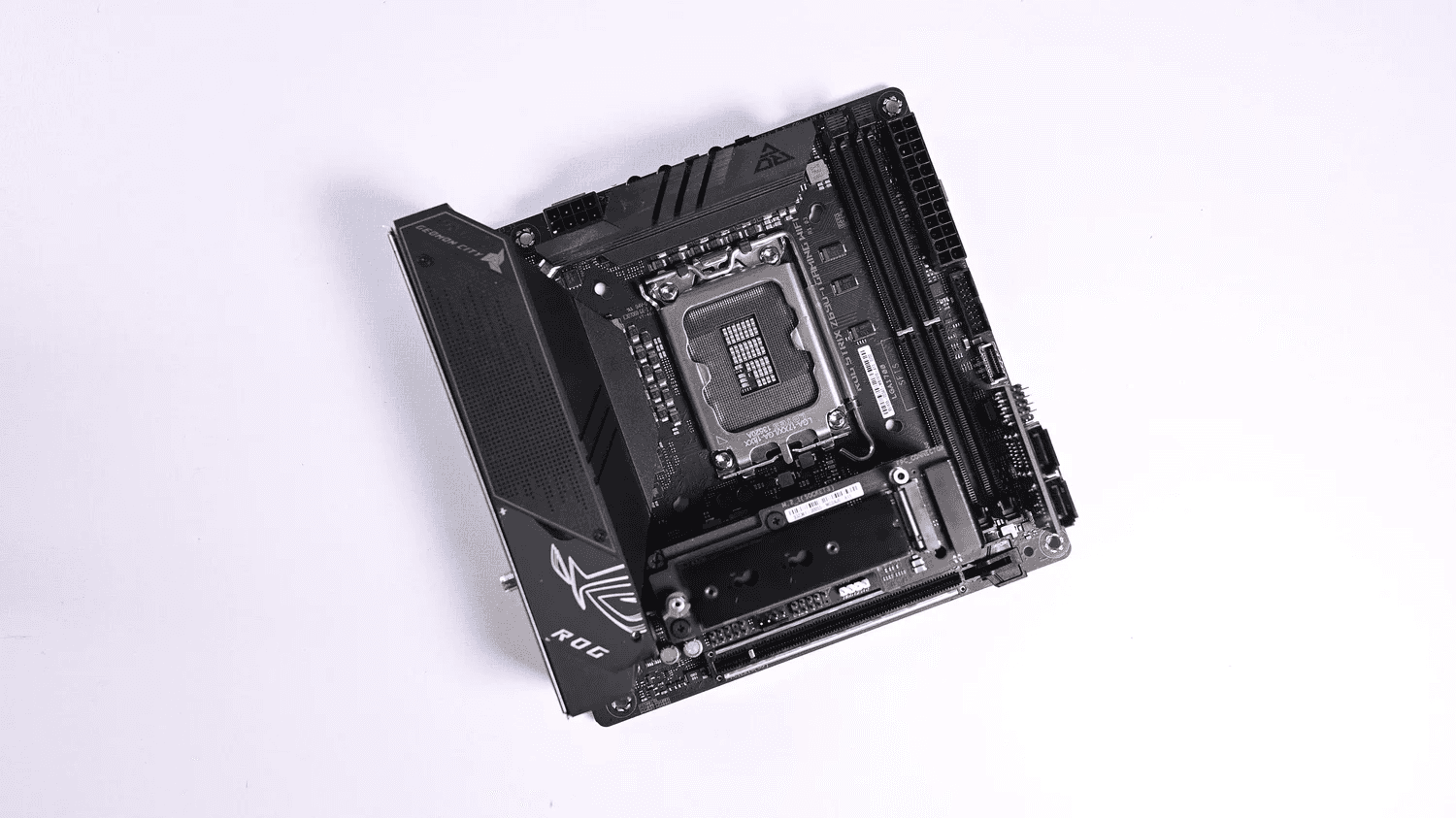
Mini-ITX PCs are super small, perfect for simple setups or travel.
What's Good:
Very small
Great for small desks
Looks good, easy to move
ITX cases support high-end graphics cards
What's Not:
Airflow is limited, so things can get hot
Harder to build in (tight spaces, cables)
Fewer M.2 slots
ITX motherboards cost more
Can’t use big air coolers
Good for:
Simple gaming setups
Gaming on the go
Living room gaming
People who like a building challenge
Feature | ATX | Micro-ATX | Mini-ITX |
|---|---|---|---|
Motherboard Size | Biggest | Mid-size | Small |
Slots | 3-4 | 2-3 | 1 |
Graphics Card | Great | Great | Good |
Airflow | Best | Good | Limited |
RAM Slots | 4-8 | 2-4 | 2 |
Storage | Most | Some | Least |
Build Difficulty | Easy | Easy | Hard |
How Easy to Move | Low | Medium | High |
Go with ATX if you want:
Room to upgrade
Best airflow
A high-end gaming PC
Lots of storage slots
Simple to build
Good for Gamers.
Go with Micro-ATX if you want:
Good performance for less
A smaller case
Good value for mid-range builds
A solid setup for 1080p/1440p gaming
Good for budget gamers.
Go with Mini-ITX if you want:
The smallest PC
A nice, simple look
A portable gaming system
A fun challenge with a cool result
Good for small-desk users.
Part | ATX | Micro-ATX | Mini-ITX |
|---|---|---|---|
RTX 4070 | Fits | Fits | Fits |
RTX 4080 | Fits | Fits | Only if it fits tight |
RTX 4090 | Fits | Not all cases | Rarely |
Ryzen 7/9 + 280mm | Fits | Fits | Only if it fits tight |
Custom water loop | Perfect | Limited | Not a good idea |
Best Overall: ATX - best airflow and space
Best Value: Micro-ATX - smaller, cheaper, still good
Best for Small Setups: Mini-ITX - small, but needs planning
Choosing between ATX, Micro-ATX, and Mini-ITX depends on your space, budget, upgrades, and style. For most gamers, ATX is the best long-term. Micro-ATX gives you the best value. Mini-ITX is the best for being small and stylish.
Both work, but ATX has more slots. mATX is smaller and costs less.
Yes, usually. Small cases trap heat, but new ITX cases with mesh help.
Yes. They perform about the same as ATX but cost less.