Gaming
Jan 23, 2026
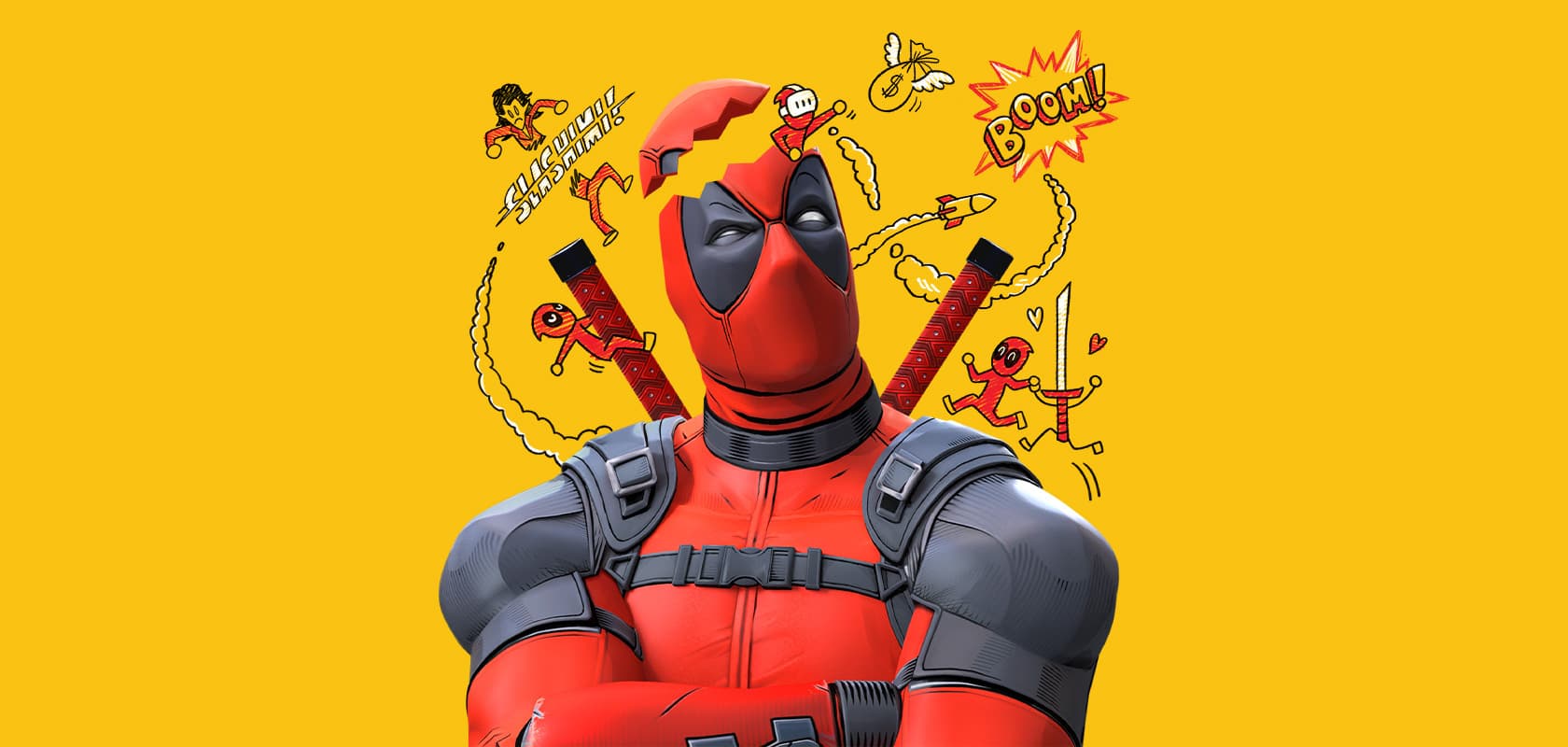
Deadpool VR brings together Twisted Pixel, Meta, and Lemon Sky Studios to create a polished, stylized, and high-energy VR experience. This blog breaks down every confirmed studio, artist influence, and visual team shaping the game’s unique look. Photo by: Marvel.com
Deadpool VR is more than just some VR game with a license slapped on it. It looks surprisingly good, runs smoothly, and has a clear artistic vision that you don't often see in Quest games that are on their own.
This article lists all the studios, artists, and other creative people who have been publicly announced as working on the game.
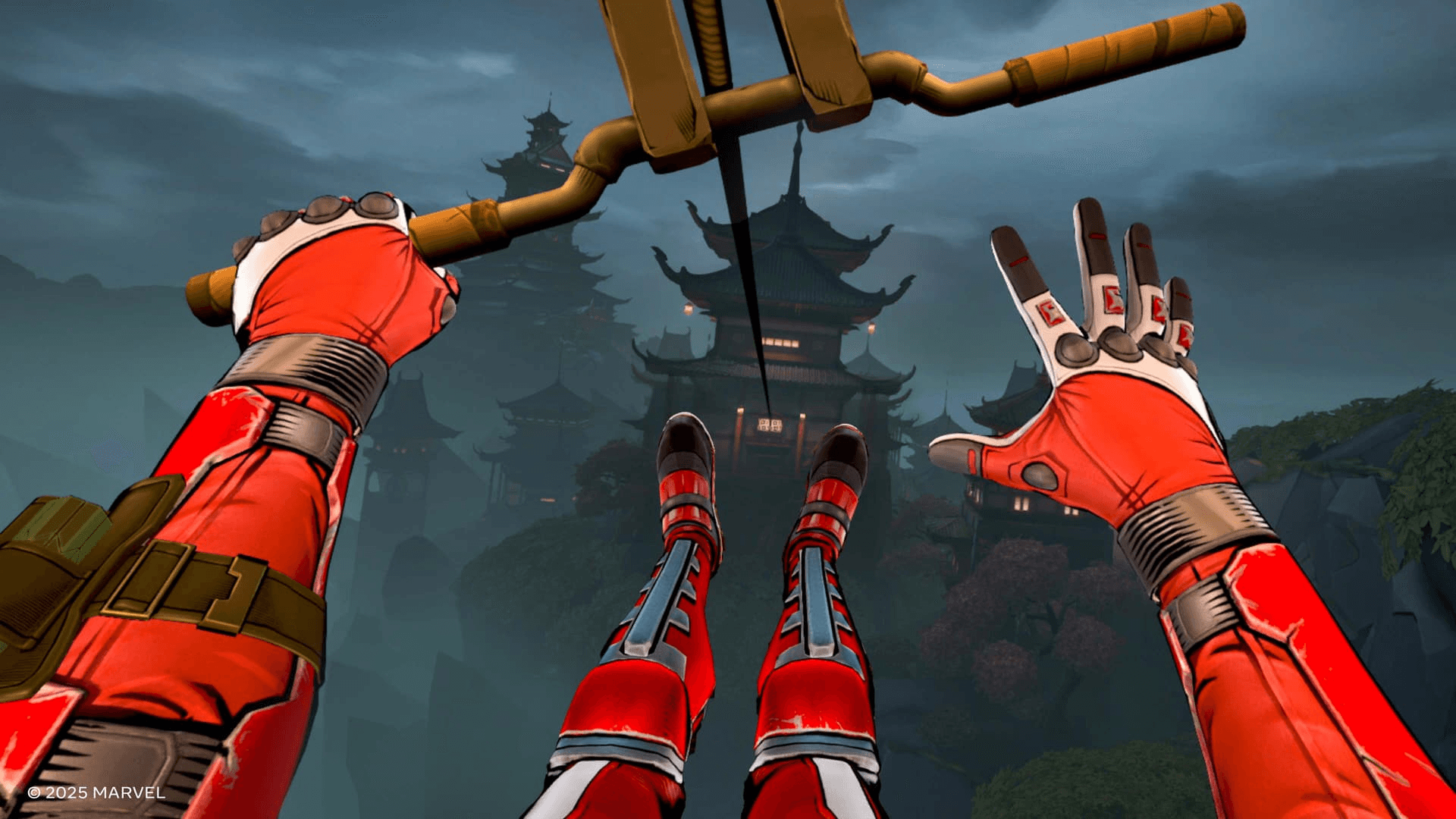
Twisted Pixel Games is the main team making Marvel’s Deadpool VR. Their cool style of big, bold characters, over-the-top animations, and easy-to-follow action is what the game's art look is all about.
Character and enemy design
Visual tone and stylization
Animation direction and comedic timing
Environment layout and VR-optimized geometry
VFX clarity for fast-paced combat
Interaction design and hand/weapon visual feedback
Their earlier VR projects (Wilson’s Heart, Path of the Warrior, Defector) display the same hybrid of comic energy + functional clarity that’s now adapted to Deadpool’s chaotic personality.
Oculus Studios/Meta provided financing, performance direction, and platform optimizations specifically for Quest hardware.
Rendering budgets and performance constraints
Lighting standards and scene clarity
Model optimization for VR comfort
Color readability for high-speed melee/ranged combat
Polished cinematics and set-piece presentation
Basically, Meta helped a lot, which is why Deadpool VR looks so much better than other Quest games.
Lemon Sky Studios, a well-known AAA art studio, is the only confirmed external art partner.
Detailed environment modeling
Props and weapon art
Scene setup and material choices
Texture improvements
Cinematic environment upgrades
If any area, weapon, or prop in Deadpool VR looks super polished for a mobile VR game, Lemon Sky probably worked on it.
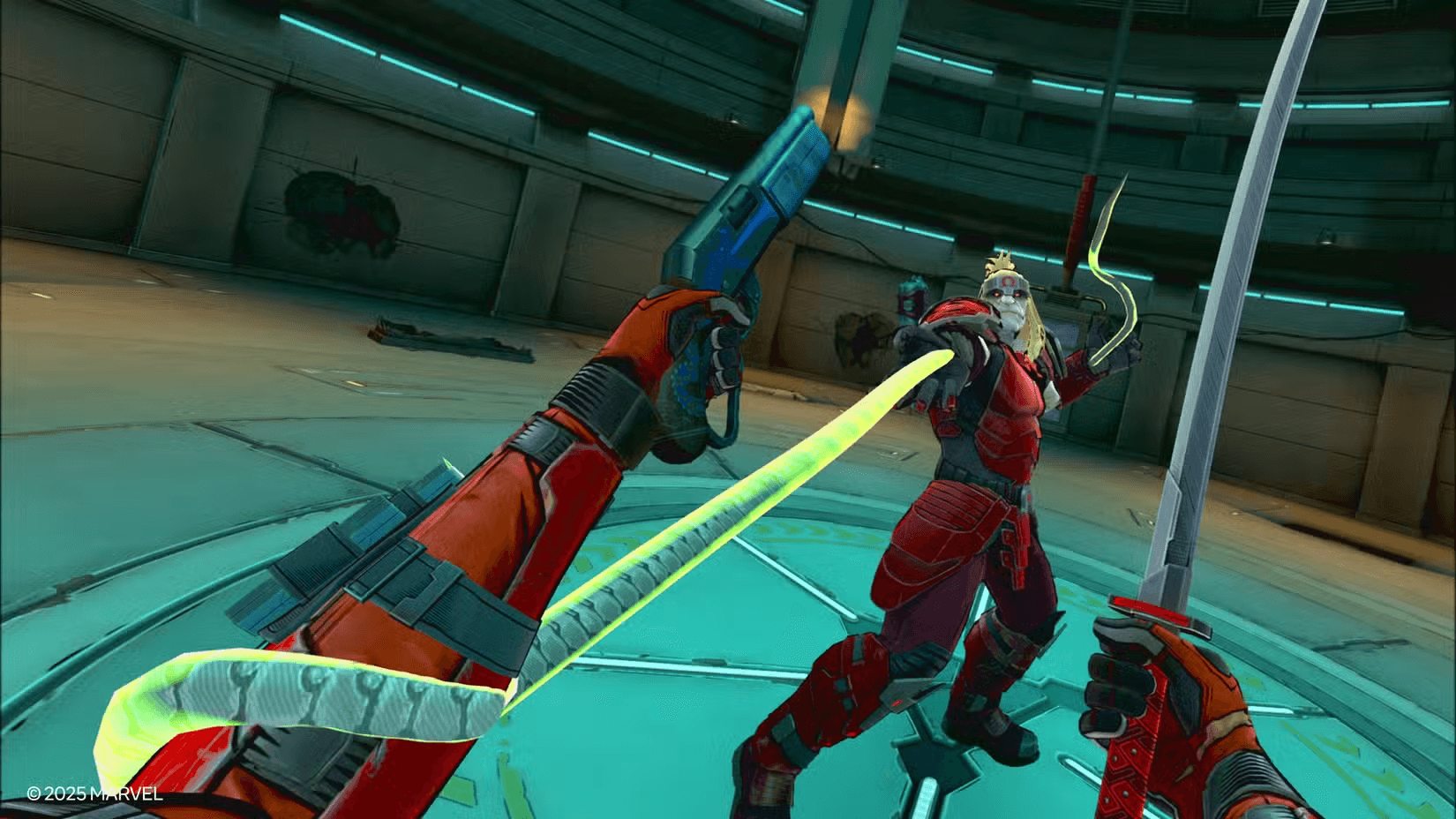
He took some ideas from Deadpool, like the jokes, how the world feels, the missions, and how the fights look and feel.
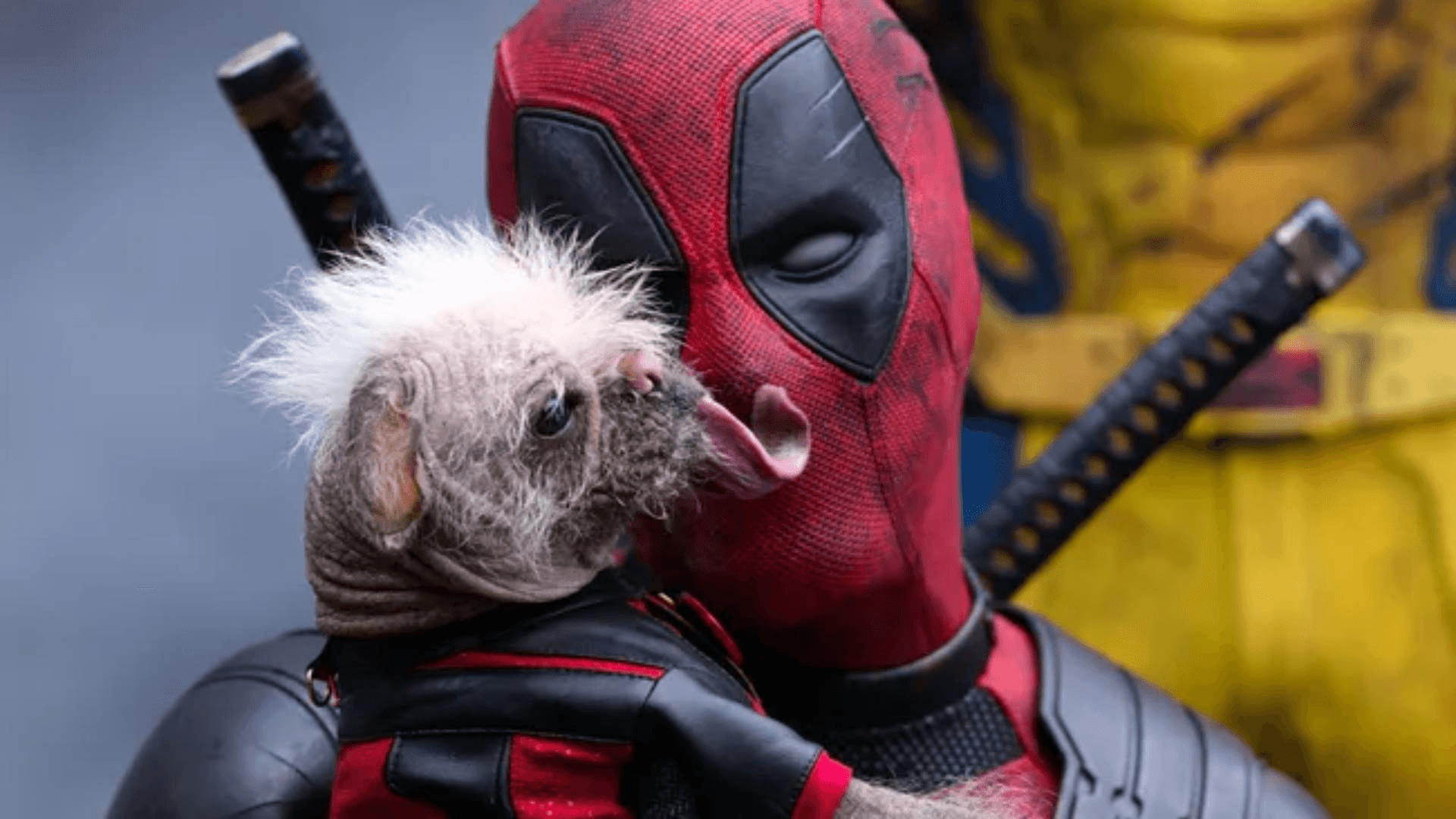
He made sure the gameplay is easy to understand. For example, how enemies show you what they're going to do, how the levels are set up, and how the VR stuff works. All this stuff changes how the game looks.
The director and designer worked closely together. That's why Deadpool VR balances craziness with clear gameplay.
VR performance really changes animation rigs, lip-sync speed, and how scenes are framed.
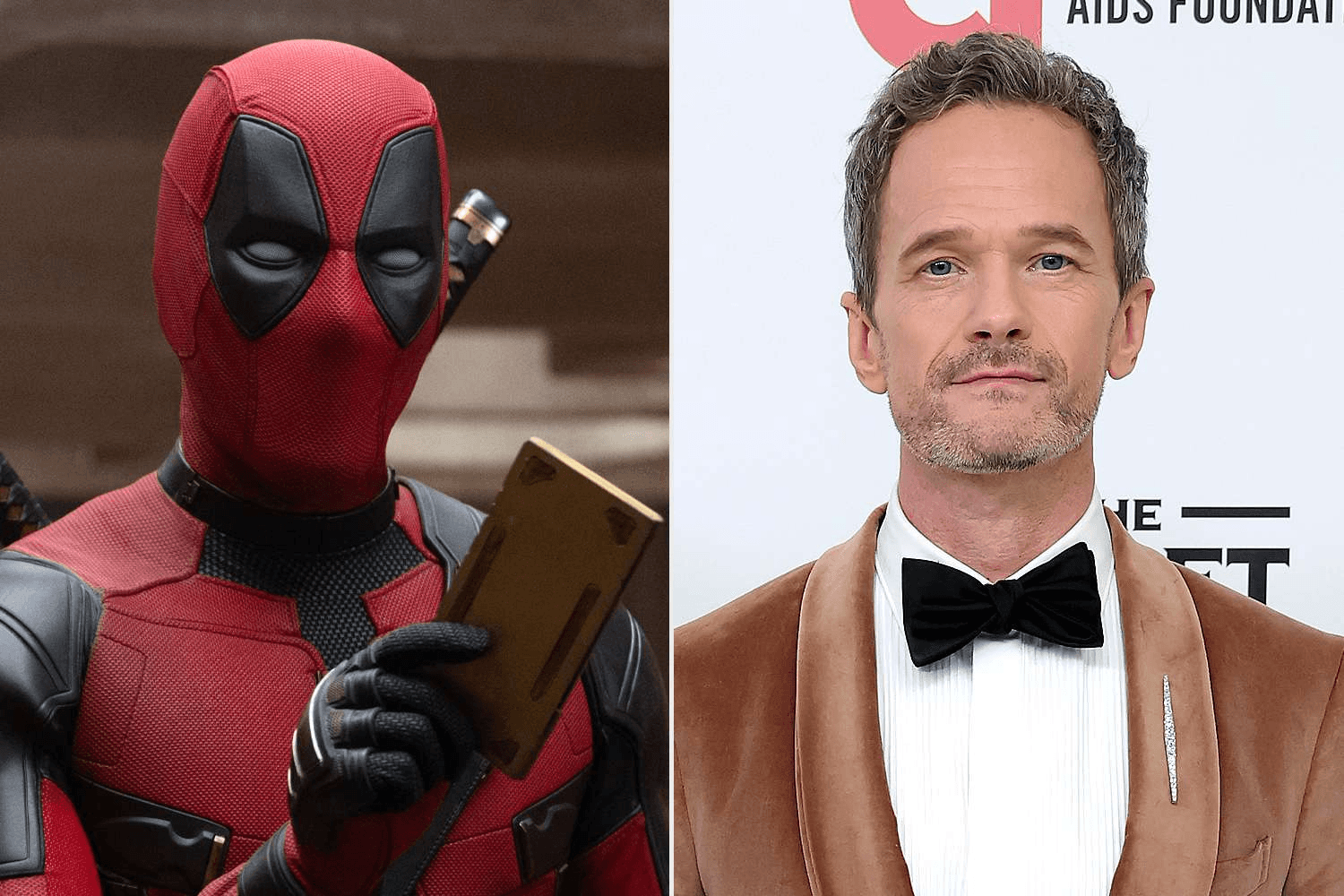
His delivery sets the tone for:
Animation exaggeration
Head movement rhythm
Timing of comedic beats
Staging of cutscenes and interactions
Mojo World’s surreal, TV-show-gone-mad visual identity is built around his eccentric vocal style and character energy.
Stylized comic-realism
Clean, high-contrast silhouettes
Exaggerated animation cycles
VR-friendly shaders with optimized lighting
Distinct multi-theme environments (Japan, Hell, Space, Mojo World TV arenas)
Color-coded combat readability
High-detail hero props and weapons
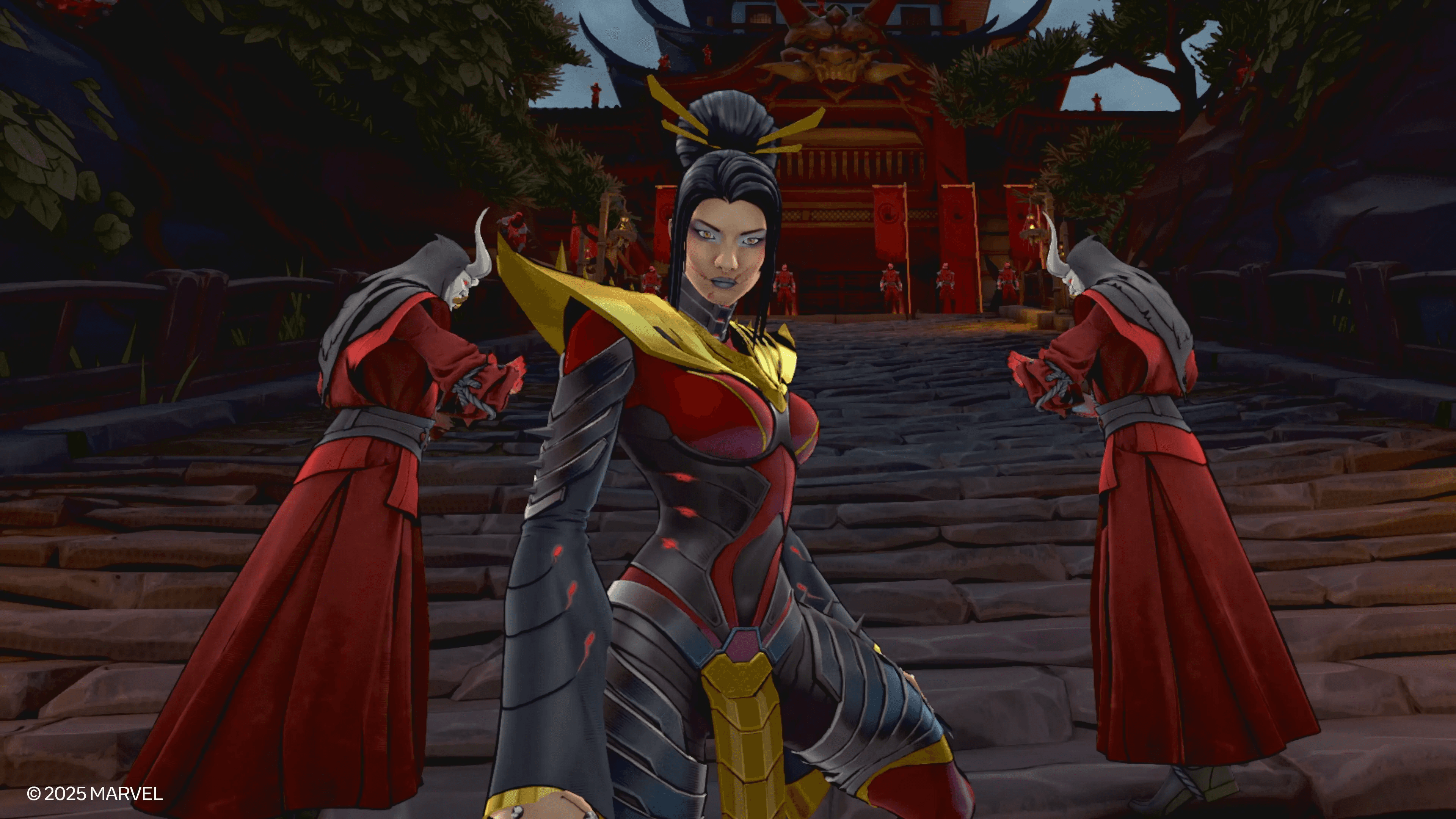
Performance-targeted geometry
Reduced visual noise for VR comfort
Emphasis on hand presence and weapon clarity
Scene composition designed for 360-degree awareness
The combined strengths of:
Twisted Pixel’s expressive direction
Meta’s optimization and quality control
Lemon Sky’s AAA production muscle
High-energy performances from Harris and Leguizamo
Produce a VR game that feels larger, cleaner, and more visually confident than the genre typically offers.
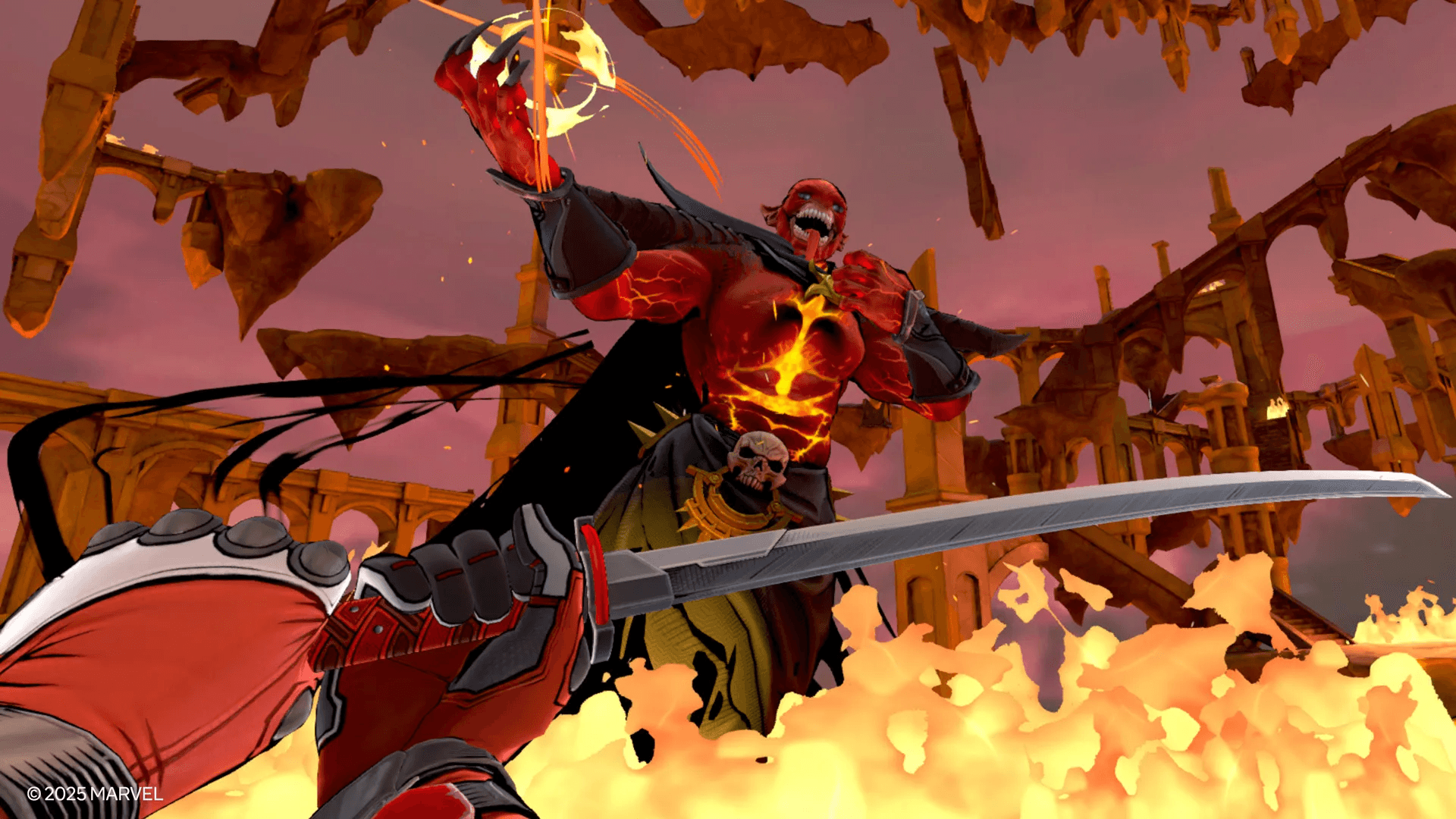
Faster, clearer combat readability
Distinct environments without visual dissonance
High-detail elements where players look most
Smooth performance on standalone hardware
As of now, neither Meta nor Twisted Pixel has published a full credit list naming every:
Concept artist
Environment artist
Character artist
Technical artist
VFX specialist
Animator
Those names live in the in-game credits and will likely surface through GDC talks, LinkedIn updates, or a post-launch art breakdown.
This blog will be updated once official credits are released.
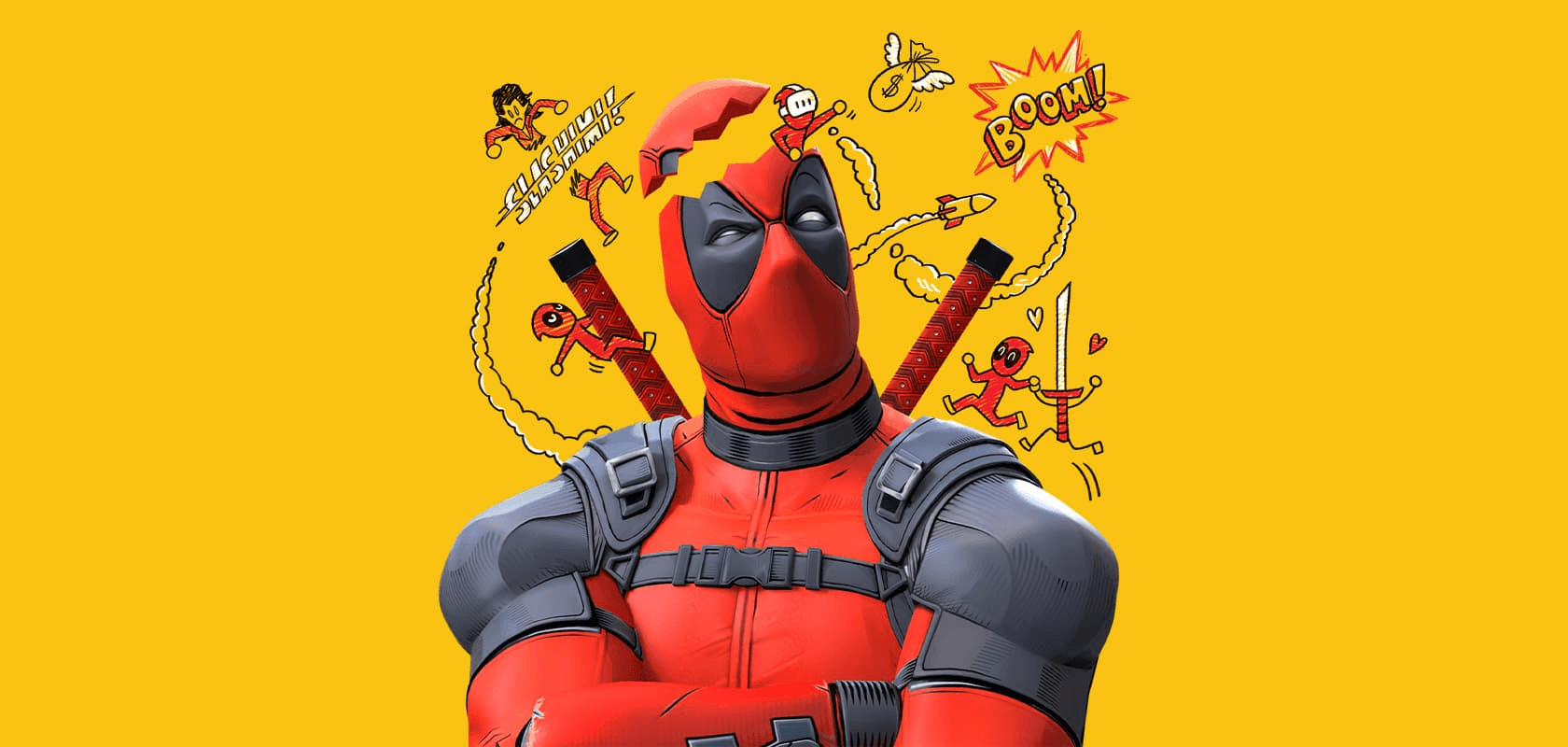
Deadpool VR from Marvel? It's brought to you by a small, but strong team of studios and artists. Twisted Pixel is in charge of the creative stuff, Meta made sure the VR looks awesome, and Lemon Sky helped make a ton of polished environments and props.
Mix that with some great acting. You get a really awesome-looking superhero game for VR.