Gaming
Jan 23, 2026
This complete 2026-2027 guide covers visas, salaries, skills, studios, job portals, and step-by-step strategies for non-EU game developers and artists. Photo by: Unsplash
Germany has become a top spot in Europe for people in the game industry. The government really helps game development, pay is good, and life is nice. Since there aren't enough skilled workers, Germany is looking for game developers, artists, designers, and tech experts from other countries.
If you're not from the EU and want to work in German games, this guide tells you what to do. It covers what skills and studios you need to know about, plus info on visas, salaries, and how to plan your move.
The gaming business in Germany is doing very well because:
Game studios get money from the federal and regional governments.
AAA, AA, and indie studios are getting bigger.
The mobile, PC, console, and simulation markets are strong.
It's hard to find skilled people for technical and creative jobs.
Germany says that game development is officially a job that needs more people in many tech areas. That helps foreign workers get sponsorships easier.
Companies usually hire foreign professionals because of the following reasons:
Gameplay Programmer
Engine / Tools Programmer
Unreal Engine Developer
Unity Developer
Technical Artist
Graphics / Rendering Engineer
Backend / Online Services Engineer
QA Automation Engineer
Game Designer
Level Designer
UI/UX Designer
Narrative Designer
3D Artist / Animator
Typically, it's easier to get a visa for a tech job than for a creative one.
Role | Annual Salary (EUR) | Annual Salary (USD) |
|---|---|---|
Junior Game Developer | €45,000 - €55,000 | $49,000 - $60,000 |
Mid-Level Developer | €60,000 - €75,000 | $65,000 - $82,000 |
Senior Game Developer | €80,000 - €100,000 | $87,000 - $109,000 |
Lead / Technical Director | €100,000 - €120,000+ | $109,000 - $131,000+ |
Game Designer | €50,000 - €70,000 | $54,000 - $76,000 |
Technical Artist | €65,000 - €85,000 | $71,000 - $93,000 |
The salaries meet the requirements for German work visas and EU Blue Cards.
Germany's gaming scene is centered around a few key cities:
Berlin is the biggest, with both indie developers and international studios.
Hamburg focuses on mobile and casual games, and it's home to many mid-sized companies.
Munich is where you'll find AAA game development, simulation work, and some of the highest salaries.
Cologne is all about publishing, middleware, and supporting AAA studios.
If you're coming from abroad, Berlin is probably the easiest place to settle in, since many workplaces use English and it has a large international population.
Lots of German game studios work in English and often sponsor visas for people.
Some of these studios include Ubisoft Blue Byte, Crytek, YAGER, InnoGames, Wooga, and King. Also, smaller indie studios might sponsor visas if they can't find someone local with the right skills.
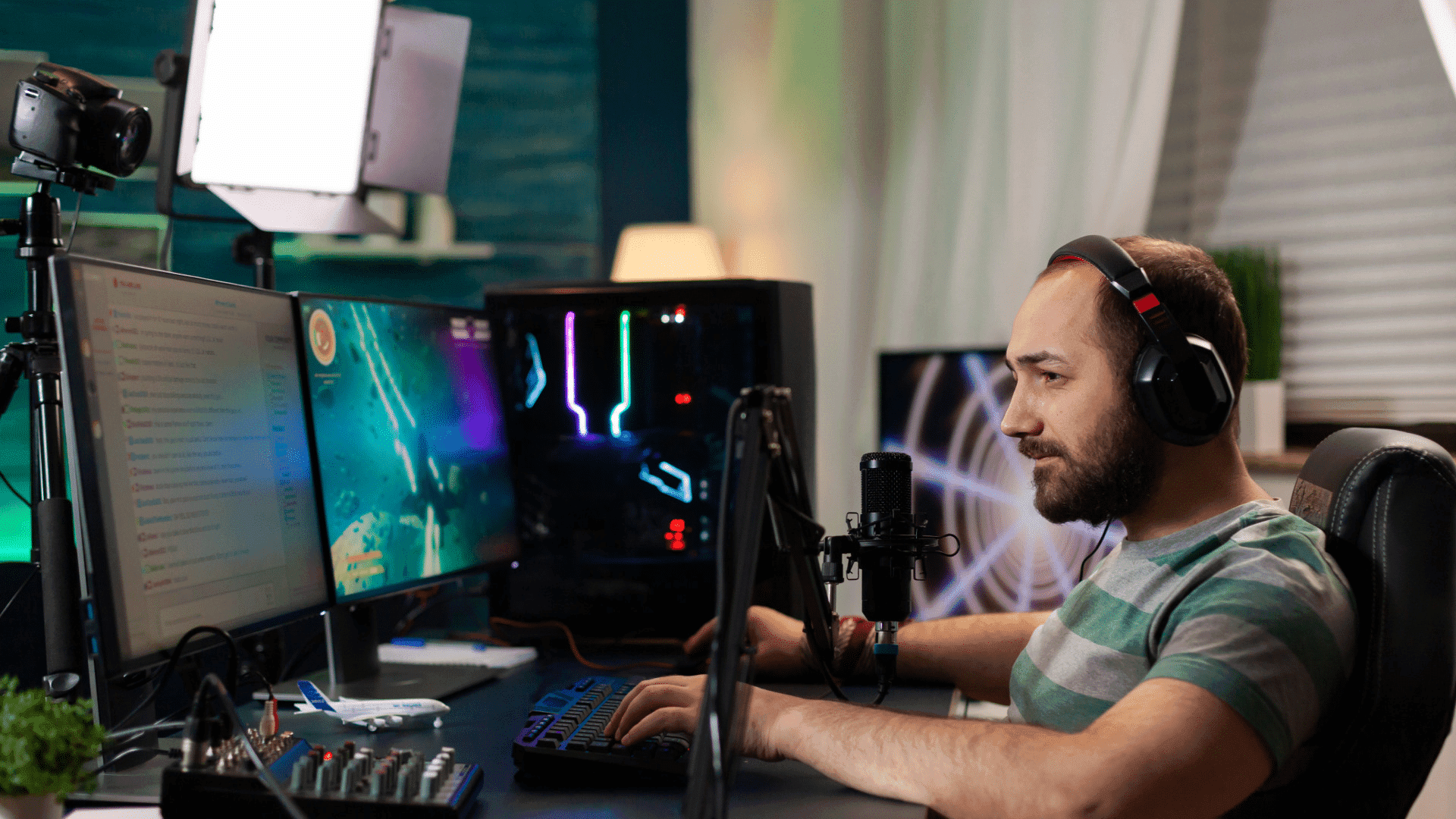
For most jobs in the gaming industry, English is the main language you'll need. Most studios work in English. Things like technical documents and meetings are usually done in English too.
Knowing German can help you get around day to day, but you don't have to speak German to get a job. Picking up some basic German can help you settle in better if you plan to stay, but it's not a must to get hired.
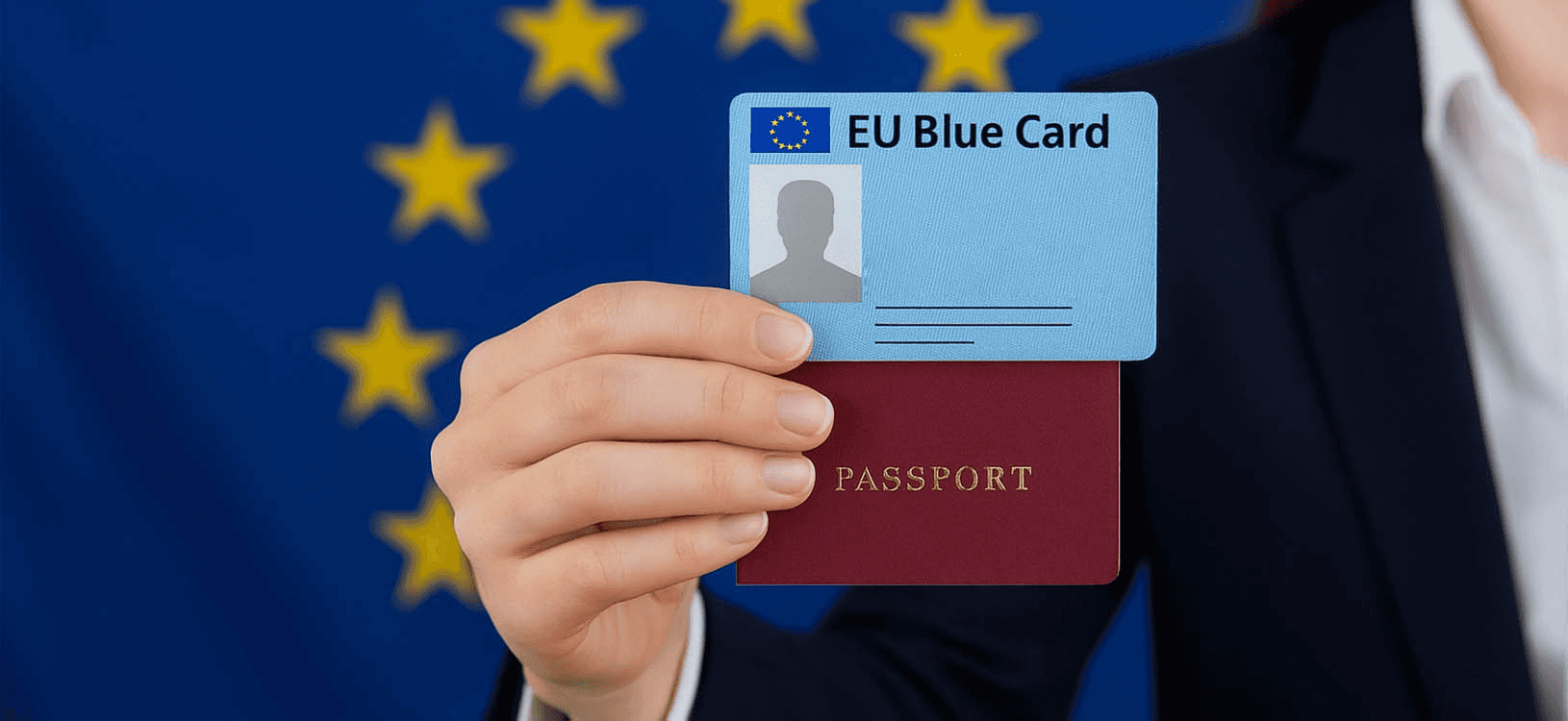
For game developers eyeing a move to Europe, the EU Blue Card is often the go-to visa.
What you'll need:
A degree that's recognized (or solid work experience that's seen as equal)
A job offer from a German firm
A minimum salary of around €45,300 (and sometimes less if the job is in an area where workers are needed)
Why it's good:
It gets processed quickly
It can lead to permanent residency
Your family can move with you easily
Even if you don't meet the Blue Card salary requirements, you can still get a work permit if your skills are needed and a company sponsors you, and if your qualifications are up to par.
This lets you stay in Germany for six months while you look for work. It's ideal if you have a lot of good work samples and experience.
GitHub: Great for coders.
Playable demos: Great for designers.
ArtStation: Great for artists.
Show off your finished works or prototypes.
LinkedIn Jobs (Germany)
Games Jobs Germany
GameDevJobs.io
Studio career pages
German skills aren't usually a must-have in job listings.
Make sure the offer includes:
Salary
Job title
Full-time contract
Your company usually helps you with the paperwork.
Applying without a portfolio
Targeting only creative roles with no experience
Not tailoring CV to EU standards
Ignoring visa salary thresholds
Assuming German language is mandatory
Yes. Germany actively hires foreign game developers, designers, and technical specialists, especially in programming and engine roles.
Yes. Many studios regularly sponsor EU Blue Cards and work visas for qualified candidates.
Germany offers easier visas, strong worker protections, and a high quality of life, though salaries may be lower than the US.
Germany is a great spot in Europe for foreign game developers in the next couple of years.
With a big need for developers, ways to get visas like the EU Blue Card, companies that speak English, and a growing game industry, it's a place where you can really build a career.
If you've got the skills people are looking for, a good portfolio, and a plan, landing a game job in Germany as someone from another country is totally doable.