Gaming
Jan 23, 2026
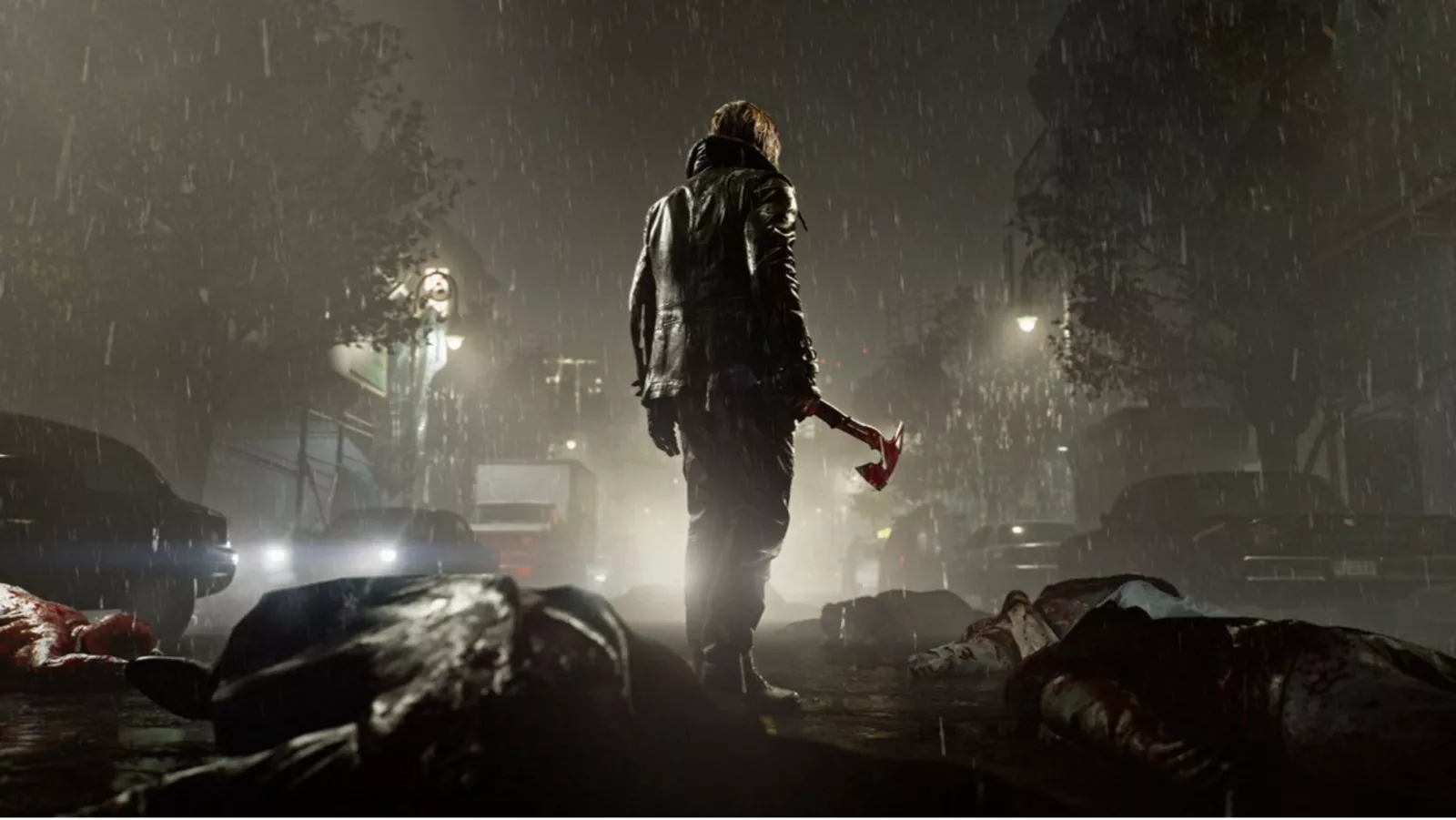
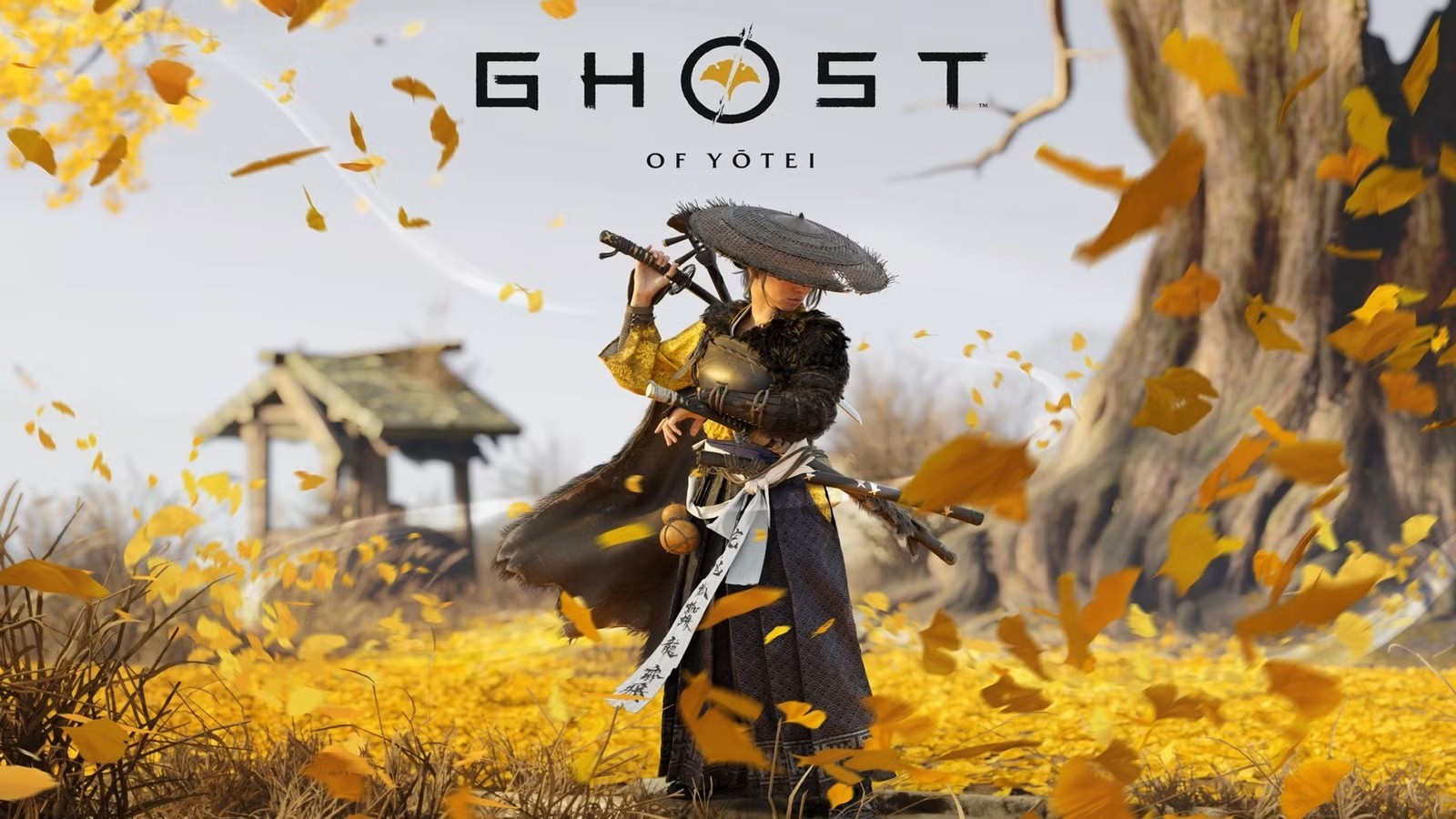
Discover how the DualSense Controller transforms sword-fights in Ghost of Yōtei, from haptic feedback to motion controls, making combat feel real and immersive. Photo by: XDA Developers
When you swing a sword in Ghost of Yōtei, the DualSense Controller works in meaningful ways, not just a simple buzz, but a feeling that the steel has landed.
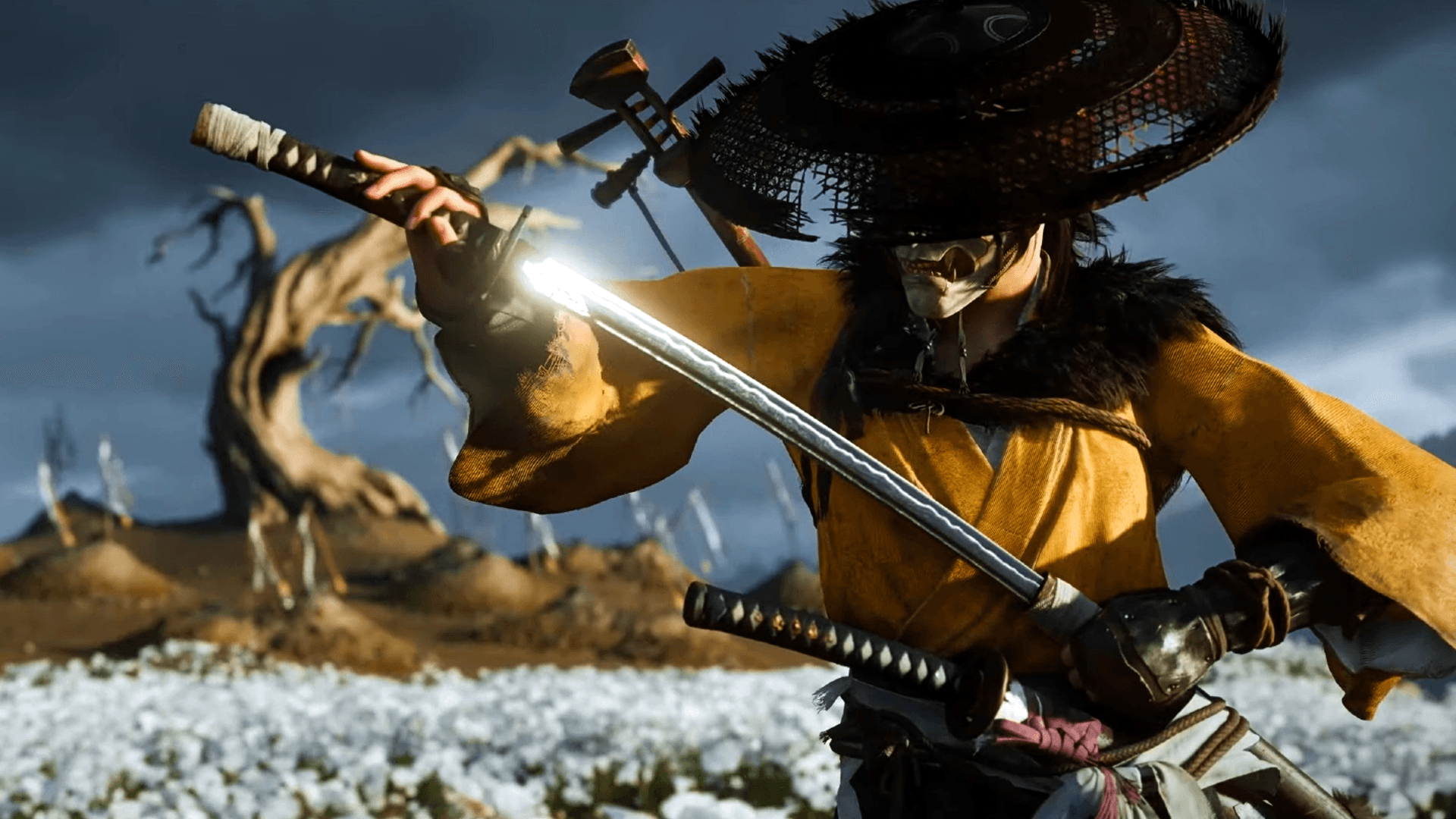
Reviewers say every clash of blades and every block sends a unique tactile pulse through the controller. This has a tendency to bring a new level of immersion: you do not just see the fight, you feel it in your hands.
Another feature of the DualSense is its adaptive triggers. In Yōtei, these triggers stiffen and release depending on how you strike, parry, or block.

One user described how the R2 felt “heavy when thrusting” and “slightly relaxed” when defending. This makes sword fights feel more tactile, as if your weapon has weight and momentum, improving the realism of combat.
Beyond vibrations and triggers, Yōtei uses the DualSense touchpad and motion sensors for the extra tactical interaction.
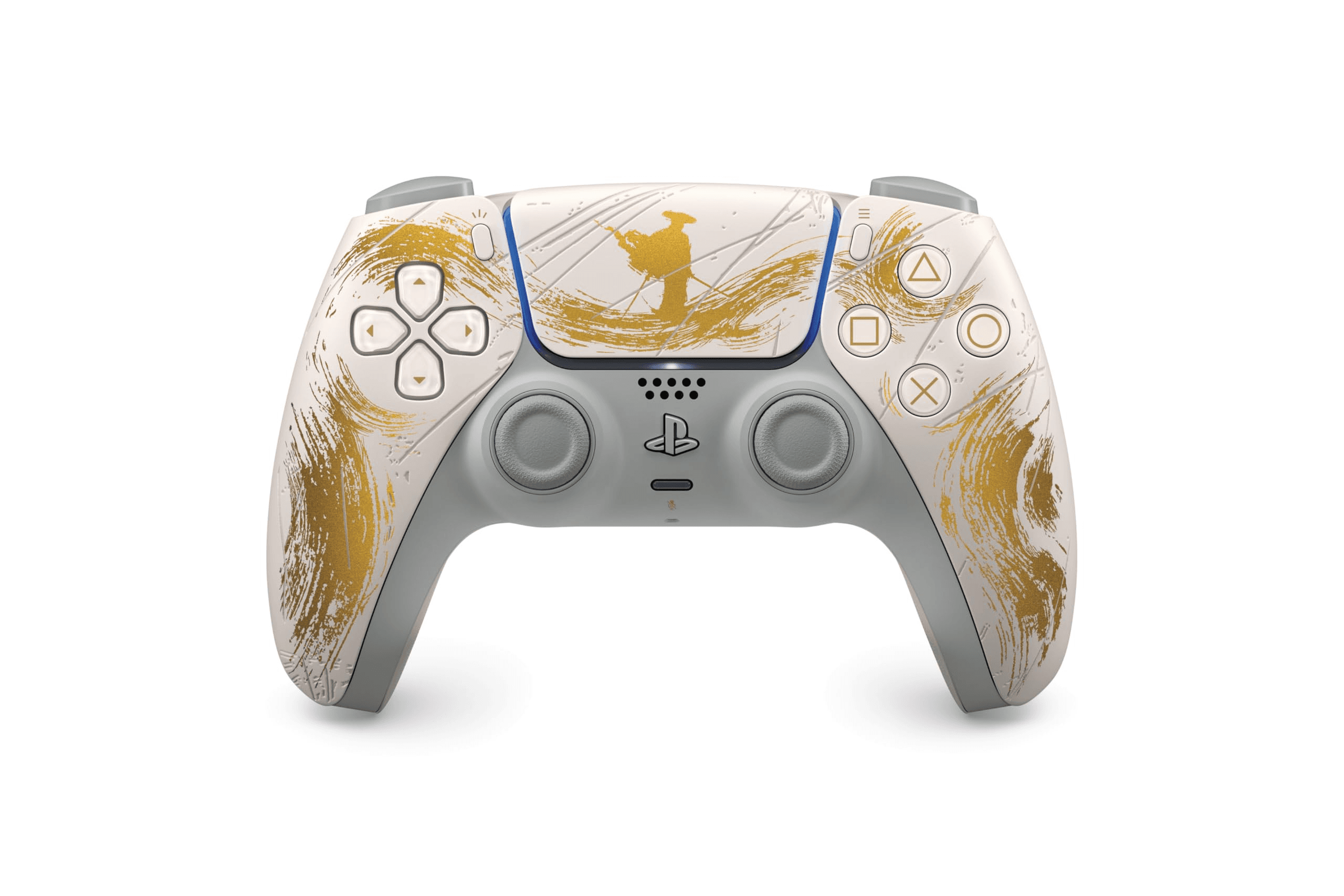
For example, you may flick the touchpad to draw your sword or tilt the controller when forging those weapons or cooking food at your camp.
These small interactions do not change the core fighting loop, but they add a subtle depth that many players find satisfying and novel.
Thanks to the DualSense’s features, sword fights in Yōtei ask players to pay attention to timing, weight, and feel.
The haptics tell you when your blade lands, the adaptive trigger tells you when your swing has slowed, and the motion controls keep your mind engaged.

Reviewers have also reviewed that this sensory feedback makes guarding feel sharper and strikes feel more powerful and important. As a result, fights thus become less about button-mashing and more about feeling the battle.
For new players who have not tried deep sword-based games, the DualSense features in Yōtei provide an accessible way to feel engaged in combat without needing perfect reflexes.
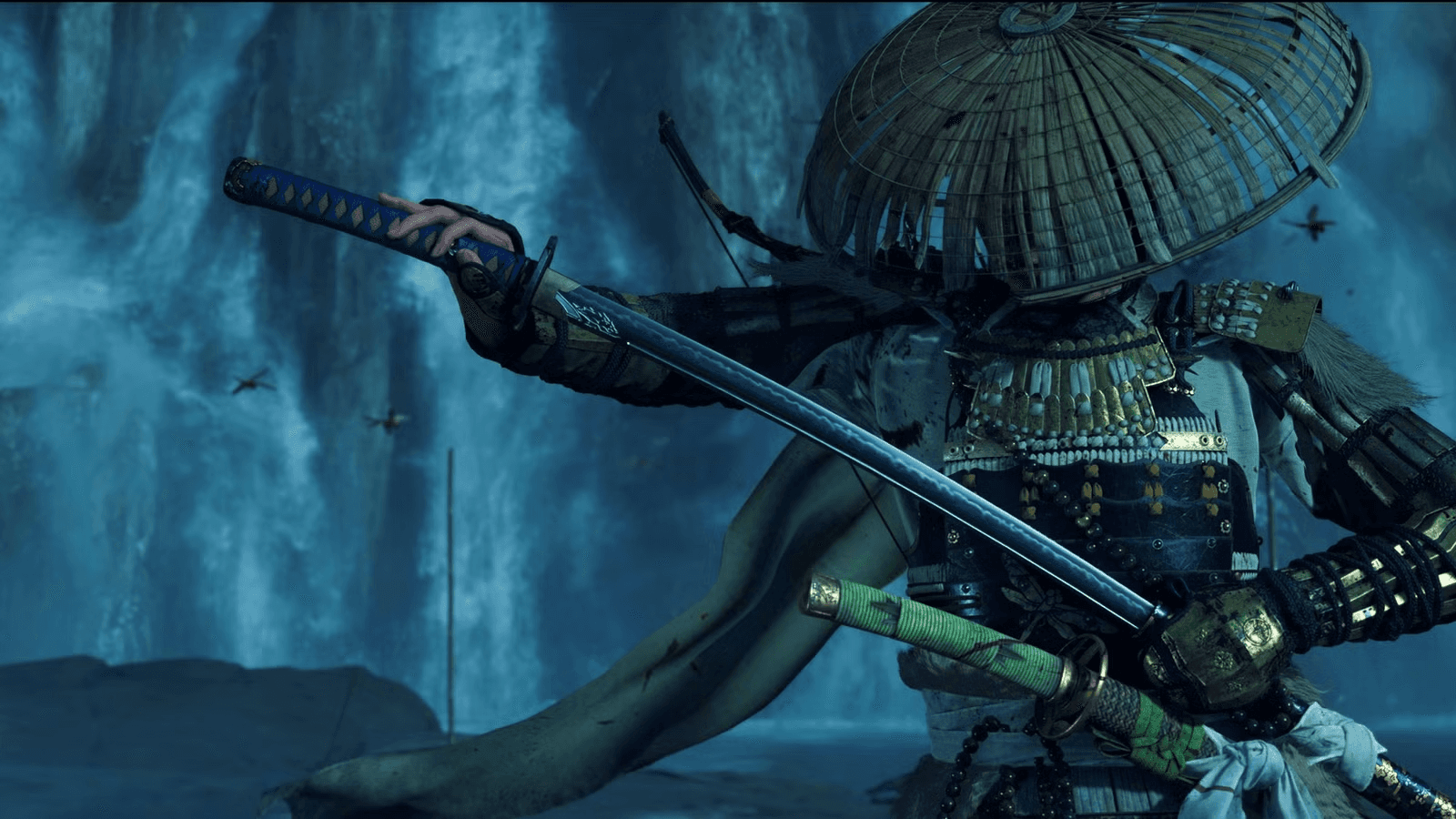
The feedback is an instinct, which means if you hit an enemy, you feel it. For all the experienced players, the adaptive triggers and motion additions bring nuance and reward precision and timing. Many players say it makes the game feel alive.
The use of the DualSense Controller in Ghost of Yōtei shows how hardware and game design can work together to elevate experience.

It isn’t just about great graphics or story, the feel of play matters. By leveraging haptics, adaptive triggers, motion controls, and the touchpad, the game makes sword fights more immersive and tactile.
For gamers and anyone interested in console innovations, this is a fine example of why next-gen hardware can change not just what we see, but also how we feel the game.