
Gaming
Jan 23, 2026
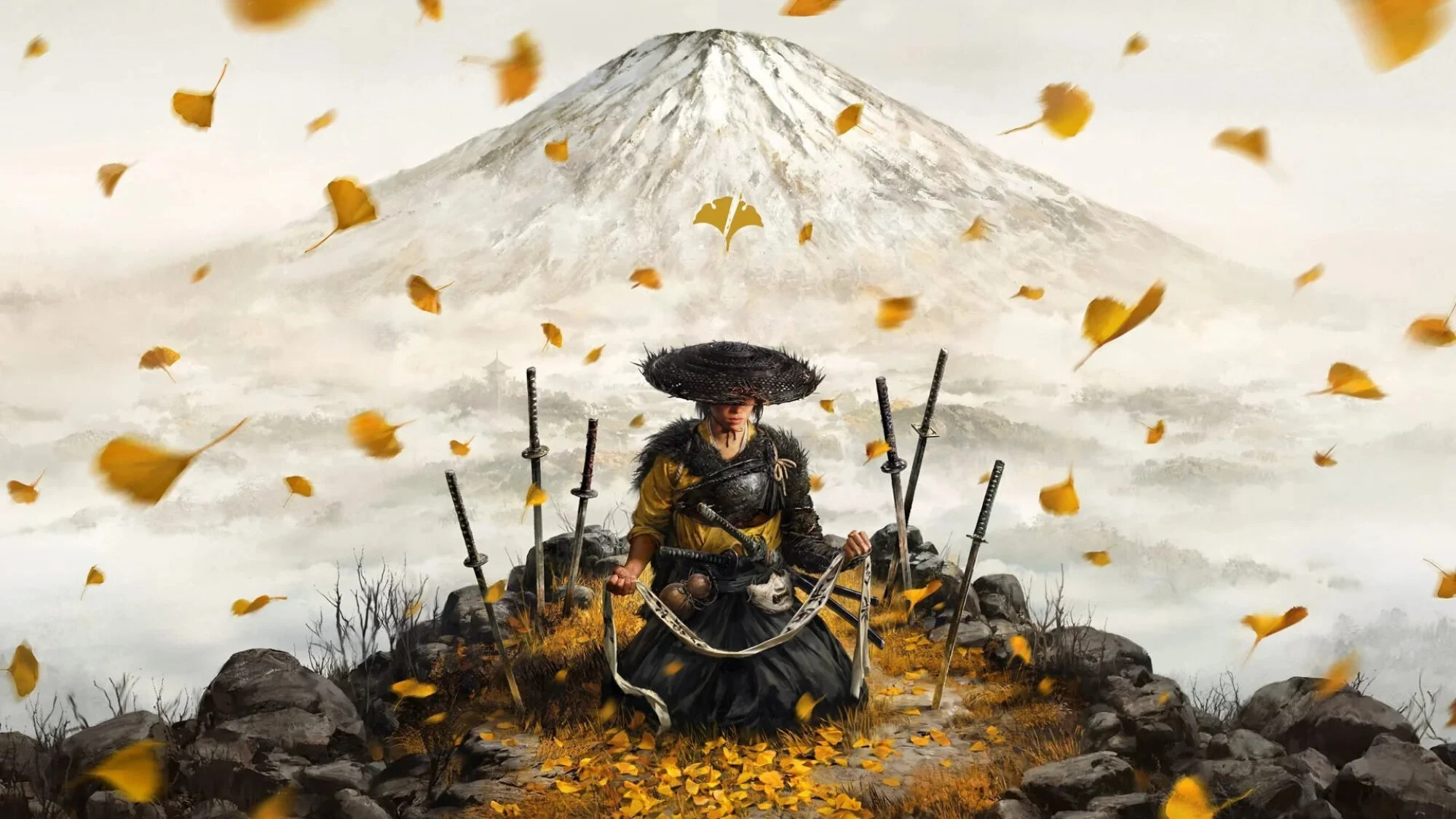
Explore how the samurai legacy evolved from Ghost of Tsushima to Ghost of Yotei. Discover how the warrior’s honor, balance, and spirit continue to shape modern gaming and storytelling. Photo by: Mashable
Samurai history commences in the feudal age of Japan. With unyielding faithfulness and unflinching heart samurai assisted their lords.
Samurai were the first to abide by and practice the code of honor titled Bushido. Aside from being warriors samurai were also philosophers, poets, and wise men.
Their discipline, focus and armor became symbols of respect and pride for generations to come.
The release of Ghost of Tsushima was the first time in years a video game was a vehicle for the return of the samurai to modern gaming.
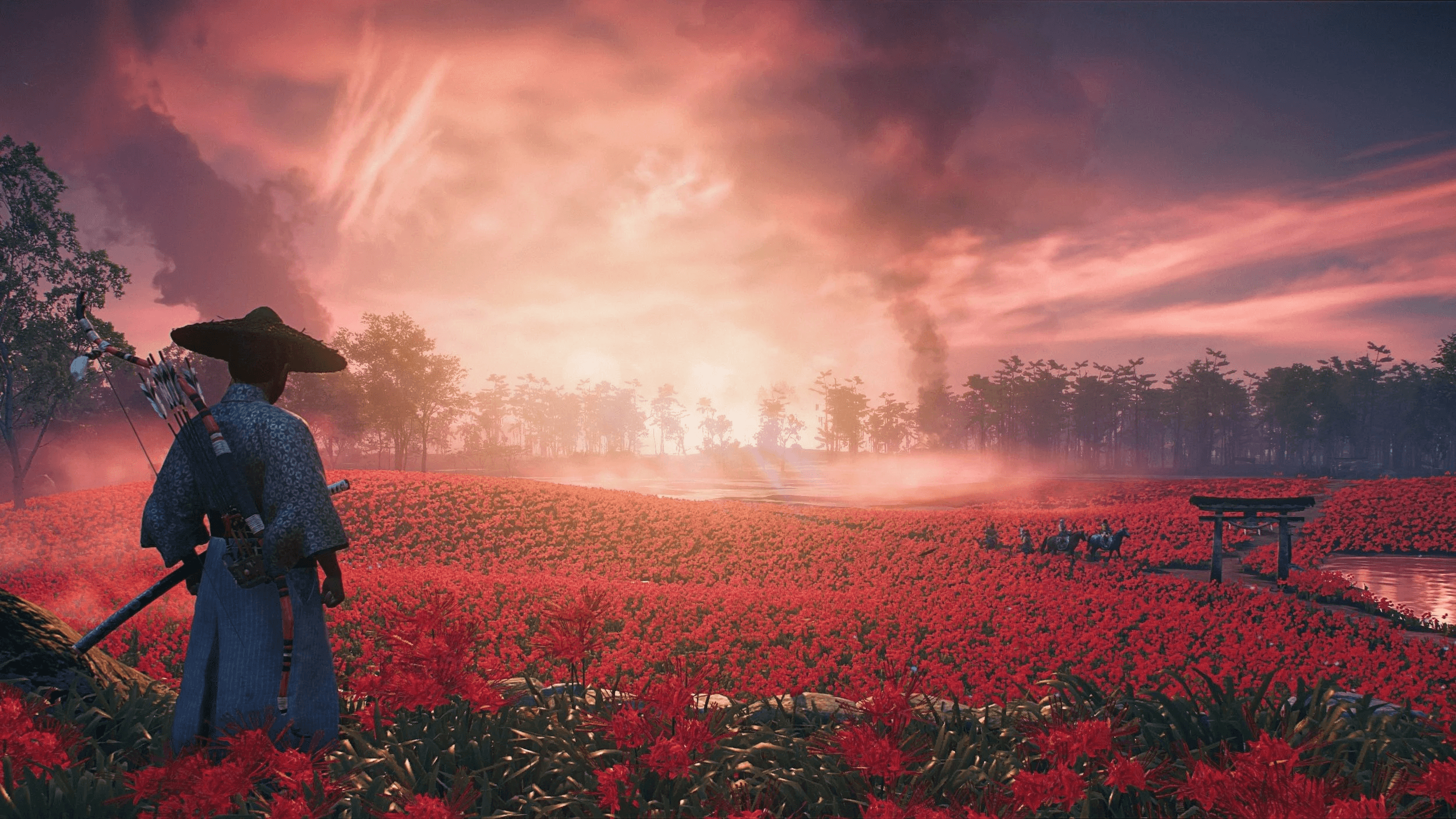
The game is set in the time of the Mongol invasion of Japan and tells the tale of a samurai, Jin Sakai, who is struggling between his code of honor and his duty.
The game captures a samurai’s difficult choice of honor or survival for the sake of his people. Ghost of Tsushima is inspirational for an audience beyond gamers due to its impressive visuals, emotional narrative, and rich culture.
Now, Ghost of Yotei stands as a revisioning of the samurai legacy for today's generation. While moving ahead of the historical Japan, it still carries the soul of the Samurai: his discipline, clarity, and the purpose for the fight.

Inspired by the calm strength of the warrior, the game integrates modern storytelling and advanced level design.
Ghost of Yotei showcases the evolution of the Samurai's philosophy, demonstrating the power of focus and balance in futuristic and fantastical scenarios.
Honor, while still a virtue, has so changed. Ghost of Tsushima depicted honor as the willingness to die for the land and the people.
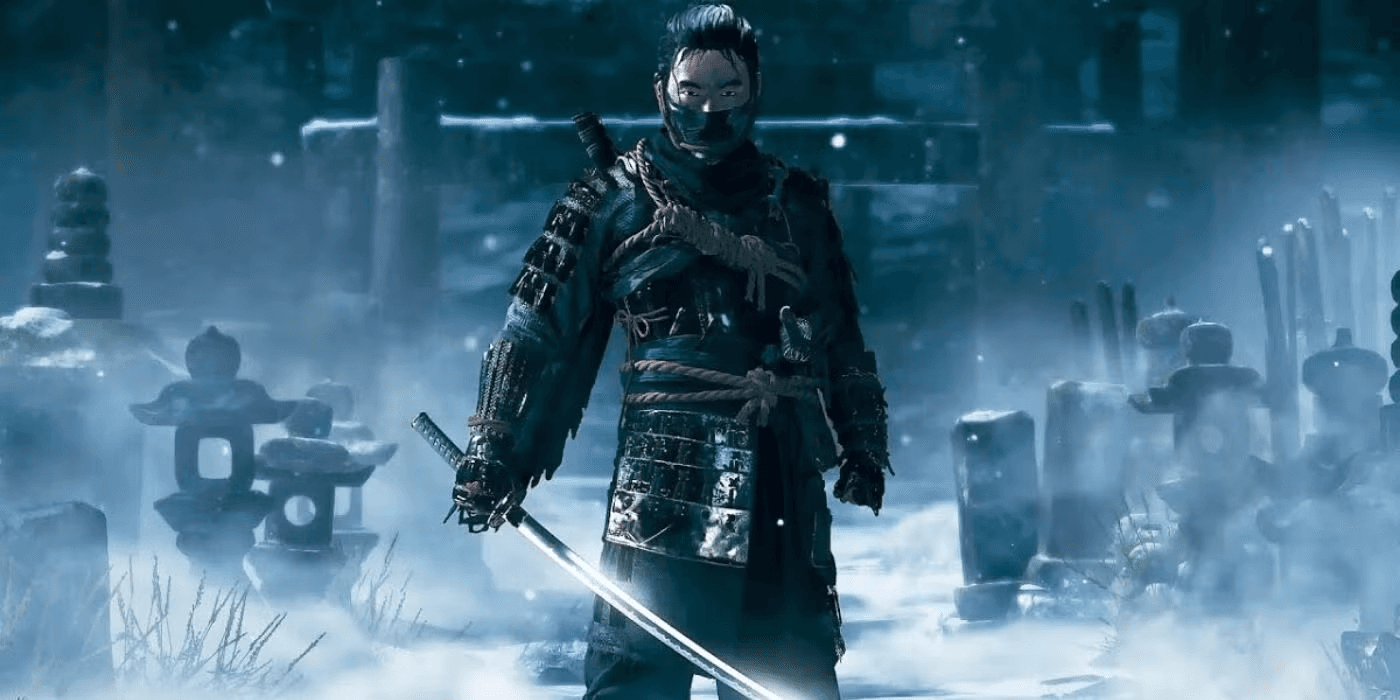
Yotei reflects mastery when one can silence inner chaos and stay centered in the midst of turmoil. Each of the two heroes draws forth the lesson that true valor is discipline.
The mindset of the samurai continues to evolve and teaches players that the most powerful, and yet most underappreciated, attributes are fortitude and patience.
The reach of samurai inspired philosophy within game design stretches far past the game mechanics of swords and blood duels.
Designers inject the characters with the samurai principles of peace, self sacrifice, and awareness to create empathy and wisdom.
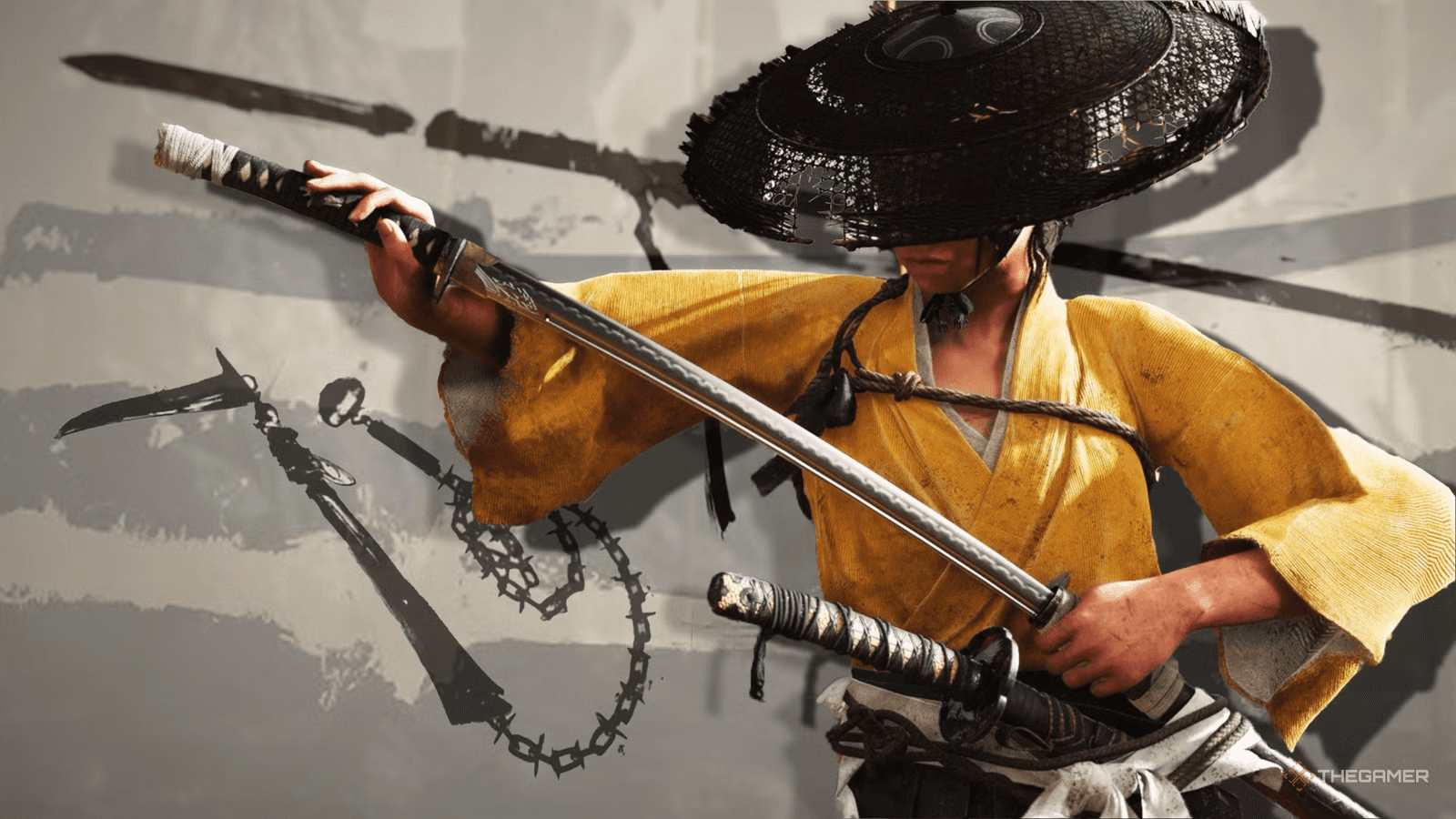
The samurai, as in the emotionally gripping Ghost of Tsushima, is the centerpiece around which the quiet intensity of Ghost of Yotei revolves.
This determination, in the spirit of the samurai, is to remind the player that every single confrontation, whether it is physical or emotional, it is a fight in the ritual of self restoration and balance.
From the historic shores of Tsushima to the enigmatic expanse of Yotei, the samurai legacy is ever present.
What started as tales of warriors has evolved into a teaching of balance, resilience, and the art of wisdom.
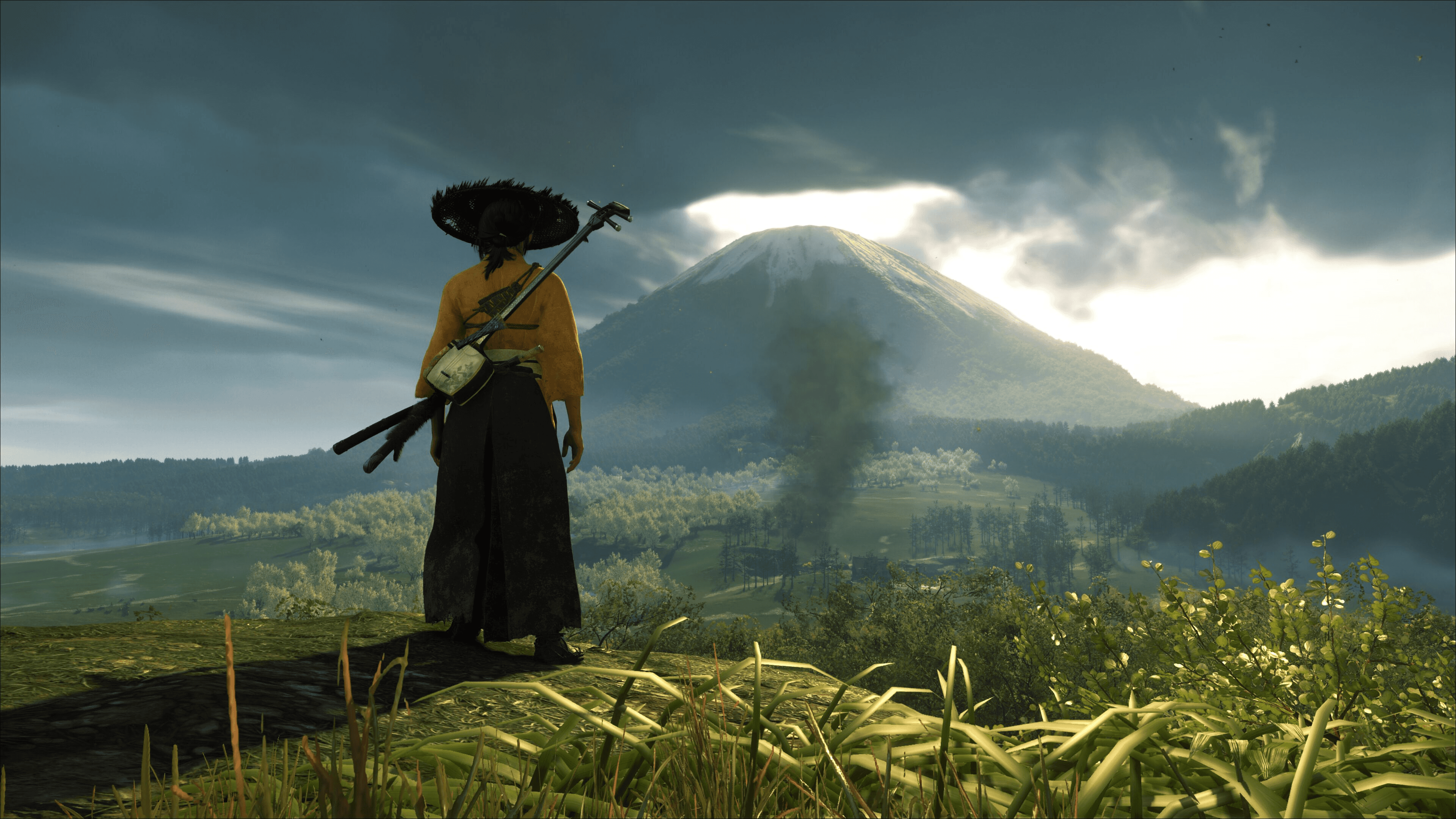
The path of the samurai embodies the truth that real heroism and bravery lies not in power but in a purposeful pursuit, finding a perfect between heart and blade.
In games, film, or literature, the essence of the Samurai will always be timeless and remembered.